This site is supported by our readers. We may earn a commission, at no cost to you, if you purchase through links.
Robins bathe differently than most backyard birds—no splashing around in deep water for them. These ground-feeding birds need water shallow enough to stand in comfortably, somewhere between 1 and 2 inches, where they can dip, ruffle, and rinse without losing their footing.
Most standard birdbaths sit too deep, which is why you’ll spot robins more often in rain puddles than in the bath you set out for them. A shallow bird bath for robins doesn’t need to be complicated, but a few details—depth, texture, placement, and seasonal upkeep—make the difference between a bath that robins trust and one they ignore.
Table Of Contents
- Key Takeaways
- Why Robins Prefer Shallow Baths
- Best Shallow Bath Design
- Where to Place Robin Baths
- Clean and Winterize Bird Baths
- Top 6 Robin Bath Products
- Frequently Asked Questions (FAQs)
- Do birds prefer shallow bird baths?
- Will robins use a bird bath?
- What can I plant in a shallow bird bath?
- What depth should a bird bath be?
- Can robins share bird baths with other species?
- How often do robins typically visit bird baths?
- Do robins prefer moving or still water?
- What times of day do robins bathe most?
- Should bird baths be heated during winter months?
- Do robins share baths with other bird species?
- Conclusion
Key Takeaways
- Robins need water just 1–2 inches deep — any deeper, and they’ll skip your bath for the nearest rain puddle.
- Ground-level placement near shrubs wins every time because it mimics the natural puddles robins already trust.
- Textured, non-slip surfaces and a gradual slope are what actually get robins to step in — a smooth basin sends them elsewhere.
- Fresh water every one to two days, weekly scrubbing, and a thermostat-controlled heater in winter keep your bath working year‑round.
Why Robins Prefer Shallow Baths

Robins aren’t picky birds, but they do have strong preferences concerning water. A shallow bath isn’t just convenient for them — it’s closer to what they’d naturally seek out in the wild.
That depth sweet spot also happens to attract mosquitoes, so it’s worth brushing up on mosquito-free bird water feature tips before you set one up.
Here’s what makes that depth and design so important to them.
Safe 1–2 Inch Water Depth
Robins need water that’s just just 1 to 2 inches deep — no more. At that shallow depth, ground feeding birds can stand comfortably, scan for predators, and bathe without losing their footing.
Depth consistency matters here: too shallow means poor feather rinsing, too deep feels risky. Since shallow puddles heat fast, shade provides temperature buffering and slows evaporation, keeping the water inviting longer.
Ground-level Baths Mimic Natural Puddles
Ground-level placement takes that shallow depth and turns it into something robins instantly recognize.
pebble texture basin with gradual sloping sides looks just like a natural puddle — the kind formed by rainwater harvest integration in low garden spots.
Ambient light reflection off the water surface, combined with a microhabitat creation approach, signals safety.
seasonal temperature buffer from nearby shrubs keeps conditions feeling familiar year-round.
It also helps ground-feeding birds attraction.
Drinking, Cooling, and Feather Care
A shallow basin does more than just look familiar — it works on three levels at once. Robins use water for drinking and bathing to support digestion, regulate heat through evaporative cooling, and maintain feather moisture balance.
- Avian hydration aids food breakdown after foraging
- Heat dissipation keeps robins active on warm afternoons
- Regular bathing frequency restores feather maintenance and natural waterproofing
Why Robins Avoid Deep Basins
Deep basins just don’t work for ground-feeding birds like robins. Beyond the obvious drowning risk, deep water forces them into awkward, energy‑expending postures just to drink.
Cold standing water also creates a real temperature shock risk — especially after a warm foraging session. Wet, waterlogged feathers cause flight impediment and raise disease transmission odds fast.
A shallow basin keeps all of that off the table.
Benefits for Year-round Backyard Visits
A consistent water source does more than quench thirst — it quietly helps robins through every season. Why shallow bird baths comes down to practicality: a ground bird bath at 1–2 inches delivers thermal comfort, parasite control, and energy efficiency in one spot.
- breeding success improves with reliable hydration
- social interaction increases at familiar, low-profile water sources
- predator safety stays high near shrub cover
Best Shallow Bath Design
Not every bird bath works for robins — the shape, size, and surface all matter more than you’d think. A well-designed shallow bath gives robins the confidence to actually use it, rather than just eye it from a distance.
Here’s what to look for when choosing the right design.
Ideal Basin Diameter for Robins
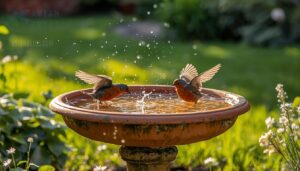
12-inch basin hits the sweet spot for robins — it mirrors the puddle footprint they naturally seek out and gives them real footing space without crowding. Diameter preference runs between 12 and 14 inches, offering crowd comfort for a bird that likes room to turn and splash.
That size consistency also keeps water capacity shallow and depth requirements for robins are perfectly safe.
Gradual Slope for Easy Entry
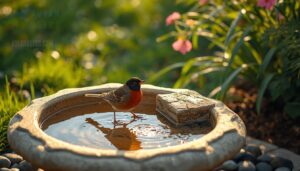
A gradual slope makes all the difference in whether robins actually use your bath. When the Slope Gradient shifts smoothly from ground level to the basin center, birds step in confidently — no hesitation, no sudden drop.
Build your Non-slip Ramp with these four features:
- Ramp Length long enough for two to three footing steps
- Edge Shift that blends seamlessly into the basin floor
- Grip Consistency across the full entry path
- Textured surface that stays secure even when wet
Textured Surfaces for Secure Footing

A slippery basin floor is the quickest way to lose a robin’s trust. Unglazed terracotta and rough-hewn stone deliver natural microtexture grip — their porous surfaces keep feet planted even when wet.
aggregate traction in cast surfaces, where embedded grit creates pattern geometry that braces each step. Slip-resistant coatings work too, but require regular surface maintenance to stay effective.
Low-rim and Rimless Bath Styles

A low rim keeps water visible at a glance — that’s Low Rim Visibility working for you. Rimless Edge Design takes it further, letting Smooth Water Flow spread evenly across the basin. Both styles offer an Easy Clean Surface with no hidden crevices.
As a minimalist lowprofile water source, these ground bird baths use bird bath design guidelines that feature features that encourage ground-feeding birds naturally.
Terracotta, Stone, Ceramic, and Recycled Plastic

Each material brings something different to the table. Terracotta Porosity gives robins a naturally grippy, rough surface — perfect for ground-level placement. Stone offers impressive Stone Frost Resistance through harsh winters. Ceramic Glaze Durability means easy cleaning and lasting color. Recycled Plastic Lightness makes repositioning simple.
Mix them for Material Blend Aesthetics that actually look good while keeping robins safe year-round.
Choosing Sturdy, Non-toxic Materials

Beyond looks, durability matters.
Stainless steel won’t rust season after season. Concrete composite holds up through freeze-thaw cycles without cracking. Granite abrasion resistance keeps edges smooth underfoot. Powder coated finishes resist fading. Recycled glass stays algae-free longer.
Cast iron, terracotta, and weather-resistant plastic all earn their place — just make sure whatever you pick carries no toxic coatings that could harm the birds drinking from it.
Where to Place Robin Baths

Getting placement right makes a bigger difference than most people expect. A well-chosen spot keeps robins safe, the water clean, and your backyard visits more frequent.
Here’s what to think about before you set the bath down.
Ground-level Placement Near Shrubs
Place your robin bath at ground level, tucked 3–6 feet from a shrub edge buffer. This spot mimics a natural puddle perfectly.
- Windbreak vegetation reduces water splashing and chilling.
- Shrubs act as natural perch integration points before birds drink.
- Ground moisture retention keeps the surrounding soil stable.
- A low profile rim lets robins step in without hesitation.
- Textured surface footing helps robins escape predators like cats, quickly.
Partial Shade to Keep Water Cooler
Shade does more than keep robins comfortable — it keeps your water fresher, longer.
Positioning your bath under a deciduous tree creates natural Canopy Heat Block, cutting radiant heat by roughly 40%. Light Basins in a partial shaded area stay noticeably cooler than dark ones.
That Edge Microclimate Cooling effect, boosted by Vegetation Evaporative Shade from nearby shrubs, helps temperature regulation in birds across every season.
Safe Distance From Bird Feeders
Keeping your bath 6–10 feet from feeders prevents seed and droppings from contaminating the water. Smart Feeder Spacing also maintains Open Sightlines, giving robins a clear view of approaching threats.
- Stay 6–10 feet from feeders
- Maintain a Ground Predator Buffer of 2–6 feet from borders
- Apply Predator Guard Placement on nearby poles
- Keep a Window Strike Buffer of 15–30 feet from glass
- Clear sight lines in every direction
Stable, Level Surfaces That Prevent Tipping
A wobbly bath sends robins flying before they’ve had a sip.
Set ground bird baths on flat, firm ground — a Wide Base Footprint distributes weight evenly, so Wind-Resistant Weight keeps things steady on breezy days.
Add Rubberized Feet or a nonslip surface underneath, use Adjustable Level Feet on uneven spots, and secure Anchoring Brackets if needed.
Stable ground-level placement means every visit goes smoothly.
Predator Visibility and Escape Cover
Robins won’t bathe where they can’t bolt — so predator visibility and escape path design matter as much as water depth.
Ground bird baths work best when you give robins:
- All-Around View — a 360-degree sight line so threats don’t sneak up
- Overhead Cover — overhanging branches that break aerial predator visibility
- Escape Path Design — short shrubs 1–2 meters away for quick retreats
A camouflaged bath with low-profile water sources blends naturally into yard textures, reducing predator perch visibility near ground-level placement.
Avoiding Mosquito-prone Wet Areas
Standing water near your bird bath is basically a mosquito welcome mat. Smart drainage design means choosing level ground that doesn’t pool after rain, and using mosquito‑proof materials like terracotta or stone that dry fast.
Stick to a water rotation schedule — swap it every one to two days. Cover mesh screens work well on nearby water features, blocking larvae without stopping robins.
Clean and Winterize Bird Baths

A clean bird bath is the difference between a robin hotspot and a health hazard. Staying on top of maintenance doesn’t take much — just a simple routine and the right approach for each season.
Here’s what you need to know to keep things fresh year-round.
How Often to Change The Water
Fresh water isn’t just a luxury for robins — it’s a lifeline. Change 10 to 15 percent of the water weekly to maintain a solid algae prevention schedule and support bird health and hygiene.
In hot weather, bump that to 20 to 25 percent twice weekly. Match your seasonal change cadence to the conditions, and your clean bird bath stays a reliable water source all year.
Weekly Scrubbing for Algae and Bacteria
Even a clean-looking bath can hide a biofilm layer that harms bird health and hygiene. Algae growth indicators — like a slick surface or greenish tint — usually appear within three to seven days.
Scrub weekly with a soft nylon brush using non-toxic cleaning alternatives like diluted vinegar or baking soda paste, which offer better bath material compatibility than harsh chemicals. Rinse thoroughly every time.
Safe Bleach Solution and Thorough Rinsing
For a deeper clean, a bleach dilution ratio of 1 part bleach to 9 parts water is your go-to disinfectant. Always use non-metal containers — bleach corrodes metal fast. Mix a daily fresh solution and wear protective gloves during use. Rinse water quality matters here: flush the basin completely before refilling.
- Use household bleach with 5–6% sodium hypochlorite
- Always wear protective gloves and eye protection
- Never mix bleach with ammonia or vinegar
- Scrub, then rinse two to three times thoroughly
- Cleaning routines to prevent bird disease start with complete bleach removal
Keeping Shallow Baths Unfrozen in Winter
Winter turns your bird bath into a block of ice overnight — but American Robins still need a winter water source. A few smart moves keep it liquid.
| Strategy | How It Helps |
|---|---|
| Microclimate Positioning | South-facing placement uses Solar Heating to slow freezing |
| Insulation Wrap | Hessian around the base cuts heat loss |
Windbreak Barriers from nearby shrubs block wind chill. Warm Water Top-ups delay ice on the coldest mornings, preventing frozen water before robins arrive.
Heated Bath Safety and Thermostat Features
Warm water top-ups help, but a winter heated bird bath takes the guesswork out completely.
Quality heated bowls use a thermostat setpoint between 95–105°F, with a SafetyStop cap preventing dangerous overheating.
Double wall insulation keeps energy use low, while GFCI protection guards against electrical hazards outdoors. If temperature drifts, an overheat alarm trips automatically — smart temperature control you can actually trust.
When Moving Water Helps Robins
Moving water does something still water simply can’t — it catches a robin’s attention from across the yard. A low drip fountain or gentle water flow creates an audible water sound that signals freshness instantly. That motion also delivers insect dislodging action, giving robins a reason to stay longer.
Moving water turns a simple bird bath into a beacon, drawing robins near with sound, motion, and the promise of freshness
Here’s what moving water does for robins in shallow bird baths:
- Water movement attraction draws robins from a distance
- Extended bath duration — robins linger longer in flowing water
- Seasonal water needs of robins stay met year-round
- Insect dislodging action turns bathing into foraging
Top 6 Robin Bath Products
Finding the right bird bath doesn’t have to be overwhelming. These six products cover everything from heated winter baths to solar fountains, giving you solid options no matter your setup or budget.
Here’s what’s worth considering.
1. API Heated Outdoor Bird Bath
 View On Amazon
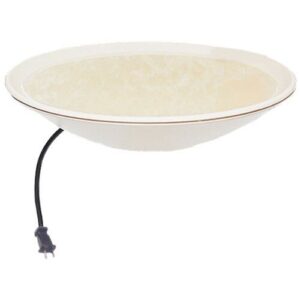
The API 600 Heated Outdoor Bird Bath is a solid winter pick for robin-friendly yards. Its 20-inch basin gives several birds room to drink and bathe at once — no crowding, no waiting.
The enclosed heating element keeps water ice‑free down to -30°C, and the thermostat controls the on/off cycling automatically. At 2 inches deep, you’ll want to add a flat stone to create shallower zones robins prefer. It’s CSA and UL listed, so safety isn’t a concern.
| Best For | Backyard bird lovers who want a reliable, low-maintenance water source for their birds through harsh winters. |
|---|---|
| Material | High-quality plastic |
| Weight | 4.5 lb |
| Outdoor Use | Yes |
| Power Required | Yes, 120V AC |
| Price Range | $129.99 |
| Safety Certified | CSA & UL listed |
| Additional Features |
|
- Keeps water liquid even in brutal cold — we’re talking down to -30°C, so your birds won’t go thirsty no matter the weather.
- The 20-inch basin is genuinely roomy — sparrows, robins, and bluebirds can all share without bumping into each other.
- CSA and UL listed, plus the enclosed heater means no bird (or curious raccoon) is touching a bare heating element.
- No stand included — you’ll need to sort out your own mounting setup before it’s ready to go.
- At 2 inches deep, the basin can be too deep for smaller birds, so plan on dropping a flat stone in there.
- $129.99 is a real investment, and a handful of buyers have had to troubleshoot heating issues right out of the box.
2. Skrizcable Outdoor Waterproof Extension Cord
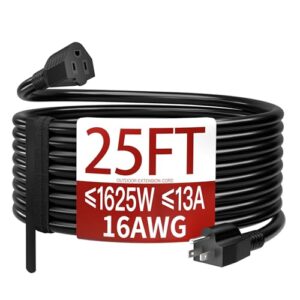
If you’ve got a heated bird bath, you need a cord that won’t let you down in bad weather. The Skrizcable 16/3 outdoor extension cord stretches 25 feet and stays flexible down to -58°F — no stiffness, no cracking.
Its IP65-rated jacket supports rain and splashes without issue. The ETL certification means it meets real safety standards. At 13 amps, it supports heated baths easily.
Use it with a GFCI outlet, and keep the connectors dry.
| Best For | Anyone who runs a heated bird bath, outdoor lighting, or garden tools through winter and needs a cord that shrugs off cold, rain, and rough handling. |
|---|---|
| Material | PVC vinyl jacket |
| Weight | Not specified |
| Outdoor Use | Yes |
| Power Required | Carries AC power |
| Price Range | Not specified |
| Safety Certified | ETL/cETL listed |
| Additional Features |
|
- Stays flexible down to -58°F, so you’re not wrestling a stiff, cracked cord in the middle of winter
- IP65-rated jacket handles rain and splashes, and the ETL certification backs up the safety claims
- Built tough — corrosion-resistant pins, strain relief on both ends, and rated for 20,000 bends
- Not UL listed, so it’s best for temporary setups with a GFCI outlet, not permanent wiring
- 13 amps won’t cut it for power-hungry gear like electric mowers or heaters
- The black jacket blends into the ground easily, which is a tripping hazard in busy outdoor spaces
3. Esschert Cast Iron Cookbook Stand
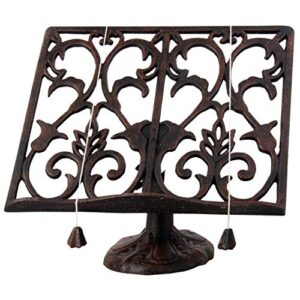
This one’s a bit unexpected in a bird bath article — but stick with it. The Esschert Cast Iron Cookbook Stand isn’t just for kitchens.
At 4.1 pounds with a sturdy base, it holds field guides, bird journals, or habitat reference cards open near your bath station, freeing your hands while you clean or refill.
The antique black cast-iron finish withstands outdoor conditions well. Weighted page cords keep wind from flipping your notes shut — genuinely useful when you’re mid-task in the backyard.
| Best For | Bird watchers and outdoor hobbyists who want a sturdy, hands-free way to keep reference books or journals open while working outside. |
|---|---|
| Material | Cast iron |
| Weight | 4.1 lb |
| Outdoor Use | No |
| Power Required | No |
| Price Range | Not specified |
| Safety Certified | Not listed |
| Additional Features |
|
- Cast iron build feels solid and holds up well outdoors without tipping over
- Adjustable angle makes it easy to find a comfortable viewing position
- Weighted page cords actually do their job — no more flipping pages in a breeze
- Too small for large, thick cookbooks or heavy field guides
- The wing-nut can be a pain to tighten and sometimes needs pliers just to get it snug
- The page cords fray or snap over time and run short on some units
4. Stone Care Stone Cleaner Polish
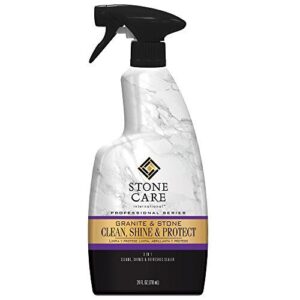
Stone or ceramic bird baths look beautiful — until algae and hard water marks dull the finish. That’s where Stone Care Stone Cleaner Polish earns its spot in your maintenance kit.
Its pH-neutral formula cleans grime and water marks without stripping the stone’s existing sealant. It even leaves a light protective layer that helps repel moisture.
Safe for granite, marble, slate, and terracotta, it works on most bath materials you’d commonly use. A 24 oz bottle runs about $10.98.
| Best For | Anyone who wants a quick, easy way to keep stone or ceramic bird baths clean and protected without worrying about damaging the surface. |
|---|---|
| Material | Bottle/spray format |
| Weight | 1.6 lb |
| Outdoor Use | Yes |
| Power Required | No |
| Price Range | $10.98 |
| Safety Certified | Not listed |
| Additional Features |
|
- PH-neutral formula cleans water marks and grime without stripping the stone’s sealant
- Leaves a light protective layer that helps repel moisture after each clean
- Works on a wide range of stone surfaces, so it’s versatile across different bath materials
- Struggles with stubborn hard-water deposits and mineral buildup
- Not a heavy-duty cleaner — deep stains or etching will need something stronger
- At $10.98 for 24 oz, it’s not the cheapest option on the shelf
5. Sunnydaze Solar 2 Tier Water Fountain
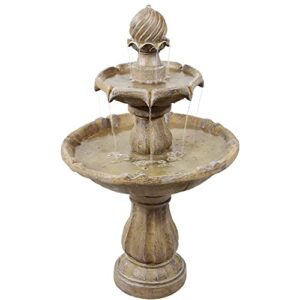
Moving water attracts robins better than a still basin — and the Sunnydaze Solar 2-Tier Fountain delivers exactly that. Water cascades from the top bowl down to the 23-inch lower basin, creating a gentle sound robins notice.
The solar panel runs the pump all day, with battery backup for up to 4 hours of cloud cover.
At about 20 pounds, you can reposition it easily. Just keep it on level ground — the tall 34.5-inch frame tips if the surface isn’t stable.
| Best For | Gardeners and bird lovers who want a low-maintenance, solar-powered fountain for a patio, courtyard, or garden without running extension cords everywhere. |
|---|---|
| Material | Polyresin |
| Weight | 20 lb |
| Outdoor Use | Yes |
| Power Required | Solar/AC optional |
| Price Range | Not specified |
| Safety Certified | Not listed |
| Additional Features |
|
- Runs on solar power with up to 4 hours of battery backup, so you’re not tethered to an outlet
- Lightweight at 20 lbs and easy to move around or store when the seasons change
- The cascading two-tier design keeps water moving, which is great for attracting birds like robins
- Struggles on cloudy days or in shady spots — sunlight really makes or breaks the performance
- The battery compartment isn’t fully sealed, so water can sneak in and cause pump issues over time
- Tall frame and light weight means it can tip over on uneven ground, especially when full
6. Farm Innovators Deck Mounted Heated Birdbath
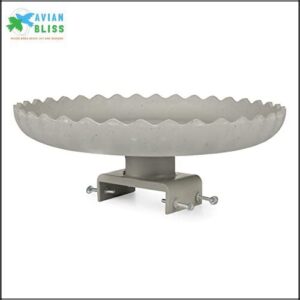
Winter doesn’t have to mean empty bird baths. The Farm Innovators Deck Mounted Heated Birdbath keeps water liquid down to –6°F, thanks to its 120-watt thermostat-controlled heater — so robins always have somewhere to drink and bathe.
The 17-inch basin sits at a safe 1-inch depth, perfect for small birds.
It mounts to any 4- to 6-inch deck rail with a simple twist-lock system, and the bowl detaches without tools for quick cleaning and refilling.
| Best For | Bird lovers who want to keep their feathered visitors hydrated through the winter months without giving up deck space. |
|---|---|
| Material | Compression-molded resin |
| Weight | 7.75 lb |
| Outdoor Use | Yes |
| Power Required | Yes, 120W AC |
| Price Range | Not specified |
| Safety Certified | Not listed |
| Additional Features |
|
- Keeps water unfrozen down to –6°F, so birds have a reliable water source even on the coldest nights.
- Mounts easily to most deck rails and the bowl pops off without tools — cleaning takes about a minute.
- The thermostat only kicks the heater on when needed, so it costs just a few cents a day to run.
- The heating element tends to give out after a season or two, and a replacement costs extra.
- The bowl holds about half a gallon, so in hot or windy weather you may need to top it off daily.
- It’s priced higher than a basic birdbath, so if the heater fails early, the value takes a hit.
Frequently Asked Questions (FAQs)
Do birds prefer shallow bird baths?
Yes, most birds do prefer shallow baths.
A depth of 1–2 inches lets them touch the bottom, bathe safely, and drink without risk — closely mimicking the natural puddles they instinctively seek out.
Will robins use a bird bath?
Robins absolutely use bird baths. They’re drawn to fresh, shallow water for drinking, cooling down, and cleaning their feathers — especially during dry spells when natural puddles disappear.
What can I plant in a shallow bird bath?
A bird bath can hold water and life. Native marginals like marsh marigold or sedge planted at the rim add shelter without crowding the basin — keeping it functional and robin-friendly.
What depth should a bird bath be?
Aim for 1 to 2 inches deep — shallow enough that a robin’s feet touch the bottom while it splashes around. That sweet spot keeps bathing safe, comfortable, and inviting.
Can robins share bird baths with other species?
Absolutely — sparrows and finches often join robins in the same basin.
A shallow bath with 1–2 inches of water gives multiple small birds enough room to splash without crowding each other out.
How often do robins typically visit bird baths?
Expect a parade of visitors — robins can drop by 6 to 10 times daily in hot weather, with dawn and late afternoon being their busiest bathing windows.
Do robins prefer moving or still water?
Robins prefer moving water.
A gentle dripper or slow fountain draws them in faster than a still basin — the ripples and soft sound signal freshness and help them spot the source from across your yard.
What times of day do robins bathe most?
Early bird gets the worm — and the bath.
Robins are most active at the water from 6–10 a.m. and again around 4–7 p.m., when temperatures cool and preening feels most rewarding.
Should bird baths be heated during winter months?
Yes, heating your bird bath in winter is worth it. Frozen water leaves robins with nothing to drink or bathe in.
A thermostatic heater keeps water just above freezing without running up your energy bill.
Do robins share baths with other bird species?
Most of the time, yes. Sparrows, finches, and doves will happily join robins at the same bath when space and water depth allow — usually around one to three inches.
Conclusion
Think of a shallow bird bath for robins as a small watering hole you’ve carved out of the wild and brought into your backyard. Depth, texture, placement, and clean water aren’t complicated details—they’re the exact signals robins read before deciding your yard is safe.
Get those four things right, and you won’t need to wonder why robins skip your bath. They’ll tell you themselves, one early-morning splash at a time.
- https://www.ecobeneficial.com/2014/07/water-birds-wildlife/
- https://www.marthastewart.com/how-to-clean-a-bird-bath-7866815
- https://ecosystems.psu.edu/directory/mxb21
- https://blog.nwf.org/2011/01/habitat-chat-with-george-h-harrison/
- https://blog.nature.org/science/2015/03/09/backyard-bird-baths-science-birding-wildlife-habitat/