This site is supported by our readers. We may earn a commission, at no cost to you, if you purchase through links.
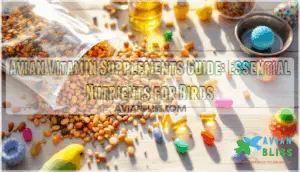 A parakeet’s vibrant feathers tell a story your eyes can’t see—one written in vitamins, minerals, and fatty acids coursing through every cell. When birds in the wild spend their days foraging across diverse landscapes, they naturally build a nutritional toolkit that captive birds often miss, even with the best seed mixes and pellets.
That’s where an avian vitamin supplements guide becomes your roadmap to filling those hidden gaps. Whether you’re caring for a finch, cockatiel, or macaw, understanding how to choose and use supplements properly can transform your bird’s immune strength, feather quality, and long-term vitality.
Table Of Contents
Key Takeaways
- Captive birds commonly lack vitamin A, D3, calcium, and omega-3 fatty acids because seed-based diets miss up to 80% of essential nutrients, making targeted supplementation critical for preventing immune weakness, poor feather quality, and bone disorders.
- Proper dosing and administration matter as much as the supplement itself—over-supplementation causes toxicity (orange skin, calcification), while water-soluble vitamins degrade within 60 days and should be mixed fresh daily or sprinkled on moist food.
- Species, age, and current diet determine which supplements your bird needs, with parrots requiring different vitamin A levels than finches, breeding birds needing extra calcium, and indoor birds lacking natural UVB requiring vitamin D3.
- Consulting an avian veterinarian before supplementing prevents dangerous imbalances, since only 9.9% of bird owners seek professional guidance despite blood tests revealing subclinical deficiencies in over 95% of birds eating fewer than 50% formulated diets.
Essential Vitamins and Nutrients for Birds
Your bird’s health depends on getting the right mix of vitamins and minerals every day. Just like you need different nutrients to stay strong, birds need specific vitamins to support their immune system, keep their feathers healthy, and build strong bones.
Let’s look at the key vitamins and minerals your feathered friend actually needs.
Key Vitamins (A, D3, E, B-complex)

Think of vitamins A, D3, E, and B-complex as your bird’s internal support system. Vitamin A keeps eyes sharp and respiratory health strong—deficiencies cause sinus infections and weight loss. Vitamin D3 regulates calcium absorption for bone strength, though excessive intake risks harmful hypercalcemia. Vitamin E protects cells and boosts reproductive health in breeding birds. B-complex vitamins fuel metabolism and feather growth, with bioavailability determining how efficiently your bird absorbs them.
Poor vitamin A source stability can reduce effectiveness by 40%, so choosing stabilized formulations matters. Supplementation with Hy-D improves growth and reduces lameness in poultry.
Importance of Calcium and Minerals
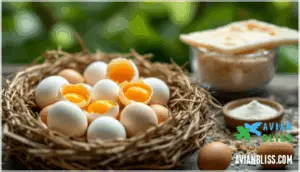
Calcium does the heavy lifting for your bird’s skeletal system—it makes up 99% of bone minerals. During egg-laying, hens need four times their normal calcium intake to maintain strong eggshells; without it, you’ll see thin shells and production losses of 10–15%. Phosphorus balance matters too: the ideal calcium-to-phosphorus ratio is 2:1 to 2.5:1. Vitamin D3 unlocks calcium absorption in the gut, so deficiency leads to weak bones and egg-binding.
Calcium builds 99% of bone minerals, and laying hens need four times their normal intake—without it, you’ll see thin shells and 10–15% production losses
Mineral supplements like cuttlebone or fortified diets correct these gaps quickly. Using organic trace minerals can also improve eggshell strength.
Role of Omega-3 and Omega-6 Fatty Acids
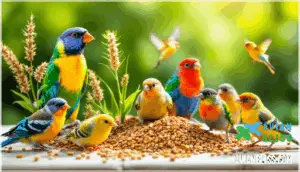
Beyond calcium’s structural role, your bird also needs the right balance of omega-3 and omega-6 fatty acids—think of them as the oil that keeps every system running smoothly. For poultry, a 4:1 omega-6 to omega-3 ratio promotes bone strength and reproduction, while companion parrots thrive closer to 1:1. When this balance tips too far toward omega-6, you’ll see reduced growth, weaker bones, and higher embryonic mortality in breeding birds.
Omega-3s improve cognitive development, strengthen immunity, feather quality, and power flight muscle performance in migratory species.
Diets relying heavily on seeds or pellets often lack sufficient omega-3, making targeted supplementation a practical way to fill that gap.
Benefits of Avian Vitamin Supplements

When you supplement your bird’s diet with the right vitamins and minerals, you’re giving them the tools they need to thrive. From supporting immunity to keeping feathers vibrant and strong, these supplements fill gaps that diet alone often can’t cover.
Here’s what you should know about the real benefits they can provide.
Supporting Immune System Health
Your bird’s immune system is like a fortress, and the right vitamins are its strongest defenders. When you supplement with vitamin A, vitamin E, and selenium together, you’re giving your bird powerful tools to fight off illness and stress. Here’s what these nutrients do:
- Vitamin A boosts antibody production and strengthens immune organs, helping your bird resist diseases like Newcastle virus.
- Vitamin E with selenium work as a team—they reduce stress hormones and increase protective antibodies by up to 40% compared to unsupplemented birds.
- Omega fatty acids act as antioxidants, protecting immune cells from damage and enhancing their ability to respond to threats.
Adequate immune defense means your bird stays healthier, recovers faster from illness, and responds better to vaccines.
Enhancing Feather Condition and Growth
Your bird’s feathers tell a story about their nutrition. When you provide adequate vitamin A, B-complex vitamins, and zinc, you’re directly supporting feather development at every stage—from growth to molting.
Vitamin A maintains feather follicles and prevents picking actions, while biotin and niacin guarantee strong, vibrant plumage. Environmental stressors and genetic factors influence how well these nutrients work, so proper supplementation becomes especially important during molt cycles.
Deficiencies show up quickly as dull, brittle feathers or unusual feather loss. The right balance prevents these issues entirely.
Promoting Bone Strength and Egg Production
For laying hens and breeding birds, strong bones and quality eggs depend on precise nutritional balance. Vitamin D3 and calcium work as a team—vitamin D3 boosts calcium absorption in the intestines, while calcium strengthens skeletal structure and eggshell formation. Here’s what matters most:
- Vitamin D3 supplementation (1,000–3,000 IU/kg) improves calcium and phosphorus absorption, directly backing bone mineralization and eggshell integrity.
- Ideal calcium ratios (4.0–4.5% in feed) maintain egg mass and laying rate while preserving bone density, especially in late-production phases.
- Vitamin synergy with B6 and E enhances bone metabolism and protects skeletal tissue from oxidative stress.
When mineral ratios stay balanced and vitamin D3 aids calcium absorption, your birds maintain skeletal integrity throughout their productive lives while delivering consistently strong eggs.
Improving Overall Bird Vitality
Strengthening your bird’s resilience against life’s daily stressors starts with targeted nutritional support. Additional vitamins E and selenium greatly boost stress resilience, while vitamin C protects against environmental challenges like heat stress. Birds receiving thorough supplementation show enhanced antioxidant capacity—a 19% increase compared to unsupplemented counterparts—supporting metabolic optimization and digestive health. This metabolic efficiency translates to improved body condition and extended longevity. Research demonstrates that total antioxidant capacity correlates strongly with lifespan in birds with routine supplementation, meaning consistent vitamin support becomes your bird’s foundation for thriving through every season.
| Supplement Type | Key Benefit | Impact on Vitality |
|---|---|---|
| Vitamin E & Selenium | Stress Resilience | Reduced stress-related disorders |
| Vitamin C | Environmental Protection | Better heat stress tolerance |
| B-Complex Vitamins | Metabolic Optimization | Enhanced energy utilization |
| Antioxidant Blend | Digestive & Cellular Health | Improved body condition & longevity |
Identifying Nutritional Gaps in Bird Diets

Even when you provide high-quality pellets and fresh foods, your bird’s diet might still fall short in specific vitamins or minerals. Recognizing these gaps early can prevent health problems down the road.
Let’s look at the most common deficiencies and warning signs to watch for. Additionally, we’ll explore how different bird species have unique nutritional requirements.
Common Deficiencies in Captive Birds
Many captive birds face nutritional deficiencies simply because seed-based diets don’t provide the full spectrum of nutrients they need. Vitamin A deficiency is often seen in parrots eating mostly seeds, while calcium imbalance is common in African grey parrots without proper supplementation. Birds consuming high-fat seeds frequently suffer from vitamin E shortfalls.
B-complex and mineral deficiencies also appear frequently, making bird nutrition supplements essential for addressing these nutrient deficiencies in captive avian species.
Signs of Vitamin and Mineral Deficiency
You can spot avian health problems early by watching for specific deficiency symptoms in your bird. Feather abnormalities like frayed plumes or poor coloring often signal vitamin A or E shortfalls, while neurological symptoms such as head tilting or paralysis point to B-vitamin deficiencies.
Bone deformities and weak legs indicate calcium or vitamin D3 gaps, and poor eggshell quality reveals mineral imbalances affecting your hen’s nutritional status.
Assessing Dietary Needs for Different Species
Your bird’s nutritional needs depend largely on its natural diet and lifestyle. Parrots eating mostly seeds often lack vitamin A and D3, while fruit-loving toucans need careful iron control and vitamin E balance to prevent organ damage. Species metabolism, habitat influence, and breeding needs all shape what essential nutrients your bird requires for a balanced diet.
- Granivorous finches and budgerigars need extra calcium and vitamin D3 since seeds alone create nutritional gaps in birds
- Indoor parrots require vitamin D3 supplementation without direct sunlight, as UVB exposure drives calcium absorption
- Breeding pairs benefit from calcium-enriched captive diets (1.0–1.5%) to support egg formation and chick development
An avian veterinarian can use monitoring practices like plasma analysis and feather scoring to assess your bird’s specific requirements.
Choosing The Right Avian Supplement
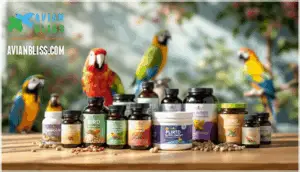
Not all supplements work the same way for every bird. You’ll need to match the product to your bird’s species, age, and current diet.
Let’s look at the main types of supplements available and what to think about when choosing one.
Types of Bird Vitamin Supplements
You’ll find bird vitamin supplements in several forms, each designed for specific needs. Multivitamin blends like Nekton-S and EasyBird Complete deliver essential vitamins for birds alongside minerals and amino acids in convenient powder form.
Calcium sources range from traditional cuttlebone to improved formulas like Calcium Plus with vitamin D3. Omega fatty acids come as whole-food blends, while powder vs. liquid formats offer different absorption rates—powdered multivitamin supplements for birds mixed with moist food work better than water-soluble options that lose potency quickly.
Factors to Consider (Species, Age, Diet)
Choosing the right supplement starts with knowing your bird’s unique profile. Species Needs dictate vitamin A requirements—parrots need 1,500 to 10,000 IU/kg feed compared to passerines. Age Demands shift too; young birds building bones require more calcium and D3, while aging pet birds need extra antioxidants.
Diet Influence matters most: seed-based diets create nutritional gaps in birds, lacking up to 80% of essential nutrients.
Supplement Selection hinges on these factors, plus life stage—breeding and molting increase folic acid needs. Monitoring Regimens through regular health checks make certain your balanced diet for birds stays on track.
Trusted Brands and Product Recommendations
HARI PRIME, Vetafarm, and Avian Vitaliser lead in brand reputation and ingredient transparency. Choosing bird vitamin supplements requires weighing veterinary endorsements—top avian specialists recommend HARI Prime for amino acid content and Birdcare Company’s Guardian Angel for immune support.
Formulation differences matter: products with disclosed vitamin levels guarantee product accessibility and safety.
You’ll find these bird supplements through specialty retailers and veterinary clinics globally.
Safe Use and Best Practices for Supplementation

Giving your bird supplements is only half the equation—you also need to know how to use them safely and effectively. Over-supplementation can harm your bird just as much as a deficiency, so understanding proper dosing and timing matters.
Here’s what you need to know to make supplementation work for your feathered friend.
Proper Supplement Administration Methods
Ever wondered why some birds thrive while others struggle, even with the same diet? The secret often lies in how you give their nutritional supplements.
For safe, effective results:
- Use water-soluble vitamins for even dosing.
- Mix non-soluble supplements with moist food.
- Prioritize dosing accuracy—use droppers, not guesswork.
- Embrace delivery formats that suit your bird’s habits.
Monitoring Bird Health and Avoiding Over-supplementation
When you provide too many vitamins or minerals, you risk toxicity symptoms like orange skin discoloration, impaired blood clotting, or soft tissue calcification. Diagnostic monitoring through blood tests helps catch imbalances early.
Preventive strategies include using balanced pellets and rotating foods instead of daily supplementing. Veterinary supervision ensures dosing matches your bird’s body weight and life stage, while husbandry considerations like providing natural sunlight reduce supplement dependency entirely.
Integrating Supplements Into Daily Bird Care
Making supplementation part of your routine doesn’t have to feel overwhelming. You can mix water-based delivery methods—like adding 4 g of water-soluble vitamins per 400 mL of drinking water—with food-based integration techniques for a balanced diet for birds.
Here’s how to keep things simple:
- Replace supplemented water daily to prevent bacterial growth and maintain avian health and wellness
- Sprinkle powdered supplements on moistened foods for better adherence and uniform distribution
- Store vitamins in cool, dark places since sunlight reduces vitamin A and E stability by 30% within two weeks
Timing frequency matters too. Most birds drink more in the morning, making that the ideal window for water-based delivery. If your bird eats fortified pellets, you can reduce supplement safety for birds to three times weekly instead of daily bird nutrition routines.
Consulting Avian Veterinarians for Guidance
When should you reach out for professional bird care guidance? Birds eating fewer than 50% formulated diets show deficiencies in vitamin A (57.8%), vitamin D3 (98.5%), and calcium (95.6%), making dietary evaluations essential. Your avian veterinarian uses serum biochemistry and liver testing for deficiency diagnosis, which you can’t see at home, preventing supplement risks like toxicosis and over-supplementation.
| Service Type | What It Affects | Access Method |
|---|---|---|
| Dietary Evaluations | Species-specific vitamin needs, calcium requirements for African greys | In-clinic physical exam |
| Deficiency Diagnosis | Subclinical imbalances, hepatic vitamin A storage | Blood panels, liver biopsy |
| Customized Supplements | Prescription formulations based on test results | Veterinary-developed products |
| Telehealth Options | Follow-up monitoring, dosing adjustments | Virtual consultations (up 46% since 2020) |
| Ongoing Monitoring | Long-term supplementation safety, bone health tracking | Periodic check-ups |
Telehealth options have expanded access to specialist nutritionists, with over 20 diplomates available through the American College of Veterinary Nutrition as of 2025. Only 9.9% of bird owners currently seek veterinary advice before supplementation, yet professional guidance guarantees avian health and wellness while avoiding metabolic bone disease and immune suppression linked to improper dosing.
Frequently Asked Questions (FAQs)
How do seasonal changes affect vitamin requirements?
Your bird’s vitamin needs shift with the seasons, much like our own bodies respond to changing weather.
During molting season and breeding season, birds require extra nutrients to support feather growth and egg production, while winter stress increases demand for immune function support through essential vitamins and minerals.
What are natural food sources for vitamins?
Your bird’s diet can offer many essential nutrients naturally. Leafy greens provide vitamin A, while fruits deliver vitamin C. Seeds sources contain vitamin E, and insects supply B-complex vitamins.
Sprouted grains boost nutrient availability, supporting a healthy diet beyond seed-based diets alone.
Can vitamin supplements interact with bird medications?
Yes, drug-nutrient interactions can occur between dietary supplements and psychotropic medications for birds. Certain vitamin mineral supplement components may affect medication efficacy through absorption interference.
Supplement contraindications exist with some treatments, making veterinary consultation essential before combining avian supplements with prescribed medications for best bird health and wellness.
How long do opened supplements remain effective?
Once you open dietary supplements, water-soluble vitamins degrade within 60 days under typical storage conditions. Expiration dates guide safe use, but supplement form matters—powders oxidize faster than encapsulated products.
Visual indicators like discoloration or odor signal degradation factors compromising essential vitamins your avian companion needs.
Are homemade vitamin mixes safe for birds?
Homemade mixes often introduce mix safety risks and formulation accuracy issues because ingredient sourcing concerns and storage stability problems make precise dosing difficult.
Birds face nutritional gaps when deficiency symptoms appear from imbalanced recipes.
Always seek veterinarian approval before attempting bird supplementation with homemade vitamin mineral supplement solutions.
Conclusion
Think of vitamin supplementation as tuning an instrument—each nutrient plays its part in creating harmony within your bird’s body. Without the right balance, even the most vibrant plumage can fade and vitality can slip away unnoticed.
This avian vitamin supplements guide prepares you to recognize deficiencies before they escalate, choose products that match your bird’s unique needs, and administer them safely.
Your careful attention to these details doesn’t just prevent illness; it helps your feathered companion thrive with energy, resilience, and those vibrant colors that first captured your heart.
- https://pmc.ncbi.nlm.nih.gov/articles/PMC10215127/
- https://www.sciencedirect.com/science/article/pii/S0022316622159626
- https://www.petmd.com/bird/conditions/digestive/c_bd_Vitamin_A_Deficiency
- https://www.frontiersin.org/journals/animal-science/articles/10.3389/fanim.2024.1484262/full
- https://www.thepoultrysite.com/articles/effect-of-a-supply-of-hyd-and-two-levels-of-vitamins-on-performance-bone-development-and-leg-weakness-of-turkeys