This site is supported by our readers. We may earn a commission, at no cost to you, if you purchase through links.
Your backyard might be home to dozens of songbird species, but only a handful actually visit your feeder. The difference often comes down to what’s in the mix. Cardinals pass over cheap blends filled with milo and wheat, while goldfinches won’t even stop if you’re offering the wrong seed size.
Understanding bird seeds for attracting songbirds means learning what each species actually craves—not what manufacturers claim is “premium.” Black-oil sunflower seeds dominate the best mixes for good reason: their thin shells crack easily, and their 40-50% oil content fuels songbirds through harsh winters and long migrations.
But a truly diverse backyard needs more than one seed type to bring in the full spectrum of colorful visitors you’re hoping to see.
Table Of Contents
- Key Takeaways
- Best Bird Seed Types for Songbirds
- Nutritional Needs of Songbirds
- Evaluating Bird Seed Quality
- Crafting The Ideal Songbird Seed Mix
- Top 10 Bird Seeds for Attracting Songbirds
- 1. Kaytee Ultimate No Mess Wild Bird
- 2. Wagner’s Cherry Flavored Wild Bird Food
- 3. Wild Harvest Daily Blend Bird Food
- 4. Wild Bird Greatest Variety Blend
- 5. Kaytee Songbird Wild Bird Seed
- 6. Wagner’s Songbird Banquet Wild Bird Food
- 7. Pennington Pride Nut and Fruit Blend
- 8. Audubon Park Songbird Supreme Bird Seed
- 9. Black Oil Sunflower Bird Seed
- 10. C&S Orange Delight Suet Cake
- Choosing The Right Bird Feeder
- Bird Feeder Placement and Maintenance
- Tips for Attracting Colorful Songbirds
- Storing and Handling Bird Seed
- Frequently Asked Questions (FAQs)
- Conclusion
Key Takeaways
- Black-oil sunflower seeds are your best all-purpose choice because their 40-50% oil content and thin shells attract over 40 songbird species, from cardinals to chickadees, while providing the energy birds need for migration and winter survival.
- Fresh, high-quality seed matters more than you might think—moldy or stale seeds can cause fatal respiratory diseases in songbirds, so check for expiration dates, store seeds in airtight containers below 65°F, and clean feeders every two weeks to prevent disease outbreaks.
- Different species have specific preferences that cheap mixes ignore: goldfinches flock to nyjer seeds in mesh feeders, cardinals crack safflower seeds that squirrels hate, and ground-feeders like sparrows prefer white proso millet scattered on platform feeders.
- Your feeder’s location is as critical as what’s inside it—place feeders 5-6 feet high and 10-15 feet from trees to balance predator protection with accessibility, and pair quality seed with fresh water sources to transform your yard into a year-round songbird sanctuary.
Best Bird Seed Types for Songbirds
You can’t go wrong with the right seed—it’s like rolling out the welcome mat for your backyard birds. Different songbird species have their own preferences, so offering a variety keeps your feeders bustling with activity.
Let’s look at the top seed types that’ll turn your yard into a songbird hotspot.
Black-oil Sunflower Seeds
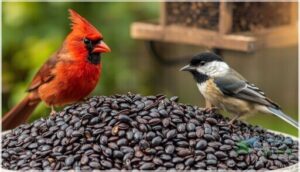
Black oil sunflower seeds are the best option for attracting songbirds—and for good reason. With 40-50% oil content and thin, easy-to-crack hulls, these small seeds pack serious energy that birds crave.
You’ll draw in diverse species with this single offering:
- High fat content fuels migration and winter survival
- Thin shell reduces waste and effort
- Meaty kernels satisfy cardinals, chickadees, and finches
- Broad appeal attracts 40+ bird species consistently
They’re cultivated to have a higher fat content than other seeds.
Nyjer (Thistle) Seeds
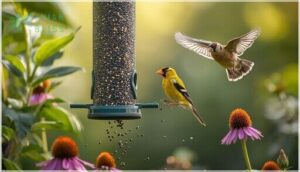
Nyjer seeds bring finches to your feeder like nothing else. These tiny, oil-rich seeds from Ethiopia attract American Goldfinches and Pine Siskins with their high nutritional value—but freshness matters. You’ll want seeds that leave oil blotches when crushed, showing they’re still packed with energy.
These seeds are also known for being a high-energy food source for birds. Use mesh feeders with small ports designed specifically for finch beaks, and watch these vibrant songbirds flock to your yard.
Safflower Seeds
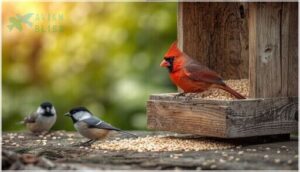
Safflower seeds work brilliantly for attracting cardinals, chickadees, and nuthatches while serving as a natural squirrel deterrent. Their bitter taste keeps pests away, letting your songbirds feast in peace. You’re getting solid seed nutrition too—high fat content and vitamin E support healthy feathers and strong eggs. Here’s what makes safflower shine:
- Cardinals choose it over other seeds
- Squirrels find it unpalatable
- Hard shells frustrate grackles
- Cool, dry storage keeps seeds fresh 12-18 months
Sunflower Hearts and Chips
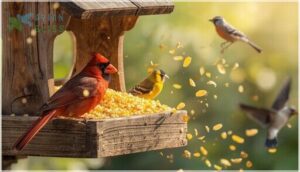
You’ll love sunflower hearts and chips for their zero-mess convenience and broad songbird appeal. Cardinals, chickadees, titmice, and goldfinches devour these hull-free seeds, which pack 38-39% fat and 20-27% protein—essential nutrients for winter survival. Though pricier than black oil sunflower seeds at around $1.80 per pound, their efficiency reduces waste. Store them in airtight containers to prevent mold, and watch your feeder traffic soar.
| Benefit | Details |
|---|---|
| Nutritional Benefits | 560-600 kcal/100g, high fat & protein |
| Species Attracted | Cardinals, goldfinches, chickadees, titmice |
| Mess Reduction | No shells = less ground debris |
| Cost Analysis | Higher upfront, lower waste long-term |
| Storage Tips | Airtight containers, cool & dry |
Grains, Millets, Nuts, and Fruits
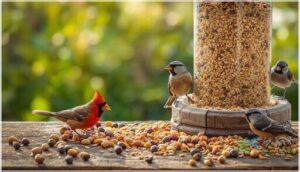
Ground-feeding songbirds like sparrows and juncos thrive on white proso millet, which offers magnesium, phosphorus, and easy digestion. Adding shelled, unsalted nuts and soaked dried fruits to your seed mix boosts protein and natural sugars—essential for winter energy.
However, these ingredients carry spoilage risks and pest attraction in humid conditions, so store them in airtight containers and clean feeders weekly to prevent mold toxicity.
Nutritional Needs of Songbirds
Just like you need a balanced diet to stay healthy, songbirds rely on specific nutrients to thrive. The seeds you offer aren’t just snacks—they’re fuel that powers migration, aids breeding, and helps birds survive harsh weather.
Seeds aren’t just snacks for songbirds—they’re fuel that powers migration, breeding, and survival through harsh weather
Let’s look at what songbirds really need from their food and why it matters for the birds visiting your backyard.
Importance of High Fat and Protein
Songbirds depend on fat and protein to thrive through every season. Fat reserves can increase by 40-60% of body weight during migration, fueling long journeys. Here’s why these nutrients matter:
- Winter survival: High-fat seeds boost overwinter survival rates by 30-50%
- Breeding success: Females need 18-20% protein for egg production
- Juvenile growth: Young birds require 20-24% protein for feather development
- Vitamin absorption: Fat permits absorption of essential vitamins A, D, E, and K
Essential Vitamins and Minerals
You can’t overlook the nutritional needs that keep songbirds vibrant. Vitamin A sharpens vision and immune response, while Vitamin D3 builds strong bones and eggshells. Calcium sources like cuttlebone prevent mineral deficiencies that weaken skeletons. Iron benefits include oxygen transport for active flight muscles.
These nutrients form the foundation of avian nutrition, ensuring your songbird diet and nutrition support healthy, thriving visitors year-round.
Energy Requirements for Different Species
Energy demands vary dramatically across songbird species and life stages. A chickadee’s basal metabolic rate (BMR) runs high, but migration and molting push caloric needs even further. Understanding these patterns helps you choose high-energy bird food that matches their dietary needs.
- Active flight burns 2.5 to 5 times resting BMR, with some species reaching 11 times during sustained journeys
- Winter survival requires a 46% BMR increase in goldfinches to combat cold
- Molting demands spike energy expenditure by 32% during feather replacement
- Migration energy needs jump 11-30% during nocturnal flights, with pre-migratory fattening exceeding 50% increased intake
- Seed preferences shift toward fat-rich options (31.7% crude fat) during high-demand periods, meeting songbird nutritional needs
Evaluating Bird Seed Quality
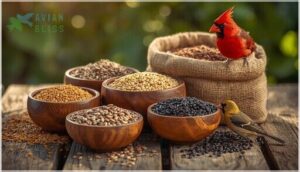
Not all bird seed is created equal, and knowing what to look for can make the difference between a thriving backyard oasis and wasted seed that sits untouched. Fresh, high-quality seed keeps your feathered visitors healthy and coming back for more.
Let’s walk through the key factors you’ll want to check before filling your feeders.
Freshness and Expiration Dates
You wouldn’t feed your family spoiled food, so don’t offer stale bird seed to your backyard visitors. Seed expiration directly impacts bird health—moldy seeds can cause fatal respiratory diseases like aspergillosis, while rancid seeds lose essential nutrients.
When evaluating bird seed quality, check for mold, discoloration, or musty odors. Black oil sunflower seeds and nyjer generally last 6-12 months with proper seed storage, but moisture and heat accelerate seed spoilage signs dramatically.
Minimal Dust and Debris
Think of dust and debris as invisible threats to your feathered friends’ respiratory health. High-quality seed contains less than 5% debris, while poor mixes can reach 80% fillers—dusty seed hulls, broken fragments, and mold spores that compromise both feeder hygiene and songbirds’ lungs.
When evaluating seed quality, prioritize no mess seed blends for waste reduction and mold prevention:
- Choose hulled sunflower hearts over shell-on varieties
- Inspect seed composition for minimal chaff and dirt
- Select clean mixes reducing ground debris around feeders
Low-dust options protect respiratory health while simplifying feeder maintenance and minimizing seed mess beneath your station.
Resealable and Protective Packaging
Beyond cleaning your feeders, protecting your birdseed from the moment you buy it matters just as much. Resealable packaging with moisture barrier properties extends shelf life to 6–12 months while preventing pest infestation. Look for airtight pouches—they dominate the resealable market share at 60–70%—to preserve nutritional value and block oxygen that causes rancidity in seed blends.
| Packaging Feature | Benefit for Songbirds |
|---|---|
| Airtight seals | Prevents mold, preserves vitamins A and E |
| Metallized barriers | Blocks oxygen causing fat degradation |
| Resealable zippers | Maintains seed blend freshness between feedings |
Crafting The Ideal Songbird Seed Mix
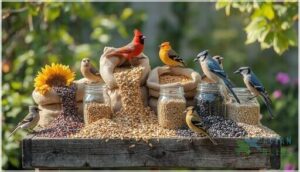
You can’t just toss any seeds into your feeder and hope for the best. Different songbirds have different preferences, and getting the right balance makes all the difference in who shows up at your backyard buffet.
Let’s look at how to mix seeds that’ll bring in the widest variety of species while keeping waste to a minimum.
Recommended Seed Ratios
A solid seed mix recipe starts with about 70% black oil sunflower seeds—songbirds love them year-round.
For winter seed ratios, add 20% millet for extra energy. Toss in 5% nyjer or safflower for species-specific blends, and keep filler seed impact low.
Seasonal seed adjustments matter, so boost protein-rich seeds in summer to match songbirds’ needs.
Mixing for Species Diversity
You’ll attract more songbirds when your seed mix reflects nutritional diversity and species preferences. Different seed varieties trigger distinct foraging behavior—finches dart for nyjer, cardinals crack safflower, chickadees grab sunflower hearts.
This habitat complexity in your feeder creates a welcoming buffet. The seed ratio impact matters because seed selection varies widely: some birds favor hemp, others stick to millet, matching their unique energy needs.
Avoiding Fillers and Low-Value Seeds
Your seed blend’s nutritional value hinges on bird seed ingredients, not filler identification after purchase. Consumer awareness matters: up to 73% of discount mixes contain red millet, wheat, or milo that songbirds ignore. Cost analysis reveals you’re paying for waste.
Check seed composition labels carefully. Ethical sourcing and seed freshness guarantee quality. Choose bird seed blends listing sunflower, safflower, or nyjer first—ingredients birds actually eat.
Top 10 Bird Seeds for Attracting Songbirds
You’ve mastered the basics of seed selection and mixing ratios. Now it’s time to put that knowledge into action with specific products that deliver results.
Here are ten bird seed options that’ll transform your backyard into a songbird haven.
1. Kaytee Ultimate No Mess Wild Bird
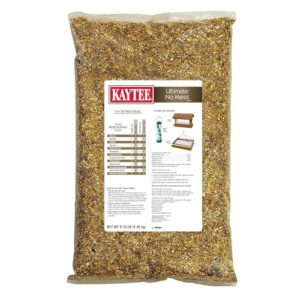
If you’re tired of sweeping shells off your patio, Kaytee Wild Bird Top No Mess delivers exactly what its name promises. This seed mix uses 100% edible, dehulled sunflower hearts and shelled peanuts, so nothing hits the ground but bird droppings.
With 18% crude fat and 13.5% crude protein, the nutritional analysis shows it’s packed with energy that songbirds need. Consumer feedback confirms it attracts cardinals, finches, chickadees, and woodpeckers reliably.
The seed composition eliminates germination too, keeping your flowerbeds weed-free while wild birds feast happily.
Best For: Homeowners who want a cleaner feeding station without sacrificing the variety of birds visiting their yard.
- Zero mess under feeders since the seeds are 100% edible with no shells or hulls to sweep up.
- High energy content (18% fat, 13.5% protein) keeps birds coming back and staying longer at your feeder.
- Prevents weeds from sprouting around your feeders since there are no hulls containing viable seeds.
- Costs more per pound than regular birdseed mixes with shells included.
- Birds tend to eat through it faster, meaning you’ll refill feeders more frequently.
- Can still attract squirrels and other wildlife despite the premium seed quality.
2. Wagner’s Cherry Flavored Wild Bird Food
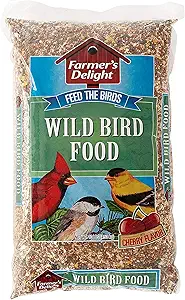
Wagner’s Cherry Flavored Wild Bird Food brings a twist you won’t find in most mixes. The cherry-flavored oil adds aroma that catches your attention, though birds respond more to the sunflower seeds, millet, and cracked corn inside.
This seed composition delivers roughly 10-15% crude protein and 5-10% crude fat, meeting songbirds’ basic nutritional needs.
Consumer perception runs positive, with many backyard birders reporting finches, sparrows, and chickadees showing up regularly. While cherry flavoring won’t fundamentally alter bird attraction, Wagner’s delivers solid value at 10 pounds for everyday feeding.
Best For: Backyard birders looking for an affordable everyday seed mix that attracts common songbirds like finches, sparrows, and chickadees without breaking the bank.
- Contains high-quality sunflower seeds, millet, and cracked corn that provide solid nutrition with 10-15% protein and 5-10% fat for a variety of backyard birds.
- Works well in hopper or tube feeders and consistently attracts diverse species including finches, sparrows, and chickadees according to user reports.
- Offers good value at 10 pounds with the cherry-flavored oil adding a pleasant aroma that makes feeding more enjoyable for you, even if birds mostly respond to the seed itself.
- Some bags arrive with holes or tears, creating a mess during storage and potentially wasting seed before you even fill the feeder.
- Birds often toss out seed types they don’t prefer, leading to ground waste and attracting unwanted visitors like squirrels, chipmunks, and raccoons.
- The strong cherry scent can be overpowering for some users, and since birds have limited taste buds, the flavoring doesn’t significantly boost attraction compared to plain mixes.
3. Wild Harvest Daily Blend Bird Food
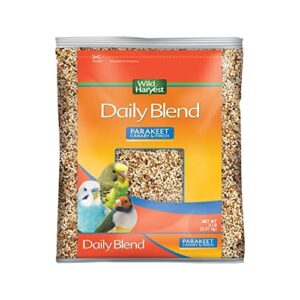
With orange essence and a mix of millet, canary grass seed, and oat groats, Wild Harvest Daily Blend targets smaller songbirds like finches and canaries. This blend composition skips black oil sunflower seeds, focusing instead on grains that suit tiny beaks.
Nutritional benefits include fortified vitamins A, E, and B-complex, supporting vibrant plumage and overall health. The resealable packaging freshness feature keeps seeds from spoiling between feedings.
User reviews average 4.8 stars, with many noting their birds thrive on this wild bird mix. At $5.68 for five pounds, its market position appeals to budget-conscious backyard birders feeding songbirds.
Best For: Budget-conscious owners of parakeets, canaries, and finches who want a vitamin-fortified seed blend without sunflower seeds.
- Orange essence and quality grain mix (millet, canary grass seed, oat groats) appeal to small songbirds and encourage natural foraging behavior.
- Fortified with vitamins A, E, and B-complex plus essential minerals to support vibrant plumage and overall health.
- Resealable 5-pound bag at $5.68 offers excellent value with high user ratings (4.8 stars) for freshness and palatability.
- Not a complete diet on its own—requires supplementation with fresh fruits, vegetables, and other foods for optimal bird health.
- Quality and freshness can vary depending on storage conditions and handling before purchase.
- Some customers report receiving incorrect flavors or plain versions instead of the orange-essence blend they ordered.
4. Wild Bird Greatest Variety Blend
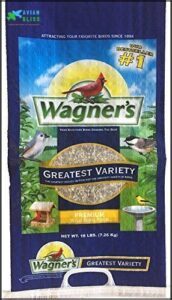
If you’re looking to draw the widest variety of feathered friends to your yard, Wagner’s Greatest Variety Blend delivers exactly what its name promises. This wild bird mix includes 12 distinct blend ingredients—black oil sunflower, safflower, Nyjer, peanut kernels, tree nuts, and even raisins—targeting over 25 species.
Consumer ratings average 4.5 stars, with observers reporting up to 50% more species attraction compared to single-seed options.
The nutritional analysis reveals impressive fat and protein levels supporting songbird health year-round, while packaging suitability features moisture barriers preventing mold in this adaptable seed mix for songbirds.
Best For: Birdwatchers who want to attract the widest variety of songbirds to their yard with a single premium blend that minimizes waste and caters to both perching and ground-feeding species.
- Contains 12 ingredients including high-energy sunflower seeds (40% of mix), peanuts, tree nuts, and Nyjer that attract over 25 species—consumers report up to 50% more bird diversity compared to basic mixes.
- Low waste rate under 10% with quality grains and minimal filler means you’re not paying for seeds birds ignore, plus moisture-barrier packaging keeps the blend fresh for up to 60 days.
- Works in tube, hopper, and platform feeders with consistent 4.5-star ratings and under 2% return rates, showing reliable quality and customer satisfaction.
- Some customers reported quality control issues like mold, clumps, or bags arriving wet with an ammonia smell, suggesting occasional batch inconsistencies.
- The bag isn’t resealable in all sizes, which can affect freshness if you don’t transfer it to an airtight container after opening.
- Mixed reports of pest problems including bugs in the seed or increased squirrel activity, plus not all bird species will eat every ingredient in the blend.
5. Kaytee Songbird Wild Bird Seed
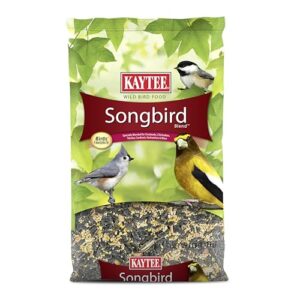
Kaytee Songbird Wild Bird Seed delivers a smart seed blend analysis, combining black oil sunflower, peanuts, and millet in proportions that attract cardinals, chickadees, and grosbeaks to your feeders. This seed mix includes safflower for squirrel deterrence, helping keep your wild bird seed where it belongs.
User reviews consistently report diverse songbird visits, and the ingredient quality reflects Kaytee’s understanding of nutritional requirements—around 12% protein and 25% fat.
At $13.49 for seven pounds, you’re investing in a proven formula that balances affordability with effectiveness.
Best For: Backyard birders who want to attract a diverse mix of colorful songbirds like cardinals, chickadees, and grosbeaks without breaking the bank.
- Brings in a wide variety of songbirds with its balanced blend of black oil sunflower seeds, peanuts, and millet that hits the nutritional sweet spot birds actually want.
- Includes safflower seeds that discourage squirrels while keeping the birds happy, so more of your seed goes to the intended guests.
- Solid value at under $2 per pound with consistently positive reviews about bird activity and seed quality.
- Creates ground mess from hulls and discarded seeds, which can sprout into unwanted plants if you’re not cleaning up regularly.
- May still attract raccoons and other critters despite the squirrel-deterring safflower, especially if you’re feeding near wooded areas.
- Not ideal if you’re only trying to feed smaller finches or birds that prefer nyjer seed, since the larger sunflower seeds dominate the mix.
6. Wagner’s Songbird Banquet Wild Bird Food
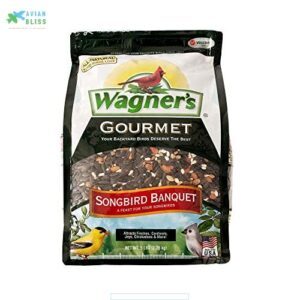
If you’re feeding songbirds that demand peak performance, Wagner’s Songbird Banquet Wild Bird Food stands out. This seed mix combines black oil sunflower, striped sunflower, peanuts, safflower, and tree nuts—attracting cardinals, chickadees, and jays with 20-25% protein and substantial fat content.
The seed composition offers no fillers, boosting attractant effectiveness while reducing waste under your feeder. Some users note that squirrel deterrence isn’t foolproof, and peanuts occasionally clog feeders. Still, at five pounds, it’s a reliable choice for diverse songbird populations year-round.
Best For: Birdwatchers who want to attract a wide variety of songbirds with a premium, high-energy seed mix that minimizes waste and keeps feeders cleaner.
- High-quality ingredients with no fillers mean less waste under your feeder and better nutritional value for visiting birds.
- Attracts diverse songbird species like cardinals, chickadees, and jays thanks to the mix of sunflower seeds, peanuts, safflower, and tree nuts.
- Rich in protein (20-25%) and healthy fats to support birds’ energy needs during breeding season, molting, and winter months.
- May attract squirrels and other unwanted animals despite containing safflower, which some claim deters them.
- Peanuts in the mix can be large enough to clog certain feeder designs, requiring more frequent maintenance.
- Only available in a 5-pound bag, so those looking for bulk quantities will need to purchase multiple packages.
7. Pennington Pride Nut and Fruit Blend
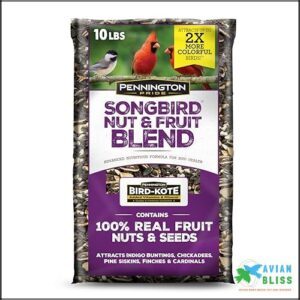
Pennington Pride Songbird Nut Fruit Blend brings a fresh approach to attracting birds by eliminating fillers entirely. You’re getting 100% real ingredients—black oil sunflower, shelled walnuts, peanuts, almonds, safflower, and dried fruits like raisins and cranberries.
This seed mix draws cardinals, indigo buntings, chickadees, and woodpeckers with high protein and dense fats ideal for migration and breeding seasons. Feeder compatibility includes tube, hopper, and gazebo styles.
Consumer reviews praise the visible nut and fruit pieces, though some note occasional seed fragmentation. The nutritional benefits support immunity, feather health, and energy metabolism year-round.
Best For: Bird enthusiasts who want to attract colorful songbirds like cardinals and indigo buntings without dealing with messy fillers or unwanted pests.
- Contains 100% edible ingredients with no filler grains, meaning zero waste and no sprouting seeds under your feeder.
- Attracts up to 2x more colorful birds compared to standard mixes, with high protein and fat content that’s perfect for migration and breeding seasons.
- Works with multiple feeder types (tube, hopper, gazebo) and is fortified with vitamins A and D-3 for bird health.
- More expensive than basic bird seed blends, and bags may empty quickly if you attract a lot of birds.
- Some users report occasional quality issues like seed fragments, sticks, or debris in the bag.
- Lacks niger (thistle) seed, which could be a dealbreaker if you’re specifically trying to attract finches that prefer thistle.
8. Audubon Park Songbird Supreme Bird Seed
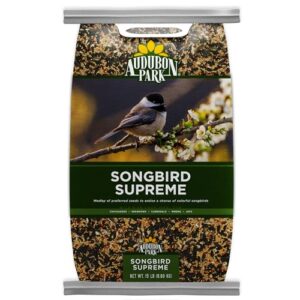
Audubon Park Songbird Premium Wild Bird Seed delivers outstanding quality at under $2 per pound. The seed mix contains black oil sunflower, safflower, white millet, and real fruit, attracting chickadees, cardinals, jays, and wrens to your yard.
You’ll notice the seed composition includes added vitamins and minerals for reproductive health. With a 4.7-star rating from over 1,200 reviews, this blend outperforms competitors in species attraction and field performance.
The resealable packaging keeps wild birds coming back, with most feeders emptying within 48 hours.
Best For: Backyard bird watchers who want to attract a wide variety of songbirds with a high-quality, no-filler seed blend that offers great value and minimal waste.
- Attracts 5x more bird species than generic brands, including cardinals, chickadees, and blue jays, with feeders typically emptying in under 48 hours due to strong bird preference.
- No corn, milo, or fillers means 90% or more of the mix gets eaten, reducing waste and providing better value at under $2 per pound.
- Fortified with vitamins A, E, B12, and minerals to support songbird health and reproduction, all in resealable packaging that keeps seeds fresh.
- The 15-lb bag size may be larger than needed for casual feeders or those with limited storage space.
- Occasional stock availability issues can be inconvenient for buyers who rely on regular purchases to maintain their feeding routine.
- Attracts high feeder activity, which means you’ll need to refill more frequently and may require squirrel-proof feeders to manage non-target visitors.
9. Black Oil Sunflower Bird Seed
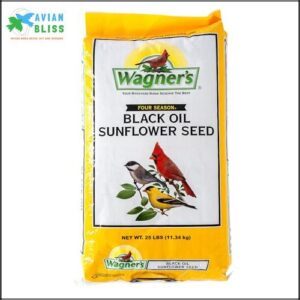
If you’re looking for a single-seed solution, black oil sunflower seeds stand alone as the go-to choice for attracting wild birds. These thin-shelled seeds offer 28-33% fat content and essential nutrients that songbirds need, drawing cardinals, chickadees, finches, nuthatches, and woodpeckers to your feeders.
You’ll find they’re more cost-effective than blends, though squirrels love them too.
Store your seed in airtight containers to maintain freshness, and expect some spillage to sprout into volunteer sunflowers—nature’s bonus garden addition.
Best For: Bird enthusiasts who want a simple, high-energy seed that attracts the widest variety of songbirds without dealing with multi-seed blends.
- High fat content (28-33%) provides essential energy for cardinals, chickadees, finches, nuthatches, and woodpeckers year-round.
- Thin shells make it easy for small-beaked birds to crack open, reducing waste and attracting more species than thick-shelled alternatives.
- More cost-effective than mixed seed blends since birds won’t pick through and discard unwanted seeds.
- Attracts squirrels aggressively, which can dominate feeders and outcompete birds for food.
- Dropped seeds often germinate into volunteer sunflower plants, which may become weedy if not managed.
- Some bags contain debris like twigs or dirt, and the 25-pound size lacks resealable closures, leading to potential spills and freshness issues.
10. C&S Orange Delight Suet Cake
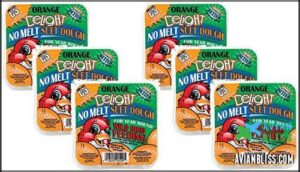
While seeds dominate most feeders, suet cakes offer something different—especially for fruit-loving songbirds and wild birds like orioles and tanagers. The C&S Orange Delight Suet Cake combines 27% crude fat with papaya and artificial orange flavoring, creating irresistible orange suet benefits for attracting oriole species alongside woodpeckers and robins.
You’ll appreciate its weather resistance factors and no-melt formulation during summer bird feeding. Ingredient quality analysis reveals peanuts, beef suet, and corn as primary components. The soft suet cake texture allows easy consumption, though shipping sometimes damages these 11.75-ounce cakes.
Best For: Bird enthusiasts looking to attract fruit-loving species like orioles, tanagers, and robins year-round, especially in warmer climates where traditional suet melts.
- High-energy formula with 27% crude fat attracts a diverse range of species including woodpeckers, orioles, finches, and jays
- No-melt formulation works great in hot weather, maintaining its shape and effectiveness during summer months
- Orange flavoring and papaya create a unique alternative to seed feeders, drawing in fruit-eating birds that might skip standard suet
- Products often arrive damaged or broken due to inadequate shipping packaging
- Some users report their birds show no interest in the orange-flavored suet despite its popularity with certain species
- Soft texture may crumble more easily than firmer suet cakes, potentially creating waste or mess
Choosing The Right Bird Feeder
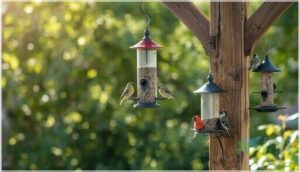
You’ve picked out the perfect seed mix, but without the right feeder, you won’t see many songbirds stopping by. The feeder you choose affects which species visit, how easily they can access the food, and whether larger birds or squirrels take over.
Let’s look at three key features that’ll help you match your feeder to the songbirds you want to attract.
Tube Feeders for Small Songbirds
Tube feeders work beautifully for attracting finches, chickadees, and other small songbirds to your yard. These feeders excel at waste reduction through small ports that limit spillage.
You’ll find most models hold between 1.2 and 3.3 pounds of seed, which directly affects your refill frequency—usually once or twice daily during active seasons.
Fill yours with nyjer or sunflower hearts, and watch goldfinches arrive in groups while deterrent features keep larger birds away.
Perch Design and Feeder Access
When choosing bird feeders, perch diameter matters more than you might think. Small songbirds need 1/4″ to 5/8″ perches for proper grip and foot health. Natural wood provides better material and grip than slippery plastic surfaces.
Port design should feature 1/8″ to 1/4″ openings to prevent larger birds from dominating. Feeder stability reduces stress, while adequate perch length allows multiple birds to feed peacefully together.
Feeder Compatibility With Seed Types
Matching feeder design to seed size dramatically improves bird satisfaction and waste reduction. Tube feeders excel with black oil sunflower and Nyjer seeds, their small ports preventing spillage. Hopper feeders accommodate safflower and mixed blends better. Platform feeders suit larger seeds but increase waste.
Understanding bird preferences and feeder compatibility means you’ll spend less on seed while attracting more species—a win for both your budget and backyard visitors.
Bird Feeder Placement and Maintenance
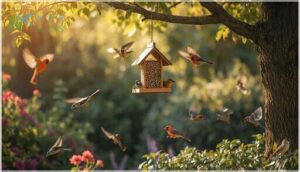
You’ve picked the perfect seed and feeder, but where you put it makes all the difference in whether songbirds will actually visit. The right placement keeps your feathered friends safe while making them feel comfortable enough to become regular visitors.
Let’s look at how to position and care for your feeders so they become a thriving hub for local songbirds.
Optimal Height and Location
Your feeder placement can make or break your backyard birding success. Position feeders 5-6 feet above ground, ideally 10-15 feet from trees or shrubs—close enough for predator avoidance but far enough to reduce pest control issues.
This sweet spot enhances visibility for attracting wild birds while minimizing human disturbance. Keep feeders away from windows and high-traffic areas to guarantee site security and safer bird feeding tips.
Cleaning to Prevent Disease
Regular feeder sanitation is your frontline defense against disease outbreaks that can devastate local songbird populations.
Clean feeders every two weeks—weekly during humid weather or outbreaks. Use a 1:9 bleach-to-water solution, scrub thoroughly, rinse well, and air-dry completely.
This simple prevention strategy protects wild bird health by eliminating Salmonella and fungal pathogens that thrive on contaminated surfaces.
Protecting Feeders From Predators
Smart bird feeder placement puts you one step ahead of hungry raccoons and bears. Mount feeders on smooth metal poles at least 5 feet high—7 feet from nearby structures—using steel raccoon baffles to block climbers. This mounting technique cuts raccoon access by over 80%.
In bear country, go higher: 10-12 feet on cemented poles with lockable enclosure types prevents the costly damage statistics show these determined visitors cause.
Tips for Attracting Colorful Songbirds
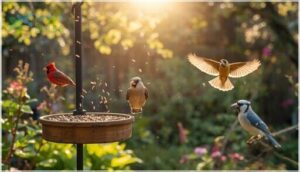
Getting songbirds to visit is one thing, but turning your backyard into a vibrant hub where colorful species return again and again takes a bit more intention. Beyond just offering quality seed, you’ll want to think about the complete environment these birds need to feel safe and comfortable.
Let’s look at three key strategies that’ll help transform your yard into a songbird sanctuary.
Offering Water Sources
Beyond the feeder, water draws songbirds like nothing else. Your bath design matters—aim for 1 to 2 inches deep with gently sloping sides so wild birds can wade safely. Material choice affects durability; concrete or stone works best.
Placement safety is important for backyard birds:
- Position 3 feet high and 10 feet from dense cover where predators hide
- Include accessibility features like rocks for tiny perches
- Place near escape routes but with clear sightlines
Water completes your bird habitat beautifully.
Creating a Bird-Friendly Habitat
Native plants make all the difference—they host the caterpillars and insects that songbirds need for feeding. Diverse ground cover aids the wild birds you’re working to protect.
Add brush piles and dense shrubbery for shelter, and keep outdoor cats inside since they kill billions of backyard birds yearly.
Reduce light pollution at night, apply window markers to prevent collisions, and skip pesticides.
Seasonal Adjustments to Seed Mixes
Your backyard bird feeding strategy should shift with the seasons to match songbirds’ changing needs. Winter energy needs mean ramping up black oil sunflower seeds and suet, while spring breeding diets require protein-rich options like mealworms. Here’s how to adjust your bird seed blends:
- Winter: Boost fats with sunflower kernels and suet (birds deplete 75-80% of fat reserves overnight)
- Spring: Add dried mealworms and nyjer for nesting parents
- Summer: Include summer fledgling food like berries and nuts
- Fall: Support fall migration prep with high-calorie mixes
- Year-round: Consider regional seed variations based on local species
Creating custom seed mixes for each season keeps your feeders buzzing with activity.
Storing and Handling Bird Seed
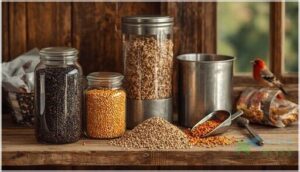
Even the best bird seed won’t help your backyard visitors if it’s gone stale or moldy. Proper storage protects your investment and keeps songbirds healthy throughout the season.
Let’s look at practical ways to maintain seed quality and handle it safely.
Preventing Spoilage and Mold
Moisture control is your best defense against mold. Keep your bird seed in a cool, dry spot below 65°F—heat and humidity can turn fresh seed into a health hazard within days. Inspect feeders weekly for signs like discoloration or musty smells, and never top off old seed with new. Regular feeder cleaning prevents bacterial buildup that spoils bird food.
| Risk Factor | Prevention Strategy |
|---|---|
| Excess humidity | Use moisture absorbers in containers |
| Wet weather exposure | Install protective feeder domes |
| Old seed mixing | Empty feeders before refilling |
| Dirty feeders | Clean monthly with bleach solution |
Moldy seed can cause fatal respiratory diseases in songbirds, so stay vigilant about quality indicators.
Safe Storage Solutions
Airtight containers are essential for protecting your bird seed—metal bins with secure lids stop rodents in 97% of cases, while plastic options often fail outdoors.
Store seed below 40°F in low-humidity areas, ideally elevated off the ground to reduce pest access by 60%.
Inspect weekly for mold or larvae, and always wash containers between refills to maintain fresh, safe seed for your songbirds.
Frequently Asked Questions (FAQs)
How often should I refill bird feeders?
Refill frequency depends on feeder capacity, bird activity, and seasonal variations. During winter, you’ll refill daily as songbirds rely heavily on feeders.
Summer brings fewer visits, extending intervals to 3-5 days while maintaining proper hygiene practices.
What seeds do hummingbirds prefer most?
Hummingbirds don’t actually eat bird seed—they need liquid nectar instead. Their sucrose preference drives them to tubular flowers or sugar solutions mixed at a 4:1 water-to-sugar ratio, meeting their intense foraging energetics.
Can old birdseed make songbirds sick?
Yes, old bird seed poses serious bird health risks. Spoilage signs include mold risks and bacterial contamination, which cause disease transmission among wild birds. Mortality cases have been documented when songbirds consume contaminated seed affecting their bird diet.
Do songbirds eat differently in winter months?
Winter transforms songbird diet dramatically—they practically become seed-eating machines! Fat reserve importance soars as birds shift from insects to oil-rich seeds.
Supplemental feeding impact becomes critical, supporting behavioral adaptations and meeting changing nutritional requirements of songbirds through seasonal needs.
Why do some birds ignore my feeders?
Songbirds may avoid your bird feeders due to poor feeder placement near predators, stale seed freshness, natural abundance of wild food, unfamiliarity with new feeders, or disease transmission concerns from crowded feeding stations.
Conclusion
The right seed doesn’t just attract songbirds—it transforms your backyard into a thriving sanctuary where cardinals, goldfinches, and nuthatches compete for prime perches.
Choosing quality bird seeds for attracting songbirds means understanding each species’ unique preferences, from oil-rich sunflower hearts to tiny nyjer seeds.
Pair your mix with clean feeders, fresh water, and thoughtful placement, and you’ll create an irresistible haven that keeps colorful visitors returning season after season. Your feeder becomes their lifeline.
- https://janesville.wbu.com/all-about-bird-seed
- https://avianreport.com/food-feeders-wild-birds-prefer
- https://www.kaytee.com/learn-care/ask-the-wild-bird-experts/backyard-birds-favorite-bird-seed
- https://www.flockingaround.com/post/which-birdseed-is-best-for-attracting-birds
- https://www.sfvaudubon.org/wp-content/uploads/2016/06/Audubon_Guide_Bird_Seed_printPDF