This site is supported by our readers. We may earn a commission, at no cost to you, if you purchase through links.
A single cardinal landing on a snow-dusted feeder can stop you mid-sentence.
That flash of red against grey winter—ornithologists call it a stimulus-response moment, but most people call it the reason they never bothered taking down their feeder.
Bird feeding and bird watching work that way: what starts as tossing some seed outside quietly becomes a daily ritual, then a genuine practice.
The right seed mix, a well-placed feeder, and a little seasonal awareness can turn an ordinary backyard into a living field station where dozens of species show up on their own schedule.
Table Of Contents
- Key Takeaways
- Bird Feeding Essentials for Backyards
- Top 9 Bird Feeding Products
- 1. Woodlink Cedar Platform Bird Feeder
- 2. Squirrel Stopper Steel Bird Feeder Pole
- 3. Essential Backyard Bird Feeding Guide
- 4. Backyard Birding Tips Guide
- 5. Clorox Performance Laundry Bleach
- 6. Jacobi Jayne Orange Bird Seed Scoop
- 7. Behrens Galvanized Steel Trash Can
- 8. Plexon Pre Galvanized Outdoor Trash Can
- 9. WindowAlert Leaf Medley Bird Decal
- Bird Watching Basics for Beginners
- Identifying Birds at Feeders
- Backyard Birding and Conservation
- Frequently Asked Questions (FAQs)
- What is bird feeding?
- What are the basics of birdwatching?
- Why are bird feeders important?
- Why did I buy a bird feeder?
- Are You bird watching?
- Do birds eat feeders?
- What is the 5 7 9 rule for bird feeders?
- Do wild birds recognize humans who feed them?
- What’s the difference between birding and bird watching?
- Will birds notice my bird feeder?
- Conclusion
Key Takeaways
- Matching your seed to specific birds — black oil sunflower for cardinals, nyjer for finches, safflower to deter squirrels — makes a bigger difference than any feeder upgrade you can buy.
- Feeder placement isn’t just about the view: keeping feeders 3–10 feet from windows and adding baffles and escape cover protects the birds you’re trying to attract.
- Cleaning feeders weekly with a diluted bleach solution and changing water daily are the two habits that do the most to keep your backyard birds healthy.
- Your sightings have real value beyond your own yard — logging species, behavior, and weather data through programs like FeederWatch, turns casual watching into genuine conservation science.
Bird Feeding Essentials for Backyards
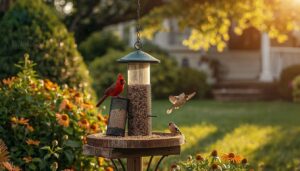
Getting your backyard setup right starts with a few key decisions. The good news is that once you know what works, it all comes together pretty quickly.
If feeders are part of your plan, starting with hummingbird feeders that prevent leaks saves you a lot of cleanup headaches down the road.
Here’s what you need to know to get started.
Choosing The Right Bird Seed
Choosing the right birdseed isn’t complicated, but it does make a real difference.
High-fat seeds like black oil sunflower attract the widest variety of songbirds — especially in winter.
Nyjer seed benefits small finches specifically, while safflower keeps squirrels away.
Skip filler-heavy mixed seed blends and focus on species-specific seeds instead.
For low-mold storage and better seed shelf life, keep everything sealed and dry.
Clean feeders regularly([https://empressofdirt.net/choose-right-birdseed/) to eliminate pathogens and reduce disease risk.
Attracting Specific Bird Species
Once you know your seed basics, matching food to specific visitors gets exciting.
Cardinals love sunflower and safflower — reliable Cardinal Attractants year‑round. Try sunflower chips for Chickadee Feeding Tricks; they’re easy to handle.
A Goldfinch Seed Mix with Nyjer draws bright yellow flocks.
Woodpecker Suet Stations keep insect‑lovers coming back, while Blue Jay Peanut Offerings near shrubs seal the deal.
Feeder Placement for Safe Viewing
Once you’ve matched the right food to your visitors, placement makes all the difference.
Set feeders at ideal height — about 4 to 6 feet — with clear sightlines from your window.
Keep them 3 to 10 feet from glass as safety measures to avoid window collisions.
Add escape cover nearby, a predator guard on your pole, and a wind buffer from shrubs.
Smart feeder placement and location strategies protect birds and your view.
Seasonal Bird Feeding Tips
Birds need different fuel as the seasons shift.
In winter, black oil sunflower seeds and suet blocks serve as reliable Winter Fat Sources.
Come spring, Spring Insect Protein like mealworms provides nesting energy.
Summer Fruit Offerings — dried berries and fruit bits — keep summer visitors coming.
Fall Grain Mix with corn and millet gives migrating birds a solid Migration Energy Boost before they go.
Providing Clean Water for Birds
Fresh water matters just as much as seeds.
Set up a shallow bath — no deeper than two inches — with a textured base so birds can grip and bathe comfortably.
Predator-safe placement means an open spot with nearby perches for quick escapes.
Change the water daily, monitor quality year-round, and in winter, use a de-icer to prevent freezing.
Keeping Feeders Clean and Sanitary
Keeping your feeders clean is one of the most important things you can do for your backyard birds. A solid weekly cleaning routine prevents mold, bacteria, and disease from spreading fast.
A weekly feeder cleaning routine is the simplest thing you can do to keep backyard birds healthy
- Mix a bleach solution ratio of 1 part bleach to 9 parts water.
- Scrub feeders thoroughly, then rinse completely.
- Consider non-toxic cleaner options for sensitive feeder materials.
- Practice moisture drainage management — check for pooled water after rain.
- Apply seed storage hygiene by using airtight, pest‑free containers.
Clean underneath your feeders twice weekly, and always inspect seed for mold before refilling. Maintaining cleanliness of feeders and choosing no waste birdseed blends keeps your station healthy and welcoming all season long.
Squirrel-proofing Feeder Setups
Squirrels are clever, but you can outsmart them with the right setup. Start with solid Pole Mounting Strategies — mount feeders on a dedicated Squirrel Stopper Pole, 8–10 feet from any structure.
Add Baffle Design layers: a dome above, a cylinder below.
Weight-Sensitive Mechanisms shut ports automatically when heavier animals land.
Adjust your Seasonal Deterrent Adjustments after ice or snow, and consider Cage Shield Configurations for extra protection.
Top 9 Bird Feeding Products
The right gear makes bird feeding easier and more rewarding from day one. Whether you’re just starting out or ready to upgrade your setup, these products cover everything from feeders to seed storage to window protection.
Here are nine worth keeping on your radar.
1. Woodlink Cedar Platform Bird Feeder
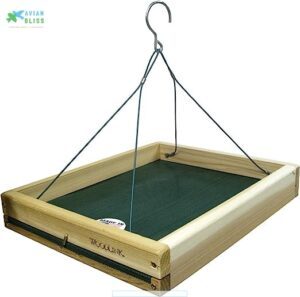
The Woodlink Cedar Platform Bird Feeder is one of those products that just makes sense the moment you set it up.
Built from rot-resistant inland red cedar, it holds up to 3 pounds of mixed seed and welcomes a wide variety of visitors — finches, cardinals, nuthatches, even crows.
The removable screen bottom drains water and slides out for quick cleaning.
At $37.53, it’s a solid investment, though you’ll want to budget separately for mounting hardware.
| Best For | Backyard bird lovers who want a low-maintenance, versatile feeder that works for a wide range of bird species and mounting setups. |
|---|---|
| Price | $37.53 |
| Material | Cedar wood |
| Outdoor Use | Yes |
| Wildlife Benefit | Feeds birds |
| Ease of Use | Moderate |
| Squirrel Defense | No |
| Additional Features |
|
- Cedar construction naturally resists rot, so it holds up well through the seasons without much fuss.
- The slide-out tray and removable screen make cleaning genuinely quick and easy.
- Works hung, pole-mounted, or on the ground — a lot of flexibility for one feeder.
- Mounting hardware isn’t included, so expect to spend a bit more to get it fully set up.
- The open design means rain soaks the seed, which can mean extra cleanup after wet weather.
- Some buyers have run into wood splitting and loose screws right out of the box, which hints at inconsistent quality control.
2. Squirrel Stopper Steel Bird Feeder Pole
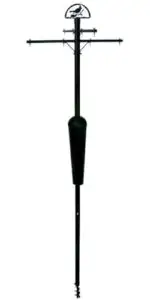
If squirrels keep raiding your feeders, the Squirrel Stopper Steel Bird Feeder Pole might be exactly what you need. Its patented spring-loaded baffle spins and shifts — up, down, sideways — leaving climbers completely stumped.
The powder-coated steel pole stands about eight feet tall and holds up to eight feeders across four arms, so you can offer sunflower, nyjer, and suet all at once.
Installation is tool‑free, thanks to the built-in ground auger. Just watch out for rocky or clay‑heavy soil — it can make anchoring tricky.
| Best For | Backyard bird lovers who are tired of squirrels stealing all the seed and want a sturdy, multi-feeder setup that just works. |
|---|---|
| Price | Not listed |
| Material | Alloy steel |
| Outdoor Use | Yes |
| Wildlife Benefit | Protects feeders |
| Ease of Use | Moderate |
| Squirrel Defense | Yes |
| Additional Features |
|
- The patented squirrel-proof baffle actually keeps squirrels and raccoons out, so your seed stays where it belongs.
- Holds up to eight feeders at once, so you can attract a wide variety of birds without cluttering your yard.
- Tool-free assembly with a built-in ground auger makes setup quick and straightforward.
- The hooks run small, so larger planters or heavier accessories probably won’t fit well.
- The spring-loaded baffle mechanism can come loose if you drop the pole, so you have to handle it with a bit of care.
- Hard clay or rocky soil can make installation a real headache — you might need extra help getting it anchored properly.
3. Essential Backyard Bird Feeding Guide
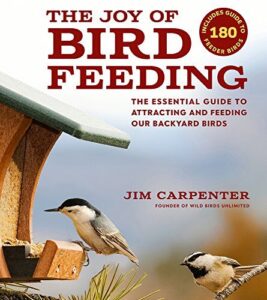
At 432 pages, Jim Carpenter’s Essential Backyard Bird Feeding Guide is the kind of book you keep on the kitchen counter, not the shelf. It covers everything — feeder types, seed selection, placement strategies, and pest control — with personal field observations woven throughout.
The identification guide alone features over 180 species with color photos, making quick lookups genuinely easy.
Published in 2017 and priced around $8, it’s an affordable starting point for beginners and a solid refresher for seasoned backyard birders.
| Best For | Backyard birding beginners and casual enthusiasts who want a solid, all-in-one home reference for attracting and identifying North American birds. |
|---|---|
| Price | $8.01 |
| Material | Paper/print |
| Outdoor Use | No |
| Wildlife Benefit | Educates birders |
| Ease of Use | Easy |
| Squirrel Defense | Guides users |
| Additional Features |
|
- Covers over 180 species with color photos — great for quick, reliable identification without digging through multiple sources.
- Tackles the full picture: feeders, seed, placement, and pest deterrents like squirrels and raccoons all in one book.
- At around $8 for 432 pages, it’s a surprisingly affordable resource that punches well above its price.
- Published in 2017, so some product recommendations and pest-control methods may feel a little dated by now.
- Focused entirely on North American species, so it won’t be much help if you’re outside that region.
- It’s a hefty physical book — great for the kitchen counter, but not something you’d want to tuck in a trail bag.
4. Backyard Birding Tips Guide
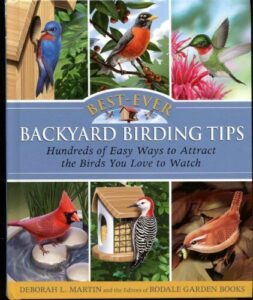
Another solid companion to keep nearby is the Backyard Birding Tips Guide — a practical, no-fuss reference that covers the everyday stuff Carpenter’s book might not dig into. It walks you through feeder placement, seasonal feeding shifts, and keeping your setup clean and disease‑free.
Where it really earns its place is in the small reminders: refresh water daily in summer, swap out spoiled seed right away, and match your feeder style to the birds you actually want to attract.
| Best For | Beginners who want a hands-on, all-in-one guide to setting up a backyard habitat that actually brings birds in. |
|---|---|
| Price | $16.11 |
| Material | Paper/print |
| Outdoor Use | No |
| Wildlife Benefit | Educates birders |
| Ease of Use | Easy |
| Squirrel Defense | Guides users |
| Additional Features |
|
- Covers a wide range of topics — feeders, food, plants, pest control — so you’re not piecing together advice from a dozen different sources.
- Includes DIY instructions for building feeders and prepping foods like grape jelly and mealworms, which is handy if you like doing things yourself.
- Species-specific tutorials scattered throughout make it easy to zero in on the birds you actually want to attract.
- Editing issues like repeated text and incomplete sentences pop up enough to be a little frustrating mid-read.
- Mostly black-and-white illustrations, so it’s not the best tool if you need color photos to help with visual ID.
- It’s a used copy, so the condition could be hit or miss depending on how the previous owner treated it.
5. Clorox Performance Laundry Bleach
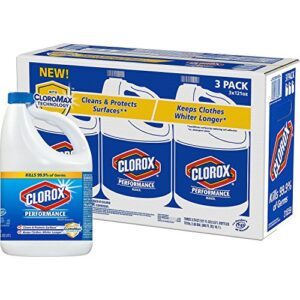
Clean feeders are non-negotiable for healthy birds — and that’s where Clorox Performance Bleach earns its spot in your birding kit. A 10% bleach solution is the standard for scrubbing feeders between refills, and this concentrated formula makes mixing easy.
Each 121 oz bottle goes a long way, so you’re not constantly restocking.
The CloroMax technology also means you’re getting serious disinfecting power, which matters when you’re trying to keep harmful bacteria away from your feathered visitors.
| Best For | Bird enthusiasts and households that go through bleach regularly and want a reliable, heavy-duty formula for cleaning feeders, surfaces, and laundry. |
|---|---|
| Price | Not listed |
| Material | Plastic |
| Outdoor Use | Yes |
| Wildlife Benefit | Cleans feeders |
| Ease of Use | Easy |
| Squirrel Defense | No |
| Additional Features |
|
- Each 121 oz bottle lasts a long time, so you’re not running to the store every few weeks.
- Works in HE machines and handles tough stains, whitening, and full surface disinfection — genuinely versatile.
- Safety cap and tamper-evident bag give you peace of mind, especially if you’re storing it around kids or pets.
- These bottles are heavy — pouring from a 121 oz jug can be awkward if you have back issues or limited grip strength.
- It runs pricier than store-brand bleach, which adds up if you’re buying through a third-party seller.
- A compromised seal can mean leaks, so you have to be careful keeping bottles upright and checking packaging on arrival.
6. Jacobi Jayne Orange Bird Seed Scoop
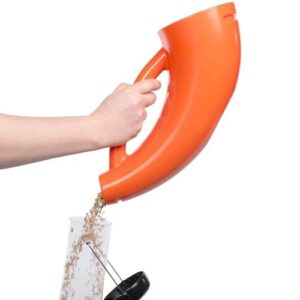
Once your feeders are clean, refilling them shouldn’t turn into a mess. That’s where the Jacobi Jayne Orange Bird Seed Scoop earns its keep.
Holding 5–6 cups per scoop, it cuts down on multiple trips to your seed bag.
The flat base lets it stand upright while you work, and the bright orange color means you won’t lose it in the garden.
One-handed operation keeps things simple, especially when you’re juggling multiple feeders on a cold morning.
| Best For | Bird lovers who maintain multiple feeders and want a no-fuss way to refill them without making a mess. |
|---|---|
| Price | Not listed |
| Material | Plastic |
| Outdoor Use | Yes |
| Wildlife Benefit | Fills feeders |
| Ease of Use | Easy |
| Squirrel Defense | No |
| Additional Features |
|
- Holds 5–6 cups per scoop, so you’re making fewer trips back to the seed bag
- The flat base keeps it steady while you load up, and the bright orange color is hard to misplace
- One-handed design makes refilling quick and easy, even on a cold morning
- Costs more than a basic plastic scoop, so it’s a harder sell if you only have one feeder
- You need to stay mindful while carrying it — tip it the wrong way and seed goes everywhere
- The large size can feel awkward if your feeders have small openings or you don’t have a strong grip
7. Behrens Galvanized Steel Trash Can
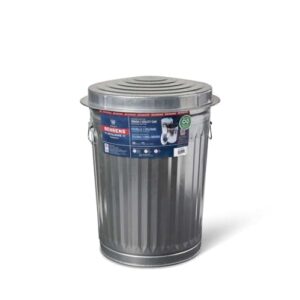
Seed storage matters just as much as the scoop you use. The Behrens Galvanized Steel Trash Can holds up to 20 gallons — enough to keep a whole season’s worth of seed dry and safe.
Its tight-fitting lid and heavy-gauge galvanized steel keep rodents out and moisture away, even through rainy winters. It sits off the ground, reducing rust risk.
Yes, it costs more than plastic bins, but one that lasts years beats replacing cheap containers every spring.
| Best For | Backyard birders and pet owners who want a tough, long-lasting outdoor storage solution that keeps pests and weather out. |
|---|---|
| Price | Not listed |
| Material | Galvanized steel |
| Outdoor Use | Yes |
| Wildlife Benefit | Stores birdseed |
| Ease of Use | Moderate |
| Squirrel Defense | No |
| Additional Features |
|
- Built from 100% galvanized steel — rodent-resistant and weather-tough enough to handle rain, snow, and rust year after year
- Sits off the ground and has deep side reinforcements, so it holds its shape and stays dry even in rough conditions
- Made in the USA from fully recyclable steel, so it’s a buy-once, keep-forever kind of container
- Costs more upfront than a standard plastic bin, which might sting if you’re just storing a small amount of seed
- The lid has no handle — you press the full rim to pop it open, which gets awkward fast if your hands are full
- 20 gallons sounds big, but a few buyers found it smaller than expected if you’re storing bulk feed or multiple bag types
8. Plexon Pre Galvanized Outdoor Trash Can
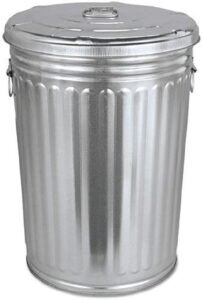
If you need a second steel storage option, the Plexon Pre Galvanized Outdoor Trash Can is worth a look. It holds 20 gallons — about 75 liters — and its zinc-coated steel shrugs off rain and humidity without rusting.
The smooth interior wipes clean easily, and the snug lid keeps odors in and curious wildlife out. Weighing under 8 pounds empty, you can move it around without much hassle.
It’s a solid, no-fuss container for keeping your birdseed fresh and dry.
| Best For | Anyone who wants a durable, rust-proof outdoor bin for trash, birdseed, or pet food storage without spending a lot. |
|---|---|
| Price | Not listed |
| Material | Galvanized steel |
| Outdoor Use | Yes |
| Wildlife Benefit | Stores birdseed |
| Ease of Use | Moderate |
| Squirrel Defense | No |
| Additional Features |
|
- Galvanized steel holds up in rain, humidity, and rough outdoor conditions without rusting
- Rolled rims and side handles make it sturdy and easy to carry or reposition
- Snap-on lid keeps smells contained and pests from getting in
- Steel makes it heavier than plastic bins, which gets noticeable when it’s full
- No wheels or sliding mechanism, so hauling a full 20-gallon load takes real effort
- The lid has no lock or latch, so a strong gust of wind can pop it right off
9. WindowAlert Leaf Medley Bird Decal

Window strikes kill more birds than most people realize — and that’s exactly what the WindowAlert Leaf Medley Decal is designed to prevent.
Each pack includes five static-cling decals that attach to the outside of your glass without adhesive or residue.
Birds can’t see clear glass, but they detect the UV-reflective coating on these decals as a bright visual warning.
At $7.95 for five decals, they’re an easy, affordable fix.
Replace them every four months to keep the UV effect working.
| Best For | Anyone who wants a simple, no-mess way to keep birds from flying into their windows — especially renters, bird lovers, or anyone with large glass doors or feeders nearby. |
|---|---|
| Price | $7.95 |
| Material | Vinyl |
| Outdoor Use | Yes |
| Wildlife Benefit | Protects birds |
| Ease of Use | Easy |
| Squirrel Defense | No |
| Additional Features |
|
- No adhesive means zero residue — peel off and reposition whenever you want
- Birds see the UV glow clearly, even though it looks like frosted glass to you
- At $7.95 for five, it’s one of the cheapest ways to solve a real problem
- You’ll need to replace them every four months, so costs add up over time
- Big windows need a lot of decals to hit the recommended spacing
- Cold temps can weaken the static cling, so they may need a quick rinse to stick again
Bird Watching Basics for Beginners

Getting started with bird watching doesn’t take much — just the right tools and a little know-how. The gear you choose can make a real difference in what you see and how much you enjoy it.
Here’s what every beginner should have before heading outside.
Essential Gear for Birding
You don’t need truckload of gear to get started — just the right basics. A lightweight field vest keeps your maps and notes close at hand.
Pack a microfiber lens cloth, a voice recorder for quick observations, and a portable tripod for steadier shots.
Good compact binoculars come next, but that’s a whole conversation on its own.
Using Binoculars Effectively
Good binoculars are only half the equation — knowing how to use them makes all the difference.
Start by setting your interpupillary distance until you see one clean circle, then dial in diopter calibration for sharp edges.
Use a steady grip technique with elbows tucked close.
For bird identification across your backyard, the scanning sweep method helps you track movement naturally without losing your subject.
Field Guides and Birding Apps
Think of a field guide app as a knowledgeable friend in your pocket. With an Audio Call Library, Customizable Filters, and Regional Species Alerts, identifying common feeder birds becomes surprisingly easy.
Offline Map Access keeps you connected even without Wi‑Fi, while Life List Sync logs every sighting automatically.
As a Birdwatching tip for beginners, explore Educational resources for bird identification built right into your mobile device.
Camera and Notebook Basics
Two simple tools can sharpen your bird observation techniques fast: a camera and a notebook. Use a zoom lens and dial in your shutter speed tips to freeze motion without blur.
A weatherproof notebook keeps your field records dry and readable. Jot down location, time, and species — organized notebook entries become your personal Bird Watching HQ over time.
Bird Watching for All Skill Levels
Your notebook and camera are just the start. Birdwatching tips for beginners work best when you grow at your own pace — no rush required.
- Use Data Logging Apps to track backyard bird observation over time
- Try Nighttime Birding to catch owls and migrating species
- Practice Behavioral Observation at bird feeding stations and observation points
- Note Weather Influence on seasonal feeding strategies
- Apply Photography Composition basics for better shots
Identifying Birds at Feeders
Once you’ve got birds visiting your feeders, the next fun step is figuring out exactly who’s stopping by. A few simple things — color, size, behavior, and timing — can tell you a lot more than you’d expect.
Here’s what to look for when you’re ready to start putting names to faces.
Noting Color, Size, and Behavior
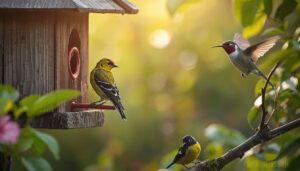
Watching birds well starts with noticing three things: color, size, and movement. Color Pattern ID is your first clue — a bright yellow body with black wings tells you it’s a goldfinch.
Then use Size Metric Comparison, holding the bird against your feeder’s perch. Behavioral Posture Cues, like tail flicks or head bobs, reveal foraging style.
Seasonal Plumage Shifts mean the same bird can look different in July versus January.
Recognizing Common Feeder Birds
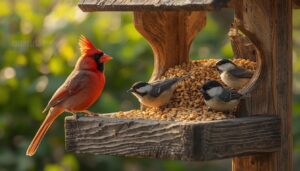
Once you know what to look for, common feeder birds become easy to sort out. Body shape, plumage patterns, and beak morphology do most of the work.
A chickadee’s compact round form and bold black cap are unmistakable. Cardinals perch upright with that signature crest. Nuthatches creep headfirst down bark.
Feeder behavior and seasonal plumage shifts fill in any tricky bird IDs fast.
Tracking Species by Season

Your feeder tells a seasonal story if you pay attention.
Migration Timing shifts the cast — finches arriving in fall, sparrows fading by spring.
Winter Range Shifts bring species you won’t see in July.
Tracking Common Feeder Birds through Spring Breeding Peaks, Fall Stopover Sites, and Seasonal Habitat Use turns casual bird watching tips into a real record of Seasonal Bird Migration Patterns in Colorado and beyond.
Using Observations to Improve ID Skills

Every sighting teaches you something — if you let it. Log Field Mark Patterns, note a Confidence Rating for each ID, and flag anything uncertain for a second look.
Seasonal Plumage Changes can fool even experienced birders, so Photo Verification Process and Audio Cue Integration both sharpen accuracy over time.
These BestEver Backyard Birding Tips, paired with Understanding Bird Behavior at Feeders, make Attracting Specific Bird Species and following Seasonal Bird Feeding Tips far more rewarding.
Backyard Birding and Conservation
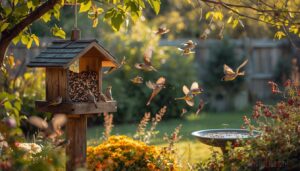
Feeding birds is just the beginning — your backyard can become a real refuge when you think a little bigger. A simple choices, from the plants you grow to the data you collect, can make a meaningful difference for local bird populations.
Here’s how to turn your everyday birding habit into something that truly gives back.
Landscaping With Native Plants
Your backyard can become a living bird magnet with smart Native Plant Selection. Choose regionally adapted perennials that support Seasonal Bloom Planning, giving birds food sources through every season.
Layer groundcovers to shrubs for Wildlife Habitat Features, and apply Water-wise Irrigation with drip systems and mulch to protect Soil Health Practices.
These choices make garden wildlife attraction easy, and Attracting Specific Bird Species surprisingly simple.
Installing Bird Houses and Baths
A well-placed nest box and bird bath can turn your yard into a year-round haven. Cavity Box Placement matters — mount boxes 6–10 feet high, with Entrance Hole Size around 1⅛ inches for wrens and chickadees. Use cedar with non-toxic Materials and Finish, stainless Mounting Hardware Tips, and a Bath Depth Texture of 1–2 inches for safe splashing.
- Keep Providing Water for Backyard Birds fresh every 2–3 days
- Follow feeder placement guidelines — 10–25 feet from your bird feeding station
- Add rocks to your bird bath for grip and confidence
Recording Bird Sightings Over Time
Think of your sighting log as a living record — every entry adds to a story only you can tell. Note the date, species, count, behavior, and weather conditions each time you visit your feeder.
Tools like FeederWatch make Time Series Logging simple via mobile devices, letting you build Seasonal Trend Analysis and Trend Graphs over months.
Add GPS Location Mapping and a Confidence Rating System to sharpen your data.
Your observations are important to citizen science bird monitoring programs nationwide.
Preventing Window Collisions
Windows are one of the biggest threats to backyard birds — but simple fixes make a real difference. Space decals 2–4 inches apart using Decal Spacing Guidelines, or try Exterior Film Installation to break up reflections.
Vegetation Buffer Zones and smart Feeder Placement and Location Strategies keep birds from flying straight at glass.
For Night Light Management, turn off outdoor lights during migration to protect birds after dark.
Participating in Citizen Science Projects
Your observations are important — and programs like FeederWatch turn them into real science.
After simple Project Registration Steps, you join a FeederWatch community of backyard birders across the U.S. and Canada. Community backyard bird observation data gets submitted through Data collection via mobile devices or a website.
Volunteer Training Resources help you meet Data Quality Standards, and Community Feedback Loops through Impact Reporting Metrics show exactly how your counts shape conservation decisions.
Frequently Asked Questions (FAQs)
What is bird feeding?
Bird feeding means setting out supplemental food — seeds, suet, or nectar — in feeders to attract wild birds to your yard.
Simple feeder designs and the right seed preferences can turn any backyard into a lively gathering spot.
What are the basics of birdwatching?
Birdwatching starts with quiet observation and patience. Stay still, scan your habitat slowly, and let the birds come to you.
Timing and seasonality matter — early mornings are best for spotting active species.
Why are bird feeders important?
A feeder is a lifeline.
It fuels winter survival, boosts energy for migration, and helps local bird populations — your Bird Feeding Station quietly powers wild bird nutrition right outside your window.
Why did I buy a bird feeder?
You probably bought one for the view — little wildlife connection right outside your window, some stress relief, family entertainment, maybe just the joy of watching something alive go about its day.
Are You bird watching?
If you’ve ever paused to watch a sparrow dart past your window, you already are. Bird watching is simply paying attention — and your backyard is the perfect place to start.
Do birds eat feeders?
Birds don’t eat the feeders themselves — they eat the birdseed inside. What draws them is the food, not the structure.
Seed Preference Patterns and Species Feeding Habits determine which birds show up and how often.
What is the 5 7 9 rule for bird feeders?
The 5-7-9 rule sets your height guidelines for bird feeders: mount them five feet up, keep a seven-foot collision buffer from buildings, and maintain nine-foot launch clearance from trees.
Do wild birds recognize humans who feed them?
Yes — wild birds actually recognize you.
They read facial cues, clothing colors, and even vocal signatures to tell you apart from strangers, growing bolder with each visit to your feeders across seasons.
What’s the difference between birding and bird watching?
Bird watching is relaxed, casual enjoyment — watching birds in your backyard with no pressure. Birding is an active pursuit focused on skill development, species identification, and building a life list.
Will birds notice my bird feeder?
They will — if your feeder stands out. High contrast colors, clear approach angles, and a strong line of sight help birds spot feeders fast. A little movement seals the deal.
Conclusion
The more you watch, the more you notice. The more you notice, the more you care.
Bird feeding and bird watching have a way of turning a simple backyard into something worth protecting—a small patch of habitat where chickadees find fuel in January and warblers pause during migration.
Keep your feeders stocked, your water fresh, and your eyes open. What visits your yard next might just be the species that changes how you see the natural world entirely.
- https://jcswildlife.com/squirrel-stopper-deluxe-squirrel-proof-bird-feeder-pole-system-with-baffle/?ref=hVhUWmk6vKk1IL
- https://www.pinterest.com/search/pins/?q=diy%20bird%20feeder%20pole&rs=typed&term_meta[]=diy%7Ctyped&term_meta[]=bird%7Ctyped&term_meta[]=feeder%7Ctyped&term_meta[]=pole%7Ctyped
- https://www.youtube.com/birdwatchinghq