This site is supported by our readers. We may earn a commission, at no cost to you, if you purchase through links.
A quarter-inch off on your entrance hole, and you won’t get bluebirds — you’ll get starlings kicking bluebirds out of house and home. Wild, right? That tiny gap between 1 3/8 and 1 9/16 inches decides who moves in and who stays homeless.
That’s the thing about bird house building plans — the difference between a box that sits empty and one bustling with chicks comes down to measurements most folks never think twice about.
Grab your tape measure and your galvanized screws. You’re about to build something birds actually want to live in.
Table Of Contents
- Key Takeaways
- Choose Species-Specific Birdhouse Plans
- Gather Safe Materials and Tools
- Build, Mount, and Maintain Birdhouses
- Top 5 Birdhouse Building Supplies
- Frequently Asked Questions (FAQs)
- What are the common mistakes when building a birdhouse?
- How far apart do birdhouses have to be?
- What is the proper size hole for a birdhouse?
- What is the best design for a birdhouse?
- How often should birdhouses be cleaned and maintained?
- What are the startup costs for a birdhouse business?
- Do birdhouses harm birds or create dependency issues?
- What is the current birdhouse market size globally?
- Can birdhouses attract unwanted predators or pests?
- What height should a birdhouse be mounted?
- Conclusion
Key Takeaways
- Entrance hole size must match the target species exactly, since even a quarter-inch difference can invite starlings or sparrows instead of bluebirds.
- Use untreated cedar or pine with about 1.25-inch thick walls, galvanized screws, and low-VOC finishes to keep the box durable and safe for birds.
- Proper drainage holes, ventilation gaps, and predator guards are essential to prevent overheating, moisture buildup, and raccoon or snake raids.
- Regular monthly checks during nesting season and yearly cleaning keep birdhouses healthy and reduce disease or parasite risks.
Choose Species-Specific Birdhouse Plans
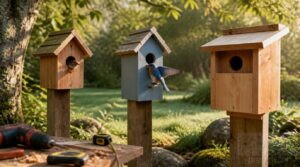
Not every bird wants the same front door. A hole that’s perfect for a bluebird might turn away a wren or invite trouble from starlings. Here’s how to match your birdhouse to the tenant you’re hoping to attract.
For a deeper dive into sizing, spacing, and placement, this guide to modern bird house designs for small gardens breaks down which entrance hole works best for each species.
Bluebird Entrance Hole Sizes
Ever wonder why bluebirds skip a birdhouse entirely? Hole size is usually the culprit.
Eastern Bluebirds want a 1.5-inch round hole, while Western and Mountain species do best with 1 9/16 inches. Prefer slots? Try 1 1/8 or 1 3/16 inches tall.
Oval entries (2 1/4" x 1 3/8") work too. Match your bluebird house plan to your region for real nesting success! Proper sizing can also help exclude house sparrows from your nesting site.
Wren and Chickadee Plans
Wrens and chickadees are the easy-going tenants of the birdyard—small, cheerful, and not too picky.
Ideal hole diameter sits at 1 1/8 inches, keeping sparrows and starlings out.
- Interior depth: 8-10 inches
- Side-entrance design for temperature control
- Roughened interior walls help chicks climb out
- Ventilation and drainage holes prevent overheating
Mount on a predator guard-equipped pole, and clean out old nests each fall.
Titmouse and Carolina Wren Boxes
Ready to size up? Titmice want a 1 1/4-inch entrance hole, six to eight inches above the floor.
Carolina wrens prefer 1 to 1 1/8 inches, facing east to dodge afternoon sun.
Both like roughened interior walls, drainage holes, and mounting five to eight feet up on a sturdy post—no tree trunks, please. Space boxes 100 yards apart for happy cavity nesters.
Purple Martin House Dimensions
Purple martins want company, so think condo, not cottage. Each compartment needs about 7×12 inches of floor space, 6-7 inches tall, with the entrance hole 1 inch above the floor.
- Rows of doorways like a tiny apartment building
- Holes sized 2 1/8 to 2 1/4 inches
- Houses perched 12 to 20 feet up
- Boxes spaced 30 to 120 feet apart
Open Nesting Platform Designs
Not every nesting site fits in a box—robins, cardinals, and doves prefer open platforms instead.
If you’re into parametric design workflows, tools like OpenNest bring algorithmic packing efficiency to your cutting layouts.
| Feature | Benefit |
|---|---|
| CAD compatibility | Cut-ready DXF files |
| Auto layout | Material waste reduction |
Great for outdoor DIY projects and custom birdhouse DIY plans alike!
If you’re ready to start building, these cedar bluebird house designs with proper ventilation offer a safe, comfortable blueprint to follow.
Gather Safe Materials and Tools

Before you cut a single board, let’s talk supplies. The right materials keep your feathered tenants safe, dry, and comfortable for years to come. Here’s what you’ll want to gather before you start building.
Untreated Cedar or Pine
Wood choice makes or breaks your birdhouse plans. Cedar naturally resists decay and bugs, weathers to a silvery gray, and can last 5-15 years outdoors.
Pine’s cheaper and easy to cut, but it soaks up moisture faster and checks more over time.
For nesting boxes that’ll stand up to seasons of wind and rain, cedar’s natural resins just win out.
Proper Wall Thickness
Here’s a number that trips people up: 1.25 inches. That’s the sweet spot for cedar or pine walls—thick enough to fight warping and hold screws tight, thin enough to keep your nesting box roomy inside.
- Resists warping better than 1-inch stock
- Keeps insulation vs space balanced
- Boosts thermal regulation for chilly nights
- Strengthens joints for solid woodworking projects
Galvanized Screws and Hinges
Skip the plain steel—grab galvanized screws for your birdhouse plans. That zinc coating sacrifices itself first, fighting rust way longer than bare metal ever could.
For hinges on cleanout doors, galvanized beats stainless on price and still shrugs off rain and humidity for years.
Quick tip: check hardware yearly, and treat any light rust spots before they spread.
Safe Finishes and Sealants
Would you paint a nursery with fumes strong enough to make your eyes water? Birds feel it worse.
If fumes would sting your eyes in a nursery, imagine how much worse they feel to a bird
Stick with Low VOC Finishes or Non-toxic Oil Seals like beeswax and mineral oil on exteriors only. For tougher weather, Waterborne Acrylic Sealants hold up great.
Check Safety Label Certifications—Green Seal or EPA Safer Choice—before buying anything for your birdhouse plans.
Drainage and Ventilation Supplies
No bird wants a soggy nest. That’s why every nest box needs a few smart extras before you call it done.
Grab a drill for floor drainage holes (3/8 to 1/2-inch) and side wall ventilation gaps. Add a recessed floor design to keep bedding dry, plus rough interior wall textures so babies can climb out. These small nesting requirements make a huge difference for any nesting sites you’re hoping to attract.
Build, Mount, and Maintain Birdhouses
Now that your materials are ready, it’s time to bring your birdhouse to life. Building one is easier than you think, and mounting it right keeps your feathered tenants safe for years to come. Here’s your step-by-step path from raw wood to a finished, predator-proof home.
Measure and Cut Panels
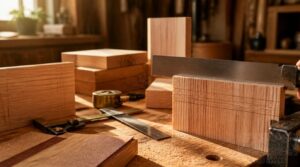
Grab your bird house plans and mark twice, cut once! Watch grain orientation so panels won’t warp later.
- Sharp marking knife for clean lines
- Fine-toothed saw blade
- Clamp panels steady
- Dry fit verification before fastening
Sand edges smooth, 150-220 grit works great. These step-by-step habits turn any simple birdhouse project into sturdy, precise nest box dimensions your feathered friends will love!
Drill Entrance and Vents
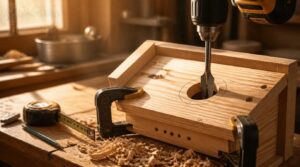
Now for the fun part—punching holes! Match your entry hole diameter to the species: 1.5 inches for bluebirds, 1 1/8 for chickadees.
Drill vents 1/8 to 1/4 inch on side walls for airflow, and don’t forget a 3/8-inch drainage hole underneath. Sand entrance edges smooth to prevent splitting and keep drafts out. Pre-drilling stops cracks before they start!
Assemble Roof and Walls
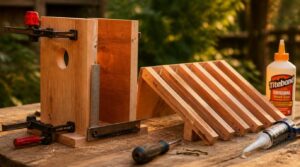
Holes drilled, it’s time to put this nest box together for real.
Keep wall panels plumb within 1/8 inch so your door hangs right. Space rafters 16 to 24 inches apart, aim for a 4:12 to 6:12 roof pitch, and align the roof panel flush to the ridge for a watertight joint. Run sealant along seams before screwing down—your future self will thank you when it rains.
Add Predator Guards
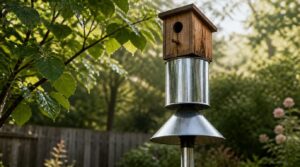
Now that your roof’s sealed tight, don’t skip the predator guard—it’s what keeps raccoons and snakes from raiding your hard work.
- Cone-style guards – force climbers to retreat before reaching the hole
- Metal stovepipe guards – galvanized, rust-resistant, built for decades
- Adjustable brackets – fit 1 1/4 to 2-inch poles snugly
- Guard height – mount 6 to 12 inches below entrance
Good mounting bracket fit means real predator protection for your nesting site.
Clean and Monitor Seasonally
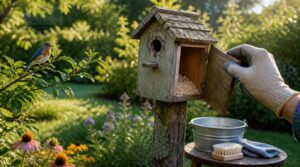
Once your nest box is up, the work isn’t over—it’s just beginning.
Check monthly during breeding season, log dates, and note repairs. Look for mold, chewed edges, or predator damage. Scrub with mild soap, rinse, and let dry before disinfecting. Keep humidity below 60%, vents clear, and drainage holes open. Small habits like these keep your birdhouse healthy for years.
Top 5 Birdhouse Building Supplies
Ready to build but not sure what to grab off the shelf? These five picks cover everything from bluebird boxes to open platforms, so you’re set no matter who moves in. Here’s where to start.
1. Cedar Bluebird Predator Guard Copper Portal
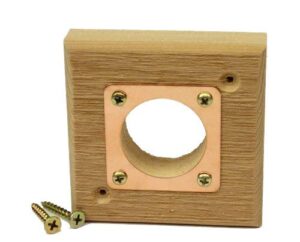
Squirrels and raccoons love a snack of eggs, so this little guard earns its keep. The copper portal resists chewing and keeps the 1.5-inch hole from getting gnawed wider over time. Cedar construction, 7/8-inch thick, weighs just 2.5 ounces.
Installation takes two screws and about five minutes. It fits standard bluebird boxes (1.5" or 1.56" openings) without replacing the whole house. Cheap insurance for a nest full of eggs.
| Best For | Bluebird landlords who want to protect an existing nest box from squirrels, raccoons, and other predators without buying a whole new house. |
|---|---|
| Material | Cedar |
| Weather Resistance | Yes |
| Mounting Hardware | Included |
| Target Bird | Eastern bluebirds |
| Predator Protection | Copper predator guard |
| Country of Origin | Not specified |
| Additional Features |
|
- Copper portal resists chewing and keeps the entry hole from wearing wider over time
- Quick retrofit installation with just two screws, no need to replace the entire box
- Lightweight cedar construction (2.5 oz) that fits standard bluebird house openings
- Only fits 1.5-inch openings, so it won’t work on larger or nonstandard nest boxes
- Copper may develop a patina with prolonged outdoor exposure, changing its appearance
- Small size means it’s limited to standard bluebird houses only, not other bird species’ boxes
2. Woodlink Cedar Bluebird House
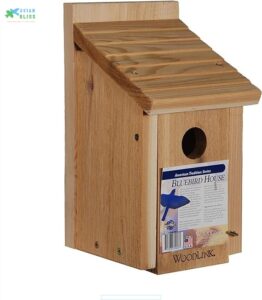
Here’s a house that measures up in every sense — literally. The 1.5-inch entrance hole keeps things sized right for eastern bluebirds, and the reforested cedar shrugs off weather without any chemical finishes.
The front panel hinges up for quick nest checks, while corner vents and a rear drainage slot keep the chamber dry and cool. Screws hold it together instead of nails, so it won’t rattle loose. Predrilled mounting holes make setup a breeze — no guesswork, just grab your screws and go.
| Best For | Backyard birders hoping to attract Eastern, Western, or Mountain bluebirds with a nesting box that’s easy to monitor and clean. |
|---|---|
| Material | Cedar |
| Weather Resistance | Yes |
| Mounting Hardware | Included |
| Target Bird | Bluebirds |
| Predator Protection | Not specified |
| Country of Origin | Not specified |
| Additional Features |
|
- Reforested cedar construction resists weather and insects naturally, with no chemical finishes needed
- Front panel slides down for simple nest checks and cleaning with minimal disturbance to birds
- Rust-resistant zinc chromate screws hold it together securely without loosening over time
- The 1½-inch entrance hole restricts use to bluebirds, so it won’t accommodate larger species
- Requires separate mounting hardware and a 6–10 ft pole or post, which isn’t included
- Untreated cedar will weather to a natural patina, changing its look from the original finish
3. Stovall Western Bluebird House
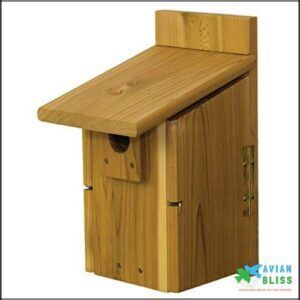
Out west, bluebirds need a bit more elbow room, and that’s exactly what this box delivers. The 1 9/16-inch entrance keeps mountain and western bluebirds happy while still locking out bigger pests.
Built from 7/8-inch Western Red Cedar, it’s tough enough for wild weather swings. The side opening swings out for painless cleaning, and that built-in predator guard gives raccoons the boot before they even try.
Mount it 5 to 8 feet up, and you’re set for the season.
| Best For | Homeowners in mountain or western regions looking to attract western and mountain bluebirds with a durable, all-cedar nesting box. |
|---|---|
| Material | Cedar |
| Weather Resistance | Yes |
| Mounting Hardware | Not included |
| Target Bird | Mountain/western bluebirds |
| Predator Protection | Not included |
| Country of Origin | USA (Michigan) |
| Additional Features |
|
- Handcrafted specifically for the nesting preferences of mountain and western bluebirds
- Made entirely of cedar wood, which naturally resists outdoor weathering
- Hand-sanded finish with stainless-steel and dichromate-plated screws for a polished, durable build
- Does not include predator guards or mounting hardware, so extra accessories may be needed
- Fixed dimensions (15 in H × 7.25 in D × 10.25 in W) may not suit every mounting spot or smaller garden
- Green finish may fade over time and require repainting to maintain its look
4. Cedar nesting boxes for birds
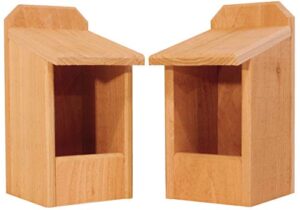
Two boxes for the price of one? That’s the deal here, and both are hand built in the USA from rough sawn western red cedar. Each measures 12 inches tall with a 2.5-inch front opening, roomy enough for cardinals, robins, and bluebirds alike.
Galvanized nails hold everything together, and drain holes in the floor keep nests dry after storms. Mount them on trees, posts, or fences, wherever your yard needs a little more birdsong.
| Best For | Bird lovers who want an easy, budget-friendly way to attract cardinals, robins, or bluebirds to their yard with two ready-to-mount nesting boxes. |
|---|---|
| Material | Cedar |
| Weather Resistance | Yes |
| Mounting Hardware | Nails included |
| Target Bird | Cardinals, robins, bluebirds |
| Predator Protection | Not specified |
| Country of Origin | USA |
| Additional Features |
|
- Two handmade cedar boxes included, so you get double the coverage for one purchase
- Weather-resistant western red cedar with drain holes keeps nests dry and lasts outdoors
- Flexible mounting options let you place them on trees, posts, or fences wherever birds are most active
- Rough sawn texture means color and grain will vary between boxes, so they won’t look uniform
- Fixed 2.5-inch opening limits use to smaller bird species, so larger birds won’t fit
- Compact size (12 x 5.5 x 7 inches) may not suit bigger nesting birds looking for more interior space
5. Birds Choice Cedar Nesting Platform
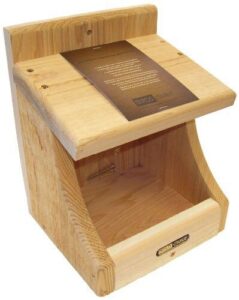
Not every bird wants a box with walls. Robins and doves prefer an open perch, and that’s exactly what this platform delivers.
Built from Western Red Cedar, it resists rot naturally, so it holds up season after season outdoors. The flat 12 to 16-inch surface gives nesting room, while drainage holes and a sloped roof keep things dry.
A metal predator strip along the edge adds extra protection, and galvanized hardware won’t rust. Mount it on a post, fence, or tree, wherever your yard needs it most!
| Best For | This open cedar nesting platform is best for homeowners and bird enthusiasts hoping to attract open-nesting species like robins and doves to their yard. |
|---|---|
| Material | Cedar |
| Weather Resistance | Yes |
| Mounting Hardware | Screws included |
| Target Bird | Doves, robins |
| Predator Protection | Shelter from predators |
| Country of Origin | Not specified |
| Additional Features |
|
- Made from durable, naturally rot-resistant red cedar built to last outdoors
- Simple pole, fence, or post mounting makes setup quick and flexible
- Open platform design suits birds that prefer a nest ledge over an enclosed box
- Requires a separate pole or fence post, which isn’t included
- Not suitable for cavity-nesting bird species
- Being open-sided, nests may be more exposed to weather and predators than an enclosed box
Frequently Asked Questions (FAQs)
What are the common mistakes when building a birdhouse?
A birdhouse’s biggest enemies aren’t hawks or cats—they’re wrong-sized holes, poor drainage, and treated wood. Skip ventilation gaps or predator guards, and you’re basically building a death trap with a cute roof.
How far apart do birdhouses have to be?
Space matters more than you’d think! Give bluebird boxes 100 feet apart to dodge territory fights, small songbird houses like wrens or chickadees just need 25 to 30 feet, and purple martins do fine clustered 30 to 40 feet apart.
What is the proper size hole for a birdhouse?
Hole size depends entirely on your target bird. Bluebirds need 1 1/2 inches, chickadees and wrens want 1 1/8 to 1 1/4 inches, and Purple Martins require 2 to 2 1/4 inches — get this wrong, and unwanted guests move in instead!
What is the best design for a birdhouse?
A 1-inch precision entrance hole cut can mean the difference between a thriving family and an empty box.
The best design matches the species you want: right hole size, sturdy cedar walls, drainage holes, and a sloped roof for weather protection.
How often should birdhouses be cleaned and maintained?
Once a year, minimum — clean after nesting season ends. High-humidity areas need a fall touch-up too. Between broods for bluebirds and chickadees. Weekly checks during nesting help you time it safely without disturbing active nests.
What are the startup costs for a birdhouse business?
Rome wasn’t built in a day, and neither’s a birdhouse business. Budget 5,000 to 20,000 euros for tools, plus 2,000 to 10,000 for materials, licensing, and packaging—your nest egg before the first sale ever ships.
Do birdhouses harm birds or create dependency issues?
Done right, birdhouses do more good than harm. Proper entrance holes and predator guards keep invasive species out, while yearly cleaning prevents disease. Skip maintenance or overcrowd your yard, though, and you risk parasite buildup and unhealthy species dependency.
What is the current birdhouse market size globally?
Picture backyard hobbyists everywhere quietly fueling a booming trend: birdhouses are big business now.
The global birdhouse market sits around 2 to 1 billion USD, projected through 2033, growing steadily at 4 to 8 percent annually, driven by backyard biodiversity interest.
Can birdhouses attract unwanted predators or pests?
Yes, sloppy setups invite trouble. Perches below entrances give raccoons and squirrels an easy grip, leftover nesting material draws pests, and gaps or loose hardware create sneaky entry points predators love to exploit.
What height should a birdhouse be mounted?
Somewhere between a low fence and a basketball hoop is your sweet spot. Most boxes do best 5 to 15 feet up—bluebirds like it lower, around 4 to 6 feet, while martins and owls want more altitude, up near 15 to 30 feet.
Conclusion
Your backyard is about to become a small motel for feathered travelers, one with strict house rules and the right size door. That quarter-inch you measured? It matters more than the paint color.
Solid bird house building plans aren’t complicated, they’re just precise. Cut clean, drill true, mount it firm, and step back.
Somewhere out there, a bluebird is already scouting for a new address. You just built it.
- https://extension.okstate.edu/fact-sheets/three-designed-birdhouse-plans-for-eastern-bluebirds
- https://ravenview.com/a-bird-house-specification-chart
- https://100things2do.ca/free-birdhouse-plans
- https://thebirdersreport.com/resources/nest-box-birdhouse-plans
- https://www.jcswildlife.com/blogs/bird-house/choosing-the-right-bird-house-types-designs-and-tips-for-backyard-birds