This site is supported by our readers. We may earn a commission, at no cost to you, if you purchase through links.
A feather-lined nest can reduce egg cooling rates by 50%—a margin that separates a healthy clutch from a failed one. Small birds intuitively understand something many backyard enthusiasts overlook: the lining material matters as much as the nest’s location or structure.
The wrong fiber traps moisture, adds dangerous weight, or tangles around developing legs. The right one maintains core temperatures above 38°C while staying light enough for a hummingbird to carry.
Choosing the best soft nesting material for small birds comes down to thermal performance, breathability, and safety—and the options worth offering are more specific than most guides admit.
Table Of Contents
- Key Takeaways
- Why Soft Nesting Material Matters
- Best Soft Materials for Small Birds
- Materials Small Birds Should Avoid
- Matching Materials to Bird Species
- How to Offer and Maintain Materials
- Frequently Asked Questions (FAQs)
- When to put out nesting material for birds in winter?
- How often should nesting materials be replaced?
- Can birds reuse old nesting materials safely?
- What attracts predators to bird nesting sites?
- Do different seasons require different nesting materials?
- How much nesting material should I provide?
- How do predictive models match materials to species?
- What disinfection methods reduce nest parasite loads?
- How much nesting material should each nest cycle receive?
- At what height should birdhouses be placed for safety?
- Conclusion
Key Takeaways
- feather-lined nest slows egg cooling by up to 50%, and materials like coconut coir, untreated cotton, and soft dried grass deliver that thermal protection while staying light and breathable enough for even the smallest birds.
- The lining material isn’t a finishing touch—it directly affects moisture control, leg development, and mite load, with grippy natural fibers reducing splay-leg injuries and plant fluff cutting mite infestations by around 25%.
- dryer lint, pet fur from flea-treated animals, and synthetic stuffing are genuinely dangerous—they trap moisture, carry pesticide residues, and create entanglement risks that can kill nestlings.
- Match your offering to the bird: finches and canaries do best with 7 cm coconut fiber strands, hummingbirds need fibers under half an inch, and cavity nesters like wrens thrive with short cotton and bark strips layered inside a clean, dry box.
Why Soft Nesting Material Matters
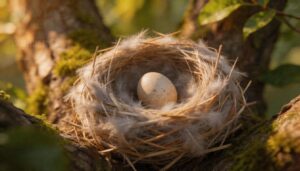
The material lining a small bird’s nest does more than fill space—it directly affects egg temperature, chick survival, and nest hygiene. Getting it right means understanding what each type of soft material actually does inside the box.
Each material choice carries real consequences, as explained in this guide to bird nesting behavior and nest-building instincts—from temperature regulation to parasite control.
Here’s what matters most.
Comfort and Insulation for Eggs
Think of soft nesting material as your bird’s first line of defense. A cushioning layer thickness of just 1–2 inches traps warm air around eggs, supporting egg temperature stability even when the hen briefly steps away.
Natural fibers excel at thermal buffering, keeping temperature swings minimal. That steady warmth directly improves embryo development and, ultimately, hatch success.
Breathability and Moisture Control
Warmth matters, but so does what happens to moisture inside the nest. Natural fibers excel at humidity buffering—absorbing excess vapor without becoming saturated. Materials with open mesh design and low fiber twist effects allow strong MVTR metrics, letting water vapor escape rather than stagnate.
Here’s what good breathability actually delivers:
- Capillary wicking pulls moisture away from eggs and hatchlings
- Nest ventilation prevents bacterial and mold growth
- Natural fibers regulate nest moisture retention without trapping dampness
- Biodegradable components break down without releasing harmful residues
- Soft nesting material with open structure keeps airflow consistent
Poor moisture control is where synthetic nests fail hardest.
Lighter Nests for Small Birds
Weight optimization isn’t just engineering jargon—it’s survival math. Hummingbirds build complete cups under 2 grams using novel ultra-light fibers like plant down and feathers, a masterclass in micro-structure design.
Natural fibers such as cotton and coconut fiber have densities around 0.1–0.2 g/cm³, keeping birdhouse bedding material light enough for small birds to carry, shape, and weave without strain.
The material is 100% natural coconut fiber, providing a fully biodegradable, chemical‑free nesting solution.
How Soft Linings Support Chick Survival
Soft linings do more than feel cozy—they’re the difference between chicks that thrive and chicks that don’t. Here’s what the right materials actually do:
- Thermal Regulation – Feather-lined nests slow cooling by up to 50%, keeping core temps above 38°C
- Leg Injury Prevention – Grippy soft fibers stop legs from splaying on smooth floors
- Ectoparasite Reduction – Moss and plant fluff cut mite infestations by 25%
- Cushioning Falls – Cotton and coir absorb impact, protecting fragile hatchlings
Best Soft Materials for Small Birds
Not every natural material earns a place in the nest — the best ones balance softness, breathability, and safety for small birds. handful of options check all those boxes while matching how different species actually build.
Here’s what’s worth offering.
Coconut Coir for Breathable Lining
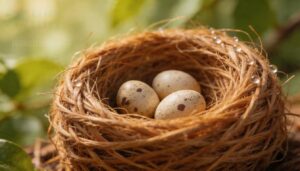
Coconut coir is one of the smartest choices you can make for a nest lining.
This renewable byproduct of coconut processing delivers real structural performance—its hollow fiber structure and natural lignin stiffness keep fibers from compacting under egg weight.
The airflow porosity regulates temperature inside enclosed boxes, while moisture dispersion pulls dampness away from hatchlings fast.
| Property | Coconut Fiber | Synthetic Fiber |
|---|---|---|
| Airflow Porosity | High | Low |
| Moisture Dispersion | Fast-drying | Moisture-retaining |
| Ecofriendly Nesting | Biodegradable | Persistent waste |
| Lignin Stiffness | Natural resilience | None |
| Renewable Byproduct | Yes | No |
Natural fibers like coir simply manage moisture better than synthetics—keeping nests breathable and dry where it counts.
Finches and bluebirds both thrive with the right setup—bird nesting box accessories using natural fibers make it easy to give them exactly that.
Untreated Cotton in Short Fibers
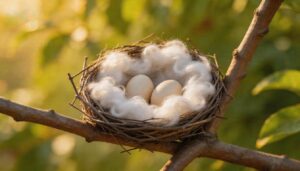
Untreated cotton is about as close to a perfect natural bird nesting material blend as you’ll find. Chemical-free fibers mean no toxic residue touching developing skin. Short fiber flexibility lets birds weave snug cups without wasted energy.
Three reasons it works:
- Cotton moisture absorption — holds 24–27x its weight in water, keeping chicks dry
- Lightweight nest density — averages 0.25–0.35 g/cm³, easy to carry
- Biodegradable cotton — breaks down cleanly, supporting nest hygiene long-term
Soft Dried Grass and Plant Fluff

Dried grass and plant fluff are genuinely underrated. Cut grass stems to 2–4 inches—long enough to weave, short enough to stay safe.
Cattail fluff harvest gives you dense, air-trapping insulation; milkweed down benefits smaller species needing ultra-soft lining.
Thistle down timing matters: goldfinches won’t nest until it’s ready, usually early July. Store plant fluff dry, sealed, and pest-free.
Short Jute and Hemp Strands
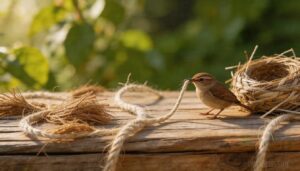
Jute and hemp punch above their weight as soft fibers for small birds. Both are natural fibers with a rough surface that helps strands interlock—ideal for beak morphology fit across finches, wrens, and canaries. Cut pieces to under six inches for entanglement prevention and nest weight optimization.
- Jute: flexible, easy to grasp, great for weaving
- Hemp: stronger, more durable, balances durability and softness well
- Both are bird-friendly materials when untreated and dye-free
- Short tufts support choosing safe nesting materials without bulk
Fiber texture benefits make both worth keeping on hand.
Moss and Bark Strips for Cushioning
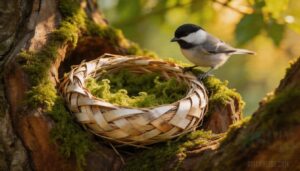
Moss and bark strips make a surprisingly effective pairing. Chickadees and wrens rely on both regularly—moss for springy cushion density optimization, bark for structural flex.
Use clean dry moss only; damp material mildews fast. Bark strip flexibility lets birds weave them into tight cup walls.
Together, these natural nest materials form a breathable, eco-friendly bedding option that genuinely helps hatchling survival.
Pine Needles for Structure and Warmth
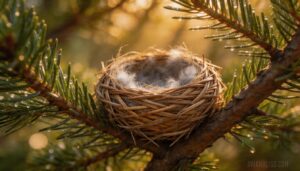
Pine needles pull double duty — structure up top, warmth underneath. Their interlocking mechanics let birds layer them like a loose scaffolding before adding softer lining.
- Air pocket retention slows heat loss between dry needle layers
- Waxed surface drying keeps them from staying soggy after rain
- Stiffness balance holds up the cup without crushing soft fluff beneath
- Weight reduction stays low — needles won’t compress a small nest
- Natural fibers from untreated pine or aspen are bird-friendly materials
Short, dry needles are your best nest insulation techniques for temperature regulation for chicks.
Materials Small Birds Should Avoid
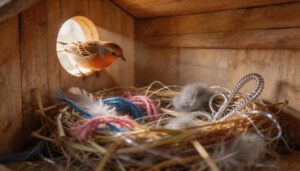
Not everything that looks soft and cozy actually belongs in a birdhouse. Some common household materials can quietly cause real harm — from entanglement to toxic residues — and small birds can’t afford those odds.
Here’s what to keep out of the nest.
Yarn, String, and Long Threads
Yarn, string, and long threads top the "don’t offer" list for good reason. Strands longer than six inches create serious entanglement hazards — hatchlings can get a leg or wing wrapped tight enough to cut off circulation.
Synthetic fiber toxicity adds another layer of risk, since plastic-based materials retain moisture and don’t break down. Stick with short natural fibers instead.
Dryer Lint and Fabric Scraps
Dryer lint seems like a soft, free option — but it’s one to skip. It mixes synthetic fibers with chemical residues from detergents and softeners, making it risky birdhouse bedding. Those fibers compact when wet, trap moisture, and create entanglement hazards similar to long threads. Lint also carries microfiber pollution and fire hazard concerns.
Fabric scraps share the same problems. Choose genuinely safe materials instead.
Synthetic Stuffing and Plastic Fibers
Polyester fiberfill looks harmless — soft, fluffy, cheap. But synthetic fibers are basically plastic, and plastic doesn’t belong in a nest.
- Entanglement hazards are real: long strands loop around toes and legs
- Moisture resistance means wet synthetic fill stays wet, trapping bacteria
- Microplastic pollution enters the food chain when fibers shed
- Fiber loft impact collapses under nest weight, reducing breathability
- Recycled PET benefits don’t offset dangers to nesting chicks
Cedar and Treated Wood Shavings
Cedar shavings might smell clean to you, but aromatic oil irritation is a real threat to small birds — those natural compounds can impair breathing fast.
Treated wood is worse. Chemical preservative risks compound the problem, with pressure-treated shavings releasing residues linked to respiratory damage.
Moisture retention differences matter too: these shavings trap humidity, creating the exact nest hygiene problems you’re trying to avoid.
Skip them entirely.
Pet Fur With Flea-treatment Residue
Pet fur looks harmless — soft, warm, familiar. But if your dog or cat uses flea medicine, that shed hair carries real residue toxicity. Studies found fipronil and imidacloprid in 100% of examined nests lined with treated fur, directly tied to eggshell contamination and poor chick development.
Pet fur from treated animals carries pesticide residues found in 100% of tested nests, harming chick development
Avoid pet fur because it causes:
- Pesticide transfer through direct skin contact with nestlings
- Disrupted chick development and fledging failure
- Environmental spread into soil and surrounding habitat
- Bird health risks lasting the full breeding season
Owner education starts here: skip it entirely.
Damp, Moldy, or Dirty Bedding
Wet or dirty bedding is quietly dangerous. Within 24–48 hours, damp organic nesting substances can harbor Aspergillus mold spores — a direct path to fatal respiratory infections in nestlings. Bacterial contamination from accumulated droppings adds Salmonella risk, while poor humidity regulation accelerates ectoparasite load.
Prioritize airflow enhancement around the nest site, follow a strict sanitation schedule, and commit to weekly replacement. Dry bedding isn’t optional — it’s survival.
Matching Materials to Bird Species
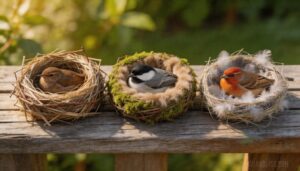
Not every bird builds the same way, and that matters when you’re stocking a birdhouse or feeder station. Each species has real preferences — shaped by beak size, body weight, and nesting instincts — that affect which materials actually get used.
Here’s how to match what you offer to the bird you’re trying to support.
Finches and Canaries
Finches and canaries are weavers by instinct — beak strength shapes every material choice they make. Coconut fiber tops the list for both species, thanks to its breathability and natural moisture control. Untreated cotton works equally well.
Species-specific material preferences align tightly with photoperiod triggers and breeding cycles, so matching the right natural fibers aids nest hygiene practices and keeps hatchling survival rates climbing.
Chickadees and Titmice
Both chickadees and titmice rely heavily on animal hair — titmice use fur in up to 73% of nest composition. Their beak morphology favors short, manageable fibers like cotton and coconut fiber over bulky strands.
For safe, species-specific material preferences, offer:
- Clean animal hair
- Untreated cotton
- Soft plant down
- Coconut fiber
- Fine dried grass
House Wrens and Similar Cavity Nesters
House Wrens are cavity nesters with a clear strategy: pack the entrance, then line the cup. Their nest site selection favors tight openings that support predator defense strategies and reduce territorial aggression from competitors.
Offer short natural fibers, cotton, and bark strips. Seasonal material adjustments matter — skip anything damp to prevent parasite accumulation inside enclosed spaces.
Hummingbirds and Ultra-soft Fibers
Hummingbirds build nests roughly the size of a walnut, so fiber length optimization isn’t optional — it’s everything. Keep strands at half an inch or shorter.
Organic cotton, coconut fiber, and natural fibers support thermal insulation and nest microclimate stability. Silk elasticity lets the nest expand as chicks grow.
Stick to white or pale material; color camouflage helps deter competing species.
Mixing Soft Lining With Structural Materials
Think of every nest as two jobs in one: holds the structure, protects the occupants. That’s Hybrid Nest Architecture in practice — twigs and sticks forming the rigid outer shell, while cotton, coconut fiber, and Dried Grass or Straw create the soft inner cup.
Layered Material Integration works best when you offer:
- Outer frame: short twigs, bark strips
- Mid-layer: dried grass or straw
- Inner lining: coconut fiber or cotton
- Finishing layer: plant fluff or feathers
Structural Soft Synergy keeps natural fibers where they matter most — close to eggs and chicks — without compromising nest stability.
Choosing Strand Size by Bird Size
Strand size follows bird size — it’s that simple. For small birds like finches and canaries, keep natural fibers around 7 cm, thin enough for Beak Size Matching and easy weaving.
Length-Weight Ratio matters too: fine coconut fiber and cotton offer the right Length-Weight Ratio and Material Flexibility for Cup Shape Compatibility.
Species-specific bedding recommendations always start here.
How to Offer and Maintain Materials
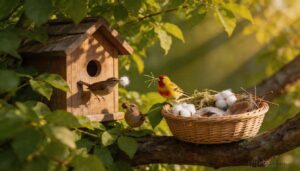
Choosing the right material is only half the job — how you offer and care for it matters just as much. mistakes in placement can undo even the best nesting choices.
Here’s what to get right from the start.
Safe Strand Length and Quantity
Keep fibers under 6 inches—that’s your safe cutoff for loose nesting material. Length guidelines and piece count go hand-in-hand.
Controlled supply matters too: offer 15–30 g per nest cycle, roughly a small handful.
cotton balls, which unravel into long, looping threads that tangle feet and wings.
Monitoring usage weekly ensures birds aren’t pulling unsafe scraps from an overgrown, soggy pile.
Where to Place Nesting Supplies
Placement is half the battle. Elevated mesh bags hung 5–10 feet on tree trunks, feeder pole stations near active nest boxes, and tree crevice inserts at 4–6 feet all reduce predator exposure by roughly 42%.
Ground piles near shrubs work for wrens, and shrub draping attracts finches within 50 feet.
Spread options across your bird-friendly garden design—variety wins.
Seasonal Material Swaps
Seasons shift, and so should your nesting supplies. A simple seasonal supply schedule keeps materials matched to what birds actually need:
- Spring fiber rotation: Swap in lightweight cotton or coconut coir as breeding begins.
- Summer dryness focus: Prioritize moisture-wicking soft fibers like dried grass.
- Fall insulation boost and winter bark addition: Layer pine needles, then add bark strips for warmth.
Natural fibers make safe birdhouse bedding year-round.
Weekly Checks for Mold and Pests
Once a week, run through four quick checks: an Odor Inspection for musty smells, a Visible Mold Patches scan for gray or black fuzz, a Moisture Source Check for damp spots, and a Pest Dropping Survey for droppings or gnaw marks.
This Weekly Cleaning Routine is your frontline defense against parasite accumulation and mold prevention, keeping birdhouse hygiene where it belongs.
Replacing Used Nesting Material
Once the young have fully fledged, replacement timing matters more than most people realize. Old material harbors fleas, blowfly larvae, and mites — and parasite control starts with old material disposal before the next pair even scouts your box.
Fresh bedding prep is simple:
- Remove and discard all used lining
- Let the box dry completely
- Add a small, loose layer of soft fibers
box reuse strategy keeps things clean without overwhelming returning birds.
Keeping Birdhouses Clean and Dry
clean box is a safe box.
Drainage holes let rainwater escape before it soaks your safe birdhouse bedding. Ventilation gaps move humid air out, cutting mold risk. Roof protection keeps driving rain off the entrance. Dry placement matters too — a sheltered spot stays drier naturally.
Stick to a cleaning routine: hot water, stiff brush, full air-dry. Fresh soft fibers finish the job.
Frequently Asked Questions (FAQs)
When to put out nesting material for birds in winter?
Put nesting material out in late winter—February at the latest. Many birds respond to photoperiod triggers and begin scouting nest sites well before March.
Early placement means you’re ready when they’re.
How often should nesting materials be replaced?
Replace nesting material after each brood cycle. Once eggs hatch and chicks fledge, clean the box immediately.
For boxes used seasonally, annual autumn cleaning—October to November—is the standard interval.
Can birds reuse old nesting materials safely?
Sometimes, yes — but with conditions. Old nesting material can harbor mites, blowfly larvae, and parasites that overwinter and surge when birds return.
If it’s dry, structurally sound, and shows no infestation, cautious reuse is acceptable.
What attracts predators to bird nesting sites?
Food waste nearby, open visibility, loud nestling calls, and climbing access points all signal predators to your nest site.
Raccoons, cats, and snakes exploit these cues fast—nearby predator habitats make the threat constant.
Do different seasons require different nesting materials?
Yes, seasons shape what birds need. In cold months, dense insulation matters most.
As temperatures rise, lighter and breathable materials take over. Matching your offerings to the season keeps nests safe and functional.
How much nesting material should I provide?
Start small — about 15–30 g of dry natural fibers per nest cycle.
Refill weekly, since birds use material most heavily in early spring. A fist-sized amount keeps waste low and birds well‑supplied.
How do predictive models match materials to species?
Think of a model as a matchmaker—it reads a bird’s beak size, body weight, and nesting habits, then pairs them with natural fibers that fit.
Predictive accuracy reaches 97% with strong feature engineering and validated data sources.
What disinfection methods reduce nest parasite loads?
Heat drying, chemical disinfection, UV-C irradiation, and diatomaceous earth all reduce nest parasite loads.
Combined with weekly bedding swaps, these methods form a solid nest parasite management and keep birdhouse hygiene tight.
How much nesting material should each nest cycle receive?
Offer 15–30 g as your starter amount, then let gradual additions follow the birds’ lead. Species volume needs vary—overfill risk is real. Match cycle refresh timing to each clutch.
At what height should birdhouses be placed for safety?
Mount birdhouses between 5 and 10 feet high. That height range hits the sweet spot for predator protection strategies for nest sites while keeping the box easy to inspect.
Conclusion
Investigate the truth of a well-lined nest’s impact on small bird survival. The right soft nesting material for small birds can boost egg viability by 50%, a critical margin.
By choosing materials like coconut coir, untreated cotton, or soft dried grass, you provide more than comfort—you offer a safeguard against harsh conditions.
Make informed choices, and watch your feathered friends thrive, their nests a haven of warmth and safety, every season.
- https://www.allaboutbirds.org/news/providing-nest-material-for-birds-dos-donts/
- https://www.birdfood.co.uk/bird-nesting-material
- https://www.audubon.org/magazine/what-nesting-materials-are-safe-birds
- https://www.google.com/url?sa=E&q=https%3A%2F%2Fwww.birds.cornell.edu
- https://andrewskurka.com/breathability-its-importance-mechanisms-and-limitations/