This site is supported by our readers. We may earn a commission, at no cost to you, if you purchase through links.

Your cockatiel’s feet spend every waking hour gripping something, yet most cage setups offer little more than two identical dowels. This monotonous setup doesn’t just bore your bird—it creates genuine health risks.
Wild cockatiels navigate branches that vary wildly in diameter and texture, constantly flexing their feet across irregular surfaces. That natural variation keeps circulation strong and prevents pressure sores that lead to bumblefoot, a painful bacterial infection affecting up to 30% of caged birds.
The right mix of bird perches for cockatiels transforms your cage from a static box into a vibrant environment that exercises feet, trims nails naturally, and keeps your bird genuinely engaged. We’ve reviewed seven perches that deliver exactly this variety, from pumice grips that condition nails to natural wood stands that challenge balance.
Table Of Contents
- Key Takeaways
- Best Perch Types for Cockatiels
- How to Choose The Right Perch Size
- Essential Perch Materials and Their Benefits
- Top 7 Cockatiel Perches Reviewed
- Perch Placement and Maintenance Tips
- Frequently Asked Questions (FAQs)
- What are the best perches for cockatiels?
- What size perch should a cockatiel have?
- What kind of perched do cockatiels need?
- What do cockatiels like to sleep on?
- Can cockatiels sleep on perches overnight safely?
- How many perches should one cage have?
- Do cockatiels prefer high or low perches?
- Can perches help with cockatiel molting issues?
- Are heated perches safe for cockatiels?
- Conclusion
Key Takeaways
- Your cockatiel’s feet need varied perch diameters (0.5-1 inch range) and textures to prevent bumblefoot—a painful bacterial infection affecting up to 30% of caged birds—so ditch the two identical dowels and mix natural wood, rope, and pumice perches.
- Natural wood perches with irregular bark mimic wild branches and exercise different foot muscles with every grip, while concrete or pumice options naturally file nails without stressful vet visits, though you’ll want to limit concrete use to prevent pressure sores.
- Position perches at multiple heights (12 inches apart vertically) away from food bowls to reduce contamination, rotate one or two perches every 2-4 weeks for mental enrichment, and inspect weekly for splinters or fraying that could injure delicate feet.
- Your cockatiel’s toes should wrap about two-thirds around each perch without completely encircling it, and mixing at least three different perch types—like textured wood for climbing, soft rope for resting, and pumice near food for passive nail trimming—creates the foot exercise and circulation they’d naturally get in the wild.
Best Perch Types for Cockatiels
Your cockatiel needs more than one type of perch to stay healthy and engaged. Each perch material offers distinct benefits, from maintaining foot health to keeping nails naturally trimmed.
Natural wood and rope perches each serve different purposes, so understanding the best bird cage perch material helps you create a healthier habitat for your cockatiel.
Let’s look at the five essential perch types every cockatiel owner should consider.
Each perch should support natural foot movement and grip strength, which is just as important as maintaining healthy feathers for your cockatiel’s overall health.
Natural Wood Perches
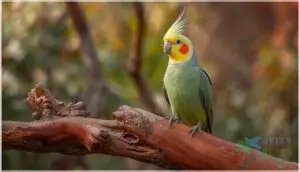
Natural wood perches mimic your cockatiel’s wild habitat with irregular surfaces that exercise foot muscles and promote a healthy grip. These wooden perches feature bark and uneven grain benefits that support beak trimming and toe flexibility.
For a wider variety of shapes and sizes that suit different bird species, explore these natural wood bird cage perches designed to enhance your pet’s daily comfort.
Choose bird perches from pesticide-free sources—manzanita and hardwoods offer outstanding durability while providing the natural texture essential for bird enrichment and long-term foot health. For a deeper understanding of their advantages, read more about the importance of.
These natural perches promote proper grip variation and joint movement, which you can explore further in this guide on natural wood bird cage accessories.
Rope and Soft Perches
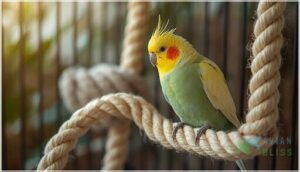
Rope perches offer a softer alternative to natural wood perches, giving your cockatiel’s feet a gentle cushion during rest. Cotton rope benefits include textured surfaces that strengthen toe grip, while flexible perch designs let you shape pathways through the cage.
Soft perch materials reduce pressure on bird perches, but rope perch safety demands weekly checks for fraying fibers. Choose pet bird accessories with non-toxic dyes for perch texture variety.
For more details on rope perch maintenance and safety, review the cleaning and care guidelines recommended by avian experts.
Flat and Platform Perches
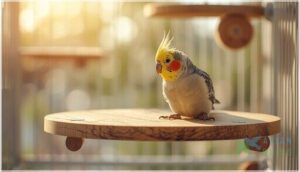
Platform perches give your cockatiel’s feet a break by spreading toes across a broad, flat perch surface instead of curling around rounded bird perches. These platform designs reduce pressure on foot pads, making them perfect for cockatiels with arthritis or grip issues.
Most cage layout options include sturdy attachment hardware that ensures bird comfort while offering a stable resting spot between more active parrot perches.
Choosing safe bird cage perch options helps prevent foot injuries and keeps your parrot healthy during rest periods.
Concrete and Pumice Perches
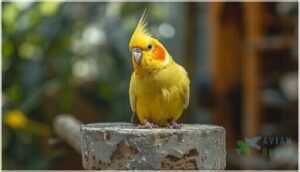
Your cockatiel’s nails need regular wear, and concrete perches offer nail maintenance without stressful trimming sessions. The pumice-infused surface acts like a natural file while your bird perches.
Look for bird perch reviews confirming concrete safety—proper curing prevents dust and toxicity. Choose a perch size that lets toes grip three-quarters around.
Pumice benefits include pressure-point relief, while perch durability means years of bird comfort with simple weekly cleaning.
Chewable and Enrichment Perches
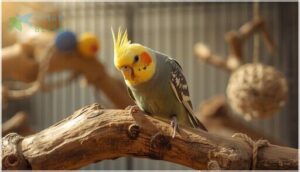
Chewable perches combine beak trimming with foot stimulation through textured natural branches. Your cockatiel needs perch variety that doubles as enrichment, and these blend chew toy safety with exercise.
When reviewing bird perch selection, prioritize:
- Pesticide-free natural wood perches with bark
- Embedded toys for parrot enrichment and stimulation
- Weekly inspections following your bird toy and accessory guide standards
Replace worn sections to maintain safe chewing outlets.
How to Choose The Right Perch Size
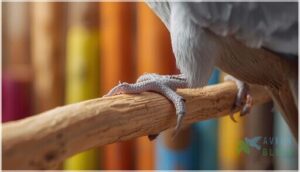
Getting the perch diameter right makes a real difference for your cockatiel’s comfort and long-term foot health. Your bird’s toes should wrap about three-quarters of the way around the perch without completely encircling it.
Let’s look at the specific measurements and strategies that will keep those feet happy and healthy.
Ideal Perch Diameter for Cockatiels
Your cockatiel’s feet should wrap about two-thirds around any perch for ideal grip texture and foot health. Perches smaller than 3/8 inch or larger than 1 inch can strain your cockatiel perch setup.
A perch size guide recommends diameters between 1/2 inch and 3/4 inch for most bird perches. Natural wood perches in this range provide excellent beak comfort and bird safety.
Importance of Varied Perch Sizes
Diversity in perch size variety strengthens your bird’s feet far beyond what one diameter can offer. Rotating between narrow, medium, and wide bird perches exercises different muscles and reduces pressure sores.
This foot health benefits approach mirrors how wild birds shift grips constantly.
You’ll notice improved circulation and happier toes when cage layout optimization includes at least three parrot perch material options within your cockatiel care and accessories collection.
Perch Length and Cage Placement
Think of your bird cage as a small forest where flight paths determine every perch angle. You’ll want lengths that span at least half the cage depth without crowding food dishes.
Stagger vertical levels to encourage climbing, and position bird perches away from bar spacing edges so tail feathers don’t brush constantly.
Smart cage setup and design transforms routine roosting into daily exercise.
Essential Perch Materials and Their Benefits
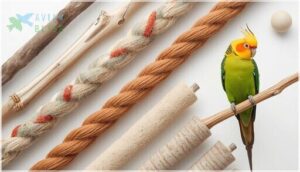
The material you choose for your cockatiel’s perches directly affects their foot health, comfort, and safety. Different surfaces offer specific benefits, from maintaining nail length to preventing arthritis in their delicate feet.
Let’s look at the most beneficial materials and what each one brings to your bird’s daily life.
Natural Wood for Foot Health
Your bird’s feet work hard all day, gripping and balancing on every surface. Natural wood perches deliver textured surfaces that stimulate circulation in those delicate foot pads as your cockatiel shifts position.
Natural wood perches stimulate circulation in your cockatiel’s foot pads through textured surfaces that shift pressure as they grip and balance
Varied diameters along the branch exercise different toe grips, building strength while irregular grain prevents slippery fatigue.
This chewable perch option fosters proper nail growth through predictable resistance.
Safety of Non-Toxic Materials
Your cockatiel’s safety hinges on what you bring into their space. Toxic material risks from heavy metals like lead or cadmium in coatings can poison birds when they chew or wear perches down.
Choose bird-friendly finishes with food-grade sealants and chemical-free perches in safe wood options. Look for BPA-free labels and natural wood with non-toxic coatings to protect your feathered companion.
Advantages of Textured Surfaces
Textured bird perches offer grip enhancement that keeps your cockatiel steady during hops and turns. Surface variety promotes foot stimulation by encouraging different toe placements, reducing fatigue during long stretches of standing.
These natural wood, pumice perch, and chewable perch options create a tactile experience that mimics wild branches. Plus, they simplify debris management by trapping loose seeds in small crevices between cleanings.
Concrete for Nail Maintenance
Concrete perches promise nail trimming through daily abrasive surfaces, but bird health experts see real risks. Constant pressure from concrete can cause painful sores, bacterial entry points, and uneven wear patterns.
For safer foot health, try these guidelines:
- Use one pumice perch near food—not as a resting spot.
- Check feet weekly for redness or limping.
- Pair concrete safety with regular vet trims.
Top 7 Cockatiel Perches Reviewed
After you understand what makes a great perch, the next step is finding one that fits your cockatiel’s needs and your budget.
I’ve reviewed seven perches that stand out for their safety, durability, and design. Each option below offers something different, so you can pick what works best for your bird’s cage setup.
1. Sweet Feet Bird Perch Comfort Grip
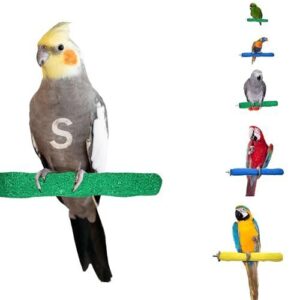
Your cockatiel’s feet work hard all day, so a perch that trims nails while protecting tender footpads is a smart choice. The Sweet Feet Comfort Grip features a patented pumice surface on the sides for natural nail conditioning, with a smooth top that cushions feet during rest.
Available in multiple diameters and colors, it mounts easily to standard cage bars. The non-toxic concrete blend resists cracking and cleans with mild soap, though some owners find it heavier than expected.
| Best For | Cockatiel owners looking for a low-maintenance perch that naturally trims nails and supports foot health without frequent vet visits. |
|---|---|
| Material | Concrete blend |
| Installation Type | Bolt mount |
| Target Bird Size | Small to medium |
| Nail Trimming | Yes |
| Natural Material | No |
| Easy Installation | Yes |
| Additional Features |
|
- Dual-texture design keeps nails trimmed on the rough sides while giving feet a break on the smooth top
- Made from non-toxic concrete in the USA, so it’s safe and built to last
- Easy to install with universal mounts that fit most standard cages
- Heavier than typical perches, which means you’ll need to secure it on horizontal bars for stability
- Some users reported concerns about lead in the mounting hardware
- Pricier than basic perches, and results vary—not every bird’s nails trim down as expected
2. Natural Wood Bird Perch Stand
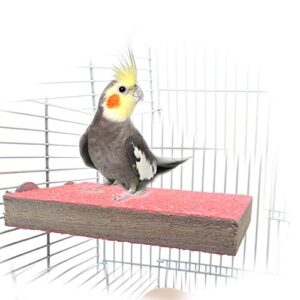
When you want to bring a slice of outdoors inside, a freestanding wood stand offers your cockatiel a complete play gym. These 3‑to‑4‑foot structures feature multiple branches at different angles, letting birds climb, flap, and explore like they would in a backyard tree.
Most use bird‑safe hardwoods—hazel, beech, or apple—without chemical treatments, and the varied diameters keep feet comfortable during hours of perching. A wide base, usually 30 to 40 cm across, prevents tipping when your cockatiel gets energetic.
| Best For | Bird owners looking for an affordable, natural perch that helps keep their small to medium birds’ claws trimmed while giving them a stable platform to rest and play. |
|---|---|
| Material | Wood |
| Installation Type | Cage bar attachment |
| Target Bird Size | Small to medium |
| Nail Trimming | No |
| Natural Material | Yes |
| Easy Installation | Yes |
| Additional Features |
|
- Natural wood construction is safe for birds to chew and provides a textured surface that naturally grinds down claws
- Easy installation with secure washers and nuts that attach firmly to most cage bars
- Versatile enough for multiple small pets beyond birds, including hamsters and rats
- The rough texture that’s great for claw trimming makes cleaning difficult, especially if droppings get stuck in the grain
- Size may not work for all birds—some owners found it too small for larger parrots or too big for tiny budgies
- Birds might chew through the wood over time, creating splinters or pieces they could potentially swallow
3. Natural Parrot Perch Bird Stand
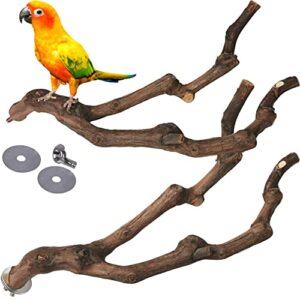
A compact tabletop stand gives your cockatiel a personal hangout outside the cage. These 10‑inch-tall structures feature natural hardwood branches—often grapewood or dragon wood—anchored in an 11.5‑inch base that catches droppings neatly.
Stainless steel fittings and bolted joints guarantee wobble‑free perching, while the irregular branch angles let your bird exercise different foot muscles.
You can move this lightweight gym from counter to desk, keeping your cockatiel engaged in family life without sacrificing stability or safety.
| Best For | Small bird owners looking for an affordable, chew-safe perch that mounts easily inside a cage and offers natural texture variation. |
|---|---|
| Material | Wood |
| Installation Type | Wing nut and bolt |
| Target Bird Size | Small birds |
| Nail Trimming | Yes |
| Natural Material | Yes |
| Easy Installation | Yes |
| Additional Features |
|
- Natural grapevine wood lets birds chew safely while satisfying their instinct to gnaw and explore different textures
- Simple wing-nut installation means you can reposition the perch quickly without tools or complicated hardware
- Lightweight design won’t tip smaller cages, and the natural branch angles give feet a workout that flat dowels can’t match
- Size and thickness vary since it’s cut from wild vines, so you might get a thinner or shorter piece than expected
- A few buyers received cracked or split perches during shipping, requiring replacements or returns
- The 0.7–1.1 inch diameter works for budgies and cockatiels but won’t support larger parrots like conures or African greys
4. Hamiledyi Bird Perch Stand Toy
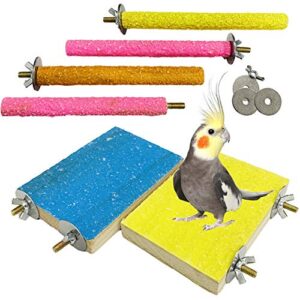
This six-pack stand brings varied perch diameters and quartz-sand textures into a single affordable bundle. Each 3.9‑inch platform features natural wood topped with a grit surface that files nails and beaks as your cockatiel shifts weight—cutting down on vet visits for trimming.
Food-grade stainless steel screws attach quickly to vertical bars, and the mix of flat boards with rounded dowels gives feet a workout during every hop.
At under fourteen ounces total, you rotate fresh pieces in weekly without straining your budget or your bird’s routine.
| Best For | Bird owners who want an affordable variety pack of natural perches that keep their cockatiels, parakeets, or lovebirds entertained while naturally trimming their beaks and nails. |
|---|---|
| Material | Wood |
| Installation Type | Stainless steel screws |
| Target Bird Size | Small birds |
| Nail Trimming | Yes |
| Natural Material | Yes |
| Easy Installation | Yes |
| Additional Features |
|
- Quartz sand coating doubles as a grooming surface, reducing the need for separate nail and beak trims
- Six-pack design lets you rotate fresh perches regularly without buying new sets constantly
- Mix of flat and rounded perches exercises different foot muscles and prevents boredom
- Round dowels can be thinner than some owners expect based on photos
- Wooden pieces wear down over time, especially with aggressive chewers
- Random color selection means you can’t choose specific wood tones for your cage setup
5. Rypet Natural Wood Parrot Perch Stand
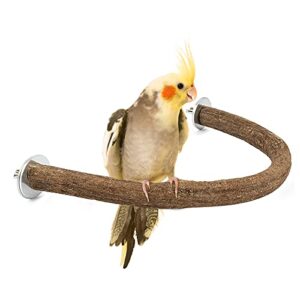
This floor-stand option brings climbing, swinging, and natural grip conditioning together on a single base. The vertical post holds branch-style perches at different heights, while a swing element adds motion that keeps your cockatiel curious. Untreated wood retains organic texture for foot exercise, and the wide footprint stays stable when your bird flaps or hops.
You wipe droppings away with a damp cloth, check screws monthly, and rotate perches to spread wear. At a comfortable viewing height, it doubles as an out-of-cage play zone without crowding smaller spaces.
| Best For | Bird owners who want a versatile play area that combines perching, climbing, and swinging in one stable floor stand for cockatiels and similar-sized birds. |
|---|---|
| Material | Wood |
| Installation Type | Cage installation |
| Target Bird Size | Small to medium |
| Nail Trimming | No |
| Natural Material | Yes |
| Easy Installation | Yes |
| Additional Features |
|
- Multiple perch heights and a built-in swing keep birds entertained and encourage natural movement
- Untreated wood texture promotes healthy foot exercise and satisfies chewing instincts
- Stable base design prevents tipping during active play, making it safe for out-of-cage time
- Natural wood can be chewed through over time, requiring eventual replacement
- Some units arrive damaged during shipping or may unravel with heavy use
- Regular cleaning and monthly hardware checks add to maintenance routine
6. Natural Wood Bird Perches Set
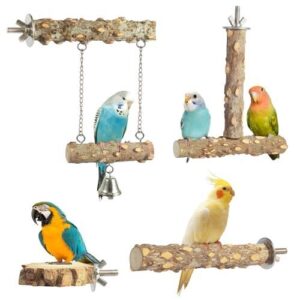
This complete set bundles four natural prickly ash wood pieces—wooden perch, O-shaped platform, swing, and T-shaped stand—into one 10.5-ounce package. You install each with metal wing nuts and built-in bolts, swapping layouts as your cockatiel’s mood shifts.
The uneven bark texture encourages foot exercise and healthy beak wear, while the platform offers a flat resting spot between climbs.
A few owners noted the platform runs small, and the swing collects droppings quickly, so you’ll wipe surfaces often to keep things fresh.
| Best For | Bird owners with small to medium parrots like cockatiels or parakeets who want variety in perch styles without buying separate pieces. |
|---|---|
| Material | Wood |
| Installation Type | Wing nut and bolt |
| Target Bird Size | Small to medium |
| Nail Trimming | Yes |
| Natural Material | Yes |
| Easy Installation | Yes |
| Additional Features |
|
- Four different perch types in one set give your bird multiple textures and positions to explore
- Natural prickly ash bark helps file down nails and beaks during normal use
- Metal wing nuts make it simple to rearrange or swap perches as needed
- The O-shaped platform is noticeably smaller than expected for many cages
- Swing perch attracts droppings quickly and needs daily cleaning
- Won’t work well for larger parrots or birds that prefer smoother perching surfaces
7. Wild Harvest Chewable Bird Perch
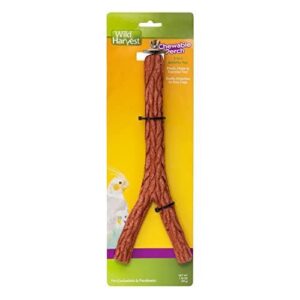
This edible three-in-one perch doubles as a chew toy and beak conditioner, combining enrichment with function in a single 1.76-ounce accessory. You fasten it to standard cage bars with a wing nut, though the mount may tilt if not tightened just right—some cockatiels then ignore it rather than balancing on a slant.
The seed-blend coating invites nibbling to keep beaks trim, yet product labels mention health warnings that deserve a careful read before you hang it in the cage.
| Best For | Owners of cockatiels, parakeets, and similar small birds who want a multi-purpose perch that keeps their pet entertained while supporting natural beak maintenance. |
|---|---|
| Material | Wood |
| Installation Type | Bracket attachment |
| Target Bird Size | Small birds |
| Nail Trimming | No |
| Natural Material | Yes |
| Easy Installation | Yes |
| Additional Features |
|
- Combines three functions in one—perch, chew toy, and beak conditioner—saving cage space while offering variety
- Irresistible seed blend coating encourages natural foraging and nibbling behavior
- Easy cage attachment with included bracket fits most standard wire cages
- Mounting screw may be off-center, causing the perch to tilt at an angle birds won’t use
- Some units arrive broken or damaged during shipping
- Product label includes health warnings that require careful review before use
Perch Placement and Maintenance Tips
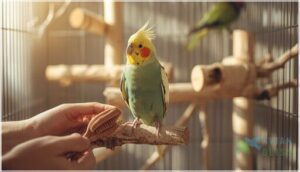
Where you place your perches matters just as much as which ones you choose. Smart positioning keeps your cockatiel active and comfortable while reducing mess and health risks.
Let’s walk through practical strategies for arranging, cleaning, and rotating perches to support your bird’s foot health and mental well-being.
Optimizing Perch Locations in The Cage
Your cockatiel’s cage layout deserves the same attention as picking the right perches. Position bird perches at multiple heights—ideally 12 inches apart vertically—to create safe flight paths and prevent midair collisions.
Keep vertical space clear between cage accessories, and place perches away from food bowls to reduce contamination. Smart bird cage furniture placement lets your bird traffic flow naturally while maximizing bird cage setup comfort.
Cleaning and Inspecting Perches
Once your bird cage setup is perfect, perch sanitation becomes your daily priority. Wipe down bird perches each morning with a damp cloth to prevent bacterial control issues that lead to bumblefoot.
Weekly disinfection methods include soaking natural wood in diluted F10 or boiling water for 10 minutes. During perch inspection, check for splinters, cracks, or fraying that could injure your cockatiel’s feet.
Rotating Perch Styles for Enrichment
After inspecting for damage, you’ll want to refresh your cockatiel’s interest through perch rotation schedules. Swap one or two bird perches every two to four weeks to support enrichment strategies without overwhelming your bird. Here’s how to plan effective cage layouts:
- Mix smooth natural wood with rope and textured grooming perches
- Rotate forked branches with straighter styles weekly
- Pair new perches near foraging toys for toy integration
- Keep sleep perches consistent while changing daytime options
Preventing Foot Problems Through Proper Setup
Beyond keeping things fresh, smart perch safety protects your cockatiel’s foot health through careful bird ergonomics. Your cage layout should mix diameters between 0.5 and 1 inch so toes wrap two thirds around without strain.
Position one chewable perch away from food to prevent bacterial buildup. This injury prevention approach promotes long-term bird health while giving your cockatiel the comfort it deserves.
Frequently Asked Questions (FAQs)
What are the best perches for cockatiels?
Like sturdy branches in a forest canopy, the best perches blend natural wood for foot health with varied textures—rope, concrete, and platform styles—offering complete bird foot care and enrichment for your cockatiel.
What size perch should a cockatiel have?
Your cockatiel’s perch should measure between 5 and 1 inch in diameter so their toes wrap about two-thirds around it comfortably, preventing foot strain and supporting long-term foot health.
What kind of perched do cockatiels need?
You should offer natural wood, rope, and one concrete or pumice perch to support bird foot health through perch texture variety. This cage layout tip balances comfort with nail maintenance while encouraging natural avian behavior.
What do cockatiels like to sleep on?
Your feathered friend craves natural wood perches with varied diameters for nighttime roosting—never smooth dowels.
These restful perches mimic wild tree branches, letting tiny toes grip comfortably while dreamy sanctuaries form in quieter cage corners.
Can cockatiels sleep on perches overnight safely?
Yes, they can rest safely overnight on clean, stable perches sized between 10 and 20 millimeters. Proper nighttime perch placement away from drafts and routine inspections prevent injuries during sleep.
How many perches should one cage have?
Picture your cage as a small jungle gym where every rung matters. Most single cockatiel cages thrive with three to four varied perches at different heights, balancing cage space optimization with bird comfort levels.
Do cockatiels prefer high or low perches?
Cockatiels naturally gravitate toward elevated perches because height brings safety and comfort, mirroring their wild roosting instincts.
Your bird will likely claim the highest spot as their favorite perch for sleeping and relaxing.
Can perches help with cockatiel molting issues?
Perches absolutely support molting relief through texture variety for preening aids and stress reduction.
Natural wood and rope options provide feather care surfaces, while chewable perch alternatives promote beak health during this uncomfortable period for your bird.
Are heated perches safe for cockatiels?
One owner watched her cockatiel develop blistered feet overnight from a faulty heated perch.
Electric shock prevention and heat regulation matter—choose low-voltage models, provide non-heated alternatives, and monitor for thermal injury or foot burn risks daily.
Conclusion
A wild cockatiel grips a dozen different surfaces before breakfast. Your cage doesn’t need to match the outback, but two dowels won’t cut it.
Swapping in the right bird perches for cockatiels—textured wood, rope, pumice—gives those hardworking feet the workout they’re built for. You’ll spot the difference in smoother landings and healthier skin within weeks.
Your bird’s feet carry them everywhere. Make sure every perch earns its place.
- https://www.facebook.com/myrightbird
- https://www.instagram.com/myrightbird/
- https://www.birdsauthority.com/the-benefits-of-bird-playgyms-and-perches-for-your-budgie/
- https://www.dialavet.com/blog/the-problem-with-sand-and-concrete-bird-perches
- https://www.hobbyfarms.com/bumblefoot-what-it-is-how-to-protect-your-chickens/