This site is supported by our readers. We may earn a commission, at no cost to you, if you purchase through links.
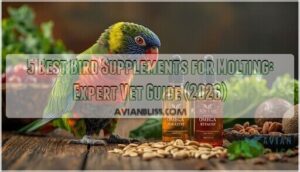
Your bird’s sleek plumage doesn’t just appear—it’s constructed from scratch, one feather at a time, using raw materials that must come from somewhere. During molt, that “somewhere” is your bird’s diet, which suddenly needs to supply 90 percent protein for feather synthesis while maintaining energy for daily activities, immune function, and organ health.
Most standard bird foods fall short during this metabolic spike, leaving gaps that show up as stress bars on new feathers, dull coloring, or prolonged molt cycles that drag on for months. The right bird supplements for molting bridge these nutritional deficits with concentrated amino acids, sulfur compounds, and omega fatty acids that support keratin formation and reduce inflammation.
Whether you’re caring for a canary, cockatiel, or African grey, choosing species-appropriate supplements means the difference between a smooth six-week molt and a drawn-out ordeal that compromises your bird’s health.
Table Of Contents
- Key Takeaways
- Essential Nutrients for Molting Birds
- Factors to Consider When Choosing Supplements
- Top 5 Bird Supplements for Molting
- Best Practices for Supporting Birds During Molt
- Frequently Asked Questions (FAQs)
- What is molting supplement for birds?
- How do I help my bird with molting?
- What supplements are good for molting chickens?
- What to feed a bird when molting?
- How long does a typical molt cycle last?
- Can I over-supplement my bird during molting?
- Do all bird species molt at the same time?
- What are signs my bird is starting to molt?
- Should I bathe my bird more during molting?
- Conclusion
Key Takeaways
- Your bird’s feathers are 90 percent protein, so molting demands concentrated amino acids (especially methionine and cystine), sulfur compounds, and omega fatty acids that standard diets can’t provide—gaps show up as stress bars, dull color, or months-long molt cycles that compromise health.
- Effective molting supplements must deliver species-appropriate ratios of vitamins A, D3, and B-complex alongside calcium, phosphorus, and sulfur to support keratin synthesis, follicle integrity, and anti-inflammatory processes during the six-to-eight-week molt window.
- Top-performing products like Kaytee Molting and Conditioning (21% protein), Vitakraft Egg Food (real egg base with D3), and Missing Link Avian Powder (omega-rich flaxseed formula) target different nutritional gaps across small birds, parrots, and finches when paired with fresh greens and whole grains.
- You’ll know to consult an avian vet immediately if your bird refuses food for 24+ hours, shows respiratory distress, or experiences molt extending beyond eight weeks—these signals indicate metabolic issues or infections that supplements alone can’t resolve.
Essential Nutrients for Molting Birds
Your bird’s feathers are made of roughly 90 percent protein, which means that molting places exceptional metabolic demands on your bird’s body, depleting key vitamins, minerals, and amino acids at a rapid rate.
Supplying the right balance of sulfur-containing amino acids, antioxidants, and minerals through targeted nutrition during molting ensures your bird develops strong, vibrant feathers instead of weak or discolored ones.
Molting drains your bird’s protein, vitamins, minerals, and amino acids at exceptional rates
Without the right nutritional support during this vulnerable period, you’ll see weak feather shafts, patchy regrowth, and prolonged molting cycles that leave your bird stressed and susceptible to infection. Let’s break down the four nutrient categories that directly influence feather quality, growth speed, and overall health during molt.
Role of Protein and Amino Acids in Feather Growth
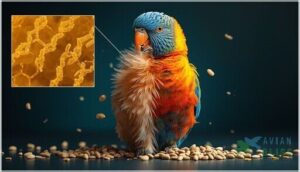
Feather keratin comprises 88–90 percent protein, so amino acid balance drives every stage of feather growth during bird molting care. Your bird’s protein and amino acid requirements hinge on three critical factors:
- Methionine role in sulfur metabolism—cystine derived from methionine forms disulfide bonds that stabilize feather shafts and prevent breakage.
- Protein synthesis at follicles, where essential amino acids incorporate into beta-keratin fibers for structural strength.
- Protein deficiency consequences—inadequate methionine or cystine slows regrowth, produces weak plumage, and triggers patchy coverage you’ll notice immediately. Supplementing with the right proteins ensures birds receive essential amino acid support for proper feather growth during the molting cycle.
Importance of Vitamins A, D3, and B-Complex
While protein builds feather structure, vitamin interactions determine whether those proteins form correctly.
Vitamin A promotes follicle integrity and skin health, enabling proper feather preening during molting cycles. D3 drives calcium absorption for keratin formation and mineralization. B-complex vitamins fuel energy metabolism and keratin synthesis, sustaining feather growth and regrowth.
Together, these micronutrients facilitate nutrient absorption for complete avian nutrition and health through vitamin and mineral supplementation. Birds benefit from a variety of essential B vitamins functions that promote proper bodily systems and energy production.
Sulfur, Calcium, and Phosphorus for Healthy Plumage

Beyond vitamins, mineral balance shapes feather strength directly through keratin formation and plumage health. Sulfur contributes to disulfide bonds that reinforce shaft integrity, calcium supports keratin-like structures in growing feathers, and phosphorus drives the energy transfer needed for rapid synthesis. Together, these minerals enhance nutrient absorption and avian nutrition and health during molting season support.
The following minerals play a crucial role in maintaining feather health:
- Calcium builds keratin frameworks and maintains metabolic function throughout molt.
- Phosphorus fuels energy pathways that sustain feather growth and regrowth.
- Sulfur strengthens disulfide cross-links, improving resilience and preventing breakage.
- Balanced Ca:P ratios prevent skeletal deficits while supporting pigment deposition.
- Adequate mineral intake through vitamin and mineral supplementation ensures complete follicle recovery.
Benefits of Omega-3 and Omega-6 Fatty Acids
Omega-3 and omega-6 fatty acids deliver anti-inflammatory support that eases follicle irritation, sharpens feather barb interlocking, and boosts immune defense during molting season. Balanced fatty acid ratios reduce stress lines in shafts, maintain skin barrier integrity, and supply dense energy for synthesis.
These omega benefits translate to glossier plumage, fewer patchy areas, and improved vitality—critical advantages when your bird’s metabolism peaks.
| Omega Benefit | Effect on Molting |
|---|---|
| Inflammation control | Reduces follicle soreness, limits over-preening |
| Skin health | Hydrates feather base, prevents flaking |
| Feather growth | Strengthens shafts, tightens barb structure |
Factors to Consider When Choosing Supplements
Not every supplement delivers what your molting bird actually needs, and choosing the wrong product can waste money or even delay feather regrowth.
That’s why we’ve put together a guide to choosing the right bird vitamins for canaries that breaks down what actually works during molt.
You need to evaluate formulas based on ingredient quality, species compatibility, dosing precision, and manufacturer credibility before you commit. Here’s what to look for when comparing your options.
Nutritional Content and Ingredient Transparency
You can’t support healthy feather growth without knowing what’s actually in the bottle, so label compliance and ingredient disclosure are non-negotiable. Look for supplements that list exact nutrient ratios, including protein percentages, vitamin IU values, and mineral amounts per serving—this transparency standard lets you verify that the formula delivers balanced avian nutrition rather than vague promises.
Look for supplements that ensure supplement safety through clear dosing for ideal bird health supplements and vitamin supplementation.
Compatibility With Bird Species and Age
One-size-fits-all formulas rarely work in avian nutrition, because species metabolism and age factors dictate how your bird processes minerals, amino acids, and vitamins during molting cycles.
Parrots need denser omega blends for extensive feather growth, while finches require finer textures due to smaller beaks—and juveniles demand higher calcium for rapid avian development than adults, making species-specific molting season formulas essential for ideal feather health.
Ease of Administration and Dosage Accuracy
Liquid bird supplements for molting dose by milliliters per 100 milliliters of drinking water, offering fast absorption but inconsistent intake across flock mates.
While powder formats mix into soft food for predictable dosing methods and measurement tools like calibrated droppers or proprietary scoops. You’ll achieve dosing accuracy strategies when you follow labeled administration tips, monitor supplement forms carefully, and adjust molting supplement amounts based on feather regrowth during supplement selection and administration for supplement safety.
Brand Reputation and Product Safety
Your avian supplement guide starts with reputable brands that publish ingredient transparency data and batch-testing certificates, reducing product recall risks while ensuring supplement safety through regulatory compliance.
Look for safety certifications from recognized authorities, clear dosage instructions for different species, and documented quality control procedures that verify nutritional balance across every production run—transparent sourcing details signal genuine brand transparency.
Top 5 Bird Supplements for Molting
After reviewing hundreds of molting supplements and consulting with avian nutrition specialists, I’ve narrowed down the field to five products that consistently deliver measurable improvements in feather quality, growth rate, and overall plumage health.
Each recommendation below tackles specific nutritional gaps your bird faces during molt, with clear dosing guidelines and species compatibility information. These aren’t just popular products—they’re formulations backed by ingredient transparency, reputable manufacturing standards, and real-world results in clinical settings.
1. Kaytee Bird Molting Supplement
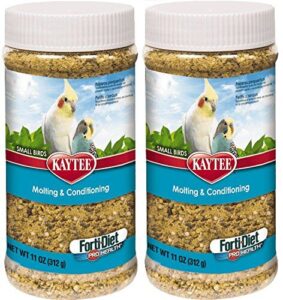
Kaytee Molting and Conditioning delivers 21 percent crude protein, 8 percent fat, and a fortified blend of vitamins A, D3, and B-complex to support feather synthesis in cockatiels, parakeets, canaries, and finches.
You’ll get omega fatty acids for plumage quality, prebiotics for digestive stability during molt, and a mineral mix that includes calcium and phosphorus for keratin formation. Mix it into your bird’s daily diet or offer it in a separate dish, discarding any soiled portions, and maintain fresh water to boost nutrient absorption throughout the molt cycle.
| Best For | Small bird owners looking to support healthy feather regrowth and vibrant plumage during molting seasons. |
|---|---|
| Age Range | All Life Stages |
| Form | Supplement |
| Primary Use | Molting support |
| Brand | Kaytee |
| Weight | 11 ounces |
| Flavor | Unflavored |
| Additional Features |
|
- High protein formula (21%) with omega fatty acids helps birds develop strong, colorful feathers
- Prebiotics support digestion when birds need extra nutrients most
- Easy to use—just mix with regular food or serve separately
- No clear dosage instructions included on packaging
- Only works for small birds like parakeets and finches, not larger species
- Acts as a supplement, not a complete diet replacement
2. Vitakraft Egg Food for Birds
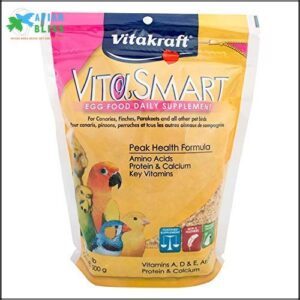
Vitakraft Egg Food for Birds brings dried egg as the primary protein source, delivering 17.5 percent crude protein alongside vitamins A, D3, and E, plus calcium and phosphorus to support strong feather shafts and healthy skin during molt.
You can serve it as a dry crumble or moisten it for easier ingestion, mixing it into your bird’s daily pellets or offering it in a separate dish. Start with small portions to gauge appetite, remove uneaten food daily to prevent spoilage, and continue through the entire molt cycle for consistent nutrient support.
| Best For | Bird owners looking for a protein-rich supplement to support their pets during molting, breeding, or nesting periods, especially if they want a ready-to-use egg-based formula. |
|---|---|
| Age Range | All Life Stages |
| Form | Seeds |
| Primary Use | Breeding and molting |
| Brand | Vitakraft |
| Weight | 1.1 Pound |
| Flavor | Egg |
| Additional Features |
|
- Contains real eggs plus vitamins A, D, and E to support feather health and energy during demanding life stages like molting
- Works for all bird species and can be served dry or moistened, making it flexible for picky eaters
- Provides 17.5% crude protein with added calcium and phosphorus for strong feather development
- Priced at $12.48 for 1.1 pounds, which some users consider expensive for regular supplementation
- Packaging problems during shipping have led to spills and product damage in some cases
- Effectiveness varies by bird, so you’ll want to check with your vet before adding it to your bird’s routine
3. Wild Harvest Bird Molting Supplement
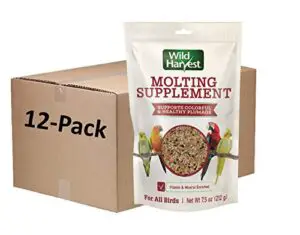
Wild Harvest Bird Molting Supplement offers a vitamin-enriched seed blend—millet, oat groats, canary grass seed, canola, and sesame—designed to support plumage health across all bird species and life stages.
The 7.5-ounce bag delivers around 14 percent crude protein and 5 percent crude fat, plus added vitamins A, D3, and E to boost feather color and follicle integrity. You’ll sprinkle it over daily pellets or serve it separately, monitoring intake to prevent excessive seed consumption and adjusting portions based on your bird’s size and molt intensity.
| Best For | Bird owners looking to support their pet’s feather health during molting seasons or year-round plumage maintenance. |
|---|---|
| Age Range | All Life Stages |
| Form | Seeds |
| Primary Use | Molting support |
| Brand | Wild Harvest |
| Weight | 7.5 Ounces |
| Flavor | Mixed seeds |
| Additional Features |
|
- Vitamin-enriched formula with A, D3, and E supports vibrant feather color and healthy regrowth
- Versatile seed blend works as either a supplement or standalone treat for birds of all sizes
- Targets common molting issues like patchy down feathers and pin feather problems
- Shouldn’t replace complete pellet-based diets—only works as a supplement
- Packaging reports suggest bags arrive crushed or are hard to reseal properly
- High seed content requires careful portion control to avoid unbalanced nutrition
4. KikiBirds Premium Parrot Food Blend
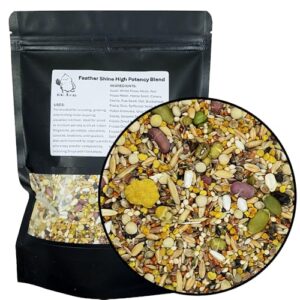
KikiBirds Premium Parrot Food Blend brings 17.5 percent plant protein, omega-rich seeds, and bee pollen to support feather formation, follicle health, and pigment deposition during molt.
You’ll find freeze-dried sprouts and a balanced amino acid profile in this small-batch formula—ideal for medium parrots going through active molt or rebuilding after feather loss. Mix it with your bird’s pellet base or serve it separately, adjusting portions based on plumage progress, and pair it with fresh vegetables to balance micronutrient intake while avoiding fillers that dilute essential fatty acids.
| Best For | Medium parrot owners looking for a high-protein supplement to support healthy molting, feather regrowth, and overall plumage quality. |
|---|---|
| Age Range | All Life Stages |
| Form | Seed |
| Primary Use | Molting and breeding |
| Brand | KikiBirds |
| Weight | Not specified |
| Flavor | Unflavored |
| Additional Features |
|
- High-quality ingredients including freeze-dried sprouts, bee pollen, and omega-rich seeds that target feather health and skin condition
- Versatile feeding options—works as a standalone treat or mixed with pellets to boost protein intake during molt or breeding seasons
- Made in small batches in the USA with no artificial colors, dust, or fillers that could dilute nutritional value
- At $21.99, the price point may feel steep depending on the package size and how quickly your bird goes through it
- Larger seed sizes might not work well for smaller parrot species or picky eaters who prefer finer textures
- May require mixing with other foods to stretch the quantity and make it more cost-effective for daily feeding
5. Missing Link Avian Supplement Powder
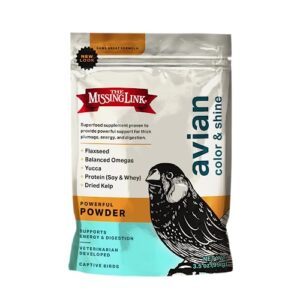
Flaxseed-based formulas deliver omega-3 and omega-6 fatty acids to strengthen feather shafts, reduce inflammation at follicles, and support keratin synthesis during heavy molt.
Missing Link Avian Supplement Powder combines ground flaxseed, soy and whey protein isolates, and dried kelp in a veterinarian-formulated blend that targets plumage thickness, energy levels, and digestive efficiency across parrot species and smaller companions.
Sprinkle ¼ teaspoon (0.75 g) over soft foods, mix with seed, or dust fresh vegetables daily, monitor feather quality weekly, and guarantee fresh water access to boost nutrient absorption and follicle health.
| Best For | Bird owners looking to improve feather quality and overall health in parrots or smaller birds through a vet-formulated supplement with omega fatty acids and superfoods. |
|---|---|
| Age Range | All Life Stages |
| Form | Powder |
| Primary Use | Overall health |
| Brand | The Missing Link |
| Weight | 0.03 Pounds |
| Flavor | Unflavored |
| Additional Features |
|
- Flaxseed base provides essential omega-3 and omega-6 fatty acids that strengthen feathers and reduce inflammation
- Works for birds at all life stages and supports multiple health areas including digestion, energy, and immune function
- Easy to use by sprinkling on food or mixing with seeds and vegetables
- Packaging design has issues with the ziplock bag not closing properly due to powder buildup
- Some birds may refuse to eat it, leading to potential waste
- Price point is higher compared to basic bird supplements
Best Practices for Supporting Birds During Molt
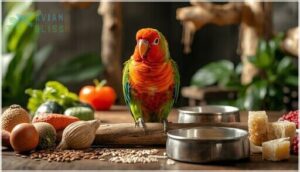
Supporting your bird through molt requires more than the right supplement—you need a complete strategy that encompasses nutrition, environment, and health monitoring.
The following practices work together to create ideal conditions for feather regrowth, minimize stress, and catch potential problems early. Let’s look at four essential approaches that every bird owner should implement during molting season.
Balanced Diet With Fresh Foods and Supplements
Your bird’s molt demands precision nutrition, and you can’t rely on supplements alone to deliver feather health. Pair your chosen bird supplements with dark leafy greens, whole grains, and cooked legumes to establish true dietary balance.
This avian nutrition strategy ensures nutrient balance, promotes feather growth, and aids supplement safety through dietary variety, creating the ideal foundation for healthy plumage development during molting.
Monitoring Feather Quality and Health
Regular health checks let you track molting stages and spot trouble early—inspect feather condition weekly for dull patches, frayed tips, or uneven regrowth.
Feather scoring systems offer structured plumage analysis, rating coverage on wings, back, and tail to measure progress. When feather growth stalls or brittleness increases despite bird vitamins and adequate vitamin A, you’ll need to adjust your protocol immediately.
Managing Environmental and Stress Factors
Consistently, environmental stressors derail molt progress—Noise Reduction near cages lowers cortisol spikes, while Temperature Control between 65–80°F prevents metabolic strain.
Humidity Management at 40–60% enhances feather keratin flexibility, and Lighting Optimization with 10–12 hour photoperiods maintains circadian rhythms.
Pair daily Cage Sanitation with Stressfree feeding routines to reinforce Immune System Support, ensuring your Molting Supplement works effectively during active molt cycles.
When to Consult an Avian Veterinarian
When should you seek Emergency Care rather than wait? If your bird refuses food for over 24 hours, shows open-mouth breathing, or experiences sudden weight loss during Molting, immediate Vet Consultation becomes critical—Avian Experts diagnose respiratory distress, infections, or metabolic issues that derail Bird Health and Wellness.
Annual checkups and prompt intervention safeguard the Immune System and Health throughout active Molting cycles.
Frequently Asked Questions (FAQs)
What is molting supplement for birds?
Feathered friends lose their wardrobe on schedule—a molting supplement ensures your bird’s nutritional demands are met during this intensive biological process, delivering targeted protein, amino acids, vitamins A and D3, calcium, and omega fatty acids for strong feather growth.
How do I help my bird with molting?
Support your bird during molting by offering high-protein foods, fresh vegetables, and targeted supplements rich in Vitamin A, omega fatty acids, and calcium—essential for strong feather growth and ideal avian wellness throughout the molt cycle.
What supplements are good for molting chickens?
An ounce of prevention is worth a pound of cure—your chickens need protein-rich feed (16-20%), biotin, methionine, calcium, phosphorus, and omega-3 fatty acids during molting stages to prevent protein deficiency and support feather growth.
What to feed a bird when molting?
During molt, offer high-protein pellets (14–20%), fresh greens rich in vitamin A, and omega-3 sources like flaxseed.
Daily supplements addressing protein deficiency accelerate feather growth while maintaining avian wellness through this demanding cycle.
How long does a typical molt cycle last?
Most birds complete their molting process in four to six weeks, though larger parrots and waterfowl may need eight weeks or more for full feather regrowth depending on species variation and environmental impact.
Can I over-supplement my bird during molting?
Absolutely—like turning the dial past eleven on a guitar amp, excess vitamin supplements during molting trigger toxicity risks, nutrient imbalance, and supplement interactions that compromise feather quality, making precise dosage control your most critical overdose prevention strategy.
Do all bird species molt at the same time?
No—molt timing varies widely by species, geographic location, and environmental cues. Temperate passerines usually molt post-breeding, while parrots may shed feathers year-round, and waterfowl synchronize wing molts differently.
What are signs my bird is starting to molt?
Watch for patchy feather loss, increased preening behavior, and waxy pin feathers emerging from the skin—these molting stages signal feather regrowth has begun, often accompanied by temporary plumage changes and mild bird stress.
Should I bathe my bird more during molting?
When plumage takes a tumble, you’ll want to increase bathing frequency to two or three sessions weekly.
Lukewarm misting loosens shedding feathers, reduces itching, aids feather hydration, and promotes healthy regrowth during molting season.
Conclusion
Feathers don’t fail on their own—they reflect what you provide when your bird needs it most. The best bird supplements for molting deliver concentrated amino acids, sulfur compounds, and omega fatty acids precisely when keratin synthesis peaks, turning a metabolic crisis into a six-week transformation.
Pair species-appropriate formulas with protein-rich whole foods, monitor emerging plumage for stress bars, and consult your avian vet if molt extends beyond eight weeks. Your bird’s next molt starts with decisions you make today.