This site is supported by our readers. We may earn a commission, at no cost to you, if you purchase through links.

The wrong bird seed mix turns your backyard feeder into a buffet nobody shows up to. Black oil sunflower seeds pull in over 40 North American species on their own — a fact that surprises most first-time bird watchers who grab whatever’s cheapest off the shelf.
Seed choice is the single biggest factor separating a quiet, empty feeder from a yard full of cardinals, chickadees, and the occasional pileated woodpecker crashing the party. The best bird seed mixes for backyard bird watching work because they match what local species actually eat — not what looks good on the bag.
Getting that right means knowing a handful of key ingredients, the birds visiting your zip code, and which feeders play well with which seeds.
Table Of Contents
- Key Takeaways
- Best Bird Seed Mixes for Backyard Bird Watching
- Key Ingredients in Bird Seed Mixes
- Choosing The Right Mix for Your Birds
- Feeder Compatibility and Maintenance Tips
- Storing and Handling Bird Seed Mixes
- Frequently Asked Questions (FAQs)
- What is the best bird seed for bird watching?
- What is the 5 7 9 rule for bird feeders?
- Why put a potato in the bird feeder?
- Why should I sprinkle coffee grounds around my bird feeder?
- Do birds prefer feeders over natural food sources?
- How does weather affect bird feeding behavior?
- Are there seeds toxic to cats or dogs?
- Can feeding birds attract predators to my yard?
- Conclusion
Key Takeaways
- Black oil sunflower seeds are your best starting point — they attract over 40 North American species on their own and pack nearly 40% fat for serious bird energy.
- Cheap mixes are often 70% filler seeds like milo and red millet that birds ignore, so skip them and look for hulled sunflower, safflower, or nyjer as the main ingredients.
- Match your seed to your feeder: nyjer needs small-port thistle tubes, suet goes in wire cages, and shelled peanuts do best in metal mesh — wrong pairings waste money fast.
- Store your seed in airtight metal containers between 40–70°F, rotate older seed first, and do a quick sniff before every refill — a musty or rancid smell means toss it.
Best Bird Seed Mixes for Backyard Bird Watching
Finding the right bird seed mix can feel overwhelming — there are so many options, and not all of them are worth your money.
A good starting point is knowing which seeds actually work — this guide on bird food that attracts wild birds breaks it down without the guesswork.
The good news is that a handful of mixes genuinely deliver, drawing in more birds with less waste. Here are nine worth keeping on your radar.
1. Wagners Nut And Fruit Bird Food
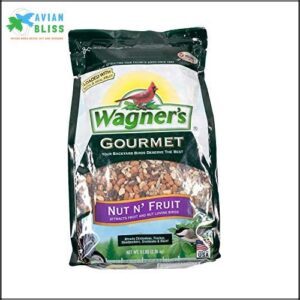
Wagner’s Gourmet Nut & Fruit Mix is the kind of bag you open and immediately think, “Yeah, the birds are going to love this.” It’s packed with peanut pieces, sunflower chips, mixed tree nuts, raisins, and dried cherries — real ingredients, not filler fluff.
Cardinals, chickadees, jays, and woodpeckers all show up for it. The fruity aroma alone works like a dinner bell. At 5 pounds, it’s a great way to test a premium mix without going all-in.
| Best For | Bird watchers who want to attract a colorful variety of songbirds and don’t mind paying a little more for a cleaner, higher-quality mix. |
|---|---|
| Brand | Wagner’s |
| Weight | 5 lbs |
| Bird Attraction | Songbirds |
| Made in USA | Yes |
| Form | Seeds |
| Life Stage | All stages |
| Additional Features |
|
- Real ingredients — peanuts, tree nuts, raisins, and dried cherries — no cheap filler
- No shells or seed growth, so it’s perfect for decks and patios
- Draws in a solid variety of birds year-round, from cardinals to woodpeckers
- Pricier than your average bird seed, so costs can add up fast
- Birds go through it quickly, meaning frequent refills
- Might pull in unwanted guests like squirrels — or worse, bears
2. Kaytee Wild Bird Food Mealworms
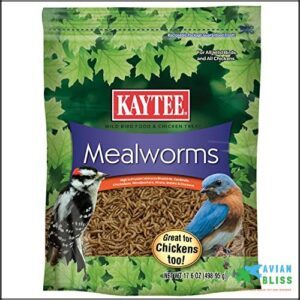
If nuts and fruit bring in the flashy crowd, mealworms bring in the loyal regulars. Kaytee’s dried mealworms are 100% mealworm — no fillers, no mystery seeds. Just 47% protein and 25% fat packed into every little worm.
Bluebirds especially can’t resist them, and they’re notoriously picky. Wrens, robins, chickadees, and woodpeckers show up too. You can toss them in a tray feeder solo or mix them into a seed blend. Either way, your backyard gets busy fast.
| Best For | Backyard bird enthusiasts who want to attract a wide variety of birds, especially picky species like bluebirds. |
|---|---|
| Brand | Kaytee |
| Weight | 1.1 lbs |
| Bird Attraction | Bluebirds, Woodpeckers |
| Made in USA | Yes |
| Form | Dried mealworms |
| Life Stage | All stages |
| Additional Features |
|
- Pure 100% dried mealworms — no fillers, just high-quality protein birds actually want
- Attracts a great mix of species, from bluebirds and robins to woodpeckers and chickadees
- Flexible feeding — toss them solo in a tray or mix into a seed blend
- Can smell pretty rough, especially when you first open the bag
- Costs more per ounce than your typical seed mix
- Needs proper storage or they’ll go stale fast
3. Brown’s Shelled Peanuts for Birds
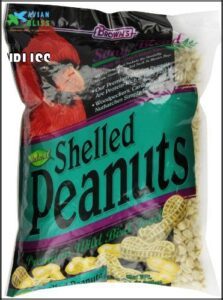
Peanuts are basically fast food for birds — and Brown’s shelled version makes the whole experience clean and easy. No shells, no skins, just pure peanut.
Woodpeckers, jays, cardinals, nuthatches, and titmice all show up for these. They’re packed with natural oils, fats, and protein, so birds stay fueled through cold nights and busy mornings.
Toss them in a mesh feeder or mix them into your regular seed blend. Either way, you get more birds and less mess under the feeder.
| Best For | Bird enthusiasts who want a clean, no-fuss way to attract a wide variety of backyard birds like woodpeckers, jays, and cardinals. |
|---|---|
| Brand | Brown’s |
| Weight | 3 lbs |
| Bird Attraction | Cardinals, Jays |
| Made in USA | Yes |
| Form | Shelled peanuts |
| Life Stage | All stages |
| Additional Features |
|
- No shells or skins — easy for birds to eat and less mess for you to clean up
- Packed with natural oils, fats, and protein to keep birds energized year-round
- Works in mesh feeders, platform feeders, or mixed right into a seed blend
- A few customers reported quality issues like a rancid smell or unwanted moths in the bag
- The bag size can look bigger than it actually is, which feels a little misleading
- Not the best bang for your buck — some shoppers found comparable or better quality for less elsewhere
4. Wildlife Sciences High Energy Suet Cake
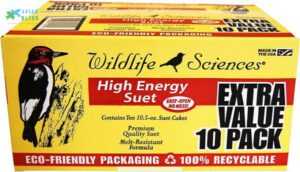
If peanuts are fast food, suet is a full hot meal. Wildlife Sciences packs 10 cakes per box, each loaded with rendered beef suet, cracked corn, black oil sunflower seeds, and millet. That combo pulls in woodpeckers, chickadees, cardinals, and nuthatches.
The melt-resistant formula holds its shape even in warmer weather, so it won’t turn into a greasy puddle on your feeder. The candy bar-style wrapper makes loading quick and mess-free — your hands stay clean, the birds stay happy.
| Best For | Backyard birders who want to attract a wide variety of birds — especially woodpeckers, chickadees, and cardinals — without a lot of fuss. |
|---|---|
| Brand | Unbranded |
| Weight | 7 lbs |
| Bird Attraction | Chickadees, Cardinals |
| Made in USA | Yes |
| Form | Suet cakes |
| Life Stage | All stages |
| Additional Features |
|
- Melt-resistant formula holds up in warmer weather, so it won’t make a mess of your feeder
- Easy-open, recyclable packaging keeps things clean and simple
- The ingredient mix — beef suet, sunflower seeds, cracked corn — brings in a solid range of bird species
- Some users reported the cakes falling apart too easily
- A few birds apparently turned their beaks up at it, which is always a gamble with suet
- The price point runs a bit high compared to similar options on the market
5. Lyric Wild Bird Seed Mix
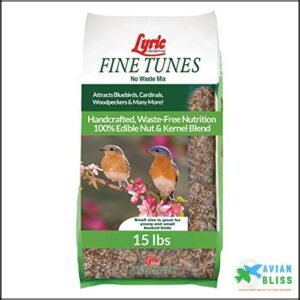
Think of Lyric Wild Bird Seed Mix as the reliable neighborhood diner — always open, always satisfying, and somehow everyone shows up. The 15-pound bag packs peanut pieces, sunflower kernels, almond pieces, and more into a 100% edible, zero-waste blend.
Ground-feeding favorites like sparrows and Mourning Doves will flock to it too, thanks to the white proso millet — a top draw explained in this wild bird seed and feeding guide.
No filler seeds means no mess under your feeder. It works in tube, hopper, and platform feeders, drawing bluebirds, finches, and chickadees with ease.
Store it cool and dry, and it stays fresh for well over a year.
| Best For | Bird lovers who want a clean, no-mess feeding experience that attracts a wide variety of small and large wild birds alike. |
|---|---|
| Brand | Lyric |
| Weight | 15 lbs |
| Bird Attraction | Finches, Bluebirds |
| Made in USA | Yes |
| Form | Seeds/nuts |
| Life Stage | All stages |
| Additional Features |
|
- 100% edible blend means zero waste and no mess under the feeder
- Works with tube, hopper, and platform feeders — super versatile
- Premium mix of nuts and seeds attracts a solid variety of birds like finches, bluebirds, and chickadees
- Pricier than most bird seed options on the market
- Some buyers have reported receiving stale or low-quality product
- May not appeal to all bird species depending on your region
6. Wagner’s Nyjer Seed for Finches
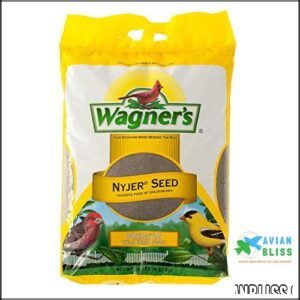
If goldfinches are your main attraction, Wagner’s Nyjer Seed is basically their favorite restaurant. This 20-pound bag is 100% pure Nyjer Seed — no fillers, no fluff.
With about 150,000 tiny seeds per pound and 13.5% crude protein, it gives finches exactly what they need. You’ll want a tube feeder with small ports to get the most out of it.
Squirrels mostly ignore it, too, so your finches get first pick every time.
| Best For | Anyone who wants to attract goldfinches and small songbirds to their backyard without dealing with squirrels or filler seed. |
|---|---|
| Brand | Wagner’s |
| Weight | 20 lbs |
| Bird Attraction | Finches |
| Made in USA | Yes |
| Form | Seeds |
| Life Stage | All stages |
| Additional Features |
|
- Pure Nyjer seed with no fillers — finches get straight nutrition every visit
- High protein and fat content keeps birds coming back and energized
- Squirrels mostly ignore it, so your finches don’t have to share
- Pricier than mixed seed options, so it’s more of an investment
- The resealable bag can be a pain to close properly
- Takes some patience — new birds may not discover the feeder right away
7. Wagner’s Wild Bird Food
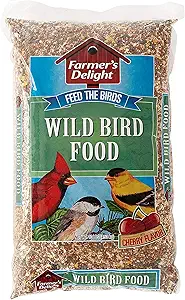
Wagner’s Farmer’s Delight is the kind of mix that just works. It packs four simple ingredients — sunflower seed, millet, cracked corn, and milo — into a solid 10-pound bag that won’t empty your wallet.
Ground feeders like sparrows and doves especially love it. You can also toss it into a hopper feeder or tube feeder without any fuss.
One heads-up: the cherry scent is noticeable, and squirrels may come sniffing around. Still, for everyday backyard feeding, it gets the job done.
| Best For | Backyard birders who want an affordable, no-fuss seed mix that attracts a wide variety of birds without breaking the bank. |
|---|---|
| Brand | Wagner’s |
| Weight | 10 lbs |
| Bird Attraction | Variety |
| Made in USA | Yes |
| Form | Seeds |
| Life Stage | All stages |
| Additional Features |
|
- Works in hopper, tube, and ground feeders — pretty versatile for everyday use
- Made with high-quality grains and a solid four-ingredient blend that birds actually eat
- Easy on the budget, especially if you’re filling feeders on the regular
- The cherry scent can be pretty strong — not everyone loves it
- Squirrels and other unwanted guests tend to show up for the party
- The bag can tear easily, so handle it carefully or transfer it to a storage bin
8. Kaytee Wild Bird Seed Mix
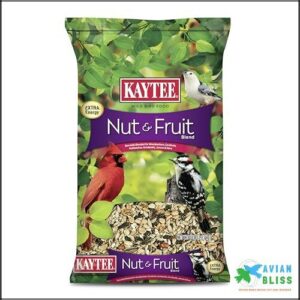
Kaytee’s Wild Bird Seed Mix is a solid everyday option if you want to keep a wide variety of birds happy without overthinking it. The blend pulls in cardinals, chickadees, sparrows, juncos, and even nuthatches — basically your whole backyard crew.
It’s built around black oil sunflower and millet, so both big and small beaks find something to love. At around 10 pounds per bag, it’s easy on the budget and works well in hopper feeders, platform, or tube feeders.
| Best For | Backyard bird lovers who want to attract a wide mix of colorful songbirds like cardinals, woodpeckers, and nuthatches without fussing over multiple seed types. |
|---|---|
| Brand | Kaytee |
| Weight | 5 lbs |
| Bird Attraction | Songbirds, Woodpeckers |
| Made in USA | Yes |
| Form | Chunk blend |
| Life Stage | All stages |
| Additional Features |
|
- Packed with high-energy ingredients like sunflower seeds, peanuts, raisins, and cherries — birds genuinely go for it
- Draws in a solid variety of species, so your feeder stays busy and interesting
- Backed by over 150 years of expertise, so the blend is thoughtfully put together
- It works almost too well — the bag can disappear faster than you’d expect
- Ground feeders may invite unwanted guests like chipmunks and rabbits to the party
- Can leave a bit of mess under the feeder over time
9. Kaytee Wild Bird Food Seed Blend
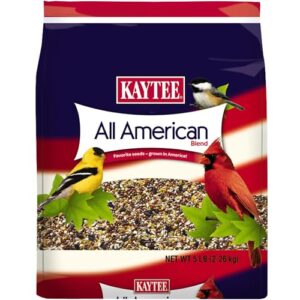
If you’re stocking up without a lot of fuss, this 5-pound blend from Kaytee keeps your feeders busy and your backyard lively. It’s built around black oil sunflower and mixed grains, drawing in cardinals, sparrows, chickadees, mourning doves, and juncos.
Vitamins A and D3 are added in, which is a quiet little bonus for bird health. It works in hopper, tray, and fly-through feeders. Best for casual backyard setups rather than specialty feeding.
| Best For | Casual backyard bird watchers who want an easy, affordable way to keep their feeders active without overthinking it. |
|---|---|
| Brand | Kaytee |
| Weight | 5 lbs |
| Bird Attraction | Common birds |
| Made in USA | Yes |
| Form | Seeds |
| Life Stage | All stages |
| Additional Features |
|
- Packed with black oil sunflower, which pulls in a solid variety of birds like cardinals, chickadees, and sparrows
- Works with most common feeder types — hopper, tray, or ground feeding
- Made in the USA with added vitamins A and D3 for a little nutritional boost
- May include some filler seeds that birds tend to ignore
- Can attract squirrels, so you might need a squirrel-proof feeder
- Not the most cost-effective pick if you’re feeding birds at scale
Key Ingredients in Bird Seed Mixes
Not all seeds are created equal, and what’s in the bag matters more than most people realize.
The right ingredients can mean the difference between a busy feeder and one that birds flat-out ignore.
Here’s a closer look at the key players worth knowing about.
Black Oil Sunflower Seeds for Energy
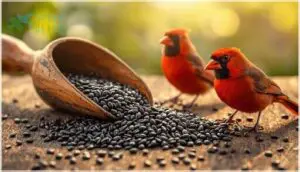
Think of black oil sunflower seeds as the powerhouse of any wild bird seed mix. With nearly 40 percent fat and around 15 percent protein, these seeds are a serious energy source for your backyard visitors.
Their thin shells make seed selection easy for small birds, and their sunflower nutrition helps maintain feather health year-round — especially during bird migration when every calorie counts.
White Proso Millet for Small Birds
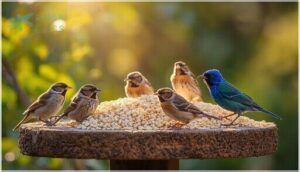
If black oil sunflower seeds are the main course, white proso millet is the side dish your smaller guests actually show up for. Sparrows, juncos, and Indigo Buntings can’t resist it.
For backyard bird watching success, scatter it on a platform feeder or the ground. With around 12 percent protein, millet nutrition genuinely bolsters small bird health — not just filler.
Cracked Corn for Larger Species
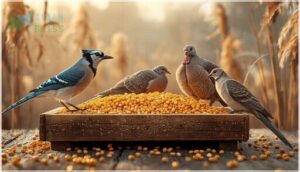
Bigger birds like jays, wild turkeys, and doves need more fuel — that’s where cracked corn earns its spot in your wild bird seed mix.
The cracked corn benefits are real: roughly 1,500 kilocalories per pound make it a reliable energy boost in cold weather. Scatter it on a platform feeder or bare ground, and keep it dry — moisture invites mold fast.
Safflower Seeds as an Alternative
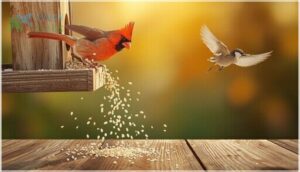
If cracked corn is the workhorse of your bird seed mix, safflower is the quiet overachiever. Rich in fat, protein, and vitamins A and B, safflower nutrition rivals black oil sunflower seeds — so your wild bird seed mixes lose nothing by swapping them. Bonus? Squirrels hate the bitter taste, making it a natural squirrel deterrent.
- Attracts cardinals, chickadees, and nuthatches for reliable bird attraction
- Works in tube, hopper, or platform feeders with zero feeder strategy changes
- Seed selection and storage is simple — sealed containers keep it fresh for months
Oats and Mealworms for Diversity
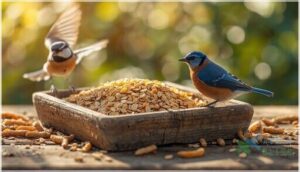
Want to attract bluebirds and more to your wild bird seed mix? Add oats and dried mealworms. Oats bring solid bird nutrition — about 17% protein plus B vitamins — while mealworm benefits include a whopping 53% protein for insect-loving species.
Smart seed selection and blends like these encourage natural foraging strategies, turning your yard into a genuine hotspot for attracting backyard birds.
Avoiding Fillers and Waste Seeds
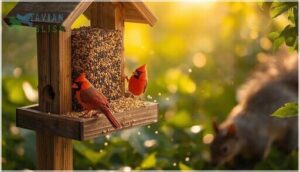
Here’s a hard truth about cheap seed mixes — over 70% of the bag can be filler. Milo, wheat, and red millet check zero boxes for seed purity or bird nutrition needs. Birds toss them straight to the ground.
Cheap bird seed mixes are often 70% filler — and birds will simply toss it all to the ground
- Fillers attract rodents and pushy starlings
- Nowaste blends cut mess and stretch your dollar
- Seed selection criteria should start with sunflower, safflower, and nyjer
Choosing The Right Mix for Your Birds
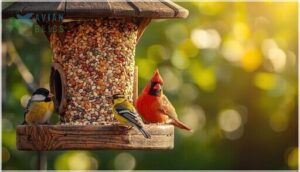
Not every bird eats the same thing, and picking the wrong mix can leave your feeder untouched for weeks.
The good news is that once you know what your local birds actually want, it gets pretty easy to shop smart. Here’s what to keep in mind before you buy.
Matching Seeds to Local Bird Species
Think of your yard as a neighborhood diner — the regulars want their usual order. Knowing your regional bird species makes attracting backyard birds almost painless.
Local wildlife drives everything when choosing the best wild bird seed mixes.
| Regional Bird Species | Seed Preferences |
|---|---|
| Northern Cardinal | Safflower, sunflower |
| American Goldfinch | Nyjer, sunflower hearts |
| Blue Jay | Peanuts, cracked corn |
| Chickadee/Titmouse | Black oil sunflower, nuts |
| Nuthatch/Woodpecker | Suet, sunflower |
Seasonal Feeding Strategies
Birds don’t eat the same way year-round, and neither should your feeders. Solid seasonal bird feeding strategies make a real difference in who visits your yard.
- Winter Feeding: Load up on suet, peanuts, and black oil sunflower seeds for cold-night energy.
- Spring Migration: Add mealworms to support nesting birds needing extra protein.
- Summer Diet: Switch to sunflower chips and nectar — skip heavy suet in the heat.
- Fall Preparation: Reintroduce high-fat mixes to help birds fuel up for migration.
Year round planning keeps your yard a reliable pit stop every season.
Nutritional Content and Bird Health
What you put in the feeder genuinely shapes how well your backyard birds thrive. Bird nutrition starts with seed freshness — stale or moldy seed can carry mycotoxins that damage birds‘ livers and kidneys.
High-fat seeds like sunflower and safflower pack up to 29% fat, covering key energy sources for cold nights. Meeting the nutritional needs of birds means balancing protein, vitamins, and healthy fats in every mix.
Regional and Custom Blends
Your backyard is its own little ecosystem — and regional formulas are built around that idea. Eastern seed blends, for example, lean heavy on sunflower and safflower for cardinals and chickadees. Custom mixing lets you fine-tune even further.
- Watch which seeds vanish first
- Cut ingredients birds ignore
- Add hulled seeds for tube feeders
- Support local ecosystems with native plant seeds
Feeder Compatibility and Maintenance Tips
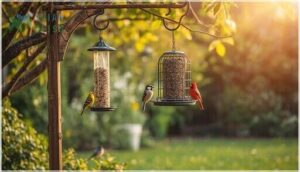
Even the best bird seed won’t do much good if it’s sitting in the wrong feeder or a dirty one.
The type of feeder you use, how often you clean it, and where you put it all make a real difference in which birds show up. Here’s what you need to know to get it right.
Best Feeders for Different Seed Types
Not every feeder works with every seed — and mismatches waste money fast. Feeder compatibility matters more than most people realize. Match your seed selection and blends to the right feeder designs, and you’ll see noticeably more visitors.
| Seed Type | Best Feeder Types and Designs | Bird Preferences |
|---|---|---|
| Black oil sunflower | Tube or hopper feeders | Chickadees, cardinals, jays |
| Nyjer/thistle | Small-port thistle tubes | Goldfinches, siskins |
| Suet cakes | Wire suet cages | Woodpeckers, nuthatches |
| Shelled peanuts | Metal mesh feeders | Jays, titmice |
Squirrel deterrents like weight-activated perches protect your higher-value seed dispensers without keeping songbirds away. Feeder materials also matter — metal mesh outlasts plastic and allows better airflow.
Cleaning and Refilling Routines
Clean feeders keep birds safe — it’s that simple. Aim for feeder sanitation at least every two weeks, but bump up your cleaning schedules to weekly during busy seasons. A 10% bleach solution works great for disinfecting. Solid refill strategies matter too: refill at night so early risers always find breakfast waiting.
Your quick feeder maintenance checklist:
- Disassemble all feeder types and designs before scrubbing
- Scrub with hot soapy water first, then apply bleach solution
- Let feeders air-dry completely — damp seed invites mold
- Practice seed rotation so old seed never sits too long
- Prioritize bird health by checking for clumping or bad smells before every refill
Preventing Pests and Contamination
Once your feeders are spotless, pest control methods become your next line of defense. Skip seed mixes with corn or whole millet — those are basically a welcome mat for rats. No-mess wild bird seed mix blends with hulled sunflower keep spills minimal.
Rodent deterrents like metal baffles and tight-lidded steel storage containers handle the rest. Smart feeder maintenance protects both your backyard birds and their bird health.
Feeder Placement for Maximum Attraction
Where you hang your bird feeders matters more than most people think. Keep feeders either within 3 feet of windows or beyond 30 feet for Window Safety. Nail Feeder Height at 5–6 feet for most songbirds. For Bird Shelter, place feeders 10–12 feet from shrubs — wild birds eat twice as much when cover is close.
- Quiet corners boost Bird Watching variety through Noise Reduction
- Shaded spots offer Sun Protection during warm afternoons
- Smart Bird Feeding placement keeps Backyard Birds relaxed and returning
Storing and Handling Bird Seed Mixes
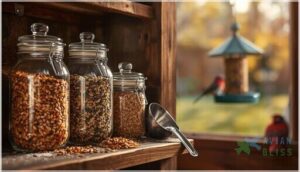
Getting your bird seed home is only half the job — how you store it matters just as much as what’s in the bag.
Bad storage can turn a great mix into a moldy mess that does more harm than good.
Here’s what you need to know to keep things fresh, spot trouble early, and even save a little money along the way.
Maintaining Seed Freshness and Quality
Fresh seed makes all the difference for the birds visiting your yard. Give your bird seed mix a quick sniff before each refill — rancid or musty odors mean the nutritional content has already broken down.
These seed freshness checks take seconds but protect your flock. Watch for dull colors, clumping, or dusty residue too, since those are classic seed spoilage red flags worth taking seriously.
Proper Storage Solutions
Good storage tips can mean the difference between happy birds and a moldy mess. Seal your bird seed in airtight containers — metal cans with locking lids work best for pest prevention.
Keep them somewhere cool and dry, ideally between 40 and 70 degrees. Practice seed rotation so older seed gets used first. Moisture control is everything, so never store bird feeders or seed mixtures on damp concrete.
Signs of Spoiled or Low-Quality Seed
Knowing the spoilage signs in bird seed mixes can save your backyard birds from real harm. Check seed freshness by smell first — musty, rancid odors signal trouble fast. Visible mold growth means toss it immediately.
Seed quality also drops when insects appear or birds suddenly stop visiting. Low-quality seed and poor ingredient quality aren’t worth the risk.
Bulk Buying and Cost-Effectiveness
Bulk buying your bird seed mix is one of the smartest cost savings moves you can make. A 40-pound bag of wild bird seed often runs around $0.50 per pound, while smaller bags can cost twice that. Less purchase frequency means fewer store runs, and more time watching birds.
- Bulk discounts drop per-pound costs greatly
- Seed storage in airtight bins extends shelf life 6–12 months
- Cost-effectiveness improves when you avoid budget mixes heavy in milo
- A quality wild bird seed mix bought in bulk reduces waste
- Bulk buying works best when you pair it with smart storage
Frequently Asked Questions (FAQs)
What is the best bird seed for bird watching?
Black oil sunflower seeds are hands-down the single greatest bird seed on the planet. They attract the widest range of species, deliver rich energy, and keep your feeder busy all day long.
What is the 5 7 9 rule for bird feeders?
The 5 7 9 rule is a simple squirrel proofing guideline for feeder placement: keep feeders 5 feet high, 7 feet from structures, and 9 feet below any overhead branches.
Why put a potato in the bird feeder?
Toss a plain boiled potato chunk in your feeder and watch backyard birds light up.
It delivers an energy boost packed with carbs, potassium, and vitamin C — real bird nutrition without the fuss.
Why should I sprinkle coffee grounds around my bird feeder?
Sprinkling used coffee grounds around your feeder is a simple squirrel deterrent. The strong scent overwhelms them, keeping your bird seed protection intact.
It’s also a low-cost pest control method that benefits nearby soil.
Do birds prefer feeders over natural food sources?
Wild birds don’t ditch their foraging habits for your feeder. Most still rely on wild food sources, insects, and berries.
Feeders simply offer a helpful boost, especially when natural options run low.
How does weather affect bird feeding behavior?
Weather patterns shape bird feeding behavior fast. During a cold snap, birds flock to feeders for high-fat seeds. Stormy weather drives intense, brief feeding bursts before fronts hit.
Are there seeds toxic to cats or dogs?
Most bird seed isn’t “paw-sitively” dangerous, but raisins or moldy seeds can be toxic to pets.
Stick to fresh mixes and keep curious dogs away from spills for safe pet safety tips.
Can feeding birds attract predators to my yard?
Yes, feeders can draw in hawks, cats, and raccoons.
Smart yard management — like using baffles, cleaning up spilled seed, and keeping cats indoors — helps with bird feeder safety and predator deterrents.
Conclusion
Turns out, the secret to a thriving backyard wasn’t exotic equipment or endless scrolling through birding forums — it was just seeds. The right ones.
Finding the best bird seed mixes for backyard bird watching is less about mastering ornithology and more about listening to what shows up hungry at your feeder. Stock black oil sunflower seeds, skip the filler blends, and watch your yard quietly transform into the neighborhood’s most popular spot — no reservations required.
- https://northcoastgardening.com/2015/02/diy-bird-seed-blends/
- https://elkmoundseed.com/products/finch-birdseed-mix
- https://www.wbu.com/products/seed-blends/no-mess-blends/
- https://www.allaboutbirds.org/news/types-of-bird-seed-a-quick-guide/
- https://www.themakeyourownzone.com/make-your-own-birdseed-bells/