This site is supported by our readers. We may earn a commission, at no cost to you, if you purchase through links.

Your conure is doing something strange — a steady, rhythmic head bobbing of the head that looks almost hypnotic. Before you panic, know this: it’s one of the most common behaviors in the species, and it usually means something good.
Conure head bobbing acts as a surprisingly rich language, signaling everything from joy and curiosity to deep social bonding. The tricky part? Subtle shifts in that same movement can also flag serious health issues. Once you learn to read the difference, you’ll understand your bird on an entirely new level.
Table Of Contents
- Key Takeaways
- What is Conure Head Bobbing?
- Why Do Conures Bob Their Heads?
- Positive Meanings Behind Head Bobbing
- When Head Bobbing Signals Health Concerns
- Environmental Influences on Head Bobbing
- Managing and Supporting Healthy Behavior
- Top 10 Products for Enriching Conure Behavior
- 1. Colorday Interactive Voice Bird Toy
- 2. Parrot Intelligence Training Toys Set
- 3. Parrot Bird Learning Machine Toy
- 4. Birdsafe Sun Conure Snuggler Toy
- 5. Florida Metal Flamingo Yard Decor
- 6. Flamingo Metal Wind Spinner Yard Decor
- 7. Alpine Metal Bird Yard Statue
- 8. Pink Flamingo Metal Yard Art
- 9. Balancing Bird Triangle Stand Toy
- 10. Dalen Rotating Head Owl Decoy
- Frequently Asked Questions (FAQs)
- Why does my bird keep nodding his head?
- Are birds happy when they bob their head?
- What does it mean if a bird is bobbing its head?
- What does it mean when a conure bobs its head up?
- Why is my bird bobbing its head?
- How do I know if my conure is happy?
- What does it mean when a conure is dancing?
- Can head bobbing signal mating interest?
- What toys encourage head bobbing in conures?
- Does diet affect head bobbing frequency?
- Conclusion
Key Takeaways
- Conure head bobbing is primarily a healthy communication tool—your bird uses rhythm, speed, and context to signal emotions like joy, curiosity, trust, and social bonding, so learning to read those subtle cues is the real key to understanding your bird.
- When head bobbing shifts from rhythmic and purposeful to erratic or unsteady—especially paired with fluffed feathers, lethargy, or balance problems—it can signal neurological issues or health issues that warrant a visit to an avian vet.
- Environment shapes this behavior more than most owners realize: stable light/dark cycles, thoughtful cage enrichment, toy rotation, and noise management all directly influence how often and why your conure bobs its head.
- Diet, daily socialization, and stress reduction form the three practical pillars that support healthy head-bobbing behavior—what you feed your bird, how much quality face-to-face time you give, and how calm their surroundings are all matter.
What is Conure Head Bobbing?
Head bobbing in conures is a rhythmic up-and-down movement of the head and neck that you’ll notice throughout your bird’s day. This behavior shows up in nearly all conure species, from Sun Conures to Nandays, though the intensity and style can vary quite a bit.
Understanding the specific reasons behind your conure’s head bobbing can help you better read their mood and needs, as explored in this guide to avian head-bobbing behavior.
Let’s break down what normal head bobbing looks like, how it differs across species, and when you’re most likely to see it.
Common Head Bobbing Behaviors
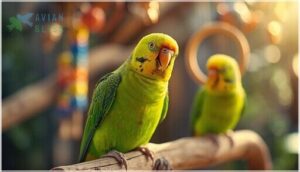
You’ll notice your conure’s head bobbing follows a few recognizable patterns. Most often, the bird bobs gently in rhythmic bursts when greeting you or tracking movement across the room.
During play, that bobbing gets faster and pairs with chirping—clear behavioral cues signaling excitement.
Young conures bob constantly while exploring, testing every perch and toy. It’s their way of turning curiosity into communication.
Head-bobbing plays a key role in visual stabilization and balance, helping birds interact skillfully with their environment.
Differences Among Conure Species
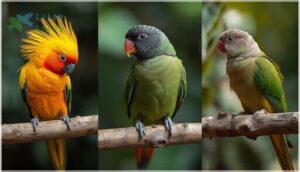
Head bobbing intensity varies across species just like conure size variance and feather pattern diversity. Sun Conures tend to bob more dramatically with their bold personality, while Nanday Conures show subtler movement.
Pyrrhura species, including Green Cheeks, often bob gently during quiet bonding. Species coloration and beak shape differences don’t predict bobbing style—temperament does.
Larger parrots in the Aratinga group usually display more exaggerated head movements. For more about the range of conure species and characteristics, see this detailed guide.
Typical Age and Times for Head Bobbing
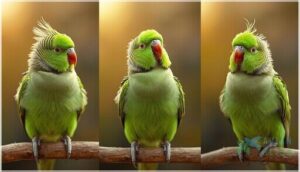
You’ll notice juvenile bobbing appears around 4 to 12 months as young parrots develop balance and social skills.
Adult frequencies peak during morning routines when your bird greets you and anticipates meal times. Head bobbing behavior intensifies during play sessions and training, often in short bursts.
Individual conure personalities shape how often they bob—confident, well-socialized birds usually show more frequent movement throughout the day.
Why Do Conures Bob Their Heads?
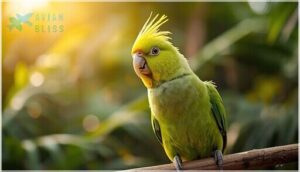
Head bobbing isn’t random—it’s your conure’s way of talking without words. These little parrots use this rhythmic movement to express everything from pure joy to romantic interest.
Head bobbing is your conure’s rhythmic language — a wordless way of expressing everything from pure joy to romantic interest
Let’s break down the three main reasons your bird might be bouncing its head up and down.
Communication and Social Signals
When your conure bobs rhythmically while chirping, you’re witnessing complex parrot behavior in action. This communication combines vocal cues with deliberate body language to invite social interaction and strengthen relationship building.
The tempo tells you everything—slow, gentle bobs signal calm requests for contact, while rapid movements broadcast excitement. Your bird’s social bonding relies on this emotional intelligence, transforming simple head movements into meaningful conversation.
Emotional States and Bonding
Trust signals build every time your conure leans in with soft head bobs during mutual preening sessions. These affection displays reveal emotional bonds through synchronized movements—your bird’s social learning in real time.
When you see gentle nods paired with eye contact and quiet chirps, you’re watching bonding techniques that strengthen communication. The rhythm mirrors shared comfort, transforming simple head bobbing into meaningful connection between species.
Courtship and Mating Behavior
During breeding cycles, watch for rhythmic head bobbing paired with tail fanning and wing spreads—classic courtship displays that signal mating readiness. Males intensify vocal calls while bobbing to attract females, who respond with specific rhythms indicating receptivity.
These sexual signals strengthen pair bonding through synchronized movements, soft cooing, and mutual preening. Vigorous mating rituals reveal hormone-driven parrot socialization shaped by daylight and environmental quality.
Positive Meanings Behind Head Bobbing
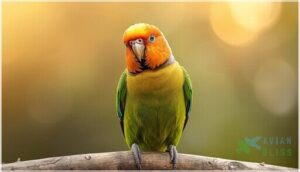
Most of the time, when your conure bobs its head, it’s a good thing. These rhythmic movements often signal happiness, social connection, and playful energy—not something to worry about.
Let’s look at three positive reasons your bird might be doing this head-bobbing dance.
Signs of Affection and Trust
Your conure’s rhythmic head bob is one of the clearest Trust Signals you’ll ever read. It’s their way of saying, “I feel safe with you.” This Affection Display pairs naturally with other Social Cues like preening and soft vocalizations, deepening your Emotional Connections through consistent Body Language and Communication.
- Head Bobbing during handling signals genuine Bonding
- Gentle bobs paired with preening indicate strong trust
- Conure Bonding Techniques build over repeated positive interactions
- Slower, softer bobs reflect deeper Affection Displays
Attention-seeking and Playfulness
Think of head bobbing as your conure’s version of a playful nudge. When you’re nearby, these Attention Signals ramp up fast—often within minutes of waking.
That’s because Playful Interactions thrive on your presence. Watch for head bobs paired with wing flutters; that’s your bird broadcasting readiness for Interactive Games. Consistent Social Bonding through guided play keeps this Attention-seeking Behavioral Cues healthy and purposeful.
Mimicry and Learning Behaviors
Your bird is literally mirroring you—and that’s a sign of sharp Cognitive Development. Mimicry Patterns like Conure Head Bobbing reveal deep Social Learning and Avian Body Language mastery through Imitation Techniques rooted in Behavioral Science.
Watch for these signs of healthy Bird Communication and Behavioral Enrichment:
- Copying your head movements during close interaction
- Mimicking sounds shortly after visual imitation
- Repeating behaviors during social playtime
- Imitating new tricks after brief demonstrations
- Bobbing in response to a companion’s actions
When Head Bobbing Signals Health Concerns

Head bobbing is usually a good sign, but not always. Sometimes it crosses the line from happy quirk into something worth paying closer attention to. Here’s what to watch for.
Recognizing Abnormal Head Movements
Not all head bobbing is created equal. When your conure’s movements shift from rhythmic and purposeful to erratic or unsteady, that’s your cue to pay closer attention.
Abnormal Signals often surface as rapid, irregular Head Movement paired with Balance Problems — key Neurological Clues pointing to possible Vestibular Issues. Understanding normal Conure Behavior and Health helps you decode your bird’s Avian Body Language before something slips past your radar.
Associated Symptoms to Watch For
Once you’ve spotted those irregular movements, look for what comes along with them. Fluffed feathers, lethargy, and a dropped appetite are classic physical symptoms that often pair with abnormal head bobbing.
Respiratory issues like wheezing or tail bobbing during breathing point toward infection. Neurological signs — unsteady balance, wing droop — suggest deeper Conure Health Issues.
Behavioral changes and sudden appetite shifts remain your sharpest health indicators.
Importance of Avian Veterinary Care
When symptoms stack up like that, it’s time to call in the professionals. An avian veterinarian can run diagnostics — blood panels, radiographs, and respiratory screenings — to pinpoint what’s really going on beneath the surface. That’s where preventive care pays off big.
- Schedule Veterinary Checkups every 6–12 months for early detection
- Request wellness blood work to catch hidden Conure Health Issues
- Discuss Bird Nutrition plans customized to your conure’s needs
- Seek Expert Consultation when bobbing behavior suddenly changes
- Stay proactive — Preventive Care keeps Avian Health and Wellness on track
Environmental Influences on Head Bobbing
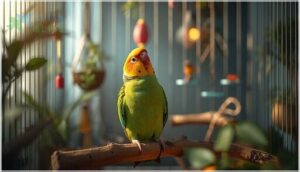
Your conure doesn’t live in a vacuum — everything around it shapes how it behaves.
The cage setup, lighting, noise levels, and even brand-new toys can all trigger or change head bobbing in ways you mightn’t expect.
Here’s how each of these environmental factors plays a role.
Impact of Cage Setup and Enrichment
Think of your conure’s cage setup as the foundation of healthy behavior. Thoughtful cage design and enrichment activities directly shape how your bird communicates and stays engaged.
Larger spaces boost exploration by 25%, while varied bird perches reduce feather damage. Strategic toy rotation prevents boredom, and environmental stimulation keeps curiosity alive.
Smart conure environmental enrichment isn’t optional—it’s essential conure care.
Effects of Lighting and Noise
Beyond cage setup, lighting effects and noise levels shape conure behavior and communication more than most owners realize. Your bird reads the environment constantly — and reacts to it.
- Stable 12-hour light/dark cycles reduce stress and anxiety in birds
- Sudden loud noises trigger alarm calls and abnormal head bobbing
- Visual stimulation from uniform, glare-free lighting promotes calm conure care
- Sound management through white noise aids environmental control and relaxation
Reactions to Changes and New Stimuli
Curiosity is a powerful driver in conures. When you introduce something new, expect a burst of head bobbing — that’s stimulus response in action. Your bird is scanning, evaluating, deciding.
Novelty effects fade with repeated exposure, so environmental adaptation kicks in naturally. Without proper novelty management, stress and behavioral problems in conures can build. Understanding these animal behavior patterns keeps social reactions healthy and positive.
Managing and Supporting Healthy Behavior
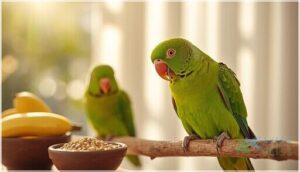
Once you understand what’s driving your conure’s head bobbing, you can actually do something about it.
The good news is that most healthy behaviors come down to three simple pillars: diet, social connection, and a calm environment. Here’s how to get each one right.
Proper Diet and Nutrition
What you feed your conure shapes everything—energy balance, feather health, even mood. A nutrient balance built on food variety is your foundation.
Start with meal planning: dark leafy greens, legumes, whole grains, and lean proteins daily. Healthy treats like fresh fruit add hydration and micronutrients. Skip dietary supplements unless your avian vet recommends them.
Good nutrition and diet for birds isn’t complicated—it’s consistent.
Socialization and Companionship
Connection is everything for a conure bond. Daily face-to-face time is where real conure bonding happens—your bird learns trust building through consistent, calm interactions.
Social learning thrives when you mix play sessions with shared feeding moments. Think of companion care as bird interaction with intention. Good communication between you and your parrot builds a foundation socialization can’t exist without.
Reducing Stress and Overstimulation
Overstimulation is a silent trigger for conure head bobbing. Calm Spaces—think dimly lit, clutter-free areas—give your bird a genuine reset.
Quiet Routines and Routine Breaks help reduce Stress and Anxiety from Environmental Factors. Gentle Exercise like short, supervised out-of-cage time keeps energy balanced.
Cut back on noise and sudden changes. Your conure thrives when Stress-related behaviors stay off the menu.
Top 10 Products for Enriching Conure Behavior
Keeping your conure mentally stimulated is one of the best things you can do for healthy behavior. The right toys and enrichment tools can make a real difference in how your bird engages, plays, and bonds with you.
Here are ten products worth considering.
1. Colorday Interactive Voice Bird Toy
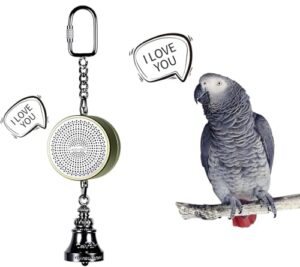
Your voice is the most powerful training tool you already own. This toy lets you record yourself — up to about 54 seconds — and play it back with surprisingly clear sound.
That consistency matters more than you’d think. When you’re away, your conure still hears you, which fosters both bonding and speech learning.
The metal shell holds up against curious beaks, and the simple on/off switch keeps daily use frustration-free. A genuinely smart addition to any enrichment routine.
| Best For | Parrot owners looking for a hands-off way to keep their bird engaged and encourage speech learning while they’re away from home. |
|---|---|
| Material | Metal and Plastic |
| Primary Use | Training and Entertainment |
| Target Audience | Parrot Owners |
| Durability | High-quality construction |
| Color Options | Not specified |
| Indoor/Outdoor | Indoor |
| Additional Features |
|
- Records your voice for up to a minute, giving your parrot a familiar sound to interact with even when you’re not around
- The metal shell and sturdy construction can handle a parrot’s curious beak without falling apart quickly
- Simple to use — just record, switch it on, and let it do its thing
- Only holds one recording at a time, so you can’t mix it up with different messages
- No volume control means it could end up too loud if you recorded at a high volume
- Some owners have reported it can trigger on its own a bit too easily, which gets annoying fast
2. Parrot Intelligence Training Toys Set
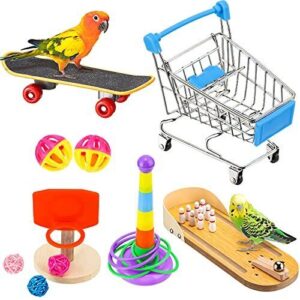
Think of this set as a mental gymnasium for your bird. It bundles ten interactive toys — bowling, basketball, a skateboard, and more — all built from non-toxic plastic that can handle a curious beak.
The real value? These puzzles tap into your conure’s natural problem-solving instincts. Sliding panels and rotating elements keep things fresh, reducing boredom-driven repetitive behaviors. Some pieces run a bit large for smaller birds, so check sizing before you buy. Worth the investment either way.
| Best For | Bird owners with small to medium-sized parrots or conures looking to keep their feathered friends mentally stimulated and entertained. |
|---|---|
| Material | Plastic |
| Primary Use | Training and Play |
| Target Audience | Small Bird Owners |
| Durability | Plastic construction |
| Color Options | Multiple colors |
| Indoor/Outdoor | Indoor |
| Additional Features |
|
- Packs ten different toys in one set, so your bird always has something new to explore and figure out.
- Everything is made from non-toxic plastic, which means you don’t have to stress about your bird chewing on it.
- The variety of puzzles and interactive pieces genuinely helps build your bird’s problem-solving skills and keeps boredom at bay.
- The basketball hoop can be a bit wobbly — some assembly and stability issues have been reported.
- A few of the pieces, especially the balls, run on the larger side and might not work well for the smallest birds.
- The skateboard toy isn’t the most durable option if your bird tends to play rough.
3. Parrot Bird Learning Machine Toy
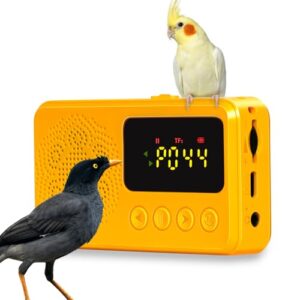
Ready to take things a step further? While the training toys set focuses on problem-solving, this learning machine zeroes in on speech and vocal mimicry — a big deal for conures already inclined to mimic.
The built-in speaker carries well across a standard cage. At $29.99, it’s a solid pick for owners looking to deepen that vocal bond without constant hands-on time. It records your voice and plays it back, encouraging your bird to repeat phrases on its own schedule.
| Best For | Parrot owners who want to encourage their bird’s speech and vocal mimicry without having to be hands-on every single time. |
|---|---|
| Material | Plastic |
| Primary Use | Training and Entertainment |
| Target Audience | Parrot Owners |
| Durability | Moderate durability |
| Color Options | Pure |
| Indoor/Outdoor | Indoor |
| Additional Features |
|
- Teaches talking, whistling, and singing through interactive playback, which is great for birds that already like to mimic
- At $29.99 it’s an affordable way to keep your parrot mentally stimulated and entertained on its own schedule
- Helps strengthen the bond between you and your bird by letting it learn and repeat your voice throughout the day
- The preloaded voice can come across as shrill or annoying, and volume control is pretty limited
- Recording and playing custom sounds requires extra equipment beyond what’s included
- Not every bird will take to it — some personalities or species just won’t engage with it the way you’d hope
4. Birdsafe Sun Conure Snuggler Toy
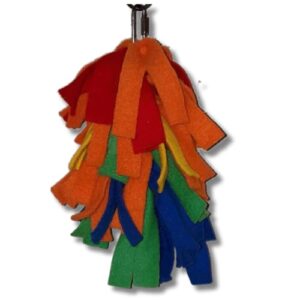
Not every enrichment tool needs to be loud. Sometimes your bird just wants somewhere soft to settle.
The Birdsafe Sun Conure Snuggler does exactly that — a fleece companion with no stitching, so there’s nothing to snag a beak on. It hangs via a stainless steel quicklink, simple and secure.
For birds prone to stress-related bobbing, this kind of calm, cozy option can make a real difference in their daily routine.
| Best For | Bird owners with Sun Conures or similar species looking for a calm, low-stimulation comfort toy to help their bird unwind. |
|---|---|
| Material | Fleece and Stainless Steel |
| Primary Use | Comfort and Companionship |
| Target Audience | Sun Conure Owners |
| Durability | Durable fleece |
| Color Options | Various |
| Indoor/Outdoor | Indoor |
| Additional Features |
|
- Soft fleece design with no stitching, so there’s no risk of a beak snagging or pulling on loose threads
- The stainless steel quick link makes it easy to hang and secure in any cage setup
- A great option for birds that deal with stress or boredom, giving them a cozy spot to settle down
- Not ideal for birds that like to chew or tear apart their toys — the fleece won’t hold up long against that kind of wear
- Needs regular cleaning to stay fresh and safe, so it’s a bit more upkeep than a simple wooden or plastic toy
- Might not fit every cage or enclosure, so it’s worth checking the dimensions (5 x 5 x 12) before buying
5. Florida Metal Flamingo Yard Decor
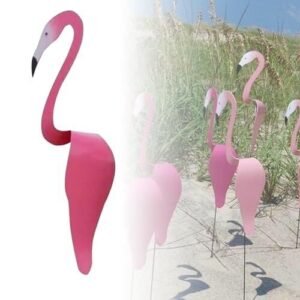
Ready to step outside the cage — literally? This aluminum flamingo lawn ornament stands about 17 inches tall and brings a striking visual presence to any outdoor space.
For conure owners who enjoy a garden setup near their birds’ area, bold yard art can actually stimulate curiosity and engagement through the window. Just note that customer reviews suggest quality can be inconsistent, so inspect carefully before purchase. It’s a fun decorative addition, not a core enrichment tool.
| Best For | Gardeners, beach house owners, and anyone looking to add a playful, eye-catching pop of color to their outdoor space. |
|---|---|
| Material | Aluminum |
| Primary Use | Garden Decoration |
| Target Audience | Homeowners |
| Durability | Rust-resistant metal |
| Color Options | White |
| Indoor/Outdoor | Outdoor |
| Additional Features |
|
- The aluminum build means it holds up better than plastic alternatives against sun and moisture
- At just under 17 inches tall, it’s a nice compact size that works without overwhelming a garden bed or patio
- It makes a solid gift for flamingo fans or anyone who just wants something fun and lighthearted in their yard
- A lot of buyers have flagged that the spinning feature doesn’t actually work well, so don’t count on it dancing in the breeze
- Quality control seems to be a toss-up — some arrive looking great, others come with rust or chipping paint right out of the box
- For what you’re getting, most customers feel the price is a bit steep compared to the actual build quality
6. Flamingo Metal Wind Spinner Yard Decor
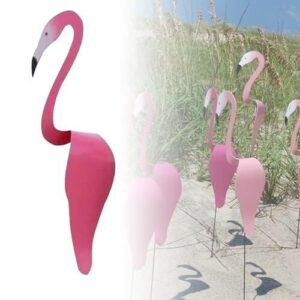
If that aluminum flamingo caught your eye, this spinning version takes it a step further. Crafted from metal and designed to rotate freely in the breeze, it brings constant movement to your outdoor space — and that motion matters.
Conures are drawn to kinetic visual stimuli, so a wind spinner near a window can spark genuine curiosity and mental engagement. It’s not a cage toy, but as passive environmental enrichment goes, it punches above its weight.
| Best For | Bird owners and garden enthusiasts looking to add a fun, eye-catching piece of kinetic decor to their outdoor spaces — especially near windows where curious pets can enjoy the movement. |
|---|---|
| Material | Aluminum |
| Primary Use | Garden Decoration |
| Target Audience | Homeowners |
| Durability | Rust-resistant metal |
| Color Options | Purple |
| Indoor/Outdoor | Outdoor |
| Additional Features |
|
- Spins and moves in the breeze, bringing constant visual interest and motion to your yard or patio
- Made from aluminum, so it holds up outdoors without needing much maintenance
- A solid pick as a gift or a low-key way to add some personality to any outdoor setup
- Some buyers report the spinning mechanism doesn’t work as well as expected, especially in lighter winds
- The metal stakes can rust over time, and thinner parts may be more fragile than the listing suggests
- Customer support can be hard to reach if something goes wrong out of the box
7. Alpine Metal Bird Yard Statue
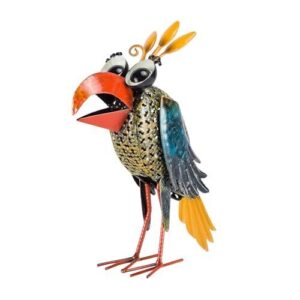
This wide-eyed metal bird brings something different to the mix. Standing 12 inches tall with a powder-coated multicolor finish, it’s built to handle sun, rain, and snow without fading.
Place it near a window where your conure can see it, and watch what happens. Birds respond to visual novelty, and that quirky perched pose can spark curiosity and head bobbing on its own. It’s passive enrichment — no batteries required.
| Best For | Bird lovers and garden enthusiasts who want to add a playful, eye-catching accent to their yard, patio, or indoor space without a lot of upkeep. |
|---|---|
| Material | Metal |
| Primary Use | Garden Decoration |
| Target Audience | Homeowners |
| Durability | Weather-resistant metal |
| Color Options | Multicolor |
| Indoor/Outdoor | Indoor/Outdoor |
| Additional Features |
|
- Built from weather-resistant metal with a powder-coated finish, so it holds up through rain, sun, and snow without fading or rusting.
- The quirky, wide-eyed design adds instant charm and can actually spark curiosity in pet birds as a form of passive enrichment.
- Versatile enough to use indoors or outdoors — works great as a garden accent, porch decoration, or conversation piece on a shelf.
- At only 11.5 ounces, it can easily blow over or get knocked around in strong winds, so you may need a stake or extra support.
- Some buyers feel the price is a bit high for the size you’re getting.
- Shipping can be unpredictable, with some customers reporting delays before it arrives.
8. Pink Flamingo Metal Yard Art
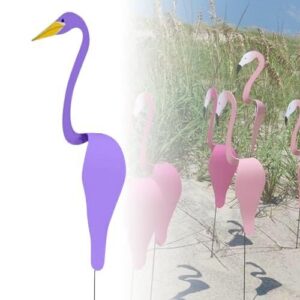
Flamingos have long fascinated birds and humans alike. This powder-coated metal yard art brings that intrigue straight into your garden. The bright pink finish and black beak detailing create a striking silhouette — tall, curved neck and all.
Place it where your conure can spot it from a perch or window. That bold shape often sparks curiosity, which frequently translates into head bobbing. It’s simple visual enrichment that lets your bird engage on its own terms.
| Best For | Garden enthusiasts, gift-givers, and anyone looking to add a playful, colorful touch to their outdoor spaces. |
|---|---|
| Material | Aluminum |
| Primary Use | Garden Decoration |
| Target Audience | Homeowners |
| Durability | Rust-resistant metal |
| Color Options | Purple |
| Indoor/Outdoor | Outdoor |
| Additional Features |
|
- Made from aluminum with a waterproof coating, so it holds up well outdoors without fading or rusting over time.
- The spinning bird design actually moves in the breeze, which adds a nice bit of life and motion to your garden.
- Works great as a gift — especially for kids — and doubles as festive décor for holidays or parties.
- It’s a bit fragile when it comes to shipping, so there’s a real chance of damage if it travels a long distance.
- No real info on how heavy it can handle or how to install it, so you might need to reach out to the seller with questions.
- It’s really only built for outdoor use, so you’ll want to keep it outside where it’s meant to be.
9. Balancing Bird Triangle Stand Toy
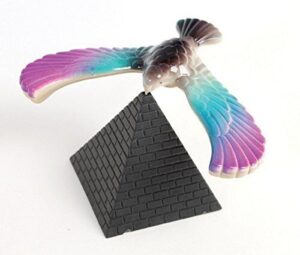
Physics meets playtime with this little gem. The balancing bird toy challenges your conure’s curiosity in a surprisingly effective way.
Set it on a nearby surface and watch — the gentle bobbing motion as it pivots on its beak mimics natural bird movement. That motion alone can trigger your conure’s own head bobbing response.
It’s quiet, low-key enrichment that won’t overstimulate. Think of it as a conversation starter between you and your bird, minus the words.
| Best For | Bird owners looking for a quiet, low-key enrichment toy that can spark curiosity in their conures or similarly sized pet birds. |
|---|---|
| Material | Plastic |
| Primary Use | Entertainment and Puzzle |
| Target Audience | All Ages |
| Durability | Fragile plastic |
| Color Options | Pink and Blue |
| Indoor/Outdoor | Indoor |
| Additional Features |
|
- The bobbing motion on the triangle stand naturally mimics how birds move their heads, which can genuinely engage your bird’s attention
- It’s a calm, non-overstimulating option — perfect for birds that get easily wound up by noisier toys
- Small enough to set on a perch or nearby surface without taking up much space, and doubles as a fun little conversation piece
- The plastic build feels a bit flimsy, so don’t expect it to last forever if your bird gets rough with it
- Color and quality can be hit or miss depending on the batch — some buyers have gotten broken ones straight out of the box
- Definitely not one for households with very young kids, since the small parts could be a choking hazard
10. Dalen Rotating Head Owl Decoy
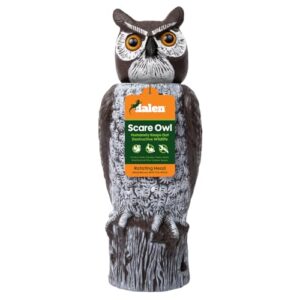
Here’s one that breaks the mold. The Dalen Rotating Head Owl Decoy isn’t designed for birds — it’s meant to deter them. But that 360-degree wind-powered head rotation? Your conure will likely watch it with intense focus.
Place it nearby and observe the reaction. The lifelike movement can spark curiosity-driven head bobbing in your bird. It’s an unexpected enrichment tool, turning a garden product into a natural visual stimulus worth exploring.
| Best For | Bird owners looking for an interactive enrichment tool to stimulate their pet’s curiosity, as well as gardeners who want a natural, chemical-free way to keep pests away. |
|---|---|
| Material | Plastic |
| Primary Use | Pest Deterrent |
| Target Audience | Homeowners |
| Durability | Sturdy plastic |
| Color Options | Multicolor |
| Indoor/Outdoor | Outdoor |
| Additional Features |
|
- The 360-degree rotating head adds realistic movement that can genuinely grab your bird’s attention and spark curiosity-driven interaction.
- It’s a completely non-toxic, humane option — no chemicals, no harm, just a visual deterrent that works for both your garden and your pets.
- Versatile enough to use on a balcony, patio, backyard, or porch, and you can fill it with sand or gravel to keep it steady.
- Birds and pests can get used to it over time, so you’ll need to move it around now and then to keep it effective.
- High winds can knock it over or mess with its rotation unless you weigh it down properly.
- It won’t work on every species — doves and pigeons tend to ignore it entirely.
Frequently Asked Questions (FAQs)
Why does my bird keep nodding his head?
Your bird’s nodding is actually a form of communication — not a problem. Most likely, he’s expressing curiosity, seeking your attention, or simply feeling comfortable around you.
It’s his way of saying, “Hey, I’m here.
Are birds happy when they bob their head?
Most of the time, yes. A steady, relaxed bob usually means your conure feels content, engaged, and comfortable around you. It’s their quiet way of saying, “Hey, I’m happy here.
What does it mean if a bird is bobbing its head?
Most of the time, it’s a sign your bird feels safe and curious. Head bobbing signals interest, excitement, or attention toward you.
Think of it as your feathered friend saying, “Hey, I see you — and I like what’s happening.
What does it mean when a conure bobs its head up?
Curiosity drives it, connection deepens it. When your conure bobs its head up, it’s communicating — showing excitement, seeking your attention, or simply exploring its world.
It’s a sign of a healthy bird, a healthy, engaged bird.
Why is my bird bobbing its head?
Your bird’s likely communicating — curiosity, excitement, or a bid for your attention. It’s their way of saying, “Hey, I’m here.” Usually it’s perfectly normal, especially during play or bonding moments.
How do I know if my conure is happy?
Your conure is likely happy when it stands tall, preens near you, and chirps softly.
Bright eyes, relaxed feathers, and a willingness to step onto your hand all point to a content bird.
Your bird is also showing trust when it exhibits these behaviors, being a trusting bird.
What does it mean when a conure is dancing?
Dancing displays delight — your conure’s rhythmic head bobbing signals happiness, excitement, or a playful invitation to interact. It’s their way of saying, “Hey, let’s engage!”
A relaxed posture during dancing confirms it’s a positive behavior.
Can head bobbing signal mating interest?
Yes, it absolutely can. During courtship display, some conures bob their heads as a display to attract a mate.
Watch for accompanying tail fanning and crest elevation — those together are strong signs of mating interest.
What toys encourage head bobbing in conures?
Toys with moving parts, spinning elements, and gentle rattling sounds do the trick.
Interactive puzzle toys that reveal treats are especially effective — they spark curiosity and keep your bird engaged, naturally encouraging that rhythmic bobbing motion.
Does diet affect head bobbing frequency?
Your bird’s diet plays a bigger role than you’d expect.
What they eat directly fuels their energy and neural function — both of which shape how often and enthusiastically your conure bobs its head.
Conclusion
Imagine this: a rescue conure, silent for weeks, finally bobs her head toward her new owner — a small, quiet signal that trust has begun. That’s the power of reading your bird.
Once you understand conure head bobbing, you stop guessing and start listening. You’ll catch the joy, the curiosity, and yes — the warning signs too. Your bird’s been talking all along. Now you finally know how to hear it.