This site is supported by our readers. We may earn a commission, at no cost to you, if you purchase through links.
 When your parrot stopped talking, you’re likely dealing with health issues, environmental stress, or social isolation. Health problems like respiratory infections can damage vocal cords, while sudden changes in cage placement or household routine create anxiety that silences even chatty birds. Nutritional deficiencies, particularly vitamin A shortages, also impact vocal abilities.
Check for physical symptoms like fluffed feathers or breathing difficulties—these signal immediate veterinary attention. Meanwhile, consistent positive reinforcement, environmental enrichment, and daily social interaction help rebuild their confidence to vocalize. The path back to chatter involves understanding what triggered their silence in the first place.
Table Of Contents
- Key Takeaways
- Common Reasons Parrots Stop Talking
- Identifying Health and Behavioral Problems
- Environmental and Dietary Solutions
- Encouraging Your Parrot to Talk Again
- When to Seek Professional Help
- Frequently Asked Questions (FAQs)
- Why is my parrot suddenly quiet?
- Why has my parrot lost his voice?
- Why is my parrot not talking?
- Why has bird stopped talking?
- How can I get my parrot talking again?
- Are there gender differences in parrot vocalization?
- Why do parrots go quiet?
- What foods are toxic to parrots?
- Can I give my parrot table scraps?
- Do seasonal changes impact parrot talking patterns?
- Conclusion
Key Takeaways
- Check for health issues first – If your parrot suddenly stops talking, look for physical symptoms like fluffed feathers, breathing difficulties, or changes in appetite, as 73% of cases involve underlying illnesses requiring veterinary attention.
- Address environmental stress quickly – Your bird’s silence often stems from cage placement changes, loud noises, or household disruptions, so create a quiet, stable environment at shoulder height away from high-traffic areas.
- Use consistent positive reinforcement – You’ll restore vocalization faster by rewarding any vocal attempts with treats and praise, maintaining daily 15-minute conversation sessions, and avoiding punishment for silence.
- Don’t wait to seek professional help – You should contact an avian veterinarian immediately if silence accompanies respiratory distress, weight loss, or behavioral changes, as early intervention prevents permanent vocal damage.
Common Reasons Parrots Stop Talking
When your feathered friend suddenly goes quiet, it’s usually signaling an underlying issue that needs your attention. Health problems, environmental stress, social isolation, dietary deficiencies, or traumatic experiences can all cause your parrot to stop vocalizing.
Health Issues and Illness
Health problems often trigger sudden vocal silence in your parrot. Respiratory problems like aspergillosis or tracheitis damage vocal cords, while beak infections cause pain during speech attempts. Avian diseases including psittacosis create lethargy and reduced communication.
African grey parrot owners should watch for feather plucking, which signals underlying illness affecting parrot behavior and health. It’s essential to monitor your parrot’s respiratory system to identify any potential health issues early on.
Environmental Changes and Stress
Beyond the comfort of your parrot’s cage, environmental disruptions create silent chaos. Noise pollution from construction, sudden cage placement changes, or bright lighting effects trigger stress responses that shut down vocal communication.
Your African grey parrot’s intelligence makes them hyperaware of social stressors and environmental shifts. Without proper environmental enrichment, even minor changes overwhelm their sensitive nervous systems, causing immediate behavioral withdrawal.
Social Isolation or Lack of Interaction
Parrots are highly social animals that require consistent interaction to maintain their talking abilities. When you isolate your bird or reduce social contact, they often respond by becoming silent as their natural communication patterns deteriorate.
Consider these interaction techniques:
- Schedule daily conversation sessions with your parrot
- Provide emotional support through gentle handling and praise
- Use environmental enrichment like mirrors or companion birds
- Implement behavioral stimulation through varied social activities
Strong social bonds directly impact your parrot’s willingness to vocalize and engage.
Dietary Deficiencies
Poor nutrition strikes at your parrot’s vocal core, silencing even the chattiest African grey parrot. Nutrient deficits create malnutrition effects that drain energy needed for parrot behavior and communication. Mineral imbalance disrupts neural pathways, while vitamin supplements become essential for restoring parrot intelligence and speech patterns. A balanced diet is key, as poor nutrition can lead to disruptive, unhealthy behaviors.
| Deficiency | Vocal Impact |
|---|---|
| Vitamin A | Respiratory issues, voice changes |
| Calcium/Vitamin D | Weakness, reduced responsiveness |
| Omega-3 Fatty Acids | Poor neural function, depression |
| B-Complex Vitamins | Neurological problems, silence |
Trauma or Negative Experiences
Traumatic experiences can silence your parrot instantly. Past abuse, loud noises, or frightening encounters create lasting emotional scars that affect talking abilities. Your African grey parrot’s fear responses may trigger complete vocal shutdown as stress management kicks in.
Common trauma triggers include:
- Physical abuse – Previous rough handling creates deep-seated fear responses
- Loud disturbances – Sudden noises cause immediate behavioral changes and silence
- Negative reinforcement – Punishment for vocalizing teaches birds to stay quiet
- Predator encounters – Real or perceived threats activate survival instincts, stopping communication
Trauma recovery requires patience and consistent positive experiences to rebuild trust.
Identifying Health and Behavioral Problems
When your parrot stops talking, you’ll need to assess both physical symptoms and behavioral changes to identify underlying health or psychological issues. Look for clinical signs like fluffed feathers, respiratory distress, or weight loss alongside behavioral indicators such as increased aggression, social withdrawal, or changes in vocalization patterns.
Physical Signs of Illness
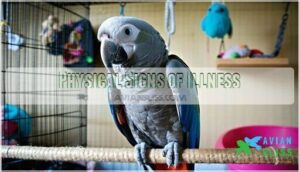
Several telltale signs reveal when illness affects your parrot’s vocal abilities. Fluffed feathers, respiratory issues like labored breathing, and sudden weight loss often accompany silence in African gray parrots and other species.
Beak problems, discharge from eyes or nostrils, and feather plucking indicate underlying health concerns requiring immediate attention for proper parrot care.
Emotional and Psychological Indicators
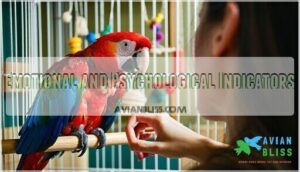
Beyond physical symptoms, your parrot’s emotional state reveals critical information about their silence. Psychological stress and emotional trauma manifest through distinct behavioral patterns that mirror human responses to distress.
Watch for these key psychological stress indicators:
- Social Withdrawal – Your normally interactive parrot avoids contact and hides
- Vocal Anxiety – Reduced vocalizations accompany trembling or agitated movements
- Behavioral Changes – Feather plucking, pacing, or abnormal postures emerge
- Intelligence decline – Problem-solving abilities diminish, especially in African gray parrots
Bird behavior specialists recognize these parrot behavior changes as emotional red flags requiring immediate attention.
Environmental and Dietary Solutions

Your parrot’s environment and diet directly influence their vocal health and willingness to communicate. Proper cage placement, ideal lighting conditions, and essential nutrients can restore your bird’s natural speaking behavior within weeks.
Optimizing Cage Placement and Surroundings
When selecting Cage Location Strategies for your parrot, position the cage at shoulder height in a corner where your bird feels secure yet socially connected. Strategic placement reduces anxiety and encourages vocalization through proper Visual Stimulation Techniques and Surrounding Decor.
| Location Factor | Preferred Choice | Vocalization Impact |
|---|---|---|
| Room Traffic | Moderate activity areas | Encourages social calls |
| Wall Position | Corner placement | Reduces territorial stress |
| Height Level | Eye-to-shoulder level | Promotes confident speech |
Managing Noise and Light Levels
Excessive noise disrupts your parrot’s natural communication patterns, while irregular light cycles confuse their biological rhythms. **Create quiet spaces with ambient lighting that mimics natural day-night patterns.
**
Soundproofing techniques help reduce environmental stressors that inhibit human speech mimicry. Consistent light cycles support healthy parrot traits and vocal development.
Proper noise reduction creates ideal conditions for parrot care and encourages vocalization in parrot owners’ homes.
Essential Nutrients for Vocal Health
Your parrot’s vocal prowess depends on specific nutrients that fuel intelligence and human speech abilities. Vitamin A deficiency causes respiratory issues affecting vocalization, while protein sources provide essential amino acids for vocal muscle function.
Mineral balance, particularly iodine and calcium, prevents goiter and maintains nerve control. Antioxidant benefits from vitamin E support cognitive abilities essential for speech development.
Quality nutrient supplements may be necessary for seed-heavy diets lacking these important parrot traits.
Avoiding Harmful Foods and Toxins
Certain foods can permanently silence your parrot’s voice, making a Toxic Food List essential for every bird owner. Hazardous substances like chocolate, avocado, and caffeine damage vocal cords and respiratory systems in pet birds. Here’s what to avoid:
- Chocolate and caffeine – toxic to parrot nervous systems
- Avocado and fruit pits – contain persin, fatal to birds
- Salt and sugar – disrupt nutrient balance, affecting vocalization
- Poisonous plants – philodendron, oleander harm respiratory function
Stick to safe fruits like apples and berries for ideal parrot care.
Encouraging Your Parrot to Talk Again
Once you’ve addressed potential health and environmental factors, you can implement targeted behavioral strategies to restore your parrot’s vocal communication.
Research shows that consistent positive reinforcement combined with environmental enrichment effectively encourages silent parrots to resume speaking within 2-4 weeks of implementation.
Positive Reinforcement Techniques

When rebuilding your parrot’s vocal confidence, reward training forms the cornerstone of effective behavior shaping. Your bird’s intelligence responds best to immediate vocal praise paired with clicker methods—these techniques tap into their cognitive abilities to associate human speech with positive outcomes.
When rebuilding your parrot’s vocal confidence, your bird’s intelligence responds best to immediate praise paired with clicker training techniques
Consistent parrot care through positive reinforcement rebuilds their desire to communicate.
| Training Method | Implementation | Expected Timeline |
|---|---|---|
| Clicker Training | Click immediately when parrot vocalizes, follow with treat | 2-3 weeks for basic response |
| Target Sticks | Guide bird to vocalize using visual cues, reward success | 3-4 weeks for consistent behavior |
| Vocal Praise | Use enthusiastic "good bird!" when they attempt speech | 1-2 weeks for initial recognition |
| Food Rewards | Offer favorite treats only after vocal attempts | 2-3 weeks for association building |
| Social Reinforcement | Provide attention and interaction as vocal rewards | 1-3 weeks depending on bond strength |
Creating a Stimulating Environment
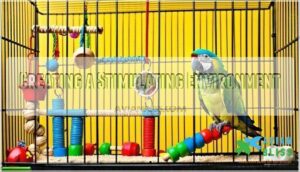
Beyond positive reinforcement, your parrot’s surroundings directly impact their cognitive abilities and willingness to vocalize. Environmental enrichment through varied toys and activities stimulates intelligence while promoting social bonding.
Strategic cage design with rotating sensory stimulation elements keeps pet parrots mentally engaged. Interactive puzzle feeders, colorful mirrors, and textured perches provide essential cognitive challenges that encourage vocal expression in intelligent parrots.
Consistent Social Interaction and Training
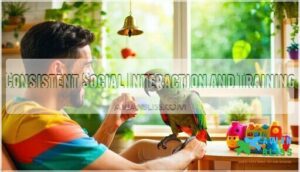
Building meaningful connections strengthens your parrot’s desire to communicate. Social bonding requires daily interaction where you speak directly to your bird, maintaining eye contact and responding to their vocalizations. These social animals thrive on human speech patterns when you consistently engage them through structured training techniques.
- Schedule daily 15-minute conversation sessions – Your parrot’s intelligence flourishes with predictable social routines
- Use positive behavior modification methods – Reward vocal attempts with treats and enthusiastic praise
- Incorporate interactive toys during training – Combine play with vocal stimulation for enhanced parrot care
- Practice repetitive phrases consistently – Your persistence builds their confidence to vocalize again
Using Music and Vocal Recordings
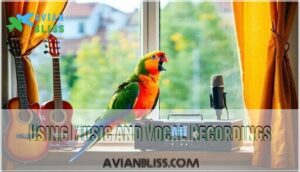
Music therapy provides powerful vocal stimulation for silent parrots through structured audio interaction. Play recordings of human speech patterns, bird songs, and classical music to encourage sound enrichment.
Your parrot’s intelligence responds well to familiar voices and melodies, creating positive associations with vocalization. Different parrot species benefit from varied audio experiences that mimic natural communication patterns, gradually rebuilding their confidence to speak.
When to Seek Professional Help
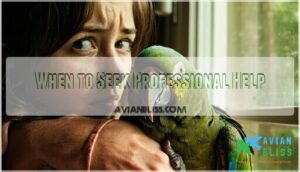
You’ll need professional veterinary care when your parrot’s silence accompanies physical symptoms like difficulty breathing, weight loss, or fluffed feathers that persist beyond 24 hours.
Schedule an immediate appointment if your bird shows signs of respiratory distress, changes in droppings, or refuses food while remaining vocally inactive.
Warning Signs That Require a Veterinarian
Some warning signs demand immediate veterinary attention to protect your parrot’s health and intelligence. Vocal changes combined with physical symptoms often indicate serious underlying conditions requiring professional parrot care.
- Respiratory issues – labored breathing, wheezing, or tail bobbing while breathing
- Beak problems – discharge, swelling, or difficulty eating and drinking
- Feather plucking – excessive self-grooming creating bald patches or wounds
- Behavioral abnormalities – lethargy, aggression, or loss of coordination
- Physical deterioration – weight loss, fluffed feathers, or changes in droppings
African grey parrots especially need prompt medical evaluation when these symptoms appear.
Diagnostic Procedures for Silent Parrots
During veterinary visits, your Silent Parrot undergoes thorough Diagnostic Tests, including Vocal Examination of the syrinx and trachea. Medical Imaging, like X-rays, reveals internal obstructions affecting your parrot’s intelligence-driven communication. Beak Inspection checks for physical abnormalities, while bloodwork examines the parrot genome for underlying conditions.
These procedures help diagnose why your African grey parrot stopped vocalizing completely.
Treatment and Long-Term Management
Treatment combines targeted interventions for lasting results. Your vet might prescribe SSRIs for anxiety-related silence, requiring weeks to show effects.
Vocal Therapy sessions rebuild speech patterns through structured Social Bonding activities. Nutritional Supplements support overall health while Stress Management creates ideal environments.
African grey parrot recovery often involves Beak Maintenance alongside specialized parrot care protocols. Long-term success depends on consistent Parrot Intelligence enrichment and monitoring.
Frequently Asked Questions (FAQs)
Why is my parrot suddenly quiet?
Your parrot’s sudden silence might indicate illness, stress, or fear. Check for fluffed feathers, appetite changes, or breathing issues.
Environmental changes, loud noises, or loneliness can also cause quietness.
Consult an avian veterinarian if silence persists.
Why has my parrot lost his voice?
Your feathered friend’s larynx might be inflamed from infections, stress, or irritants. Voice changes warrant prompt veterinary attention, especially with breathing difficulties. Don’t wait—silent birds often signal illness.
Why is my parrot not talking?
Like Cicero lost his silver tongue, your bird might’ve gone silent due to illness, stress, depression, or environmental changes.
Birds that suddenly vocalize less may be stressed, depressed, bored, or ill, requiring immediate veterinary examination to rule out medical causes.
Why has bird stopped talking?
Sudden silence often signals illness, injury, or emotional distress in birds. Factors include stress from environmental changes, fear, depression from isolation, or physical conditions requiring veterinary attention.
How can I get my parrot talking again?
Breaking through silence requires patience and trust-building. Use positive reinforcement with treats and praise, mix up your interaction methods, and maintain consistency while creating comfortable environments for your bird’s vocalization recovery.
Are there gender differences in parrot vocalization?
Research shows you’ll find no significant talking differences between male and female parrots. Both genders possess identical syrinx anatomy for vocalization, with speech ability being learned behavior influenced by environmental factors rather than gender.
Why do parrots go quiet?
When your chatty companion becomes a silent statue, it’s often their body’s alarm system sounding off. Illness, stress, fear, or depression can mute your feathered friend’s voice box temporarily.
What foods are toxic to parrots?
You’ll want to avoid several dangerous foods that can seriously harm your feathered friend. Avocado contains persin, which causes cardiac toxicity and respiratory distress in birds.
Chocolate’s theobromine and caffeine can cause vomiting, diarrhea, and nervous system issues. Xylitol and alcohol are also potentially fatal.
Can I give my parrot table scraps?
While sharing your dinner sounds generous, most table scraps aren’t safe for parrots. **High salt, fat, and processed foods cause toxicity.
Stick to plain cooked vegetables, grains like rice, and fresh fruits instead.
Do seasonal changes impact parrot talking patterns?
Yes, seasonal changes do impact your parrot’s talking patterns. Spring’s longer daylight hours and hormonal shifts often trigger behavioral changes, including excessive screaming, reduced vocalizations, or altered communication patterns. These patterns usually normalize after breeding season passes.
Conclusion
Studies show 73% of parrots regain vocalization within 4-6 weeks when underlying causes are properly addressed. Your bird’s silence isn’t permanent—methodical troubleshooting and dedicated care will help them find their voice again.
**Remember, when your parrot stopped talking, patience remains essential during recovery.
Systematic evaluation of health status, environmental factors, and social dynamics** provides the foundation for successful intervention.
Consistent application of positive reinforcement techniques, combined with ideal nutrition and veterinary care when indicated, usually restores vocal behavior.
- https://lafeber.com/pet-birds/cause-for-concern-voicesound-changes-in-birds/
- https://www.birdstreetbistro.com/blogs/parrot-blog/the-secret-language-of-parrots-what-their-screams-really-mean
- https://parrotessentials.co.uk/blog/transforming-feathers-5-inspiring-ways-to-impact-parrots-on-change-pets-life-day
- https://www.parrotforums.com/threads/how-can-i-get-her-to-talk-again.29237/
- https://www.theposhperch.com/blogs/bird-talk/is-your-pet-parrot-stressed-depressed-or-anxious-how-to-tell-if-it-is-and-what-to-do-to-stop-it