This site is supported by our readers. We may earn a commission, at no cost to you, if you purchase through links.
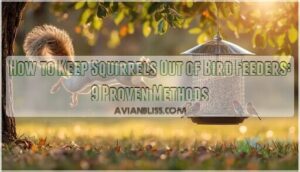
You fill your bird feeder with fresh seed, step back to admire your handiwork, and within hours a squirrel has claimed it as their personal buffet. These acrobatic bandits can leap 10 feet horizontally, climb anything that’s not coated in grease, and chew through most plastics like they’re made of paper. The result? Your feathered friends go hungry while your seed bill skyrockets.
The good news is that squirrels, despite their impressive athleticism, follow predictable patterns. Once you understand their limitations—how far they can jump, what textures they can’t grip, and which foods they actually dislike—you can turn your feeding station into a squirrel-proof fortress that still welcomes every bird in the neighborhood.
Table Of Contents
- Key Takeaways
- Best Ways to Keep Squirrels Off Bird Feeders
- Squirrel-Proofing Techniques for Bird Feeders
- Choosing Bird Seed That Deters Squirrels
- Maintenance and Prevention Tips for Feeders
- Top 9 Squirrel-Proof Bird Feeder Products
- 1. Wildlife Friendly Vegetable Gardener How To
- 2. Adjustable Heavy Duty Shepherd Hook
- 3. PFNRTH Metal Squirrel Baffle Guard
- 4. Large Squirrel Proof Bird Feeder Baffle
- 5. Sizzlenheat Hot Blend Bird Food
- 6. Squirrel Stopper Deluxe Bird Feeder Pole
- 7. Squirrel Proof Bird Feeder Baffle
- 8. Woodlink Audubon Wrap Around Squirrel Baffle
- 9. Woodlink Absolute II Squirrel Resistant Feeder
- Frequently Asked Questions (FAQs)
- Can You squirrel-proof a bird feeder?
- How do you get rid of squirrels in a bird feeder?
- What do squirrels eat in a bird feeder?
- How to prevent squirrels at bird feeders?
- How do I keep squirrels away from my bird feeder?
- What do squirrels hate the most?
- What is the 5 7 9 rule for squirrels?
- How can I make a bird feeder squirrel proof?
- What food distracts squirrels from bird feeders?
- Which time of year sees most squirrel activity?
- Conclusion
Key Takeaways
- The 5-7-9 rule (5 feet high, 7 feet from launch points, 9 feet from overhead branches) exploits squirrels’ physical jumping limits to create placement that protects feeders without fancy equipment.
- Layering multiple defenses—strategic placement plus baffles plus deterrent seeds like safflower or cayenne-coated blends—creates a system squirrels can’t bypass, while single tactics often fail.
- Weight-activated feeders and metal caged designs offer mechanical solutions that automatically exclude squirrels based on body weight while allowing smaller songbirds full access to seed.
- Regular maintenance matters as much as initial setup: weekly checks for new squirrel highways (growing branches), daily seed management to prevent spillage attractants, and monthly cleaning all keep your defenses working long-term.
Best Ways to Keep Squirrels Off Bird Feeders
The first line of defense against feeder-raiding squirrels isn’t fancy gadgets—it’s smart placement. Where you position your bird feeder makes all the difference between a peaceful bird buffet and an all-you-can-eat squirrel party.
Let’s look at the proven positioning strategies that’ll keep those acrobatic intruders at bay.
Using The 5-7-9 Rule for Placement
One proven defense against feeder raiders starts with the 5-7-9 rule for bird feeder placement. This straightforward formula keeps squirrels at bay by targeting their athletic limits:
- Vertical Height: Mount feeders at least 5 feet off the ground
- Horizontal Distance: Position 7 feet from launch points
- Overhead Clearance: Maintain 9 feet from branches above
- Open Areas: Choose spaces where you can tailor placement effectively
This squirrel-proofing technique works because it exceeds what squirrels can physically reach, but you can also try a squirrel-resistant bird seed.
Hanging Feeders Away From Trees and Fences
Your feeder placement strategy should keep bird feeders at least 10 feet from trees, fences, and roofs—far beyond squirrels’ horizontal jumping range. These launching points give determined critters a clear path to your seed.
For best distance, consider natural barriers like thin wires strung between poles; squirrels hate balancing acts on wobbly lines. Even with baffles, nearby structures create squirrel highways you’ll want to avoid.
You might also consider using squirrel-proof feeders to further deter them.
Elevating Feeders to Prevent Squirrel Jumps
Getting your feeder height right makes all the difference. Aim for at least 5 feet off the ground—squirrels can’t jump that high vertically.
Here’s your elevation checklist:
- Mount feeders 5-6 feet high on a sturdy feeder pole
- Keep 10 feet of horizontal clearance from launch points
- Add a squirrel baffle below the feeder at 5 feet
- Use durable pole structures that resist climbing
Combine elevation with baffles for nearly bulletproof protection.
Avoiding Common Squirrel-Accessible Areas
Where you place your feeder matters just as much as how high you mount it. Squirrels excel at using nearby structures as launch pads, so you’ll want to scout your yard with their climbing opportunities in mind.
Common Squirrel Highways to Avoid
| Location Type | Why It’s Risky |
|---|---|
| Porches & gutters | Easy pathways to feeders |
| Clotheslines & tree trunks | Direct climbing routes |
| Dense bushes & fences | Hidden jumping platforms |
| Nut-producing trees | Attracts more squirrels nearby |
Choose open space placement—at least 10 feet of clearance all around keeps squirrels guessing.
Squirrel-Proofing Techniques for Bird Feeders
Once you’ve got your feeder placement dialed in, it’s time to add some serious defensive gear.
The right squirrel-proofing techniques can turn your feeder into an impenetrable fortress that even the craftiest bushy-tails can’t crack. Let’s look at the most effective tools and strategies to protect your bird buffet.
Installing Squirrel Baffles and Guards
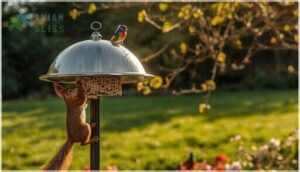
Think of squirrel baffles as your secret weapon—they’re smooth domes or cylinders that stop squirrels cold. Install them at least 44 inches off the ground on pole-mounted bird feeders, and position hanging feeders with double baffles spaced 2-3 feet apart for near-perfect protection.
Keep baffle materials clean and waxed, since dirt gives squirrels grip. Place feeders 8-10 feet from trees to prevent jumping hazards.
Choosing Weight-Activated and Caged Feeders
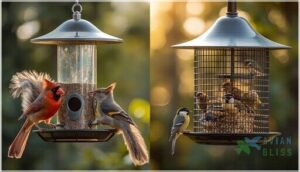
When squirrels raid your feeders daily, weight-activated models shut feeding ports the instant a squirrel lands—but lighter birds feed freely. These feeders need proper installation height (4-5 feet) and weight calibration for best results.
Caged designs use mesh barriers that welcome small songbirds while blocking squirrels completely.
Both options dramatically improve seed conservation and support bird diversity, though cage design affects which species can access your feeder.
Using Durable Feeder Materials
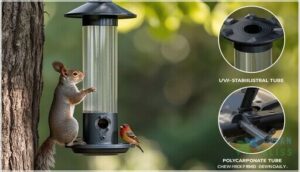
Powder-coated metal and UV-stabilized polycarbonate tubes deliver real material chew resistance—squirrels can’t gnaw through them like they destroy wood or thin plastic feeders.
You’ll extend your feeder lifespan by years and cut replacement costs by 30-50%.
These durable bird feeders preserve 100% of your seed while deterring raccoons and other pests, giving you control over who accesses your feeder.
Setting Up Physical Barriers and Obstacle Courses
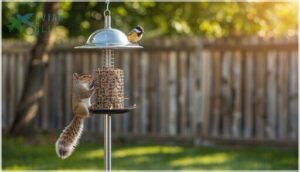
You can turn your feeder into a squirrel-proof fortress by layering multiple baffles and barriers. When you space cone baffles 2-3 feet apart on a pole or hanging setup, squirrels abandon their climbing attempts entirely—it’s too frustrating for them.
- Position a dome baffle 18 inches wide at least 4 feet high above your feeder
- Install a torpedo baffle on your pole 5-6 feet off the ground
- Double-check barrier tightness weekly to prevent slipping that squirrels exploit
Choosing Bird Seed That Deters Squirrels
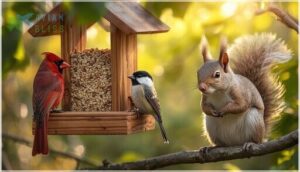
Not all birdseed is created equal for keeping squirrels at bay. Some seeds naturally taste bitter or unpleasant to squirrels, while others can be enhanced with spices that birds don’t mind but furry raiders can’t stand.
Let’s look at seed choices that’ll keep your feathered friends happy and those bushy-tailed bandits frustrated.
Safflower and Thistle Seed Options
Switching your seed selection can make all the difference. Safflower seed packs 25% more protein than white varieties, attracting cardinals and chickadees while squirrels won’t touch it. Thistle seed works even better for finches, and those bushy-tailed bandits ignore it completely.
Both options let you feed birds without the constant battle, though your feathered friends might need a week to adjust to the new menu.
Adding Cayenne Pepper or Spicy Blends
Heat works like a secret weapon—birds can’t taste capsaicin, but squirrels absolutely can. Mix one tablespoon of cayenne pepper per two cups of seed, coating everything evenly.
Commercial hot pepper blends pack more punch than homemade versions, though rain washes away the spice quickly. Wear gloves when handling pepper flakes to avoid skin irritation, and reapply after storms for consistent protection.
Mixing Seeds to Minimize Squirrel Appeal
Beyond spicy deterrents, you can outsmart squirrels by blending seeds they dislike. Safflower seeds make up to 40% of effective mixes—squirrels hate their bitter taste, but cardinals love them. Add nyjer for finches and white proso millet for sparrows.
Avoid cheap fillers like cracked corn that attract rodents. Rotating seasonal mixes keeps squirrels guessing while providing birds proper nutritional balance year-round.
Safe Use of Spicy Seed for Birds
Capsaicin toxicity isn’t a concern for birds—they lack the nerve receptors that make hot peppers burn. This bird tolerance lets you confidently use spicy seed application as a squirrel deterrent without harming feathered visitors.
When handling precautions matter most:
- Wear gloves mixing cayenne with bird seed to protect your skin
- Use one tablespoon per two cups for effective results
- Reapply after rain to maintain ecological benefits at your bird feeders
Maintenance and Prevention Tips for Feeders
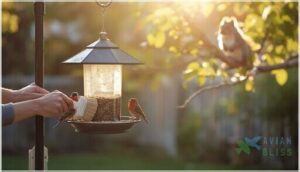
Even the best squirrel-proof setup won’t stay effective without regular upkeep. Simple habits like cleaning, checking for damage, and managing what’s around your feeders make all the difference.
Here are four maintenance practices that’ll keep squirrels at bay and your birds coming back.
Regular Cleaning and Damage Inspection
Keeping your bird feeders spotless isn’t just about appearances—it’s your frontline defense against disease and squirrels. The National Audubon Society recommends cleaning feeders once or twice monthly, tackling mold and droppings that attract rodents and outdoor pests. Regular inspections catch cracks squirrels exploit, while proper hygiene benefits include reduced spillage that lures critters back. Think of it as preventive maintenance that protects both birds and your wallet.
| Cleaning Task | Frequency | Primary Benefit |
|---|---|---|
| Full disinfection (bleach solution) | Monthly | Disease prevention & squirrel deterrence |
| Port & crevice scrubbing | Bi-weekly | Removes mold & seed buildup |
| Structural damage check | Weekly | Damage control & early repairs |
| Seed spillage cleanup | After refilling | Reduces rodent attraction |
| Complete drying protocol | After each wash | Prevents bacterial growth |
Bringing Feeders Inside Overnight
After tackling daily inspections, you’ve got another weapon against nocturnal animal raids: bringing feeders inside at dusk. Raccoons—not squirrels—are your biggest nighttime seed thieves, draining feeders while you sleep. Bird behavior studies confirm birds don’t feed after dark anyway, so you’re not depriving them.
This preventive measure delivers real results:
- Stops up to 50% of seed wastage in high-activity areas
- Preserves seed quality by preventing dew-related mold growth
- Reduces rodent infestations around feeding stations
Statistical findings back this simple routine for bird feeder protection.
Routine Feeder Refilling and Location Checks
Every day or two, you’ll want to check your feeder setup like a homeowner inspecting storm shutters. Squirrel access depends heavily on nearby vegetation growth—branches that didn’t reach last month might now serve as launching pads. Combine best placement checks with smart refilling frequency to prevent seed spoilage while maintaining deterrent maintenance. This dual approach keeps bird feeders productive and squirrels frustrated.
| Check Type | Frequency | What to Verify |
|---|---|---|
| Location Assessment | Weekly | 10-foot clearance from trees/fences maintained |
| Birdseed Levels | Daily | 24-48 hour supply prevents waste |
| Baffle Position | Bi-weekly | 5-8 feet height, no squirrel bypass routes |
| Spoilage Inspection | Every refill | Remove moldy seed, clean debris |
Harvesting Nearby Fruits and Removing Attractants
Clearing fallen apples and peaches eliminates what squirrels prefer most—those energy-rich food sources within 30 meters of your setup. Studies show proper fruit removal and yard maintenance cut feeder raids by 40-50%, since squirrels shift their foraging patterns when alternative food sources disappear.
Creating a 20-30 meter buffer zone around feeders, combined with sweeping up spilled seeds weekly, makes your bird feeders far less appealing.
Top 9 Squirrel-Proof Bird Feeder Products
If you’re ready to take your bird feeding setup to the next level, the right products can make all the difference. I’ve tested and researched a range of squirrel-proof options, from heavy-duty poles to clever baffles and feeders that actually work.
Here are nine standout products that’ll help you win the battle against backyard bandits.
1. Wildlife Friendly Vegetable Gardener How To
You’ll gain powerful insights into garden ecology by learning how to coexist with wildlife rather than wage war against them. This integrated approach teaches attracting wildlife like natural pest-control allies while deterring squirrels from feeders through sustainable gardening techniques.
At $13.10, the Wildlife Friendly Vegetable Gardener guide offers practical coexistence strategies and squirrel-proofing techniques that work with nature, not against it. You’ll discover how to create balance in your outdoor space, preventing squirrel access to bird feeders while maintaining a thriving ecosystem that benefits both birds and your vegetable garden.
2. Adjustable Heavy Duty Shepherd Hook
You’ll need a rock-solid foundation for your squirrel deterrent strategy, and the FEED GARDEN 92″ Adjustable Heavy Duty Shepherd Hook delivers exactly that. With its seven-prong base and premium steel construction, this hook offers remarkable stability and weight capacity up to 17 pounds—plenty for multiple bird feeders and baffles.
The adjustable height feature lets you fine-tune placement above the critical 5-foot mark where squirrels can’t jump, while the 2mm wall thickness ensures material durability against determined climbers. It’s baffle compatibility makes creating an effective squirrelproof system straightforward.
3. PFNRTH Metal Squirrel Baffle Guard
Think of the PFNRTH Metal Squirrel Baffle Guard as your feeder’s protective shield—a 17-inch iron dome that stops squirrels cold. Its solid metal baffle quality withstands chewing and weather resistance challenges, while installation best practices are simple: mount it five feet up and eight feet from trees.
With baffle effectiveness data showing 4.3 out of 5 stars from over 2000 users, consumer satisfaction runs high. This squirrelproof solution keeps bird feeders safe when you position it correctly, creating an unbeatable barrier those acrobatic squirrels can’t bypass.
4. Large Squirrel Proof Bird Feeder Baffle
When you’re tired of squirrels treating your feeder like an all-you-can-eat buffet, a 24-inch KITVONA baffle changes the game. This large squirrel baffle uses durable ABS material that won’t crack or fade, creating a slippery 24-inch barrier squirrels can’t grip or bypass.
Mount it five feet high and position your feeder outside the typical jumping radius—you’ll see why baffle effectiveness matters. With proper placement strategy, this squirrelproofing technique stops even determined climbers.
Users love its dual-purpose design: it keeps squirrels off while sheltering bird feeders from rain.
5. Sizzlenheat Hot Blend Bird Food
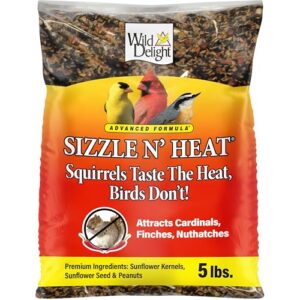
While physical barriers work wonders, you can also deter squirrels right at the source—with spicy seed. Wild Delight’s Sizzlenheat Hot Blend uses natural chili peppers to make meals unpleasant for squirrels without affecting birds, who lack capsaicin receptors.
Bird Preference Testing shows cardinals and finches still flock to feeders, while Squirrel Adaptation Risks remain low since most squirrels avoid the heat after one taste.
The Blend Ingredient Analysis reveals wholesome peanuts and sunflower kernels with no fillers. Cost-Benefit Evaluation? It’s worth trying if barriers alone aren’t cutting it.
6. Squirrel Stopper Deluxe Bird Feeder Pole
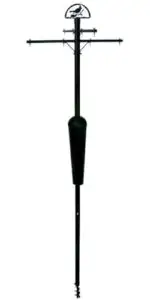
When spicy seed alone won’t solve the problem, the Squirrel Stopper Deluxe Bird Feeder Pole brings serious engineering to your backyard. This squirrelproof bird feeder pole stands 8 feet tall with a patented, spring-loaded baffle that shifts in all directions, blocking climbers cold.
Pole Installation takes minutes using the ground auger, and Material Durability shines with heavy 16-gauge steel construction. Feeder Capacity? You can hang 8 feeders at once. Baffle Effectiveness rates near perfect in reviews.
Cost Analysis shows $249.75 is steep, but squirrelproof bird feeder strategies this reliable pay off in saved seed and happy birds.
7. Squirrel Proof Bird Feeder Baffle
If steep pole systems stretch your budget, this torpedo-shaped steel baffle offers smart squirrel-proofing techniques at $32.08. The textured powder-coat finish on this 6.125-inch dome slides onto poles from 1/2″ to 1 3/8″ diameter, blocking climbers when mounted 4-5 feet high.
Consumer preferences lean toward metal over plastic for baffle materials, and this one delivers. Dome effectiveness depends on baffle placement—install it 10 feet from launch points, and squirrels hit a dead end.
Using baffles this way protects bird feeders without engineering degrees or drained wallets.
8. Woodlink Audubon Wrap Around Squirrel Baffle
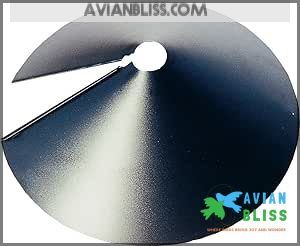
For 4×4 posts, the Woodlink Audubon Wrap Around Squirrel Baffle brings serious steel durability to your squirrel-proofing techniques. This 22-inch dome wraps around existing posts without dismantling your setup—just snap it on, secure with screws, and watch squirrels hit their limit.
The powder-coated steel offers weather resistance that outlasts plastic alternatives, preventing squirrel access when mounted 4-5 feet high and 10 feet from trees.
At roughly $30-$78 depending on where you shop, this baffle installation delivers squirrel defeat through sheer size and chew-proof construction that protects bird feeders season after season.
9. Woodlink Absolute II Squirrel Resistant Feeder
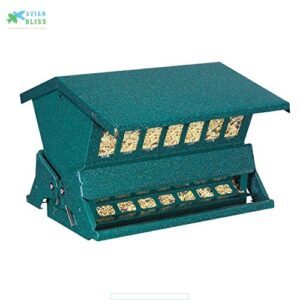
For best squirrel-resistant bird feeders, the Woodlink Absolute II brings weight adjustments you control—just dial perches to light, medium, or heavy bird settings, shutting out squirrels automatically.
Its chew-proof steel construction and material durability handle weather and persistent raiders, while the 12-15 pound seed capacity means fewer trips outside.
Installation options include hanging or pole mounting with included hardware, and consumer feedback consistently praises its effectiveness in preventing squirrels from accessing bird feeders.
At $85-$105, it’s a premium investment in squirrel-proofing techniques that actually works.
Frequently Asked Questions (FAQs)
Can You squirrel-proof a bird feeder?
Yes, you can squirrel-proof a bird feeder using proven deterring squirrels from feeders techniques. Double baffles on hanging feeders achieve 100% effectiveness, while pole-mounted squirrel deterrent methods show complete seed protection success.
How do you get rid of squirrels in a bird feeder?
Getting rid of squirrels already raiding your feeder takes a combination approach: add squirrel-proof baffles, move feeders to harder-to-reach spots, switch to spicy seed blends, and consider deterrent scents.
What do squirrels eat in a bird feeder?
Squirrels go straight for the high-calorie seeds in your feeder—black oil sunflower seeds, peanuts, and corn kernels top their list.
They’ll pick through mixed seed, grabbing preferred seeds first, then forage ground spills.
How to prevent squirrels at bird feeders?
You can prevent squirrels at bird feeders through strategic placement using the 5-7-9 rule, installing baffles, choosing weight-activated feeders, and selecting deterrent seeds like safflower or spicy blends that discourage squirrel behavior.
How do I keep squirrels away from my bird feeder?
Studies show feeders placed 10 feet from trees reduce squirrel raids by over 80%.
Protecting bird feeders requires smart feeder placement, effective baffle types, spicy seed choice, routine maintenance, and proven squirrel-proofing techniques using reliable products.
What do squirrels hate the most?
Spicy deterrents like cayenne pepper top the list, cutting feeding time by 66%.
Strong scents—peppermint oil, garlic, coffee grounds—also work wonders.
Sticky barriers and predator urine trigger their natural avoidance instincts effectively.
What is the 5 7 9 rule for squirrels?
You might think perfect feeder placement solves everything, but the 5-7-9 rule has limits. Squirrels can leap beyond typical distances, requiring baffle integration and reposition feeders regularly for effective squirrelproofing techniques.
How can I make a bird feeder squirrel proof?
You can make your bird feeder squirrel-proof by combining baffle installation with smart location strategies, squirrel-resistant feeder design, strategic seed choices, and consistent maintenance practices that address squirrel behavior patterns effectively.
What food distracts squirrels from bird feeders?
You can set up separate feeding stations with peanuts, corn, and sunflower seeds to keep squirrels busy.
These alternative food sources draw their attention away from bird feeders, discouraging squirrels from raiding them.
Which time of year sees most squirrel activity?
Fall brings the busiest squirrel activity as they ramp up foraging patterns and food caching for winter. Spring also peaks with nesting habits, while summer heat and winter cold naturally slow their backyard wildlife presence.
Conclusion
Think of your bird feeder as a stage—when you master how to keep squirrels out of bird feeders, the birds become the stars, and squirrels just the audience. With smart placement, sturdy barriers, and the right seed, you’re rewriting the script in favor of your feathered guests.
Every tweak you make tips the balance toward peaceful coexistence. Now, when you look out your window, you’ll see a scene you’ve choreographed: birds thriving, squirrels respectfully watching from the wings.