This site is supported by our readers. We may earn a commission, at no cost to you, if you purchase through links.
Squirrels are smarter than your average pest—they’ll solve a puzzle feeder in under a minute, remember where they buried thousands of nuts across a half-mile range, and still find time to chew through your attic insulation. That combination of persistence and intelligence is exactly what makes them so frustrating to deal with.
The good news? Their instincts also make them surprisingly easy to manipulate. Squirrels respond to hard-wired smells, sounds, textures, and the hint of a predator nearby. Learning to speak that language—through natural ways to deter squirrels—gives you a real edge without traps, poison, or a BB gun.
Table Of Contents
- Key Takeaways
- Squirrel Behavior and Common Garden Damage
- Natural Repellents to Deter Squirrels
- Physical Barriers and DIY Deterrents
- Squirrel-Proofing Bird Feeders and Gardens
- Top 10 Products for Natural Squirrel Deterrence
- 1. Heavy Duty Spray Bottles
- 2. Mighty Mint Rodent Repellent Spray
- 3. Coyote Urine Pest Repellent Spray
- 4. Natural Rodent Repellent Spray
- 5. Peppermint Bug And Insect Repellent Spray
- 6. Nature’s Dome Pest Control Spray
- 7. Ultrasonic Pest Repellent Device
- 8. Lonyeon Electric Fogger Machine
- 9. Badia Cayenne Pepper Spice
- 10. Fairchild Organic Apple Cider Vinegar
- Frequently Asked Questions (FAQs)
- What repels squirrels immediately?
- What is the best homemade squirrel repellent?
- What repels squirrels naturally?
- How do you keep squirrels away naturally?
- How long do natural deterrents remain effective?
- Are natural repellents safe around children and pets?
- What time of year works best for deterrents?
- Do natural methods work on all squirrel species?
- How often should natural deterrents be reapplied?
- How often should natural repellents be reapplied?
- Conclusion
Key Takeaways
- Squirrels are wired to flee from capsaicin, predator scents, and peppermint oil, so using these against their instincts is your fastest, most reliable fix.
- Layering two or three methods together — say, cayenne spray plus motion-activated sprinklers plus sealed entry points — works far better than any single tactic alone.
- Physical barriers like ¼-inch hardware cloth, buried 12 inches deep, stop squirrels cold where scent repellents can’t, especially around attic vents and garden beds.
- Consistency is everything — most natural repellents need reapplying every three to seven days, especially after rain, or squirrels will simply walk right back in.
Squirrel Behavior and Common Garden Damage

Squirrels are clever little troublemakers, and once they set their sights on your garden or home, they don’t give up easily. Before you can stop them, it helps to understand what’s drawing them in and what damage they’re quietly causing.
Switching to squirrel-resistant bird feeders is one of the simplest ways to cut off a key food source before squirrels ever make your yard a habit.
Here’s what you need to know.
Why Squirrels Invade Gardens and Homes
Squirrels don’t stumble into your yard by accident — they’re running a calculated search for food availability and shelter-seeking opportunities. Bird feeders, vegetable gardens, and fruit trees make your property an easy target, especially when cold weather or dry spells push them harder.
Attics offer climate comfort and urban safety from predators, while breeding females claim quiet, dark spaces for raising young.
Understanding this squirrel behavior is your first step toward smarter garden protection and home maintenance to block squirrel entry points.
Typical Signs of Squirrel Activity
Once they’ve settled in, the clues start adding up fast. You’ll hear scratching and scurrying in your attic around dawn or late afternoon — peak activity hours.
Look for dark, oval pellets about 1 cm long, similar to a raisin, near feeders or nesting zones. Paw track identifiers in soft soil show four-toed front prints and five-toed hind prints.
Rub mark evidence — greasy dark streaks along beams — confirms active entry points.
Nest material types like shredded insulation or fabric scraps? That’s squirrel damage hiding in plain sight.
How Squirrels Cause Structural and Plant Damage
Those scratching sounds aren’t just annoying — they’re costing you money. Roof gnawing opens gaps that let in rain, rot, and cold air. Attic insulation gets shredded for nesting, which spikes your energy bills. Electrical wire chewing is genuinely dangerous; exposed wires spark fires.
Squirrels don’t just scratch — they chew wires that spark fires and shred insulation that spikes your bills
Outside, tree bark stripping can slowly kill mature trees, while bulb digging wipes out your spring garden overnight.
Squirrel damage prevention starts with knowing what you’re up against.
Natural Repellents to Deter Squirrels

Good news — you don’t need harsh chemicals to send squirrels packing. Nature has handed you a solid lineup of smells and flavors these critters genuinely can’t stand.
Here are the natural repellents worth keeping in your toolkit.
Capsaicin and Hot Pepper Sprays
Few natural squirrel repellents hit as hard as capsaicin. It’s the compound that gives hot peppers their fire — and squirrels can’t stand it. Their eyes, nose, and mouth all react to it, which makes cayenne pepper spray one of the most reliable DIY squirrel repellent sprays you can make at home. For formulation ratios, mix 2 tablespoons cayenne pepper with 1 quart water and 3 drops dish soap. Simple and effective. Planting marigolds deter squirrels around vulnerable plants adds a natural scent barrier.
- Reapply every 7–14 days — application timing matters, especially after rain
- Wear gloves; safety precautions protect your skin too
- Natural squirrel repellents like this leave no harmful soil residue — minimal environmental impact
- Rotate with other methods to slow resistance development
Essential Oils (Peppermint, Rosemary, Garlic)
Essential oils might just be your secret weapon here. Peppermint oil’s menthol scent potency hits squirrels hard—menthol makes up nearly half the oil. For oil dilution ratios, mix 15 drops per cup of water and spray weekly.
Rosemary aerosol application adds a resinous layer they hate, while a garlic sulfur barrier confuses their foraging instincts.
Combined oil blends using these natural scent repellents for squirrels work better together than alone.
Vinegar and Cinnamon Applications
Combining vinegar and cinnamon is one of the easiest DIY fixes you can try.
Your basic cinnamon spray formula: 1 cup white vinegar, 1–2 tablespoons ground cinnamon, 2–3 cups water. Shake well, then hit these spots:
- Garden borders and planter edges
- Non-porous applications like fence posts and attic vents for an attic scent barrier
- Bird feeder poles and deck railings as a scent fence design
Reapply your vinegar solution every 3–5 days.
Predator Urine and Scent-Based Repellents
Predator urine acts as a "danger signal" squirrels instantly understand. Coyote urine and fox urine trigger hardwired fear responses — squirrels detect these active scent compounds and flee rapidly, typically within 24–48 hours.
For application, soak cotton balls or scatter granules along garden borders and entry points. These methods leverage natural scent repellents to deter squirrels effectively.
Reapply every 2–3 weeks, or sooner after rain, as these repellents fade quickly outdoors. Consistent maintenance ensures prolonged protection against squirrel intrusions.
Using Coffee Grounds and Soaps
Scatter used coffee grounds — about a handful per square foot — around garden beds, then grate a bar of Irish Spring Soap into the same zone. This scent layering combo targets squirrels from two directions.
A mix ratio of 1 cup grounds to ¼ cup soap shavings works effectively. Reapply every 2–3 days, especially after rain, to maintain potency.
Ensure pet safety by keeping thick piles away from dogs. Additionally, coffee grounds offer soil benefits, enriching garden beds naturally.
Physical Barriers and DIY Deterrents
Sometimes the best offense is a good defense — and squirrels are no different. If repellents are not effective, physical barriers can provide real, lasting control over your yard and home.
Here are some of the most effective options to explore.
Squirrel-Proof Fencing and Netting

Wire mesh fencing is your garden’s best bodyguard. Opt for galvanized steel—it’s tougher than plastic and squirrels can’t chew through it. For high-risk spots, hardware cloth fencing with ¼-inch openings works best.
- Mesh Size Matters — Stick to a ½-inch mesh or smaller.
- Fence Height Requirements — Ensure the fence is at least 6 feet tall.
- Durable Materials — Use galvanized or stainless steel only.
- Installation Techniques — Bury the bottom 12 inches deep.
Sealing Entry Points and Home Maintenance
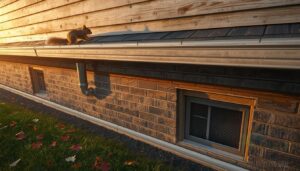
Squirrels can squeeze through a gap as small as ¼ inch — so don’t assume your home is already sealed.
Start with door seal repair at every threshold, then move to window gap fixing around loose frames. Use hardware cloth or expanding foam for utility hole sealing around pipes and cables. Add roof vent covers to soffits and attics, and don’t skip crawlspace maintenance.
Consistent home improvement habits keep entry points closed for good.
Motion-Activated Sprinklers and Scare Tactics
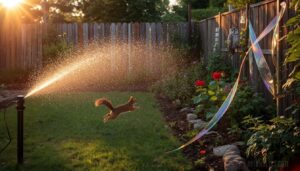
Once your gaps are sealed, it’s time to go on offense. Motion-activated sprinklers are one of the smartest Garden Protection Solutions around — infrared Motion Sensor Tech detects heat and movement up to 40 feet away, then fires a 3-to-5-second burst. That’s it. No chemicals, no traps.
Pair them with Scare Device Tactics like reflective tape or owl decoys, and you’ve got solid, ecofriendly pest control running on autopilot.
Mulching and Ground Cover Strategies
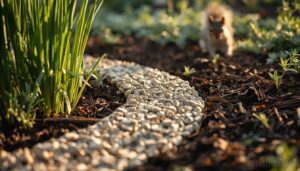
Mulching is sneaky-effective. Layer 2 inches of gravel around your beds — squirrels genuinely hate the texture on their paws, and Gravel Barrier Methods cut digging activity dramatically. For Organic Mulch Layers, mix in capsaicin, garlic, or peppermint oil along edges for extra punch.
Time it right with smart Mulch Application Timing:
- Apply immediately after planting bulbs
- Refresh layers every spring
- Install before first fall frost
Repellent Ground Covers like creeping thyme and rosemary pull double duty — beautiful and effective Physical Soil Barriers.
Squirrel-Proofing Bird Feeders and Gardens
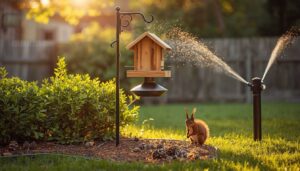
If squirrels have turned your bird feeder into their personal buffet, you’re not alone.
The good news is there are smart, simple fixes that actually work. Here’s what you can do to take your yard back.
Squirrel-Proof Bird Feeders and Baffles
The right feeder setup makes all the difference. Weight-Activated Feeders snap shut under a squirrel’s 16-to-24-ounce frame but stay open for lightweight songbirds. Cage Tube Designs add another layer, letting chickadees squeeze through gaps squirrels can’t fit.
For added defense, install Pole Baffle Systems at least five feet high and pair them with Hanging Dome Shields above.
Proper placement is key: keep squirrel-proof bird feeders ten feet from any branch, and they’ll move on fast.
Repellent Plants (Marigolds, Daffodils, Mint)
Your feeder setup is doing the heavy lifting up top—now let your garden do the same at ground level. Plant these in borders or clusters—isolated plants barely register. Dense groupings create Squirrel Plant Barriers that actually hold.
- Marigolds release terpenoid oils that squirrels genuinely can’t stand—Marigold Plant Benefits go beyond looks
- Daffodils contain lycorine, making Daffodil Toxicity a real, built-in defense for bulb beds
- Mint spreads fast and pushes out intense menthol vapor—classic Mint Repellent Properties at work
- Garlic clusters boost the scent wall considerably
- Rosemary adds woody fragrance squirrels routinely avoid
Trimming Trees and Reducing Shelter
Think of your trees as squirrel highways — and Tree Pruning Techniques are how you close the on-ramps. Keep branches at least six to eight feet from your roofline using Branch Clearance Guide principles. Canopy Thinning Tips, like selective crown removal, also strip away dense cover squirrels nest in.
Schedule trimming in late winter, before activity peaks. These Overhang Removal Strategies double as natural deterrents and solid Squirrel Barrier Methods — habitat modification that actually sticks.
Safe Food Storage and Clean-Up Tips
Squirrels follow their noses — so cutting off the scent trail is half the battle. Smart Food Storage Tips and basic Pest Proofing habits make your yard a lot less inviting.
- Seal dry goods in airtight containers and keep pet food covered tightly.
- Empty trash bins daily with secure lids — odor is the real invitation.
- Clean outdoor surfaces with white vinegar or dish soap after every meal.
Cold storage matters too. Refrigerate leftovers within two hours, and practice clean surface care on grills and prep areas. Small habits, big results.
Top 10 Products for Natural Squirrel Deterrence
You don’t need a chemistry degree or a pest control contract to win this battle. The right off-the-shelf products can make a real difference, whether you’re protecting your garden, your attic, or your bird feeder.
Here are ten natural options worth keeping in your corner.
1. Heavy Duty Spray Bottles
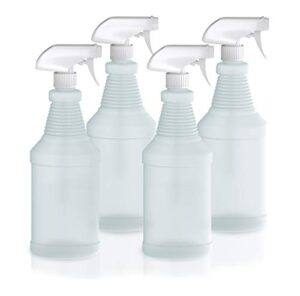
Before you mix a single drop of cayenne pepper spray, you need something reliable to put it in. A quality heavy-duty spray bottle isn’t glamorous, but it’s the backbone of every homemade repellent routine.
Look for 32 oz HDPE bottles—chemical-resistant plastic that won’t crack or warp when using vinegar-based solutions or hot pepper blends. The R2 Goods 4-pack is a solid pick. Each bottle features an adjustable trigger nozzle that switches between mist and stream, letting you coat wide garden beds or target specific areas like attic vents.
The semi-transparent body allows easy liquid-level checks, while the ergonomic grip proves invaluable during extended use, like 20 minutes of Saturday spraying. Avoid flimsy dollar-store versions—they clog quickly with thicker DIY mixes.
| Best For | Homeowners and gardeners who regularly work with chemical solutions, DIY repellents, or cleaning sprays and need reliable, chemical-resistant bottles that won’t quit halfway through the job. |
|---|---|
| Form Factor | Spray Bottle |
| Pet Safe | Yes |
| Indoor Use | Yes |
| Outdoor Use | Yes |
| Chemical Free | Yes |
| Size | 32 oz (4-pack) |
| Additional Features |
|
- HDPE plastic handles tough stuff like bleach, vinegar blends, and hot pepper sprays without warping or cracking
- The adjustable nozzle switches between mist and stream, so you can go from coating a whole garden bed to targeting a tight spot in seconds
- Semi-transparent body means you can see exactly how much liquid you have left — no guessing mid-task
- Some users run into loose nozzle fittings or sprayers that get inconsistent over time, which is frustrating mid-project
- The dip tube can clog with thicker mixes like vinegar and Epsom salt blends — not ideal if that’s your go-to solution
- The lightweight build works fine for casual use, but it might not hold up long-term under heavy, frequent use
2. Mighty Mint Rodent Repellent Spray
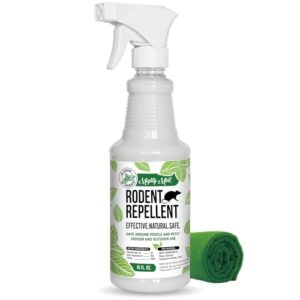
Mighty Mint Rodent Repellent Spray is your shortcut to skip mixing and measuring. It comes ready to use in a 16 oz bottle, powered by 4% concentrated peppermint oil — the scent squirrels genuinely can’t stand. The formula is water-based, pet-safe, and works indoors or outside without staining surfaces.
Spray it along garage edges, garden beds, kitchen baseboards, or attic entry points, and you’re done. The catch? You’ll need to reapply every few days, and more often after rain. For large properties, that adds up.
But for targeted trouble spots, it’s hard to beat the convenience. No gloves, no measuring cups — no mess. Just spray and let that fresh mint scent do the heavy lifting.
| Best For | Anyone who wants a quick, no-fuss way to keep mice and rodents out of specific areas — especially households with kids or pets. |
|---|---|
| Form Factor | Spray Bottle |
| Pet Safe | Yes |
| Indoor Use | Yes |
| Outdoor Use | Yes |
| Chemical Free | Yes |
| Size | 16 oz |
| Additional Features |
|
- Completely pet and family safe — no harsh chemicals, no fumes, no worries
- Works indoors and outdoors without staining, so you can spray pretty much anywhere
- Ready to use straight out of the bottle — no mixing, no measuring, just spray
- Needs frequent reapplication, especially after rain, which gets tedious on larger properties
- Won’t solve a serious infestation on its own — you’ll likely need traps or other measures too
- That initial mint scent can be pretty strong if you or someone in your home is sensitive to smells
3. Coyote Urine Pest Repellent Spray
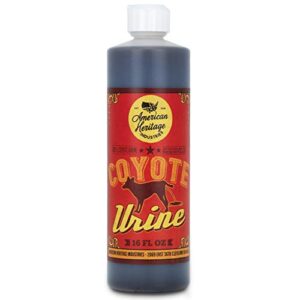
Nature already built the perfect squirrel alarm — you just need to bottle it. American Heritage Industries does exactly that with their 16 oz coyote urine spray, and it works because squirrels are hardwired to flee predator scent. When they catch a whiff, their brain says "coyote nearby" and they move on fast.
Spray it along fence lines, garden perimeters, and mulch beds where squirrels love to dig. One bottle covers a 200-foot perimeter twice, which goes pretty far for most yards. For the first two to three weeks, apply twice weekly, then dial back to twice monthly for upkeep.
Fair warning — the odor is intense. Wear gloves during application. At around $20, it’s best paired with physical barriers for stubborn squirrel pressure.
| Best For | Gardeners and homeowners who want a natural, chemical-free way to keep rabbits, squirrels, and other small pests out of their yard or garden. |
|---|---|
| Form Factor | Spray Bottle |
| Pet Safe | Yes |
| Indoor Use | No |
| Outdoor Use | Yes |
| Chemical Free | Yes |
| Size | 16 oz |
| Additional Features |
|
- Pure predator scent that taps into animals’ natural instincts — no chemicals needed
- Dual-use formula works for pest repelling and attracting coyotes for trapping or hunting
- Backed by a quality guarantee with customer support if it doesn’t work out
- The smell is seriously strong and lingers, so application day is not a pleasant experience
- Needs reapplication weekly or after every rain, which adds up over time
- Hit or miss on some animals — raccoons, possums, and feral cats tend to shrug it off
4. Natural Rodent Repellent Spray
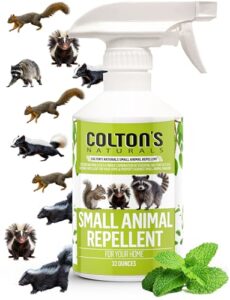
If you want something that works indoors and out without worrying about your dog or toddler, Colton’s Naturals Natural Rodent Repellent Spray is worth a look. It uses a triple-threat blend of peppermint, cinnamon, and cedarwood oils — scents that disrupt squirrels’ sense of direction and erase the scent trails they use to find your garden.
The 32 oz bottle retails for around $25 and is made in the USA with organic ingredients.
Apply it to garage corners, trash can lids, garden borders, or attic entry points — anywhere you notice activity. Reapply every 2–4 weeks, or more frequently after heavy rain.
While the peppermint smell is strong initially, that’s intentional: squirrels hate it far more than you will.
| Best For | Homeowners with kids or pets who want a chemical-free way to keep raccoons, mice, squirrels, and other critters away from their yard, garden, or home. |
|---|---|
| Form Factor | Spray Bottle |
| Pet Safe | Yes |
| Indoor Use | Yes |
| Outdoor Use | Yes |
| Chemical Free | Yes |
| Size | 32 oz |
| Additional Features |
|
- Safe around children, pets, and nursing mothers — no toxic chemicals involved
- Works in a ton of spots: trash cans, attics, gardens, car engines, decks, and more
- Rain-resistant formula with a decent 2–4 week window between applications
- Strong peppermint odor right after spraying — not exactly pleasant until it settles
- Needs consistent reapplication every few weeks, which adds up in cost over time
- Doesn’t work for everyone — some users report little effect on groundhogs or stubborn squirrels
5. Peppermint Bug And Insect Repellent Spray
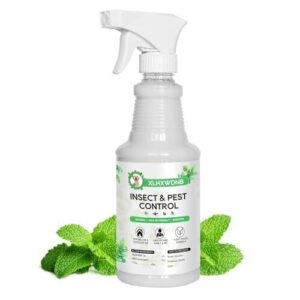
Stepping up from multi-oil blends, sometimes you just need something that pulls double duty — squirrels and bugs, one bottle. The Peppermint Bug and Insect Repellent Spray does exactly that.
It’s formulated with a plant-based formula using concentrated peppermint oil and geraniol, making it safe around dogs and cats when applied as directed. Spray it along baseboards, door frames, cracks, or garden edges to create a minty barrier that sends ants, spiders, and squirrels looking elsewhere.
The 16 oz bottle costs $15–20 and works indoors and outdoors. Reapply weekly or bi-weekly—more often after rain—to maintain effectiveness. Fair warning: the peppermint scent is strong, but that’s the point; squirrels hate it.
| Best For | Homeowners who want a pet-safe, plant-based spray that handles both insects and squirrels without harsh chemicals. |
|---|---|
| Form Factor | Spray Bottle |
| Pet Safe | Yes |
| Indoor Use | Yes |
| Outdoor Use | Yes |
| Chemical Free | Yes |
| Size | 16 oz |
| Additional Features |
|
- Plant-based formula with peppermint oil and geraniol — safe around dogs and cats when used as directed
- Works indoors and outdoors on baseboards, cracks, door frames, and garden edges
- Smells fresh and minty instead of like a chemical factory
- The peppermint scent is intense — can be overwhelming in enclosed spaces with repeated use
- Some bugs, especially roaches, may not be deterred and can return within a day
- Needs frequent reapplication, especially after rain, to stay effective
6. Nature’s Dome Pest Control Spray
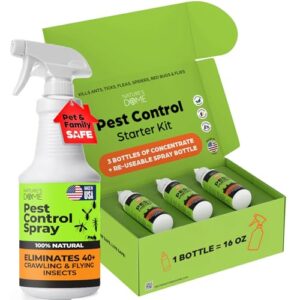
Nature’s Dome Pest Control Spray brings a whole team to the fight — geraniol, cinnamon oil, and cottonseed oil working together against over 40 pests, squirrels included.
Hold the bottle 6 to 8 inches from the surface and spray along baseboards, foundations, and garden beds. It’s phenol-free and clove-free, so sensitive households won’t face harsh chemical smells. The plant-based formula is safe around kids and pets when used as directed — genuinely useful if you’ve got both running through your yard.
At around $15 for a 16 oz bottle, it covers indoor and outdoor use. For heavier squirrel pressure, plan on weekly reapplication to maintain a strong barrier.
| Best For | Families with kids and pets who want a plant-based spray that tackles common household and garden pests without harsh chemicals. |
|---|---|
| Form Factor | Spray Bottle |
| Pet Safe | Yes |
| Indoor Use | Yes |
| Outdoor Use | Yes |
| Chemical Free | Yes |
| Size | 16 oz |
| Additional Features |
|
- Kills over 40 pests fast using a natural blend of geraniol, cinnamon, and cottonseed oil — no phenols or synthetic chemicals
- Safe around kids, pets, and food prep areas, so you can spray without clearing the house
- Works indoors and outdoors, covering up to 1,500 sq ft per 16 oz bottle
- Tougher pests like hard-shell roaches may need several rounds before you see real results
- Won’t help with mice or rats — you’ll need a separate product for rodent problems
- At $39.99 for the starter kit, it costs more upfront than most conventional sprays on the shelf
7. Ultrasonic Pest Repellent Device

The SUCGLES Ultrasonic Pest Repellent Device offers a hands-off alternative to weekly spraying. A 6-pack costs around $30—just five bucks a unit—and each plugs directly into a standard outlet. No mixing, measuring, or mess required.
The device cycles between 10kHz and 65kHz, shifting frequencies to prevent rodents from adapting. This adaptability is crucial, as squirrels are smarter than they look. Results aren’t instant, though: most users notice a difference after two to four weeks. Placement matters too, since ultrasound doesn’t penetrate walls—each room needs its own unit.
It’s chemical-free, pet-safe, and silent to human ears. However, mode two may emit a faint high-pitched tone detectable by some users.
| Best For | Homeowners who want a low-effort, chemical-free way to keep mice and other pests out of their living spaces. |
|---|---|
| Form Factor | Plug-In Device |
| Pet Safe | Yes |
| Indoor Use | Yes |
| Outdoor Use | No |
| Chemical Free | Yes |
| Size | 6-pack |
| Additional Features |
|
- Six units for around $30 makes it one of the cheaper pest control options out there
- Just plug it in and walk away — no sprays, traps, or maintenance needed
- Shifts between frequencies so rodents are less likely to get used to it
- Doesn’t work well against cockroaches, and some mice infestations go unaffected
- Ultrasound can’t pass through walls, so you’ll need a unit in every room
- The higher sound setting can cause nausea or a faint audible tone for some people
8. Lonyeon Electric Fogger Machine
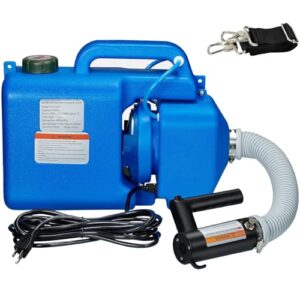
Ultrasonic devices work great room by room, but what if you need to cover a whole barn or sprawling backyard in one pass? That’s where the Lonyeon 8L Electric ULV Fogger earns its $70 price tag.
You fill the 8-liter tank with your peppermint or vinegar mix, strap it on like a backpack, and start walking. The 1,200-watt motor propels a fine mist 8 to 10 meters—nearly 30 feet of coverage per sweep. The adjustable nozzle lets you control output, and the 5-meter cord provides enough slack to move freely without unplugging every few steps.
It works indoors and outdoors, making attics, garages, and garden beds all fair game. Just rinse the tank after each use. Clogs are the enemy here, so maintenance is key to keeping it functional.
| Best For | Anyone who needs to fog large spaces like barns, warehouses, or big outdoor areas in a single walk-through. |
|---|---|
| Form Factor | Backpack Fogger |
| Pet Safe | Yes |
| Indoor Use | Yes |
| Outdoor Use | Yes |
| Chemical Free | Yes |
| Size | 8 L tank |
| Additional Features |
|
- Covers serious ground fast — the mist reaches up to 30 feet per sweep, making large spaces actually manageable
- The backpack design keeps your hands free while you work, which is a nice touch for long sessions
- Adjustable nozzle means you can dial in the output for different jobs, from disinfecting to cooling
- Reliability is a real concern — multiple buyers have reported motor burnout, overheating, and even internal sparking within a couple of years
- No warranty and spotty customer support means you’re mostly on your own if something goes wrong
- It’s noisy and produces fine mist that gets into everything, so a mask and earplugs aren’t optional — they’re necessary.
9. Badia Cayenne Pepper Spice
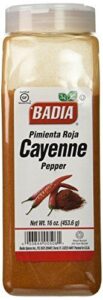
Few pest solutions pull double duty quite like Badia Cayenne Pepper. At around $5 for a 16-ounce shaker, it’s one of the cheapest weapons in your squirrel-fighting arsenal — and you can throw it in tonight’s chili too.
Squirrels can’t stand capsaicin, which burns their sinuses and paws, so they’ll avoid areas where it’s spread. Sprinkle it dry around plant beds and bulbs after it rains, or mix two tablespoons with a cup of oil and a quart of water for a spray. The shaker cap simplifies dosing.
It’s gluten-free, kosher, halal, and 100% ground cayenne with no additives. Reapply every three to five days or after rain. Wash your hands before touching your face — trust me on that.
| Best For | Home gardeners and budget-conscious cooks who want an affordable, natural way to keep squirrels out of their beds without spending big on specialty products. |
|---|---|
| Form Factor | Shaker Container |
| Pet Safe | Yes |
| Indoor Use | Yes |
| Outdoor Use | Yes |
| Chemical Free | Yes |
| Size | 16 oz |
| Additional Features |
|
- Dirt cheap at around $5 for a full pound — hard to beat for the quantity you get
- Pulls double duty as a pest deterrent and a solid everyday cooking spice
- Pure cayenne with no fillers, and it’s gluten-free, kosher, and halal
- Heat level can disappoint if you’re after something seriously spicy in the kitchen
- Pest control results are hit or miss — you’ll need to reapply every few days and after every rain
- A one-pound container is overkill if you’re only sprinkling it around a couple of pots
10. Fairchild Organic Apple Cider Vinegar
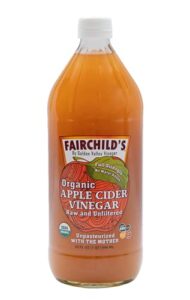
Fairchild Organic Apple Cider Vinegar, priced at $12 for a 32-ounce glass bottle, earns its spot as a versatile squirrel repellent you’ll want in your kitchen. Made from 100% Washington State organic apples with no added water or dilution, it offers 25% stronger concentration than typical store brands and 6.3% acidity that squirrels actively avoid.
For outdoor use, mix one ounce per gallon of water and spray around garden beds, pots, or entry points. In stubborn cases, combine it with garlic water to enhance effectiveness and encourage squirrels to reroute entirely. Note that reapplication is necessary after rain, as the scent diminishes outdoors.
Indoors, this raw, unfiltered vinegar—packed with the mother—serves triple duty: as a natural pest deterrent, a cooking essential, and a health-boosting staple. Its potency and purity make it a multifunctional household asset.
| Best For | Anyone who wants a strong, authentic, no-nonsense apple cider vinegar for daily health routines, cooking, or natural home remedies. |
|---|---|
| Form Factor | Glass Bottle |
| Pet Safe | Yes |
| Indoor Use | Yes |
| Outdoor Use | Yes |
| Chemical Free | Yes |
| Size | 32 oz |
| Additional Features |
|
- Truly undiluted and unfiltered — you’re getting full-strength ACV with the mother, not a watered-down version
- Glass bottle keeps the flavor clean and avoids the plastic leaching you’d get from cheaper packaging
- Versatile enough to use in the kitchen, on your skin and hair, or as a daily wellness tonic
- Glass bottles are fragile and shipping damage is a real risk when ordering online
- The high acidity can be rough on tooth enamel, so you’ll need to rinse after drinking it
- No gallon-size option and hard to find locally, which makes stocking up a bit inconvenient
Frequently Asked Questions (FAQs)
What repels squirrels immediately?
Picture a squirrel hitting a wall of scent and bolting. Capsaicin sprays, peppermint oil, and motion-activated sprinklers work almost instantly — squirrels hate all three and won’t stick around.
What is the best homemade squirrel repellent?
Your best bet is a simple cayenne pepper spray. Mix two tablespoons of cayenne with one quart of water and a dash of dish soap. It sticks to surfaces, irritates squirrels on contact, and costs almost nothing to make.
Spray it on fences, feeders, pots, and anywhere you see chew marks. Wear gloves when you mix it—that stuff lingers on your hands. Reapply every three to five days, or right after rain, since water washes the capsaicin away fast.
Want more punch? Add a few drops of peppermint oil or a splash of white vinegar to the mix. Combined scents hit squirrels harder than any single ingredient alone.
What repels squirrels naturally?
Like a force field made from your spice rack, strong scents are your best defense. Peppermint oil, cayenne pepper, garlic, and vinegar all send squirrels packing —
Coffee grounds, cinnamon, and predator urine quietly hold the line.
How do you keep squirrels away naturally?
Layer your defenses: combine capsaicin sprays, peppermint oil, and motion-activated sprinklers with physical fixes like sealing gaps, trimming branches, and planting daffodils or mint around your most vulnerable spots.
How long do natural deterrents remain effective?
Most natural deterrents last two to four weeks, but rain cuts their effectiveness short quickly.
Sprays may need reapplied every three to seven days, while granules last longer in dry weather.
Are natural repellents safe around children and pets?
Natural doesn’t always mean harmless. Capsaicin stings kids’ and pets’ eyes on contact. Peppermint oil is toxic to cats.
Keep all repellents diluted, applied outdoors, and well out of curious little ones’ reach.
What time of year works best for deterrents?
Start in late winter before mating season kicks off, then reinforce everything in early spring.
Late summer into fall is your second window, right as juveniles scatter and squirrels begin stashing food.
Do natural methods work on all squirrel species?
Not exactly. Ground squirrels respond well to capsaicin and barriers, but tree squirrels shrug off ground-level sprays. Flying squirrels often ignore scent repellents entirely — they’re too high up to care.
How often should natural deterrents be reapplied?
Reapply scent-based repellents every 3–5 days, and always after rain or heavy watering. Physical barriers just need a quick monthly check to confirm nothing’s shifted or worn through.
How often should natural repellents be reapplied?
Rain and squirrels work against you at the same time.
Reapply capsaicin sprays every three to five days, vinegar after each storm, and peppermint oil weekly.
Hit high-traffic spots daily during peak season.
Conclusion
Squirrels won’t surrender—but neither do you have to. The natural ways to deter squirrels covered here work because they hit instincts squirrels can’t override. Hot pepper burns. Predator scent triggers panic. Barriers block entry before a problem starts.
Stack two or three methods together and you’re not just annoying them—you’re making your yard genuinely not worth the effort.
Pick your starting point today, stay consistent, and let their own wiring work against them.
- https://x.com/intent/tweet?url=https%3A%2F%2Fthegardeningcook.com%2F%3Fp%3D28511&text=%F0%9F%90%BF%EF%B8%8F%F0%9F%8C%B1%20Squirrels%20tearing%20up%20your%20garden%3F%20You%20don%E2%80%99t%20need%20harsh%20chemicals%20to%20stop%20them%21%20Discover%20natural%20squirrel%20repellent%20ideas%20that%20actually%20work%20-%20DIY%20sprays%2C%20smells%20squirrels%20hate%2C%20and%20simple%20tricks%20to%20keep%20them%20out%20for%20good.%F0%9F%8C%BF%20Safe%2C%E2%80%A6&via=agardeningcook&related=agardeningcook
- https://www.pinterest.com/thegardeningcook/gardening-ideas/
- https://youtu.be/if8ta3VA0_k
- https://www.skedaddlewildlife.com/location/mississauga/blog/why-squirrels-are-drawn-to-your-house/
- https://elitewildlifesolutionsga.com/blog/6-reasons-squirrels-have-taken-residence-in-your-home/