This site is supported by our readers. We may earn a commission, at no cost to you, if you purchase through links.
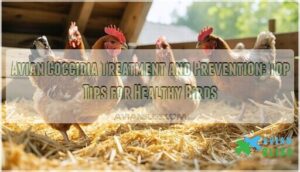 Avian coccidia treatment and prevention boil down to a mix of good hygiene, proper diet, and smart medical interventions.
To prevent this pesky protozoan infection, keep living areas spotless, use anticoccidials (like medicated feed or water additives), and consider vaccines for high-risk flocks.
Once coccidiosis strikes, early treatment with amprolium or other anticoccidials is key, and combine this with antibiotics if secondary infections pop up.
Provide supportive care—hydration is a lifesaver here, since coccidia thrive in moist, dirty environments.
Focus on clean bedding and dry feeding areas, as prevention’s worth every penny—your birds (and wallet) will thank you in the long run, with the overall goal of maintaining proper diet and hygiene practices.
Table Of Contents
- Key Takeaways
- Coccidiosis Causes Symptoms
- Avian Coccidia Prevention
- Top 9 Coccidiosis Treatments
- 1. Corid Amprolium Solution for Coccidiosis Treatment
- 2. Bidens Pilosa Natural Extract Tincture
- 3. Medicated Chick Starter Grower Feed
- 4. Herb Pharm Organic Turmeric Extract
- 5. Organic Turmeric Powder 1 lb
- 6. Starwest Botanicals Yucca Root Powder
- 7. Natures Plus Grape Seed Liquid
- 8. Solgar Grape Seed Extract Capsules
- 9. Grape Seed Extract Antioxidant Powder
- Disease Transmission Control
- Effective Treatment Methods
- Frequently Asked Questions (FAQs)
- How to control avian coccidiosis?
- What is the future vision of avian coccidiosis?
- Can avian coccidiosis be controlled by the Eimeria parasite?
- What is avian coccidiosis?
- How do you treat coccidiosis in birds?
- How to control coccidiosis in poultry?
- What is the best treatment for coccidiosis in birds?
- Is there a preventative for coccidia?
- Does apple cider vinegar help with coccidiosis in chickens?
- What naturally kills coccidia?
- Conclusion
Key Takeaways
- Keep your birds’ living areas clean, dry, and uncrowded to prevent coccidia from thriving in moist, dirty environments.
- Vaccinate young birds early and use medicated feeds or coccidiostats to boost immunity and disrupt the parasite’s cycle.
- Act fast if coccidiosis strikes by using anticoccidial drugs like amprolium and ensuring hydration to combat dehydration.
- Regularly clean bedding, rotate runs, and maintain strict hygiene to reduce exposure and transmission risks.
Coccidiosis Causes Symptoms
Coccidiosis is caused by protozoan parasites from the genus Eimeria, which invade the intestinal lining of birds and disrupt absorption.
Coccidiosis disrupts nutrient absorption, leaving birds weak and lethargic—early prevention is the key to safeguarding their health.
Infected birds often show symptoms like diarrhea, weight loss, and lethargy, making early identification essential for effective management, particularly to address the issue of lethargy.
Intestinal Infection
An intestinal infection like avian coccidiosis wreaks havoc on a bird’s mucosal lining, impairing nutrient absorption and overall health.
Damage worsens with certain Eimeria species and lesion severity.
To reduce risk:
- Keep environments dry and clean to prevent coccidia infection.
- Monitor birds for symptoms like diarrhea or weakness.
- Prioritize coccidiosis prevention through vaccination and strategic coccidia treatment.
Some birds, like the varied thrush, inhabit old-growth forests.
Protozoan Eimeria

Eimeria species are unique protozoans behind avian coccidiosis, impacting poultry health.
Their oocyst structure allows survival in harsh environments, fueling their life cycle within host birds.
With remarkable genetic diversity and host specificity, Eimeria thrives, complicating coccidiosis prevention.
Understanding these traits is essential for effective coccidia treatment, helping safeguard your flock through targeted strategies that disrupt their cycle, which is crucial for poultry health.
Economic Impact

Coccidiosis hits poultry farms hard, causing global losses over $3 billion annually.
A devastating disease, coccidiosis drains over $3 billion annually from poultry farms, emphasizing the dire need for prevention and effective management.
Between treatment costs and reduced farm profitability, it’s no small issue. Prevention ROI matters more than ever as avian coccidiosis impacts poultry markets.
Coccidiosis is primarily caused by intestinal infection from the Eimeria parasite.
- $13 billion global cost estimate
- 30% on disease control spending
- Reduced weight, feed efficiency in broilers
- Lower egg production hurts layers
- Antimicrobial resistance risk rising
Avian Coccidia Prevention
Preventing avian coccidiosis starts with maintaining a clean, dry environment and avoiding overcrowding, both of which reduce the risk of oocyst buildup.
Pairing these efforts with proper immunization and the use of coccidiostats guarantees your birds stay healthy and protected.
Immunization
A coccidia vaccine sparks your flock’s natural immune response, building protective immunity against harmful parasites.
Maternal immunity fades early, so follow a proper vaccination schedule for young chicks.
Breeder vaccination guarantees offspring start with improved immune status, and live oocyst vaccines effectively boost coccidia immunity.
Vaccination is your first defense against devastating infections—don’t skip this step, as controlled environmental exposure strengthens defenses.
Coccidiostats
To complement vaccines, coccidiostats are pivotal in poultry coccidiosis prevention.
These anticoccidial drugs disrupt coccidia reproduction, aiding immunity.
Drug rotation prevents coccidiostat resistance, while strict withdrawal periods guarantee safe poultry products.
Choosing effective coccidiostat types, like ionophores or synthetic compounds, supports coccidia control.
Many retailers offer poultry coccidiostat products.
With ongoing research into future alternatives, managing avian coccidiosis has never been more proactive.
Sanitation

Proper sanitation is vital for coccidia control.
Regular Coop Cleaning and disinfection prevent oocyst buildup, while managing bedding material guarantees dry, clean Litter Management.
Practice Feeder Hygiene and Water Sanitation daily to reduce contamination.
Rotate areas to minimize exposure during litter pecking.
Soil Treatment, like lime application, can help, and consistent sanitation practices protect your flock and enhance long-term health by ensuring complete concepts of sanitation are followed.
Top 9 Coccidiosis Treatments
When treating coccidiosis in birds, selecting the right approach is essential to restoring their health and preventing further complications.
Here, you’ll find a breakdown of effective treatments, ranging from medicated solutions to natural remedies, designed to target the parasite while supporting overall recovery.
1. Corid Amprolium Solution for Coccidiosis Treatment
 View On Amazon
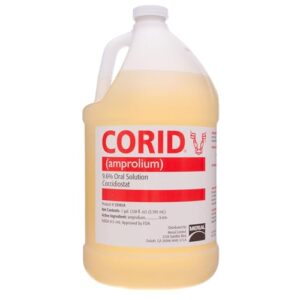
One option to treat avian coccidiosis is Corid Amprolium Solution, widely regarded for its effectiveness. Acting as a thiamine mimic, it disrupts protozoan reproduction, addressing infections caused by Eimeria species.
This liquid formulation is easy to administer: mix it in drinking water or use it as a drench for a precise dose. Trusted by veterinarians, Corid’s flexibility and trusted brand make it a reliable choice.
For broader parasite control, consider antiparasitic drug options under veterinary guidance. However, always follow product instructions carefully and consult a vet to guarantee the best possible outcome.
Best For: Calves affected by or at risk of coccidiosis, specifically Eimeria bovis and E. zurnii infections.
- Requires careful dosage and veterinarian guidance.
- Not suitable for use in other species without veterinary approval.
- Must be stored in a cool, dry place to maintain efficacy.
- Effective prevention and treatment of coccidiosis.
- Easy to administer with multiple methods (drinking water or drench).
- Large 128 Fl Oz size suitable for multiple treatments.
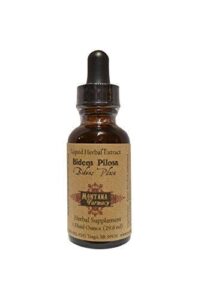
2. Bidens Pilosa Natural Extract Tincture
 View On Amazon
Bidens Pilosa Natural Extract Tincture offers a plant-based approach to coccidiosis prevention.
Known for its antimicrobial and immune-boosting properties, it’s a promising alternative to traditional treatments.
The tincture, made from organic Bidens Pilosa, is mixed with cane alcohol and water for a potent formulation.
Recommended usage is 1-3 droppers daily, but always consult your vet first.
Avoid using it during pregnancy.
Although research into its effectiveness is ongoing, it represents a step forward in sustainable, natural poultry health practices.
Best For: Individuals seeking a natural, plant-based supplement for immune support and microbial health.
- Effectiveness still under research.
- Not safe for use during pregnancy.
- Requires consultation with a healthcare provider before usage.
- Made from organic and sustainable ingredients.
- Antimicrobial and immune-boosting properties.
- Promotes coccidiosis prevention naturally.
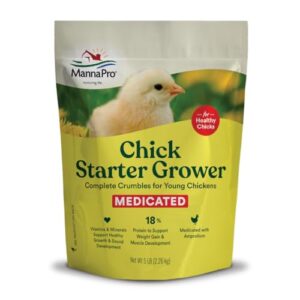
3. Medicated Chick Starter Grower Feed
 View On Amazon
Why not give your chicks the best start with Medicated Chick Starter Grower Feed? Packed with amprolium, it prevents coccidiosis while supporting overall health with vitamins and minerals.
The crumble form suits young birds, reducing waste and boosting growth. Its 18% protein guarantees weight gain and muscle development.
Perfect for chicks up to 22 weeks old, this feed is a game-changer in preventing disease. Just avoid use if they’re vaccinated for coccidiosis!
Healthy chicks mean happier flocks—don’t risk their start.
Best For: Chick owners seeking a high-protein, medicated feed to prevent coccidiosis and promote healthy growth for chicks up to 22 weeks old.
- Contains amprolium to prevent coccidiosis.
- Includes essential vitamins and minerals for overall health.
- Crumble form minimizes waste and suits young birds.
- Not suitable for chicks vaccinated for coccidiosis.
- Requires frequent refills due to high consumption rate.
- Some customer concerns about missing feeder base and return policy.
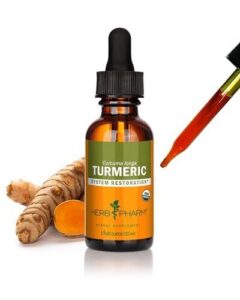
4. Herb Pharm Organic Turmeric Extract
 View On Amazon
Turmeric’s rich history as a healing herb makes Herb Pharm Organic Turmeric Extract a trusted choice for fighting inflammation and boosting immunity in chickens.
Packed with anti-inflammatory compounds, this liquid supplement aids in recovery from coccidiosis by supporting your bird’s overall health.
Highly concentrated, it’s easy to dose and travel-friendly—perfect for busy poultry keepers.
Although its strong taste might be a challenge, mixing it with juice helps, and to ensure effectiveness, shake before use, dose wisely, and keep your birds on the road to wellness.
Best For: Poultry keepers looking for an organic, anti-inflammatory supplement to support their flock’s health and recovery.
- Organic, highly concentrated formula for effective dosing.
- Easy to use and travel-friendly for busy lifestyles.
- Supports inflammation reduction and immune health.
- Strong, bitter taste may require mixing with juice.
- Contains alcohol, which could be problematic for sensitive individuals.
- May stain surfaces or clothing during handling.
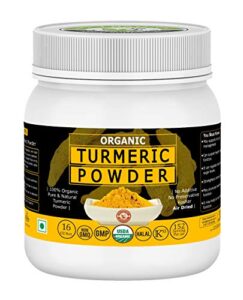
5. Organic Turmeric Powder 1 lb
 View On Amazon
For a natural addition to your bird’s coccidiosis prevention plan, Organic Turmeric Powder offers excellent benefits.
Turmeric supports immunity, reduces oocyst excretion, and combats infection naturally.
Rich in antioxidants and curcumin, it targets multiple stages of the Eimeria cycle while promoting overall wellness.
Mix a pinch into their feed or water for easy inclusion.
Beyond its health perks, turmeric’s antiparasitic properties make it a valuable alternative to synthetic treatments.
This versatile powder bridges effective prevention with a boost to your birds’ energy.
Best For: Bird owners seeking a natural, immunity-boosting alternative to synthetic treatments for coccidiosis prevention.
- Rich in antioxidants and curcumin for overall wellness.
- Natural antiparasitic properties to reduce oocyst excretion.
- Easy to include in daily feed or water.
- No specific storage instructions provided.
- Effects may vary depending on bird species.
- Requires regular use for noticeable results.
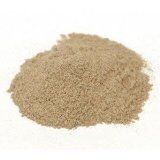
6. Starwest Botanicals Yucca Root Powder
 View On Amazon
Starwest Botanicals Yucca Root Powder is a versatile solution for managing coccidiosis in birds.
Packed with saponins, it helps reduce intestinal inflammation, supports immune health, and curbs potential flare-ups from infections.
When used in feed, it can improve antioxidant levels and reduce the stress response during heat or disease challenges.
This natural additive may also enhance nutrient absorption, promoting overall bird health in the face of coccidiosis threats.
Always consult a veterinarian before incorporating it into poultry care routines.
Best For: Individuals seeking a natural, multipurpose product for personal care, wellness, or poultry management.
- May require a patch test to check for allergic reactions.
- Needs proper storage to maintain effectiveness.
- Consultations recommended before use in medical or poultry applications.
- Rich in saponins for gentle cleansing and anti-inflammatory benefits.
- Versatile for DIY projects like soaps, shampoos, and skincare.
- Supports bird health by reducing inflammation and improving nutrient absorption.
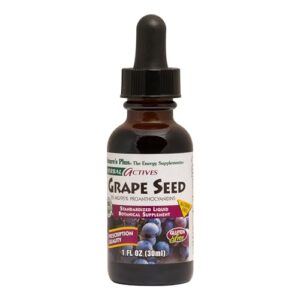
7. Natures Plus Grape Seed Liquid
 View On Amazon
Natures Plus Grape Seed Liquid packs a punch as a natural aid in managing coccidiosis.
Its antioxidant-rich formula helps support your bird’s immune system, potentially reducing stress caused by infections.
Easily mix it into water or feed—its raisin-like taste guarantees minimal resistance.
While not a cure, it complements other treatments, promoting overall health.
The liquid form is perfect if you’re avoiding pills.
Remember, it’s vital to consult your vet before adding supplements to your bird’s care routine for personalized advice.
Best For: Individuals looking for an easy-to-use, vegan, and gluten-free antioxidant supplement to support health, particularly those avoiding pills or capsules.
- Not a substitute for medical treatment or cure for conditions.
- Effects may vary based on individual health circumstances.
- Requires refrigeration after opening, which may limit portability.
- Liquid form with pleasant raisin-like taste and easy mixing options.
- Antioxidant-rich, supporting immune function and reducing stress.
- Suitable for vegans, vegetarians, and individuals avoiding allergens.
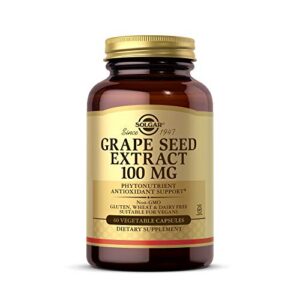
8. Solgar Grape Seed Extract Capsules
 View On Amazon
Solgar Grape Seed Extract Capsules pack a punch with natural antioxidants called OPCs, giving your birds a solid defense against oxidative stress linked to coccidiosis.
This supplement supports overall health, targeting inflammation and boosting circulation.
It’s vegan, gluten-free, and free of artificial additives, making it safe for sensitive diets.
Packaged in glass bottles, it protects product purity while ensuring eco-friendliness. Incorporating these capsules into your birds’ care routine can improve their resilience against illness and maintain their energy, helping them thrive in a healthier environment.
Best For: People seeking a natural, vegan-friendly antioxidant supplement to support cardiovascular health, reduce inflammation, and combat oxidative stress.
- Powerful antioxidant support with natural OPCs.
- Vegan, gluten-free, and free of artificial additives.
- Packaged in glass bottles for product purity and eco-friendliness.
- Some users report no noticeable difference in benefits.
- May not suit budgets due to premium pricing.
- Limited availability with only 8 units remaining.
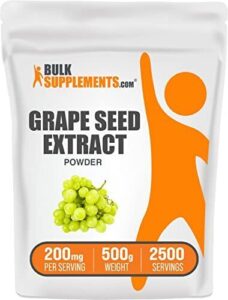
9. Grape Seed Extract Antioxidant Powder
 View On Amazon
For a powerful antioxidant boost, Grape Seed Extract Antioxidant Powder is worth considering in your bird care routine.
Packed with polyphenols and proanthocyanidins, it supports overall health by fighting oxidative stress and inflammation.
Its versatility works well in animal feed to enhance immunity while protecting against tissue damage caused by coccidiosis.
Although the taste can be challenging, mixing it with juice or using encapsulation solves the issue.
This cost-effective option guarantees your birds get essential nutrients to thrive, providing a powerful way to support their health.
Best For: Individuals looking for a high-antioxidant supplement to support skin, cardiovascular health, and overall well-being.
- Unpleasant taste that may require mixing or encapsulation.
- Powder clumps when wet and can stain surfaces.
- Requires precise measuring tools for accurate dosing.
- Rich in antioxidants like polyphenols and proanthocyanidins.
- Cost-effective bulk packaging with no fillers.
- Supports skin health, cardiovascular health, and anti-inflammatory benefits.
Disease Transmission Control
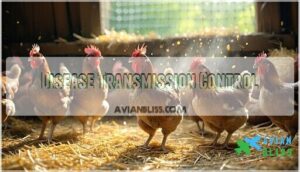
You can minimize the spread of avian coccidia by controlling fecal contamination and limiting direct contact between birds.
Maintaining a clean, dry environment with proper sanitation substantially reduces the risk of transmission.
Fecal Contamination
Managing fecal contamination is essential to keeping your birds healthy.
Contaminated feces harbor coccidia oocysts, spreading infection through litter pecking.
Follow these steps:
- Litter Management: Replace bedding material regularly to limit oocyst buildup.
- Water Contamination: Prevent spillage using sealed drinkers.
- Feed Spillage: Clean feed areas daily to avoid contamination.
- Vector Transmission: Minimize pest access to feed and water supplies.
Direct Contact
Avian coccidiosis spreads easily when birds have direct contact with feces. Poor litter management, overcrowding effects, and improper bedding increase risk.
Coccidia thrive in soiled areas, so maintaining clean, dry environments is key.
Strict hygiene practices are essential to prevent spread.
Species susceptibility varies, but biosecurity measures like separating sick birds and removing waste promptly help break the fecal-oral route, protecting your flock from infection, which requires proper bedding.
Environmental Management
Reducing flock density and staying alert to high humidity can make a big difference in managing coccidiosis.
Regular disinfection, proper hygiene practices, and litter management reduce oocyst buildup from pecking.
Using a poultry disinfectant cleaner can further aid in sanitation.
Optimize space and clean water supplies to control outbreaks, and prevent low oxygen tension with ventilation.
Every effort keeps your birds healthier and your farming success on track.
Effective Treatment Methods
When treating coccidiosis in birds, you need to act quickly and follow a structured approach.
Combining anticoccidial medications, antibiotics for secondary infections, and supportive care under veterinary guidance can greatly improve outcomes.
Anticoccidials
Anticoccidial drugs play a key role in tackling avian coccidiosis caused by Eimeria.
To manage drug resistance and maintain ionophore efficacy, several strategies can be employed:
- Use chemical anticoccidials in rotation.
- Try natural alternatives like turmeric or yucca.
- Follow precise dosage regimens to prevent resistance.
- Combine with solid management practices for long-term success.
Healthy poultry means controlled coccidiosis, and it is essential to consider exploring different poultry anticoccidial products for effective treatment to ensure the well-being of the poultry, which is a critical aspect of poultry farming, and can lead to long-term success.
Antibiotics
Antibiotics work alongside anticoccidial drugs to control secondary infections during avian coccidiosis treatment.
Balancing dosage regimens is essential to protect the gut microbiome while avoiding antibiotic resistance.
Always follow withdrawal periods for meat birds.
Explore alternative therapies like plant-based supplements alongside antibiotics for holistic care.
Consult veterinarians for guidelines customized to your flock’s needs for effective, safe treatments.
Coccidiosis, caused by Eimeria protozoan parasites, is a common poultry ailment.
| Concern | Action | Benefit | Note |
|---|---|---|---|
| Antibiotic Resistance | Rotate medications | Slows drug resistance | Avoid overuse |
| Gut Microbiome | Balanced dosages | Maintains healthy digestion | Veterinary input essential |
| Dosage Regimens | Follow prescriptions | Reduces complications | Adjust per bird weight |
| Withdrawal Periods | Adhere strictly | Ensures meat safety | Check product guidelines |
Supportive Care
Keeping your birds comfortable is key when managing avian coccidiosis.
Supportive care focuses on hydration methods like electrolyte balance solutions, improving intestinal health with probiotics, and ensuring nutritional support through well-rounded diets.
Minimize stress by keeping the environment calm and clean.
These steps boost recovery, helping poultry fight coccidiosis while strengthening their overall health and resilience. It’s simple yet effective care!
Veterinary Guidance
Accurate coccidia diagnosis is the backbone of successful poultry coccidiosis management.
A vet helps tailor treatment protocols, ensuring vaccines suit your flock’s needs.
Resistance monitoring prevents ineffective remedies.
Holistic approaches, blending veterinary medicine with environmental care, safeguard long-term bird health.
Rely on expert guidance to navigate avian coccidiosis challenges and keep your poultry thriving, with a focus on successful poultry coccidiosis management and holistic approaches.
Frequently Asked Questions (FAQs)
How to control avian coccidiosis?
Keeping coccidiosis at bay is like keeping a tidy house—focus on clean, dry environments, rotate runs, and control moisture.
Vaccinate early, use coccidiostats wisely, and consult your vet for customized prevention strategies.
What is the future vision of avian coccidiosis?
The future of avian coccidiosis focuses on advancing vaccine technologies, enhancing biosecurity, and refining genetic resistance in flocks.
Integrative approaches, like precision farming and new anticoccidial agents, aim to sustainably reduce its economic and health impact.
Can avian coccidiosis be controlled by the Eimeria parasite?
Imagine a flock thriving post-outbreak—yes, you can control avian coccidiosis caused by Eimeria.
Combine vaccination, clean housing, and coccidiostats to disrupt its growth cycle and boost immunity, ensuring healthier, more productive birds.
This approach allows for the effective management of coccidiosis, leading to improved outcomes for the flock.
What is avian coccidiosis?
Avian coccidiosis is a common intestinal disease in birds caused by Eimeria parasites.
It damages the gut lining, leading to symptoms like diarrhea, weight loss, and reduced growth, especially in overcrowded or unsanitary conditions, which can be exacerbated by the presence of these parasites, highlighting the importance of sanitary conditions.
How do you treat coccidiosis in birds?
Think of coccidiosis as a hidden thief in your flock.
Treat it early with medications like amprolium, isolate infected birds, make certain clean living spaces, and provide hydration to counter dehydration and keep your birds thriving with medications.
How to control coccidiosis in poultry?
Control coccidiosis by ensuring clean, dry environments, avoiding overcrowding, and practicing strict hygiene.
Rotate pastures, use medicated feed or vaccines, and monitor birds regularly.
Quick action keeps your flock healthy and minimizes costly losses, which is crucial for maintaining a healthy flock.
What is the best treatment for coccidiosis in birds?
Treat coccidiosis like stopping a leaky faucet—quick action is key.
Use anticoccidial drugs like amprolium or toltrazuril under veterinary guidance.
Isolate sick birds, make certain of hydration, and sanitize their environment to prevent reinfection.
Is there a preventative for coccidia?
Yes, you can prevent coccidia.
Vaccinate young birds early, keep living areas clean and dry, minimize overcrowding, and regularly rotate runs.
Feed additives like coccidiostats also help break the infection cycle effectively, and by doing so, you can effectively prevent the spread of coccidia.
Does apple cider vinegar help with coccidiosis in chickens?
Apple cider vinegar doesn’t cure coccidiosis, but it may support gut health by balancing pH levels.
Use it as a supplement, not a treatment, and always prioritize proven methods like vaccination, hygiene, and veterinary advice.
What naturally kills coccidia?
Did you know nearly all chicken flocks are exposed to coccidia?
Natural remedies like garlic, oregano oil, and high tannin plants can disrupt coccidia’s lifecycle.
Boosting hygiene and dry bedding also weakens these parasites effectively.
Conclusion
Think of avian coccidia treatment and prevention as a puzzle where every piece matters.
Prioritize hygiene to disrupt coccidia’s moist, dirty hideouts, and bolster your flock’s immunity with vaccines or medicated feeds.
Swiftly address outbreaks using anticoccidials, and support recovery with hydration and clean living spaces.
Relentlessly manage sanitation to curb transmission, and stay proactive with a proper diet and care plan.
By maintaining these efforts, you’ll safeguard your birds’ health and prevent costly losses.
- http://www.farad.org/
- https://doi.org/10.1016/j.advwatres.2021.103987
- https://scholar.google.com/scholar_lookup?journal=African%20Journal%20of%20Biotechnology&title=Chemical%20composition%20of%20chicken%20meat%20produced%20in%20extensive%20indoor%20and%20free%20range%20rearing%20systems&author=S.%20Bogosavljevic-Boskovic&author=S.%20Mitrovic&author=R.%20Djokovic&author=V.%20Doskovic&author=V.%20Djermanovic&volume=9&issue=53&publication_year=2010&pages=9069-9075&
- http://faostat.fao.org/
- https://tvmdl.tamu.edu/2018/03/02/necrotic-enteritis-broilers/