This site is supported by our readers. We may earn a commission, at no cost to you, if you purchase through links.
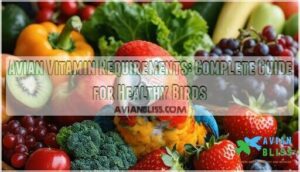 Your bird’s health hinges on getting avian vitamin requirements right.
Vitamin A keeps eyes clear and immune systems strong, while B vitamins fuel energy metabolism and nerve function.
Vitamin C fights stress and boosts immunity, though most birds produce it naturally.
Vitamin D3 is essential for calcium absorption and bone health, while vitamin E protects cells from damage.
Adult parrots need 10-15% protein, but growing chicks require 18-22%.
Fresh vegetables like kale and bell peppers provide natural vitamins, while quality pellets offer balanced nutrition.
Seed-only diets often create dangerous deficiencies that manifest as eye problems, weak bones, and poor feather quality—subtle warning signs that reveal deeper nutritional imbalances most bird owners completely miss, highlighting the importance of a well-planned diet for overall health and immune systems.
Table Of Contents
- Key Takeaways
- Essential Vitamins for Avian Health
- Key Nutritional Factors in Bird Diets
- Vitamin Sources in Avian Diets
- Life Stage Differences in Vitamin Needs
- Recognizing Vitamin Deficiencies in Birds
- Do Birds Need Vitamin Supplements?
- Choosing The Right Supplements
- Transitioning to Balanced Diets
- Common Dietary Mistakes to Avoid
- Importance of Veterinary Nutrition Guidance
- Frequently Asked Questions (FAQs)
- What vitamins do avian birds need?
- How much protein do avians need?
- Do birds need vitamin supplements?
- Why should you consult an avian veterinarian?
- What causes vitamin A deficiency in birds?
- Do companion birds need vitamin D?
- Can vitamins interact with common bird medications?
- How do seasonal changes affect vitamin requirements?
- Do different climates require vitamin adjustments?
- Which vitamins help with molting difficulties?
- Conclusion
Key Takeaways
- You’ll need five essential vitamins daily – Vitamin A for eye health and immunity, B-complex for energy metabolism, vitamin C for stress response, vitamin D3 for calcium absorption, and vitamin E for cellular protection work together to prevent serious deficiencies.
- Don’t rely on seed-only diets – Seeds create dangerous nutritional gaps that cause eye problems, weak bones, and poor feather quality, while quality pellets provide balanced nutrition that meets your bird’s complete vitamin requirements.
- Indoor birds need vitamin D3 supplementation – Without natural sunlight exposure, your bird can’t produce adequate vitamin D3 for proper calcium absorption, leading to metabolic bone disease and reproductive problems.
- Work with an avian veterinarian for proper supplementation – Most birds on quality pelleted diets don’t need extra vitamins, but seed-eating birds or those showing deficiency symptoms require targeted supplements under professional guidance to avoid dangerous toxicity.
Essential Vitamins for Avian Health
Your bird’s health depends on five essential vitamins that work together like a well-orchestrated team.
Understanding these necessary nutrients helps you provide the foundation for vibrant plumage, strong immunity, and ideal metabolic function throughout your feathered companion’s life, which relies on these nutrients working together in harmony for overall health.
Vitamin a and Eye Health
Understanding Vitamin A’s role in avian vision requires recognizing this nutrient as your bird’s primary defense against eye disorders.
You’ll find that Vitamin A supports eye health, bird vision, and retina health while preventing corneal damage through these essential mechanisms:
- Maintains corneal transparency – Prevents cloudy eye conditions that impair sight
- Supports tear production – Keeps eyes moist and free from bacterial infections
- Strengthens retinal function – Guarantees proper light processing for clear vision
- Prevents night blindness – Maintains low-light visual acuity essential for survival
B Vitamins for Energy Metabolism
B Complex vitamins power your bird’s cellular engines, driving energy metabolism and supporting nervous system function.
These water-soluble vitamins require daily replenishment since birds can’t store them. Deficiencies manifest through lethargy, poor feather development, and neurological symptoms.
Quality pelleted diets typically provide adequate B Complex vitamins for metabolic balance.
| B Vitamin | Primary Function |
|---|---|
| B1 (Thiamine) | Converts carbohydrates to energy |
| B2 (Riboflavin) | Supports cellular respiration |
| B3 (Niacin) | Aids protein and fat metabolism |
| B6 (Pyridoxine) | Promotes amino acid processing |
| B12 (Cobalamin) | Maintains nerve cell health |
The B Complex vitamins are crucial for overall bird health, and their daily replenishment is necessary to prevent deficiencies.
Vitamin C for Immune Function
Unlike humans, birds synthesize vitamin C internally, making dietary supplementation typically unnecessary.
However, stress, illness, or poor nutrition can compromise this natural production, requiring targeted intervention through vitamin sources and immune boosters for ideal avian health.
- Stress Response Support – Vitamin C acts as a powerful dietary antioxidant, helping birds cope with environmental stressors and maintaining bird wellness during challenging periods.
- Immune System Enhancement – This vitamin strengthens white blood cell function and antibody production, reducing susceptibility to infections and supporting overall immune defense mechanisms.
- Antioxidant Protection – Vitamin C neutralizes harmful free radicals that damage cellular structures, protecting tissues from oxidative stress and promoting longevity in companion birds.
- Wound Healing Acceleration – Essential for collagen synthesis, vitamin C supports tissue repair and feather regeneration, particularly important for birds recovering from injuries or molting cycles.
Vitamin D3 and Calcium Absorption
Vitamin D3 functions as the key that activates calcium absorption in your bird’s digestive system.
Without adequate vitamin D3, birds can’t properly absorb dietary calcium, leading to weak bones, poor eggshell formation, and metabolic disorders.
Indoor birds particularly require vitamin D3 supplementation since they lack natural sunlight exposure that typically stimulates vitamin D production in wild birds.
Vitamin E for Cellular Protection
While calcium absorption keeps bones strong, your bird’s cells need their own bodyguard against damage.
Vitamin E acts as a powerful antioxidant, protecting cell membranes from free radicals and oxidative stress.
This lipid protection maintains cellular health throughout your bird’s body.
Without adequate vitamin E, cellular damage accumulates, leading to serious avian vitamin deficiencies affecting immune function and reproductive health.
Key Nutritional Factors in Bird Diets
Beyond vitamins, your bird’s health depends on a precise balance of proteins, fats, carbohydrates, minerals, and water that work together like a well-tuned engine.
Understanding these essential building blocks helps you provide the complete nutrition your feathered companion needs for vibrant health, strong flight muscles, and glossy plumage.
Protein and Amino Acid Needs
Your bird’s protein requirements directly impact muscle development and feather growth throughout its lifetime.
Adult parrots need 10-15% crude protein for maintenance, while growing chicks require 18-22% to support rapid development.
Meeting these dietary requirements guarantees healthy avian nutrition and prevents deficiency-related health problems.
- Amino acid balance matters more than total protein – lysine and methionine are first-limiting nutrients
- Protein sources vary in digestibility – animal proteins provide complete profiles, plant sources need careful formulation
- Life stage determines needs – breeding birds and molting adults require increased protein intake
Fats and Essential Fatty Acids
Beyond providing energy, fats serve as essential building blocks for your bird’s cellular health and hormone production.
Essential fatty acids like linoleic and arachidonic acid support proper lipid metabolism and enable fat-soluble vitamin absorption.
However, high-fat diets can trigger hepatic lipidosis and obesity complications.
Balanced omega ratios from quality fatty acid sources prevent these issues while maintaining peak health.
Carbohydrates and Energy Requirements
Carbohydrate metabolism drives your bird’s daily activities, from flight to foraging.
These Energy Sources convert to glucose for immediate use or fat storage in the liver. Complex carbohydrates like Starch Content provide sustained energy, while simple Sugar Intake offers quick fuel bursts.
Adequate Fiber Requirements support digestive health, making carbohydrates fundamental to overall bird nutrition needs and thorough avian nutrition guide compliance.
Meeting species-specific protein requirements is also essential for overall avian health.
Calcium and Phosphorus Balance
Maintaining proper dietary ratios between calcium and phosphorus proves vital for avian nutrition, as this balance directly impacts bone development, egg production, and renal health.
You’ll need to verify ratios stay between 1:1 and 2:1 for ideal mineral absorption.
- Supplementation risks: Excess phosphorus blocks calcium absorption, leading to metabolic bone disease
- Vitamin D requirements: Indoor birds need D3 supplementation to properly utilize calcium minerals
- Species considerations: Egg-laying females require higher calcium levels during reproductive periods
Importance of Clean Water
Water quality directly influences vitamin requirements birds can properly absorb and utilize.
Fresh, clean water must be accessible daily for ideal hydration levels and nutrient bioavailability. Well water requires boiling to prevent bacterial contamination that compromises vessel hygiene.
Poor water accessibility limits how effectively avian dietary supplements and bird health supplements function. You’ll notice dehydration quickly affects vitamin absorption, making quality H2O your foundation for successful avian health supplements and avian care vitamins administration.
Vitamin Sources in Avian Diets
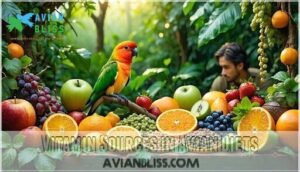
Understanding where your bird gets its vitamins determines whether you’re providing complete nutrition or creating dangerous deficiencies.
Your feathered friend’s vitamin needs can be met through high-quality pellets, fresh produce, or carefully managed natural foraging—but each source has distinct advantages and critical limitations you must understand.
Commercially Formulated Pellets
Commercially formulated pellets represent the gold standard in avian nutrition, delivering concentrated vitamins through advanced manufacturing processes.
Extrusion benefits include enhanced palatability and bioavailability of nutrients, while pellet shapes and colors provide psychological enrichment. Species-specific pellets address unique vitamin requirements across different bird families.
Many owners choose to supplement with additional avian vitamins to promote overall health.
- Your bird’s health depends entirely on pellet quality – cheap alternatives lack proper vitamin fortification
- Consumption monitoring becomes your lifeline – without it, deficiencies develop silently over months
- Wrong pellet choice means watching your feathered friend suffer – species-specific formulations prevent tragic outcomes
Fresh Fruits and Vegetables
Fresh fruits and vegetables provide naturally bioavailable vitamins that support ideal avian nutrition.
Safe produce like kale delivers 9,991 IU vitamin A per 100g, while bell peppers supply beta-carotene for epithelial health.
Vegetable variety prevents deficiencies—rotate leafy greens, squash, and berries weekly.
Limit fruit sugar intake to avoid obesity.
Proper preparation methods retain maximum nutritional benefits for bird health.
Seed-Based Diets and Limitations
Seeds might seem like a bird’s natural go-to, but they’re nutritional wildcards that can shortchange your feathered friend.
Historical Context shows seeds dominated avian diets for decades, yet Seed Diet Risks include high fat content and vitamin deficiencies birds commonly develop.
Nutritional Deficiencies from seed-based diets create serious health gaps, while Palatability Issues make Changeover Strategies challenging when switching to balanced nutrition that meets thorough vitamin requirements birds actually need.
Natural Foraging and Wild Diets
Wild birds navigate diverse ecosystems where they encounter hundreds of plant species, creating a natural vitamin-rich buffet that captivates nutritionists studying avian nutrition.
Nature’s pharmacy spreads across countless ecosystems, offering birds an endless vitamin buffet that modern nutrition science strives to replicate
This Wild Diet Variety includes seeds, fruits, leaves, bark, and insects that provide essential nutrients.
Foraging Enrichment Methods replicate these Natural Food Sources by hiding foods throughout enclosures, encouraging natural behaviors.
Mimicking Wild Diets supports Nutritional Balance, meeting vitamin requirements birds need for peak health across different bird species.
Life Stage Differences in Vitamin Needs
Just like human children need different nutrition than adults, your bird’s vitamin requirements change dramatically throughout its life.
Growing chicks require substantially higher levels of vitamins A, D3, and B-complex to support rapid feather development and bone formation.
While senior birds need adjusted vitamin E and calcium ratios to maintain aging organs and prevent deficiencies.
Neonate and Juvenile Birds
Young birds face heightened vitamin demands during rapid development.
Hatchlings require 2,000 IU/kg of Vitamin A for proper eye formation, while Vitamin D3 deficiency reduces bone mineralization by 30% within ten days.
Hand-feeding techniques must incorporate B vitamins at twice adult levels due to accelerated metabolism.
Growth monitoring reveals protein needs of 20-25% dry matter for healthy development.
Nutritional deficiencies during weaning strategies can increase respiratory infection susceptibility by 60%, making early socialization periods critical for establishing proper avian nutrition foundations.
It’s also vital to prevent toxic food ingestion to guarantee healthy development, focusing on proper avian nutrition and avoiding toxic food.
Adult Maintenance Requirements
Throughout adulthood, your bird’s nutritional foundation stays remarkably consistent, requiring balanced nutrition through commercially formulated pellets that deliver essential vitamins and minerals.
Adult Vitamin Needs center on maintaining peak health rather than supporting rapid growth.
Maintenance Diet Variety should include dark leafy greens and colorful vegetables alongside quality pellets.
Proper Mineral Balance and Hydration Importance remain critical for sustained wellness in mature avian diets.
Senior Bird Considerations
Geriatric birds face unique nutritional challenges as their aging bodies struggle with nutrient absorption and metabolism.
Senior avian companions require specialized dietary adjustments to maintain prime health during their golden years.
Consider these essential modifications for aging birds:
- Enhanced vitamin absorption – Increase vitamin A and E concentrations to combat cellular damage and support immune function
- Joint support supplementation – Add omega-3 fatty acids and antioxidants to reduce inflammation and maintain mobility
- Cognitive decline prevention – Provide B-complex vitamins to support neurological function and mental acuity
- Feather quality maintenance – Guarantee adequate protein and essential amino acids for proper molting cycles
Monitor your senior bird’s appetite and energy levels closely, as mobility issues can affect their ability to reach food stations effectively.
Breeding and Egg-Laying Birds
During breeding season, your birds face tremendous physiological demands that require enhanced nutritional support.
Egg production depletes calcium reserves rapidly, making adequate calcium and vitamin D essential for strong eggshell formation and preventing egg-binding.
Breeding females need increased protein for chick development, while both parents require ideal avian nutrition to maintain energy levels during intensive feeding periods.
Monitor calcium needs closely—deficiencies can prove fatal during this critical reproductive phase.
Recognizing Vitamin Deficiencies in Birds
Identifying vitamin deficiencies early prevents serious health complications and guarantees your bird maintains prime well-being throughout its life.
You’ll notice specific physical and behavioral changes that signal when your feathered companion isn’t getting the nutrients it needs to thrive.
Signs of Vitamin a Deficiency
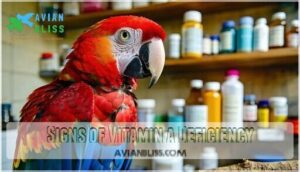
Recognizing vitamin A deficiency requires vigilance, as symptoms develop gradually and affect multiple body systems.
You’ll notice conjunctivitis with swollen eyelids and nasal discharge first, followed by white oral lesions that signal compromised epithelial health.
Vision problems emerge as corneal keratinization progresses, while feather quality deteriorates during molting cycles.
Appetite loss often accompanies these changes, making nutritional deficiencies worse, and it is crucial to contact your avian veterinarian immediately if these signs appear, as prompt intervention prevents serious complications and restores avian health through proper vitamins and balanced nutrition.
Symptoms of Vitamin D Deficiency
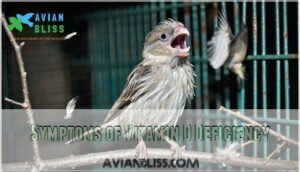
Vitamin D deficiency frequently manifests as calcium absorption problems, creating a domino effect throughout your bird’s system.
Without adequate vitamin D, calcium can’t reach where it’s needed most.
Watch for these telltale signs:
- Bone weakness and fractures from normal activities
- Egg problems including thin shells or binding issues
- Muscle tremors progressing to seizures in severe cases
Feather abnormalities may also develop as calcium-dependent processes fail, compromising your bird’s overall health and well-being.
Effects of Vitamin E and B Deficiencies
Beyond calcium concerns, Vitamin E Deficiency wreaks havoc on your bird’s reproductive system and muscle function.
You’ll notice muscle weakness, poor fertility, and egg-laying problems.
B Vitamin Deficiency triggers serious neurological effects, including seizures, tremors, and coordination issues.
Feather Abnormalities often accompany these nutritional deficiencies, creating a cascade of health problems requiring immediate avian veterinarian intervention for serious neurological effects.
Behavioral and Physical Indicators
Looking beyond obvious symptoms, you’ll notice subtle behavioral and physical indicators of nutritional deficiencies in your feathered friend.
Activity levels may drop dramatically, while appetite shifts become apparent as birds refuse favorite foods.
Feather changes include dullness or abnormal molting patterns, and vocalizations often decrease.
Fecal changes reveal underlying avian nutrition problems, and understanding these bird vitamin requirements helps identify when bird health deteriorates due to vitamins deficiencies.
Do Birds Need Vitamin Supplements?
You’ll need to determine if your bird requires vitamin supplementation based on their current diet and health status.
Most birds eating high-quality pelleted diets don’t need additional vitamins, but certain situations like seed-only diets, illness, or breeding may require targeted supplementation under veterinary guidance.
Risks of Over-Supplementation
Over-supplementation poses serious risks to your bird’s health, transforming beneficial vitamins into dangerous toxins.
Hypervitaminosis risks include organ damage, particularly to kidneys and liver, while behavioral changes signal toxicity symptoms developing.
Proper dosage control prevents these complications:
- Kidney failure from excess vitamin D3
- Liver damage from fat-soluble vitamin overdose
- Neurological symptoms from vitamin A toxicity
- Digestive upset from B-vitamin excess
- Reproductive issues from vitamin E overload
Understanding vitamin d toxicity is essential for maintaining your bird’s overall health and preventing long-term damage.
Situations Requiring Supplements
While most birds thrive on balanced diets, certain situations demand targeted vitamin supplements birds need for peak health.
Health Crises like illness, injury, or stress dramatically increase Supplement Needs, requiring Vitamin Therapy to address specific Nutrient Gaps.
| Situation | Primary Deficiency Risk | Supplementation Focus |
|---|---|---|
| Post-illness recovery | Vitamin C, B-complex | Immune support, energy metabolism |
| Breeding season | Vitamin E, calcium, D3 | Reproductive health, egg formation |
| Indoor housing | Vitamin D3 | Calcium absorption, bone health |
| Antibiotic treatment | Vitamin K, probiotics | Gut flora restoration |
| Stress/molting | B-complex, vitamin A | Feather development, nerve function |
Dietary Supplements become necessary when birds show clear Deficiency Signs or face environmental challenges that standard diets can’t address.
Vitamin and Mineral Supplementation should target specific needs rather than broad-spectrum approaches.
Birds require proper bird vitamin intake to maintain peak health and prevent deficiencies.
Species-Specific Supplementation
Different bird species require customized vitamin supplements based on their unique physiological needs and natural diets.
Seed-eating finches need different nutrient levels than nectar-feeding hummingbirds or fruit-loving parrots.
Your bird’s species dictates specific avian nutrition requirements—canaries benefit from additional vitamin E during molting, while indoor birds typically need vitamin D3 supplementation.
Understanding these species-specific vitamin needs guarantees proper bird care vitamins.
Monitoring for Adverse Effects

Vigilant monitoring prevents vitamin toxicity and adverse reactions that can harm your feathered companion.
Watch for lethargy, loss of appetite, or behavioral changes after introducing avian nutrition supplements.
Excess vitamin D3 and calcium supplementation can cause kidney damage and nutrient imbalances.
Record any side effects and consult your veterinarian immediately if health risks emerge from supplementation protocols.
Choosing The Right Supplements
Selecting appropriate supplements for your bird requires careful consideration of current diet quality and species-specific needs.
Most birds on complete pelleted diets don’t need additional vitamins, but those eating primarily seeds or showing deficiency symptoms may benefit from targeted supplementation under veterinary guidance.
Consulting With an Avian Veterinarian
Partnering with an avian veterinarian provides the foundation for safe supplementation decisions. These specialists understand bird vitamin requirements and can assess your feathered friend’s specific needs through thorough avian health checks.
Your vet consultation should cover:
- Current diet evaluation – analyzing existing nutrition gaps
- Species-specific requirements – tailoring avian diet planning to your bird’s unique needs
- Health status assessment – identifying deficiencies through physical examination
- Supplement recommendations – selecting appropriate avian nutrition supplements based on veterinary guidance.
Understanding proper vitamin supplement options is vital for your bird’s health.
This collaborative approach guarantees your bird nutrition guide aligns with professional veterinary care standards.
Evaluating Supplement Quality
Quality standards separate reliable supplements from questionable alternatives.
Look for GMP certification and ISO-certified manufacturers that demonstrate adherence to manufacturing standards.
Pharmaceutical-grade supplements contain fewer contaminants than basic formulations.
Check for USP verified labels indicating ingredient sourcing meets established purity requirements.
Independent lab testing with batch-specific reports confirms calcium and vitamin D3 concentrations.
Avoid products lacking clear expiry dates or ingredient transparency—your bird’s health depends on supplement testing and quality control verification.
The importance of supplement testing cannot be overstated, as it directly impacts the health and wellbeing of your bird.
Dosage and Administration Guidelines
Follow manufacturer recommendations for Vitamin Dosage and Administration Tips, typically 2-3 drops per ounce of water or food.
Supplement Timing matters—morning application guarantees better absorption with Dietary Guidelines.
Vitamin D3 and Calcium Supplementation require precise measurements since Dosing Errors can harm poultry vitamin needs.
Monitor avian nutrition facts closely, adjusting based on your bird’s response and veterinary guidance.
Avoiding Toxicity and Interactions
Vitamin toxicity poses serious risks when supplements exceed recommended dosages for avian species.
Vitamin D3 overdose causes renal failure, while excessive vitamin A triggers liver damage.
Monitor for nutrient imbalance symptoms including lethargy and digestive issues.
Avoid combining multiple supplements containing identical vitamins, as mineral overload can trigger avian poisoning.
Always verify dietary requirements before supplementing to prevent toxic food interactions and ensure the bird’s health is not compromised by vitamin toxicity.
Transitioning to Balanced Diets
Switching your bird from a seed-heavy diet to balanced pellets requires patience, as many birds resist change initially.
You’ll need to monitor fecal output and eating behavior closely during this shift to make certain your feathered friend maintains proper nutrition while adapting to healthier food options.
Challenges Moving From Seeds to Pellets
Most birds initially resist pellet introduction, with up to 60% showing food neophobia toward unfamiliar textures.
Seed dependency creates strong visual and olfactory feeding preferences that challenge diet change.
Bird conversion requires patience as pelleted diets may seem artificial compared to familiar seed-based diets.
Gradual pellet acceptance improves when you blend pellets with seeds, reducing feeding stress while maintaining calcium supplementation and vitamin D intake during the switch.
Monitoring Health During Transition
Successfully switching from seed-based to pelleted diets requires careful observation of your bird’s physical condition and behavior.
Health Checks during diet swaps should focus on monitoring weight stability, energy levels, and overall vitality to guarantee proper avian nutrition.
Monitor these key indicators during dietary changes:
- Feather Condition – Watch for improved shine and reduced breakage as vitamin D and calcium absorption improves
- Beak Health – Note changes in color, texture, and overall strength indicating better nutrition
- Droppings Analysis – Observe consistency, color, and frequency changes reflecting dietary adaptation
- Weight Tracking – Record weekly measurements to prevent dangerous weight loss during adjustment
- Activity Levels – Monitor energy, vocalization, and normal behaviors as vitamins take effect
Addressing Selective Eating
During dietary shifts, selective eating behaviors can undermine nutritional balance.
Birds often exhibit strong food preferences, making dietary enrichment challenging.
Nutrition counseling becomes essential when introducing vitamins, minerals, essential fatty acids, calcium, and vitamin D3 through varied food sources.
| Challenge | Strategy | Expected Outcome |
|---|---|---|
| Seed preference | Mix pellets with familiar seeds | Gradual acceptance of new textures |
| Color avoidance | Offer multiple colored options | Increased food variety consumption |
| Texture rejection | Provide different pellet shapes | Enhanced dietary compliance |
Eating habits develop through patience and consistency.
Bird preferences can shift when owners maintain structured feeding schedules while monitoring nutritional intake carefully.
Common Dietary Mistakes to Avoid
Even well-intentioned bird owners make dietary errors that compromise their pets’ vitamin absorption and overall health.
Understanding these common mistakes helps you provide ideal nutrition while avoiding potentially harmful feeding practices that can lead to deficiencies or toxicity, which is crucial for maintaining your pet’s health and preventing deficiencies.
Overuse of Seeds and Treats
Seeds aren’t inherently evil, but they become problematic when they dominate your bird’s diet.
SeedBased Diets create Seed Addiction, leading to severe Nutrient Imbalance that compromises bird health through selective eating patterns.
Consider these troubling consequences of excessive seed consumption:
- Malnutrition masquerading as satisfaction – birds feel full but lack essential vitamins
- Behavioral problems including aggression and feather plucking from poor Avian Nutrition and Diet
- Shortened lifespan due to organ damage from high-fat content
- Reproductive failures affecting breeding success
Establishing proper Treat Limits and Feeding Guidelines prevents these issues. Seeds should comprise no more than 10% of your bird’s total intake, with commercially formulated pellets forming the foundation.
During Diet Shift periods, monitor consumption carefully to verify your bird receives complete nutrition and diet balance supporting peak bird dietary needs.
Improper Calcium:Phosphorus Ratios
Unfortunately, many bird owners unknowingly create calcium imbalance by offering seed-heavy diets with improper calcium-phosphorus ratios.
When phosphorus exceeds calcium, your bird faces serious health consequences including avian osteoporosis and bone disease.
| Calcium:Phosphorus Ratio | Health Impact | Common Outcome |
|---|---|---|
| Below 1:1 | Severe nutrient deficiency | Rickets, fractures |
| 1:1 to 1.5:1 | Moderate calcium absorption issues | Muscle tremors, weakness |
| Above 2:1 (ideal) | Perfect bone health | Strong skeleton, normal development |
| Seed-only diets | Phosphorus toxicity risk | 40% lower bone density |
Pelleted diets prevent these nutrition requirements disasters while supporting calcium and vitamin D3 absorption for proper avian health and nutrition.
Offering Unsafe Foods
Many bird owners unknowingly harm their feathered companions by offering foods that seem harmless but contain toxic compounds or hazardous ingredients.
Proper avian nutrition requires understanding which foods pose serious risks to bird health and avoiding deadly diets that can cause food contamination and avian poisoning.
Five Foods That Can Kill Your Bird:
- Chocolate and caffeine – Contains theobromine that causes seizures and cardiac arrest
- Avocado – Persin toxin leads to respiratory distress and sudden death
- Onions and garlic – Cause severe anemia by destroying red blood cells
- Apple seeds and fruit pits – Release cyanide when digested, causing organ failure
- Salt and high-sodium foods – Trigger dehydration, kidney damage, and neurological symptoms
Misuse of Grit and Dairy Products
Commonly, bird owners mistakenly provide grit to psittacines, creating serious Grit Hazards since these species hull seeds before eating.
This unnecessary supplement causes crop impaction and digestive blockages. Similarly, Dairy Issues arise when owners offer milk products containing indigestible lactose, leading to severe gastrointestinal distress.
These Toxic Foods represent significant Avian Poisoning risks, creating dangerous Nutrient Imbalance that disrupts proper dietary management.
Importance of Veterinary Nutrition Guidance
Your bird’s vitamin needs aren’t guesswork—they’re precise nutritional requirements that only qualified avian veterinarians can properly assess and monitor.
Working with an experienced vet guarantees your feathered companion receives species-appropriate nutrition adapted to their life stage, health status, and individual needs.
Role of Regular Health Assessments
Regular Health Checks serve as your bird’s nutritional compass, helping avian veterinarians detect deficiencies before symptoms appear.
These Wellness Evaluations enable targeted Nutrition Counseling that transforms your feathered friend’s diet from guesswork into precision care.
- Baseline establishment through thorough Bird Exams documenting current nutritional status
- Early detection via Avian Screening for vitamin deficiencies and metabolic disorders
- Personalized recommendations for Supplements and Vitamins based on individual bird needs
- Progress monitoring to assess how dietary changes impact overall Bird Health outcomes
Species-Specific Dietary Planning
Beyond basic nutrition requirements, effective Diet Planning requires understanding each species’ unique Bird Physiology and natural Feeding Strategies.
Your veterinarian develops Species Profiles considering native habitat, metabolism, and digestive capabilities.
Amazon parrots need low-fat diets, while macaws require higher fat content. Eclectus parrots demand increased vitamin A levels compared to cockatiels.
This targeted approach prevents iron overload in softbills and calcium deficiency in African Greys through specialized Nutrition and Diet Planning. Understanding the importance of balanced nutrition needs is essential for creating effective diet plans for various bird species.
Collaborative Care in Zoological Settings
Zoo Nutrition programs in large zoological institutions require coordinated Team Collaboration between avian veterinarians, curators, keepers, and Avian Experts.
This multidisciplinary approach guarantees Species Management meets individual nutritional needs across diverse collections.
Conservation Efforts benefit when zoological institutions share successful breeding protocols and Nutrition Management strategies, creating thorough avian nutrition databases for improved outcomes.
- Keeper insights provide daily behavioral observations that inform dietary adjustments and feeding schedules
- Veterinary monitoring tracks vitamin levels and health markers to prevent deficiencies before symptoms appear
- Curator expertise guides species-specific requirements based on natural habitat diets and reproductive needs
Owner Education for Optimal Health
Through proper Owner Guidance, you’ll transform your bird’s health outcomes dramatically.
Effective Diet Planning requires understanding species-specific needs, while consistent Health Monitoring catches deficiencies early.
Avian Wellness depends on your commitment to learning proper Bird Nutrition principles and implementing evidence-based feeding strategies.
| Education Focus | Implementation Strategy |
|---|---|
| Avian Nutrition Basics | Learn species-specific vitamin requirements |
| Diet Planning Methods | Create balanced feeding schedules |
| Health Monitoring Signs | Track physical and behavioral changes |
| Supplement Guidelines | Follow veterinary dosage recommendations |
| Bird Health Assessment | Schedule regular wellness examinations |
Frequently Asked Questions (FAQs)
What vitamins do avian birds need?
Like a delicate symphony, your bird’s body orchestrates vitamins A, B-complex, C, D3, and E daily.
You’ll need vitamin A for vision and immunity, B-complex for energy metabolism, vitamin C for stress resistance, D3 for calcium absorption, and E for cellular protection, which all work together for your bird’s overall health, with B-complex being crucial for energy metabolism.
How much protein do avians need?
Granivorous birds need a minimum 12% protein in their diet, while other species may require more.
You’ll want to avoid excess protein, as it can cause kidney problems, behavioral issues, and regurgitation in your feathered friend.
Do birds need vitamin supplements?
An ounce of prevention is worth a pound of cure.
You’ll typically need supplements if your bird eats seed-only diets, but high-quality pelleted foods already contain essential vitamins, making additional supplementation unnecessary, as they follow the idea that an ounce of prevention is worth a pound of cure.
Why should you consult an avian veterinarian?
Avian veterinarians possess specialized knowledge that’s essential for your bird’s health.
They’ll assess your specific bird’s nutritional needs, detect deficiency symptoms, and recommend appropriate supplements if necessary, preventing serious health complications.
What causes vitamin A deficiency in birds?
You’ll find that vitamin A deficiency in birds stems from seed-heavy diets lacking fresh vegetables, particularly dark leafy greens and orange produce that naturally contain beta-carotene.
Do companion birds need vitamin D?
Yes, companion birds absolutely need vitamin D3, especially indoor birds who lack natural sunlight exposure. Vitamin D3 is essential for calcium absorption and bone health in all avian species.
Can vitamins interact with common bird medications?
Don’t put all your eggs in one basket—vitamins can interact with bird medications like antibiotics, which disrupt vitamin absorption, potentially causing deficiencies or requiring dosage adjustments for ideal health.
How do seasonal changes affect vitamin requirements?
During breeding season and molting periods, you’ll need to boost your bird’s vitamin A and protein intake.
Indoor birds require more vitamin D3 year-round since they lack natural sunlight exposure for synthesis.
Do different climates require vitamin adjustments?
Tropical climates often require vitamin D3 supplementation since indoor birds miss natural sunlight, while cold regions need increased vitamin A for immune support and respiratory health during winter months.
Which vitamins help with molting difficulties?
You can’t make an omelet without breaking a few eggs" – molting’s tough, but you’ve got nutritional allies.
Vitamin A supports healthy feather development, while B-complex vitamins boost energy metabolism during this demanding process.
Vitamin E protects cells from oxidative stress.
Conclusion
Despite concerns about cost and complexity, proper avian vitamin requirements aren’t optional—they’re fundamental to your bird’s survival.
Balanced nutrition prevents devastating deficiencies that cause blindness, bone fractures, and immune collapse.
You can’t rely on seeds alone; they’re nutritionally incomplete.
Quality pellets, fresh vegetables, and appropriate supplements guarantee a healthy lifestyle.
Work with an avian veterinarian to develop species-specific feeding protocols.
Your bird’s vibrant feathers, clear eyes, and energetic behavior depend on meeting these essential vitamin needs consistently.