This site is supported by our readers. We may earn a commission, at no cost to you, if you purchase through links.
Your backyard cardinals keep ignoring the feeder, and the finches look scraggly. Sound familiar? Here’s the thing: most bird enthusiasts mean well, but they’re accidentally serving the avian equivalent of candy for breakfast, lunch, and dinner.
A balanced bird seed diet isn’t about filling any old feeder with whatever’s on sale—it’s about understanding that different seeds pack different nutritional punches, and variety isn’t just nice, it’s necessary.
Just like you wouldn’t thrive on potato chips alone (tempting as that sounds), birds need the right mix of proteins, fats, and carbs to keep their feathers glossy and their energy high.
Once you crack the code on what actually belongs in that feeder, you’ll notice stronger, healthier visitors who stick around season after season.
Table Of Contents
- Key Takeaways
- What is a Balanced Bird Seed Diet?
- Essential Seed Types for Bird Health
- Enhancing Bird Diets Beyond Seeds
- Top 10 Bird Seed Products for a Balanced Diet
- 1. Black Oil Sunflower Bird Seed
- 2. Wild Bird Sunflower Seed Mix
- 3. Kaytee Sunflower Seeds For Wild Birds
- 4. Wagner’s Nyjer Seed Bird Food
- 5. Droll Yankees Finch Bird Feeder
- 6. Safflower Seed Wild Bird Food
- 7. Wagners Cracked Corn Wild Bird Food
- 8. Lyric Peanut Wild Bird Seed
- 9. Wild Bird Food Variety Blend
- 10. Wagner’s Supreme Wild Bird Food Blend
- Tips for Serving and Storing Bird Seed
- Frequently Asked Questions (FAQs)
- Conclusion
Key Takeaways
- A balanced bird seed diet requires variety—mixing sunflower, safflower, nyjer, and supplemental seeds delivers the proteins, fats, and carbs birds need to maintain glossy feathers and consistent energy levels throughout the year.
- Single-seed diets create nutritional gaps and toxicity risks, so rotating seed types every 1-2 weeks mimics natural foraging behavior while preventing deficiencies that lead to dull plumage and weakened immunity.
- Fresh produce, pellets, and clean water aren’t optional extras—they provide essential vitamins, minerals, and hydration that seeds alone can’t deliver, completing the nutritional foundation for long-term bird health.
- Proper seed storage in airtight containers, monthly feeder cleaning with warm soapy water, and strategic feeder placement prevent mold growth and disease transmission while keeping your backyard visitors thriving season after season.
What is a Balanced Bird Seed Diet?
A balanced bird seed diet isn’t just about filling the feeder—it’s about giving your feathered friends the right mix of nutrients to thrive. Think of it like building a plate for yourself: you wouldn’t eat just bread every day, and birds need variety too.
Let’s break down what makes a diet truly balanced, so you can feel confident you’re doing right by your backyard visitors.
Key Nutritional Components for Birds
A balanced bird nutrition and diet starts with five core building blocks. Carbohydrate intake fuels daily flights and keeps body temps steady, while protein sources power feather growth and tissue repair. Fat requirements pack concentrated energy—think of it as premium fuel! Don’t forget vitamin needs for immunity and mineral balance (hello, calcium!) for strong bones and eggshells.
Understanding the importance of a balanced diet is vital for maintaining overall health, much like ensuring methodological rigor in scientific studies.
Importance of Dietary Variety
Mixing things up isn’t just fun—it’s survival. Dietary variety unlocks micronutrients that a single seed diet can’t deliver, keeping avian nutrition on point. Seed rotation mimics natural foraging behavior, boosting plumage and vitality while dodging toxicity risks from overloading one type. You’ll support nutrient balance and keep your flock thriving. That’s dietary enrichment in action, simple as that!
Dietary variety isn’t optional—it unlocks essential micronutrients, mimics natural foraging, and prevents toxicity risks that single-seed diets create
Common Misconceptions About Bird Seed
You might think all bird seed is created equal, but that’s a myth. Seed quality directly impacts bird health and feeder safety. Not every seed suits every species—black oil sunflower won’t work in all feeders.
Seeds alone won’t cut it nutritionally, either. And nyjer? It’s not too hard for finches, that’s just bad intel. Smart seed selection and proper seed storage make all the difference!
Essential Seed Types for Bird Health
Not all seeds are created equal for keeping your backyard birds healthy and happy. Think of seeds like building blocks—each type brings something different to the table, from high-octane energy to essential proteins.
Let’s break down the superstar seeds that’ll turn your feeder into the neighborhood hotspot. Nyjer seed is packed with oils that give birds the energy boost they need, especially in colder months—here’s more on the nutritional benefits of Nyjer seed.
Sunflower Seeds for Energy and Growth
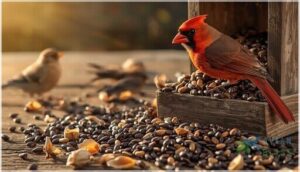
Sunflower seeds are your go-to jackpot for high-energy wild bird food! They pack about 50% fat content, giving your feathered friends the fuel they need for migration and daily activity. Here’s why they’re essential for bird nutrition: Pair sunflower seeds with fresh fruits and vegetables to round out a balanced diet that supports long-term health and vitality.
- Rich in fatty acids that keep feathers glossy and healthy
- Large kernels attract finches and cardinals to your feeder
- Shells promote natural foraging behavior (mental workout!)
- Black oil varieties offer easy-to-crack shells for smaller beaks
Remember, moderation matters—too many can lead to picky eaters!
Safflower Seeds for Smaller Birds
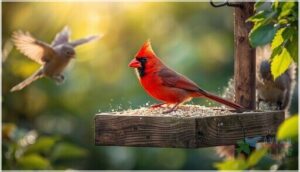
Safflower seeds bring unique benefits to your backyard bird buffet! These harder-hulled gems resist mold in humid weather (bonus for seed storage) and deliver higher thiamine than most bird seed options. Cardinals and grosbeaks love them, while squirrels usually pass—nature’s squirrel deterrent at work. Pair safflower with nyjer and sunflower in your winter bird food supplies to attract a wider variety of species throughout the colder months.
| Safflower Benefits | Why It Matters |
|---|---|
| Harder hull texture | Stays fresh longer, less waste |
| Lower fat content | Prevents overconsumption |
| Attracts cardinals | Selective bird attraction, finch preferences vary |
Mix safflower with other wild bird food for ideal seed selection! Pairing safflower with the best bird seed for wild birds creates a balanced mix that keeps squirrels away while drawing in cardinals, chickadees, and other backyard favorites.
Nyjer Seeds for Finches
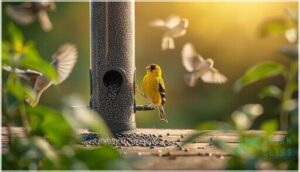
Finches go absolutely wild for Nyjer seeds—and for good reason! These tiny, oil-packed powerhouses deliver rapid energy for active finches during bird migration and daily foraging. You’ll need specialized feeders with small ports to prevent waste and keep your seed storage fresh. If you’re tired of cleaning up scattered hulls and debris, check out these no-mess bird food options that finches love just as much.
- High oil content fuels sustained flight and plumage health
- Facilitates finch behavior like beak maintenance through regular feeding
- Requires proper feeder maintenance to minimize spoilage
- Best results come from mixing nyjer with other wild bird food varieties for complete finch nutrition
Cracked Corn and Other Supplemental Seeds
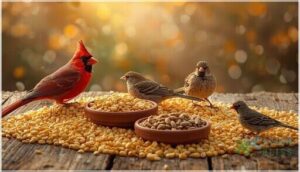
Cracked corn is your secret weapon for attracting ground-feeding birds like cardinals and quail! It’s packed with carbs for quick energy, though it’s lower in protein than sunflower seeds or safflower seeds. Mix it with other wild bird food for the best results, and store it properly—warm, humid conditions can trigger mold growth fast.
| Seed Type | Best For | Key Benefit |
|---|---|---|
| Cracked Corn | Ground feeders (cardinals, quail) | High-carb energy boost |
| Millet | Small songbirds | Affordable filler seed |
| Peanuts | Jays, woodpeckers | Protein-rich supplemental seed mix |
| Mixed Blends | Diverse species | All-encompassing bird attraction methods |
Your supplemental seed mix and seed storage tips matter—keep corn dry in airtight containers. Ground feeding strategies work when you combine these seeds with nyjer seeds and other favorites!
Enhancing Bird Diets Beyond Seeds
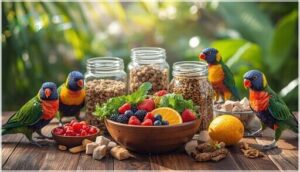
Seeds alone won’t give your birds everything they need to thrive. Think of seeds as the foundation, not the whole house!
Let’s explore three simple ways to boost your bird’s diet beyond the basics.
Benefits of Fruits and Vegetables
Think of fresh produce as nature’s vitamin boost for your feathered friends. Adding fruits and vegetables to your bird’s diet brings serious perks:
- Fruit benefits deliver quick energy through natural sugars
- Vegetables pack folic acid for healthy metabolic function
- Dietary fiber keeps digestion running smoothly
- Water-rich produce maintains hydration
- Antioxidants strengthen immunity and protect cells
Fresh produce transforms basic avian nutrition into a truly healthy diet!
Role of Pellets and Grains
Pellets bring consistency to your bird’s nutrition, jackpot! Unlike a seed-based diet where birds pick favorites, pelleted food delivers uniform vitamins and minerals in every bite.
Grain-rich pellets (think fortified barley and oats) support bone health and digestion while reducing waste. You’ll find species-specific formulas—finch pellets differ from parrot varieties.
Combine pellets with bird seed for a balanced pellet diet that beats selective feeding!
Fresh Water and Its Importance
Water quality matters just as much as your bird seed choices! Clean, fresh sources prevent bacterial contamination that weakens immune systems and disrupts wild bird nutrition.
Here’s why bird hydration is non-negotiable:
- Drinking habits vary by species, but all birds need daily access
- Water safety depends on changing supplies every 24 hours
- Digestion requires moisture to process seeds efficiently
- Temperature regulation relies on adequate fluid intake
- Bird feeder maintenance includes scrubbing water dishes weekly
Monitor your bird health and wellness by observing drinking behavior regularly.
Top 10 Bird Seed Products for a Balanced Diet
You know what you need to feed your birds, now let’s talk about the best products to make it happen. The right seed blends and feeders can turn your backyard into a nutritional jackpot for your feathered friends.
Here are ten high-quality options that’ll help you build that balanced diet we’ve been talking about.
1. Black Oil Sunflower Bird Seed
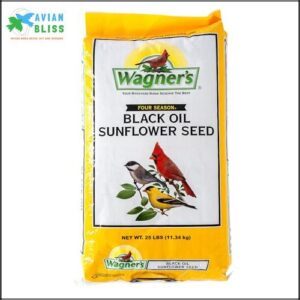
Black oil sunflower seeds are the jackpot of wild bird food, loved by cardinals, chickadees, and finches alike. You’ll find they pack serious oil content benefits—high fat and protein to fuel your feathered friends year-round. Wagner’s 25-lb option offers thin shells for easy cracking, perfect for smaller beaks.
Just watch out for quality control; some bags contain debris (twigs, chips). Store yours in airtight containers to keep seed freshness matters top priority—rancid seeds lose palatability fast.
Pair with tube or platform feeders, and maintain bird feeder maintenance by cleaning regularly to prevent mold.
| Best For | Backyard bird enthusiasts looking to attract a wide variety of songbirds like cardinals, chickadees, and finches with a high-energy, easy-to-crack seed option. |
|---|---|
| Weight | 25 lbs |
| Form | Seed |
| Brand | Wagner’s |
| Made in USA | Yes |
| Bird Attraction | Wide variety |
| Primary Ingredient | Black oil sunflower |
| Additional Features |
|
- High oil and protein content keeps birds energized, especially during winter months when they need extra calories.
- Thin shells make it accessible for small-beaked birds that struggle with harder seeds.
- Attracts diverse species and works well in multiple feeder types, from tube to platform setups.
- Quality control issues—some bags arrive with debris like twigs and wood chips mixed in.
- High fat content can lead to rapid spoilage if not stored properly in airtight, cool conditions.
- May attract squirrels and other unwanted visitors to your feeding area.
2. Wild Bird Sunflower Seed Mix
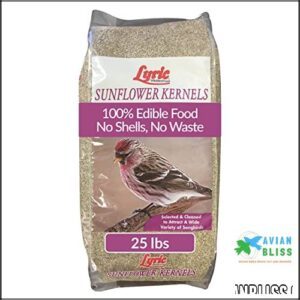
Wild bird sunflower seed mix takes what you love about black oil seeds and blends them with smaller varieties to pull in a wider crowd. Your cardinals, nuthatches, and even shy finches will show up when the seed mix composition hits that sweet spot of fat, protein, and variety.
Look for blends with whole and split kernels—no filler grains that end up wasted on the ground. Sunflower seed benefits shine here: high energy, broad wild bird attraction, and decent shelf life when you follow seed storage tips (cool, dry, airtight).
| Best For | Backyard birders who want to attract a wide variety of songbirds without dealing with messy seed hulls and ground waste. |
|---|---|
| Weight | 25 lbs |
| Form | Kernels |
| Brand | Lyric |
| Made in USA | Yes |
| Bird Attraction | Finches & songbirds |
| Primary Ingredient | Sunflower kernels |
| Additional Features |
|
- High-energy kernels attract cardinals, finches, nuthatches, and other popular species while eliminating shell cleanup
- Whole and split kernel blend means less waste since birds eat everything you put out
- Works with most feeder styles and provides the fat and protein birds need during migration and winter
- Price per pound runs higher than basic seed mixes, especially during crop shortages
- Needs proper storage in airtight containers to prevent mold and rancidity in humid conditions
- Packaging can arrive damaged during shipping, leading to freshness concerns
3. Kaytee Sunflower Seeds For Wild Birds
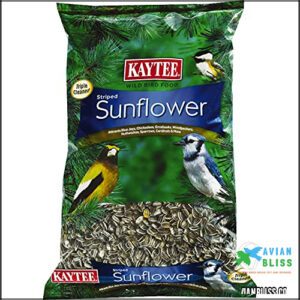
Kaytee brings over 150 years of bird seed selection know-how into this striped sunflower seed formula. These larger kernels pack serious sunflower benefits—rich oil content, high energy—so your Blue Jays, Woodpeckers, and Cardinals get the wild bird nutrition they need.
Cleaned to cut down on harvest debris, this wild bird food works in platform, hopper, or ground setups (hello, feeder types!). Some folks mention bugs or mess, but the bird attraction payoff and seed quality earn solid marks for backyard feeding.
| Best For | Backyard birders who want to attract larger, high-energy species like Blue Jays, Cardinals, and Woodpeckers with a trusted, oil-rich seed. |
|---|---|
| Weight | 5 lbs |
| Form | Chunk |
| Brand | Kaytee |
| Made in USA | Not specified |
| Bird Attraction | Large birds |
| Primary Ingredient | Striped sunflower |
| Additional Features |
|
- High oil content delivers the energy boost active birds need, especially in colder months
- Cleaned seeds mean less mess and debris in your feeders compared to uncleaned options
- Versatile enough for platform, hopper, or ground feeding setups
- Some buyers have reported finding bugs in the bag, which can be a dealbreaker
- Larger seed size might not appeal to smaller songbirds or finches
- Can get pricey if you’re filling multiple feeders frequently
4. Wagner’s Nyjer Seed Bird Food
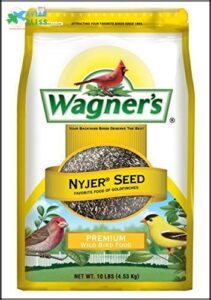
Once you’ve sorted your sunflower seeds, it’s jackpot time for finches! Wagner’s Nyjer Seed delivers 150,000 tiny black seeds per pound—pure fat and protein for your American Goldfinches. This extra-clean wild bird food fits finch feeders with teeny ports, cutting waste (and mess, mostly).
Bird nutrition facts confirm Nyjer seed benefits: high energy, rapid visits.
Keep it dry in airtight storage to dodge mold—seed storage methods matter. Clean feeders weekly for feeder maintenance, and you’ll see breeding-season color pop on every perch.
| Best For | Backyard birders who want to attract finches like American Goldfinches and are willing to use specialized feeders with small ports to minimize waste. |
|---|---|
| Weight | 10 lbs |
| Form | Seeds |
| Brand | Wagner’s |
| Made in USA | Not specified |
| Bird Attraction | Finches |
| Primary Ingredient | Nyjer seed |
| Additional Features |
|
- Delivers 150,000 high-energy seeds per pound with excellent fat and protein content to support finches during breeding season
- Extra-clean seed reduces dust and impurities, creating less mess around feeders
- Convenient velcro press-lok closure helps maintain freshness and prevents spills during storage
- Some customers report bag durability issues with seeds spilling out during handling
- Requires regular feeder cleaning and proper dry storage to prevent mold growth
- May not attract larger bird species due to specialized feeder requirements with tiny holes and perches
5. Droll Yankees Finch Bird Feeder
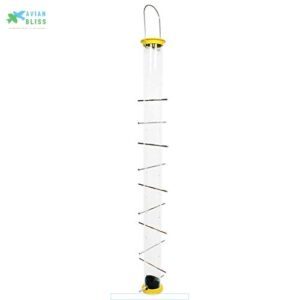
Now that your finches are hooked on Nyjer, you’ll need a feeder that actually works. The Droll Yankees tube model holds 3½ pounds of bird seed and features 20 ports for crowd control—multiple finches feed at once without drama. Its internal baffle empties every last Nyjer seed (finch feeder tips: zero waste equals happy wallet).
Die-cast metal plus UV-resistant polycarbonate means feeder maintenance stays simple, and proper bird seed storage in airtight containers keeps things fresh for peak finch attraction all season.
| Best For | Backyard birders who want a high-capacity feeder that handles multiple finches at once without constant refills or seed waste. |
|---|---|
| Weight | 2 lbs |
| Form | Seed |
| Brand | Droll Yankees |
| Made in USA | Not specified |
| Bird Attraction | Goldfinches & small birds |
| Primary Ingredient | Nyjer seed |
| Additional Features |
|
- 20 feeding ports let several finches eat simultaneously, reducing wait times and territorial squabbles at the feeder.
- Internal baffle design ensures you use every last seed instead of leaving clumps stuck at the bottom.
- Die-cast metal and UV-stabilized polycarbonate construction holds up to weather and daily use with minimal maintenance.
- 40-inch length requires plenty of vertical clearance, so it won’t work in compact yards or under low eaves.
- Finches sometimes take a while to discover and trust a new feeder, meaning you might wait days or weeks for regular visitors.
- Wildlife like bears can damage the feeder if you live in an area where larger animals raid bird feeders.
6. Safflower Seed Wild Bird Food
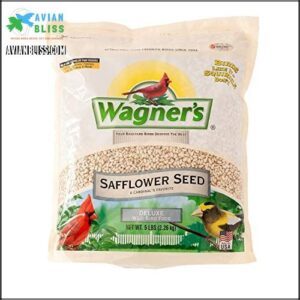
Cardinals and chickadees go wild for safflower seeds—but squirrels hate them, which is a total jackpot for your feeder! The safflower seed benefits run deep: high oil content fuels small birds through chilly mornings, and the thick shell doubles as a natural squirrel deterrent.
Wagner’s 5-pound bag delivers top-shelf wild bird nutrition with zero filler, so you’re not tossing cash on seeds that end up scattered on the ground. Store your stash in airtight containers (seed storage and freshness matter!), then watch proper bird feeder placement turn your yard into cardinal central.
| Best For | Backyard birders who want to attract cardinals, chickadees, and other songbirds while keeping squirrels and larger nuisance birds away from their feeders. |
|---|---|
| Weight | 5 lbs |
| Form | Seed |
| Brand | Wagner’s |
| Made in USA | Yes |
| Bird Attraction | Cardinals & songbirds |
| Primary Ingredient | Safflower seed |
| Additional Features |
|
- High oil content provides dense energy for small birds, especially during cold weather when they need extra calories to stay warm.
- Naturally deters squirrels and unwanted birds like grackles and starlings due to the thick hull and bitter taste most of them dislike.
- Stores well and stays fresh longer than many other seeds when kept in a cool, dry place, so you’re not wasting money on spoiled feed.
- Some bird species won’t eat safflower seeds right away and may need time to adjust if you’re switching from sunflower seeds.
- Not all birds are fans—you might see fewer visitors initially compared to more universally loved seeds like black oil sunflower.
- A few customers have reported packaging issues like torn bags, which can lead to spoilage or mess before you even fill your feeder.
7. Wagners Cracked Corn Wild Bird Food
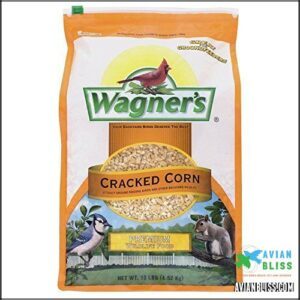
Ground-feeding birds like doves and jays flock to Wagner’s 10-pound cracked corn, and you can also use it for smart wildlife management—tossing a handful away from your main feeder keeps squirrels busy elsewhere (bird attraction tips in action!).
Cracked corn benefits include quick carb energy during winter, but don’t make it your only bird seed. Mix it with sunflower or safflower for balanced wild bird nutrition, store it in airtight containers (seed storage and freshness matter), and scatter it in open spots for easy bird feeding access.
| Best For | Backyard birders who want to attract ground-feeding birds like doves, jays, and cardinals while keeping squirrels distracted from main feeders. |
|---|---|
| Weight | 10 lbs |
| Form | Seed |
| Brand | Wagner’s |
| Made in USA | Not specified |
| Bird Attraction | Ground feeders |
| Primary Ingredient | Cracked corn |
| Additional Features |
|
- Pulls in a nice variety of ground feeders and even rabbits or chipmunks if you’re into that
- Works great as a squirrel decoy—toss some away from your good feeders and they’ll leave the expensive seed alone
- Gives birds quick energy during cold months when they need those carbs
- Bag doesn’t reseal, so you’ll need to grab a container or deal with stale corn
- Pretty pricey for what you get—10 pounds goes faster than you’d think
- Attracts everything including squirrels, which might be annoying if you’re trying to keep them out of your yard
8. Lyric Peanut Wild Bird Seed
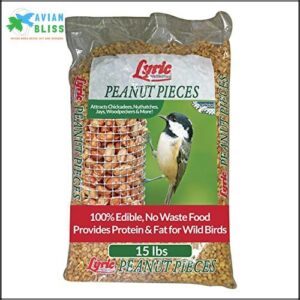
Peanut nutrition packs a serious punch—Lyric’s 15-pound blend delivers high protein and fat that woodpeckers, chickadees, and bluebirds crave, especially when cold weather hits. You’ll attract colorful songbirds fast, but watch for aflatoxin risk if rain soaks the nuts (mold grows quick!).
Store this bird seed in airtight containers away from moisture, check your feeder placement for drainage, and mix it with sunflower seeds or safflower seeds for balanced bird feeding—pure peanuts work best as a supplement, not your only seed option.
| Best For | Birdwatchers who want to attract high-energy species like woodpeckers and chickadees with a protein-rich food source, especially during cold months when birds need extra fat. |
|---|---|
| Weight | 15 lbs |
| Form | Pellet |
| Brand | Lyric |
| Made in USA | Not specified |
| Bird Attraction | Songbirds & wildlife |
| Primary Ingredient | Peanuts |
| Additional Features |
|
- High protein and fat content gives birds the energy they need, particularly in winter or during migration.
- Zero waste and fully edible formula means less mess under your feeder compared to shells and hulls.
- Works with multiple feeder types and attracts a variety of songbirds plus bonus visitors like chipmunks.
- Gets moldy fast if it rains, so you’ll need to check and refresh the feeder regularly to avoid health risks.
- Attracts unwanted animals like raccoons and opossums that can damage feeders or create a mess.
- Peanut pieces can be too large for smaller birds to eat without breaking them up first.
9. Wild Bird Food Variety Blend
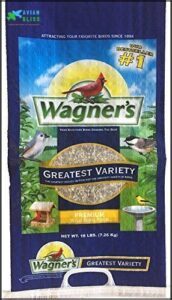
Wagner’s 16-pound gourmet blend gives your backyard an instant upgrade—11 ingredients, including sunflower seeds, nyjer seeds, and cracked corn, attract cardinals, finches, and dozens of other species in one scoop.
This variety blend option covers wild bird nutrition bases without forcing you to juggle five separate bags, and you can pour it into tube, hopper, or platform feeders (serious bird feeder tips bonus!).
Store this bird seed mix in airtight containers to lock in freshness, because the non-resealable bag won’t do you favors against mold or pests.
| Best For | Backyard birders who want to attract multiple species without buying separate seed types for each feeder. |
|---|---|
| Weight | 16 lbs |
| Form | Seeds |
| Brand | Wagner’s |
| Made in USA | Yes |
| Bird Attraction | Colorful songbirds |
| Primary Ingredient | Mixed blend |
| Additional Features |
|
- 11-ingredient gourmet blend attracts cardinals, finches, and a wide variety of songbirds to your yard
- Works in tube, hopper, or platform feeders so you can use what you already own
- 40% sunflower content provides high-energy food that most birds love
- Non-resealable bag requires transferring to airtight containers to prevent mold and pests
- Some customers reported quality control issues including bugs and staleness
- High sunflower content may attract squirrels and other wildlife you’re not trying to feed
10. Wagner’s Supreme Wild Bird Food Blend
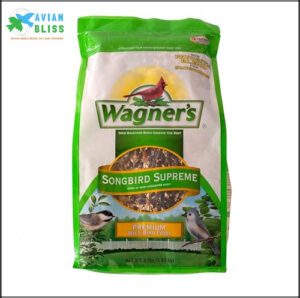
You’ll attract finches, sparrows, and cardinals the moment you pour Wagner’s 8-pound Deluxe Wild Bird Food blend into your feeder—50% sunflower seeds plus premium ingredients deliver the wild bird nutrition boost your backyard flock craves.
This seed blend comparison winner works in tube, hopper, or platform setups, and the reclosable slider simplifies seed storage solutions (though some folks find it tricky).
Keep it dry to protect bird health, rotate varieties to balance your seed diet, and follow smart feeder maintenance and bird attraction tips for best results.
| Best For | Backyard birders who want to attract a variety of songbirds like finches, sparrows, and cardinals with a high-quality seed mix that works in any feeder style. |
|---|---|
| Weight | 8 lbs |
| Form | Seeds |
| Brand | Wagner’s |
| Made in USA | Yes |
| Bird Attraction | Backyard songbirds |
| Primary Ingredient | Mixed blend |
| Additional Features |
|
- 50% sunflower seeds with premium ingredients provide excellent nutrition and energy for birds year-round
- Works with tube, hopper, or platform feeders so you can use whatever setup you already have
- Made in the USA with a reclosable slider that helps keep seeds fresh between fillings
- Price point is higher than basic blends, and some buyers feel it’s not worth the extra cost
- High sunflower content can attract squirrels and larger birds like grackles that may dominate your feeder
- Creates noticeable mess underneath feeders from seed hulls and debris that can sprout weeds
Tips for Serving and Storing Bird Seed
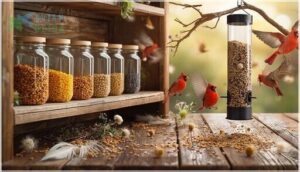
You’ve picked the perfect seeds, now let’s talk about keeping them fresh and safe for your feathered friends. The right feeder makes all the difference in preventing waste and protecting birds from harm.
Here’s how to store, serve, and maintain your bird seed like a pro.
Choosing The Right Feeder
Your feeder’s design makes all the difference in bird safety and seed protection. Match the size to your target species—cardinals need room, finches don’t. Weather-resistant materials keep seed dry and mold-free, while easy-to-clean components cut disease risk. A sheltered spot deters pests and protects your backyard birding setup. Smart feeder tips transform ordinary gardening into true bird-friendly gardening!
Maintaining Seed Freshness
Once your feeder’s in place, keeping seed fresh is your next mission. Moisture control makes or breaks quality—store sunflower seeds and nyjer seeds in airtight containers in cool, dry spots.
Here are four seed storage tips that’ll keep your bird food in top shape:
- Rotate stock using first-in, first-out to prevent spoilage
- Check for mold or off-odors before serving
- Monitor humidity levels (aim below 60%)
- Use pest management by inspecting regularly for infestations
Freshness monitoring means healthier birds, period!
Cleaning and Placement Best Practices
Keeping feeders clean protects bird health in ways most backyard birders overlook. Wash yours with warm, soapy water monthly, rinsing thoroughly to prevent mold—feeder sanitation is non-negotiable!
For smart feeder placement, aim for shaded spots at least 10 inches high with a 3–4 foot clear radius around them. This simple pest control move plus proper seed storage equals safer, happier birds every single time.
Frequently Asked Questions (FAQs)
How often should I rotate bird seed types?
You’ll want to rotate seed types every 1–2 weeks to keep things fresh, prevent spoilage, and maintain bird diet variety. Switch between high-fat and low-fat options weekly for balanced energy.
Can moldy seed be safely cleaned and reused?
No, toss moldy bird seed immediately. Washing won’t remove hidden mycotoxins that threaten avian health. Protect your flock, skip seed sanitizing attempts, and always stock fresh sunflower seeds instead.
Do birds need different diets in winter months?
When the mercury drops, your backyard buddies need extra fuel—think of it as their winter jacket, but edible!
Higher-fat seeds like sunflower and nyjer boost energy reserves, helping birds stay warm and healthy.
What are signs of nutritional deficiency in birds?
Watch for dull, brittle feathers, beak deformity, lethargy, or abnormal droppings—these malnutrition signs signal vitamin deficits or mineral gaps.
Early detection aids disease prevention and restores avian wellness with proper nutrition advice.
Should I offer grit or supplements with seeds?
Most birds don’t need grit with seeds, and supplements aren’t necessary if you’re offering varied foods.
Overuse can cause digestive problems, so skip both unless your avian vet specifically recommends them.
Conclusion
Funny how the healthiest backyards aren’t the ones with the fanciest feeders—they’re the ones where someone actually thought about what goes inside them.
Your birds don’t need complexity, just a balanced bird seed diet that covers the basics: variety, freshness, and the right mix for who’s visiting.
Get that part right, and you won’t just attract more birds—you’ll keep them thriving, season after season, right outside your window.
- https://birdsupplies.com/blogs/news/8-critical-bird-vitamins-for-vibrant-parrot-feathers
- https://academichelpexpress.blog/2024/08/please-use-the-bulleted-points-and-the-rubric-below-to-guide-your-work-your-pa/
- https://www.sciencedirect.com/science/article/pii/S0749208123000268
- https://pmc.ncbi.nlm.nih.gov/articles/instance/9553038/bin/pone.0275964.s005.docx
- https://www.scribd.com/document/356795007/Research-Methods-Knowledge-Base