This site is supported by our readers. We may earn a commission, at no cost to you, if you purchase through links.
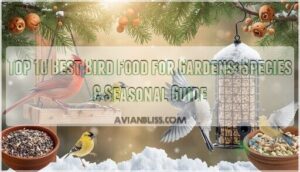
A single chickadee needs about 35% of its body weight in food each day just to survive winter. That means your feeder choices directly impact whether birds make it through harsh weather or find enough nutrition during breeding season.
The wrong seeds can leave feeders untouched while squirrels feast, but the right combination transforms your garden into a reliable food source for dozens of species. Black oil sunflower seeds attract cardinals and jays, while nyjer brings goldfinches in droves.
Understanding what different birds need throughout the year—and which products actually deliver quality nutrition—helps you build a feeding station that caters to everything from tiny finches to hungry woodpeckers.
Table Of Contents
- Key Takeaways
- Top 10 Best Bird Foods for Gardens
- 1. Wagners Black Oil Sunflower Bird Food
- 2. C And S Orange Suet Cake
- 3. Wagner’s Nyjer Seed Bird Food
- 4. Wingfield Farm Virginia Peanuts for Wildlife
- 5. Kaytee Black Oil Sunflower Bird Food
- 6. Kaytee Nyjer Wild Bird Food Seed
- 7. Morning Song Wild Bird Food Seed Mix
- 8. Wagners Safflower Bird Seed
- 9. Kaytee Wild Bird Seed Mix
- 10. C and H Pure Cane Sugar
- Choosing The Right Bird Food Types
- Seasonal Bird Feeding Strategies for Gardens
- Attracting Specific Bird Species to Gardens
- Feeder Placement and Maintenance Best Practices
- Frequently Asked Questions (FAQs)
- What is the best food to feed garden birds?
- What is the 5 7 9 rule for bird feeders?
- What bird food attracts the most birds?
- Can I just throw bird seed on the ground?
- What birds visit gardens during winter months?
- How often should I clean bird feeders?
- Can moldy bird food harm garden birds?
- Do hummingbirds eat seeds from regular feeders?
- Should I stop feeding birds during summer?
- What plants attract birds naturally to gardens?
- Conclusion
Key Takeaways
- Black oil sunflower seeds deliver the highest all-around value because their thin shells and 30% fat content attract the widest variety of species—from tiny chickadees to larger cardinals—while providing essential energy year-round.
- Seasonal feeding strategies matter more than most people realize: winter birds need high-fat options like suet cakes for survival, while spring and summer require protein-rich seeds and peanuts to support egg production and chick development.
- Strategic feeder placement—5-6 feet high, within 10-15 feet of protective cover, and cleaned every 1-2 weeks—prevents disease outbreaks and predator attacks while creating a safe dining experience that keeps birds returning.
- Combining multiple feeder types (tube feeders for finches, platform feeders for doves, suet cages for woodpeckers) dramatically increases species diversity because different birds have evolved distinct beak shapes and feeding behaviors that match specific seed types.
Top 10 Best Bird Foods for Gardens
You’ll find a lot of bird food options on the market, but some stand out for their nutritional value and ability to attract a wide variety of species to your garden.
For a deeper look at how seed composition impacts avian health, check out this guide to wild bird food nutrition.
The following products have been selected based on their ingredient quality, species appeal, and seasonal versatility. Each option fulfills a specific purpose in supporting the dietary requirements of different bird populations throughout the year.
1. Wagners Black Oil Sunflower Bird Food
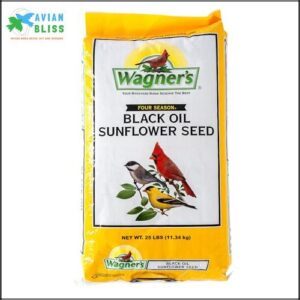
Wagners Black Oil Sunflower Bird Food delivers concentrated energy through thin-shelled seeds that cardinals, chickadees, and finches crack easily. You’ll find this 100 percent sunflower option (available in sizes from 5 to 40 pounds) contains mid-20s percent crude fat—essential fuel during cold snaps when birds burn calories rapidly.
The extra-clean formulation means less debris in your feeders and on the ground. Use it in tube, hopper, or platform feeders to attract woodpeckers and nuthatches alongside smaller songbirds seeking high-calorie nutrition year-round.
| Best For | Backyard birders who want to attract cardinals, finches, and other songbirds with a high-energy, easy-to-crack seed that works in multiple feeder types. |
|---|---|
| Primary Ingredient | Black Oil Sunflower Seed |
| Weight | 25 pounds |
| Form | Seed |
| Target Species | Cardinals, Chickadees, Finches |
| Made in USA | Yes |
| Energy Content | High |
| Additional Features |
|
- Thin shells make it accessible for small-beaked birds like chickadees and finches
- High fat content provides essential energy during winter and migration seasons
- Attracts a wide variety of popular backyard species including woodpeckers and nuthatches
- Some bags contain wood chips or debris mixed in with the seeds
- The 25-pound bag lacks a resealable closure, making storage messier
- Can attract squirrels and other animals you might not want at your feeders
2. C And S Orange Suet Cake
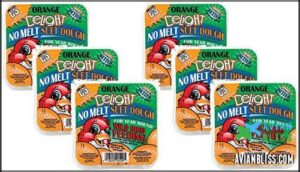
C And S Orange Suet Cake switches your feeding strategy to attract fruit-loving species like orioles and woodpeckers. This 11.75-ounce pressed cake blends rendered beef fat with roasted peanuts, corn, oats, and artificial orange flavor—creating an energy-rich option that holds its shape up to 90 degrees Fahrenheit.
The no-melt formulation fits standard suet feeders and provides sustained calories during cold spells. You’ll notice the dense fat base (plus a touch of papaya) draws cardinals and other medium-sized birds seeking variety beyond standard seeds.
| Best For | Birders who want to attract fruit-eating species like orioles and woodpeckers year-round with a high-energy suet that holds up in moderate temperatures. |
|---|---|
| Primary Ingredient | Beef Suet with Fruit |
| Weight | 11.75 ounces (6-pack) |
| Form | Cake |
| Target Species | Woodpeckers, Fruit Eaters |
| Made in USA | Not specified |
| Energy Content | Moderate |
| Additional Features |
|
- Orange flavor and papaya blend attracts a wider variety of birds beyond typical seed-eaters
- Dense fat base with peanuts, corn, and oats provides sustained energy during cold weather
- Fits standard suet feeders and maintains shape up to 90°F
- Can become soft and break down in extreme heat above 100°F
- Not all bird species will be interested in the orange-flavored formula
- May arrive broken if packaging isn’t adequate during shipping
3. Wagner’s Nyjer Seed Bird Food
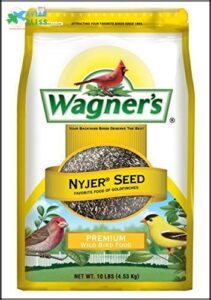
If suet isn’t practical for your climate, Wagner’s Nyjer Seed offers a mess-free alternative that finches can’t resist. This ten-pound bag contains roughly 150,000 tiny black seeds—each one packed with fat and protein to fuel small songbirds through breeding season and migration.
American goldfinches will dominate your tube feeder once you fill it with this 100 percent seed blend. The press-lock closure keeps moisture out, preserving freshness between refills. Just pair it with a finch feeder that has small ports to minimize waste.
| Best For | Backyard birders who want to attract goldfinches and other small songbirds with a high-energy, minimal-waste feeding option. |
|---|---|
| Primary Ingredient | Nyjer Seed |
| Weight | 10 pounds |
| Form | Seed |
| Target Species | Finches, Goldfinches |
| Made in USA | Not specified |
| Energy Content | High |
| Additional Features |
|
- Contains 150,000 tiny seeds per pound with high fat and protein content that finches love
- Press-lock closure keeps seeds fresh and protected from moisture between refills
- Extra clean seed creates less mess at the feeder compared to other bird food options
- More expensive than many premium seed blends on the market
- Shells can still create some mess beneath the feeder
- Some bags have quality control issues like small leaks, and may attract unwanted animals like rats
4. Wingfield Farm Virginia Peanuts for Wildlife
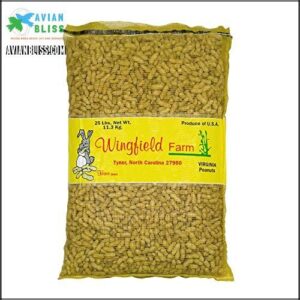
When you need a protein-rich option for bigger birds, Wingfield Farm’s twenty-five-pound bag of raw Virginia peanuts delivers exactly what blue jays and woodpeckers crave. These in-shell peanuts feature large kernels that pack high energy density—perfect for supporting feather growth and muscle maintenance during breeding season.
The shells add a foraging challenge that keeps corvids entertained while they feed. Store your supply in a cool, dry spot to prevent the natural oils from going rancid between refills.
| Best For | Wildlife enthusiasts who want to attract larger birds like blue jays and woodpeckers while providing high-energy nutrition for breeding season. |
|---|---|
| Primary Ingredient | Raw Peanuts |
| Weight | 25 pounds |
| Form | Whole Nuts |
| Target Species | Squirrels, Birds, Wildlife |
| Made in USA | Not specified |
| Energy Content | High (oil/fat) |
| Additional Features |
|
- Large Virginia peanuts deliver concentrated protein and fat to support feather growth and muscle health
- In-shell format creates natural foraging enrichment that keeps intelligent birds engaged
- Twenty-five-pound bulk size offers better value for regular wildlife feeders
- Raw peanuts require proper storage in cool, dry conditions to prevent oil rancidity
- Higher price point compared to standard birdseed options
- Not suitable for human consumption, limiting versatility
5. Kaytee Black Oil Sunflower Bird Food

Cardinals and chickadees won’t pass up Kaytee’s five-pound bag of black oil sunflower seeds. The thinner hulls (compared to striped varieties) let smaller beaks crack them open without wasting energy, while the thirty percent crude fat content fuels daily foraging trips year-round.
For more on why sunflower seeds work so well, check out this complete guide to sunflower seed benefits for backyard birds.
You’re getting triple-cleaned seeds that minimize debris in your feeders, though occasional twigs still slip through. The high oil composition helps birds build fat reserves before migration and survive cold snaps when natural food gets scarce.
| Best For | Backyard birders who want to attract cardinals, chickadees, and other small songbirds with a high-energy seed that’s easy to crack and digest. |
|---|---|
| Primary Ingredient | Black Oil Sunflower Seed |
| Weight | 5 pounds |
| Form | Seed |
| Target Species | Cardinals, Chickadees, Songbirds |
| Made in USA | Yes |
| Energy Content | High oil |
| Additional Features |
|
- High oil content (30% crude fat) provides year-round energy and helps birds build fat reserves for migration and winter survival
- Thinner hulls make it easier for smaller birds to crack open compared to striped sunflower seeds
- Triple-cleaned to reduce debris and keep feeders cleaner
- May still contain some twigs or debris despite triple cleaning
- Quality can vary between batches, with some containing striped seeds instead of pure black oil seeds
- 5-pound bag size may not suit everyone’s feeding needs
6. Kaytee Nyjer Wild Bird Food Seed
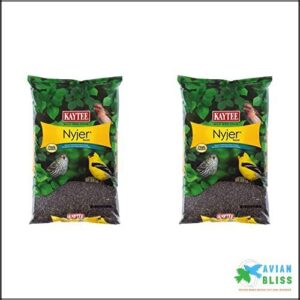
Goldfinches and siskins flock to Kaytee’s hull-free nyjer seed, a tiny powerhouse that fuels small birds without leaving messy shells under your feeders. The thirty-five percent crude fat content (nearly double what black oil sunflower provides) gives these lightweight travelers the dense energy they need for constant flight and foraging.
You’ll notice finches clinging to tube feeders for extended sessions, since the 100-percent edible formula means zero waste. Just watch for occasional twigs that might clog specialty feeders—otherwise, this stays fresh longer than hulled alternatives.
| Best For | Finch lovers who want a clean, high-energy seed that won’t leave a mess of shells under feeders. |
|---|---|
| Primary Ingredient | Sunflower Kernels |
| Weight | 16 pounds (2x8lb) |
| Form | Seed |
| Target Species | Finches, Doves |
| Made in USA | Not specified |
| Energy Content | High oil |
| Additional Features |
|
- No hulls means zero waste and no sprouts cluttering your yard or patio
- High oil content (35% crude fat) gives small birds the dense energy they need
- Lasts longer in feeders since the concentrated formula doesn’t get picked over
- May contain twigs that can clog tube feeders
- Quality can be inconsistent between batches
- Only attracts certain bird species like finches and doves, not a wide variety
7. Morning Song Wild Bird Food Seed Mix
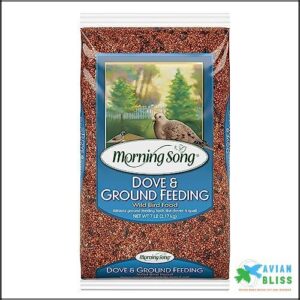
Morning Song Wild Bird Food Seed Mix delivers a balanced blend of black oil sunflower, white proso millet, and safflower seeds that attracts finches, sparrows, and cardinals to your hopper or platform feeders.
The seven-pound bags include sealed inner liners that preserve freshness when you store them in cool, dry spots away from direct sunlight. You’ll want to avoid overfilling feeders, since excess seed can spoil or mold—rotating this mix with single-seed options throughout the year brings in a broader species range.
| Best For | Backyard birders who want to attract ground-feeding species like doves, quail, and sparrows with a versatile seed mix that works in table feeders or scattered directly on the ground. |
|---|---|
| Primary Ingredient | Mixed Seed Blend |
| Weight | 7 pounds |
| Form | Seed Mix |
| Target Species | Doves, Quail, Sparrows |
| Made in USA | Yes |
| Energy Content | Moderate |
| Additional Features |
|
- Attracts a variety of ground-feeding birds including doves, quail, sparrows, juncos, finches, and cardinals
- Convenient 7-pound bag with sealed inner liner keeps seeds fresh when stored properly
- Versatile feeding options—works well in table feeders, platform feeders, hoppers, or sprinkled directly on the ground
- Some birds may take time to adjust to the mix or ignore it completely depending on their preferences
- Quick consumption by popular species means you’ll need to refill feeders frequently
- Overfilling can lead to spoilage and mold if seeds aren’t rotated regularly
8. Wagners Safflower Bird Seed
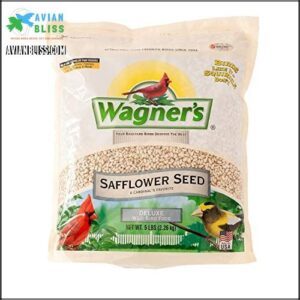
Wagner’s Safflower Bird Seed offers a strategic solution when squirrels raid your feeders and bully songbirds away from their meals. This five-pound bag contains premium safflower kernels with hard hulls that most squirrels avoid, yet cardinals, chickadees, and grosbeaks crack them easily thanks to their strong beaks.
The mild, nutty flavor keeps territorial cardinal pairs visiting consistently during breeding season, and the high oil content provides energy through cold snaps. Store your bag in a cool, dry spot (a sealed container works best) to maintain freshness between refills.
| Best For | Backyard birders dealing with squirrel problems who want to attract cardinals, chickadees, and grosbeaks without feeding unwanted visitors. |
|---|---|
| Primary Ingredient | Safflower Seed |
| Weight | 4 pounds |
| Form | Seed |
| Target Species | Cardinals, Songbirds |
| Made in USA | Yes |
| Energy Content | Moderate |
| Additional Features |
|
- Cardinals and songbirds love the mild, nutty flavor while most squirrels avoid the hard hulls
- High oil content provides extra energy during cold weather when birds need it most
- Made in the USA with quality grains and works well in tray feeders or mixed with other seed
- Some bags arrive with damaged or torn packaging that can affect freshness
- Won’t keep every single squirrel away—some determined ones will still try
- Requires good feeder placement and regular maintenance to get the best results
9. Kaytee Wild Bird Seed Mix
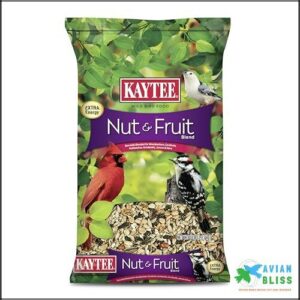
Kaytee Wild Bird Seed Mix works like a buffet line for your feeder, combining black oil sunflower seeds with millet and cracked corn to satisfy both small finches and larger cardinals in one scoop. This five-pound blend delivers moderate-to-high protein for feather maintenance, plus enough fat content to keep chickadees fueled during chilly mornings.
You’ll notice steady traffic from sparrows picking through the millet while jays work the sunflower kernels. Store your bag in a sealed bin to prevent moisture from spoiling the mix before your flock empties it.
| Best For | Backyard birders who want to attract a wide variety of songbirds year-round without constantly refilling their feeders. |
|---|---|
| Primary Ingredient | Premium Mixed Blend |
| Weight | 5 pounds |
| Form | Chunk/Blend |
| Target Species | Woodpeckers, Cardinals, Nuthatches |
| Made in USA | Not specified |
| Energy Content | High |
| Additional Features |
|
- Premium blend with sunflower seeds, peanuts, and fruit attracts colorful species like cardinals, woodpeckers, and grosbeaks
- High-energy formula keeps birds well-fed through cold weather and nesting seasons
- Backed by 150 years of Kaytee expertise in bird nutrition
- Birds love it so much you’ll go through the 5-pound bag faster than cheaper mixes
- Bag may arrive damaged during shipping with seeds spilling out
- Needs airtight storage to prevent insect problems, especially in warm or humid climates
10. C and H Pure Cane Sugar
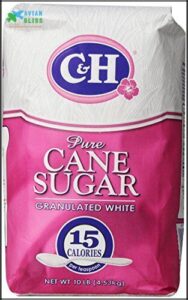
C and H Pure Cane Sugar plays one specific purpose in your garden bird strategy: fueling hummingbirds with homemade nectar. Mix one part of this 100 percent pure cane sugar with four parts water (no dyes or honey), then boil briefly to dissolve crystals and kill bacteria.
This ten-pound bag will last you several seasons, since a typical feeder holds only half a cup of solution. Replace nectar every three days in summer to prevent fermentation that can harm tiny digestive systems.
| Best For | Birders who want to make safe, affordable hummingbird nectar at home without artificial additives. |
|---|---|
| Primary Ingredient | Pure Cane Sugar |
| Weight | 10 pounds |
| Form | Crystal |
| Target Species | Hummingbirds |
| Made in USA | Not specified |
| Energy Content | 15 cal/tsp |
| Additional Features |
|
- Pure cane sugar dissolves cleanly in water without leaving residue or affecting taste
- Large 10-pound bag provides enough sugar for multiple seasons of feeder refills
- No beet sugar means you’re getting a consistent product that’s ideal for nectar recipes
- Bulk size might be excessive if you only maintain one or two small feeders
- Requires manual mixing and boiling—not as convenient as pre-made nectar solutions
- No organic certification if that’s important for your backyard feeding practices
Choosing The Right Bird Food Types
Not all bird food is created equal, and the type you choose can make or break your backyard feeding station.
Different seeds attract different species (and repel others you mightn’t want around). Let’s look at five key food types and what makes each one worth considering for your garden.
Black Oil Sunflower Seeds Benefits
You’ll find black oil sunflower seeds are your best all-around option for attracting cardinals, chickadees, and nuthatches to your backyard. Each ounce packs about 165 calories and delivers healthy fats that help birds maintain energy during cold snaps and long migrations.
- Thin shells let birds crack seeds quickly during busy feeding periods
- High oil content aids feather maintenance throughout breeding seasons
- Low moisture levels reduce mold risk when you store seeds properly
- Ground-feeders like doves benefit from scattered fallen seeds
Their nutritional advantages also extend to humans, as detailed in this overview of.
Their nutritional advantages also extend to humans, as detailed in this overview of seed diet health benefits covering heart health, digestive wellness, and weight management.
Nyjer Seeds for Finches and Small Birds
Nyjer seed draws goldfinches and pine siskins like a magnet because its tiny, oil-rich kernels fit perfectly into small beaks.
You’ll need tube or sock-style bird feeders with mesh ports to prevent spills and keep your birdseed fresh.
Store this wild bird food in a cool, dry spot to preserve the energy-dense oils that support small bird health throughout winter’s toughest days.
For more details on how this seed helps smaller seed-eating birds thrive, explore the various feeder types and tips available.
Safflower Seeds to Deter Unwanted Birds
Safflower seed benefits your feeding station by discouraging blackbirds, grackles, and squirrels while welcoming cardinals and chickadees to your yard. This wild bird food offers high-protein nutrition without the crowd.
- Use dedicated safflower feeders to prevent cross-contamination
- Place feeders away from dense cover for safety
- Introduce gradually so birds adjust comfortably
- Clean regularly to keep seeds dry and fresh
Peanuts for Jays and Larger Species
Blue jays crack open shelled peanuts with their powerful beaks, accessing about 45 percent fat content that fuels flight and cold-weather survival. You’ll want unsalted varieties broken into halves for easier handling.
During winter, this high-energy wild bird food maintains body temperature overnight, while breeding season protein aids strong chick development. Store in a dry place and use elevated bird feeders to minimize squirrel competition.
Seed Mixes Versus Single-Seed Options
A diverse birdseed mix attracts more species because different beak shapes handle different seed types—cardinals crack black oil sunflower seeds while finches prefer Nyjer seed.
Single-seed options cost less and simplify feeder design, but you’ll miss ground-feeders that need millet. Mixing strategies work best when you rotate seed types seasonally, matching bird preference to available food sources.
Seasonal Bird Feeding Strategies for Gardens
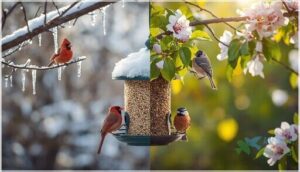
Birds need different things throughout the year, and timing strategy makes a real difference in their survival and health.
Winter demands high-calorie foods to fight the cold, while spring and summer require protein-rich options for breeding. Let’s walk through what to offer in each season so your backyard becomes a reliable stop for birds year-round.
Winter High-Energy Food Requirements
When temperatures drop, you’ll need to stock your feeders with high-energy bird food that delivers fat-rich foods for winter survival. Black oil sunflower seeds provide 9 kcal per gram—the calorie punch wild birds need for cold weather nutrition.
Suet cakes supply concentrated energy in small portions, while peanuts and seed mixes with nuts offer the sustained fuel that aids winter bird diets during extended freezing periods.
Spring and Summer Breeding Season Nutrition
During spring and summer breeding, birds demand rich avian nutrition to fuel egg formation and chick development. You’ll want to offer protein-packed seed mixes—nyjer and sunflower hearts work well—plus peanuts that support nesting diet needs.
This seasonal bird nutrition strategy aids fledgling care by providing amino acids essential for growth. Fresh greens and diverse wild bird food strengthen breeding nutrition when parent birds work overtime feeding hungry nestlings.
Fall Migration Support Feeding
Fall migration turns your backyard into a crucial refueling station for weary travelers preparing for long flights. Support these feathered friends with strategic fall seed mix choices that match migration patterns and flock dynamics:
- Black oil sunflower seeds deliver the high-fat energy birds need for sustained flight
- Suet cake provides concentrated calories during cool autumn days
- Nyjer seeds attract finches and small songbirds making brief stopovers
- Peanuts offer dense protein for jays and larger migrants
Stock your bird feeders consistently through late fall—these wild bird food options strengthen bird nutrition when natural sources decline and every calorie counts for survival.
Year-Round Fresh Water Availability
Fresh water matters just as much as the wild bird food you place in bird feeders—birds need it for drinking and bathing every single day.
Change your birdbath supply daily to prevent bacterial growth, and consider rain collection systems to supplement natural water sources.
During winter, use heated bowls to maintain access when temperatures drop, supporting wildlife conservation and creating a truly birdfriendly habitat.
Attracting Specific Bird Species to Gardens
Different bird species have distinct feeding preferences, and understanding these differences helps you create a garden that welcomes your favorite visitors.
Cardinals prefer platform feeders with sunflower seeds, while finches gather around nyjer seed tubes hanging near protective cover. By matching the right food to the right feeder style, you’ll see a wider variety of birds throughout the seasons.
Best Foods for Finches and Songbirds
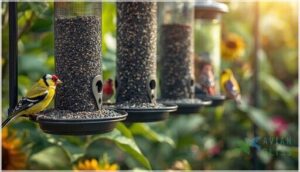
You’ll attract the widest variety of finches and songbirds with blackoil sunflower seed and Nyjer thistle—both pack essential fats for bird health year-round.
Finch nutrition depends on tiny, oil-rich seeds (Nyjer seed fits the bill perfectly), while most songbird diets thrive on varied sunflower seeds. Mix in safflower and white millet to meet diverse seed preferences, and you’ll support ideal feeding strategies across species.
Attracting Cardinals and Jays
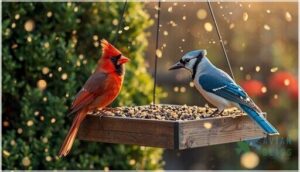
Both cardinals and blue jays prefer blackoil sunflower seed and peanuts at platform or hopper feeders placed 5 to 6 feet from dense shrubs (Cardinal Habitat essentials).
To enhance Jay Behavior and reduce conflicts:
- Offer safflower seeds to deter smaller songbirds
- Position multiple feeding stations across your yard
- Maintain weekly cleaning schedules
Strategic Feeder Placement near nesting sites keeps both species returning year-round.
Foods for Woodpeckers and Nuthatches
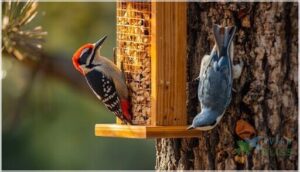
Woodpecker Diets and Nuthatch Preferences center on high-fat foods. Offer suet cake in metal cages and unsalted peanuts in mesh feeders to support Clinging Strategies on bark-like surfaces.
Black oil sunflower seed delivers the thin shells these species crack efficiently. Suet Benefits include dense winter calories, while Peanut Options (especially in-shell) draw downys and hairys year-round. Avoid salted varieties—they harm rather than help.
Ground-Feeding Birds Like Doves and Sparrows

While woodpeckers cling to vertical surfaces, ground-feeding birds like mourning doves and sparrows prefer open, flat areas where scattered seed is easy to spot. Their feeding strategies rely on walking and pecking across bare soil or short grass.
Stock your garden with these Wild Bird Nutrition staples:
- White proso millet for sparrows and doves
- Black oil sunflower for high-energy ground feeding
- Cracked corn during winter months
- Fresh water within 10–15 meters
Place birdseed on platform feeders or scatter directly on mulch-free zones. These bird feeding tips support natural Bird Behavior—doves forage quietly for extended periods, while sparrows arrive in small flocks, scratching through litter. Proper Bird Habitat includes low shrubs nearby for quick cover. Monitor Seed Preferences and adjust your Feeding Strategies seasonally to keep ground-feeding birds returning to your garden year-round.
Feeder Placement and Maintenance Best Practices
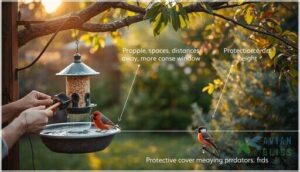
You can’t just toss a feeder in your yard and call it a day. Where you place it and how you care for it makes all the difference between attracting healthy birds and creating problems.
Let’s walk through the key practices that’ll keep your feeders working well and your visiting birds safe.
Strategic Location Selection for Bird Feeders
Think of your feeder as a bird café—it needs the right spot to thrive. Position feeders 5 to 6 feet high for Bird Visibility and Predator Deterrent benefits, keeping them within 10 to 15 feet of dense cover for quick escapes.
Wind Protection matters too; sheltered locations reduce seed loss. Proper Feeder Height and Habitat Integration transform Backyard Birding into a safe dining experience, making Bird Watching rewarding for you and your feathered visitors.
Cleaning Schedule to Prevent Disease
You’ll want to clean your feeders every one to two weeks to prevent disease outbreaks among visiting birds. Scrub with warm soapy water, rinse thoroughly, then apply a diluted bleach solution (one part bleach to nine parts water) for proper Feeder Sanitation and Bacteria Control.
This Cleaning Protocol aids Bird Health and Disease Prevention—essential steps in any Bird Feeding Guide focused on Avian Nutrition and Health.
Protecting Feeders From Squirrels and Predators
To keep squirrels and predators at bay, install dome baffles at least 5 feet above ground on smooth metal poles with 1-inch diameter.
Position your bird feeders 10 to 15 feet from sheltering shrubs where cats hide, and use weight-activated cages that close when larger animals approach.
These squirrel deterrents and predator guards guarantee feeder security while supporting bird safety and wildlife protection year-round.
Multiple Feeder Types for Variety
You’ll notice bird diversity skyrockets when you combine different feeder types at strategic feeding stations.
Here’s what works:
- Hanging black oil sunflower seed feeders for finches and chickadees
- Suet cages to attract woodpeckers during cold months
- Nyjer seed feeders that minimize waste while feeding goldfinches
- Peanut feeders for jays and larger species
- Platform feeders for ground-feeding doves and sparrows
This seed variety approach reduces crowding and fosters year-round wildlife attraction.
Frequently Asked Questions (FAQs)
What is the best food to feed garden birds?
Black oil sunflower seeds offer the best overall nutrition for garden birds. Their thin shells and high fat content attract chickadees, cardinals, and goldfinches while providing essential energy year-round.
What is the 5 7 9 rule for bird feeders?
The 5-7-9 rule suggests placing bird feeders at least 5 feet from shrubs, 7 feet from fences, and 10 feet apart to improve bird safety, refine feeder placement, and improve predator control.
What bird food attracts the most birds?
You’ll draw the widest variety of birds with black oil sunflower seeds, which offer high fat content and thin shells that most species can crack—from finches to jays.
Can I just throw bird seed on the ground?
You can scatter birdseed on the ground, but it invites seed spoilage in wet weather and attracts rodents.
Platform feeders offer safer bird feeding tips and better garden safety while supporting ground feeding birds.
What birds visit gardens during winter months?
Winter bird species like robins and goldfinches visit gardens regularly during cold weather.
You’ll also spot redwing thrushes raiding berries and blackbirds foraging through leaf litter when ground food becomes scarce.
How often should I clean bird feeders?
Keeping your feeders spick-and-span isn’t rocket science—you should clean seed feeders every two weeks to prevent disease transmission and protect bird health, but bump that up to weekly during wet weather or heavy use.
Can moldy bird food harm garden birds?
Yes, moldy birdseed poses serious risks. Toxic effects from mycotoxins can weaken avian health and wellness, causing organ damage or death.
Proper food storage and mold prevention are essential for bird health and wildlife conservation efforts.
Do hummingbirds eat seeds from regular feeders?
No—hummingbirds don’t digest seeds properly. Their specialized digestive systems run on nectar and insects, not kernels. Regular seed feeders won’t attract them, so stick with clean sugar-water solutions instead.
Should I stop feeding birds during summer?
You don’t need to stop feeding birds during summer—they’ll benefit from fresh water availability and light supplemental bird nutrition.
Just focus on feeder maintenance, cleaning weekly to prevent mold in the heat.
What plants attract birds naturally to gardens?
Native shrubs, flowering perennials, and berry trees create a living buffet that no commercial seed could ever match.
Add insect plants and groundcovers to form wildlife friendly gardens that naturally sustain birds year-round.
Conclusion
A Michigan backyard went from zero visitors to hosting 14 species within three weeks after switching to black oil sunflower seeds and nyjer—proof that targeted feeding works.
Your garden can become that same reliable haven when you match the best bird food for gardens to what species actually need. Stock feeders before dawn breaks, keep water fresh, and watch as chickadees, cardinals, and finches turn your space into their trusted winter sanctuary.