This site is supported by our readers. We may earn a commission, at no cost to you, if you purchase through links.
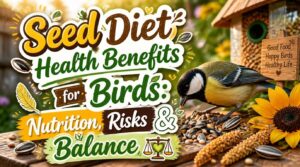
A sunflower seed packs roughly 9 calories per gram, nearly double what your bird would get from the same weight of vegetables. That density explains why seeds show up so often in feeders, but it also explains why so many birds end up overweight, undernourished, or both. Fat fuels flight and keeps feathers glossy, yet too much of it strains the liver and throws calcium ratios out of balance.
The real seed diet health benefits come down to knowing which seeds do what, and in what amounts. Get the mix right, and you’re supporting energy, plumage, and natural foraging instincts all at once. Get it wrong, and convenience turns into a long-term health problem.
Table Of Contents
- Key Takeaways
- Seed Diet Benefits for Birds
- Nutrients Found in Bird Seeds
- Best Seeds for Bird Health
- Seed Diet Risks to Know
- Building a Balanced Seed Diet
- Frequently Asked Questions (FAQs)
- Can seeds help improve skin and hair health?
- Are sprouted seeds more nutritious than regular seeds?
- How much seed intake is recommended daily?
- Do seeds lose nutrients when ground or blended?
- Can children and pregnant women safely eat seeds?
- How much flaxseed or chia should humans eat daily?
- Do sesame seed compounds protect against heart disease?
- Whats the best way to store seeds for freshness?
- Conclusion
Key Takeaways
- Seeds provide dense energy at roughly 9 calories per gram, but overfeeding fat-rich types like sunflower and safflower can strain the liver and skew calcium-to-phosphorus ratios.
- A balanced seed diet requires variety—sunflower, millet, safflower, flax, chia, and pumpkin seeds each contribute different proteins, fats, fiber, and micronutrients that no single seed provides alone.
- Proper storage (below 14% moisture, cool, airtight, with desiccants) is essential to prevent mold, rancidity, and mycotoxin risks that can develop even in seeds that look dry.
- The healthiest feeding approach combines measured seed portions (about 15–30 grams daily) with pellets and fresh produce, plus species-specific guidance from an avian vet, rather than relying on seeds as a complete diet.
Seed Diet Benefits for Birds
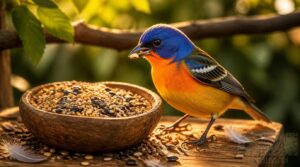
A well-chosen seed mix does more for your bird than fill its crop; it nourishes energy, feathers, and natural behavior all at once. You’ll find that seeds work on several levels, from daily nutrition to the mental stimulation birds need to thrive. Here’s what a seed diet actually brings to the table.
For a mix that balances proteins, fats, and fiber to support both energy and plumage health, explore this complete bird seed blend crafted for everyday wild bird wellness.
Natural Energy Source
Think of seed fat like solar panels for your bird: sunflower seeds and hemp seeds pack dense caloric fuel for energy metabolism, powering flight and thermoregulation.
Like solar panels for flight, sunflower and hemp seeds store dense caloric fuel that powers a bird’s energy and warmth
Pumpkin seeds add steady-burning nutrients.
Just as solar efficiency depends on sunlight intensity, your bird’s energy output depends on nutrient-dense seeds delivering consistent, renewable fuel—no batteries, turbines, or geothermal wells required, just smart feeding.
Healthy Feather Support
Feathers are nearly pure protein, but the finishing touches come from micronutrients.
Biotin fuels keratin synthesis, while zinc keeps molting integrity on track.
Omega-3 fatty acids from flax and chia support skin hydration, feeding follicles that vitamin A keeps functioning properly. Vitamin E adds antioxidant protection against oxidative stress.
Together, they’re what turn dull, brittle feathers into a glossy, resilient coat.
Foraging Enrichment
Foraging enrichment turns feeding time into a job worth doing. Scatter sunflower seeds, pumpkin seeds, or hemp seeds through foliage, and you’ll boost behavioral diversity while curbing repetitive habits.
Puzzle feeders hiding flaxseeds demand persistence, not just pecking. Species-specific enrichment matters too—parrots crave complexity, finches prefer simplicity.
Always run safety checks: no entanglement risks, no ingestible clutter. Nutrient density means little without engagement.
Species-Specific Nutrition
No two species eat quite the same way, which is why beak shape matching matters so much. A finch’s fine bill suits small millet; a macaw’s heavy jaw cracks tough seed coats that would defeat a canary.
Digestive enzyme variation plays along too—some species process fats from sunflower and hemp seeds efficiently, while others need pumpkin seeds or flaxseeds balanced against calcium phosphorus needs and daily energy demands.
Understanding species-specific digestive anatomy helps tailor seed diets to each bird’s nutritional needs.
Seasonal Feeding Value
Since energy demands shift with the calendar, seed value shifts too. Winter thermoregulation needs call for nutrient-dense, high-fat options like sunflower seeds or hemp seeds, while spring insect gaps and migratory energy demands make quick-fuel choices like pumpkin seeds essential.
Watch for summer spoilage risks—heat ruins seed quality fast. Come autumn dietary shifts, flaxseeds help birds adjust smoothly toward colder months ahead.
Nutrients Found in Bird Seeds
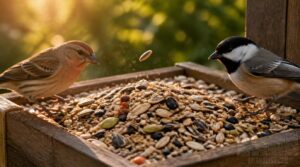
Not all bird seeds are created equal, and knowing what’s actually inside each one changes how you feed your flock.
Every seed carries its own mix of protein, fat, fiber, vitamins, and plant compounds, each playing a distinct role in your bird’s health.
Here’s a closer look at the five key nutrient groups you’ll want to understand.
Protein for Muscle Health
Muscle repair in active birds depends on amino acids from dietary protein, not just calories. Hemp and pumpkin seeds offer complete protein sources with essential amino acids birds can’t produce themselves.
Without adequate intake, feather growth and flight muscle recovery cycles slow down. That’s why nutrient-dense, plant-based protein matters for lean mass maintenance—especially in breeding or molting seasons when demands spike.
Fats for Daily Energy
Gram for gram, fat delivers roughly 9 calories—more than double what protein or carbs provide—making it a caloric-density powerhouse for sustained activity fuel and metabolic baseline support.
- Sunflower and hemp seeds supply essential omega-3 fatty acids
- Pumpkin seeds add fat-soluble vitamin absorption support (A, D, E, K)
- Calorie-dense foods help offset energy demands during cold snaps
That energy reserve keeps flight muscles firing when foraging gets tough.
Fiber for Digestion
Fiber does more than fill a crop—it fuels a bird’s whole gut environment. Soluble fiber gels slow digestion, while insoluble fiber adds bulk for regularity. Fermentation yields short-chain fatty acids that nourish colon cells and support prebiotic gut health.
| Fiber Type | Source Seed | Digestive Role |
|---|---|---|
| Soluble | Flax, chia | Gel formation |
| Insoluble | Sunflower | Stool bulk |
| Fermentable | Pumpkin | SCFA production |
Introduce gradually—fiber-induced bloating happens fast.
Vitamins and Minerals
Seeds pack tiny doses of essential trace minerals that punch above their weight. Manganese and magnesium support enzyme function and nerve signaling, while thiamine (vitamin B1) fuels energy metabolism.
No single seed covers everything—micronutrient variety matters. Mineral absorption balance means excess zinc or manganese can block other nutrients, risking imbalance. Rotate seed types, and pair with amino acid-rich options to prevent gaps that plain seed diets often create.
Antioxidant Plant Compounds
Not just calories and minerals, seeds also carry plant-derived antioxidants that guard against oxidative stress.
Seed Phenolic Concentration and polyphenols cluster in outer coats, while Lignan Bioavailability and Tocopherol Protection shield fats from rancidity.
Carotenoid Lipid Stability and Glucosinolate Metabolism round out this defense chemistry—compounds your bird’s body can’t manufacture alone, making seed variety a genuine nutritional asset.
Best Seeds for Bird Health
Not every seed offers your bird the same nutritional payoff, so knowing which ones pull their weight matters. Some bring healthy fats and protein to the table, while others contribute minerals or antioxidants you won’t find elsewhere. Here’s a closer look at five seeds worth adding to your bird’s bowl.
Sunflower Seeds
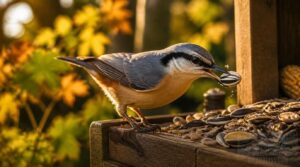
Sunflower seeds pack serious energy density, making them one of the most calorie-dense foods you can offer. Cracking the shell slows birds down, encouraging natural foraging behavior.
The kernels are rich in linoleic acid and oleic acid—fatty acids that support skin, feathers, and seasonal fat needs. As nutrient-dense, plant-based protein sources, they suit many species, though smaller birds often prefer hulled kernels over whole shells.
Millet
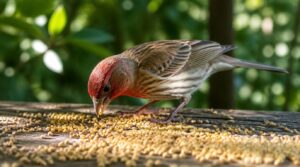
Where sunflower seeds deliver a calorie punch, millet offers something gentler: steady foraging behavior through small, light-colored kernels birds crack easily. It’s largely carbohydrate-based, giving reliable energy density without excess fat.
Millet also supplies:
- Plant-based protein and micronutrients like iron, folate, magnesium
- Fiber slowing digestion
- Antioxidant phytochemicals—flavonoids, tannins, phytosterols
Its mild texture acceptability makes millet a smart addition to diet diversity in a nutrient-dense, whole-food diet.
Safflower Seeds
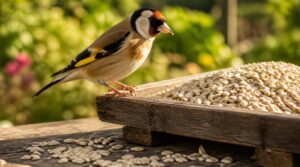
Small, oval, and pale beige, safflower seeds pack 30–40% oil rich in linoleic acid, a polyunsaturated fat that rivals sunflower seeds for supporting healthy feathers and skin.
Their nutty flavor and modest dietary fiber add variety without excess fat. Safflower oil is prized for cooking, but for birds, the whole seed offers B vitamins and plant protein.
Store seeds cool and dry to prevent rancidity.
Flax and Chia
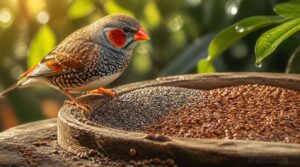
Beyond safflower’s fat content, flaxseeds and chia seeds bring something different to the mix: concentrated omega-3 fatty acids and lignan antioxidants that support heart function and calm inflammation.
Both are nutrient-dense, offering plant-based protein and fiber that aids digestion.
Their mineral content—magnesium, calcium—rounds out feather and bone health. Grinding flax improves absorption; whole chia works well soaked or sprinkled sparingly into your bird’s mix.
Pumpkin Seeds
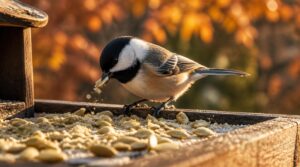
A little goes a long way with pumpkin seeds: magnesium for nerve signaling, zinc for immune strength, and phytosterol-rich oils that echo prostate health benefits noted in human studies.
Nutrient-dense and easy to digest, they offer protein and fiber your bird needs, plus tryptophan that may support restful sleep.
Crush them lightly—whole seeds are tough on smaller beaks within a healthy diet.
Seed Diet Risks to Know

Seeds bring real nutritional value to your bird’s diet, but they aren’t without downsides. Not every risk is obvious at first glance, and some build up quietly over weeks or months. Here’s what you need to watch for before seeds take over the feeder.
Too Much Fat
Sunflower and safflower seeds pack serious calories into tiny bites, and gram for gram, fat beats carbs and protein for energy density. Overfed birds store the surplus, risking:
- Caloric overload
- Digestive upset
- Fatty liver strain
- Lipid profile imbalance
- Breeding condition setbacks
Balancing monounsaturated and polyunsaturated fatty acids matters for lasting weight management.
Missing Key Nutrients
What happens when a bird eats seeds but nothing else? Calcium phosphorus ratios skew fast, since most mixes run heavy on phosphorus. Vitamin A insufficiency and iodine gaps follow close behind.
Seeds also fall short on essential amino acids like lysine, plus omega-3 fatty acids. That’s why dietary supplementation or plant-based protein sources matter—unaddressed micronutrient deficiency risks quietly undermine feather quality and immune strength over time.
Selective Eating Habits
Ever notice your bird eating around certain seeds like they’re personally offended by them? That’s food neophobia at work, not stubbornness.
Texture aversions and visual presentation both matter—birds reject unfamiliar shapes or colors even when nutritionally similar options exist. Left unchecked, this narrows intake, deepening micronutrient deficiencies.
Reducing mealtime anxiety through gradual exposure alongside nutrient-dense, plant-based protein sources helps rebuild dietary variety over time.
Mold and Spoilage
A fuzzy blue-green patch on seeds isn’t harmless dust—it’s a mycotoxin risk in the making. Poor moisture control, condensation, or loose, oxygen-permeable packaging invite mold even in "dry" caloriedense foods. Warm storage speeds spoilage further.
Since toxins can lurk beyond visible mold, discard the whole batch rather than picking around it. Cool, airtight storage keeps nutritious, antioxidant-rich seeds safe from spoilage.
Allergy or Sensitivity Signs
Can seeds trigger more than tummy trouble? Yes—watch for skin hives symptoms, facial swelling, or respiratory distress signs like wheezing.
Digestive reaction indicators (vomiting, diarrhea) alongside swelling warning signs signal true food allergies, not picky eating. Reaction timing patterns matter: symptoms surfacing within minutes suggest allergy.
Consult an avian vet promptly—healthy immune function and inflammation modulation depend on identifying triggers early, before immune system support becomes compromised.
Building a Balanced Seed Diet
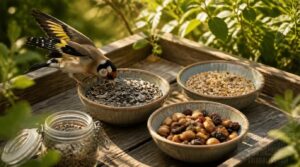
Knowing the risks is only half the job; the other half is putting that knowledge into practice. A balanced seed diet isn’t about guesswork, it’s about portion control, variety, and smart storage working together. Here’s what that looks like in your bird’s daily routine.
Proper Seed Portions
Consistency matters more than quantity here: measure by volume or weight, not by handfuls, and adjust seasonally—more in winter, less when birds stay inactive.
Watch for selective eating and fat-heavy leftovers, since sunflower seeds pack calories fast.
Feed measured amounts at set times to prevent spoilage, keeping portions part of a broader whole-food diet rather than the whole meal.
Pellets and Fresh Foods
Pellets solve what portion control alone can’t: consistent micronutrients in every bite, curbing the selective eating seed mixes invite. Fresh foods—veggies, fruit—add hydration and texture enrichment pellets lack.
- Crisp cucumber slices birds attack with curiosity
- Steady nutrient stability instead of pellet-hunting guesswork
- Juicy fruit bits that spark real excitement
- Plant-based protein variety beyond one seed type
- Less spoilage risk with small, timed portions
Safe Seed Storage
Freshness fades fast once moisture creeps in. Keep seeds dry (below 14% moisture), cool, and sealed in airtight containers—this limits mold, rancidity, and pest activity while preserving nutrient bioavailability.
| Factor | Risk if Ignored | Solution |
|---|---|---|
| Moisture | Mold, spoilage | Desiccants |
| Heat | Nutrient loss | Cool storage |
| Pests | Contamination | Clean bins |
Sprouted Seed Benefits
Once storage keeps seeds dry, sprouting takes freshness a step further. Germination triggers enzyme activation that breaks down phytic acid, boosting nutrient absorption and micronutrient availability. This bioavailability enhancement helps digestion in birds with sensitive systems.
Always follow sprouting safety protocols—rinse thoroughly, avoid mold—since improperly sprouted seeds can spoil quickly and undo these digestive enzyme benefits entirely.
Vet-Guided Feeding Plans
Why guess at ratios when an avian vet can calculate them? A proper plan starts with species identification—finches, parrots, and canaries need different mixes—then factors in weight management, using flaxseeds, hemp seeds, pumpkin seeds, chia seeds, and sunflower seeds as staples or occasional treats.
Vets set adjustment schedules for new seeds and rely on stool monitoring plus nutrient supplementation only when deficiencies appear.
Frequently Asked Questions (FAQs)
Can seeds help improve skin and hair health?
Dull feathers, brittle and flaking; vibrant plumage, soft and resilient.
Yes — omega-3 fatty acids support skin barrier function, zinc aids keratin formation, vitamin E fights oxidative stress, and dietary protein builds strong feather structure from the inside out.
Are sprouted seeds more nutritious than regular seeds?
Yes—germination triggers phytic acid reduction, boosting mineral bioavailability for iron and zinc. Sprouting also raises antioxidant compounds, shifts amino acid profiles, and improves digestibility, giving birds a nutrient combination regular seeds simply can’t match.
How much seed intake is recommended daily?
A 1–2 tablespoon daily portion, roughly 15–30 grams, balances protein, fiber, and micronutrients without excess calories. This nutrient-dense range helps a healthy diet while preventing overconsumption, especially since seeds’ caloric density adds up fast in small amounts.
Do seeds lose nutrients when ground or blended?
Grinding breaks the protective seed coat, raising oxidation risks for fats and speeding rancidity. Whole seeds outperform ground ones for storage temperature stability.
Feed ground flaxseed fresh, refrigerated, in small batches—nutrient combined benefits and bioavailability drop fast once that embryonic plant’s defenses are gone.
Can children and pregnant women safely eat seeds?
In most cases, children and pregnant women can safely eat seeds as part of nutrient-dense, plant-based diets.
Watch for choking hazards with whole seeds, manage fiber intake gradually, stay aware of allergy signs, and store seeds properly to prevent spoilage.
How much flaxseed or chia should humans eat daily?
Most adults do well with 1 to 2 tablespoons daily of ground flaxseed or whole chia, rich in fiber, protein, and omega-3s. Start with one tablespoon, increase gradually, and drink plenty of water to support digestion and prevent bloating.
Do sesame seed compounds protect against heart disease?
Sesamin and sesamol deliver strong antioxidant effects, easing oxidative stress while supporting lipid profile improvement, vascular inflammation reduction, and blood pressure regulation—compelling groundwork for cardiovascular protection, though solid human trials confirming direct heart disease prevention remain limited.
Whats the best way to store seeds for freshness?
Cool, dark, and dry conditions keep flaxseeds, chia, and pumpkin seeds fresh longest. Use airtight containers with desiccants below 60% humidity, refrigerate near 5°C, and shield seeds from light to prevent rancid oils and nutrient loss.
Conclusion
Seeds alone won’t ruin your bird’s health—the problem is quantity, not the food itself.
Used correctly, seed diet health benefits show up in sleeker feathers, steadier energy, and instincts that stay sharp through foraging.
The key is balance, not exclusion: pair seeds with pellets, fresh produce, and portion control that matches your bird’s species and size. Think of seeds as seasoning, not the meal. Get that ratio right, and your bird thrives on it.
- https://www.betterhealth.vic.gov.au/health/healthyliving/nuts-and-seeds
- https://www.ift.org/food-technology-magazine/nuts-and-seeds-tiny-and-mighty-ingredients
- https://www.health.harvard.edu/diet-and-nutrition/chia-seed-benefits-what-you-need-to-know
- https://www.healthline.com/nutrition/6-healthiest-seeds
- https://pmc.ncbi.nlm.nih.gov/articles/PMC9834868