This site is supported by our readers. We may earn a commission, at no cost to you, if you purchase through links.
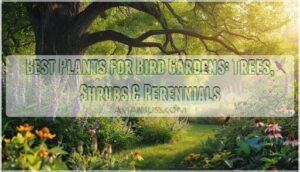
Most birds don’t want your garden—they want what your garden is missing. Across North America, bird populations have dropped by nearly 3 billion since 1970, and a big part of that story traces back to the plants we’ve chosen to surround ourselves with.
Ornamental species look tidy, but they’re basically food deserts for wildlife. The best plants for bird gardens share one thing in common: they’ve co-evolved with local birds, insects, and soil for thousands of years.
Swap even a few of your landscape plants for native trees, shrubs, and perennials, and you’ll start seeing visitors that haven’t touched your yard in years.
Table Of Contents
- Key Takeaways
- Key Principles for Bird-Friendly Gardens
- Top Native Trees That Attract Birds
- Best Shrubs for a Bird Garden
- Essential Perennials and Vines for Birds
- Designing a Year-Round Bird Habitat
- Frequently Asked Questions (FAQs)
- What is the best plant for attracting birds?
- What is the 70/30 rule in gardening?
- Why should I sprinkle coffee grounds around my bird feeder?
- What plants grow well under bird feeders?
- How often should I clean bird feeders?
- What plants attract hummingbirds in summer?
- When is the best time to prune?
- Can I grow bird plants in containers?
- How long until plants attract birds?
- Which plants attract the rarest bird species?
- Conclusion
Key Takeaways
- Native plants are the backbone of a bird-friendly yard — a single oak can support over 900 caterpillar species, making it the single best thing you can plant.
- Layering ground cover, shrubs, understory trees, and tall canopy creates diverse habitats that different bird species actually use, rather than just pass over.
- Invasive plants and pesticides quietly gut your garden’s food web, so swapping them out for native plants like serviceberry, elderberry, and coneflower makes a real difference fast.
- Birds need food, shelter, and water year-round, so combining native plants with a shallow water source and standing seed heads through winter turns your yard into a place birds genuinely rely on.
Key Principles for Bird-Friendly Gardens
Before you start filling your yard with plants, it helps to know what birds actually need from a garden. A few simple principles make the difference between a yard birds pass over and one they return to all year long. Here’s what to keep in mind as you choose your plants and plan your space.
If you’re just getting started, this guide to wild bird feeders for beginners is a great place to understand what draws birds in before you even think about planting.
Importance of Native Plant Selection
Native plants are the backbone of any truly bird-friendly yard. When you swap ornamental exotics for native plant species, you’re plugging directly into your local ecosystem’s food web. A single native oak nurtures over 500 caterpillar species — nonnative trees often host fewer than 10.
Here’s why native plant selection matters:
- Bird food sources multiply — more insects, berries, and seeds year-round
- Biodiversity conservation gets a real boost in your own backyard
- Sustainable gardening becomes easier since natives need less water and fertilizer
- Bird-friendly plants attract more species, including hard-to-spot migrants
- Native plant gardening bolsters whole ecosystems, not just birds
Providing Food, Shelter, and Water
Beyond plant selection, birds need three things to stick around: food, shelter, and water.
Seed heads from coneflowers and sunflowers fuel finches through winter, while evergreen trees give small birds a windbreak at night.
For water features, a shallow bird bath — one to three inches deep — beats any fancy setup. Simple garden maintenance keeps it all working together for real wildlife conservation.
Planting in Layers for Diverse Habitats
Think of your yard as a layered garden design — ground cover, shrubs, understory trees, and tall canopy all working together. This vertical structure creates bird friendly zones for every species.
Robins scratch the leaf litter below while warblers hide in shrub species for birds at mid-level. Mixing native plants and tree species fosters true habitat diversity and ecological balance — gardening for wildlife at its best.
Avoiding Invasive Species and Pesticides
That vertical structure only works if the right plants fill each layer. Invasive species like Japanese barberry and English ivy crowd out the native plants birds actually depend on — and their berries are often less nutritious.
Skip pesticides too, since insecticides wipe out the caterpillars songbirds feed their chicks. Sustainable gardening and eco-friendly practices keep that ecological balance intact naturally.
Top Native Trees That Attract Birds
Trees do more for birds than most people realize — they’re not just pretty backdrops, they’re food, shelter, and nurseries all in one.
From towering oaks to dense thickets, forest habitats shape how birds nest, feed, and thrive across every season.
Choosing the right native trees can turn your yard into a place birds genuinely want to stay. Here are some of the best ones to think about.
Oaks and Their Ecological Value
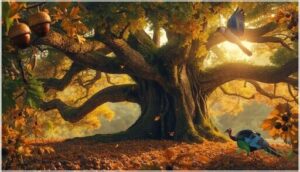
If you plant just one tree for birds, make it an oak. These native tree species are ecological powerhouses — a single oak can support over 900 caterpillar species, making them the backbone of oak ecosystems and biodiversity support in your yard. That’s real wildlife food, right outside your window.
One native oak can support over 900 caterpillar species, making it the single best tree you can plant for birds
Here’s why oaks are peerless bird-friendly plants:
- Caterpillar abundance: Songbirds like chickadees need hundreds of caterpillars daily to raise their chicks
- Acorn crops: Over 100 vertebrate species rely on acorns, from blue jays to wild turkeys
- Tree canopy shelter: Wide-spreading crowns offer perches, roosts, and nesting cavities
- Leaf litter foraging: Fallen leaves create rich ground habitat for insects birds scratch through
- Forest regeneration: Cached, forgotten acorns sprout into new trees, supporting ecological balance and biodiversity for generations
Pines for Shelter and Seeds
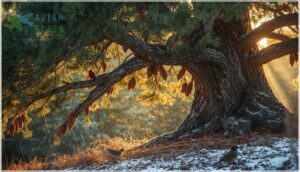
Pines are the quiet workhorses of any bird-friendly garden. As native tree species with year-round evergreen cover, they give birds a safe place to roost, hide, and weather winter storms.
Pine tree benefits go beyond shelter — those seed-producing cones can hold thousands of seeds, attracting crossbills, nuthatches, and ground-feeding quail. For wildlife-friendly gardening, few plants deliver more.
Serviceberry, Mulberry, and Birch Trees
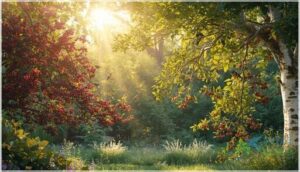
Serviceberry, mulberry trees, and birch trees are three of the most rewarding native tree selections for yard design for birds. Serviceberry blooms early, feeds over 100 insect species, then delivers summer fruit that cedar waxwings devour within days.
Red mulberry feeds 50-plus bird species. Birches support caterpillars and offer nesting cavities — together, these bird-friendly plants build a thriving garden ecosystem across every season.
Willows for Early Migrants
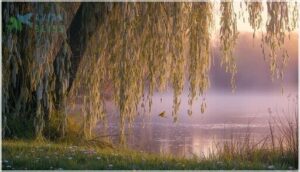
Few native plant species pull double duty quite like willows. Before most trees even think about waking up, willows are already feeding the first wave of spring migrants. Here’s why they earn a prime spot in wildlife gardening:
- Early Catkin Benefits – Catkins bloom in late winter, jumpstarting insect activity.
- Migrant Insect Food – Willows host hundreds of caterpillar species warblers and vireos rely on.
- Willow Shelter Value – Dense branching gives tired migrants safe overnight cover.
- Smart Yard Design for Birds – Plant along rain gardens or pond edges for maximum impact.
Adding willows to your bird-friendly garden connects your yard to the broader migration pulse each spring.
Best Shrubs for a Bird Garden
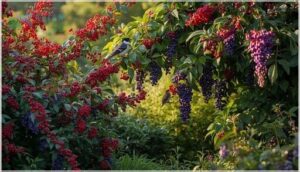
Shrubs are the secret backbone of a great bird garden — they fill in that middle layer where birds love to hide, nest, and snack.
The right ones can pull in everything from warblers to mockingbirds, depending on the season. Here are three standout shrubs worth adding to your yard.
Dogwood and Ninebark
Few shrubs punch above their weight in a wildlife habitat quite like dogwood and ninebark. These bird-friendly shrubs are a powerful pair for any garden design.
Dogwood berries — around 24% fat — give fall migrants the fuel they need fast. Ninebark’s dense thickets offer reliable nesting cover, while its exfoliating bark shelters overwintering insects that insect-eating birds depend on through winter.
| Feature | Dogwood | Ninebark |
|---|---|---|
| Bird Value | Berries feed 40+ species | Nesting and insect shelter |
| Bloom Season | Spring | Late spring |
| Hardiness Zone | 5–9 | 2–8 |
| Soil Tolerance | Moist, well-drained | Clay, sand, rocky |
| Wildlife Habitat Role | Migrant fuel source | Year-round cover |
Together, these native plant species build a layered shrub edge that birds genuinely use daily. That’s the ecological value of smart, intentional wildlife gardening — beauty with real purpose.
Elderberry and Currant
Few bird-friendly plants deliver as much as elderberry and currant. Elderberry benefits are hard to beat — over 40 bird species eat its late-summer berries, and its arching stems create ready-made nesting spots.
Currant species add early spring nectar that pulls in hummingbirds and insects alike. Together, these native plant species make shrub planting feel easy, turning any yard into genuine wildlife-friendly gardening territory.
American Beautyberry and Chokeberry
Two more standout native plant species deserve a spot in your wildlife garden. American Beautyberry puts on a stunning fall show — those magenta berry clusters ripen in September and attract over 40 songbird species.
Chokeberry benefits your yard well into winter, since its dark fruits persist when other food runs out. Both reward minimal native shrub care with serious berry attraction methods birds can’t resist.
Essential Perennials and Vines for Birds
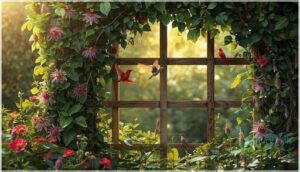
Perennials and vines are where a bird garden really starts to hum with life.
They fill in the gaps between trees and shrubs, offering seeds, nectar, and cover that birds count on through every season.
Here are some of the best ones to add to your yard.
Black-eyed Susan and Coneflower
Few perennials deliver more for birds than Black-eyed Susan and coneflower. These native plant species are powerhouses of seed production — goldfinches practically flock to coneflower seed heads.
Both offer strong pollinator support throughout summer, building a thriving wildlife habitat right in your yard. Skip deadheading, let those stems stand, and your garden maintenance routine suddenly does double duty for bird-friendly plants.
Goldenrod, Joe-Pye Weed, and Asters
Goldenrod, Joe-Pye weed, and asters bring serious late bloom benefits when most flowers have called it quits.
Together, these native plant species support over 115 insect species in some regions — a buffet for warblers and chickadees.
Their seed production carries birds through winter, and their tall dried stems offer genuine winter shelter. Plant them in sunny clumps for maximum wildlife-friendly gardening impact.
Sunflower and Blazing Star
After those late-bloomers, sunflowers and blazing star (Liatris spicata) keep the momentum going strong.
Here’s why these seed-producing plants earn a permanent spot:
- Black oil sunflower seeds pack serious Seed Nutrition — thin shells, high fat, easy calories
- Blazing star’s Bloom Timing runs mid-to-late summer, right when migrants need fuel
- Their contrasting Growth Habits — broad heads versus narrow spikes — make Garden Pairing visually stunning
- Leave dried heads standing for Winter Foraging by finches and chickadees
- Together, these BirdFriendly Plants cover multiple Flower Species for Birds in one sunny corner
Both perennials thrive in full sun with minimal fuss.
Trumpet Honeysuckle and Virginia Creeper
Vines might be the unsung heroes of bird habitat creation. Trumpet honeysuckle, a well-behaved native, blooms from spring through frost, drawing hummingbirds with its tubular red flowers and offering songbirds red berries come fall.
Virginia creeper covers more ground fast — sometimes too fast — so keep up with pruning. Both deliver wildlife food sources and shelter, making them genuinely birdFriendly plants worth planting.
Designing a Year-Round Bird Habitat
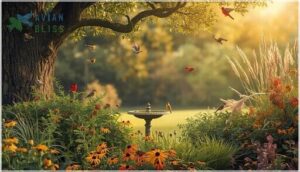
Getting birds to visit once is easy — keeping them coming back all year takes a little more thought. The good news is that with the right mix of plants and features, your yard can become a place birds genuinely rely on through every season.
Here’s what to focus on.
Seasonal Plant Choices for Continuous Food
Think of your yard as a living buffet — one that never closes. By layering Spring Blooms like serviceberry and columbine with Summer Fruits from mulberry and elderberry, then Autumn Berries from chokeberry and beautyberry, you keep birds returning all season.
Leave coneflower stalks standing for Winter Seeds. That simple shift toward native plants creates genuine Year-Round Forage in your wildlife garden.
Creating Natural Roosting and Nesting Sites
A yard becomes a true bird paradise when it offers more than just food — birds need safe places to sleep and raise young, too.
Focus on these roosting microhabitats:
- Leave snags (dead trees) standing for snag creation
- Stack brush piles near shrub thickets for winter shelter
- Preserve natural cavities in old trees or add nest boxes
- Layer tall trees, shrubs, and flowers for vertical variety
Water Features and Supplemental Bird Supplies
Water is just as essential as food — and the right design makes all the difference. Keep water one to two inches deep so small songbirds can wade comfortably. Moving water options like drippers or misters attract even more visitors.
Winter water solutions with heated baths keep birds hydrated through freezing temps. Add seed feeders and you’ve got supplemental bird supplies that complete your wildlife-friendly gardening setup.
Frequently Asked Questions (FAQs)
What is the best plant for attracting birds?
If there’s a crown jewel of bird-friendly plants, it’s the oak. As a caterpillar host plant powerhouse, oaks support nearly 900 species — making them exceptional native plants for gardening for birds.
What is the 70/30 rule in gardening?
The 70/30 rule is a simple native plant ratio: aim for roughly 70 percent native plants and 30 percent non-natives. It’s a core sustainable landscaping principle that keeps your garden balanced and wildlife-friendly.
Why should I sprinkle coffee grounds around my bird feeder?
Sprinkling used coffee grounds around your bird feeder is a simple squirrel deterrent — the bitter smell nudges them away, protecting bird food while enriching soil and reducing pests safely.
What plants grow well under bird feeders?
Low-growing sedges and other plants like wild ginger, and partridge berry make excellent groundcover options under feeders.
These seed tolerant plants handle spilled hulls without fuss, keeping your yard tidy while giving birds a soft, natural landing zone.
How often should I clean bird feeders?
Clean seed feeders every two weeks — more often in wet or hot weather.
For hummingbird feeder care, swap nectar every three to five days. Cloudy nectar? Clean it immediately.
Healthy feeders mean healthier birds.
What plants attract hummingbirds in summer?
Hummingbirds zero in on tubular blossoms like Cardinal Flower and Trumpet Honeysuckle all summer long.
These nectar rich flowers, native perennials, and hummingbird vines keep pollinatorfriendly plants buzzing with summer blooms hummingbirds simply can’t resist.
When is the best time to prune?
The best time to prune is late fall through winter, during the dormant season.
Most birds aren’t nesting yet, cuts heal faster, and you won’t disturb active nests or remove next season’s shelter.
Can I grow bird plants in containers?
Yes, container gardening works beautifully for bird friendly plants. Native perennials, compact shrubs, and seed-bearing flowers thrive in pots, turning balconies and patios into surprisingly productive small space gardens for birds.
How long until plants attract birds?
Some plants attract birds within weeks, others take a few seasons.
Fast-growing perennials like coneflowers can draw finches in their first year, while oaks and pines need several years to reach full potential.
Which plants attract the rarest bird species?
Want rare birds? Skip the exotic showstoppers. Native oaks, willows, and trumpet creeper are your real tickets — quietly supporting the specialized insects and shelter that scarce, declining species actually need.
Conclusion
Every small change adds up, and that’s exactly how a bird-friendly yard takes shape—one plant at a time. Choosing the best plants for bird gardens isn’t about overhauling everything overnight.
Start with a serviceberry here, a coneflower patch there, and watch what finds you. Birds don’t need a perfect garden. They need a living one. Give them native plants, layered shelter, and a reliable water source, and they’ll do the rest.
- https://www.usbg.gov/native-plant-recommendations
- https://www.audubon.org/magazine/11-berry-bearing-native-plants-keep-birds-full-and-happy
- https://www.whidbeyaudubonsociety.org/native-plants-for-birds
- https://www.prairienursery.com/plants-seeds/native-plants/shrubs-and-vines/native-shrubs-that-attract-birds.html
- https://www.myhomepark.com/blog/best-bird-plants