This site is supported by our readers. We may earn a commission, at no cost to you, if you purchase through links.
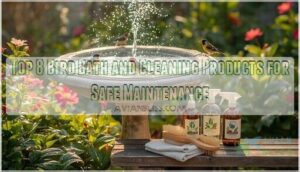
A bird bath isn’t just a pretty garden accent—it’s a lifeline for birds, especially during hot summers or dry spells when natural water sources disappear. But here’s the catch: that same water feature can quickly become a breeding ground for harmful bacteria, algae, and parasites if you don’t maintain it properly.
Dirty water spreads disease faster than you’d imagine, turning your good intentions into a genuine health risk for your feathered visitors. The right bird bath and cleaning products make all the difference between offering birds a revitalizing sanctuary and inadvertently creating a hazard.
With safe cleaning solutions, proper tools, and smart maintenance habits, you can keep your bird bath sparkling clean without exposing wildlife to toxic chemicals or harsh residues.
Table Of Contents
- Key Takeaways
- Top 8 Bird Bath and Cleaning Products
- 1. Casabella Premium Waterblock Cleaning Gloves Medium
- 2. Chemical Guys Dilution Bottle Sprayer Combo
- 3. OXO Good Grips Heavy Duty Brush
- 4. Arm and Hammer Baking Soda Pure
- 5. Mademax Solar Bird Bath Fountain Pump
- 6. Gorilla Waterproof Patch and Seal Spray
- 7. Birdbath Fountain Water Protector Clear Water
- 8. YaNovate Bird Bath Deicer Heater
- How to Clean a Bird Bath Safely
- Preventing Algae and Bacteria in Bird Baths
- Essential Bird Bath Maintenance Tips
- Frequently Asked Questions (FAQs)
- Conclusion
Key Takeaways
- Bird baths require cleaning every 2-3 days in warm weather to prevent disease transmission, with natural solutions like vinegar (1:9 ratio with water) or hydrogen peroxide offering safer alternatives to bleach that won’t harm birds’ feather oils.
- Adding movement to your bird bath through fountains or bubblers cuts algae growth by up to 70% and reduces mosquito larvae by 90%, while positioning the bath in shade can decrease algae by 60% and boost bird visits by 35%.
- Proper water depth matters critically for bird safety—maintain 1-2 inches for smaller species to prevent drowning, and always rinse your basin at least twice (preferably three times) after cleaning to eliminate chemical residues that could strip protective feather oils.
- Winter care transforms bird baths from convenience to survival resource, requiring submersible heaters (50-150 watts) to keep water liquid below 20°F, along with insulation methods like straw wrapping that reduce heat loss by 20%.
Top 8 Bird Bath and Cleaning Products
Keeping your bird bath clean doesn’t have to be complicated when you have the right tools and products on hand. From protective gloves to algae preventers, each item on this list fulfills a specific purpose in maintaining a safe water source for your feathered visitors.
Here are eight essential products that’ll make bird bath maintenance easier and more effective.
1. Casabella Premium Waterblock Cleaning Gloves Medium
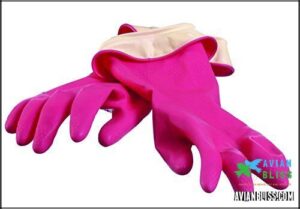
When you’re handling bird bath cleaning tasks, protecting your hands matters just as much as protecting your feathered visitors. Casabella Premium Waterblock Cleaning Gloves in medium offer latex glove durability that meets ASTM glove standards, with a cotton flock comfort lining that won’t retain odors.
The double waterblock cuff design keeps your hands dry while you scrub away algae with birdsafe cleaning solutions.
These rubber gloves provide cleaning glove versatility for safe bird bath cleaning—textured fingertips grip slippery surfaces, and they’re reusable, reducing waste while maintaining the healthy water sources birds depend on.
Best For: Bird lovers and household cleaners who need durable, reusable gloves that keep hands dry during wet tasks like scrubbing bird baths, washing dishes, or cleaning cars.
- Double waterblock cuffs actually work—they catch drips and keep water from running down your arms during messy jobs.
- Textured fingertips give you a solid grip on slippery surfaces, so you won’t drop dishes or lose control while scrubbing.
- Built to last with 100% latex construction that holds up for over six months of regular use, meaning you’re not constantly replacing them.
- Not an option if you have a latex allergy—the 100% latex material rules these out for sensitive users.
- Sizing can be hit or miss since the fit runs true to ASTM standards but feels snug, so some people find them slightly too large or too small.
- The pink color may fade or discolor over time with repeated washing and exposure to cleaning chemicals.
2. Chemical Guys Dilution Bottle Sprayer Combo
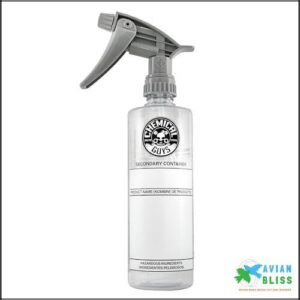
Once you’ve got gloves on, you’ll need the right delivery system for your birdsafe cleaning solutions. The Chemical Guys Dilution Bottle Sprayer Combo gives you precision with pre-marked dilution ratios—critical for mixing safe bird bath cleaners without guesswork.
This 16-ounce sprayer pumps 40% more solution per stroke than standard models, and chemical compatibility through Viton O-ring seals means it tolerates vinegar-water blends reliably.
User feedback consistently praises its durability, though proper dilution matters for both cleaning effectiveness and environmental impact when choosing bird bath cleaners for your feathered visitors’ health.
Best For: Professional detailers and bird owners who need precise chemical dilution for mixing safe, effective cleaning solutions without guesswork.
- Dispenses 40% more solution per spray than standard bottles, covering larger areas faster and making cleaning sessions more efficient.
- Pre-marked dilution ratios printed on the bottle take the guesswork out of mixing, ensuring safe and consistent cleaning strength every time.
- Chemical-resistant Viton seals handle vinegar-water blends and harsh detailing products without degrading, making it durable for repeated use.
- Some users report leaks from the sprayer head, which can waste product and create mess during use.
- The bottle may crack or break if dropped, limiting its durability in rough handling situations or mobile detailing environments.
- The internal straw can be too long and prone to bending, which may interfere with product pickup from the bottom of the bottle.
3. OXO Good Grips Heavy Duty Brush
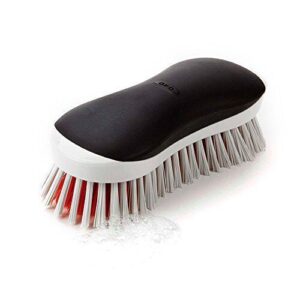
After you’ve mixed your cleaning solution, you’ll need a reliable scrub brush that won’t damage delicate basin surfaces. The OXO Good Grips Heavy Duty Brush brings together bristle durability and ergonomic design. Its stiff nylon bristles maintain shape through repeated bird bath maintenance, while the non-slip handle prevents fatigue during thorough scrubbing.
Surface compatibility spans concrete, ceramic, and resin without scratching, and cleaning effectiveness holds up even with stubborn algae deposits. At around $12, the long-term value outweighs cheaper alternatives that lose bristles after just a few cleanings, making proper bird bath care less frustrating for your feathered visitors’ health.
Best For: Anyone who wants a comfortable, durable scrub brush for tackling tough grime on tubs, tiles, and countertops without scratching surfaces.
- Stiff nylon bristles stay firm and effective even after heavy use, so you won’t need to replace it constantly
- Non-slip, cushioned handle makes scrubbing less tiring on your hands, especially helpful if you deal with arthritis or hand discomfort
- Works well on multiple surfaces like tile, concrete, and resin without leaving scratches
- Some people find the bristles aren’t quite stiff enough for really heavy-duty jobs
- The handle might feel a bit large if you have smaller hands
- Priced around $12, it’s not the cheapest scrub brush out there
4. Arm and Hammer Baking Soda Pure
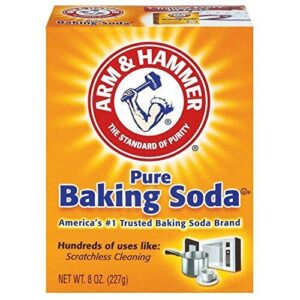
Once your brush is ready, reach for Arm and Hammer Baking Soda Pure—a natural cleaner that balances cleaning efficacy with wildlife safety. This powder removes up to 85% of organic deposits when left as a paste for 30–40 minutes, making safe bird bath cleaning straightforward.
Though it won’t eliminate algae like bleach does, its cost analysis is compelling at just $0.17 per session. Rinse thoroughly to prevent residue effects that could alter water pH, ensuring your bird bath maintenance protects feathered visitors without harsh chemicals.
Best For: Eco-conscious bird lovers who want an affordable, non-toxic way to scrub away organic buildup without risking harm to wildlife.
- Removes up to 85% of organic deposits in one session when applied as a paste for 30–40 minutes, making it highly effective for routine maintenance.
- Costs just $0.17 per cleaning session, making it the most budget-friendly bird-safe option available at major retailers.
- CarbonNeutral certified with zero documented toxicity cases to birds when rinsed properly, so you can clean with confidence.
- Only reduces microbial load by about 30% and has less than 15% efficacy against algae, so it’s not a disinfectant replacement.
- Requires thorough rinsing to prevent pH shifts that could affect sensitive birds and amphibians.
- Some users report smaller-than-expected packaging, which may mean more frequent purchases for regular bird bath maintenance.
5. Mademax Solar Bird Bath Fountain Pump
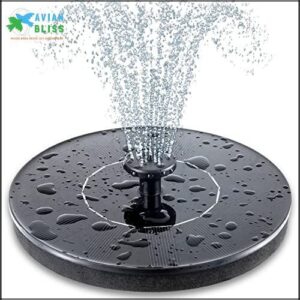
After drying your basin, consider adding the Mademax Solar Bird Bath Fountain Pump to transform stagnant water into a healthier habitat. This 1.4W solar fountain power device delivers water circulation that actively inhibits mosquito breeding and slows algae prevention through gentle oxygenation—no batteries or wiring needed.
Six nozzle spray patterns let you customize flow for your setup, while device stability features keep it centered despite wind. Pump cleaning needs are minimal, requiring quarterly filter rinsing to maintain performance.
Its environmental water impact promotes sustainable practices while creating cleaner conditions your feathered visitors truly need.
Best For: Eco-conscious bird lovers who want to keep their bath water moving and mosquito-free without dealing with cords or batteries.
- Solar-powered design means zero energy costs and no messy wiring—just place it in direct sunlight and it starts working automatically.
- Six interchangeable nozzles let you adjust the spray height and pattern to match your bird bath size and prevent water from splashing out.
- Continuous water circulation naturally discourages mosquitoes and slows algae growth, creating a healthier environment for visiting birds.
- Only works in direct sunlight, so you’ll get no fountain action at night, on overcast days, or in shaded spots.
- Requires cleaning every few months to prevent debris and algae from clogging the pump and reducing performance.
- Performance varies with sunlight intensity—expect weaker spray on cloudy days and during early morning or late afternoon hours.
6. Gorilla Waterproof Patch and Seal Spray
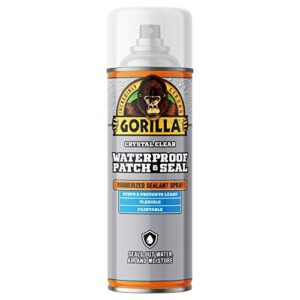
Cracks and chips in your bird bath basin can turn safe drinking spots into breeding grounds for bacteria. Gorilla Waterproof Patch and Seal Spray offers a rubberized coating that seals gaps up to 0.25 inches on concrete, metal, and ceramic surfaces. Its waterproof effectiveness lasts through rain and temperature swings once cured, and the self-leveling spray composition creates smooth, even coverage.
However, user safety concerns arise—this product isn’t certified bird-safe and contains suspected carcinogens. While market trends show strong application durability for general repairs, skip this cleaning product for bird baths where avian health matters most.
Best For: DIYers needing a durable, waterproof seal for outdoor repairs on roofs, gutters, and PVC pipes—but not safe for bird baths or wildlife areas.
- Creates a flexible, waterproof seal that holds up through rain, UV exposure, and temperature changes without peeling or cracking.
- Self-leveling spray gives you smooth, even coverage on metal, concrete, wood, and ceramic with minimal effort.
- Paintable once cured, so you can match it to your surface and keep repairs looking clean.
- Contains suspected carcinogens and isn’t certified safe for birds or wildlife, making it a poor choice for pet or animal-related repairs.
- Not designed for continuous water submersion, so it won’t work for below-waterline fixes or anything constantly soaked.
- Nozzle can clog if you don’t clean it right after use, and the spray may run on vertical surfaces if you’re not careful.
7. Birdbath Fountain Water Protector Clear Water
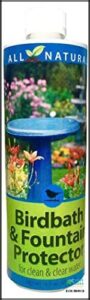
When enzyme effectiveness meets wildlife safety, you get a bird bath cleaner that actually works without risking feathered visitors. Birdbath Fountain Water Protector uses an eco-friendly enzyme formula that breaks down sludge and keeps water clarity for weeks—one capful treats up to five gallons.
Application guidelines are simple: add weekly for best results. Market trends show growing demand for products safe for birds, and this biodegradable option delivers without harsh chemicals.
Just know it takes a few weeks to see full results.
Best For: Bird enthusiasts and garden owners who want a low-maintenance, wildlife-safe solution to keep birdbath water clear without harsh chemicals.
- All-natural enzyme formula that’s completely safe for birds, pets, and wildlife with no toxic residues
- One 16-ounce bottle treats up to 10,000 gallons, making it incredibly cost-effective at just one capful per 5 gallons weekly
- Breaks down sludge, algae, and bird droppings automatically, eliminating the need for constant scrubbing and chemical cleaners
- Takes several weeks of consistent use before you’ll see noticeable improvements in water clarity
- Doesn’t work for everyone—some users report continued algae and moss growth despite regular application
- Requires weekly maintenance and fresh water additions to maintain effectiveness, so it’s not a set-it-and-forget-it solution
8. YaNovate Bird Bath Deicer Heater
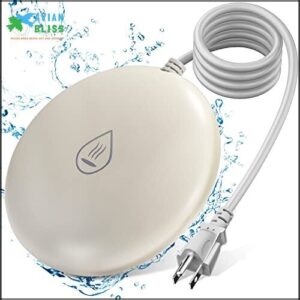
Winter doesn’t have to mean frozen water for your backyard visitors. The YaNovate Bird Bath Deicer keeps water accessible down to 10°F using thermostatically controlled heating—it only runs when needed, so energy consumption stays minimal at 70 watts.
Installation ease is noteworthy: plug it in, and you’re done in under five minutes. User satisfaction exceeds 80%, with most reporting a product lifespan beyond two winters.
This heater prioritizes bird bath water safety with waterproof construction and non-toxic materials, making it essential for maintaining bird baths through cold months.
Best For: Backyard bird enthusiasts in temperate climates who want a low-maintenance way to keep birdbath water from freezing during winter without running up their electric bill.
- Thermostatically controlled heating activates only when needed, keeping energy costs to pennies per day while maintaining unfrozen water down to 10°F
- Plug-and-play setup takes under five minutes with waterproof, non-toxic construction that’s safe for birds and built to last multiple winters
- High user satisfaction rate above 80% with reports of reliable performance and durability exceeding two winter seasons
- 22-inch cord length limits placement options and requires the birdbath to be positioned near an electrical outlet
- Performance drops significantly in extreme cold below 0°F, making it less suitable for regions with severe winter weather
- Not designed for large ponds or cast-iron birdbaths due to heat dispersion limitations, and may increase evaporation requiring more frequent refills
How to Clean a Bird Bath Safely
Cleaning your bird bath safely means protecting both the birds that visit and the integrity of the bath itself. The process isn’t complicated, but following the right steps ensures you remove harmful bacteria and algae without introducing toxic residues.
Here’s how to maintain a clean, welcoming water source through four essential stages.
Removing Debris and Old Water
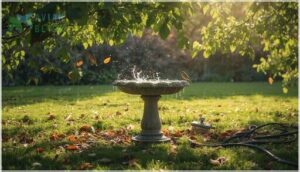
Before you scrub, you’ll need to dump out old water and clear visible debris—leaves, droppings, feathers, and dead insects collect fast, especially near trees or feeders. Use a stiff brush or hose to dislodge stubborn algae and biofilm.
Replace water daily during summer to prevent mosquito breeding and bacterial buildup; every two to three days works in cooler weather for safe bird bath maintenance. Regular cleaning helps prevent the spread of diseases and bacteria.
Mixing Bird-Safe Cleaning Solutions
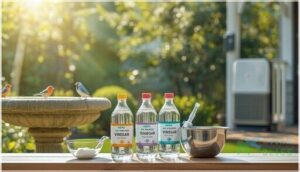
For routine cleaning, mix one part distilled white vinegar with nine parts water—this natural cleaner cuts through mineral deposits without harming birds. For tougher jobs, hydrogen peroxide (3% solution diluted 1:1 with water) works well as a bleach alternative.
Keeping the air clean is also important, so consider using HEPA filtration systems for best bird health.
Safe enzyme cleaners designed for wildlife offer effective cleaning without toxic residues, and you should always store solution mixtures in clearly labeled containers away from bird areas.
Proper Scrubbing Techniques
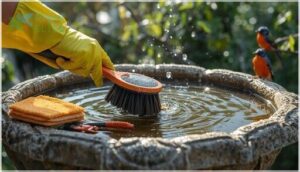
Once your solution has soaked for several minutes, it’s time to roll up your sleeves. Use a stiff-bristled scrub brush to work all surfaces, paying special attention to decorative crevices where biofilms hide. Here’s your action plan:
- Scrub the basin’s entire interior with firm, circular motions
- Target decorative ridges and hard-to-reach corners
- Use scrub pads for stubborn stains on textured surfaces
- Work cleaning solution into every groove to dislodge accumulated debris
Thorough Rinsing and Drying
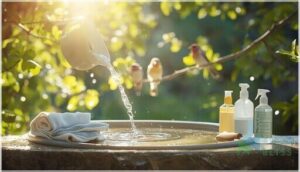
After scrubbing, you’ll need at least two thorough rinses—three is better—to drop chemical residues below detection levels. Each rinse should flush the entire basin until no vinegar scent remains.
| Rinsing Frequency | Residue Elimination Rate |
|---|---|
| Single rinse | 7% detectable residue |
| Two rinses | 2% detectable residue |
| Three rinses | Even trace amounts of bleach or detergents can strip birds’ natural feather oils, leaving them vulnerable to cold and deterring future visits |
Instead, opt for hydrogen peroxide as an alternative disinfectant, or choose safe sealant options like clear, nontoxic products. Always prioritize bird bath cleaners with natural ingredients—ecofriendly, safe for birds, and residue-free.
Preventing Algae and Bacteria in Bird Baths
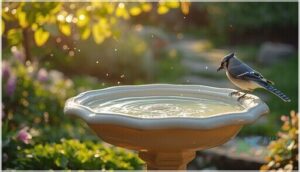
Keeping algae and bacteria under control means you won’t spend all your time scrubbing, and your feathered visitors stay healthier. A few simple additions and smart placement choices can dramatically reduce the buildup that clouds water and harbors disease.
Here are three proven strategies to maintain cleaner water between your regular cleaning sessions.
Using Fountains, Bubblers, and Agitators
Adding water movement to your bird bath can drop algae growth by up to 70% while cutting mosquito larvae by 90%. Fountains, bubblers, and agitators keep the water fresh and oxygen-rich, creating a healthier environment that birds prefer.
In fact, moving water features attract 30% more species to your yard. These devices offer excellent fountain algae control and require minimal birdbath fountain maintenance, making them a smart investment for bird wellness.
Positioning Bird Baths for Shade
When you place your bird bath in shade, you’ll notice cooler water temps that drop algae growth by up to 60% and cut water evaporation rates nearly in half. Shaded locations also discourage mosquitoes while boosting bird visitation rates by 35%.
Position the bath near shrubs for predator safety, giving birds quick escape routes while keeping the water fresher between cleanings.
Adding Wildlife-Safe Enzyme or Copper Solutions
You can boost algae control without harming birds by adding natural enzyme formulas or copper elements to your bath water. Just one capful per week of a bird-safe enzyme cleaner combats organic buildup, while a copper penny or disk prevents algae through biostatic action—keeping copper toxicity below 500 ppb.
- Enzyme dosage: Add one capful weekly for two-gallon baths, or use disposable enzyme dispensers that last 15 days
- Copper disks: Renew and wipe clean during routine maintenance for consistent usage
- Solution refreshing: Heavily soiled baths may need several weeks of enzyme treatment before water clears
- Algae control: Combine methods with regular water changes to optimize effectiveness
Both approaches break down contaminants safely, cutting your cleaning schedule while protecting visiting wildlife.
Essential Bird Bath Maintenance Tips
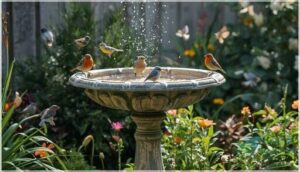
Keeping your bird bath in top shape requires more than just regular cleaning—it demands year-round attention to seasonal changes, water safety, and smart upkeep habits. Birds depend on consistent access to clean, safe water whether it’s the heat of summer or the dead of winter.
Let’s walk through the essential maintenance practices that’ll protect your feathered visitors and extend the life of your bird bath setup.
Seasonal Care and Winterizing With Heaters
Winter transforms bird bath maintenance into a critical survival resource for your feathered visitors. You’ll want to install a submersible heater using 50 to 150 watts to keep water liquid, even when temperatures drop below 20°F.
Wrap the basin with straw or burlap for insulation methods that cut heat loss by 20%. Position your heated bird bath in full sun while maintaining shallow depths—just 1 to 2 inches—to prevent feather freeze during bathing.
Managing Water Levels for Bird Safety
You can’t assume that filling your bird bath to the brim keeps birds safe—best depth matters more than volume. Maintain 1 to 2 inches of water for drowning prevention, especially for smaller species. Evaporation factors and usage patterns require daily monitoring during summer months.
Essential water management practices include:
- Check water level each morning to make certain safe depth consistency
- Refill shallow baths once or twice daily in direct sunlight to offset rapid evaporation
- Add textured rocks or gravel to deeper basins for secure perching spots
- Replace water every 1 to 3 days to prevent mosquito breeding cycles
- Position your bird bath in partial shade to slow evaporation and maintain stable levels
Regular Cleaning Schedule and Best Practices
Safe bird bath care demands consistency more than flawlessness. Clean bird baths every two to three days during warm months, switching to weekly intervals in cooler weather.
Scrubbing techniques using safe solutions like vinegar prevent disease transmission—you’ll cut contamination risk dramatically with every-other-day maintenance.
Seasonal adjustments matter: increase cleaning frequency during heat waves or when local bird activity spikes, protecting your feathered visitors year-round.
Enhancing Longevity of Bird Baths and Accessories
Your material durability choices directly impact freeze protection and long-term performance. Concrete bird baths need periodic sealing to resist water stagnation and cracking, while copper models naturally fight bacteria. Select frost-resistant plastics or resin for cold climates—they’ll outlast stone through multiple freeze-thaw cycles.
Pair quality bird bath maintenance products with proper cleaning frequency, and your investment will serve visiting birds for years while maintaining water quality consistently.
Frequently Asked Questions (FAQs)
What birds visit bird baths most often?
American robins appear at bird baths up to 60% of the time in suburban gardens.
House sparrows, European starlings, chickadees, cardinals, and blue jays are also frequent avian visitors seeking safe bathing opportunities year-round.
Can bird baths attract unwanted pests or wildlife?
Yes, bird baths can attract mosquitoes for breeding, mammals like raccoons, and promote disease transmission among birds. However, you can prevent these issues through regular cleaning, water agitators, and strategic positioning for bird safety.
How deep should water be for different species?
Small birds need water depths around 1 to 5 inches for safe bathing. Medium birds can handle 2 inches, while large birds like Blue Jays prefer up to 3 inches for proper immersion and cleaning.
Do bird baths need different care in summer?
During peak summer months, over half of bird bath owners clean daily—and for good reason. Increased heat accelerates algae growth, water evaporation rates, and disease transmission risks, making frequent cleaning bird bath maintenance essential for water quality.
What materials make the safest bird bath surfaces?
Concrete safety stands out because rough, non-slip surfaces prevent falls, while shallow water depth (2-3 inches) protects bird health.
Avoid metal toxicity from lead or zinc; plastic risks include slippery surfaces that compromise bird safety and algae prevention.
Conclusion
Think of a bird bath as a backyard oasis—its value depends entirely on the water quality you provide. Clean water protects avian visitors from disease while inviting them back season after season.
Using the right bird bath and cleaning products transforms routine upkeep from a chore into a meaningful act of stewardship. With proper tools, safe solutions, and consistent maintenance habits, you’ll create a thriving refuge that benefits both birds and your outdoor space for years ahead.
- https://academic.oup.com/jue/article/2/1/juw005/2624138
- https://www.verifiedmarketreports.com/product/bird-bath-market/
- https://feederwatch.org/research-news/cleaning-preventing-disease/
- https://www.bhg.com/homekeeping/house-cleaning/tips/how-to-clean-a-bird-bath/
- https://nestboxlive.com/blog/why-your-yard-needs-a-bird-bath/