This site is supported by our readers. We may earn a commission, at no cost to you, if you purchase through links.
Each winter, chickadees boost their metabolism by 15 to 20 percent just to stay warm overnight—which means a bird that weighed 11 grams in October might burn through energy equivalent to its entire body weight every ten days.
That’s why bird feeding tips during winter matter more than you might think. When natural food sources disappear under snow and ice, the high-fat seeds, protein-rich insects, and reliable water you provide can spell the difference between survival and starvation for the finches, woodpeckers, and juncos visiting your yard.
You don’t need fancy equipment or a biology degree to help—just the right foods in the right feeders, positioned where birds feel safe enough to feed.
Table Of Contents
- Key Takeaways
- Essential Foods for Winter Bird Feeding
- Setting Up Feeders and Feeding Stations
- Providing Water and Shelter for Birds
- Maintaining Bird Health and Safety
- Top 4 Products for Winter Bird Feeding
- Frequently Asked Questions (FAQs)
- How to feed the birds in the winter?
- Should I leave my bird feeder out in the winter?
- What birds stay in my area during winter?
- How do I store birdseed properly in winter?
- When should I start feeding birds in fall?
- Can birds become dependent on my feeders?
- What time of day do birds feed most?
- How often should I refill feeders in winter?
- Should I stop feeding birds in spring?
- Conclusion
Key Takeaways
- Winter birds burn through calories at extreme rates—chickadees increase their metabolism rates by 15-20% overnight just to stay warm, making high-fat foods like suet, peanuts, and black oil sunflower seeds essential for their winter survival during harsh months.
- Strategic feeder placement at varying heights (ground level for sparrows and juncos, 5-6 feet for finches and chickadees, 7-10 feet for woodpeckers) attracts diverse species by matching their natural foraging behaviors and comfort zones.
- Fresh, unfrozen drinking water becomes just as critical as food during winter since natural sources ice over, and combining heated bird baths with proper cleaning routines prevents disease spread while supporting feather maintenance and hydration.
- Simple safety measures—cleaning feeders every two weeks with diluted bleach, installing window deterrents within three feet or beyond 30 feet of glass, and using products like Birdsbesafe collars on cats—dramatically reduce the threats of disease spread, collisions, and predation that kill millions of backyard birds annually.
Essential Foods for Winter Bird Feeding
Winter pushes birds to their limits, forcing them to burn through calories just to stay warm through those long, cold nights.
Providing accessible liquid water becomes essential, and there are effective ways to prevent bird bath water from freezing even in harsh winter conditions.
You can make a real difference by offering the right foods—ones packed with fat and protein that give them the energy they need to survive. Here’s what to stock in your feeders when temperatures drop.
High-calorie Foods: Suet, Peanuts, Mealworms
Picture your backyard chickadees shivering through a 20-degree night—they’re burning calories just to stay alive. That’s where high-energy foods become lifesavers. Suet offers nearly 2,700 kilocalories per cake, delivering pure animal fat that fuels overnight shivering. Peanuts pack fiber, calcium, and potassium alongside quick energy. Mealworms give insect-eating birds familiar protein they recognize instantly, with dried versions containing 53 percent protein.
On freezing nights, suet, peanuts, and mealworms deliver the high-calorie fuel that keeps shivering chickadees alive
Winter birds benefit greatly from during harsh, food-scarce months. Here’s what makes these winter feeding staples so powerful:
- Suet provides 9 calories per gram—double what carbohydrates offer
- Peanuts deliver steady energy for flying and escaping predators
- Live mealworms contain 20 percent protein for muscle maintenance
- Dried mealworms concentrate nutrition into portable, storable form
- Together, they attract woodpeckers, bluebirds, chickadees, and wrens
Offering all three creates a winter buffet that sustains diverse species through the toughest months.
Choosing Black Oil Sunflower and Nyjer Seeds
In terms of seed selection for winter bird feeding, black oil sunflower seeds and nyjer seed stand out as top choices. Black oil sunflower packs 40 to 50 percent fat—dense energy that helps chickadees, cardinals, and grosbeaks survive freezing nights. Nyjer seed offers at least 13.5 percent protein and 8 percent fat, drawing goldfinches and siskins to your feeders.
Here’s why this bird seed pairing works:
- Black oil sunflower’s thin hulls let birds crack shells easily in cold weather
- Nyjer feeders stay cleaner since tiny seeds leave minimal chaff
- Combining both attracts diverse species—large seed-eaters and small finches alike
- Proper seed storage in rodent-proof bins keeps winter nutrition fresh and mold-free
For more details about winter bird feeding essentials, you can explore additional seed types and feeder tips from experts. Together, they create a balanced seed mix that backs winter bird feeding throughout harsh months.
Incorporating Fresh Fruits and Cracked Corn
Black oil sunflower seeds serve you well, but fresh fruits and cracked corn round out your winter bird feeding spread in ways that matter. When robins and waxwings spot orange halves or apple slices on your platform feeders, they’re getting quick carbs and moisture—two things ice storms lock away. Cracked corn draws ground-feeding juncos and sparrows with high-energy fuel for shivering through freezing nights.
Here’s how different foods support winter birds:
| Food Type | Top Visitors | Main Winter Benefit |
|---|---|---|
| Apple Halves | Robins, Bluebirds | Hydration and vitamins when water freezes |
| Cracked Corn | Juncos, Doves, Jays | High-carb energy for body heat maintenance |
| Soaked Raisins | Mockingbirds, Catbirds | Soft texture for weaker bills in cold |
Offer fruit in shallow trays you can clean daily—spoiled pieces grow mold that harms birds. Position cracked corn on low platforms away from your main seed feeders; this pulls squirrels and flocking starlings toward the back of your yard, giving smaller birds peace at nyjer and suet stations.
Creating Nutritious Seed Mixes for Winter
You can build a better seed mix by starting with black oil sunflower seeds—they deliver around 40 percent fat and 16 percent protein. Add peanuts or suet to boost energy, then blend in nyjer seed for finches.
For best results, fill feeders at dawn when birds are hungriest after burning fat reserves overnight.
Balance protein sources with a handful of dried mealworms, aiming for at least 12 percent protein and 9 percent fat overall. Skip filler grains like milo; nutrient balance matters more than volume when temperatures drop.
Setting Up Feeders and Feeding Stations
You’ve stocked up on high-quality seeds and suet, and now it’s time to get those feeders in place. The right setup can make all the difference in which birds visit your yard and how safe they’ll be while eating.
Let’s walk through the key decisions that’ll help you create a winter feeding station that works for both you and your feathered friends.
Selecting Feeder Types for Different Foods
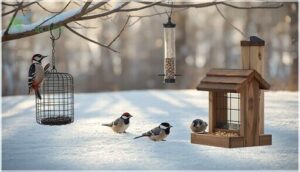
You’ll attract more winter birds when you match feeder types to the foods you’re offering. Different species prefer different feeding setups, so choosing the right combination keeps your yard busy all season.
Here’s what works:
- Suet feeders use wire cages or tail-prop designs to hold high-fat cakes for clinging woodpeckers and nuthatches
- Tube feeders with small ports dispense nyjer or black oil sunflower seed without messy spills for finches and chickadees
- Hopper styles shelter several pounds of mixed bird seed under protective roofs during storms
- Platform feeders with screened bottoms offer cracked corn for ground-loving juncos and doves
Match your feeder to your food, and you’ll see results.
Placing Feeders at Varying Heights and Locations
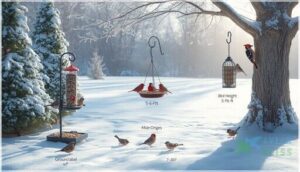
You’ll draw in more winter birds when you understand vertical layering—placing feeders at different heights to match each species’ natural foraging habits. This feeder placement strategy works because ground feeders attract sparrows and juncos, while tube feeders hung 5 to 6 feet up bring in finches and chickadees.
Bird species diversity increases when you combine these heights with strategic spacing.
| Feeder Height | Target Species |
|---|---|
| Ground level | Sparrows, juncos, towhees |
| 5-6 feet | Cardinals, finches, chickadees |
| 7-10 feet | Woodpeckers, nuthatches |
Spread feeders across your backyard—some near shrubs, others in open areas—so no single bird dominates all your winter bird feeding stations.
Filling Feeders Daily and Cleaning Off Snow
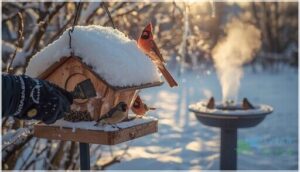
During winter, consistently refilling feeders each day keeps a reliable food source for birds facing shortened daylight and buried natural foods. Late afternoon top-ups give chickadees and finches vital calories before cold nights, when shivering burns stored energy fast.
Brush snow off roofs, perches, and ports right after storms—blocked access cuts visits by 30–60%. This daily refilling and snow removal routine directly aids winter bird care, helping birds maintain the body heat they need to survive harsh weather.
Using Ground-level and Platform Feeding Options
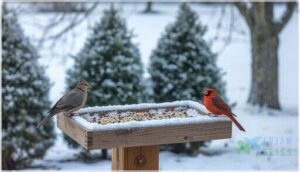
Ground feeding stations and raised platform trays draw mourning doves, dark-eyed juncos, and northern cardinals—species that won’t squeeze onto tube feeders.
You’ll notice these flat designs let birds scan for hawks while they eat, though you need to set them about 10 feet from dense shrubs for quick cover.
Offer just one day’s seed to prevent mold in damp conditions, and scrub trays weekly with soapy water to stop disease spread among your winter birds.
Providing Water and Shelter for Birds
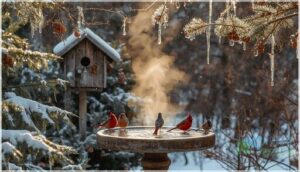
Birds need more than food to make it through winter—they need fresh water and safe places to rest and warm up.
When temperatures drop, finding unfrozen water becomes just as critical as finding calories, and shelter can mean the difference between surviving a cold night or not.
Here are four ways you can provide the water and shelter that help birds thrive during the coldest months.
Offering Fresh Water With Heated Bird Baths
When natural ponds ice over, heated bird baths become critical winter water sources for your backyard visitors. Choose a thermostatically controlled model—most kick on around 35°F—and plug it into a GFCI outlet for safety.
Scrub the basin every day or two because droppings and seed hulls dirty water fast, and rinse thoroughly after any bleach cleaning. Fresh water promotes bird hydration needs and feather care, helping chickadees and cardinals maintain the insulation they need to survive cold nights.
Creating Brush Piles and Cover With Native Plants
A well-built brush pile is like a cozy studio apartment for winter birds—and you can create one in about an hour. Here’s what works:
- Lay 4-to-6-inch logs as your base to form tunnels and air pockets
- Stack branches in loose crisscross layers up to 3–5 feet high
- Position it 10 feet from feeders so birds can dash to cover
- Plant native shrubs like summersweet nearby for layered protection
- Add fresh prunings yearly to maintain structure
This brush pile design paired with native plant selection gives songbirds the winter shelter benefits they desperately need when temperatures drop.
Leaving Seed-bearing Plants and Leaf Litter Intact
Beyond brush piles, your garden holds another secret: seed heads from coneflowers, asters, and black-eyed Susans feed winter birds for months. Goldfinches and sparrows cling to dried stems, picking protein-rich seeds one by one—nature’s buffet right in your yard.
Don’t rake leaf litter either. That layer shelters earthworms and overwintering insects that give chickadees and wrens essential protein during cold snaps, supporting ecosystem balance while you create true winter habitat.
Using Birdhouses and Garden Structures for Roosting
Those seed heads and leaf litter feed birds, but shelter matters just as much. Leave your birdhouses up year-round—bluebirds, chickadees, and nuthatches roost inside at night, huddling together to share body heat.
Mount roost boxes near evergreens or under eaves, placing entrances away from winter winds. Add wood shavings to the floor for insulation. These simple garden shelter tweaks turn ordinary birdhouses into life-saving winter roosting spots.
Maintaining Bird Health and Safety

Keeping birds healthy and safe goes beyond just filling feeders—it takes a bit of regular care and smart planning. From cleaning routines that stop disease in its tracks to simple fixes that prevent window strikes, these steps protect the birds you’re working so hard to help.
Let’s walk through four key practices that’ll keep your backyard flock thriving all winter long.
Cleaning Feeders to Prevent Disease
You’ll want to think of feeder sanitation the way you’d think of your kitchen counters—regular cleaning keeps everyone safe. During the winter months, bacteria control becomes critical when birds crowd together.
Clean your bird feeders every two weeks with a ten-percent bleach solution—one part bleach to nine parts water. This simple bird feeder maintenance step kills Salmonella and protects avian health. Always rinse thoroughly, let everything dry completely, and you’ve built disease prevention right into your winter bird feeding routine.
Preventing Window Collisions With Deterrents
After protecting your feeders from disease, you’ll face another hidden danger—glass windows kill up to 600 million birds each year. Position feeders within three feet of windows or beyond 30 feet to reduce fatal collisions.
Bird safety improves dramatically when you add visual barriers:
- Window films with patterns cut strikes over 90%
- External screens dull reflections while letting light through
- Collision deterrents spaced two inches apart horizontally
- Netting solutions hung several inches from glass
- Tempera paint grids for temporary winter bird feeding tips
These wildlife conservation steps protect your feathered visitors during bird watching season.
Protecting Birds From Cats and Predators
Each winter, free-ranging cats kill roughly 2.4 billion birds across North America, making cat deterrents and predator guards critical for bird safety.
Position your bird feeders 10 to 12 feet from shrubs where feral cats hide, and install cone-shaped baffles on poles. Birdsbesafe cat collars with bright, rainbow fabric cut songbird deaths by 87 percent during the winter months, supporting wildlife conservation while you enjoy bird watching.
Being Bear-aware With Winter Feeders
In bear country, winter bird feeding demands smart bear proofing—even during cold months. Wildlife agencies warn that warmer winters keep some bears active, so hang feeders on thin cable 12 feet high, well away from trees.
Store seed indoors in sealed containers, clean spills daily, and install electric fencing around concentrated feeding areas. Proper feeder placement protects winter wildlife while supporting bird conservation.
Top 4 Products for Winter Bird Feeding
You don’t need fancy gear to help birds make it through winter, but a few simple products can make your setup safer and more effective. Some of these might surprise you—like items originally made for dogs or cats that solve common backyard bird problems.
Here are four affordable tools that can strengthen your winter bird-feeding routine.
1. Hilo Stainless Steel Dog Dish
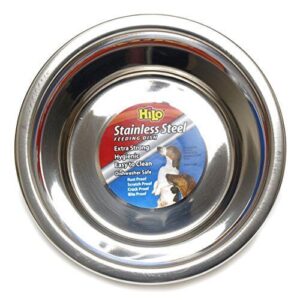
A simple Hilo stainless steel dog dish can transform your winter bird setup—especially the 2-quart size, which sits about 4 inches deep and gives songbirds plenty of drinking space without overwhelming them. The stainless steel construction won’t rust through freeze-thaw cycles, and its non-porous surface makes scrubbing away algae or droppings a breeze.
You’ll appreciate the removable rubber ring on the base; it keeps the bowl stable when cardinals or jays land on the rim, even on icy decks. Drop a few flat rocks inside to create shallow perches, and pair it with a low-wattage heated base to keep water ice-free. Clean it daily with warm soapy water to prevent disease spread among your feathered visitors.
| Best For | Pet owners looking for a durable, easy-to-clean feeding dish that works for dogs of any size or life stage. |
|---|---|
| Primary Material | Stainless steel |
| Safety Features | Rubber non-slip base |
| Ease of Cleaning | Dishwasher safe |
| Weight | 0.33 pounds |
| Intended Use | Pet feeding/watering |
| Color Options | Silver/steel |
| Additional Features |
|
- High-grade stainless steel construction resists rust and stands up to daily use
- Non-porous surface makes cleaning simple and prevents bacteria buildup
- Lightweight at 0.33 pounds, so it’s easy to move and refill
- Advertised capacity may not match actual size—some customers report it holds less than expected
- Material specs list plastic, which conflicts with the stainless steel feature description
- No specified color options, limiting customization for your space
2. Tempera Paint Sticks for Kids Toddlers
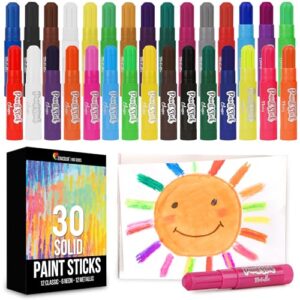
When toddlers paint bird feeders or habitat signs, they’re learning conservation while having fun. Zenacolor’s 30-piece tempera paint sticks make it easy—these non-toxic, ASTM D-4236 certified sticks dry in 60 to 90 seconds, so your young naturalists can layer colors on wooden birdhouses or cardboard winter bird guides without smearing.
The jumbo barrels fit small hands perfectly, and you won’t need brushes or water cups that tip over. With 30 shades including metallics, kids can create vibrant “Please Feed Our Birds” signs for your feeding station or decorate recycled milk jugs into feeders. Best of all, they wash off skin and most fabrics with soap and water.
| Best For | Parents and teachers who want mess-free art supplies for toddlers and young kids working on nature crafts, bird feeder projects, or any creative activity where quick drying and easy cleanup matter. |
|---|---|
| Primary Material | Non-toxic tempera |
| Safety Features | ASTM D-4236 certified |
| Ease of Cleaning | Washes off easily |
| Weight | Not specified |
| Intended Use | Art projects/crafts |
| Color Options | 30 color set |
| Additional Features |
|
- Dries in 60 to 90 seconds so kids can layer colors without smudging, perfect for multi-step projects like decorating birdhouses or signs
- No brushes or water needed, which means less setup time and fewer spills during toddler art sessions
- Works on multiple surfaces including wood, cardboard, and paper, plus washes off skin and most fabrics easily with soap and water
- Some users found the caps difficult to remove, which can be frustrating for small hands trying to use them independently
- Color vibrancy varies across the 30-piece set, so some shades may not pop as much as others
- Packaging confusion between tempera and gouache labels might leave you wondering exactly what type of paint you’re getting
3. Birdsbesafe Geodelic Bird Warning Cat Collar
Outdoor cats hunt year-round, but a simple collar cover can change the game for your backyard birds. The Birdsbesafe Geodelic slips over your cat’s regular breakaway collar, creating a bright ruff that songbirds—masters of color vision—spot from a distance.
Field studies show cats wearing these covers catch 87% fewer birds annually, with spring reductions hitting 95%. The Geodelic’s geometric print stands out beautifully against snow and winter browns, giving feeding chickadees and finches those vital extra seconds to escape.
You’ll need a separate breakaway collar for safety, and the machine-washable fabric includes reflective trim for nighttime visibility. It’s conservation you can measure.
| Best For | Cat owners who want their pets to enjoy outdoor time while dramatically reducing the number of songbirds caught, especially during spring nesting season. |
|---|---|
| Primary Material | Machine-washable fabric |
| Safety Features | Reflective trim included |
| Ease of Cleaning | Machine-washable |
| Weight | Not specified |
| Intended Use | Bird conservation |
| Color Options | Geodelic pattern |
| Additional Features |
|
- Reduces bird catches by 87% on average (up to 95% in spring) according to field studies
- Simple slip-on design works with any existing breakaway collar and includes reflective trim for night visibility
- Machine-washable and comes in multiple patterns that remain visible across different seasonal backgrounds
- Requires purchasing a separate breakaway collar if you don’t already have one
- Won’t stop 100% of hunting attempts, especially with highly skilled or determined hunters
- Some cats may resist wearing the bright collar cover in certain weather conditions
4. Taglory Reflective Breakaway Cat Collar Orange
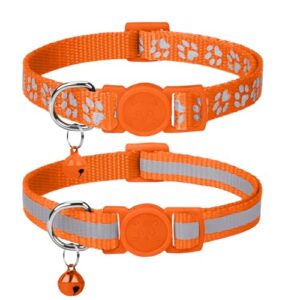
When your cat slips through brush near bird feeders at dusk, visibility matters for everyone’s safety. The Taglory Reflective Breakaway Cat Collar in orange uses paw-print reflective strips that bounce back light up to 15 feet, helping you spot your cat with a flashlight while warning birds of approaching danger.
The breakaway buckle releases under pressure—preventing choking on branches—yet stays secure during normal activity. You’ll get two adjustable collars (fitting 7.5-12.5″ necks) with removable bells, though some owners report the reflective print can wear with heavy outdoor use.
Made from smooth nylon, it’s comfortable for daily wear and gives winter-active cats the visibility they need without compromising their safety.
| Best For | Cat owners who want affordable, reflective collars for outdoor or indoor cats that need extra visibility at night, especially in multi-cat households. |
|---|---|
| Primary Material | Durable nylon |
| Safety Features | Break-away clasp |
| Ease of Cleaning | Spot clean recommended |
| Weight | 0.634 ounces |
| Intended Use | Cat identification/safety |
| Color Options | Orange |
| Additional Features |
|
- Reflective paw print design helps you spot your cat in low light up to 15 feet away
- Breakaway safety buckle releases under pressure to prevent choking or getting caught
- Two-pack with removable bells gives you flexibility and backup collars at a good value
- Reflective strip can scratch off with heavy outdoor use or active cats
- Breakaway clasp may release too easily for some cats, requiring frequent reattachment
- Bell attachment reported as weak by some users, with paint chipping or bells falling off
Frequently Asked Questions (FAQs)
How to feed the birds in the winter?
Winter bird feeding starts with high-energy foods like suet, black oil sunflower seeds, and peanuts.
You’ll want to use tube feeders, hoppers, and platforms positioned safely near natural cover for best results.
Should I leave my bird feeder out in the winter?
Yes, you can leave feeders out all winter—just commit to cleaning them every one to two weeks and keeping high-energy foods fresh so birds get help without disease risks.
What birds stay in my area during winter?
Northern cardinals, Carolina chickadees, and tufted titmice stick around Ashburn all winter.
You’ll also spot dark-eyed juncos and white-throated sparrows migrating down from the north, along with downy woodpeckers visiting suet feeders.
How do I store birdseed properly in winter?
Treat stored seed like a pantry staple—it needs protection from moisture and pests.
Use airtight metal or heavy-duty plastic bins in a cool, dry spot, and rotate stock every four weeks.
When should I start feeding birds in fall?
Start filling feeders in late October or early November, when natural food dwindles and nights turn cold.
In bear country, wait until hibernation begins to avoid unwanted visitors at your feeding stations.
Can birds become dependent on my feeders?
Most birds won’t become dependent on your feeders because they naturally forage from multiple sources.
Research shows chickadees get around seventy-five percent of their winter calories from wild foods, even with feeders nearby.
What time of day do birds feed most?
Like clockwork, your feeder sees its busiest hours at dawn and dusk.
Birds rush in right after sunrise, then return before nightfall to fuel up—though midday visits continue, especially in harsh cold.
How often should I refill feeders in winter?
Check your feeders daily at least once during midwinter freezes, since birds burn more calories when it’s cold.
Refill tube feeders and hopper feeders every one to three days, depending on flock size.
Should I stop feeding birds in spring?
You don’t need to fly the coop when spring arrives. Keep your feeders up, especially during cold snaps, but clean them often to prevent disease spread among visiting songbirds.
Conclusion
A February blizzard covers every branch and stem, yet your feeder hums with chickadees, cardinals, and finches—proof that small actions ripple outward.
The bird feeding tips during winter you’ve learned aren’t just about scattering seed; they’re about becoming part of a survival network that’s kept these species alive for millennia. Keep your feeders full, your water thawed, and your yard predator-aware. The birds counting on you won’t forget it.