This site is supported by our readers. We may earn a commission, at no cost to you, if you purchase through links.
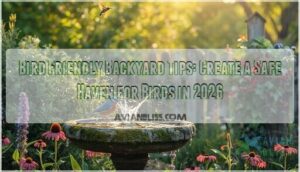
The first time you spot a bluebird bathing in your backyard fountain, you realize something special happens when a space feels alive. Every flutter, chirp, and swoop is a small sign that nature approves of what you’ve built.
But not all gardens earn that approval—many modern yards are barren deserts for birds, stripped of the native plants and safe cover they need to thrive.
A few smart choices can change that. With the right mix of plants, water, and care, your yard can become a refuge where birds find everything they need and you find a daily dose of wild joy.
Table Of Contents
- Key Takeaways
- Choose Native Plants for Birds
- Provide Essential Food and Water
- Create Safe Shelter and Nesting Areas
- Maintain a Healthy, Pesticide-Free Yard
- Enhance Backyard Diversity and Bird Conservation
- Frequently Asked Questions (FAQs)
- How to make a backyard more bird friendly?
- Why should I sprinkle coffee grounds around my bird feeder?
- Why put a potato in the bird feeder?
- How do I protect birds from window collisions effectively?
- When should I prune trees to avoid disturbing nests?
- How can I keep outdoor cats from hunting birds?
- What water features work best for attracting birds?
- How can I protect birds from window collisions?
- How do I keep outdoor cats away from birds?
- How can I make my yard safe during migration season?
- Conclusion
Key Takeaways
- Native plants are the foundation of a bird-friendly yard because they provide the food, cover, and insects that local birds actually evolved to depend on.
- Matching your feeders, seeds, and water features to the birds in your area turns a basic backyard into a reliable refuge they’ll return to season after season.
- Dropping pesticides isn’t just good for birds—it protects the insects and clean water sources they need to survive and raise healthy chicks.
- Small steps like adding brush piles, a shallow birdbath, or a nesting box can rebuild real habitat, even in the most ordinary suburban yard.
Choose Native Plants for Birds
Native plants are the heartbeat of a bird-friendly yard. They offer the food and shelter local birds count on year after year.
For practical tips on choosing native plants that attract and support local bird populations, check out this guide to creating a bird-friendly yard.
Here are some of the best choices to help bring your backyard to life.
Benefits of Native Flora for Local Birds
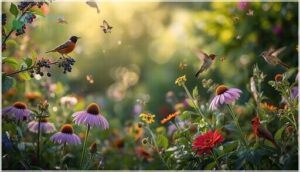
Native plants are your shortcut to a truly bird-friendly backyard, not just a prettier one. They power Bird Habitat Restoration by providing food sources for birds right where they evolved, boosting Local Ecosystem Support and Biodiversity Conservation. In simple terms, native plant benefits show up fast:
- Rich Avian Food Sources all year.
- Safe cover that attracts local bird species.
- Stronger, more resilient backyard wildlife communities.
For a deeper dive into how native plants underpin wildlife and climate resilience, explore these native plant ecosystem benefits.
Top Native Trees, Shrubs, and Flowers
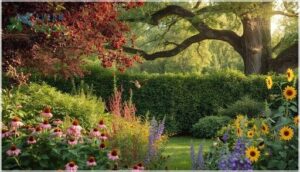
You’ve seen how native plant benefits power a bird-friendly backyard; now let’s talk specific all-stars. Berry Trees like serviceberry, hawthorn, and wild cherry load up thrushes, robins, and waxwings with fruit, while oaks host insects for hungry chicks. Protective Shrubs such as holly, elder, and guelder rose act as fruit-bearing shrubs and living shields.
Then you can tuck in Nectar Flowers and Seed Flowers—bee balm, cardinal flower, coneflower, coreopsis, and other flowering plants—to turn your native plants into a layered buffet birds can actually live in, not just visit. To boost both food and nesting options, consider adding oil-rich sunflower plantings that support finches and other seed-eating birds.
Seasonal Planting Strategies
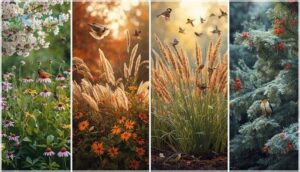
You’ve built a rich, layered garden buffet; now seasonal garden planning keeps your birdfriendly backyard stocked all year. Think in quarters: Spring Bloomers for insects and nectar, Summer Pruning that protects flowers and berries, Fall Foliage with seedheads left standing, and Winter Berries plus evergreens for cover. That’s Native Landscaping working like wild habitat.
- Picture Spring Bloomers waking up pollinator gardens and feeding hungry migrants.
- Imagine native plants buzzing with insects while you do only light Summer Pruning.
- See Fall Foliage glowing while seedheads and native grasses feed finches.
- Notice Winter Berries on hollies and rosehips, fueling birds through snow.
- Hold the full year in mind: a layered garden stitched from native plants, turning your yard into living, breathing seasonal garden planning.
Provide Essential Food and Water
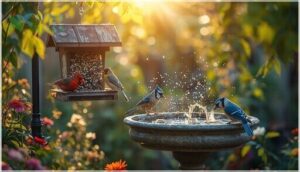
Food and water are at the heart of any bird-friendly yard. Providing both keeps your feathered visitors healthy, active, and coming back day after day.
For simple ways to keep your backyard water sources clean and inviting, check out this guide on essential bird water supplies and care tips.
Here’s how you can set up the right spaces to meet their needs year-round.
Selecting The Right Bird Feeders
Want more seedeating birds at your bird feeding and watering stations without turning your yard into chaos? Start by matching Feeder Styles, Material Durability, Placement Strategy, and Squirrel Resistance to your goals so every feeder truly fulfills your bird-friendly backyard.
| Feeder Styles | Material Durability | Placement Strategy |
|---|---|---|
| Hopper bird feeders | Metal for long-lasting use | Five feet off ground |
| Tube bird feeders | Weather-resistant plastic | Ten feet from cover |
| Platform feeders | Sealed wood, cleaned often | Away from windows |
| Suet feeders | Sturdy metal cages | Near trunks, not reachable |
| Nectar feeders | Glass, easy to sanitize | Far from squirrel launch points. |
Choosing Appropriate Birdseed and Foods
Smart Seed Varieties turn your yard into a magnet for seed-eating birds. Focus on Targeted Feeding with black oil sunflower, safflower, Nyjer, and millet, then layer in Safe Treats like unsalted nuts and Seasonal Suet in cold weather.
Avoid Fillers in cheap birdseed mixes, and round out your food options with natural seeds and berries.
Adding Birdbaths and Moving Water Features
Even a simple bird bath can transform your yard when designed right. Go for shallow depths—about one to two inches—and keep fresh water clean through regular cleaning. Choose safe placement near shrubs but open enough for quick escape.
For extra protection against unwanted pests or hazards, check out these practical bird-safe yard tips that keep your garden both inviting and secure.
Moving water features bring life year-round, while heated options provide accessible winter water sources.
Create Safe Shelter and Nesting Areas
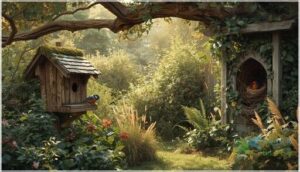
Birds need more than food and water—they need places to feel safe and raise their young. Your yard can become that refuge with just a few well-chosen features.
Let’s look at simple ways to give them the shelter they’re searching for.
Using Dense Shrubs and Trees for Cover
Think of dense shrubs and trees as your yard’s living shelter walls. Birds need thick cover—like cedar, juniper, or dogwood—to escape hawks, wind, and cold. Evergreens work year-round, giving small birds protection long after the rest of the garden goes bare.
Group plantings in clusters, not single rows, so they can dart between safe spots.
Installing Birdhouses and Nesting Boxes
Bold move time: if you’re ready to offer real shelter for birds, well-placed birdhouses and nesting boxes can turn your yard into Safe Havens for Nesting Birds for cavity-nesting birds. Focus on:
- Box Design: match entrance holes to species so larger bullies can’t squeeze in.
- Mounting Location: use smooth poles 5–15 feet high, away from branches and “launch points” predators can climb from.
- Predator Guards: add baffles or metal collars on poles so cats, raccoons, and snakes can’t reach nests.
- Installation Timing and Annual Cleaning: put boxes up before spring nesting, then clean them once a year in autumn so each season starts fresh and healthy.
Leaving Snags, Logs, and Brush Piles
Who knew a dead tree could be so alive? Snags Benefits go far beyond looks—snags feed, shelter, and protect birds year-round. Combine Log Pile Habitats and smart Brush Pile Design for nesting sites that keep wildlife thriving. Pay attention to Placement for safety and connection across your yard.
| Feature | Bird Habitat Benefit |
|---|---|
| Snags | Natural nesting and feeding sites |
| Log piles | Insect-rich foraging zones |
| Brush piles | Hidden, weatherproof shelters |
| Mixed cover | Protection from predators |
| Safe spacing | Reduces fall and fire risk |
Maintain a Healthy, Pesticide-Free Yard
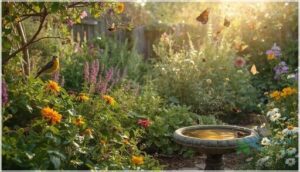
Keeping your yard healthy and chemical-free makes a big difference for the birds that visit. When you skip pesticides, you protect their food, water, and the insects they rely on.
Here’s how you can keep your space safe and thriving the natural way.
Reducing or Eliminating Chemical Use
You have more power than any spray bottle in your shed: every time you skip a chemical, you boost bird survival and freedom in your yard. Pesticide impacts, Herbicide dangers, Fertilizer runoff, and Chemical drift all strip away insects, seeds, and clean water that birds need.
Every time you skip chemicals, you give birds freedom, cleaner water, and the thriving insects they depend on
Shift toward organic gardening and chemical-free gardening, choose safer, organic pest control for gardens, and practice pest management naturally instead, steadily reducing environmental impact in gardens while keeping your space truly bird safe.
Natural Pest Control Techniques
You don’t need chemicals to protect birds or your plants; you just need smarter, natural pest control. Build your pest management around Beneficial Insects by planting yarrow or dill, then use Companion Planting like marigolds and nasturtiums to pull pests off veggies.
Add Physical Barriers such as insect netting over beds, support Soil Health with Organic Mulching, and you’ll practice organic pest control for gardens and pest control naturally as part of true chemical-free gardening.
Cleaning Feeders and Water Sources
While natural pest tricks keep bugs at bay, Feeder Sanitation and Water Quality matter just as much for your birds’ health. Clean bird feeders every two weeks—or more in wet weather—with a 10% bleach solution after scrubbing. Bird Bath Maintenance follows suit: scrub every few days, rinse well, and add a bubbler for fresh water.
- Empty old birdseed; discard moldy batches in sealed trash.
- Rinse seed storage bins with soapy water and vinegar.
- Space out feeders to cut droppings buildup.
Enhance Backyard Diversity and Bird Conservation
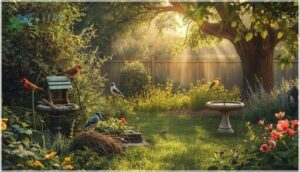
Once your yard is healthy and chemical-free, it’s time to make it more inviting and diverse. A variety of habitats keeps birds coming back while giving them what they need through every season.
Here’s how you can take your backyard a step further to truly support bird conservation.
Minimizing Lawn and Adding Habitat Layers
With every bit of reducing lawn space, you open the door to real Ecosystem Restoration. When you minimize lawn area and swap it for Layered Landscaping and Vertical Gardens, you create rich habitat layers in a garden—canopy, shrubs, Native Meadows, and Ground Habitat.
Even small patches of native plant selection and benefits quickly turn a flat yard into a living, layered garden for birds.
Supporting Birds Year-Round
As you shrink lawn and stack more habitat layers, think about Seasonal Adjustments so your bird-friendly backyard works for seasonal bird needs all year. In winter, offer high-fat foods and open water; in spring and summer, shift toward insects, fruit, and clean birdbaths while Monitoring Birds.
Keep Leaf Litter, remove Invasive Plants, and you’ll be providing essential resources for birds and attracting local bird species while creating backyard habitats for birds.
Educating Others About Bird-Friendly Practices
Often the most powerful Bird Conservation work starts right in your own block, as you educate others and show what’s possible with a single yard turned into habitat. Use Community Outreach and Neighborhood Engagement to invite people in: 1) add a small “Wildlife Habitat” sign by your native beds so folks know your brush piles, logs, and water features are intentional and part of real wildlife conservation efforts; 2) try light Workshop Hosting in your backyard, giving a short “yard walk” where you point out how creating backyard habitats for birds with native plants, birdbaths, and dense shrubs keeps birds safer and controls insects without harsh chemicals.
Share simple Environmental Education tools—like one-page checklists or plant labels—so neighbors can copy exactly what works instead of guessing. Connect friends with local conservation programs and citizen-science bird counts so educating the public about birds becomes a shared project, not just your personal hobby.
Keep the door open with casual follow-ups, photos, and quick seasonal tips, because when people see your yard alive with birds, they’re far more likely to join broader wildlife conservation efforts and turn their own lawns into living, bird-friendly spaces.
Frequently Asked Questions (FAQs)
How to make a backyard more bird friendly?
Like turning a bare room into a real home, you make a backyard more bird friendly by filling it with native plants, clean water, and safe shelter. Think layers of shrubs, trees, and birdhouses, pesticide-free soil, and simple Sustainable Yard Practices that blend Wildlife Gardening, Eco Friendly Landscaping, and practical Bird Habitat Design into one welcoming backyard habitat that truly fosters shelter and nesting for birds and long-term Avian Conservation.
Why should I sprinkle coffee grounds around my bird feeder?
Sprinkling coffee grounds around your bird feeders helps Deter Squirrels, Repel Slugs, and Control Ants, so more birdseed stays for the birds.
While the grounds slowly Boost Soil health, they also strengthen your backyard habitat for attracting birds.
Why put a potato in the bird feeder?
They say variety is the spice of life, and birds agree. Adding plain cooked potato to bird feeders boosts Avian Energy, enriches Bird Nutrition, and offers Winter Supplements—perfect for feeder variety and attracting birds naturally.
How do I protect birds from window collisions effectively?
To stop window collisions, use Feather Friendly Markers or window decals spaced by Window Pattern Density rules, install Bird Safe Glass or External Treatments, and practice Collision Monitoring to protect bird conservation and wildlife rehabilitation efforts.
When should I prune trees to avoid disturbing nests?
Think of your trees as apartment buildings: major pruning belongs in the “off‑season.” Aim for late autumn to February, before Nesting Seasons peak, then pause heavy Pruning Techniques March–September while you do careful Tree Inspection for active nesting sites and practice gentle Bird Protection pruning.
How can I keep outdoor cats from hunting birds?
Cats love the hunt, but you can protect your backyard birds. Keep cats indoors full-time or use outdoor enclosures like catios for safe fresh air.
Try Birdsbesafe collars for predator deterrence—they slash bird kills by over half. Leash walks curb cat behavior while boosting bird safety and wildlife protection.
What water features work best for attracting birds?
Like a mirror in motion, the best water features for birds are shallow bird baths with 1–2 inches of fresh water, a gentle slope, and textured Bath Materials, plus Moving Water (drippers, misters, small fountains), Winter Heating, and Ideal Placement near cover but out in the open.
These water sources become powerful water features for birds when you keep that Shallow Depth consistent, choose durable materials, and refresh often so your water feature feels safe, clean, and irresistible.
How can I protect birds from window collisions?
Birds often crash into windows, mistaking them for open sky. Protect them with window patterns like dots or stripes spaced no more than two inches apart. Add bird screens or feather-friendly films outside to break reflections—simple collision prevention that boosts your bird-friendly backyard and bird conservation efforts.
How do I keep outdoor cats away from birds?
Keeping outdoor cats away means using Cat Deterrents like motion sprayers, spiny shrubs, or gravel.
Combine Outdoor Barriers and Feline Control methods to boost Bird Safety, improve predator protection, and maintain true Wildlife Protection for safe havens.
How can I make my yard safe during migration season?
Migration seasons challenge birds—make your yard a safe haven with Window Safety markers to prevent collisions, Cat Deterrents like baffles for predator protection, Night Light Reduction at night, and Bird Escape Routes near feeders and water sources.
Conclusion
Let your yard be both wild and intentional at the same time—that’s the quiet paradox birds love. Every native plant, shallow bath, and safe hiding place says, “You belong here.”
When you follow bird-friendly backyard tips, you’re not just decorating; you’re rebuilding habitat, one seed and shovel at a time. Stand outside, listen closely, and let their songs confirm it: you didn’t just landscape, you changed the story of your space, for good, today.
- https://naturehills.com/blogs/garden-blog/how-to-create-a-bird-friendly-garden-with-native-plants
- https://holdenfg.org/blog/best-practices-of-backyard-bird-feeding/
- https://growcycle.com/learn/hardscaping/outdoor-living/best-bird-baths-for-every-backyard-attract-more-birds-naturally
- https://shopping.rspb.org.uk/buying-guides/buying-guide-nest-boxes-pgnestboxes
- https://www.pesticides.org/bird-protection-guide/