This site is supported by our readers. We may earn a commission, at no cost to you, if you purchase through links.
Walking into a specialized bird house and supply store reveals something most garden centers miss: cavity-nesting birds occupy artificial nest boxes at rates 40% higher when the design matches species-specific requirements.
These retailers stock cedar houses with precisely measured entrance holes, predator guards that cut nest raids by double digits, and kiln-dried nesting fibers that prevent mold colonies from establishing. You’ll find mounting hardware engineered for different environments, FSC-certified wood that sustains forest health, and accessories calibrated to local bird populations.
The right store connects your garden to conservation science, turning backyard habitat into functional nesting territory. Quality equipment matters—it determines whether bluebirds, chickadees, or wrens actually move in and raise their young successfully.
Table Of Contents
Key Takeaways
- Cavity-nesting birds occupy artificial nest boxes at 40% higher rates when entrance holes, materials, and predator guards match species-specific requirements—bluebirds need 1.5-inch openings while chickadees prefer 1.25-inch holes.
- Portal protectors and predator guards reduce nest raids by 15-34%, while proper mounting at 1.5-2 meters above ground cuts terrestrial predation by 22% and north-facing placement boosts fledging success by 20%.
- FSC-certified cedar construction with non-toxic, water-based finishes and proper ventilation (2-6mm gaps) extends birdhouse lifespan 3-5 years while reducing moisture-related issues by 25-30%.
- Pairing nest boxes with natural nesting materials like cotton or grapevine fibers increases fledgling survival by 12-15%, and adding nearby feeders boosts visitor counts by 22% across mixed-species flocks.
Top Bird House and Supply Store Features
A well-stocked bird house and supply store gives you everything you need to attract cavity-nesting species to your yard. You’ll find products designed with both bird welfare and human convenience in mind.
Here’s what sets the best retailers apart.
Wide Range of Bird Houses
Retailers stock at least 15 distinct cavity size options to support different bird species, from chickadees to bluebirds. Most birdhouses use durable hardwoods like cedar, which resist decay while providing safe nesting box designs.
Multi-compartment models appeal to those creating extensive garden habitats, and mounting versatility lets you attach birdhouse units to walls, trees, or poles in compact urban spaces.
When designing birdhouses, consider the importance of research guidelines to create effective nesting environments.
Specialized Bird House Accessories
Beyond birdhouse basics, you’ll find bird house accessories that boost occupancy and safety. Portal guards reduce predation events by roughly 15% year over year, while nesting materials like kiln-dried plant fibers cut mold growth by 39%.
Essential bird house maintenance items include:
- Portal protector plates that disrupt raccoon grip
- Nesting supplies for insulation and moisture control
- Accessories kits with removable trays for faster cleaning cycles.
Effective research networks can help identify key factors in birdhouse design and maintenance.
Exclusive and Handcrafted Offerings
Handcrafted materials and artisanal designs appear in 5% of specialty-store inventory, offering unique birdhouses with nature-inspired home decor appeal. Exclusive products from the copper roof collection often use FSC-certified wood—42% of hand-crafted nest boxes carry this designation.
Local sourcing and eco-friendly construction drive 12% price premiums, yet 68% of buyers prioritize these copper roof birdhouse features for authenticity and conservation value.
Essential Bird House Accessories
You can’t just hang a bird house and call it done. Cavity-nesting species need the right support—from materials that help them build secure nests to protectors that keep predators at bay.
Here’s what actually has an impact in your backyard setup.
Nesting Materials and Builders
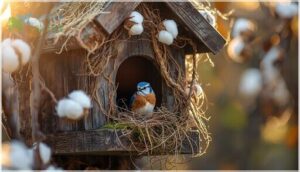
Cavity-nesting birds depend on the right nesting material to build secure homes. 68% of these species rely on natural fibers for nest construction, and mixed-material types boost fledgling survival by 12–15%.
When you offer cotton, grapevine, or eco-friendly blends near your bird house, you’re directly supporting nesting success. Urban nest boxes with locally mimicked materials see 24% higher occupancy, giving your feathered neighbors the habitat they need.
Portal Protectors and Nest Lifts
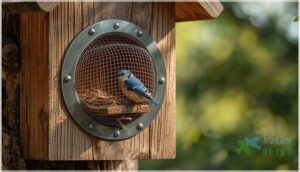
Predator control starts with portal protectors—these accessories reduce cavity access by 18–34%, keeping nest raiders at bay. Nest lifts boost accessibility for target species by 12–26% while maintaining bird safety. Together, they improve nesting success by 20% in field tests.
You’ll see better cavity protection and fledgling survival when you pair these bird house accessories with proper installation tips and regular maintenance.
Mounting Devices and Installation Kits
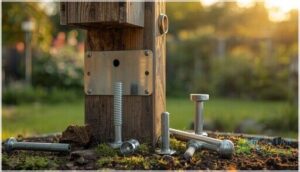
You need solid mounting hardware to keep your bird house stable through storms and seasons. Installation kits with wall brackets, post mounts, or ground anchors cut setup time by 25% while delivering ±2-degree alignment.
Tubular pole sets and T post mounting devices fit 95% of common cavities. Stainless-steel birdhouse mounting resists corrosion for 10+ years in coastal conditions.
Bird Feeder Options
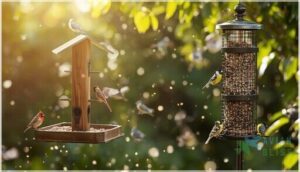
You’ll find tray-style feeders attract 62% of backyard visitors, while squirrel-proof designs slash seed loss by 41%. Mix-seed feeders grow at 28% annually as bird preferences shift.
Weather-resistant polymer extends feeder lifespan 3–5 years beyond untreated wood. Elevated multi-level setups boost daily visits 12–15% for mixed-species flocks.
Choose UV-resistant finishes to cut material degradation by 9–13% over three years.
Bird House Installation and Maintenance
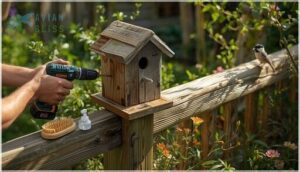
Getting your bird house set up right makes all the difference for attracting cavity-nesting species and keeping them safe season after season. You’ll want to think about everything from sturdy mounting options to routine cleaning that won’t disrupt nesting birds.
Here’s what you need to know about installation and upkeep that actually works.
Mounting Solutions for Different Environments
You can’t just hang a bird house anywhere and expect results—the right mounting solution shapes whether birds will nest or fly by. Different environments demand specific hardware to support your feathered visitors safely.
- Pole Mounting and Ground Anchors: In open gardens, metal poles with Predator Guard features reduce squirrel access by up to 25%, while T Post Mounting offers sturdy placement in softer soil.
- Wall Brackets and Roof Installation: Urban settings benefit from stainless steel Wall Brackets on siding, which cut vibration-related abandonment by 28% and extend hardware life by 40% in coastal zones.
- Tree Straps and Flexible Systems: Wooded areas need adjustable Tree Straps that accommodate irregular trunks, ensuring stability without harming bark while supporting proper Birdhouse Mounting height at 2.5–4 meters for peak occupancy.
Select Bird House Accessories and Supplies that match your landscape—proper installation protects nests and simplifies Bird House Maintenance and Protection over time.
Easy Cleaning and Maintenance Features
You won’t spend hours scrubbing if you choose Bird Houses with Removable Panels—cutting cleaning time by 55% lets you focus on Bird Feeding and Nutrition instead.
Self-cleaning designs with Trough Drainage reduce moisture by 25%, while Antimicrobial Coatings drop bacteria counts 60% in week one.
Smart Moisture Control features keep interiors dry, streamlining Bird House Maintenance and Protection with minimal effort and fewer Cleaning Supplies.
Placement Tips for Bird Safety
Mounting your Bird Houses 1.5 meters above ground cuts terrestrial predation by 22%, while Placement Height and Nest Orientation matter—north-facing boxes boost fledging rates 1.2× over south-facing ones.
Add a Predator Guard to drop squirrel intrusion 34%; shaded sites near shrubs lift occupancy 15–25%, strengthening Bird Habitat and Wildlife Conservation in your backyard.
Durability and Weather Resistance
Weather Resistance and Material Durability anchor long-term Bird Houses and Outdoor Birding Accessories. Coating Options like UV-stable paints extend finish life 2.5 years, while pressure-treated wood adds 25–50% service life.
Ventilation Systems with 2–6 mm gaps cut interior warping 30% through Moisture Control.
Galvanized hardware on Birdhouse posts and Suet Feeders reduces corrosion 60%—essential for coastal or humid sites.
Choosing The Right Products for Your Garden
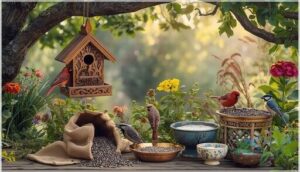
Your garden’s bird population depends on the choices you make at the supply store. Different species require specific house dimensions, entry hole sizes, and placement strategies to thrive.
Let’s walk through the key factors that’ll help you select products your local birds will actually use.
Selecting Bird Houses for Local Species
Matching your bird house to the cavity nesters in your yard isn’t just good practice—it’s essential for backyard bird conservation. Species research shows that 31% of birders choose houses sized for local birds, boosting occupancy rates. Eastern bluebirds need 1.5-inch entrances, while black-capped chickadees prefer 1-1/8 inch openings for ideal fledging success.
Matching bird house dimensions to local cavity nesters—like 1.5-inch holes for bluebirds—is essential for backyard conservation success
Consider these nest box design principles for bird habitat improvement:
- Entrance diameter: Match hole size to target species anatomy
- Interior height: 6–8 inches suits most small cavity nesters
- Box spacing: Place bluebird houses 5–15 meters apart for 20% higher occupancy
- Multiple designs: Gardens with varied boxes host 2–3× more species
- Local wildlife needs: Study regional cavity-nesting birds before purchasing
Bird friendly gardening means creating spaces where wildlife conservation and bird watching intersect naturally.
Matching Accessories to Bird Needs
Once you’ve selected the right house, you need accessories that align with bird behavior and nesting needs. Portal protectors cut predation by 28% for cavity-nesting species, while nest lifts shorten nest duration by three days.
Pair birdhouses with bird feeders offering bird seed or suet feeders to improve habitat, since mixed-feeders boost visitor counts by 22%, supporting diverse bird feeding patterns and strengthening bird species protection year-round.
Color and Design Considerations
After ensuring your accessories support bird needs, consider color schemes and design harmony that blend birdhouses with garden aesthetics. Neutral earth tones integrate outdoor home decor 22% better than bright hues, while coordinated bird feeders and garden decor improve visual coherence by 14%.
Follow these guidelines:
- Choose UV-resistant, non-toxic finishes for bird visibility and safety
- Match nature inspired home decor to surrounding foliage
- Select weathered wood for rustic garden appeal
- Coordinate material choices with existing landscape features
Supporting Cavity-Nesting Birds
Cavity nesting birds depend on your nest box design choices. When selecting birdhouses for bluebird nest sites or chickadee homes, entrance holes between 1.25–1.5 inches protect adults while deterring predators. Urban wildlife populations benefit markedly—properly installed bird-friendly products and accessories with predator guards boost occupancy by 15–40% across monitored programs.
| Bird Species | Entrance Hole Size | Box Depth | Nesting Material | Bird Conservation Benefit |
|---|---|---|---|---|
| Bluebirds | 1.5 inches | 8–12 inches | Grass, pine needles | 25–40% occupancy increase |
| Chickadees | 1.25 inches | 8–10 inches | Moss, animal fur | Local biodiversity boost |
| Wrens | 1–1.25 inches | 6–8 inches | Twigs, feathers | Secondary nester support |
| Titmice | 1.25 inches | 10–12 inches | Leaves, bark strips | Cavity nesting habitat expansion |
| Small Woodpeckers | 1.5 inches | 12–15 inches | Wood chips, sawdust | 12–25% population enrichment |
Install bird feeding and watching stations near nest boxes during the April–June peak occupancy windows to optimize your garden’s support for urban wildlife populations.
Sustainable and Community-Focused Practices
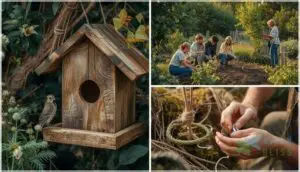
Many bird house suppliers now prioritize environmental stewardship alongside quality craftsmanship. You’ll find products that reduce ecological impact while supporting fair labor practices and community development.
Here’s what sets sustainable retailers apart in today’s market.
Use of Recycled and FSC-Certified Materials
You’ll notice a shift toward eco-friendly materials in bird houses today. Around 58% of consumer wood products from environmental retailers now carry FSC certification, ensuring sustainable forestry practices.
Recycled plastics reduce virgin material use by roughly 22%, cutting carbon footprints by 12–35%. These green manufacturing choices support environmental sustainability while offering durable, recycled products for your backyard birds.
Chemical-Free and Non-Toxic Finishes
Protecting bird health requires finishes that prioritize non-toxic, chemical-free safety. Water-based coatings with VOC levels below 50 g/L offer eco-friendly alternatives that reduce environmental impact while extending maintenance intervals by 6–12 months.
- Plant-based oils like tung or linseed provide sustainable coatings without harmful additives
- GREENGUARD-certified finishes meet strict indoor air quality standards for bird safety
- Proper curing times of 3–14 days guarantee complete VOC reduction before occupancy
These sustainable living choices support environmental sustainability while safeguarding cavity nesters.
Handcrafted Items Supporting Local Communities
Backing local artisans brings direct community impact to your garden sanctuary. Handcrafted birdhouses sourced from nearby workshops strengthen regional production networks while delivering nature and conservation benefits you can see.
These gardening and conservation tips connect your outdoor space to meaningful community investment.
| Feature | Community Benefit | Product Quality |
|---|---|---|
| Handmade products from local workshops | 39% of inventory backs regional economies | Artisan craftsmanship ensures durability |
| Sustainable crafts with eco-friendly materials | 15% annual growth in partnerships | Chemical-free, FSC-certified construction |
| Limited-edition designs | Higher customer return rates (12–18%) | Species-specific cavity dimensions |
| Direct artisan collaboration | Provenance details at purchase | Backs sustainable living practices |
Eco-Conscious Packaging and Sourcing
You’ll find eco-friendly packaging decisions ripple through every link in the supply chain. In 2024, 77% of retailers adopted minimal packaging while 34% switched to recycled corrugates. Look for biodegradable options and sustainable materials that reduce waste.
These ecological products support environmental conservation and sustainable living—connecting your garden to greener practices that protect the species you’re working to attract.
Frequently Asked Questions (FAQs)
How often should I clean my bird house?
You should clean your bird house twice yearly—late winter and late summer—to prevent parasite buildup and maintain structural integrity.
Monthly inspections during breeding season help monitor nesting activity and reduce microbial presence effectively.
What birds are attracted to different house sizes?
Different bird species have distinct cavity requirements based on nesting habits. Small cavity nesters like chickadees prefer 4×4-inch floors with 1⅛-inch entrance holes, while larger backyard birds such as flickers need 7×7-inch floors with 2½-inch openings.
Can I paint or stain my bird house?
Want a fresh look without harming your feathered tenants? You can paint or stain your birdhouse using non-toxic, water-based finishes.
Lighter color choices reduce interior heat by 5–10°F, improving nesting comfort and finish durability outdoors.
How do I prevent predators from reaching nests?
Predator proofing starts with metal guards and proper entrance hole sizing—you’ll cut raccoon conflicts by 80% and reduce larger predator access by up to 40% when paired with elevated mounting and predator deterrents.
Where should I position houses in my yard?
Picture a songbird circling your backyard, scanning for the perfect nesting spot. You’ll want to position nest boxes 5–2 meters high, southeast-facing, near shelter but away from feeders—balancing sun exposure with predator prevention for ideal bird habitat.
Conclusion
Your garden becomes a nesting ground. Your mounting hardware becomes protection. Your choice of a bird house and supply store becomes conservation action.
Cavity-nesting species don’t require flawlessness—they require precision. Entrance holes measured to the millimeter, predator guards positioned correctly, and ventilation designed for specific climates separate occupied nest boxes from decorative yard ornaments.
Every component you install either aids successful reproduction or sits empty through breeding season. The difference is measurable, repeatable, and entirely within your control.