This site is supported by our readers. We may earn a commission, at no cost to you, if you purchase through links.
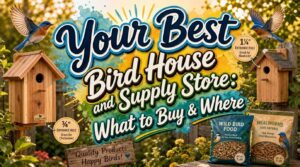
single cedar nesting box, mounted at the right height in the right yard, can attract bluebirds within days. That’s not luck—it’s the result of choosing the right materials, the right entrance size, and the right spot.
Most people skip those details and end up with an empty box collecting cobwebs. Finding a good bird house and supply store changes that.
The right store gives you more than a product off a shelf; it gives you staff who know the difference between a 1½-inch hole and a 1¼-inch one, and why that matters to the birds already living in your yard.
Table Of Contents
- Key Takeaways
- Best Bird House Store Features
- Top Bird Houses to Compare
- Essential Bird Feeding Supplies
- Installation and Maintenance Products
- Choosing Where to Buy
- Frequently Asked Questions (FAQs)
- How often should I clean my bird house?
- What birds are attracted to different house sizes?
- Can I paint or stain my bird house?
- How do I prevent predators from reaching nests?
- Where should I position houses in my yard?
- How do native plants attract more backyard birds?
- Which bird species benefit from suet feeders most?
- What paint finishes are safe for wooden birdhouses?
- Can birdhouses work on apartment balconies or patios?
- How long do recycled plastic birdhouses typically last?
- Conclusion
Key Takeaways
- The right entrance hole size—like a 1½-inch opening for bluebirds—is one of the simplest things you can get right, and it makes all the difference in which birds actually show up.
- Cedar and recycled HDPE are your best material picks because they last for years outdoors without much fuss, while untreated pine needs sealing within the first season or it won’t hold up.
- A good bird supply store gives you more than products—it gives you staff who ask about your yard first and follow up if something isn’t working.
- Small additions like squirrel baffles, predator guards, and the right feeder type aren’t extras—they’re what turn a backyard setup into a place birds actually return to season after season.
Best Bird House Store Features

Finding a great bird house store comes down to a few things that really matter. The best ones have you covered from the moment you walk in, whether you’re a first-timer or a seasoned backyard birder. Here’s what to look for.
If you’re not sure where to start, browsing bird supply stores near you can help you find a local shop with knowledgeable staff and quality products.
Wide Birdhouse Selection
A great bird house store starts with variety that covers all species. Look for homes sized for bluebirds, wrens, and chickadees — each needs a different entrance hole.
Ensuring the correct entrance hole dimensions helps attract the right species.
- Cedar and untreated pine for durability
- Recycled HDPE plastic for long‑lasting, climate‑ready builds
- Modular units you can expand over time
- Pole, wall, and hanging mounting styles
- Built‑in clean‑out doors and ventilation
Quality Feeders and Baths
Once you’ve got the right home picked out, feeders and baths are next. Look for durable feeder materials like stainless steel or BPA-free plastic — they’re easy to clean and hold up through every season.
The Songbird Essentials Color Changing Hummingbird Feeder Solar Powered and Woodlink Audubon Torpedo Black Steel Squirrel Baffle pair beautifully together. Add an anti-splash birdbath to keep things tidy.
Species-specific Supplies
Different birds need very different things. Hummingbird feeders like the Songbird Essentials Color Changing Solar Powered model work best with a 1-to-2 sugar-water ratio, changed every few days. Oriole feeders need bright orange accents. Bluebird houses require a 1½-inch entrance hole. And the right birdseed blend — nyjer for finches, suet for winter woodpeckers — makes all the difference.
- Watching hummingbirds feed just feet away
- Bluebirds claiming their first nest box
- Orioles arriving at a feeder you set out just for them
- Woodpeckers finding suet on a cold morning
Clear Sale Pricing
Once you know exactly what your birds need, it helps to know what you’ll spend. A good store shows you original and sale prices side by side — no guessing, no surprises.
For example, the Woodlink Squirrel Baffle dropped from $30.70 to $25.00, and the Classic Oriole Feeder went from $29.40 to $24.25. That kind of 15–30% discount makes stocking up easy.
Helpful Expert Service
What really sets a great store apart is the people behind the counter. Staff here complete hands-on product training and can answer your questions with real confidence — not guesswork.
They’ll ask about your yard, your local birds, and your setup before making any individualized recommendations.
And if something isn’t working after your purchase, they follow up within seven days to help you get it right.
Top Bird Houses to Compare
Picking the right birdhouse starts with knowing your options. Materials, design, and sizing all make a difference for the birds you want to attract. Here’s a look at the top styles worth comparing before you buy.
Cedar Nesting Boxes
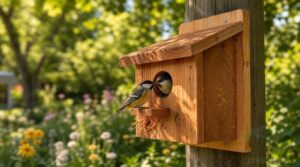
Cedar is one of the smartest choices for bird nesting habitats. Its natural rot resistance keeps birdhouse design ideas standing strong for 5 to 10 years outdoors — no chemical treatments needed.
Pair a cedar birdhouse with a nearby suet station, and you’ll attract even more backyard visitors — including the woodpeckers of Maine that thrive through brutal winters.
- Stays cooler in summer heat
- Warmer on cold winter nights
- Resists warping and cracking
- Drains moisture through built-in perforations
Mount boxes 6 to 15 feet high for best results.
Untreated Pine Houses
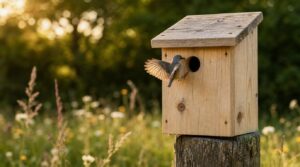
Pine is a cost-effective option for bird nesting habitats, and it’s easier to work with than most woods. It’s lightweight, easy to cut, and budget-friendly — great for first-time buyers exploring unique birdhouses without a big investment.
The catch? Rot resistance issues show up fast outdoors. Within one growing season, untreated pine can develop surface checks and small cracks. Without sealing, moisture sneaks in and shortens the lifespan dramatically.
That’s why sealing recommendations matter so much. Apply a clear water-based sealant after the wood dries — usually 30 to 60 days after initial outdoor exposure. Reapply every two to five years to keep your birdhouse design ideas looking sharp and structurally sound.
Here’s a quick guide for indoor outdoor use and maintenance:
| Feature | Indoor Use | Outdoor Use |
|---|---|---|
| Color Change | Stays light | Weathered gray patina within 6–12 months |
| Durability | High with humidity control | Moderate; needs regular sealing |
| Rot Risk | Low | Higher without treatment |
| Maintenance Frequency | Minimal | Every 2–5 years |
| Best Finish | Clear sealant | Oil-based or water-based sealant |
Follow these birdhouse maintenance tips and pine houses can serve birds well for years.
Recycled HDPE Houses
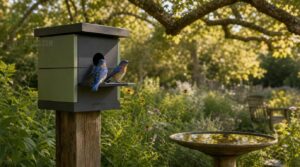
Recycled HDPE houses might be the smartest long-term pick for your backyard setup. Made from post-consumer plastic, they support end-of-life recycling and keep waste out of landfills — solid ecofriendly garden decor that actually lasts.
Here’s what makes them stand out:
- UV resistance prevents fading and brittleness after years of sun
- Modular panel design allows easy assembly and seasonal relocation
- Smooth walls simplify cleaning in under five minutes
- They resist cracking down to minus 20°C
- Recycled HDPE benefits include lower manufacturing emissions than virgin plastic
Maintenance is refreshingly simple. Mild soap and water restores the surface. No harsh chemicals, no repainting, no headaches — just more time watching birds.
Copper-roof Premium Models
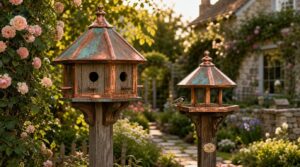
If you want a birdhouse that doubles as a backyard showpiece, copper-roof premium models are worth every penny. Designs like the Sloped Hex Copper Roof Birdhouse and Copper Roof Bird Feeder PostMount develop a rich copper patina over time — naturally protective and beautiful.
With roof longevity spanning decades, these are heirlooms, not replacements.
Bluebird Entrance Sizing
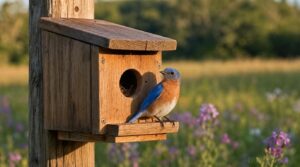
Getting the entrance hole right can make or break your bluebird box. Here’s what to know:
- 1½-inch round hole works best for Eastern bluebirds
- Oval openings (2¼" × 1⅜") suit multiple species
- 1 9/16-inch holes accommodate Mountain bluebirds
- Larger holes invite predators and competing birds
- Mount boxes 6–8 feet high on predator-proof poles
Essential Bird Feeding Supplies
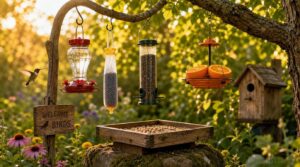
Getting the right feeding supplies makes a real difference in which birds show up — and how often they come back. Whether you’re trying to attract hummingbirds, orioles, or winter visitors, there’s a feeder made for the job. Here are the essential supplies worth knowing about.
Hummingbird Nectar Feeders
Hummingbirds are tiny, but they’re picky. A good nectar feeder design makes all the difference. Look for clear plastic or glass reservoirs so you can monitor levels easily, flower-shaped ports, and red coloring to catch their eye from a distance.
| Feature | What to Look For | Why It Matters |
|---|---|---|
| Reservoir Material | Clear plastic or glass | Easy nectar monitoring |
| Port Design | Flower-shaped, 4–6 ports | Mimics natural blooms |
| Capacity | 8–16 oz (like the Songbird Essentials 24 oz Clear Nectar) | Fewer refills needed |
| Perch Style | Built-in or removable | Comfort plus easy cleaning |
| Color | Red cap or accents | Attracts birds from far away |
The High Perch Hummingbird Feeder is a smart pick — it places birds right at eye level, reducing stress and predator risk. For nectar, try Songbird Essentials All Natural Hummingbird Nectar Red; it’s ready to use and skips the guesswork. The Songbird Essentials Color Changing Hummingbird Feeder Solar Powered adds a fun visual twist while staying practical.
Clean your feeder at least once a week in warm months. Hot water and a mild rinse do the job — skip harsh soaps. Material durability matters too; polycarbonate models hold up through heat and cold without cracking.
Oriole Feeders and Foods
Orioles are a step up from hummingbirds — same love of nectar, but they also want fruit and jelly. The Classic Brands Vintage Oriole Feeder (20 oz) is a solid pick, now on sale at $24.25. Wide perches let their curved bills reach food comfortably, and a clear reservoir keeps you from guessing when it needs a refill.
Mix nectar at a 4-to-1 water-to-sugar ratio — no dyes needed. Add fresh orange halves and natural grape jelly in a side dish, and you’ve got a spread orioles can’t resist.
Suet Feeders for Winter
Cold weather changes everything for backyard birds. That’s where suet feeders come in.
High-fat suet blocks fuel chickadees, nuthatches, and woodpeckers through freezing temps. A simple cage‑style feeder works great — good airflow keeps mold away longer.
Clean it every week or two, and swap in fresh suet every few days when birds are feeding heavily.
Squirrel Baffles and Deterrents
Squirrels are persistent — and honestly, a little impressive. But a good dome baffle design stops them cold.
The smooth curved surface gives them nothing to grip. Pair that with a spring-loaded mechanism and a height adjustment feature, and you’ve got a squirrel deterrent for feeders that actually works.
A tail-proof design means no wrapping, no leverage, no free lunch.
Hot Pepper Birdseed
Hot pepper birdseed is one of the smartest tools in your feeding setup. The secret is capsaicin concentration — it triggers discomfort in squirrels but leaves birds completely unbothered.
Look for a bird safe formula blended with black oil sunflower and millet for solid wild bird nutrition. Store it somewhere cool and dry to keep the capsaicin potent all season.
Installation and Maintenance Products
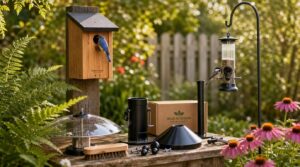
Getting your feeder or birdhouse set up the right way makes a real difference in how well it works—and how long it lasts. The right accessories protect your investment and keep your backyard visitors safe. Here’s what to look for regarding installation and maintenance.
Mounting Poles and Brackets
Getting your feeder in the right spot starts with the right mount. U-bolt brackets clamp around poles using a semi-circular bolt and flat plate, fitting a wide range of diameters. Band style mounts wrap snugly around larger poles for lightweight feeders. For heavier setups, direct mount brackets bolt straight onto pre-drilled flanges — no wrapping needed.
- U-bolt brackets handle 5 to 25 pounds
- Band mounts suit cameras and small feeders
- Adjustable arm brackets extend 6 to 18 inches outward
- Direct mounts work with standard pole systems
- Weatherproof mounting systems use stainless steel and UV-resistant finishes
Adjustable arm brackets let you swing feeders away from the pole, giving birds room to land comfortably. Locking knobs hold position even on windy days. Pair any bracket with weatherproof mounting systems featuring sealing gaskets and coated fasteners to keep rust away season after season.
Predator Guards and Protectors
A good predator guard is one of the most practical bird habitat accessories you can add to your setup. These circular shields mount around bird houses and bird feeders, blocking cats, raccoons, and snakes before they reach the nest.
| Feature | Options | Benefit |
|---|---|---|
| Guard Material Options | Powder-coated metal, UV polymer | Rust and weather resistance |
| Predator Barrier Design | Inward curves, slotted surfaces | Hard to grip or climb |
| Installation Flexibility | Snap-fit, bolt-on brackets | Fits 1–2 inch poles easily |
| Weather Resistance | UV-stabilized finishes | Lasts 10-plus years outdoors |
Most guards double as a squirrel proof feeder solution too, since baffles and guards can pair together on the same pole. They’re low-maintenance — just a rinse with mild soap keeps them clean. For bird habitat support, this small addition makes a big difference.
Easy-clean Nest Boxes
Cleaning a nest box shouldn’t feel like a chore. That’s why easy-clean designs make such a difference.
A removable inner tray pulls out droppings fast, and a front loading access panel lets you inspect nests without disassembling anything. Rounded interior corners wipe down easily, and waterproof sealing with drainage holes keeps things dry between cleanings.
Weather-resistant Materials
The right materials make a bird house last for years — not just one rough season. Cedar and untreated pine hold up naturally, especially when sealed with a two-coat epoxy or marine-grade varnish for full waterproofing.
Here’s what to look for:
- UV protective coatings that keep colors from fading after years of sun
- Temperature-stable HDPE plastic that won’t crack or warp from minus 20 to 60°C
- Copper roof designs — like the copper roof birdhouse or copper roof bird feeder — that shed moisture and resist wind naturally
Pest-resistant wood with borate treatments also blocks mold and insects for up to a decade.
Safe Placement Accessories
Where you place a bird house matters just as much as what it’s made of. Mount perches 5 to 6 feet high to keep ground predators at bay, and anchor posts at least 18 inches deep so strong winds won’t topple them. The Songbird Essentials 44 Post Mount Cap keeps everything locked in securely.
Add a predator guard around entry holes to cut raccoon and cat access by up to 70 percent. Wrap-around metal baffles on vertical poles stop climbing snakes and rodents too. Pair these with the Songbird Essentials MultiPurpose Chalet with Stake for a stable, all-in-one setup. The Hummer Helper Cage and Nesting Material rounds out a safe, bird-friendly space.
Choosing Where to Buy
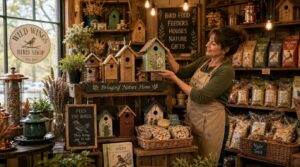
Finding the right place to buy matters just as much as knowing what to buy. Whether you shop locally or browse online, a good bird supply store makes the whole experience easier. Here’s what to look for when you’re ready to choose.
Local Store Advantages
Walking into a local wild bird store is a different experience altogether. You get tailored assistance from staff who actually know their products.
Local shops create year-round employment for neighbors, support community tax revenue, and cut your travel time down considerably.
Many even host in‑store workshops on feeding and habitat. That kind of hands‑on expertise is hard to replicate anywhere else.
Online Catalog Convenience
Sometimes you just want to browse from your couch. A good online bird supply directory makes that easy.
Look for a site with a prominent search bar, faceted filters, and quick view panels so you’re not clicking endlessly. Live stock updates and a mobile responsive design mean you’ll always know what’s available, wherever you’re shopping from.
Discounts and Guarantees
Good deals make birding more accessible. Look for a store that shows you the original price alongside the current — like a feeder that dropped from $32.98 to $26.71.
That transparency builds trust fast. Seasonal discounts can stack, and lifetime guarantees on many products mean you’re covered long-term.
Returns are usually processed within seven business days.
Customer Reviews and Ratings
Reviews are your shortcut to smarter buying. Look for verified purchase badges — over 70% of ratings on top bird supply sites carry them, which tells you real buyers are speaking up. Star distribution charts reveal a lot too. A skew toward 4s and 5s on houses and feeders is a healthy sign.
Vendor response time matters just as much. Sellers who reply within 24 hours earn noticeably higher satisfaction scores. And don’t skip the photos — photo reviews cut through hesitation fast, especially for outdoor products where weather resistance is the question.
Habitat-friendly Product Guidance
Beyond the product itself, habitat-friendly guidance tells you a lot about a store’s values. Look for labels that show sustainable wood sourcing (FSC-certified cedar and pine), eco-friendly finishes like water-based latex or raw linseed oil, and honest life cycle assessments covering manufacturing impact and disposal.
Smart stores also point you toward native plants to help birds thrive — because real habitat restoration starts in your own backyard.
The best bird stores don’t just sell products — they guide you toward native plants that restore habitat right in your backyard
Frequently Asked Questions (FAQs)
How often should I clean my bird house?
Clean your birdhouse once a year after nesting season. For species raising multiple broods, a mid-season cleaning helps too. Always dry it completely before the next season starts.
What birds are attracted to different house sizes?
Smaller species like wrens and chickadees thrive in compact boxes. Medium birds such as bluebirds need slightly roomier cavities. Large birds like woodpeckers and purple martins require tall, wide openings.
Can I paint or stain my bird house?
Yes, you can! Use safe exterior paint or non-toxic stains outside only. Never paint the interior. Light colors reflect heat, keeping nestlings safe. Touch up annually to protect the wood.
How do I prevent predators from reaching nests?
Keep predators out with a few smart steps. Match the entrance diameter to your target species. Add a pole guard and mount on metal poles. Inspect regularly to maintain safe shelter.
Where should I position houses in my yard?
Like a compass guiding you home, morning sun and afternoon shade make the best placement. Set houses 5–6 feet high, near water, with good drainage, and clear of property lines.
How do native plants attract more backyard birds?
Native plants turn your yard into a living pantry. They grow insects, berries, and nectar that birds need year-round, making your backyard a place birds return to season after season.
Which bird species benefit from suet feeders most?
Woodpeckers are the biggest fans — Downy and Hairy species visit suet feeders constantly in winter. Nuthatches, chickadees, and jays follow close behind, drawn to suet’s dense fat for warmth and energy.
What paint finishes are safe for wooden birdhouses?
Stick with water-based latex or zero VOC paint on wooden birdhouses. Natural linseed oil and milk paint are also safe. Add a non-toxic sealant to protect against moisture.
Can birdhouses work on apartment balconies or patios?
Yes, birdhouses absolutely work on balconies and patios. Wall-mounted nest boxes save space, while secure mounting keeps them stable in wind. Regular cleaning ensures a healthy, welcoming habitat for urban birds.
How long do recycled plastic birdhouses typically last?
Recycled plastic birdhouses are built to last a lifetime — or close to it. With UV stabilization and strong rain resistance, most hold up 10 to 20 years. Just do a quick annual inspection.
Conclusion
Long before the internet, serious birders carried handwritten notes to their local shop—trading tips like currency. That habit still works.
Your bird house and supply store are where casual interest turns into a real backyard habitat. The right entrance hole, the right feeder placement, the right staff to ask—these small choices stack up fast.
Pick your store with the same care you’d pick a nesting site, and the birds will find you.
- https://www.massaudubon.org/nature-wildlife/birds/your-guide-to-birdhouses
- https://content.ces.ncsu.edu/building-songbird-boxes
- https://birdschoice.com/blogs/news/build-a-new-neighborhood
- https://www.audubon.org/news/11-tips-feeding-backyard-birds
- https://georgiawildlife.com/out-my-backdoor-best-seeds-backyard-bird-feeders