This site is supported by our readers. We may earn a commission, at no cost to you, if you purchase through links.
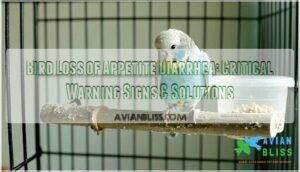 When your bird shows loss of appetite and diarrhea together, you’re looking at serious warning signs that need immediate attention.
These symptoms often appear as watery droppings, lethargy, and decreased food intake.
Common causes include dietary changes, infections, stress, or toxin exposure.
Don’t wait it out – birds hide illness well, so visible symptoms mean they’re already quite sick.
Dehydration happens fast in small birds, making this combo particularly dangerous.
Your vet will likely run fecal tests and blood work to pinpoint the cause, and quick action can mean the difference between a full recovery and losing your feathered friend forever.
Table Of Contents
- Key Takeaways
- Bird Diarrhea Symptoms
- Causes of Bird Diarrhea
- Diagnosing Bird Diarrhea
- Treating Bird Diarrhea
- Preventing Bird Diarrhea
- Avian Gastrointestinal Infections
- Managing Bird Loss of Appetite
- Frequently Asked Questions (FAQs)
- Do birds have digestive disorders?
- Why do birds have diarrhea?
- What are the symptoms of anorexia & lethargy in birds?
- What causes avian diarrhea?
- What causes anorexia & lethargy in pet birds?
- How do you know if a bird has diarrhea?
- Can gastrointestinal infections in birds be transmitted to humans?
- How long does it take for a bird to recover from a gastrointestinal infection?
- Are there any natural remedies for treating gastrointestinal infections in birds?
- Can gastrointestinal infections in birds be prevented through vaccination?
- Conclusion
Key Takeaways
- Don’t wait when you see both symptoms together – appetite loss combined with diarrhea signals a serious illness that requires immediate veterinary attention, as birds hide sickness until they are critically ill.
- Watch for watery droppings and behavioral changes – you will notice increased dropping volume, loose consistency, lethargy, hunched posture, and ruffled feathers that indicate your bird needs emergency care.
- Multiple causes require professional diagnosis – bacterial infections, parasites, dietary changes, stress, toxins, and kidney disease all trigger these symptoms, making proper testing essential for effective treatment.
- Dehydration happens fast in small birds – the combination of diarrhea and not eating creates a dangerous cycle where fluid loss accelerates quickly, making swift veterinary intervention critical for recovery.
Bird Diarrhea Symptoms
When your bird shows appetite loss paired with diarrhea, you’re looking at potential red flags that demand immediate attention.
These symptoms often appear together because digestive distress affects your bird’s entire system, creating a concerning cycle where poor nutrition worsens intestinal problems.
Frequent Watery Droppings
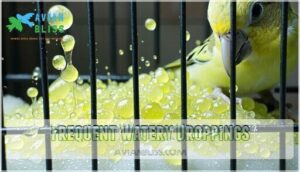
Recognizing watery bird droppings requires careful observation of normal versus abnormal characteristics. Healthy birds produce firm droppings with distinct sections, but diarrhea changes everything you’ll see in the cage.
Watch for these critical changes in your bird’s droppings:
- Dropping Volume increases substantially with watery consistency
- Urate Portion becomes less defined, mixing with liquid waste
- Fecal Consistency turns loose, losing normal firm structure completely
- Dropping Color shifts from typical brown to unusual green, yellow hues
- Dropping Odor intensifies, becoming noticeably stronger than usual
Appetite Loss and Lethargy
When your bird not eating accompanies diarrhea, you’re witnessing serious warning signs.
Loss of appetite birds display lethargy, weakness, and withdrawn behavior that signals underlying causes requiring immediate attention.
Bird lethargy diarrhea combinations create dangerous health spirals where dehydration accelerates.
Your bird refusing food needs a swift diagnostic approach, as appetite loss progresses rapidly in small birds, making supportive therapies and preventative measures essential for positive long-term prognosis.
Dehydration and Pain Signs
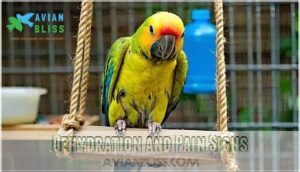
When appetite loss persists, watch for dehydration and pain signs that signal your bird needs immediate attention.
These symptoms often worsen quickly, requiring prompt intervention.
Key dehydration and pain indicators include:
- Sunken eyes and dry mouth – Classic dehydration markers requiring fluid therapy
- Lethargy with hunched posture – Shows discomfort and electrolyte balance issues
- Feather plucking or behavior changes – Pain management becomes necessary.
Dehydration from bird diarrhea creates a dangerous cycle, making pain signs more pronounced and recovery harder without proper treatment.
Ruffled Feathers and Swelling
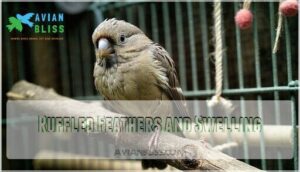
Beyond dehydration, your bird’s appearance tells a different story.
Feather Abnormalities and Facial Swelling signal serious trouble when combined with bird anorexia and avian diarrhea.
These Trauma Indicators often reveal Underlying Illnesses requiring immediate attention.
| Physical Sign | What You’ll See | Action Needed |
|---|---|---|
| Ruffled feathers | Puffed, unkempt plumage | Monitor temperature, seek vet care |
| Head/face swelling | Puffy eyes, enlarged areas | Emergency veterinary visit |
| Skin changes | Irritation, discoloration | Check for Skin Infections |
| Posture changes | Hunched, withdrawn stance | Immediate professional evaluation |
The table provides a clear guide to identifying potential health issues in birds, highlighting the importance of monitoring for Ruffled feathers, Head/face swelling, Skin changes, and Posture changes to ensure prompt veterinary care.
Causes of Bird Diarrhea
Understanding what triggers bird diarrhea helps you protect your feathered friend’s health. Your bird’s digestive system responds quickly to changes, making it essential to identify potential causes early.
Sudden Dietary Changes
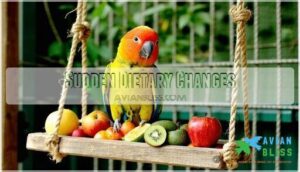
When switching your bird’s diet suddenly, think of it like jumping into cold water—shock happens fast.
Abrupt diet change disrupts your bird’s gut microbiome, causing immediate digestive upset and triggering avian diarrhea alongside bird anorexia.
- Dietary Changeover Period: Introduce new foods gradually over 7-10 days to prevent nutritional impact
- Food Introduction Method: Mix 25% new food with 75% familiar food, adjusting ratios slowly
- Monitor Response: Watch for bird food refusal or digestive changes during any dietary changes
High Sugar Diets and Stress
Your bird’s sweet tooth might spell trouble.
High-sugar diets disrupt the gut microbiome, triggering dietary imbalance that leads to bird loss of appetite and diarrhea.
Environmental stressors compound these issues, causing immune suppression and behavioral changes.
When stress meets poor nutrition, your feathered friend’s digestive system rebels, creating a perfect storm for gastrointestinal distress.
Infections and Toxins
When harmful microorganisms invade your bird’s system, they trigger severe gastrointestinal illness.
Bacterial culprits like Salmonella and E. coli contaminate food sources, while viral impact from avian influenza causes rapid onset symptoms.
Fungal infections, particularly Candida, thrive in stressed birds.
Parasite types including Giardia disrupt digestion.
Toxin exposure from household chemicals compounds these bacterial infections, creating dangerous health emergencies.
Kidney Disease and Heavy Metals
Kidney Function deteriorates when heavy metal toxicity overwhelms your bird’s filtering system.
Lead, zinc, and copper accumulate in organs, triggering kidney disease that manifests as watery droppings.
Metal Toxicity blocks normal waste processing, while Nephrotoxic Medications worsen damage.
Watch for Gout Symptoms like swollen joints alongside diarrhea.
Supportive Therapies help, but quick veterinary intervention prevents permanent organ failure.
Diagnosing Bird Diarrhea
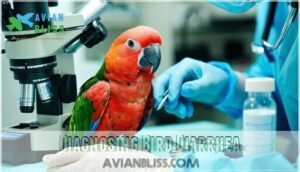
When your bird shows signs of diarrhea combined with appetite loss, proper diagnostic testing becomes your lifeline for identifying the underlying cause.
Your vet will run fecal tests to check for parasites and pathogens, plus blood work to reveal infections or organ problems that might be making your feathered friend miserable.
Fecal Tests and Blood Work
Your vet will run fecal tests and blood work to pinpoint what’s causing your bird’s diarrhea.
Fecal analysis detects parasites and infection markers, while blood parameters reveal organ function problems. These tests provide over 95% diagnostic accuracy when combined.
- Fecal tests identify bacteria, viruses, and parasites through microscopic examination and PCR methods
- Blood work checks white cell counts, liver enzymes, and kidney function to assess overall health
- Parasite detection finds Giardia, roundworms, and other organisms affecting 20% of pet birds
- Infection markers in blood reveal bacterial enteritis in 60-70% of diarrhea cases
Imaging Studies and Physical Exams
Beyond blood work and fecal tests, your vet will conduct radiograph analysis to spot internal blockages or organ swelling.
Physical palpation during the physical exam reveals abdominal tenderness or masses you can’t see.
Ultrasound findings provide detailed views of organs, while endoscopy uses allow direct visualization of digestive tract issues.
Your bird’s history relevance helps connect symptoms to recent changes, making diagnostic tests more targeted and effective.
Identifying Parasites and Pathogens
Routine fecal smear analysis reveals hidden threats lurking in your bird’s digestive system.
Through fecal microscopy, vets identify giardia, roundworms, and other gastrointestinal parasites that cause persistent diarrhea.
Culture sensitivities determine which antibiotics work best against specific bacteria.
Giardia detection requires specialized testing, while worm identification happens through direct visualization.
Physical symptoms like fluffed feathers can also indicate internal issues.
Viral diagnostics complete the picture, ensuring thorough parasite detection for targeted treatment.
Treating Bird Diarrhea
Once you’ve confirmed diarrhea in your bird, swift treatment becomes essential for recovery.
The right combination of medications, dietary adjustments, and stress reduction can turn your sick bird around faster than you’d expect.
Medications and Dietary Changes
When battling bird diarrhea treatment, your vet will prescribe targeted medications alongside essential dietary adjustments.
Antibiotic dosage must be precise—enrofloxacin shows 80% success rates against bacterial infections.
Switch to digestible foods like boiled rice while eliminating high-sugar items, and consider using electrolyte solutions to prevent dangerous dehydration.
These medication and dietary changes work together, creating your bird’s recovery roadmap. If diarrhea persists, consider seeking veterinary care for further professional guidance.
Probiotics and Supportive Care
Probiotics work like tiny helpers, restoring gut flora balance after your bird’s digestive issues.
You’ll want bird-specific probiotic supplements that include digestive enzyme support and prebiotics importance for complete recovery.
These natural remedies provide an immune system boost while addressing underlying bird digestive issues.
Some owners find bird probiotics effective for digestive upset.
Supportive therapy includes fresh water, electrolyte solutions, and easily digestible foods that won’t stress your bird’s recovering system further, which is crucial for complete recovery.
Reducing Stress and Improving Sleep
Maintaining a stressfree environment supports your bird’s recovery alongside medical treatment.
Your feathered friend needs consistent routine and quiet surroundings to heal properly.
- Create a Quiet Environment with minimal noise, avoiding sudden sounds that trigger avian anxiety
- Establish Consistent Routine for feeding, cage cleaning, and sleep schedules to reduce stress
- Provide Cage Enrichment with safe perches and familiar toys while avoiding overcrowding
Sleep quality improves when you minimize changes to their surroundings during treatment.
Preventing Bird Diarrhea
You can prevent bird diarrhea by maintaining proper nutrition, cleanliness, and stress management in your feathered friend’s environment.
The key lies in establishing consistent routines that support your bird’s digestive health and overall well-being.
Balanced Diet and Clean Water
Since your feathered friend’s health depends on what goes in their beak, you’ll want to focus on species-specific nutrient requirements and pristine water quality.
Fresh pellets prevent food spoilage, while safe produce adds diet variety.
A focus on avian nutrition basics is essential for maintaining bird health.
Your avian veterinarian can guide balanced diet choices that prevent bird diarrhea symptoms and bird loss of appetite before they start.
Regular Cage Cleaning and Veterinary Checkups
Consistency beats perfection when maintaining your feathered friend’s home.
Clean cages weekly with bird-safe disinfectants, removing waste daily to prevent bacterial growth.
Schedule annual checkups with an avian veterinarian for early detection of diseases.
Proactive healthcare through routine veterinary care and proper cage hygiene creates the foundation for disease prevention, ensuring your bird’s peak health.
Maintaining a clean environment using bird cage cleaner products is essential for bird health.
Reducing Stress and Improving Environment
Your bird’s home environment directly impacts digestive health. Create a quiet environment by minimizing loud noises and maintaining routine consistency with feeding schedules.
Provide enrichment activities like safe perches and toys while keeping ideal temperature between 65-80°F. This stress-free environment creation supports your bird’s immune system, reducing environmental stress that often triggers diarrhea episodes.
Consider providing a variety of bird perches for enrichment to reduce stress and promote overall well-being.
Avian Gastrointestinal Infections
When your bird develops gastrointestinal infections, you’re dealing with some of the most common yet serious threats to avian health.
These infections can quickly escalate from mild digestive upset to life-threatening conditions, making early recognition and treatment absolutely critical for your feathered companion’s survival, as they are among the most common and serious gastrointestinal issues.
Bacterial Infections and Parasites
You’ll often encounter two major infection types behind bird diarrhea causes.
Bacterial infections like colibacillosis risks from E. coli and salmonella symptoms wreak havoc on your bird’s gut.
Parasites including Giardia need specific giardia treatment, while worm prevention stops roundworms and tapeworms.
Campylobacteriosis control requires swift action.
Your avian vet will prescribe targeted antiparasitic medication based on fecal testing results.
Birds can contract worms that lead to nutrient theft, causing weight loss and weakness, which can be considered a form of nutrient theft and may require swift action.
Viral Infections and Fungal Diseases
Several viral infections can devastate your bird’s digestive system.
Avian adenovirus causes severe diarrhea with rapid viral transmission between birds.
Fungal pathogenicity emerges when candidiasis and aspergillosis overwhelm weakened immune response systems.
These fungal infections create persistent gastrointestinal symptoms.
Treatment options include antiviral medications and antifungal therapy, while preventative measures focus on quarantine protocols and improved ventilation to break transmission cycles.
Protozoa and Helminths Infections
Beyond fungal threats, microscopic parasites pose serious risks to your bird’s digestive health.
Giardia symptoms include watery droppings and weight loss, while roundworms cause visible segments in feces.
Protozoa treatment requires specific medications from your vet.
Key parasite concerns:
- Giardia – Most common in cockatiels, spreads through contaminated water
- Trichomoniasis – Affects crop and throat, causes regurgitation
- Roundworms – Visible in droppings, require deworming protocols
Parasite transmission happens quickly in aviaries.
Helminth prevention starts with quarantining new birds and regular fecal testing for early worm identification.
Managing Bird Loss of Appetite
When your bird shows both appetite loss and diarrhea, you’re dealing with a serious health emergency that requires immediate professional intervention.
These combined symptoms often signal severe underlying conditions like infections, toxicity, or organ failure that can quickly become life-threatening without proper veterinary care.
Seeking Veterinary Attention
Time’s ticking when your bird shows Emergency Signs like persistent diarrhea and appetite loss.
Don’t delay vet attention—these bird diarrhea symptoms worsen quickly. Prepare for Cost Considerations and gather recent behavioral changes for accurate diarrhea diagnosis.
Your veterinary care team will guide diarrhea treatment options and discuss Follow-up Care schedules. Some cases require Specialist Referrals for complex conditions.
Hospitalization and Critical Care
When your feathered friend needs hospitalization, you’re entering serious territory.
The avian ICU becomes their temporary home, where specialized care makes all the difference.
Here’s what critical care involves:
- Fluid Therapy – Intravenous fluids combat dehydration and restore electrolyte balance
- Temperature Control – Heated chambers maintain ideal body warmth for recovery
- Nutritional Support – Tube feeding delivers essential nutrients when appetite fails
- Medication Delivery – Precise dosing through various routes guarantees effective treatment
- Monitoring Progress – Continuous assessment tracks key signs and response to treatment
This intensive approach gives your bird the best shot at recovery.
Treatment and Prevention Strategies
Three key strategies transform your bird’s recovery journey.
Medication Dosages require strict adherence—antibiotics won’t work with missed doses.
Dietary Adjustments should introduce easily digestible foods gradually, while Probiotic Use restores gut balance.
Stress Reduction through consistent routines accelerates healing.
Veterinary Follow-ups guarantee treatment effectiveness.
| Treatment Strategy | Implementation | Expected Timeline |
|---|---|---|
| Medication Dosages | Follow prescribed antibiotic/antifungal schedules exactly | 7-14 days |
| Diet Adjustment | Introduce bland, digestible foods gradually | 3-5 days |
| Clean Water Provision | Replace water twice daily, use filtered sources | Ongoing |
| Stress-Free Environment Creation | Maintain quiet, warm surroundings | Immediate |
| Veterinary Consultation Recommendation | Schedule progress checks every 3-7 days | As needed |
Avian diarrhea treatment options work best when you’re consistent—think of recovery like rebuilding your feathered friend’s foundation, one careful step at a time.
Zoonotic and Environmental Risks
Why risk your family’s health when sick birds pose serious threats? Fecal pathogens from birds with appetite loss and diarrhea create dangerous zoonotic transmission risks through direct contact or environmental contamination.
One such risk involves avian influenza strains, which can be transmitted to humans.
Critical disease prevention steps:
- Wash hands thoroughly after any bird contact
- Disinfect surfaces contaminated by droppings immediately
- Wear protective equipment when cleaning cages
- Isolate sick birds from humans and other pets
Proper hygiene and avian medicine protocols protect public health from these avian health emergencies.
Frequently Asked Questions (FAQs)
Do birds have digestive disorders?
Yes, birds commonly develop digestive disorders.
You’ll notice symptoms like diarrhea, loss of appetite, and lethargy.
Infections, parasites, dietary changes, and stress often trigger these issues, requiring prompt veterinary care for proper diagnosis and treatment.
Why do birds have diarrhea?
What’s causing your feathered friend’s digestive upset?
Birds develop diarrhea from dietary changes, bacterial infections, parasites, stress, toxins, or underlying diseases like kidney problems.
Requiring prompt veterinary attention for proper diagnosis is crucial.
What are the symptoms of anorexia & lethargy in birds?
You’ll notice your bird becoming withdrawn, refusing food, and spending more time sitting quietly with fluffed feathers.
They’ll appear less active, lose weight rapidly, and may show difficulty perching or breathing changes.
What causes avian diarrhea?
Like a storm brewing in your bird’s belly, diarrhea can stem from dietary changes, bacterial infections, parasites like Giardia, environmental stress, toxins, or kidney disease affecting your feathered friend.
What causes anorexia & lethargy in pet birds?
Cancer, infections, endocrine diseases, toxicities, and organ failures commonly cause anorexia and lethargy in your bird. These serious conditions require immediate veterinary attention since birds hide illness well.
How do you know if a bird has diarrhea?
Well, your feathered friend isn’t exactly sending you a detailed health report, so you’ll need to play detective with their droppings.
Look for watery consistency, increased frequency, unusual colors, stronger odors, and undigested food particles.
Can gastrointestinal infections in birds be transmitted to humans?
Yes, several gastrointestinal infections in birds can transmit to humans.
Salmonella, Campylobacter, and Giardia pose zoonotic risks through contaminated droppings.
You’ll need proper hygiene when handling sick birds or cleaning cages, to mitigate these zoonotic risks.
How long does it take for a bird to recover from a gastrointestinal infection?
Recovery from gastrointestinal infections varies widely depending on the specific pathogen and your bird’s overall health.
Most birds recover within one to three weeks with proper veterinary treatment and supportive care.
Are there any natural remedies for treating gastrointestinal infections in birds?
Around 70% of avian gastrointestinal infections stem from dietary issues, making natural remedies appealing.
You can try probiotics, easily digestible foods, and stress reduction, but you’ll need veterinary guidance for safe, effective treatment plans.
Can gastrointestinal infections in birds be prevented through vaccination?
Vaccination options for pet birds remain limited compared to other companion animals, with most prevention focusing on hygiene and environmental management rather than immunizations against intestinal pathogens.
Conclusion
Your vigilance today could save your bird’s life tomorrow.
When bird loss of appetite diarrhea strikes together, you’re witnessing your pet’s urgent cry for help.
Don’t let guilt paralyze you—birds naturally hide illness until they’re critically sick.
Quick veterinary intervention, proper diagnostics, and immediate supportive care transform these frightening symptoms into manageable conditions.
Trust your instincts, act swiftly, and remember that early detection paired with professional treatment gives your feathered companion the best chance at a full recovery.
- https://pmc.ncbi.nlm.nih.gov/articles/PMC8707747/
- https://www.petmd.com/bird/conditions/parasitic/c_bd_Bacterial_Diseases
- https://ehs.illinoisstate.edu/research/animals/psittacosis/index.php
- https://www.frontiersin.org/journals/veterinary-science/articles/10.3389/fvets.2021.791287/full
- https://avianreport.com/worms-backyard-birds/