This site is supported by our readers. We may earn a commission, at no cost to you, if you purchase through links.
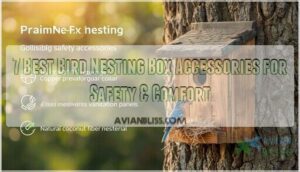
A nest box without the right accessories is like a house without doors or windows. Birds need more than four walls to successfully raise their young. The difference between a thriving nest and an abandoned one often comes down to simple additions like proper ventilation, predator protection, and natural nesting materials.
These bird nesting box accessories don’t just make your setup more functional. They directly impact whether chicks survive to fledging and whether adult birds return season after season. Installing predator guards alone can boost survival rates by 7%, while natural fibers like coconut and sisal provide the thermal regulation birds instinctively seek.
The accessories you choose determine whether your nest box becomes an essential resource or just another piece of backyard décor.
Table Of Contents
Key Takeaways
- Adding predator guards and proper ventilation to nest boxes increases chick survival rates by up to 15.7% in some species, with these accessories directly impacting whether birds successfully raise their young and return in future seasons.
- Natural nesting materials like coconut coir and sisal outperform synthetic options because they offer superior thermal regulation, resist mold and parasites, and match what birds instinctively seek in the wild.
- Regular seasonal maintenance—including annual nesting material replacement, structural inspections for damage, and thorough cleaning between breeding cycles—prevents disease outbreaks and extends the functional life of your nest box by decades.
- Different bird species prefer specific materials and box features, so offering diverse natural fibers and mounting boxes at appropriate heights (4–6 feet for most species, 10–15 feet for Purple Martins) increases the variety of birds that will use your setup.
Essential Bird Nesting Box Accessories
A well-equipped nesting box does more than provide shelter—it creates a safe environment where birds can raise their young successfully. The right accessories make a real difference in protecting nests from predators, maintaining proper airflow, and keeping the space clean between breeding seasons.
Here are five essential accessories that help you support nesting birds throughout the year.
Nesting Materials for Bird Comfort
You can improve bird comfort by choosing nesting materials that support their natural instincts. Natural fiber preference is clear—birds favor coconut coir and sisal for their thermal properties and material mold resistance.
These nesting supplies also offer excellent material accessibility, letting small birds transport fibers easily. Given its many benefits, coconut coir is often used in nesting stations.
Species material diversity means different birds select various nesting material products, but plant-based options consistently win for structure and insulation.
Predator Guards for Nest Protection
Guard effectiveness stands strong when you protect nesting birds from harm. Predator types like raccoons, snakes, and cats threaten eggs and chicks, but predator-proofing solutions reduce those losses greatly.
Consider these proven design variations for predator control:
- Cone or stovepipe baffles on poles block climbing predators
- Nest Box Protection Plates reinforce entrance holes against squirrels
- Wire mesh guards prevent reach by larger animals
- Snake guards use metal ducting to stop reptiles
Research shows predator protection for birds increases nest survival by up to 15.7% in some species. Nest guards improve chick survival rates. Installation tips matter—mount guards three feet high on metal poles for best results. That conservation impact adds up across thousands of nests nationwide.
Ventilation Solutions for Healthy Nests
Bird comfort depends on proper airflow inside your nest box. Birdhouse ventilation prevents deadly overheating and reduces humidity that fuels harmful bacteria. Small holes near the top—about 5 mm each—create effective ventilation tools without letting predators in.
Material breathability matters too. Climate considerations guide hole placement, since over-ventilation risks chilling eggs in cold regions while insufficient airflow threatens bird health and safety in summer heat.
Mounting Poles and Installation Kits
You need solid support to keep your nest box secure and accessible. Steel pipe poles offer greater strength over lightweight conduit, though both work when installed 17-20 inches deep using birdhouse ground sockets. Complete birdhouse pole kits include mounting brackets and hardware for simple assembly.
Metal pole material deters climbing predators better than wood. The birdhouse mounting market grows steadily as more people prioritize safe backyard habitats with proper birdhouse sectional poles.
Cleaning and Maintenance Tools
Once nesting season ends, you’ll want proper cleaning supplies on hand. A stiff brush removes debris, while safety gear like gloves and masks protect you from parasites. Birdhouse cleaning products or a mild disinfectant sanitize surfaces without harming birds.
Keep basic repair tools ready for quick fixes. Proper feeder maintenance and waste disposal prevent disease spread between seasons.
Top 7 Bird Nesting Box Accessories Reviewed
You’ve covered the basics of nesting box accessories. Now let’s look at seven products that can improve safety and comfort for the birds in your yard.
Each option fulfills a specific purpose to support nesting success and bird health.
1. Audubon Swirl Glass Hummingbird Feeder
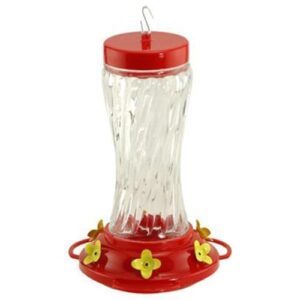
The Audubon Swirl Glass Hummingbird Feeder combines function with beauty in classic hummingbird feeder options. Its 16-ounce glass feeder design allows easy nectar level monitoring through transparent walls, while six flower-shaped ports support multiple birds at once.
You’ll appreciate the cleaning convenience—the glass swirls through your dishwasher, while the red base attracts visitors. Material durability sets glass hummingbird feeders apart from plastic alternatives that crack under sun exposure.
This piece delivers both hummingbird attraction and garden decoration, making it a practical choice among hummingbird accessories.
Best For: Birding enthusiasts who want an attractive, easy-to-clean feeder that accommodates multiple hummingbirds while adding decorative appeal to their garden.
- Glass construction is dishwasher-safe and won’t fade, crack, or become cloudy like plastic feeders over time
- Six feeding stations with three perches allow multiple hummingbirds to feed at once, reducing territorial disputes
- Transparent glass body makes it easy to monitor nectar levels so you never miss a refill
- Plastic base and top components may fade and become brittle with prolonged sun exposure
- Glass requires careful handling during cleaning and maintenance to avoid breakage
- Some customers have reported receiving damaged products or experiencing quality control issues with perches
2. Audubon Combo Mesh Bird Feeder
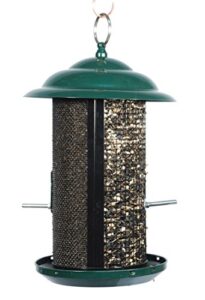
This three-pound capacity feeder stands out through its powder-coated metal construction and mesh tube design, which promotes seed variety options. You can fill it with both Nyjer and mixed seed to boost bird attraction across species like goldfinches and cardinals.
The easy-open top simplifies bird feeding maintenance, though the mesh size requires careful filling to prevent spillage. Market reception remains positive despite some drainage concerns during rain.
While it lacks dedicated squirrel deterrent features, its sturdy bird feeders design maintains multiple seasons of reliable bird protection and feeding.
Best For: Bird watchers who want to attract multiple species with different seed preferences and don’t mind regular cleaning to prevent mold buildup.
- Holds 3 pounds of seed and lets you offer two different types at once, bringing in a wider variety of birds like goldfinches and cardinals.
- Powder-coated metal construction holds up well through multiple seasons without rusting or falling apart.
- Easy-open top makes refilling straightforward, and the mesh design lets you see when seed levels are running low.
- The mesh openings are small enough that filling can be tricky and messy if you’re not careful with your aim.
- Drainage holes tend to clog up, and seed can sit in the tray and get moldy when it rains.
- Doesn’t include any squirrel protection, so you’ll need to add your own deterrents if squirrels are an issue in your area.
3. Coconut Fiber Bird Nesting Pads
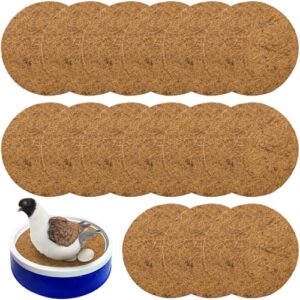
These eight-inch coconut fiber pads bring natural antibacterial properties to your birdhouse nesting pockets, reducing microbial growth while offering enhanced insulation benefits for egg protection. Their resistance to rot and mildew surpasses traditional bird nesting supplies like straw, while conservation usage data shows increased breeding success when you line nest boxes with these birdhouse comfort products.
The biodegradability aspects make this nesting material environmentally responsible, which explains growing market preferences among conservation-minded backyard enthusiasts. You’ll find fifteen pads per package, each measuring 8.3 inches square and washable for extended use.
Best For: Bird owners and breeders looking for natural, eco-friendly nesting materials that keep birds healthy and comfortable while being easy to maintain.
- Natural antibacterial properties fight mold and bacteria, creating a cleaner, healthier nesting space
- Durable and weather-resistant—outlasts straw and wood shavings while staying breathable and easy to wash
- Excellent insulation keeps eggs protected and birds comfortable in both cold and warm weather
- Size matters—the 8.3-inch pads might not fit all nesting bowls, so double-check your setup first
- Larger coops or multiple birds may need several pads, adding to the cost
- While biodegradable is great for the planet, it means they’ll eventually break down and need replacing
4. Coconut Fiber Bird Nesting Material
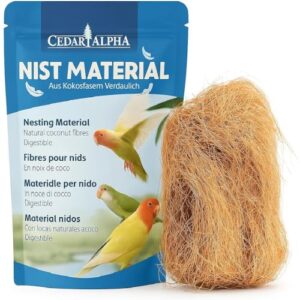
You’ll discover that loose coconut fiber nesting material offers exceptional fiber insulation and nest durability for smaller backyard species like finches and canaries. This lightweight birdhouse comfort product weighs just 1.4 ounces per 40-gram package, providing environmental benefits through its fully biodegradable composition.
Research on bird nesting supplies shows improved nesting success when you offer natural materials that birds can easily weave into custom structures. Species preference data indicates high acceptance rates among cavity nesters seeking bird safety, making these nesting material products essential for supporting reproductive behavior throughout breeding seasons.
Best For: Bird enthusiasts with small species like finches, canaries, and parakeets who want a natural, eco-friendly nesting material that also works for small pets like hamsters and guinea pigs.
- Naturally soft and breathable with excellent insulation properties that keep nests warm in winter and ventilated in summer, plus it’s mold-resistant and durable enough to last through multiple seasons.
- Completely biodegradable and made from coconut processing waste, so you’re reducing environmental impact while giving birds a chemical-free, non-toxic material they actually prefer.
- Affordable at $5.89 and versatile enough to use for bird nests, small pet bedding, plant covering, or as a substrate for egg-laying.
- The 40g package is pretty small, so you might need multiple bags if you have several birds or want to keep material stocked throughout breeding season.
- Some birds may ignore it or not take to coconut fiber as their preferred nesting material, depending on individual preference.
- Birds might nibble or eat the fiber, which isn’t necessarily harmful but could mean you’ll need to replace it more often.
5. Sisal Natural Bird Nesting Material
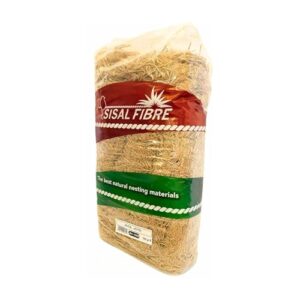
You’ll find that sisal fiber benefits your breeding birds through natural alternatives that support bird safety during nesting material selection. This 2.2-pound product offers considerable bird habitat enrichment for canaries and finches, with natural antiseptic properties reducing mite presence and bacterial spread.
Research shows bird species preference for sisal’s dust-resistant qualities and moisture-regulating performance during bird nesting periods.
The environmental impact remains minimal since sisal fiber derives from Agave sisalana plants, providing biodegradable nesting materials that birds readily accept and weave into protective structures.
Best For: Bird breeders raising canaries, finches, or small cage birds who want natural, safe nesting material that supports healthy breeding and reduces parasites.
- Natural antiseptic properties help keep nests cleaner by reducing mites, bacteria, and other pests that can harm eggs and chicks.
- Soft, breathable fibers regulate moisture well and won’t cause respiratory issues like dusty alternatives can.
- Eco-friendly and biodegradable material that birds instinctively accept and use, mimicking what they’d find in the wild.
- Won’t work for bird species that don’t build nests with loose fiber materials.
- Requires regular monitoring and replacement to maintain hygiene, especially in humid environments.
- Some birds with specific sensitivities or allergies might not tolerate jute-based materials well.
6. Milisten Bird Nesting Box 4 Pack
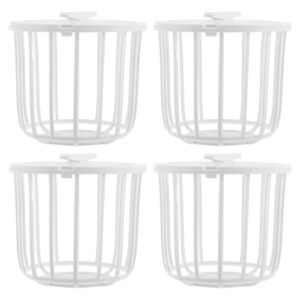
While natural fibers excel at nesting support, plastic nesting boxes offer practical advantages you shouldn’t overlook. The Milisten Bird Nesting Box 4 Pack provides a reusable nest design in durable PP plastic at $9.99 for four units. These easy-clean nests support small bird comfort through smooth, burr-free surfaces and hanging installation that protects from ground predators. You’ll appreciate the maintenance simplicity compared to wooden birdhouse components.
The main drawback involves nesting material drops, as some birds scatter fibers onto cage floors. These birdhouse accessories don’t include nesting materials or accommodate larger bird species.
Best For: Bird owners with small species who want an affordable, low-maintenance nesting solution that’s easy to clean and reuse across multiple birds.
- Four durable plastic nest boxes for under $10 make this an incredibly budget-friendly option for multi-bird setups
- Smooth, burr-free surfaces and hanging design keep birds safe from injuries and ground predators
- Way easier to clean than wooden alternatives—just wipe down and reuse without worrying about bacteria buildup
- Birds tend to scatter nesting materials onto the cage floor, creating extra cleanup work
- Doesn’t include any nesting materials, so you’ll need to purchase fibers, hay, or coconut lining separately
- Only works for small bird species—larger birds won’t fit comfortably in these compact boxes
7. Woven Bamboo Bird Nesting Box
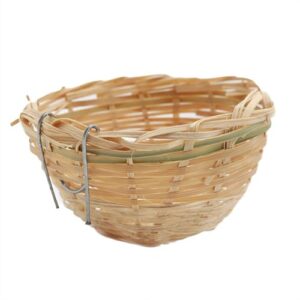
Bamboo sustainability meets practical design in woven bamboo bird nesting boxes. These birdhouse accessories measure approximately 10×6 cm and feature hand-woven construction that creates natural ventilation through the weaving pattern.
You’ll find easy installation through attached hooks that work in cages or outdoor settings. The weather resistance of bamboo withstands rain and wind better than many alternatives, though you should check periodically for wear.
These bird supplies support bird nesting behaviors in canaries, finches, and budgies while maintaining the bird comfort features smaller species need.
Best For: Bird owners looking for an eco-friendly, natural nesting option for small species like canaries, finches, budgies, and parakeets.
- Made from sustainable, hand-woven bamboo that’s durable and weather-resistant for both indoor cages and outdoor use.
- Natural ventilation through the woven structure keeps the nest breathable and comfortable for birds.
- Easy to hang with attached hooks and blends naturally into bird environments to encourage nesting behaviors.
- Manual measurements may lead to slight size variations (1-3mm), which could affect fit in some cages.
- Only suitable for small bird species, so it won’t work for larger birds.
- Color may vary from the product images due to the natural bamboo material.
Choosing The Right Nesting Materials
The materials you provide in your nesting box directly affect whether birds will use it and how successful they’ll be raising their young. Natural fibers like coconut and sisal offer the safest and most effective nesting support because they mimic what birds find in the wild.
Here’s what you need to know about selecting materials that attract specific species and keep nests healthy throughout the breeding season.
Benefits of Natural Fibers Like Coconut and Sisal
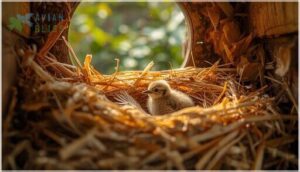
When you choose coconut or sisal fibers, you’re providing thermal regulation and structural integrity that grass alone can’t match. These natural materials resist mold and parasites, improving nest hygiene for healthier chicks.
Their fiber biodegradability means less environmental impact, while their durability aids species impact across finches to wrens.
Consider Bird Nester Refill, Cotton Nester Refill, or Alpaca Nester Refill options for quality nesting support.
Refill Options for Ongoing Nesting Support
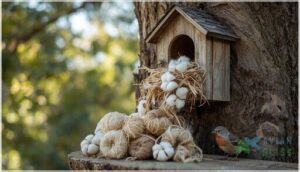
You’ll need to replace nesting materials periodically to maintain nest hygiene and support multiple breeding cycles. Refill timing matters—replenish between nesting seasons to avoid disturbing active nests.
Bird Nester Refill, Cotton Nester Refill, and Alpaca Nester Refill packs guarantee ongoing availability aligned with species preferences and material biodegradability.
Community programs often provide accessible Cottontail Nest Builder options, making refill support more affordable for sustained local bird populations.
Attracting Different Bird Species With Specific Materials
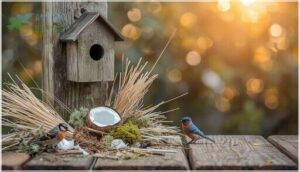
Since different bird species prefer distinct materials, you can attract specific birds by offering what they naturally seek. Finches favor coconut fiber and dried grass for insulation, while Eastern Bluebirds adapt well to natural fibers in various substrates.
Providing diverse natural materials near your bird house accessories increases species diversity by 15–20%, supporting healthier bird habitat and reducing synthetic material risks that harm nestlings.
Enhancing Nest Box Safety and Longevity
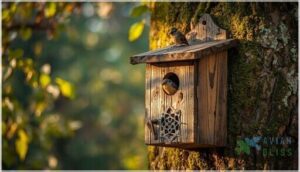
A well-built nest box is only half the job. The right protective features and structural upgrades keep birds safe from predators and weather while extending the life of your box.
Let’s look at three key ways to strengthen your setup.
Installing Predator Guards and Protection Plates
Predator guards act like a shield around your nest box, boosting chick survival by nearly 7% nationwide. You’ll want to think about these steps for proper installation:
Predator guards shield nest boxes and boost chick survival by nearly 7% when installed correctly at the right height
- Mount your box 5–7 feet high to keep ground predators at bay
- Choose guard types like cone baffles or metal portal protectors based on local predators
- Secure installation using screws for tamper-resistant attachment
- Maintain baffle clearance at least 10 feet from climbing structures
Weatherproofing and Ventilation Upgrades
When summer heat waves strike, insulation materials can drop your nest box temperatures by over 3°C, creating a safer refuge for nestlings. Weatherproofing techniques using exterior-grade treated plywood resist moisture intrusion while ventilation design with strategically placed holes beneath the roof maintains proper airflow. This moisture control prevents condensation that threatens bird health.
For seasonal adaptation, consider adding white paint to reflect sunlight during hot months.
Selecting Durable Mounting Hardware
Your mounting hardware determines whether your nest box stays secure for decades or fails within a few years. Galvanized or stainless steel screws resist material corrosion for 20–30 years, while plain steel corrodes rapidly.
Mounting brackets with proper weight capacity support boxes safely, and sectional pole kits with ground sockets simplify installation methods.
Weather resistance through marine-grade fasteners ensures hardware maintenance remains minimal while protecting your investment.
Maintenance Tips for Bird Nesting Boxes
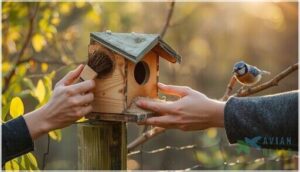
Keeping your nest boxes in good shape protects the birds that rely on them season after season. Regular checks help you spot problems before they become serious threats to nesting success.
Here’s what you need to know about maintaining safe and healthy nest boxes year-round.
Seasonal Checks for Wear and Damage
Your nest box works hard year-round, and regular seasonal inspections keep it safe for returning birds. Check boxes in autumn and early spring to assess birdhouse longevity and structural integrity. Focus on these priorities:
- Inspect roofs and seams for rot, cracks, or water damage
- Look for predator damage around entrance holes or birdhouse portal protection
- Clear ventilation and drainage holes of debris
- Tighten loose mounting hardware and screws
- Remove old nests using proper cleaning practices
These checks directly improve bird success and birdhouse safety while helping with pest identification before breeding season begins.
Safe Practices to Promote Bird Health
Cleaning protocols protect bird health by removing parasites and pathogens between seasons. You should wear gloves when handling old nests to prevent disease outbreaks. Proper ventilation is crucial—it reduces dampness that harbors bacteria.
For parasite control, discard all nesting material annually. Predator minimization starts with predator protection guards and keeping boxes sealed until breeding begins.
These bird care products and bird safety practices prevent bird illness while supporting successful nesting.
Frequently Asked Questions (FAQs)
How often should I replace nesting box materials?
You should replace nesting materials at least once yearly after breeding season ends.
Species like Bluebirds raising multiple broods benefit from removal between cycles. This timing aids parasite prevention and breeding success.
Can I paint or stain my bird box?
Bright hues attract more than just your eye—they also draw predators.
You can paint your bird box exterior only, using zero-VOC latex in camouflage tones.
Never paint interiors or entrance holes to avoid paint toxicity and staining risks.
Whats the ideal mounting height for nesting boxes?
Most birdhouses should sit 4 to 6 feet above ground. This height balances predator accessibility concerns with maintenance access needs.
Purple Martins prefer 10 to 15 feet, while many smaller species accept lower placements with proper mounting materials.
Do nesting boxes need drainage holes at bottom?
Yes, drainage holes are essential. They prevent nest flooding and mortality reduction while stopping fungal growth. Expert guidance recommends at least four corner holes for hygiene implications and bird health and wellness.
Conclusion
Think of your nest box as a stage where life’s most critical performance unfolds. Without the right bird nesting box accessories, that stage remains incomplete.
Predator guards become the curtain that shields vulnerable moments. Ventilation systems provide the breath between scenes. Natural fibers create the foundation where new life takes form.
You’ve learned what works and why it matters. Now your backyard can offer birds what they’re desperately searching for: a safe place to begin again.
- https://wildlife.onlinelibrary.wiley.com/doi/am-pdf/10.1002/wsb.801
- https://pmc.ncbi.nlm.nih.gov/articles/PMC10090579/
- https://www.sciencedirect.com/science/article/pii/S0378112723007387
- http://j-avianres.com/cn/article/pdf/preview/10.1016/j.avrs.2023.100101.pdf
- https://www.adfg.alaska.gov/index.cfm?adfg=wildlifenews.view_article&articles_id=1036