This site is supported by our readers. We may earn a commission, at no cost to you, if you purchase through links.
You fill your feeder with the first bag of seed you find at the store, then watch squirrels feast while your backyard birds fly right past. The problem isn’t the birds—it’s the seed. Black oil sunflower attracts over 20 species because its thin shell and high fat content make it worth the effort, while filler grains like milo and wheat often end up scattered on the ground, wasted.
Understanding what different species actually prefer, from cardinals cracking safflower to finches clinging to nyjer feeders, transforms your yard from a disappointing pit stop into a reliable food source.
The right seed choices, paired with proper storage and feeder maintenance, bring chickadees, woodpeckers, and jays straight to your window throughout every season.
Table Of Contents
- Key Takeaways
- Best Bird Seed Products for Backyard Birds
- 1. Wagner’s Black Oil Sunflower Bird Seed
- 2. C&S Orange Delight Suet Cakes
- 3. Wagner’s Nyjer Seed Wild Bird Food
- 4. Wingfield Farm Virginia In Shell Peanuts
- 5. Kaytee Wild Bird Black Oil Sunflower
- 6. Kaytee Nyjer Wild Bird Food Seed
- 7. Morning Song Dove and Ground Food
- 8. Wagner’s Safflower Seed Wild Bird Food
- 9. Kaytee Nut and Fruit Wild Bird
- 10. C and H Pure Cane Sugar
- Choosing The Right Bird Seed Mix
- Common Types of Bird Seed and Their Benefits
- Attracting a Variety of Birds to Your Yard
- Maximizing Nutrition and Minimizing Risks
- Frequently Asked Questions (FAQs)
- Conclusion
Key Takeaways
- Black oil sunflower seed attracts over 20 species because its thin shell and high fat content (24-30%) make it accessible to small-beaked birds while providing essential energy year-round.
- Nyjer seed works specifically for finches with its 35% fat content and hull-free design, but you’ll need specialized tube feeders with small ports to prevent waste and accommodate their feeding habits.
- Safflower seed naturally deters squirrels through its bitter taste while still attracting cardinals, chickadees, and titmice, reducing competition at your feeders without sacrificing bird activity.
- Proper storage in airtight containers and biweekly feeder cleaning with a diluted bleach solution prevents mold growth and disease transmission, keeping your backyard birds healthy throughout all seasons.
Best Bird Seed Products for Backyard Birds
Selecting the right bird seed can feel overwhelming when you’re standing in the store aisle, staring at dozens of options. Each product fulfills a different purpose, from attracting specific species to meeting seasonal nutritional needs.
Here are ten reliable bird seed products that consistently perform well in backyard feeding stations across different regions and seasons.
1. Wagner’s Black Oil Sunflower Bird Seed
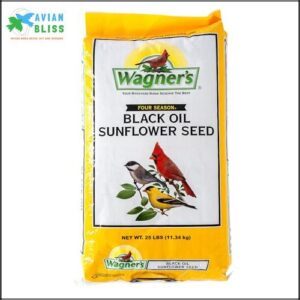
Wagner’s Black Oil Sunflower Bird Seed stands out for its superior seed quality and nutritional value, containing 14% protein and 24% fat to fuel your backyard visitors. You’ll attract over 20 species—cardinals, chickadees, nuthatches, and finches—thanks to its thin shells that even small-beaked birds can crack easily.
This product offers excellent feeder compatibility with tube, hopper, and tray setups. While cost analysis shows competitive pricing in 25-pound bags, the investment pays off through reduced waste, as birds consume nearly all seed provided with minimal leftover filler.
Best For: Backyard birders who want to attract the widest variety of songbirds while providing high-energy nutrition that keeps birds coming back year-round.
- Thin shells make it easy for small-beaked birds like chickadees and finches to access the nutrient-rich kernels, with 24% fat content providing excellent energy for active birds.
- Attracts over 20 species including cardinals, nuthatches, and grosbeaks, making it one of the most effective seeds for building a diverse backyard bird community.
- Works in any feeder type—tube, hopper, or tray—and birds eat nearly all of it with minimal waste, so you’re not paying for filler that ends up on the ground.
- The 25-pound bag lacks a resealable closure, making it harder to keep seeds fresh once opened unless you transfer them to a storage container.
- Attracts squirrels and other wildlife along with birds, so you may need squirrel-proof feeders or baffles to keep non-bird visitors at bay.
- Some bags arrive with wood chips or stem debris mixed in, though this seems to be an occasional quality control issue rather than the norm.
2. C&S Orange Delight Suet Cakes
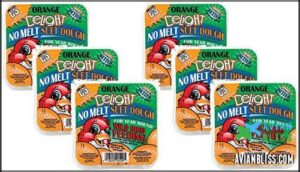
If you’re looking beyond seeds, C&S Orange Delight Suet Cakes bring a different kind of energy to your backyard bird feeding setup. Each 11.75-ounce cake packs 15% fat with roasted peanuts, papaya, and orange flavor that attracts woodpeckers, orioles, bluebirds, and tanagers.
The non-melt formula stays solid up to 100°F, making it reliable year-round. You’ll notice less mess since birds consume nearly everything, and at roughly $2.99 per cake, it’s an economical choice that diversifies your feeder offerings while supporting high-energy needs during migration and cold weather.
Best For: Backyard birders who want to attract fruit-eating species like orioles, woodpeckers, and bluebirds with a high-energy, no-mess suet option that works in all seasons.
- Non-melt formula stays solid up to 100°F, so you can use it year-round without worrying about spoilage or dripping mess in summer heat.
- Attracts a wider variety of birds than plain suet or seeds, including orioles, tanagers, bluebirds, and woodpeckers, thanks to the fruit and peanut mix.
- Birds eat nearly all of it, which means less waste under your feeder and better value at around $2.99 per cake.
- Some users report their local birds ignore this particular flavor, so it might not work in every area.
- Cakes can arrive broken or damaged if the packaging isn’t sturdy enough during shipping.
- Contains allergen traces (milk, tree nuts, fish, shellfish), which isn’t a concern for birds but worth noting for handling.
3. Wagner’s Nyjer Seed Wild Bird Food
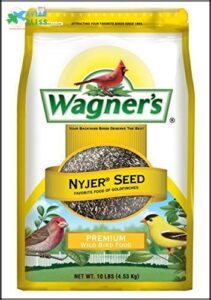
For finch favorites like American Goldfinches and Purple Finches, Wagner’s Nyjer Seed Wild Bird Food delivers premium performance. Each 10-pound bag contains roughly 150,000 tiny, oil-rich seeds with 35% fat and 20% protein—nutritional benefits that support feather growth and energy during migration.
You’ll need specialized tube feeders with small ports to minimize seed waste, since these needle-shaped seeds don’t suit platform styles.
Though sourcing concerns keep prices higher due to overseas imports, the clean, weed-free thistle seed attracts siskins and buntings while discouraging squirrels naturally.
Best For: Backyard birders who want to attract goldfinches, purple finches, and other small songbirds with a high-energy, low-mess seed option.
- Contains 150,000 seeds per pound with 35% fat content, providing excellent energy for finches during cold weather and migration seasons.
- Clean and weed-free formula minimizes mess under feeders and naturally discourages squirrels from raiding your bird station.
- Attracts a diverse range of finch species including goldfinches, siskins, and buntings, creating an active and colorful feeder experience.
- More expensive per pound than standard seed blends due to overseas import costs and high seed density.
- Requires specialized tube feeders with small ports, adding extra equipment costs if you don’t already own one.
- Occasional packaging quality issues reported, including small leaks in bags during shipping or storage.
4. Wingfield Farm Virginia In Shell Peanuts
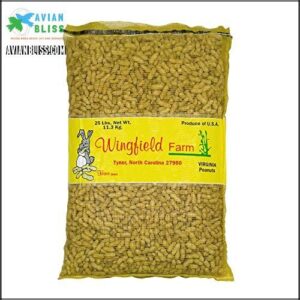
When blue jays and woodpeckers visit your yard, Wingfield Farm Virginia In Shell Peanuts give them the high-energy boost they need. These 25-pound bags contain raw, unroasted peanuts offering 28% crude fat and 16% protein—nutritional values that help backyard birds thrive during cold snaps.
You’ll want platform feeders rather than tubes, since the large shells require open access. Check your peanuts regularly for mold; aflatoxins from fungal growth can harm visiting species. Store bags in cool, dry spots to prevent moisture buildup and maintain freshness for attracting corvids and nuthatches season after season.
Best For: Backyard wildlife enthusiasts who want to attract blue jays, woodpeckers, and other large birds with high-energy, protein-rich food during winter months.
- High nutritional value with 28% crude fat and 16% protein supports birds through cold weather and active periods
- Large 25-pound bag offers good value for frequent feeders and reduces the need for constant restocking
- Fresh, raw Virginia peanuts attract corvids like blue jays and larger birds that smaller seed mixes won’t bring in
- Requires regular inspection and disposal of moldy peanuts to prevent aflatoxin poisoning in birds
- Only works with platform feeders, not standard tube feeders, limiting feeder options
- 25-pound bags may be more than casual feeders need and require proper dry storage to prevent spoilage
5. Kaytee Wild Bird Black Oil Sunflower

Cardinals, chickadees, and titmice can’t resist Kaytee Wild Bird Black Oil Sunflower Seeds, and you’ll see why when you watch your feeders empty daily. These triple-cleaned sunflower seeds deliver 30% crude fat and 15.5% protein, giving birds the energy they need year-round.
The thinner hulls mean easier access for smaller songbirds, while the high oil content attracts over 20 species without drawing as many squirrels as other bird seed mixes.
You can use them in tube, platform, or hopper feeders for maximum feeder usage flexibility.
Best For: Backyard birders who want to attract cardinals, chickadees, and other small songbirds with a high-energy, quality seed that minimizes waste and mess.
- High oil content (30% crude fat) provides excellent year-round energy for birds, with thinner hulls that make it easier for smaller species to crack open and eat.
- Triple-cleaned seeds minimize debris and waste in your feeders, and the product consistently earns 4.7 star ratings for quality across major retailers.
- Works with almost any feeder type—tube, platform, hopper, or window—and attracts over 20 common backyard bird species.
- The 5-pound bag size may be smaller than expected, and some users find the price point higher compared to generic alternatives.
- Can still attract squirrels and other wildlife despite being less appealing than mixed seed blends.
- Occasional batches may contain minor debris like stems or sticks, though this is uncommon given the triple-cleaning process.
6. Kaytee Nyjer Wild Bird Food Seed
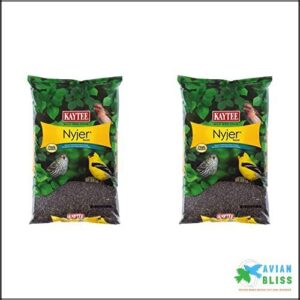
You’ll attract goldfinches and siskins to your feeders when you offer Kaytee Nyjer Wild Bird Food Seed, a hull-free option that delivers 35% crude fat and 18% crude protein. These tiny, oil-rich Nyjer seeds provide concentrated energy finches need, especially during winter months when caloric demands increase.
The 100% edible formula means no messy hulls littering your patio, and seeds won’t sprout beneath feeders.
Use tube or sock feeders with small ports to accommodate finch feeding habits, and store seeds in airtight containers to prevent rancidity and maintain freshness for 6–12 months.
Best For: Birdwatchers who want to attract finches and siskins without dealing with messy seed hulls cluttering their yard or patio.
- 100% edible with no hulls means zero mess, no sprouting, and nothing left on the ground for you to clean up.
- High oil content (35% fat, 18% protein) gives finches the concentrated energy they need, especially in winter.
- Lasts longer in feeders than regular seed because it’s nutrient-dense and birds eat less to get more energy.
- May contain twigs that can clog tube or sock feeders, requiring extra maintenance.
- Quality can be inconsistent—some bags arrive with more debris than expected.
- Only attracts specific small birds like finches, so you won’t get the variety you’d see with mixed seed blends.
7. Morning Song Dove and Ground Food
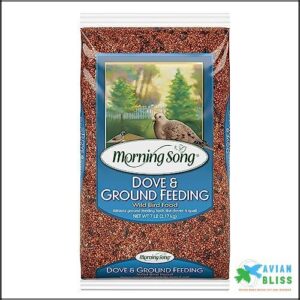
When you’re setting up ground feeders for mourning doves and other ground-feeding birds, Morning Song Dove and Ground Food delivers a blend they naturally prefer. The seed composition centers on white proso millet and black oil sunflower seeds—ingredients that match the nutritional needs of doves, quail, sparrows, and juncos.
You’ll see strong attractiveness trends, as these species consume about 70% of their diet from seed mixes like this one. Consumer feedback highlights the 7-pound package’s value and the blend’s effectiveness at supporting diverse ground-feeding birds while offering real nutritional benefits.
Best For: Backyard bird enthusiasts who want to attract mourning doves, quail, sparrows, and juncos with a nutritionally balanced seed mix designed specifically for ground-feeding species.
- Contains white proso millet and black oil sunflower seeds that align with the natural dietary preferences of ground-feeding birds, making up about 70% of their typical diet.
- The 7-pound package offers excellent value and lasts multiple weeks for average backyard flocks, reducing the frequency of refills.
- Attracts a diverse range of ground-feeding species beyond just doves, including quail, sparrows, and juncos, increasing backyard bird diversity.
- Small seeds may fall through the mesh of some platform feeders, requiring low platform or direct ground feeding setups.
- Birds tend to eat the food quickly, which means you’ll need to replenish it more frequently than other feeder types.
- May attract other wildlife like chipmunks to your feeding area, which could deplete the food faster or create unwanted visitors.
8. Wagner’s Safflower Seed Wild Bird Food
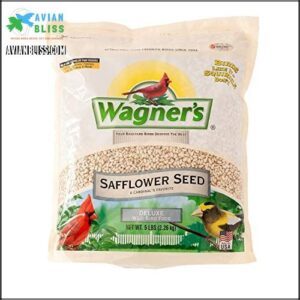
If you want to deter squirrels without sacrificing bird activity, Wagner’s Safflower Seed Wild Bird Food offers a targeted solution. This 5-pound seed selection leverages safflower’s bitter taste—squirrels generally avoid it—while attracting cardinals, chickadees, and titmice.
Nutritional benefits include 38% fat and 16% protein, supporting avian health across seasons. Market trends show safflower seed’s rising popularity among backyard birders seeking species attraction with reduced feeder management challenges.
You’ll notice cleaner feeding areas, as birds consume the entire kernel, minimizing waste and maintaining desirable bird species preferences.
Best For: Backyard birders who want to attract cardinals and songbirds while keeping squirrels and nuisance birds like grackles away from their feeders.
- Effectively deters squirrels and unwanted birds due to safflower’s naturally bitter taste, reducing feeder competition.
- High nutritional value with 38% fat and 16% protein helps support birds through cold weather and migration periods.
- Creates less mess than sunflower seeds since birds eat the entire kernel, keeping your yard cleaner.
- Some users report receiving bags with torn or damaged packaging.
- Birds may need a few weeks to adapt to safflower if they’re used to other seed types.
- Won’t work for every situation—some persistent squirrels and birds may still visit feeders.
9. Kaytee Nut and Fruit Wild Bird
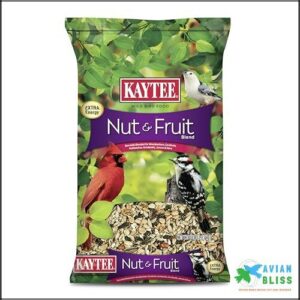
If you’re looking to create a backyard buffet that appeals to multiple bird species, Kaytee Nut and Fruit Wild Bird seed blend ingredients deliver exactly that. This premium mix combines black oil sunflower seeds, peanuts, safflower, raisins, and dried cherries—a nutritional analysis shows 30.5% fat and 14% protein, fueling cardinals, woodpeckers, and nuthatches through every season.
While bird attractiveness is excellent, squirrel deterrence is limited; expect competing visitors. At roughly $2.95 per pound, cost effectiveness depends on consumption rates. Feeder compatibility works best with hopper or platform styles that accommodate chunky seed mixes for birds.
Best For: Bird enthusiasts who want to attract a wide variety of colorful songbirds year-round and don’t mind sharing with squirrels and other backyard visitors.
- Premium blend with sunflower seeds, peanuts, fruit, and nuts attracts multiple species including cardinals, woodpeckers, chickadees, and nuthatches for frequent feeder visits.
- High nutritional value with 30.5% fat and 14% protein provides essential energy for birds during winter months and migration periods.
- Crafted by experts with over 150 years of experience and rated 4.8 out of 5 stars by customers for effectiveness.
- Birds and wildlife consume the mix quickly, requiring frequent refills that can add up at roughly $2.95 per pound.
- Fruit pieces and chunky nuts may clog tube feeders, working best only in hopper or platform-style feeders.
- Attracts squirrels, chipmunks, and other ground animals along with birds, which some backyard birders may not want.
10. C and H Pure Cane Sugar
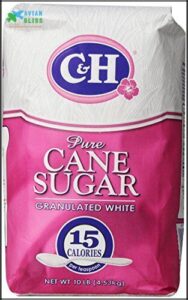
You don’t feed hummingbirds seeds—you offer them nectar ratios mixed from C and H Pure Cane Sugar at 1:4 sugar-to-water. This refined white sugar provides essential sucrose without impurities, making it the ideal choice for hummingbird food and bird hydration. Alternative sugars like honey or brown sugar risk harmful bacterial growth, compromising sugar safety.
Replace nectar every 1–2 days in warm weather as part of feeder maintenance. At $17.90 for 10 pounds, attracting birds with birdseed extends to hummingbirds—this is the best birdseed for attracting birds that hover.
Best For: People who want to safely feed hummingbirds using pure cane sugar that mixes into nectar without harmful additives or impurities.
- Pure cane sugar with no beet sugar gives you the refined white sucrose hummingbirds need at the standard 1:4 ratio that mimics natural flower nectar.
- The 10-pound bag lasts a long time and costs $17.90, which is solid value when you’re mixing fresh nectar every 1–2 days in warm weather.
- No added colors, flavors, or preservatives means you avoid the junk found in instant nectar mixes that can hurt hummingbirds.
- The large 10-pound bag might be too much for small households or people with limited storage space.
- It’s not organic or labeled non-GMO, so if that matters to you, you’ll need to look elsewhere.
- It may cost more than generic sugar brands, though the quality and purity are worth it for serious hummingbird feeders.
Choosing The Right Bird Seed Mix
Picking the right bird seed can feel like standing in front of a wall of options with no map. You want to attract the birds you love without wasting money on seeds that end up scattered on the ground.
Let’s break down what actually matters when you’re choosing seed for your backyard flock.
Factors to Consider for Backyard Birds
Choosing the right bird seed starts with understanding your local ecosystem. You’ll draw the widest variety of birds by considering:
- Feeder placement – Position feeders within 3 meters of shrubbery to boost visitation by 41%, offering both shelter and safety from predators.
- Bird species in your area – Match seed quality to regional preferences; house finches select black-oil sunflower 81% of the time.
- Seasonal feeding patterns – Winter months see 54% of annual feeding activity, requiring energy-dense options.
- Water sources nearby – Hydration complements seed offerings year-round. For instance, black oil sunflower is a universal favorite.
Seed Mixes Vs. Single Seeds
You’re deciding between single seeds and bird seed mixes—both strategies have merit. Single seeds like black oil sunflower see consumption rates 150% faster than alternatives, drawing consistent visitors. Yet seed mixes boost species diversity by 24% during peak periods, especially in suburban areas.
Single-seed feeders reduce waste by 30% compared to filler-heavy blends, but carefully chosen mix diversity attracts over 20 species versus fewer than 10 with single options. Many birds enjoy eating sunflower seeds, making them a popular choice.
Avoiding Fillers and Waste
Discount blends often contain up to 73% filler ingredients—seeds your birds won’t eat. Red milo, soft wheat, and canola generally end up scattered beneath feeders, attracting pests while draining your budget.
Smart waste reduction starts here:
- Read ingredient lists carefully to spot fillers among top ingredients
- Calculate cost per consumed seed, not just bag price
- Choose sunflower-first blends for higher nutritional value
- Select species-matched mixtures to boost consumption rates
- Purchase from transparent brands disclosing seed composition
Premium blends cost more upfront but deliver better value through reduced waste.
Matching Seed to Local Bird Species
Regional seed preferences vary dramatically across North America. In the East, 88.8% of common backyard species favor hulled sunflower, while 72.4% of feeder-using birds continually choose black oil sunflower.
You’ll get the most bird visits by observing which species frequent your area, then matching seed selection to their documented preferences. Feeder type impact matters too—paired correctly with seed, you’ll see 30% more species during winter months.
Common Types of Bird Seed and Their Benefits
Not all bird seeds are created equal, and understanding what each type offers helps you make smarter choices for your backyard visitors. Different seeds attract different species and provide varying levels of nutrition, so knowing your options matters.
Let’s look at the most common seed types and what makes each one valuable for the birds you want to attract.
Black Oil Sunflower Seeds
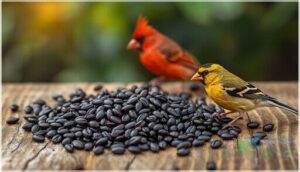
Black oil sunflower seeds stand as the best choice for attracting birds, offering 33.85% protein and 65.42% lipids that fuel muscle development and feather health.
With approximately 2,500 kilocalories per pound, these seeds deliver considerable energy during seasonal feeding demands.
Their high proportion of unsaturated fatty acids, especially linoleic acid, promotes bird vitality while appealing to diverse species’ seed preferences.
Safflower Seeds
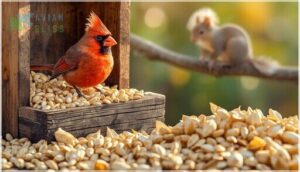
Safflower seeds offer a smart feeding strategy when squirrels raid your feeders. These seeds contain 30% higher fat content than traditional safflower varieties, providing essential energy while deterring pests. NutraSaff safflower attracts cardinals and other songbirds at a 2:1 preference ratio, making seed selection easier.
- Thinner shells allow faster access for songbirds
- Squirrel deterrent qualities protect seed quality
- Organic options available without artificial additives
- Cardinal favorite for attracting birds year-round
Nyjer (Thistle) Seeds
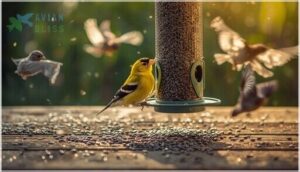
Finches transform your feeding station when you offer Nyjer seeds, their top choice for nutrition and energy. Ethiopian-sourced Thistle seed attracts goldfinches, siskins, and redpolls at consistently higher rates than North American varieties, making sourcing origins matter for success.
Moderate-sized flocks gather at Nyjer thistle feeders, reducing waste through complete seed consumption.
| Feature | Benefit |
|---|---|
| Finch Favorites | Goldfinches prefer Ethiopian Nyjer consistently |
| Nyjer Feeders | Tube-style designs increase visitation rates |
| Seed Quality | Fresh seeds consumed rapidly without waste |
| Waste Reduction | Small size means complete consumption |
| Nutritional Value | Oil-rich content bolsters energy needs |
Millet and Cracked Corn
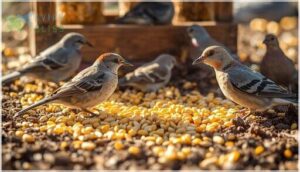
When you scatter millet and cracked corn beneath your feeders, ground-feeding birds arrive quickly. House sparrows, juncos, doves, and towhees gather in groups of up to 20 birds during peak feeding times.
- Fresh white proso millet attracts juncos throughout winter months
- Cracked corn combined with millet brings larger species like blue jays
- Cost-effective feeding—millet costs roughly half of mixed seed blends
- Stale millet creates waste and mold; always use fresh stock
- Ground-feeding birds consume these seeds rapidly, minimizing mess
Peanuts and Suet Cakes
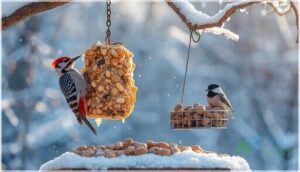
When cold weather arrives, you’ll want suet cakes and peanuts ready—these high-calorie foods attract woodpeckers, nuthatches, and chickadees that ignore standard seed mixes. Suet’s calorie density provides concentrated energy through fat content, while peanuts offer rapid digestibility and supplemental protein.
During winter feeding periods, bird seed mixes containing suet for attracting birds require no shelling, letting your feathered visitors spend less time foraging and more time surviving.
Attracting a Variety of Birds to Your Yard
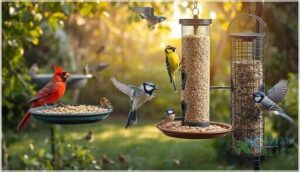
You can’t attract every bird species with just one type of seed, and that’s where thoughtful planning makes all the difference. Different birds prefer different foods, and they feed in different ways, so matching your offerings to their natural behaviors helps you build a more vibrant backyard habitat.
Let’s look at how to tailor your feeding strategy to welcome a wider variety of species throughout the year.
Seed Preferences of Popular Bird Species
Understanding bird species and seed preferences helps you attract the exact visitors you want in your backyard. Cardinals prefer safflower and sunflower seeds with their strong beaks, while finches flock to Nyjer seed in specialized tube feeders. Doves and sparrows choose millet scattered on platform feeders or the ground. Regional variations influence these choices, so observe which species visit your area and adjust your seed selection accordingly.
- Cardinals: Safflower and sunflower seeds (thick shells match their powerful beaks)
- Finches: Nyjer seed and hulled sunflower (high oil content fuels energy needs)
- Mourning Doves: White proso millet (preferred in 72% of feeding trials)
- Sparrows and Juncos: Millet on ground or platform feeders (over 90% ground-forager attraction)
- Woodpeckers and Jays: Unsalted peanuts and suet cakes (critical winter fat source)
Feeder Types and Seed Compatibility
Matching feeder types to seed compatibility determines success in attracting birds. Tube feeders work best with black oil sunflower or Nyjer seed, drawing finches and chickadees through narrow ports that reduce waste by 40%. Platform feeders accommodate millet and cracked corn for doves and sparrows.
Hopper feeders hold mixed blends that attract 15–25 species simultaneously, while specialized finch feeders minimize Nyjer waste by 11–16%.
Seasonal Adjustments in Bird Feeding
Seasonal adjustments for bird feeding help you support migration and nesting birds year-round. As regional trends shift with weather variability, adapting your offerings ensures winter birds find energy-dense sunflower seeds while spring diets benefit from high-protein mealworms and calcium.
Consider these seasonal changes:
- Winter feeding: Offer suet and sunflower seeds for warmth and energy
- Spring: Add mealworms and crushed eggshells for young birds
- Migration peaks: Increase high-fat seeds during stopovers
Reducing Squirrel and Pest Problems
Once you’ve fed your backyard birds through the seasons, squirrel deterrent strategies become your next priority. Preventing squirrel access starts with feeder designs like weight-activated models and pole-mounted baffles. Feeder placement matters—position yours at least 10 feet from trees. Safflower seed for pests works well since squirrels avoid it. Repellents, barriers, and sanitation practices keep pest species away while your songbirds thrive.
Maximizing Nutrition and Minimizing Risks

Feeding birds isn’t just about filling feeders—it’s about providing clean, nutrient-rich food that keeps your feathered visitors healthy and thriving. The wrong storage or maintenance habits can turn even premium seed into a health hazard, while simple strategies can help you get more value from every bag.
Let’s look at how you can boost nutrition while protecting birds from contamination, waste, and unnecessary risks.
Nutritional Value of Popular Bird Seeds
Think of bird seed as fuel for flight—each type delivers a unique nutritional profile. Black oil sunflower seeds provide around 15% protein and 38.5% fats, while nyjer offers 16% protein and 25% oils. Safflower balances 16% protein with 38% fat composition.
These seeds supply essential vitamin density and mineral sources, ensuring your backyard visitors receive peak avian nutrition and energy provision for survival.
Preventing Seed Contamination and Mold
When seed moisture exceeds 13%, mold growth accelerates, exposing birds to mycotoxin risks including aflatoxins from corn contamination. You can protect seed health by:
- Inspecting feeders weekly for clumping, off-odors, or darkened seeds
- Removing feeder debris promptly—it harbors 250% more bacteria
- Using 10% bleach solution monthly to eliminate 99% of pathogens
- Storing seed in sealed containers to prevent moisture absorption and seed contamination risks
Proper Storage and Feeder Maintenance
After placing birdseed in airtight metal or thick plastic bins, you’ll maintain freshness for 6–12 months while preventing pest infestations. Store containers indoors or under cover, keeping temperatures below 85°F and humidity under 65%.
Clean feeders biweekly with diluted bleach solution—daily during disease outbreaks—to reduce avian infections by eliminating harmful bacteria. Regular inspections guarantee container integrity and healthy feeding environments year-round.
Reducing Seed Waste and Mess
Minimizing seed waste starts with matching feeder design to your target species. Tube feeders, for instance, cut spillage by concentrating access for small birds. Black oil sunflower or nyjer seeds are excellent choices, showing over 90% consumption rates.
To maintain freshness, fill feeders halfway and refill often to prevent mold. Separate feeders for different seeds can improve efficiency by 40%, while squirrel-proof models significantly reduce pest-related waste by up to 70%.
Frequently Asked Questions (FAQs)
How often should I refill bird feeders?
You should refill bird feeders daily or every two to three days, depending on feeder capacity, seasonal refilling needs, and bird activity.
Monitoring seed levels helps maintain bird health while reducing seed waste through proper backyard bird feeding habits.
Can bird seed expire or go bad?
Fresh seed today can turn toxic tomorrow. Yes, bird seed expires—black oil sunflower lasts 6–12 months when stored properly.
Spoilage indicators include mold, clumping, and rancid odors, signaling aflatoxins and health hazards for birds.
What birds eat from the ground vs feeders?
Ground-feeding birds like juncos, quail, and mourning doves prefer millet and cracked corn scattered below, while feeder-bird species such as cardinals and chickadees favor elevated black oil sunflower seeds, though some species overlap preferences.
Is it safe to feed birds year-round?
You can feed birds year-round safely by maintaining proper feeder hygiene, offering nutritious seeds, and understanding seasonal changes in bird diet.
However, be mindful of disease transmission risks and potential dependency on supplemental feeding.
Do different regions require different seed types?
Like gardeners choosing plants for their hardiness zone, you’ll find regional preferences matter—local bird species and climate influence seed selection.
Species variation and local ecology shape seed availability, making seed varieties region-specific.
Conclusion
Sure, tossing random seed into a feeder and hoping for the best works—if your goal is feeding squirrels and watching sparrows kick milo onto your patio. Choosing the right bird seed for backyard birds isn’t complicated: black oil sunflower, safflower, nyjer, and quality suet attract the species you actually want to see.
Store it dry, keep feeders clean, and match seed to feeder type. Your yard becomes the reliable stop birds return to, season after season.
- https://www.futuremarketinsights.com/reports/usa-bird-food-market
- https://www.wbfi.org/2023/06/17/wild-bird-products-market-overview-and-future/
- https://www.mordorintelligence.com/industry-reports/bird-food-market
- https://pmc.ncbi.nlm.nih.gov/articles/PMC10395953/
- https://www.audubon.org/magazine/birdseed-business-boomed-during-pandemic-can-energy-carry-industry-new-era