This site is supported by our readers. We may earn a commission, at no cost to you, if you purchase through links.
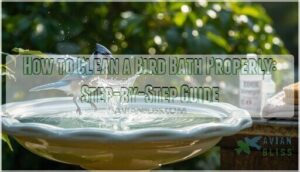
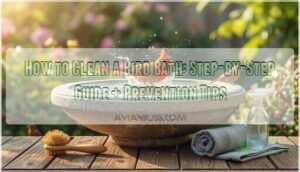
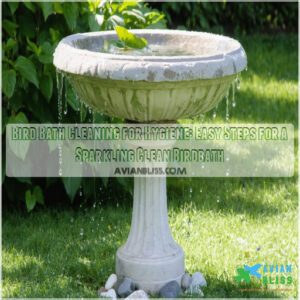
That murky green water in your backyard bird bath isn’t just unsightly—it’s a breeding ground for diseases that can spread through your local bird population within days. Dirty bird baths harbor bacteria like E. coli and Salmonella, which transfer from bird to bird as they drink and bathe in contaminated water. Mosquitoes also lay eggs in standing water within 48 hours, turning your well-intentioned bird sanctuary into a pest factory.
Learning the proper cleaning methods protects the birds you’re trying to help while keeping your yard free from unwanted visitors. The good news is that cleaning a bird bath properly takes less than 10 minutes and requires only basic household items you probably already own.
Table Of Contents
- Key Takeaways
- Why Cleaning a Bird Bath is Essential
- How Often to Clean Your Bird Bath
- Safe and Effective Bird Bath Cleaning Methods
- Step-by-Step Guide to Cleaning a Bird Bath
- Top 8 Products for Cleaning Bird Baths
- Frequently Asked Questions (FAQs)
- How to clean a bird bath?
- How often should you clean a bird bath?
- Why should you keep a bird bath clean?
- Is vinegar necessary to clean a bird bath?
- How do you clean a cement bird bath?
- How do you clean a cracked birdbath?
- What is the best thing to use to clean a bird bath?
- Do pennies keep a bird bath clean?
- How often should bird baths be cleaned?
- How to clean concrete bird baths?
- Conclusion
Key Takeaways
- Dirty bird baths spread diseases like E. coli and Salmonella between birds and become mosquito breeding grounds within 48 hours, making weekly cleaning essential for protecting local bird populations.
- White vinegar mixed one-to-one with water safely removes bacteria and mineral deposits without harming birds, while harsh chemicals like bleach and ammonia can contaminate drinking water and damage delicate feathers.
- Clean your bird bath at least once weekly during warm months by draining all water, scrubbing with vinegar solution, rinsing thoroughly, and letting it sun-dry for two to four hours before refilling with fresh water.
- Moving water from solar fountains discourages algae growth and reduces cleaning frequency, while winter heaters prevent ice formation so birds have access to safe drinking water year-round.
Why Cleaning a Bird Bath is Essential
A clean bird bath isn’t just about keeping your backyard looking nice—it’s about protecting the birds that rely on it. Dirty water can spread disease, attract pests, and create an environment that drives birds away instead of welcoming them.
Understanding why regular cleaning matters will help you maintain a bird bath that truly benefits the wildlife in your yard.
Protecting Bird Health and Hygiene
When birds gather at a dirty bath, they share more than invigorating water—they can spread avian diseases. Regular cleaning with bird-safe methods removes harmful bacteria and reduces pathogen levels by up to 90% in controlled tests.
Dirty bird baths spread avian diseases, but regular cleaning with safe methods removes harmful bacteria and cuts pathogen levels by up to 90%
You’re protecting bird health and fostering a bird-friendly environment when you maintain proper water quality, creating a safe haven that assists wildlife conservation and feeder hygiene.
Ensuring the accuracy of scientific study summaries, like those using methodological rigor, is vital for reliable information.
Preventing Mosquito and Pest Infestation
Standing water invites mosquitoes to lay eggs within 48 hours, turning your bird bath into a breeding ground. You can disrupt this cycle by draining and scrubbing at least once a week during warm months.
Consider adding a small fountain or water circulation system—mosquitoes won’t rest on moving surfaces.
Bird-friendly solutions and consistent outdoor cleaning protect both your feathered visitors and your backyard from unwanted pests.
Avoiding Algae, Stains, and Foul Odors
Algae thrives in sunlit, nutrient-rich conditions and forms a visible green film within one to two weeks. You can slow this process by choosing partial shade and removing debris regularly.
Mineral deposits from hard water create stubborn white marks, while stagnant conditions trigger foul bacterial smells.
Follow these steps for effective cleaning bird baths and odor control:
- Mix vinegar and water for natural stain removal
- Scrub with baking soda paste for mineral management
- Replace water every two to three days for water quality
- Monitor weekly for early algae prevention
Promoting a Safe Backyard Habitat
Your bird bath forms just one piece of wildlife conservation in a bird friendly backyard. Native plantings provide shelter while supporting backyard ecology, and reducing pesticides protects bird health alongside beneficial insects.
Managing pet access prevents predation, and birdsafe practices like regular cleaning of bird baths and algae prevention show commitment to sustainable landscaping that truly benefits the species you’re hoping to attract.
How Often to Clean Your Bird Bath
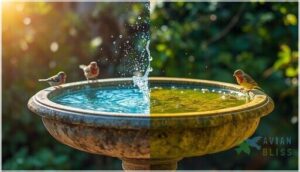
A bird bath won’t stay clean on its own, and knowing when to scrub it down makes all the difference for your feathered visitors. The timing depends on a few simple factors like how many birds stop by, what the weather’s doing, and what the water actually looks like.
Here’s what you need to watch for to keep your bird bath safe and inviting.
Recommended Cleaning Frequency
Think of bath maintenance like watering a garden—consistency matters more than intensity. You’ll want to clean your bird bath at least once per week during peak bathing season, ensuring proper water quality throughout.
Here’s your frequency schedule:
- Hot or bird-dense areas: Every 3–4 days keeps algae from taking hold
- After heavy rainfall: Clean within 24–48 hours to remove contaminants
- Winter months: Less frequent cleaning intervals work, but don’t skip entirely
Signs Your Bird Bath Needs Cleaning
Vigilance helps you catch problems before they escalate. Green or cloudy water within days of refilling signals algae growth that threatens bird health. Slime, foam, or foul odors indicate microbial buildup requiring immediate attention.
Leaves, feathers, and debris that accumulate rapidly compromise water clarity and invite mosquitoes, making regular maintenance essential for safe drinking conditions.
Seasonal and Environmental Factors
Climate change influences water evaporation rates and algal blooms, so you’ll clean more often during hot summers to maintain water quality in bird-friendly habitats. Freeze-thaw cycles in winter can crack basins, while regional rainfall brings debris that clouds drinking water.
Nature preservation means adapting your routine to local conditions, using eco-friendly products that support environmental sustainability without harming the wildlife you’re protecting.
Safe and Effective Bird Bath Cleaning Methods
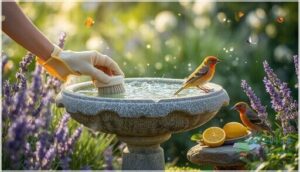
The wrong cleaning product can do more harm than good for your bird bath. Birds are sensitive creatures, and harsh chemicals can contaminate their drinking water or damage their delicate feathers.
Let’s look at the safest cleaning methods that protect your feathered visitors while keeping your bird bath in top condition.
Using Natural Solutions Like Vinegar
White vinegar stands out as one of the safest Natural Remedies for Eco Cleaning your bird bath. You can mix one part vinegar with one part water to create an effective solution that dissolves mineral deposits and kills bacteria without harming birds.
For stubborn stains, combine vinegar with baking soda to boost cleaning power while protecting Bird Safety through these Green Solutions.
Avoiding Harmful Chemicals
Regarding Chemical Free cleaning, never use bleach, ammonia, or commercial disinfectants around your bird bath. These products can irritate birds’ sensitive respiratory systems and leave dangerous residues.
Instead, stick with Vinegar Solutions, baking soda, or enzyme cleaner labeled safe for Bird Safety. Always rinse multiple times with clean water to verify no traces remain before birds return.
Bird-Safe Enzyme Cleaners and Baking Soda
Enzyme cleaners break down organic matter like algae and droppings without harsh fumes, making them ideal for bird baths.
You can also use baking soda as a gentle scrub—just mix a small amount with water and apply with your scrub brush.
Always rinse thoroughly after using any cleaning solution to confirm no residue remains in the water birds will drink.
Step-by-Step Guide to Cleaning a Bird Bath
Now that you understand the safe cleaning methods, it’s time to put them into action. A proper cleaning routine doesn’t have to be complicated, but following the right sequence makes all the difference for your feathered visitors.
Here’s exactly how to clean your bird bath from start to finish.
Draining and Removing Debris
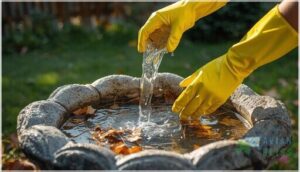
Start by putting on your rubber gloves and draining every drop of standing water from your bird bath—this step removes hidden pathogens that threaten visiting birds. Once empty, you can tackle debris removal effectively:
- Use a scoop or gloved hand to lift leaves, twigs, and sediment from the basin
- Check corners and seams where fine particles hide
- Inspect the basin for algae buildup or cracks
- Dispose of debris away from water sources
Preparing and Applying Cleaning Solution
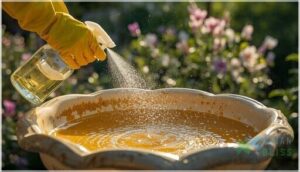
After clearing the basin, mix your cleaning solution in a spray bottle—nine parts water to one part distilled vinegar creates a natural disinfectant that won’t harm birds.
This simple ratio effectively sanitizes the basin while remaining completely safe for wildlife.
Pour the solution directly onto interior surfaces, coating every inch where droppings and algae cling, then let it sit for three to five minutes before scrubbing.
Scrubbing and Removing Stubborn Stains
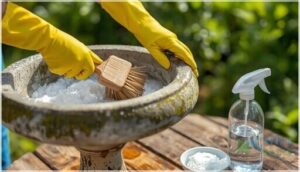
Once the cleaning solution has loosened deposits, use a stiff scrub brush with long strokes to lift mineral deposits and bird droppings from concrete surfaces. For stubborn stains, apply a baking soda paste and let it stand fifteen minutes before scrubbing. Mix equal parts vinegar and water for algae control, then rinse thoroughly to remove residue.
- Scrub mineral deposits with firm, even pressure
- Apply baking soda paste to persistent stains
- Use vinegar solution for organic buildup
- Rinse completely after each cleaning step
Thorough Rinsing and Sun Drying
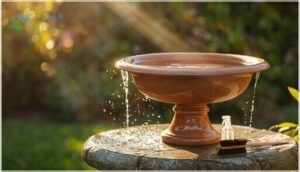
After you’ve finished scrubbing with vinegar and water, rinse the bird bath completely with clean water to flush away all cleaning residues. Then place the basin in direct sunlight for two to four hours so the surface dries thoroughly and sun exposure helps eliminate remaining bacteria. This natural drying method protects birds from chemical traces while preventing moisture that encourages algae growth.
| Drying Method | Benefits |
|---|---|
| Sun exposure | Kills microbes naturally |
| Air circulation | Speeds water evaporation |
| Towel drying | Removes standing water quickly |
| Extended placement | Ensures complete dryness |
Refilling With Fresh Water
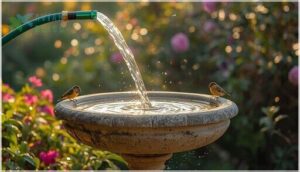
Once the basin is completely dry, refill it with clean water at a depth of one to two inches for most songbirds. Use cooler outdoor water during hot weather to encourage more visits, and check the water quality daily during warm months to maintain freshness.
- Change water every two to three days in shaded locations
- Replace daily during drought conditions or extreme heat
- Rinse away any debris before each fresh refill
- Keep water temperature close to ambient outdoor conditions
- Monitor for algae growth between cleaning sessions
Top 8 Products for Cleaning Bird Baths
You don’t need expensive specialty products to keep your bird bath clean and safe for visiting birds. The right tools make the job easier and help you maintain a healthy water source without using harsh chemicals.
Here are eight practical products that simplify bird bath cleaning and maintenance throughout the year.
1. Casabella Waterblock Cleaning Gloves
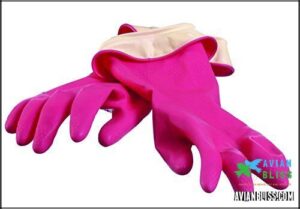
You need proper hand protection when working with bird bath maintenance, and the Casabella Waterblock Cleaning Gloves provide a reliable barrier against water and vinegar-based cleaning solutions.
The latex material features an embossed grip texture that helps you maintain control of your scrub brush, even on wet surfaces. The waterblock cuff catches drips as you work, keeping your arms dry throughout the cleaning process.
These medium-sized gloves combine durability with comfort, making routine bird bath care more manageable and protecting your hands from prolonged moisture exposure.
| Best For | Home cleaners who need reliable hand protection for wet tasks like bird bath maintenance, dishwashing, and bathroom cleaning. |
|---|---|
| Primary Material | Latex |
| Brand | Casabella |
| Color | Pink |
| Weight | Light |
| Use Type | Reusable |
| Durability | Moderate |
| Additional Features |
|
- Waterblock cuff design keeps water from running down your arms during messy cleaning jobs
- Embossed latex texture provides solid grip even when handling wet or soapy items
- Cotton flock lining adds comfort during extended wear
- Not suitable for anyone with latex allergies
- Sizing can run inconsistent—some users find them too large or small for their hands
- May develop holes or lose grip texture with heavy use or exposure to harsh chemicals
2. Chemical Guys Dilution Spray Bottle
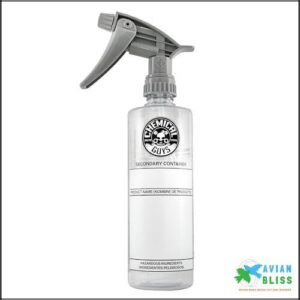
A dedicated spray bottle simplifies bird bath maintenance by keeping your vinegar solution ready to use. The Chemical Guys 16-ounce dilution bottle features printed dilution ratios right on the container, making it easy to mix the standard nine-parts-water-to-one-part-vinegar cleaning solution.
Its chemical-resistant construction withstands repeated use with acidic cleaners, while the heavy-duty sprayer dispenses 40% more liquid per stroke than standard bottles. This efficient design means you’ll spend less time mixing and more time keeping your bird bath clean.
Regular rinsing after each use maintains spray nozzle care and prevents residue buildup.
| Best For | Bird bath owners who want a dedicated spray bottle for mixing and applying vinegar cleaning solutions with accurate dilution ratios. |
|---|---|
| Primary Material | Plastic |
| Brand | Chemical Guys |
| Color | Clear |
| Weight | 2.39 oz |
| Use Type | Refillable |
| Durability | Variable |
| Additional Features |
|
- Pre-printed dilution ratios make it easy to mix the correct nine-parts-water-to-one-part-vinegar solution every time
- Heavy-duty sprayer pumps 40% more liquid per stroke than standard bottles, speeding up cleaning tasks
- Chemical-resistant plastic construction holds up well to repeated use with acidic vinegar solutions
- Customer reviews mention concerns about durability, with some reports of leaking and sprayer failures
- Requires regular rinsing after each use to prevent clogging and maintain spray performance
- Some users find the price high considering the mixed feedback on long-term quality
3. OXO Heavy Duty Scrub Brush
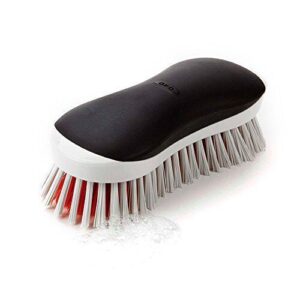
Tough algae and mineral deposits require a brush that won’t quit halfway through the job. The OXO Heavy Duty Scrub Brush features stiff nylon bristles that tackle encrusted residues on ceramic, concrete, and metal bird baths without scratching surfaces.
Its contoured non-slip handle gives you the control needed for effective outdoor cleaning, while the compact seven-inch design reaches into curved basins and tight corners where debris accumulates.
After each use, rinse the brush thoroughly and let it dry completely to prevent mildew growth between cleaning sessions.
| Best For | People dealing with stubborn algae and mineral buildup on outdoor bird baths who need a durable brush that scrubs effectively without damaging ceramic, concrete, or metal surfaces. |
|---|---|
| Primary Material | Plastic |
| Brand | OXO |
| Color | White |
| Weight | Standard |
| Use Type | Reusable |
| Durability | Good |
| Additional Features |
|
- Stiff nylon bristles power through tough residues like algae and mineral deposits without scratching delicate surfaces
- Ergonomic non-slip handle provides solid grip and control during scrubbing, even when wet
- Compact size and design reach into curved basins and tight corners where grime hides
- Some users feel the bristles aren’t stiff enough for extremely heavy-duty cleaning jobs
- Handle size might feel too large for people with smaller hands
- Requires thorough drying after each use to prevent mildew from forming on the bristles
4. Arm And Hammer Baking Soda
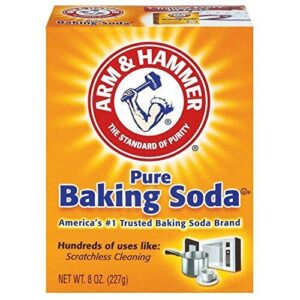
Stubborn mineral rings and dried droppings respond well to baking soda’s gentle abrasive action. Arm & Hammer Baking Soda offers natural cleaning power without harsh chemicals that could harm visiting birds, making it ideal for bird bath maintenance.
You can create an effective paste by mixing three parts baking soda with one part water, then applying it with your scrub brush to problem areas. This eco-friendly product breaks down safely in your yard and won’t leave toxic residues behind after rinsing, protecting both birds and beneficial insects.
| Best For | Bird enthusiasts and homeowners who want a safe, natural cleaning solution for bird baths that won’t harm wildlife or leave chemical residues in their yard. |
|---|---|
| Primary Material | Powder |
| Brand | Arm & Hammer |
| Color | White |
| Weight | 0.5 lbs |
| Use Type | Multi-use |
| Durability | Stable |
| Additional Features |
|
- Gentle abrasive action effectively removes stubborn mineral deposits and dried droppings without scratching surfaces
- Completely safe for birds, beneficial insects, and pets since it contains no harsh chemicals or toxic additives
- Biodegradable and eco-friendly formula breaks down naturally without leaving harmful residues in your garden
- The 8-ounce package size may be too small for frequent bird bath cleaning or maintaining multiple baths
- Requires manual scrubbing with a paste mixture rather than being a quick spray-and-rinse solution
- Not suitable for all stainless steel bird bath materials, so you’ll need to test it first on a small area
5. Mademax Solar Bird Bath Fountain Pump
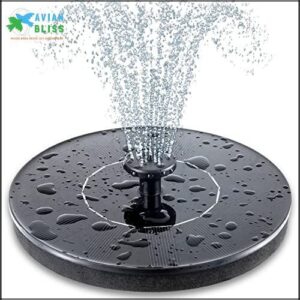
Moving water discourages algae growth far better than stagnant basins, and the Mademax Solar Bird Bath Fountain Pump delivers constant water circulation without electricity costs. This eco-friendly solar pump operates automatically in direct sunlight, creating attractive spray patterns that draw more birds to your outdoor water feature.
The 1.4W unit includes six nozzle options and requires minimal fountain maintenance beyond routine debris removal. You’ll find that consistent water movement greatly reduces cleaning frequency while making your bird bath more appealing to feathered visitors throughout the day.
| Best For | Eco-conscious bird lovers who want to reduce algae buildup and attract more birds to their garden without adding to their electricity bill. |
|---|---|
| Primary Material | Plastic |
| Brand | Solar Fountain |
| Color | Black |
| Weight | 9.6 oz |
| Use Type | Renewable |
| Durability | Moderate |
| Additional Features |
|
- Solar-powered design eliminates electricity costs and complicated wiring—just place it in sunlight and it starts working automatically.
- Six different nozzle options let you customize spray patterns to fit your bird bath size and create eye-catching water displays.
- Continuous water circulation keeps your bird bath cleaner longer by discouraging algae growth and preventing stagnant water.
- Only works in direct sunlight, so you won’t have any fountain action on cloudy days, at dawn, or after sunset.
- Requires regular cleaning to prevent debris and algae from clogging the pump and reducing performance over time.
- Wind can easily blow the spray outside smaller bird baths, wasting water and potentially leaving your bath empty.
6. Gorilla Waterproof Sealant Spray
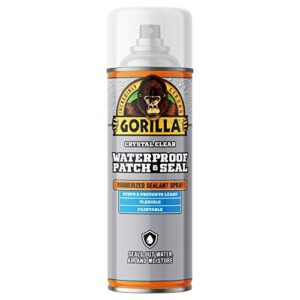
Concrete and ceramic basins develop cracks over time, and the Gorilla Waterproof Sealant Spray provides durable waterproof coating protection for aging outdoor water features. This rubber-based sealant application works well on multiple surfaces including stone, metal, and tile, forming a flexible barrier that prevents water seepage through hairline fractures.
The 14-ounce spray delivers controlled coverage with minimal drips, though you’ll need several thin coats for best results. Proper spray techniques include cleaning the basin thoroughly before application and allowing 24 hours between maintenance coats for complete curing.
| Best For | Homeowners looking to repair and waterproof aging concrete or ceramic water features like fountains, birdbaths, and decorative basins with visible cracks or leaks. |
|---|---|
| Primary Material | Rubber |
| Brand | GORILLA |
| Color | Black |
| Weight | 14 oz |
| Use Type | Single Application |
| Durability | Strong |
| Additional Features |
|
- Works on multiple outdoor surfaces including concrete, stone, metal, and ceramic tile
- Flexible rubber coating moves with temperature changes and prevents water from seeping through small cracks
- Controlled spray application reduces mess and dripping compared to brush-on sealants
- Requires multiple thin coats and 24-hour drying time between applications for proper sealing
- Can be runny on vertical surfaces, making it tricky to control during application
- Not suitable for continuous water submersion or gaps larger than 1/4 inch
7. Birdbath And Fountain Water Protector
While sealants protect the basin itself, water quality requires a different approach. The Birdbath And Fountain Water Protector maintains clear water for weeks by eliminating sludge, ammonia buildup, and cloudy conditions that often prompt frequent cleaning.
This liquid formula reduces algae growth and mineral deposits naturally, making your regular vinegar scrubbing sessions much easier. You’ll use less elbow grease since the water protector prevents contaminants from adhering to surfaces.
It’s safe for all birds and wildlife, and works in any outdoor fountain or bath when you start with a freshly cleaned basin.
| Best For | Bird lovers who want to spend less time scrubbing and more time enjoying their fountain, especially if you’re dealing with algae or cloudy water that keeps coming back. |
|---|---|
| Primary Material | Liquid |
| Brand | Bird Bath Cleaner |
| Color | Clear |
| Weight | 16 oz |
| Use Type | Repeated Use |
| Durability | Standard |
| Additional Features |
|
- Keeps water clear for weeks at a time, so you’re not cleaning every few days
- Makes scrubbing easier when you do clean since minerals and gunk don’t stick as much
- Safe for birds, pets, and wildlife that drink from your fountain
- You’ll need to use it regularly to keep seeing results
- Can take a few weeks before you notice it working
- Works best when you start with an already-clean fountain, so there’s some prep work involved
8. YaNovate Bird Bath Deicer Heater
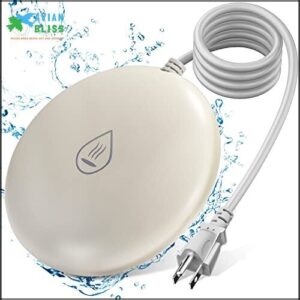
Winter cleaning becomes more challenging when freezing temperatures arrive. The YaNovate Bird Bath Deicer Heater addresses this issue by preventing ice formation with its thermostatically controlled 70-watt aluminum base, ensuring water remains accessible without overheating.
This device allows you to maintain bird-friendly habitats year-round while reducing energy costs through its automatic start-stop operation. Proper installation requires a weatherproof outlet, and regular maintenance is necessary to check for wear.
This outdoor water feature care tool complements your bird bath cleaning routine by ensuring winter bird safety, letting you provide fresh drinking water even when temperatures drop below freezing.
| Best For | Bird enthusiasts who want to keep their bird baths ice-free during winter without wasting energy or constantly monitoring water temperatures. |
|---|---|
| Primary Material | Aluminum |
| Brand | De-Icer |
| Color | Silver |
| Weight | 1 lb |
| Use Type | Seasonal |
| Durability | Heavy-Duty |
| Additional Features |
|
- Thermostat automatically turns the heater on and off, so it only runs when needed and keeps your electric bill reasonable
- Heavy-duty aluminum construction with waterproof design means it can handle outdoor weather and won’t rust over time
- Simple plug-and-play setup with no assembly required—just place it in your bird bath and plug it in
- Won’t work well in extreme cold (below -50°C), so it has limits in the harshest winter conditions
- Paint may peel after extended use, which could affect how long it lasts
- Doesn’t heat water to warm temperatures, just keeps it from freezing, so don’t expect a heated spa for your birds
Frequently Asked Questions (FAQs)
How to clean a bird bath?
You’ll need white vinegar, water, and a soft brush for Basin Sanitizing.
Mix one part vinegar with one part water as your Cleaning Solutions, then scrub to remove debris and improve Water Quality safely.
How often should you clean a bird bath?
You should clean your bird bath at least once weekly during spring and summer to maintain water quality and bird health.
In hot weather, daily cleaning prevents algae growth and protects visiting birds.
Why should you keep a bird bath clean?
Regular cleaning protects bird health by removing harmful bacteria and parasites from standing water.
You’ll also control pests like mosquitoes, maintain water quality, and support eco balance in your backyard habitat by preventing algae buildup.
Is vinegar necessary to clean a bird bath?
You don’t need vinegar to clean a bird bath safely. Hydrogen peroxide, baking soda, or plain scrubbing with fresh water work well too, protecting bird health without harsh chemicals or residues.
Regular cleaning using non toxic cleaners is essential for maintaining a safe environment.
How do you clean a cement bird bath?
Think of cement as a thirsty sponge—it needs gentle care.
Scrub your bird bath with a 1:9 vinegar solution and a stiff brush, rinse thoroughly, then let sunlight inhibit algae growth naturally.
How do you clean a cracked birdbath?
First, drain all water and assess the damage to determine if repair is possible.
Apply a wildlife-safe epoxy or marine sealant to hairline cracks, allowing full curing before refilling with fresh water.
What is the best thing to use to clean a bird bath?
Like a gentle rain revitalizing parched earth, plain white distilled vinegar mixed with water at a 1:1 ratio naturally dissolves mineral deposits and algae without harming birds when you rinse thoroughly afterward.
Do pennies keep a bird bath clean?
No, copper pennies don’t keep a bird bath clean. They’re not effective for preventing algae in bird baths, and the metal toxicity from copper and zinc can harm birds through contaminated water.
How often should bird baths be cleaned?
You should clean your bird bath at least once a week during warm months, increasing to two or three times weekly when algae blooms or heavy bird traffic compromise water quality and bird health.
How to clean concrete bird baths?
Your bird bath’s porous concrete surface demands gentle care—a mild vinegar solution prevents algae without damaging the basin, while regular cleaning and winter maintenance with proper surface sealing ensures birds always find safe, fresh water.
Conclusion
Think of your bird bath as a neighborhood watering hole—when you keep it clean, every visitor stays healthy and comes back.
Cleaning a bird bath properly transforms a potential hazard into a thriving gathering spot where birds can safely drink, bathe, and socialize.
With just ten minutes of maintenance every few days, you’re not simply scrubbing a basin. You’re protecting the health of every feathered guest that lands in your yard.
- https://www.audubon.org/
- http://www.birds.cornell.edu/citscitoolkit/conference/attendees/invited/lebaron
- http://www.carnegiemnh.org/science/default.aspx?id=17526
- https://academichelpexpress.blog/2024/08/please-use-the-bulleted-points-and-the-rubric-below-to-guide-your-work-your-pa/
- https://x.com/godofprompt/status/1990526288063324577