This site is supported by our readers. We may earn a commission, at no cost to you, if you purchase through links.
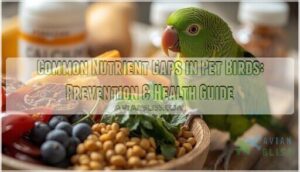
Your parrot’s vibrant feathers, sturdy bones, and energetic personality all depend on a complex matrix of vitamins, minerals, proteins, and amino acids working in precise harmony—yet most pet birds receive diets that fall dangerously short of these requirements. Seed-based diets, which remain the default choice for many bird owners, lack adequate vitamin A, calcium, and essential amino acids, creating nutritional deficits that accumulate silently over months and years until respiratory infections, bone fractures, or organ dysfunction force a crisis.
These common nutrient gaps in pet birds don’t announce themselves with immediate symptoms; instead, they chip away at your bird’s health through weakened immune function, brittle bones, poor feather quality, and metabolic imbalances that veterinarians see far too often in avian practice.
Understanding which nutrients your bird needs, recognizing the early warning signs of deficiency, and implementing a balanced diet can prevent the serious health complications that threaten both quality of life and longevity.
Table Of Contents
- Key Takeaways
- Key Nutrients Essential for Pet Birds
- Common Nutrient Deficiencies in Pet Birds
- Health Risks of Seed-Based Diets
- Recognizing Signs of Nutritional Deficiencies
- Preventing Nutrient Gaps in Your Bird’s Diet
- Special Considerations for Breeding and Egg-Laying Birds
- When to Seek Veterinary Guidance
- Frequently Asked Questions (FAQs)
- Conclusion
Key Takeaways
- Seed-based diets create dangerous nutritional deficits in pet birds by lacking adequate vitamin A, calcium, and essential amino acids, leading to weakened immune function, brittle bones, and organ dysfunction that accumulates silently over months until crisis occurs.
- The most common deficiencies—vitamin A, calcium paired with vitamin D, incomplete proteins, and trace minerals like iron and zinc—manifest through dull feathers, respiratory infections, bone fractures, egg-binding, and behavioral changes that signal metabolic breakdown before irreversible damage sets in.
- Preventing nutrient gaps requires shifting 60-80% of your bird’s diet to formulated pellets while incorporating dark leafy greens, orange vegetables, and controlled protein sources like cooked eggs, with supplementation guided by veterinary blood work rather than guesswork to avoid dangerous vitamin toxicity.
- Breeding and egg-laying birds face doubled calcium demands and elevated protein requirements that, if unmet, cause egg-binding emergencies and skeletal weakness in chicks, making pre-breeding veterinary assessment and targeted mineral supplementation critical for reproductive success and long-term hen health.
Key Nutrients Essential for Pet Birds
Your bird’s body depends on a careful balance of vitamins, minerals, proteins, and other nutrients to maintain everything from strong bones to vibrant feathers. When even one of these essential components falls short, you’ll likely notice changes in your bird’s health, energy, or appearance.
A well-rounded diet covering all six nutrient groups is key—explore the full breakdown in this guide to essential bird nutrition facts.
Understanding what your bird needs—and why gives you the foundation to prevent deficiencies before they become serious problems.
A complete nutrition guide for pet birds walks you through the essentials of vitamins, minerals, and balanced feeding routines.
Vitamins (A, D, E, K) and Their Roles
Your bird needs fat-soluble vitamins—A, D, E, and K—working together through complex vitamin interactions to maintain health.
Without adequate dietary fat, your bird can’t properly absorb these critical vitamins, which is why balanced fat levels in avian diets are essential for long-term health.
Vitamin A aids respiratory mucous membranes, immune function, and bird vision while functioning as an antioxidant, though vitamin A deficiency causes respiratory problems and poor feathering. Vitamin D3 prevents bone weakness, where vitamin D deficiency compromises calcium absorption, while E and K protect cells and aid clotting, preventing serious nutritional deficiencies.
Minerals (Calcium, Phosphorus, Magnesium)
Three minerals work in careful balance to support your bird’s bone health and metabolic function: calcium, phosphorus, and magnesium. You should aim for a calcium to phosphorus ratio near 2:1 to prevent nutritional deficiencies, since calcium imbalance disrupts eggshell formation, causes weak bones, and triggers seizures, while magnesium enables enzyme reactions and mineral interactions that maintain proper bird nutrition and health.
Proteins and Essential Amino Acids
Beyond those foundational minerals, your bird’s body needs protein to build feathers, repair tissue, and support immune function. Essential amino acids—methionine, lysine, threonine, and tryptophan—can’t be made internally, so your bird’s diet must supply them.
Protein sources vary in quality:
- Poultry or fish proteins deliver complete amino acid profiles
- Legumes, grains, and seeds offer incomplete profiles requiring combination
- High-quality pellets balance amino acid deficiency risks effectively
Protein imbalance stresses kidneys, making species-appropriate levels critical for bird nutrition and preventing nutritional deficiencies tied to inadequate dietary protein requirements.
Importance of Dietary Fiber and Water
While protein and minerals form your bird’s structural foundation, fiber and water keep those systems running smoothly. Dietary fiber promotes gut health by supporting beneficial bacteria and regular digestive transit, reducing digestive issues like impaction.
Fresh, clean water quality matters just as much—hydration tips include daily bowl changes to prevent bacterial growth. Together, they enhance nutrient absorption, maintain balanced diet outcomes, and prevent vitamin deficiencies that compromise bird nutrition.
Clean water also supports recovery when birds fall ill, making it easier to implement natural remedies for sick birds that rely on proper hydration to work effectively.
Common Nutrient Deficiencies in Pet Birds
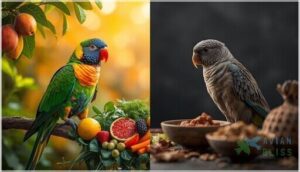
Even when you’re doing your best to provide a balanced diet, your bird may still develop nutritional deficiencies that compromise their health and longevity. These deficiencies don’t always announce themselves with obvious symptoms, which means you need to understand what gaps occur most frequently in captive birds and why they develop.
Let’s examine the four most common nutritional deficiencies that affect pet birds, along with the mechanisms behind each one and how they manifest in your bird’s body.
Vitamin a Deficiency
Vitamin A deficiency stands among the most prevalent nutritional disorders compromising bird health, undermining respiratory and digestive mucosal health while weakening immunity. You’ll notice dull plumage and frequent infections when your bird lacks adequate vitamin A sources, particularly if you’re feeding seed-heavy diets that lack carotenoid-rich vegetables.
Deficiency symptoms emerge as your bird struggles to convert dietary carotenoids into active retinol, leaving epithelial tissues vulnerable to chronic respiratory issues and malnutrition-related complications.
Calcium and Vitamin D Deficiency
Skeletal fragility and egg-binding complications often stem from calcium deficiency paired with vitamin D imbalance, a dangerous duo undermining bone health and metabolic function in your bird. Indoor birds face heightened risk since limited sunlight restricts natural Vitamin D3 synthesis, compromising calcium absorption and mineral balance.
A specialist can guide you through balanced avian nutrition tips tailored to correct these deficiencies and restore proper mineral metabolism.
You’ll need calcium supplements and appropriate UVB exposure to prevent these nutritional disorders, safeguarding your bird’s skeletal integrity and supporting a balanced diet that meets avian nutrition standards.
Protein and Amino Acid Gaps
Feather dystrophy and compromised growth signal protein deficiency in pet birds are often linked to an inadequate amino acid balance, which undermines tissue repair, immune function, and metabolic processes.
Your bird needs specific methionine sources (around 0.25-0.35% of dietary dry matter) and lysine supplementation when levels drop below 0.9%, ensuring protein quality fosters healthy development.
Seed-based diets chronically underdeliver these essential nutrients, necessitating carefully formulated balanced diet adjustments for ideal bird nutrition.
Trace Mineral Shortfalls (Iron, Zinc, Copper)
Iron, zinc, and copper function as microscopic machinery within your bird’s cells, yet their deficiency—often overlooked in favor of more visible nutritional concerns—can trigger anemia, immune collapse, and metabolic dysfunction that devastates avian health.
Watch for these warning signs of trace mineral shortfalls:
- Iron deficiency causing lethargy and pale mucous membranes
- Zinc imbalance producing feather abnormalities and poor wound healing
- Copper toxicity from improperly stored seed, damaging liver function
Mineral interactions complicate avian biochemistry, requiring balanced dietary supplements rather than isolated nutrient additions.
Health Risks of Seed-Based Diets
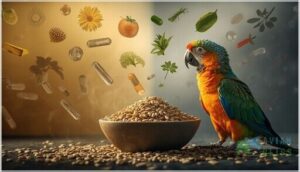
Seed-based diets remain one of the most common feeding practices among pet bird owners, yet they create serious nutritional gaps that compromise your bird’s health over time. When seeds make up the majority of your bird’s diet, several interconnected problems emerge, ranging from vitamin deficiencies to organ damage and even toxin exposure.
Understanding these specific risks will help you recognize why shifting to a more balanced approach is essential for your bird’s longevity and quality of life.
Why Seeds Alone Are Inadequate
When your bird picks through a seed-only diet, you’re watching selective malnutrition unfold—seeds lack adequate vitamin A, calcium, and essential amino acids that support feather health and metabolic function.
Seed-based diets create profound dietary imbalance because they fail to deliver vitamin D, trace minerals like zinc and copper, or sufficient protein, making seed nutrition alone a gateway to chronic deficiency and seed contamination risks from improper storage.
Malnutrition and Organ Health Issues
When malnutrition effects accumulate, your bird’s organs bear the consequences—vitamin A deficiency degrades mucous membranes and respiratory tissues, while calcium shortfalls trigger metabolic bone disease that compromises skeletal integrity and reproductive function.
Chronic nutrient deficits from imbalanced diets lead to:
- Fatty liver disease and pancreatic dysfunction from protein and amino acid gaps
- Iron storage disease when trace mineral ratios remain uncorrected
- Anemia and oxidative stress affecting cardiovascular and immune organs
- Reduced kidney and liver enzyme function, impairing detoxification processes
- Reproductive organ pathology that disrupts egg production and hatchability
Disease prevention starts with recognizing these organ damage patterns early, before common nutritional disorders in pet birds become irreversible health consequences.
Mold and Toxin Contamination Risks
Beyond organ damage, seed diets introduce serious contamination risks. Improperly stored seeds harbor Aspergillus molds that produce aflatoxins, ochratoxins, and fumonisins, causing liver toxicity, respiratory distress, and immune suppression in your bird.
Effective mold prevention requires moisture control below 14 percent, cool storage conditions, and routine toxin testing. Without these feed storage measures, mycotoxin effects compound existing vitamin A deficiency and other nutrient deficiencies inherent to seed-based feeding.
Recognizing Signs of Nutritional Deficiencies
Your bird’s body often signals nutritional problems long before they become life-threatening, which means recognizing these warning signs early can prevent serious complications down the line.
Physical changes in feathers, bones, breathing patterns, and behavior serve as red flags that shouldn’t be ignored, since each symptom points to specific deficiencies that require prompt attention.
Understanding what to watch for allows you to intervene quickly and adjust your bird’s diet before minor issues escalate into chronic health conditions.
Feather Quality and Color Changes
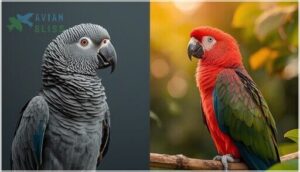
Feather pigmentation and plumage health serve as visible windows into your bird’s overall nutrient status, with vitamin A deficiency frequently manifesting as dull, faded coloring and brittle shafts that break easily during molting patterns. Color fading is most prominent in species-specific hues—budgerigars lose vibrancy, while African greys develop muted sheens—all signaling that bird nutrition requires immediate attention.
Through a balanced diet addressing these nutrient deficiencies, you can prevent further deterioration of feather health.
Bone Weakness and Egg Problems

Calcium deficiency manifests internally with consequences far more serious than visible plumage changes, compromising skeletal integrity through weakened bones that fracture under normal activity, and disrupting reproductive function in laying hens who produce soft-shelled or misshapen eggs due to inadequate mineral reserves. Vitamin D deficiency compounds these problems, since calcium absorption requires adequate vitamin D levels to maintain bone density and prevent avian osteoporosis.
Critical signs of calcium-related disorders include:
- Pathological bone fractures occurring during routine perching or flight
- Egg binding episodes requiring emergency veterinary intervention
- Thin or absent eggshells indicating severe mineral depletion
- Tremors or seizures from hypocalcemia affecting nerve function
- Lameness or reluctance to bear weight on affected limbs
Through targeted avian nutrition emphasizing calcium-rich foods and proper supplementation, you can prevent these reproductive issues and skeletal complications before they compromise your bird’s quality of life.
Respiratory and Immune Issues

Inadequate nutrition weakens your bird’s first line of defense against illness, compromising mucous membranes that protect respiratory passages from bacterial and viral invasion. Vitamin A deficiency leaves airways vulnerable to sinusitis and chronic respiratory infections.
Shortfalls in zinc, copper, and essential amino acids undermine immune function, reducing antibody production and leaving your companion bird susceptible to recurrent respiratory health crises requiring prolonged veterinary intervention.
Behavioral and Energy Level Changes
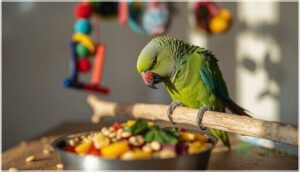
Energy level fluctuations often signal underlying nutrient deficiencies that demand your attention, as lethargy causes stem from iron, zinc, or protein shortfalls that impair cellular metabolism and oxygen transport. Behavioral shifts tied to malnutrition include:
- Reduced hopping, wing-flapping, or vocalization compared to your bird’s baseline activity
- Excessive daytime drowsiness disrupting normal sleep-wake cycles
- Decreased responsiveness to toys, mirrors, or social interaction
- Slower flight initiation and perch-to-perch movement
Activity monitoring helps you detect subclinical deficits before crisis, reinforcing the importance of balanced diets for birds in fatigue prevention and restoring metabolic vitality through adequate amino acids, calcium, and vitamin A.
Preventing Nutrient Gaps in Your Bird’s Diet

Preventing nutritional deficiencies in your bird requires a deliberate shift from outdated feeding practices to a balanced, evidence-based approach that tackles the specific nutrient gaps commonly seen in captive avian diets. This shift involves understanding proper food ratios, selecting nutrient-dense fresh foods, providing appropriate protein and mineral sources, and determining when supplementation becomes necessary to support peak health.
Preventing nutritional deficiencies requires deliberately shifting from outdated seed-based feeding to a balanced, evidence-based approach that addresses the specific nutrient gaps in captive bird diets
Let’s examine the practical strategies you can implement to make certain your bird receives complete nutrition.
Pellets Vs. Seeds: Ideal Ratios
Did you know most avian nutrition guidelines now recommend pellets as the backbone of balanced diets, making up 60–80 percent of your bird’s intake? Pellet Benefits include reliable Nutrient Balance, while Seed Limitations—especially in seed-only diets—lead to nutrient deficiencies.
During Diet Conversion, gradually shift away from seed diets, ensuring pellets become your bird’s primary food source. A well-planned bird food transition is essential for preventing nutritional deficiencies.
Incorporating Fresh Fruits and Vegetables
Adding Fresh Food Variety to your bird’s balanced diet means offering dark leafy greens—kale, dandelion greens—and orange vegetables like carrots and sweet potatoes daily, which supply provitamin A carotenoids and calcium that pellets alone can’t fully deliver.
For ideal Bird Foraging and varied diet benefits, chop fresh fruits and vegetables into different textures, promoting natural exploration while ensuring fruit portions remain small due to sugar content, per Daily Feeding Tips for complete Bird Nutrition.
A balanced diet with fresh food sources is essential for maintaining ideal health.
Safe Protein and Calcium Sources
Your bird’s protein deficiency risks drop when you offer fully cooked eggs or well-cooked legumes like lentils and chickpeas in small, unseasoned portions, which support feather growth without disrupting mineral balance.
For calcium sources that prevent bone weakness and egg problems, provide cuttlebone or dark leafy greens such as kale, ensuring your balanced diet includes roughly 0.6–1.2 percent calcium to support bird nutrition and avoid nutritional deficiencies.
Supplementation Guidelines
Even when you’ve fine-tuned your bird’s pellets, greens, and protein sources, supplementation acts as a safety net that catches the nutritional gaps lurking in captive diets—but only when you choose the right products and avoid the dangerous practice of over-supplementing fat-soluble vitamins like A and D, which accumulate in tissues and can cause toxicity at levels exceeding twice the recommended dose.
When supplementing bird diets safely to prevent nutritional deficiencies, your veterinarian will guide you toward appropriate dietary supplements for birds based on blood work or clinical signs:
- Vitamin boosters target vitamin A deficiency or vitamin D deficiency when pellets alone don’t resolve respiratory or bone issues
- Mineral supplements provide calcium-phosphorus balance without disrupting amino acid absorption or fiber additives
- Probiotic support strengthens gut health, improving nutrient uptake from existing foods
Never self-prescribe high-dose formulations, since even beneficial nutrients become harmful when they exceed your bird’s metabolic capacity.
Special Considerations for Breeding and Egg-Laying Birds
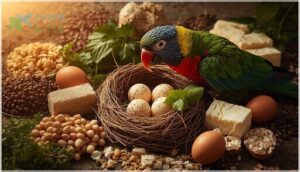
When your bird is preparing to breed or actively laying eggs, her nutritional demands shift dramatically, placing stress on calcium reserves, protein stores, and fat-soluble vitamin levels that can quickly become depleted without dietary adjustments. Egg production requires significant metabolic energy and nutrient resources, and deficiencies during this critical period can lead to serious complications including egg binding, poor hatchability, weakened skeletal structure in chicks, and long-term health consequences for the hen.
The following sections outline the specific increased nutrient requirements you’ll need to address to support your bird’s reproductive health and guarantee successful breeding outcomes.
Increased Calcium and Protein Needs
Did you know a laying hen needs twice as much calcium daily as she puts into each eggshell? When birds breed or lay, their bodies demand extra calcium and quality protein sources—think cuttlebone, mineral blocks, or cooked egg with shell—to prevent protein deficiency and support eggshell formation.
A balanced diet and targeted calcium supplements are critical for ideal avian nutrition during breeding cycles.
Vitamin and Mineral Requirements During Breeding
Beyond calcium and protein, breeding nutrition hinges on a balanced diet rich in vitamin A, vitamin D3, and trace minerals like iodine and iron.
These nutrients shape fertility factors, eggshell quality, and reproductive health. Without proper mineral balance, issues such as iodine deficiency or iron storage disease may arise, threatening hatchability and the wellbeing of both parent and offspring.
When to Seek Veterinary Guidance
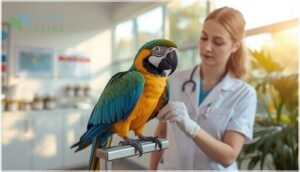
Even with a well-planned diet, your bird may develop nutritional imbalances that require professional evaluation and intervention, as some deficiencies progress silently until clinical signs become severe. Knowing when to consult an avian veterinarian can mean the difference between early correction and irreversible organ damage or chronic disease.
The following guidance will help you recognize warning signs, understand the value of preventive screenings, and work collaboratively with your vet to improve your bird’s nutritional health.
Signs Requiring Immediate Attention
Occasionally, you’ll notice critical symptoms in your bird—seizures, sudden collapse, labored breathing, or refusal of food—that demand Emergency Care and Urgent Interventions.
These signs, often linked to malnutrition, Nutritional Deficiencies, vitamin A deficiency, or iodine deficiency, require immediate action.
Don’t wait; rapid Seizure Response or support for Respiratory Failure can save your bird’s life.
Routine Health Checks for Nutritional Assessment
When sudden symptoms raise alarm, routine Avian Wellness exams become your safety net. Regular Health Screening and Nutrition Counseling help catch malnutrition early, supporting bird health before problems escalate.
During Dietary Analysis, I’ll check body condition, feather quality, and bloodwork. Here’s what we monitor:
- Weight and body condition
- Feather color and integrity
- Blood calcium and vitamin levels
Partnering With Avian Vets for Diet Planning
Once you’ve established a baseline through those routine exams, working closely with your avian vet to build a tailored feeding plan ensures your bird’s diet evolves with their changing needs throughout different life stages. Veterinary Consultations for Diet Planning provide Collaborative Care that meets species-specific requirements, age-related shifts, and individual health conditions, transforming Nutrition Counseling into a proactive partnership that safeguards Avian Wellness.
| Life Stage | Nutritional Focus | Veterinary Guidance |
|---|---|---|
| Juvenile | High protein for growth, calcium for bone development | Monitor weight gain, adjust pellet ratios |
| Adult | Balanced maintenance diet, vitamin A optimization | Annual bloodwork, feather condition assessment |
| Breeding | Increased calcium, protein, and vitamin D | Pre-breeding health check, supplementation plan |
| Senior | Joint support, digestive enzymes, reduced fat | Biannual exams, organ function screening |
Frequently Asked Questions (FAQs)
How often should I rotate my birds diet?
A young Amazon parrot thrived after her owner switched from weekly food changes to a gradual quarterly rotation.
You should rotate your bird’s diet every four to six weeks, shifting gradually over seven to ten days.
Do different bird species have unique nutritional needs?
Yes, different bird species have unique nutritional needs. Budgerigars require 7-12% protein, while African greys need 10-15%.
Lorikeets thrive on nectar-based diets, whereas finches benefit from insect protein during breeding seasons.
What are the best treats for training sessions?
The best treats for training pet birds include Seed Rewards like millet sprays, Nut Fragments cut into tiny pieces, and Fruit Treats or Vegetable Snacks, all used as Training Motivators while supporting bird nutrition and a balanced diet.
How does age affect my birds dietary requirements?
Like a growing child who needs different meals than grandma, your bird’s nutritional needs shift dramatically across lifespan stages. Juveniles demand protein-rich growth formulas, adults need balanced maintenance diets, and seniors benefit from easily digestible, organ-protective nutrition.
Conclusion
Think of your bird’s body as a finely tuned instrument where each nutrient plays an irreplaceable note—when one string falls out of tune, the entire symphony suffers.
Addressing common nutrient gaps in pet birds isn’t about flawlessness; it’s about consistent, informed choices that build resilience against silent deficiencies.
Your commitment to balanced nutrition, regular veterinary assessment, and early intervention transforms abstract prevention into tangible years of health, vitality, and companionship your bird deserves.
- https://x.com/godofprompt/status/1990526288063324577
- https://www.sciencedirect.com/science/article/pii/S0749208123000268
- https://github.com/vinhphunguyen/how-to-write-a-paper/blob/master/how-to-write-paper.out
- https://pmc.ncbi.nlm.nih.gov/articles/instance/9553038/bin/pone.0275964.s005.docx
- https://www.scribd.com/document/356795007/Research-Methods-Knowledge-Base