This site is supported by our readers. We may earn a commission, at no cost to you, if you purchase through links.
Most pet birds don’t die from disease—they die from what’s in their food bowl. A seed-only diet might look natural and wholesome, but it’s the nutritional equivalent of feeding your kid nothing but chips.
high in fat and low in the vitamins, minerals, and amino acids birds need to thrive long-term. Vitamin A deficiency alone accounts for a significant share of preventable illness in companion parrots.
Complete nutrition for pet birds means more than keeping the feeder full—it means understanding what actually fuels a healthy bird from the inside out.
Table Of Contents
- Key Takeaways
- Key Nutrients in Bird Diets
- Pellets Vs Seeds for Daily Feeding
- Fresh Produce, Protein, and Supplements
- Safe Foods, Toxic Foods, and Hydration
- Top 3 Bird Food Products
- Frequently Asked Questions (FAQs)
- How do I tell a parrot I love you?
- How does foraging behavior affect nutritional intake?
- Can birds share food with other pets?
- What feeding schedules work best for birds?
- How does seasonal change impact dietary needs?
- Are organic foods necessary for pet birds?
- How often should I weigh my pet bird?
- How does diet change as a bird ages?
- Can two different bird species share the same food?
- Conclusion
Key Takeaways
- seed-only diet is the single biggest nutritional mistake bird owners make, because seeds are high in fat and dangerously low in the vitamins, minerals, and protein that birds need to stay healthy long-term.
- Pellets should make up 60–80% of your bird’s daily diet, since they eliminate selective eating and deliver consistent, complete nutrition in every bite.
- Vitamin A deficiency and calcium-vitamin D3 imbalance are the two most common preventable health problems in pet birds, and both are easy to fix with the right food choices.
- Toxic foods like avocado, chocolate, and apple seeds can be fatal even in small amounts, so knowing what to keep out of the bowl matters just as much as knowing what to put in it.
Key Nutrients in Bird Diets
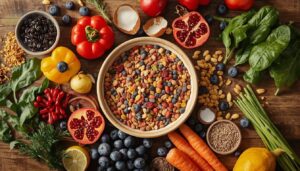
What bird eats every day shapes everything — from feather quality to energy levels and long-term health. Getting the balance right isn’t complicated, but it does require knowing which nutrients actually matter.
Understanding which nutrients birds need every day takes the guesswork out of building a diet that actually supports their health.
Here are the key ones to build your bird’s diet around.
Pellet-based Core Nutrition
Pellets take the guesswork out of feeding. A good pelleted avian diet delivers balanced nutrition in every bite — no cherry-picking, no gaps. Look for options with clean binder composition, good pellet texture, your bird can chew comfortably, and solid shelf-life stability.
- Choose species-appropriate pellet size
- Aim for 60–80% of daily intake
- Use adjustment strategies — mix pellets with familiar foods
- Track pellet conversion success rates over 7 days
- Incorporate pellets and fresh produce together
Essential Vitamins and Minerals
Once your bird’s pellet base is in place, vitamins and minerals do the detailed work. Think of them as the maintenance crew keeping everything running smoothly.
| Nutrient | Key Role | Signs of Deficiency |
|---|---|---|
| Vitamin A Vision | Helps eye and tissue health | Dull eyes, poor feathering |
| Vitamin E Antioxidant | Protects cells from damage | Weak immunity |
| Iron Oxygen | Allows oxygen transport | Low energy, lethargy |
| Iodine Thyroid | Regulates metabolism | Sluggish behavior |
| Vitamin D | Controls calcium absorption | Soft bones, fractures |
Vitamin A deficiency is surprisingly common in seed-fed birds. Beta-Carotene Source foods like carrots and kale help fill that gap.
Iodine deficiency affects metabolism quietly.
Quality calcium supplements, paired with vitamin D, keep bones strong.
For detailed nutrient guidance, see the vitamin D helps bone health guide.
Protein and Healthy Fats
Vitamins keep things running, but protein and healthy fats do the heavy lifting. Your bird needs Amino Acid Balance from quality Protein Sources like boiled eggs, cooked lentils, and pellets — these support Protein Digestibility and meet daily Protein Requirements without overloading their system.
- Omega-3 Sources like flaxseed oil boost feather shine
- Fat Quality Control prevents obesity from fatty seeds
- Essential Amino Acids fuel molting and muscle repair
Omega-3 fatty acids and balanced Energy Density keep your bird thriving.
Calcium and Vitamin D Needs
Calcium and vitamin D work as a team. Without enough vitamin D3, your bird absorbs only 10–15% of dietary calcium — but with proper levels, that jumps to 30–40%, dramatically improving Bone Mineralization and Absorption Efficiency.
Without vitamin D3, birds absorb just 10–15% of calcium — proper levels triple that absorption
Offer a cuttlebone calcium source daily, and provide UVB Lighting to support Seasonal Vitamin D production.
Egg Laying Calcium demands spike during breeding, so watch for calcium deficiency signs and add a calcium supplement when needed.
Pair that calcium boost with high-protein foods for breeding birds like mealworms and hard-boiled eggs to support healthy egg production.
Pellets Vs Seeds for Daily Feeding
What you feed your bird every day shapes everything — from feather quality to how long they live. The pellet vs. seed debate is one of the most important choices you’ll make as a bird owner.
Here’s what you need to know before you fill that food bowl.
Benefits of Formulated Pellets
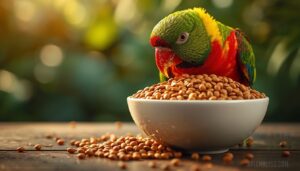
Think of formulated pelleted diets as a complete meal in every bite. Unlike loose mixes, pelleted avian diets eliminate selective eating — your bird can’t cherry-pick favorites and leave the rest. You get precise portion control, reduced feed waste, and lower dust levels in one consistent package.
| Benefit | Pellets | Seeds |
|---|---|---|
| Nutrient density | High, uniform | Variable, incomplete |
| Selective eating | Minimized | Common |
| Feed waste | Low | High |
| Dust levels | Lower | Higher |
| Portion control | Precise | Difficult |
Formulated pelleted diets versus seed diets come down to reliability — and pellets win on consistency every time.
Limits of Seed-only Diets
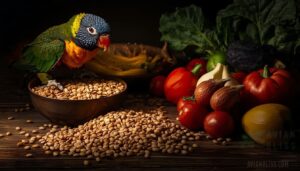
Seeds aren’t a complete meal — they’re more like junk food your bird never gets tired of. A seed-only diet creates real risks: Mineral Deficiencies, Vitamin Imbalance, and Protein Shortage build up quietly over months.
| Nutrient Gap | What It Affects | Risk Level |
|---|---|---|
| Calcium/Vitamin D | Bones, eggshells | High |
| Vitamin A/E | Immunity, feathers | High |
| Omega-3s (Fatty Acid Skew) | Skin, feather quality | Moderate |
| Complete protein | Muscle, molt | Moderate |
| Iron/Zinc balance | Overall condition | Moderate |
Selective Eating makes it worse — your bird picks favorites and skips the rest, widening nutrient deficiencies daily.
Choosing Species-appropriate Pellet Size
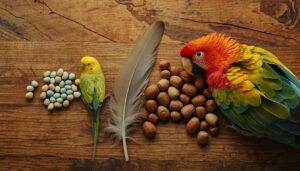
Not all pellets are created equal — and size matters more than most owners realize. Beak Strength Matching is the starting point: a budgie can’t wrestle a parrot pellet, and a macaw won’t bother with mini crumbles. Species Pellet Diameter and Age-Based Pellet Selection work together to support consistent intake.
| Bird Size | Recommended Pellet Size |
|---|---|
| Small (budgie, lovebird) | Mini/small pellets |
| Medium (conure, cockatiel) | Standard pellets |
| Large (macaw, amazon) | Large pellets |
Juvenile Adult Pellets differ too — younger birds need smaller, easier-to-bite pieces.
Safe Treats and Snack Limits
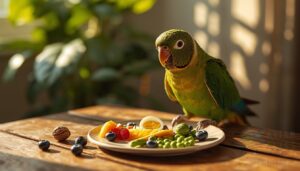
Treats should never crowd out your bird’s core diet. Think of them as a bonus, not a meal. Keep training bite size small — a pea-sized piece is plenty. Watch droppings monitoring closely when introducing anything new.
| Treat Type | Limit |
|---|---|
| Fruit (occasional treat) | 5% of daily intake |
| Nuts | 1–2 pieces weekly |
| Cooked egg | Twice weekly, tiny portion |
| Veggies | Up to 30% daily |
| Snacks total | Max 10% weekly |
Fresh Produce, Protein, and Supplements
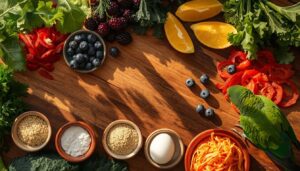
Pellets get your bird most of the way there, but the rest of the diet is where things get interesting. Fresh produce, protein, and right supplements fill the gaps that even the best pellet can’t cover on its own.
what you actually need to include.
Best Vegetables for Pet Birds
Vegetables are your bird’s best friend for fresh nutrition. Dark Leafy Greens like kale and spinach deliver vitamin A and key micronutrients daily. Cruciferous Options such as broccoli and cauliflower work well raw or lightly steamed. For Root Vegetable Picks, grated carrots and sweet potatoes are easy wins.
Toss in Peas Pods, a Zucchini Mix, or bell peppers to keep things varied. Always organic produce thoroughly before serving.
Fruit as an Occasional Treat
Fruit makes a colorful addition to your bird’s bowl, but think of it as a garnish, not the main course. Keep Portion Size Guidelines in mind: fresh fruits should stay around 5% of the daily intake.
Practice Fruit Variety Rotation — blueberries one day, apple slices the next.
Follow Preparation Safety Tips by removing seeds and rinsing thoroughly.
Monitoring Fruit Intake helps you catch any digestive changes early.
Safe Protein Sources for Birds
Beyond fruit, your bird needs real protein to thrive.
Hard-boiled Egg Protein works well — plain, no seasoning. Mealworm Insects are another favorite, especially for smaller species. Cooked Legumes like lentils and chickpeas cover plant-based amino acids nicely. Quinoa Grain adds variety, and Unsalted Nuts round things out.
Just rotate these protein sources for birds regularly and keep portions small.
When Supplements Are Useful
Most birds don’t need dietary supplements if their pellet base is solid. But certain situations change that.
- Veterinary Identified Gaps — low calcium for egg laying, confirmed by a vet
- Illness Recovery — appetite drops, intake falls short
- Selective Change — bird resists new foods temporarily
- Life Stage Changes — Molt Support or breeding increases vitamin and mineral supplementation needs
Match the supplement to the actual gap.
Safe Foods, Toxic Foods, and Hydration
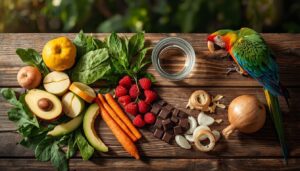
Knowing feed your bird is only half the equation — knowing what to keep away from them is just as important. Some everyday foods that seem harmless can actually be dangerous, even in small amounts.
Here’s what you need to know about toxic foods, safe limits, and keeping your bird properly hydrated.
Common Toxic Foods to Avoid
Some foods that seem harmless can seriously hurt your bird. Avocado tops the list — its persin toxicity can cause fatal illness even in small amounts.
Chocolate and caffeine are equally dangerous. Watch out for apple seed cyanide and cherry pit cyanide too; always remove seeds and pits first.
Raw bean lectins and green potato solanine are also real risks.
Identifying toxic foods for pet birds is non‑negotiable.
Foods to Limit or Exclude
Not everything harmful is outright toxic — some foods just don’t belong in regular rotation. Salty Snacks like chips and Processed Fatty Foods stress your bird’s kidneys and invite Fatty Liver Disease over time.
Sugary Treats, Alcoholic Beverages, and anything containing Avocado Products should stay off the menu entirely. Seed-Only Diet carries similar risks — too much fat, too little nutrition.
Clean Water and Hydration Needs
Water is the most overlooked nutrient in pet bird care. Your bird’s Bowl Hygiene directly affects their health — bacteria build up fast in warm rooms.
Here’s what Hydration Monitoring looks like in practice:
- Refresh water daily, more often in warm weather (Seasonal Water Changes matter)
- Serve Water Temperature at room level — cold water discourages drinking
- Offer Moisture Rich Foods like cucumber to support hydration through diet
clean water available always.
Bathing and Fresh-food Safety
Bathing and fresh-food safety go hand in hand. Replace bath water after every session — standing water picks up feathers, oils, and droppings fast.
Follow solid Hand Washing Protocols before and after handling your bird.
Rinse produce using proper Produce Rinsing Techniques, and prep fresh foods in Separate Prep Zones away from cage mess.
Clean bowls daily. Food Bowl Sanitation isn’t optional — it’s just good care.
Top 3 Bird Food Products
Choosing the right food product can make a real difference in your bird’s health. The market has plenty of options, but a few stand out for their quality ingredients and balanced nutrition.
Here are three worth keeping on your radar.
1. Kaytee Exact Rainbow Parrot Conure Food
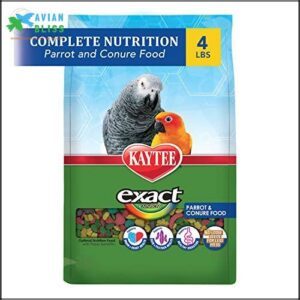
Kaytee Exact Rainbow is a solid starting point for parrot and conure owners.
Each nugget is fully extruded, so there are no shells or husks to toss aside — less mess, more nutrition.
The formula includes omega-3s from ground flaxseed, plus prebiotics and probiotics to support your bird’s digestion.
At around $19.95 for a 4 lb bag, it’s affordable and widely available.
One heads-up: it contains artificial dyes, so if your bird has sensitivities, keep that in mind.
| Best For | Small to medium parrot and conure owners who want a clean, nutritious staple diet without the mess of seed hulls. |
|---|---|
| Net Weight | 4 lb (1.81 kg) |
| Price | $19.95 |
| Complete Diet | Yes, staple diet |
| Artificial Colors | Yes (Yellow 40, Blue 1) |
| Hull-Free Format | Yes, no hulls or shells |
| Satisfaction Guarantee | Not listed |
| Additional Features |
|
- No shells or husks means less waste and easier cleanup around the cage.
- Packed with omega-3s, prebiotics, and probiotics to support your bird’s heart, brain, and gut.
- Vet-recognized formula that covers the nutritional bases for most small to medium parrots.
- Contains artificial dyes (Yellow 40, Blue 1) and soy, which may not suit birds with sensitivities.
- Can produce noticeable dust, so many owners sift it before filling the food dish.
- Nugget size runs small, making it a poor fit for larger birds like African Greys.
2. ZuPreem FruitBlend Bird Pellets
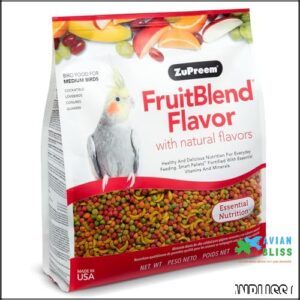
ZuPreem FruitBlend pellets are a popular pick for medium-sized birds like cockatiels, lovebirds, and small conures. The fruit-shaped, colorful pieces aren’t just eye candy — they encourage foraging behavior, which keeps picky eaters interested.
Each pellet delivers balanced protein (around 14%), fat, fiber, and key vitamins including D3 and E.
One thing to know: the formula contains artificial colors and added sugars, so if your bird has metabolic sensitivities, check with your vet before making it the daily staple.
| Best For | Medium-sized pet birds like cockatiels, lovebirds, and small conures whose owners want a colorful, complete daily diet that encourages natural foraging. |
|---|---|
| Net Weight | 2 lb (0.91 kg) |
| Price | Not listed |
| Complete Diet | Yes, daily diet |
| Artificial Colors | Yes (Yellow 5, Red 40, Yellow 6, Blue 1) |
| Hull-Free Format | Yes, pellet format |
| Satisfaction Guarantee | 100% guarantee |
| Additional Features |
|
- Fruit-shaped pellets come in a variety of colors and flavors, which helps keep picky eaters curious and engaged at mealtime.
- Nutritionally complete with a solid vitamin and mineral mix — think D3, E, B-complex, calcium — so it can replace a seed-heavy diet on its own.
- Backed by a 100% satisfaction guarantee, which is a nice safety net if your bird turns their beak up at it.
- Contains artificial dyes (Yellow 5, Red 40, Blue 1, Yellow 6) and added sugars, which some bird owners would rather skip entirely.
- Certain shapes — like the banana pieces — tend to get tossed aside, so expect some waste and maybe some manual sorting.
- Not a great fit for birds with corn, soy, or wheat sensitivities, or species that need a higher-protein, more specialized diet.
3. LAFEBERS Tropical Fruit Nutri Berries
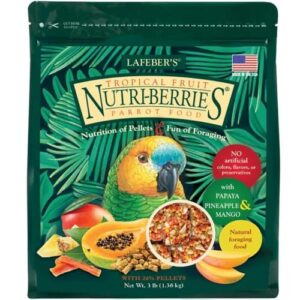
LAFEBER’S Tropical Fruit Nutri-Berries take a different approach — instead of a flat pellet, you get a round, holdable berry, your bird can grip, toss, and work through. That shape alone doubles foraging time compared to standard pellets.
Each berry packs complete nutrition: 10% protein, added D3, vitamin A, zinc, and real mango, papaya, and pineapple pieces.
No artificial colors or preservatives. At $39.99 for 3 lbs, it’s a solid choice for parrots and conures at any life stage.
| Best For | Bird owners with parrots, conures, or canaries who want a nutritionally complete food that keeps their birds mentally engaged and active throughout the day. |
|---|---|
| Net Weight | 3 lb (1.36 kg) |
| Price | $39.99 |
| Complete Diet | Yes, foraging formula |
| Artificial Colors | None |
| Hull-Free Format | Yes, 100% edible |
| Satisfaction Guarantee | 100% guarantee |
| Additional Features |
|
- The round berry shape gives birds something to grip and work through, which doubles foraging time compared to regular pellets and helps cut down on boredom and feather-picking.
- Made with real mango, papaya, and pineapple — no artificial colors, flavors, or preservatives, and every piece is 100% edible with zero waste.
- Works for all life stages and is easy to serve on its own or mixed into veggies and cooked meals.
- The berries can crumble or break during shipping, so you may end up with a lot of smaller pieces that need to be stored separately.
- Warm temperatures can make them mushy, so you’ll need to keep them sealed and cool to maintain quality.
- Despite being nutritionally complete, the manufacturer still recommends adding fresh fruits, veggies, and seeds for a truly balanced diet.
Frequently Asked Questions (FAQs)
How do I tell a parrot I love you?
Slow blinks, calm movements, and soft words speak volumes to a parrot. Respond to their calls, offer favorite treats gently, and stay consistent. That’s how trust — and love — gets communicated.
How does foraging behavior affect nutritional intake?
Foraging shapes what your bird actually eats. When birds search actively, they target the nutrients they need most — so offering variety lets them self-regulate better than a fixed, monotonous bowl.
Can birds share food with other pets?
It’s tempting to share a bite with your bird, but keep it separate. Human saliva and pet germs can harm birds. Always use clean utensils and a dedicated bowl.
What feeding schedules work best for birds?
Feed your bird twice daily — once at dawn and again in late afternoon. Keep times consistent, remove perishables within a few hours, and always leave a gap before bedtime.
How does seasonal change impact dietary needs?
Seasons shift, and so do your bird’s needs. Shorter winter days cut vitamin D production, while summer heat speeds food spoilage. Adjust portions, monitor hydration, and keep pellets fresh year-round.
Are organic foods necessary for pet birds?
Organic foods aren’t necessary, but they can help reduce pesticide residue on fresh produce. What matters most is balanced nutrition — the right pellets, vegetables, and variety — not the organic label.
How often should I weigh my pet bird?
Weigh a healthy bird once a week, always at the same time before breakfast. During illness or diet changes, switch to daily weigh-ins so you catch any drop early.
How does diet change as a bird ages?
As birds hit their golden years, their calorie needs quietly shift. Less activity means less fuel required.
Watch body condition closely and adjust portions gradually to avoid creeping weight gain or unexpected loss.
Can two different bird species share the same food?
Sometimes, yes — two species can share the same pellet base if it’s formulated for their group. Still, portion sizes and supplements should be adjusted to match each bird’s specific needs.
Conclusion
thriving bird is a mirror of what you put in the bowl. Feathers that shine, eyes that stay bright, and energy that fills the room—these don’t happen by accident.
Complete nutrition for pet birds is the foundation every healthy life is built on. Swap the seed-heavy habits for balanced pellets, fresh produce, and clean water.
Make those changes now, and your bird won’t just survive the years ahead—it’ll own them.
- https://lafeber.com/pet-birds/bird-food-guide/
- https://www.petco.com/content/petco/PetcoStore/en_US/pet-services/resource-center/food-nutrition/fruits-for-birds.html
- https://vcahospitals.com/know-your-pet/plants---toxic-for-birds
- https://feederspetsupply.com/lafebers-tropical-fruit-nutriberries-3-lb/
- https://www.petsmart.com/bird/bird-shops/lafebers-nutri-berries-tropical-fruit-parrot-food-1041486.html