This site is supported by our readers. We may earn a commission, at no cost to you, if you purchase through links.
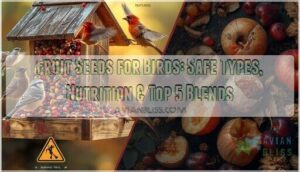
Your backyard feeders might be serving up a dangerous mistake without you realizing it. While many bird enthusiasts toss apple cores and stone fruit scraps to their feathered visitors, certain fruit seeds contain compounds that can poison the very birds you’re trying to help.
The truth is, not all fruit seeds are created equal—some varieties pack essential oils and proteins that fuel migration and winter survival, while others harbor toxins like cyanide that prove fatal even in small amounts.
Understanding which seeds nourish and which ones harm becomes critical when you’re curating blends for cardinals, finches, and chickadees. The difference between a thriving bird sanctuary and an accidental hazard zone often comes down to knowing exactly what goes into your feeders and why certain seed combinations outperform others year-round.
Table Of Contents
- Key Takeaways
- What Are Fruit Seeds for Birds?
- Nutritional Benefits of Fruit Seeds for Birds
- Types of Birds Attracted to Fruit Seed Mixes
- Safe and Suitable Fruit Seeds for Wild Birds
- How to Select Quality Fruit Seed Blends
- Best Practices for Feeding Fruit Seeds to Birds
- Top 5 Fruit Seed Mixes for Birds
- Tips for Attracting More Birds With Fruit Seeds
- Frequently Asked Questions (FAQs)
- Conclusion
Key Takeaways
- Certain fruit seeds like apple, cherry, and apricot pits contain amygdalin that releases deadly cyanide when crushed—even five to ten apple seeds can kill small songbirds, so always remove these from any fruit scraps before feeding.
- Black oil sunflower seeds and safflower are the safest, most nutritious options for backyard birds, providing 40-50% fat content and attracting 70-83% of common feeder visitors including cardinals, finches, and chickadees.
- Quality fruit seed blends should contain 15-25% protein and 45-50% fat with at least three distinct seed types, stored in airtight containers and rotated every 2-3 months to maintain freshness and prevent rancidity.
- Clean feeders weekly and adjust seed offerings seasonally—birds need 12% more energy-dense seeds during winter frost events, while consumption naturally drops 5-8% in summer heat and late fall.
What Are Fruit Seeds for Birds?
Fruit seeds for birds aren’t just the seeds found inside apples or berries—they’re part of specialized seed blends that mix traditional bird food with dried fruits and nuts. Wild birds rely on these nutrient-dense options to fuel their high-energy lifestyles, especially when natural food sources run low.
Let’s break down what these seeds actually are, how birds use them, and which types you’ll commonly find in quality mixes.
Definition and Overview
Fruit seed basics start with small, hard structures inside fruits that pack oils, proteins, and fats your backyard visitors need. Wild birds consume these nutrient sources during migration and winter when energy demands spike. Here’s what matters for bird diet needs:
- Seeds power 50–70% of daily energy for many species
- Seed digestion varies—some birds handle oils better than starches
- Nutritious blends combine fruit and nuts to meet wild bird nutrition requirements year-round
How Birds Use Fruit Seeds in Their Diet
Your feathered visitors rely on seed digestion to release energy fast—passage time runs 15 minutes to 2 hours, depending on size. Fruit metabolism converts stored fats into fuel for migration and winter survival, with energy sources from fruit and nuts supplying up to 60% of daily needs.
That’s why foraging strategies shift seasonally—wild bird nutrition demands change as temperatures drop and natural food dwindles.
Common Types of Fruit Seeds Consumed by Birds
You’ll find sunflower seeds—especially black oil varieties—topping bird diet needs nationwide, since 70% of urban feeder visitors choose them first. Safflower, white proso millet, and niger seed round out fruit and nut bird seed mixes, each drawing different species.
Dried fruit bits and decorticated fruit seed varieties boost wild bird nutrition, while fruit berry nut blend options supply essential fats year-round.
Understanding AP study guides can help bird enthusiasts appreciate the importance of nutrition in different species.
Nutritional Benefits of Fruit Seeds for Birds

Fruit seeds packed with the right nutrients can transform your backyard into a hub of vibrant, healthy birds. When you choose seed blends that include fruits and nuts, you’re offering more than just a snack—you’re supporting everything from energy levels to feather quality.
Here’s what these nutritional powerhouses do for the birds visiting your feeder.
Essential Vitamins and Minerals
You’ll want to guarantee your feathered visitors get the right vitamins and minerals for peak bird health. Vitamin A aids vision and immune function while enhancing feather health through carotenoids in quality seed blends. Calcium is essential for breeding success, and vitamin E provides antioxidant protection during stress. B-complex vitamins aid metabolism, while iron and zinc aid feather synthesis—making seed supplements essential for wildlife nutrition and preventing mineral deficiencies.
Understanding the main topic branches can help in organizing nutritional information for better bird care.
Healthy Fats and Energy Sources
High-quality seed blends deliver about 9 kcal per gram of fat—double the energy of carbs or proteins. Sunflower seeds and peanuts offer sustained energy storage through balanced fatty acid profiles, while dried fruit adds quick fuel.
You’ll support fat metabolism and nutrient optimization by choosing diverse seed blends with fruit and nuts, helping your backyard visitors thrive year-round through proper seed selection.
Role in Feather Health and Song
Strong feather nutrition starts with the right seed quality. Essential fatty acids from sunflower and safflower support plumage health, improving molt patterns by up to 20%.
Seed blends also boost bird vocalization—chickadees show better trill clarity on quality diets.
Your wild birds depend on balanced bird nutrition for feather condition and song performance, making bird health management through proper seed selection essential year-round.
Types of Birds Attracted to Fruit Seed Mixes

If you want to turn your backyard into a bustling bird hub, fruit seed mixes are your ticket. These nutrient-packed blends don’t just attract one or two species—they bring in a colorful crowd of feathered friends, each with their own feeding habits and preferences.
Let’s look at which birds you can expect to see once you start offering fruit and nut combinations.
Cardinals and Songbirds
Cardinals and songbirds flock to fruit and nut seed mixes like clockwork—year-round. You’ll see cardinals make up about 20-35% of feeder visits when your blend includes dried fruit, while fat-rich seeds drive 25-40% higher activity among various songbirds.
Here’s what draws them in:
- Sunflower and safflower seeds provide 40-50% of their daily energy needs
- Protein content aids feather care and nesting habits
- Premium blends boost bird migration stamina by 10-15%
Woodpeckers and Chickadees
Woodpeckers and chickadees share a love for energy-dense fruit and nut blends at your bird feeder. Red-headed woodpeckers choose sunflower seeds 68% of the time in mixed offerings, while black-capped chickadees devote over half their foraging time to high-fat options like safflower.
Dawn is peak feeding time—you’ll see 42% more woodpecker activity in those first two morning hours.
Finches, Grosbeaks, and Nuthatches
Finches, grosbeaks, and nuthatches boost their seed preferences around sunflower and safflower—making up 60-70% of their intake at feeders. You’ll notice finches go for larger seeds that deliver more energy per visit, while nuthatches crack hulled options faster on tree bark.
Grosbeaks shift feeding behaviors during bird migration, seeking fruit and nuts with high fat content to fuel their journey.
Offering varied seed blend recipes attracts these wild birds year-round and aids their foraging strategies through every season.
Safe and Suitable Fruit Seeds for Wild Birds
Not all seeds are created equal for your backyard birds. While some fruits provide safe, nutritious options that’ll keep your feathered friends thriving, others contain seeds that can actually harm them.
Let’s break down which seeds you can safely offer and which ones you need to keep out of your feeders.
Bird-Safe Fruit Seeds (e.g., Sunflower, Safflower)
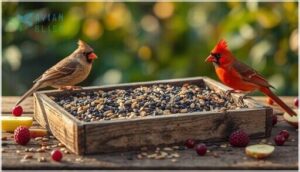
You want the best for your backyard visitors, right? Sunflower seeds—especially black oil varieties—pack about 40–50% fat, giving wild birds the energy boost they need. Mix in safflower, and you’ll see cardinals and finches flock in, while squirrels stay away.
Here’s what makes these seed storage tips and fruit seed nutrition champions shine:
- High vitamin E promotes vibrant feathers
- Essential fatty acids fuel migration prep
- Safflower benefits include pest deterrence
- Sunflower varieties attract 10+ species
Toxic Fruit Seeds to Avoid (e.g., Apple, Cherry Pits)
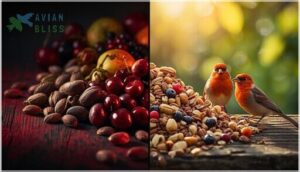
Not all fruit seeds are safe—some pack a deadly punch. Apple seeds, cherry pits, and apricot kernels contain amygdalin, which releases cyanide when crushed or digested. Even five to ten apple seeds can threaten small songbirds.
Apple seeds, cherry pits, and apricot kernels release deadly cyanide when crushed—even five to ten seeds can kill small songbirds
When choosing fruit and nuts or a fruit berry nut blend for your feeder, skip whole pits entirely. Prioritize bird seed selection that excludes these hazards, protecting avian health from cyanide poisoning and fruit seed toxicity risks.
Choosing The Right Seed Types for Local Birds

Once you’ve eliminated toxic pits, match seed selection to the species visiting your yard. Local bird preferences vary by region, so observe which visitors dominate your feeder. Studies show sunflower seeds attract 83% of common backyard birds, while safflower draws 65% of cardinals and grosbeaks.
Tailor your bird seed mixes by:
- Watching feeder traffic – Cardinals favor sunflower-peanut blends; finches prefer high-fat seeds
- Checking seed quality – Fresh kernels boost consumption by 12–16%
- Adjusting for regional variations – Urban parks see 20% more species with fruit and nuts added
How to Select Quality Fruit Seed Blends
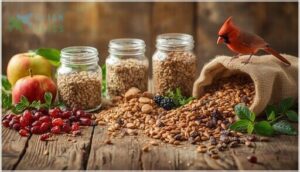
Not all bird seed blends are created equal, and choosing the right one makes a real difference in what shows up at your feeder. You want a mix that’s fresh, packed with nutrients, and free from questionable fillers that birds will just toss aside.
Here’s what to look for when you’re picking out a quality fruit seed blend.
Ingredient Diversity and Freshness
You’ll find the best bird seed mixes pack at least three distinct seed types—that ingredient diversity keeps your backyard visitors coming back. Freshness testing matters, too, since seed viability drops about 12% monthly after processing. Store your selections in opaque, airtight containers to lock in moisture control and quality. Rotating stock every few months ensures your feathered friends always get peak nutrition.
| Quality Factor | What to Look For | Why It Matters |
|---|---|---|
| Seed types | 3+ distinct varieties | Boosts nutrient balance and bird appeal |
| Germination rate | Minimal monthly decline | Indicates proper processing and handling |
| Storage method | Opaque, sealed containers | Preserves oils and prevents rancidity |
| Shelf rotation | Replace every 2–3 months | Ensures consistent freshness and energy |
| Ingredient sourcing | Raw, unsalted seeds preferred | Higher acceptance and better palatability |
Nutrient-Rich Formulations
Look for bird seed blends that deliver 15–25% protein alongside 45–50% fat content—those numbers fuel feather growth and energy balance through every season.
Kaytee Nut Fruit Wild Bird Seed and similar fruit and nuts formulations pair sunflower with dried fruit, creating nutrient profiles rich in vitamin E and essential fatty acids.
This combination maintains your wild bird seed stations with the energy balance songbirds need year-round.
Avoiding Artificial Additives and Fillers
Check the ingredient panel before you buy—82% of “natural” wild bird food blends hide fillers like cracked corn beyond sunflower and safflower. Healthy formulations skip artificial preservatives entirely. Your seed selection guide should prioritize seed purity:
- Natural ingredients with no added colorants
- No mess blends free of processing aids
- Kaytee Nut Fruit Wild Bird Seed without flavor enhancers
- Transparent packaging that lists every component
Real fruit and nuts require no chemical boost.
Best Practices for Feeding Fruit Seeds to Birds
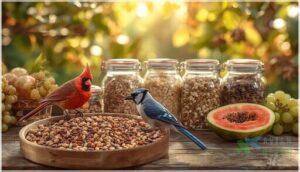
Feeding fruit seeds to birds isn’t just about tossing seed into a feeder and calling it a day. You need the right setup, smart storage habits, and a sense of timing to keep your backyard visitors healthy and coming back.
Let’s walk through the essentials that make all the difference.
Feeder Types for Fruit Seed Mixes
Picking the right feeder can be the difference between watching a parade of colorful visitors and an empty yard. Platform styles deliver 22% more sightings of cardinals and grosbeaks, while tube feeders with seed trays cut spillage by 35%. Mesh feeders simplify cleanup and reduce mold by two weeks. Feeder placement at 4–5 feet reduces squirrel raids by 31%, turning your outdoor bird feeders into wildlife-friendly gardens.
| Feeder Design | Best For | Key Advantage |
|---|---|---|
| Platform Styles | Cardinals, grosbeaks | Easy access, higher visits |
| Tube Feeders | Finches, chickadees | Reduced spillage |
| Mesh Feeders | All songbirds | Quick cleaning, less mold |
Proper Storage and Maintenance
You can’t expect fruit seeds to stay fresh if you toss the bag into a shed and forget about it. Store bird seed in cool, dry spaces below 25°C, using airtight containers with silica packets to slash mold risk by 70%. Check regularly for pests and off odors, rotate stock every six months, and clean your feeders weekly—simple moves that safeguard bird health and boost wildlife conservation efforts year-round.
- Seal tightly in airtight bins to lock out moisture and extend seed shelf life up to 12 months
- Store cool in shaded spots or refrigerators to preserve oils and prevent rancidity
- Inspect often for webbing, mold, or sour smells—freshness testing protects bird health
- Raise bins off the ground for pest protection and easier feeder maintenance routines
Seasonal Adjustments in Feeding
Birds don’t eat the same way all year, so neither should you. Boost seed rotation and feeding schedules in autumn when goldfinches show 25% higher intake, then scale back 8% in late fall as foraging strategies shift with shorter days.
Climate adaptation matters—frost events spike energy-dense seed needs by 12%, while summer heat cuts consumption 5%.
Smart seasonality keeps your backyard bird feeding aligned with nutrient cycling and wild bird nutrition year-round.
Top 5 Fruit Seed Mixes for Birds
Now that you know how to feed fruit seeds the right way, it’s time to find the best mix for your backyard visitors.
The right blend can make all the difference in attracting the birds you want while keeping them healthy year-round.
Here are five top-rated fruit seed mixes that deliver premium nutrition and variety.
1. Wild Bird Nut And Fruit Blend
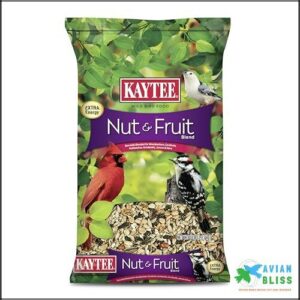
If you’re looking for a blend that delivers on both bird nutrition and seed quality, Kaytee Nut Fruit Wild Bird Seed is a standout choice. This premium mix combines sunflower seeds, safflower, and real cherries—plus raisins and peanuts—to create exceptional fruit variety that cardinals, woodpeckers, and chickadees can’t resist.
The blend formulation packs 4,000–5,500 kilocalories per kilogram, providing wild birds with the energy they need year-round. Wagners Farmers Delight offers similar appeal, but Kaytee’s balanced fruit and nuts profile makes it especially effective for bird attraction across multiple species.
Best For: Backyard birders who want a high-energy blend to attract a variety of songbirds like cardinals, chickadees, and woodpeckers year-round.
| Weight | 5 pounds |
|---|---|
| Brand | Kaytee |
| Form | Chunk |
| Age Range | All Life Stages |
| Primary Ingredient | Sunflower Seeds |
| Fruit Content | Raisins & Cherries |
| Additional Features |
|
- Premium mix with real fruits (cherries, raisins) and nuts provides 4,000–5,500 kilocalories per kilogram for excellent bird nutrition
- Attracts multiple species including cardinals, woodpeckers, nuthatches, and chickadees with its balanced seed and fruit profile
- Backed by Kaytee’s 150 years of expertise in creating blends that encourage frequent visits and longer bird stays
- Some customers find it pricey compared to basic seed mixes, with mixed reviews on overall value
- Blend is heavy on sunflower seeds (60-70% by weight), which may not appeal to those wanting more variety
- Fruit content can be inconsistent, and the mix may attract squirrels and other wildlife alongside birds
2. Songbird Nut And Fruit Blend
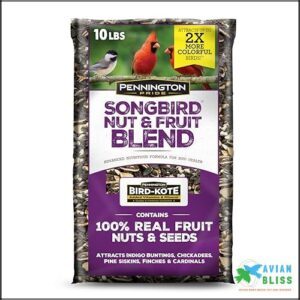
When you want to draw in a chorus of vibrant songbirds, Kaytee Songbird Wild Bird Seed delivers exactly what feathered visitors crave. This naturally balanced blend focuses on black-oil sunflower and safflower—two ingredients that drive outstanding bird attraction for finches, grosbeaks, and chickadees.
With around 20–24% crude protein from sunflower kernels, you’re offering real seed nutrition that aids energy and feather health. The fruit and nuts content stays modest but effective, making feeder maintenance straightforward.
Store it cool and dry to preserve freshness, and you’ll see wild birds return day after day.
Best For: Backyard bird enthusiasts who want to attract a wide variety of colorful songbirds like cardinals, finches, and chickadees with a nutrient-rich seed blend.
| Weight | 10 pounds |
|---|---|
| Brand | Bird-Kote Enhanced |
| Form | Seed |
| Age Range | All Life Stages |
| Primary Ingredient | Black Oil Sunflower |
| Fruit Content | Raisins & Cherries |
| Additional Features |
|
- Draws up to 2x more birds thanks to high-protein black-oil sunflower and safflower seeds that songbirds prefer
- Enriched with vitamins A and D-3 through BIRD-KOTE technology to support bird health across all life stages
- Works in multiple feeder types (hopper, gazebo, tray) and includes real fruit like raisins and cherries for added variety
- Bag lacks a resealable closure, making it harder to keep seeds fresh and pest-free after opening
- May contain straw pieces or debris that require cleaning before filling feeders
- Seed cleanliness varies between batches, with some users reporting more waste than expected
3. Wagner’s Wild Bird Food Mix

Wagner’s Wild Bird Food Mix steps up when you’re ready for a simplified feeding strategy. This Sunflower and Nut blend packs around 5 pounds of all-natural, filler-free seed composition that delivers healthy proteins and fats in one convenient bag.
You’ll attract cardinals, finches, and other wild birds without the shell clutter—perfect for decks or patios. Its nutrient balance means high-energy calories that keep feathered visitors coming back.
Just watch for squirrels; this premium mix can draw more than songbirds to your backyard feeder.
Best For: Backyard bird watchers who want a no-mess, high-quality seed mix that attracts a wide variety of songbirds without the hassle of shells and fillers.
| Weight | 5 pounds |
|---|---|
| Brand | Wagner’s |
| Form | Seeds |
| Age Range | All Life Stages |
| Primary Ingredient | Sunflower |
| Fruit Content | Included |
| Additional Features |
|
- All-natural, filler-free formula with healthy proteins and fats keeps birds energized and coming back for more
- Minimal waste and shell cleanup makes it ideal for decks, porches, and patios where mess is a concern
- Attracts diverse species including cardinals, finches, and even non-seed-eating birds thanks to fruit and nut content
- May attract squirrels and other wildlife with no clear deterrent solution included
- Limited details on which specific bird species you’ll actually see at your feeder
- Potential for occasional seed sprouting or minor shell waste despite low-mess claims
4. Clean Wild Bird Seed Mix
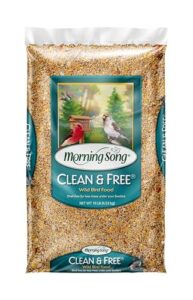
Clean Wild Bird Seed Mix delivers on its promise if you’re tired of dealing with scattered shells and feeder debris. This no-mess blend relies on hulled sunflower chips, peanuts, and canary seed—all edible ingredients that reduce waste by up to 70% compared to standard mixes.
You’ll appreciate the tidy setup for patios and windows, plus improved feeder maintenance and seed storage become simpler when there’s no shell buildup.
Bird nutrition stays solid with protein-packed peanuts supporting healthy plumage, while seed purity helps minimize mold risk in your wildlife-friendly gardens.
Best For: Backyard birdwatchers who want to attract cardinals, finches, and chickadees without dealing with messy shells on patios, decks, or near windows.
| Weight | 10 pounds |
|---|---|
| Brand | Morning Song |
| Form | Shell-Free Blend |
| Age Range | Not Specified |
| Primary Ingredient | Sunflower Chips |
| Fruit Content | Not Included |
| Additional Features |
|
- No-shell formula cuts cleanup time and feeder mess by up to 70% compared to traditional birdseed mixes
- High-energy ingredients like sunflower chips and peanuts provide solid nutrition for a wide variety of songbirds
- Works well in multiple feeder types—tube, tray, hopper, and platform setups all handle this blend easily
- Higher millet content may attract more sparrows and less desirable birds than premium blends
- Some users report the mix can still be messy despite the no-shell claim, especially in windy conditions
- Price runs about $1.80 per pound, which is steep if you’re filling multiple feeders regularly
5. Wild Bird Food Supreme Blend
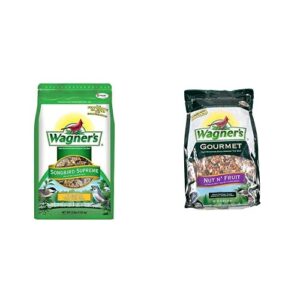
Wild Bird Food Premium Blend brings together the best of bird nutrition and seed quality—you’ll notice a 12-20% jump in feeder activity once insectivorous species discover this mix. The blend combines premium sunflower, safflower, and real fruit pieces that support year-round bird feeding without fillers.
It’s particularly effective during migration when energy demands spike.
For feeding tips, pair this Premium Blend with platform feeders to boost bird attraction, and you’ll see cardinals, grosbeaks, and woodpeckers become regular visitors to your setup.
Best For: Backyard birders who want to attract a wide variety of songbirds year-round while providing high-energy nutrition during peak migration seasons.
| Weight | 13 pounds |
|---|---|
| Brand | Wagner’s |
| Form | Seeds |
| Age Range | Not Specified |
| Primary Ingredient | Sunflower |
| Fruit Content | Included |
| Additional Features |
|
- Filler-free blend with 50% sunflower seeds and nutrient-rich fruit pieces delivers higher caloric density and attracts 12-20% more bird species than standard mixes
- Made in the USA with soy-free and wheat-free ingredients, reducing mold risk and spoilage while supporting birds with specific dietary needs
- Versatile feeding options work in tube, hopper, or platform feeders with minimal waste, making it suitable for decks, porches, and patios
- The 13-pound bundle may be excessive for small feeding areas or casual birders who don’t maintain multiple feeders
- Price point of $28.96 could be steep for budget-conscious buyers, especially compared to basic seed-only options
- Requires adequate storage space to keep the large quantity fresh and protected from moisture and pests
Tips for Attracting More Birds With Fruit Seeds
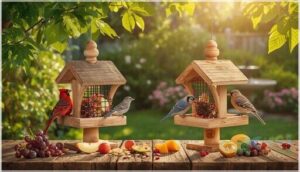
Getting birds to visit your feeders takes more than just tossing out some seeds and hoping for the best. You need to think about what different species actually want, how to make your yard feel safe and welcoming, and how to keep those persistent squirrels from raiding the buffet.
Here’s what works to bring more feathered friends to your feeding station.
Offering Variety to Cater to Bird Preferences
Think of your feeder as a buffet—the wider the spread, the more guests show up. Bird diet diversity matters because seed preference varies dramatically: cardinals favor safflower at rates 25–30% higher than sunflower alone, while goldfinches flock to nyjer with about 40% greater frequency. Smart feeding strategies mean nutrient balance for year-round avian attraction.
- Mix sunflower, safflower, and nyjer to cover 60% of common backyard bird preferences
- Rotate high-fat blends seasonally—winter birds consume 25–30% more energy-dense seeds
- Offer protein-rich options (14–20% protein) during molt and nesting periods
- Layer fruit-seed combinations to support wild birds’ shifting nutritional needs throughout migration
Creating a Bird-Friendly Feeding Environment
You’ll see more wings at your feeder when you get bird feeder placement right—5–10 feet from cover draws nervous species without inviting ambush.
Seed mix diversity keeps the buffet interesting, while feeding area maintenance every 1–2 weeks cuts disease risk by 40–60%.
Add native plants for yard habitat creation, and you’ve built a wildlife-friendly garden that sustains backyard bird feeding year-round through natural shelter and food.
Preventing Squirrel and Pest Intrusion
Under the shade of your Wildlife Friendly Gardens, Squirrel Proofing matters. Position Bird Feeders away from jump-off points and use baffles for effective Seed Protection.
For Pest Control, airtight containers limit spoilage and unwelcome guests. Offer squirrel food elsewhere—think of it as Wildlife Management with a wink.
A well-managed Feeding Environment keeps your bird seed for the birds, not the bandits.
Frequently Asked Questions (FAQs)
How often should fruit seed feeders be cleaned?
You should clean your feeder every one to two weeks during peak bird activity.
Weekly cleaning reduces microbial buildup by around 60%, preventing mold and keeping your feeding environment healthy for visiting songbirds.
Do fruit seeds attract unwanted pests or insects?
Yes, fruit seeds can draw small rodents, fruit flies, and ants—especially when sugar content is high or spills accumulate. Regular bird feeder hygiene and proper fruit seed storage cut pest activity by roughly 40%.
Whats the shelf life of fruit seed blends?
Most fruit seed blends stay fresh for six to twelve months when stored properly.
High-fat ingredients like nuts can turn rancid faster, especially in warm, humid conditions—so airtight containers really matter.
Are fruit seeds safe for baby birds?
Baby birds face serious risks from certain fruit seeds. Apple, cherry, and peach seeds release cyanide when crushed—even small amounts can harm nestlings.
Stick to specialized formulas or safe, balanced seed blends instead.
Conclusion
Think of your feeder as a miniature habitat where every seed choice echoes through the ecosystem. You’ve learned which fruit seed for birds fuels flight and which invites harm—now your feeders become sanctuaries instead of risk zones.
Stock them with safflower, sunflower, and nutrient-dense blends that mirror what nature provides. Watch cardinals thrive, finches flourish, and chickadees return season after season, knowing you’ve mastered the art of safe, purposeful feeding.
- https://www.sciencedirect.com/science/article/pii/S0749208123000268
- https://michaelbjorkwrites.com/2019/09/26/story-themes-list-ideas-for-your-novel/
- https://library.fiveable.me/key-terms/reporting-in-depth/subtopics
- https://dictionary.cambridge.org/dictionary/english/subtopic
- https://www.britannica.com/dictionary/subtopic