This site is supported by our readers. We may earn a commission, at no cost to you, if you purchase through links.
 You might expect all wild birds to live fleeting lives, darting through the seasons and disappearing before you get to know their songs. But some birds—like the stately albatross—clock decades soaring over oceans, outlasting most family dogs, and even a few humans.
Behind each bird’s lifespan lies a tug-of-war between heart-pounding days, hungry nights, and a world that never stops changing. If you want to understand how long wild birds live, it helps to see what shapes their years, their challenges, and their quiet victories hidden in the branches overhead.
Table Of Contents
- Key Takeaways
- Wild Bird Lifespan Overview
- How Long Wild Birds Live
- Bird Size and Lifespan
- Factors Affecting Lifespan
- Environmental Influences
- Captivity Vs Wild Lifespan
- Longevity Records and Research
- Helping Wild Birds Live Longer
- Frequently Asked Questions (FAQs)
- How long do small birds live?
- How long do birds live in a zoo?
- How long do wild birds live?
- How long does a bird live in a yard?
- How old can a wild bird get?
- What birds have a long life span?
- How long do birds live in the wild?
- How long do medium sized birds live?
- How long do common wild birds live?
- What is the lifespan of a backyard bird?
- Conclusion
Key Takeaways
- Wild bird lifespans vary widely by species and size, with small songbirds averaging just 2–5 years and larger birds like albatrosses or eagles living up to 70 years or more.
- Body size, habitat quality, and food availability all play major roles in determining how long a wild bird survives.
- Risks like disease, predation, and harsh environmental conditions keep most wild bird lives short, especially for hatchlings and juveniles.
- Birds living in captivity or under conservation care often outlive their wild counterparts by decades, thanks to safer environments and better food and health support.
Wild Bird Lifespan Overview
Wild birds come in all shapes and sizes, and not all of them stick around for the same amount of time. Their lifespan depends a lot on their species and where they live.
Let’s take a closer look at what really shapes how long these birds get to enjoy the wild.
Average Lifespan Variability
How long do wild birds really live? It all depends on species lifespan ranges, shaped by ecological conditions and species-specific traits. For instance, passerines average just a couple of years, while some birds far outlive their peers.
Environmental factors, from food to predators, drive dramatic lifespan variations, with mortality rates and maximum recorded ages revealing just how much the wild can shape survival. Body size can be a factor, with larger species live longer.
Species Size Impact
The impact of size on lifespan in birds is unmistakable. Large bird species, with slower metabolic rates and greater brain size, reap the benefits of metabolic scaling—living decades longer than their tiny cousins. Hummingbirds rarely outlast five years, while albatrosses and big gulls can span generations.
These size vs. longevity patterns reflect deep evolutionary strategies, boosting survival rates for heavyweight, big-brained birds in challenging environments. Furthermore, tropical birds often exhibit higher survival rates.
Habitat Influence
Just as size shapes a bird’s years, where a bird makes its home sets the stage for its chances. Urban birds face steeper odds—collisions, chronic stress, and pollution are part of city life. In contrast, forest habitats offer both safety and richer food sources.
When habitat fragmentation, quality loss, or climate-driven changes hit, resource scarcity and human-induced habitat degradation chip away at wild birds’ lifespan and resilience.
How Long Wild Birds Live

When you think about the lifespan of birds in the wild, there’s no one-size-fits-all answer. Wild birds face Environmental Stressors every day—everything from disease to hungry predators. On average, Bird longevity is shaped by their survival tactics and surroundings. Think about these key factors:
- Urban Bird Lifespan rises, with some city species living 20% longer
- Migration Impact cuts years off many travelers’ lives
- Average Bird Longevity hinges on reaching adulthood
- Conservation Success stories mean some birds now outlive their wild ancestors
Every life in the sky is a balancing act.
Bird Size and Lifespan
Bird size makes a huge difference in how long a wild bird is likely to live. Smaller birds don’t stick around as long, while the bigger ones are built for the long haul.
Here’s how lifespan shapes up, from the tiniest songbirds to the giants of the sky.
Small Bird Lifespan
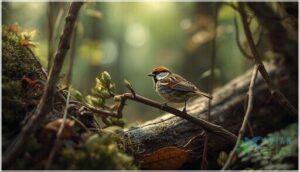
Ever wondered why you rarely see an old sparrow? The small bird lifespan is shaped by a race against time—fast growth, constant alertness, and serious predation effects mean most wild finches and sparrows live just two to five years.
Juvenile survival rates can be brutal, with climate change and habitat loss adding to the pressure. High metabolic rates drive these birds to “live fast, die young,” and though a few reach a decade or more, environmental influences and continual predation risks keep most lives short and hurried.
Medium Bird Lifespan
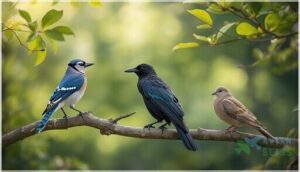
Most medium-sized birds enjoy an enviable middle ground: not too small to be easy prey, yet not so large their needs become a burden. Their lifespans, often ranging from 5 to 15 years, reflect a careful dance between survival rates and a variety of ecological factors. Predation, food supply, and changing habitats all shape who thrives and who fades fast.
Three standout examples:
- Blue Jays can surpass 15 years if well-protected, though the usual tale is a 7-year life.
- Crows, famous for their smarts, reach an average 8 years but outliers may top 30.
- Mourning and collared doves rarely beat 5 years, while mockingbirds can surprise with maximum longevity up to 20.
Comparing species reveals just how much habitat quality, environmental challenges, and mortality causes drive these subtle age differences.
Large Bird Lifespan

Few animals rival large wild birds when it comes to longevity. With Eagle Lifespans nearing 30 years, and Condor Longevity stretching well past 50, these species show how slower metabolisms and sturdy bodies prolong life. Albatross Survival is legendary—one Laysan albatross has passed age 74. Even Frigatebird Aging impresses, with banded birds exceeding 40 years. Though environmental Factors affecting bird lifespan—like Vulture Threats—remain constant, their avian longevity stands as a symbol of resilience.
Large wild birds like eagles, condors, and albatrosses can live for decades, their impressive longevity a testament to endurance and resilience
| Species | Common Name | Typical Wild Lifespan |
|---|---|---|
| ———-: | : | |
| —————: | : | |
| ——————— | ||
| Condor | Andean/California | 50+ years |
| Albatross | Laysan/Wandering | 40–70+ years |
| Eagle | Bald/Golden | 15–30 years |
| Frigatebird | Great/ | 30–44 years |
| Vulture | Old World/New World | 20–40 years |
Factors Affecting Lifespan

Many things shape how long a bird lives, from the inside out and the world around it. Each factor tells its own story about what helps or hurts survival.
Let’s break down the big ones that make the most difference.
Metabolism Impact
Imagine a bird’s life as a candle burning at different speeds. A wild bird’s metabolic rate acts as a throttle for aging—tiny songbirds and hummingbirds race through life with higher metabolism rates, which means faster energy expenditure and more oxidative stress.
Here’s how metabolism impacts lifespan:
- Rapid metabolic rates shorten life.
- Elevated glucose levels add strain.
- Genetic mechanisms buffer some effects.
Disease Effects
Disease isn’t just a hazard—it’s a main player in wild bird mortality, swiftly slashing lifespans long before old age sets in. Once a virus or bacteria hits a vulnerable flock, transmission dynamics can trigger sudden population declines—especially in species already facing habitat pressures. Some birds have stronger disease resistance tucked in their immune systems, but persistent disease threats like avian pox and salmonella keep their lifespan at risk.
- Fast-spreading outbreaks devastate populations
- Some species show higher susceptibility
- Mortality rates soar during epidemics
- Disease spread speeds up at feeders
- Weakened immunity worsens disease effects
Injury and Predation
Every wild bird walks a tightrope between injury and predation. Predation rates soar for nestlings and fledglings—especially where urbanization squeezes habitats, boosting urban raptors and free-roaming cats.
Human impact is everywhere: building collisions, vehicles, and tangled migration risks cost millions of bird lives yearly.
While some birds show impressive injury recovery, severe wounds often spell doom, making injury and predation leading drivers of avian mortality.
Environmental Influences

Where birds live shapes nearly everything about how long they’ll survive. Whether it’s safe shelter, enough food, or unpredictable weather, every corner of their environment matters.
Let’s take a closer look at the key conditions that play a role.
Habitat Quality Impact
Step into any wild space and you’ll see how much habitat quality shapes bird survival. Natural habitats with mature forest structure or diverse wetlands give birds the space and stability to thrive, often supporting longer lives.
When urbanization fragments land and brings pollution, birds face greater stress, steeper reproductive costs, and higher risks. That’s why environmental conditions and thoughtful land management matter so much for their longevity.
Food Availability Effects
When the land offers rich natural food sources, birds can meet their nutritional needs and enjoy longer, healthier lives. But as habitats become depleted or fragmented, food scarcity becomes more common, forcing hungry birds into tough choices.
Nutritional scarcity leads not just to hunger, but to weaker immune defenses and higher stress. Some birds make feeding adjustments—switching diets or joining mixed-species flocks—while early-life nutrition plays a powerful role in shaping future survival.
Supplementary feeding helps, but nothing beats stable, diverse diets and a healthy habitat for longevity.
Climate Influence
When climate change comes knocking, birds feel it first through heat stress and rainfall shifts. These climate factors can cause accelerated ageing, force range shifts, and bump up extinction risk—no wonder so many species are struggling. Here’s how climate influence on birds plays out:
- More heat extremes shorten lives
- Dry seasons impact survival rates
- Sudden rainfall shifts disrupt habitats
- Environmental conditions drive populations to the brink
Captivity Vs Wild Lifespan
When birds live in captivity, their lives can look very different from those in the wild. The setup and care they receive make a big impact on how long they stick around.
Here’s what you can expect from different types of enclosures.
Zoo Bird Lifespan
Did you know some captive birds outlive their wild relatives by decades? The zoo bird lifespan proves just how much captivity benefits our feathered friends. Protected from predators and given top-tier care, captive birds—thanks to modern husbandry effects and proper nutrition—often live dramatically longer.
Consider these longevity records:
| Species | Wild Lifespan | Zoo Lifespan |
|---|---|---|
| House Sparrow | 3 years | 23 years |
| Northern Cardinal | 3 years | 22 years |
| Canada Goose | 12 years | 33 years |
| Salmon-crested Cockatoo | 40 years | 92 years |
Careful data collection reveals the lifespan of birds in captivity often triples, showcasing powerful health impacts and the benefits of dedicated care.
Protected Species Longevity
When you look at protected species longevity, conservation efforts truly tip the scales for birds on the brink. Thanks to targeted programs, captive parrot longevity and raptor lifespan benefits are more than numbers—they represent real survival gains. Strong habitat quality, managed food availability, and reduced threats lift seabird protected lifespan far beyond that of unprotected peers. For endangered parrots, every extra year is an affirmation of how strategy and care change outcomes.
| Conservation Action | Longevity Impact |
|---|---|
| Habitat Quality | Boosts survival rates |
| Food Availability | Prolongs lifespan |
| Predator Control | Reduces mortality |
| Disease Management | Increases survival |
| Conservation Program Gains | Breaks longevity records |
With each year, it’s clear: hands-on management means birds live longer, healthier lives.
Captive Care Benefits
Because captive care benefits stack up, captive birds enjoy a level of security rarely matched in the wild. Zoos deliver consistent diet optimization and swift veterinary advancements that curb disease. Creative enrichment programs nurture healthy behavior, while breeding success and managed genetic diversity secure population resilience. Remove predators, regulate environments, and you’ve got the perfect recipe for longer lives.
| Challenge | Solution in Captivity | Lasting Benefit |
|---|---|---|
| Food scarcity | Diet Optimization | Steady health, fewer maladies |
| Disease outbreaks | Veterinary Advancements | Lowered mortality, early care |
| Boredom, stress | Enrichment Programs | Stable minds, vibrant flocks |
| Breeding failures | Breeding Success | Vigorous, thriving next-gen |
| Inbreeding risk | Genetic Diversity | Stronger, adaptable birds |
Longevity Records and Research

Some wild birds are famous for their record-breaking ages, but what does it really take to verify those claims? Researchers use a few different methods to track just how long birds can live.
Let’s take a closer look at the ways scientists study bird longevity and what helps birds beat the odds.
Verified Longevity Claims
If you think wild bird lifespans are mostly guesswork, think again—record verification for longevity outliers like Wisdom the Laysan Albatross shows just how far we’ve come in tracking wild birds. Thanks to decades of banding studies, her age—over 70 years—is a verified longevity claim that sets her apart.
Still, with banding limitations and tricky data accuracy, many species comparisons hinge on rare, well-documented cases rather than broad, easy findings.
Aging Methods and Challenges
How do you truly tell a bird’s age? Bird age determination isn’t as simple as counting tree rings. Physical aging clues—like feather patterns or skull changes—help, but results aren’t always clear. Molecular techniques add insight, though they’re not yet universal. Banding studies are essential, but banding limitations make every confirmed age a small victory. Here’s what researchers navigate:
- Tricky molt patterns and subtle color shifts
- Unreliable recapture rates in the wild
- Challenges matching average versus maximum lifespans
- Fragile data from tiny blood samples
- The constant push for methodological refinements
That’s what makes bird aging both fascinating and complex.
Conservation Efforts Importance
Ever wonder what really tips the scales for wild birds’ lifespans? Conservation efforts are important—every action from habitat preservation to reducing threats has an impact.
Think about it: community involvement helps shore up nesting sites, while policy changes and funding needs determine how fast we can react to environmental threats.
When bird conservation efforts target habitat quality and keep invasive species at bay, birds get a fighting chance to reach their natural potential. It’s a team effort—and the stakes couldn’t be higher.
Helping Wild Birds Live Longer
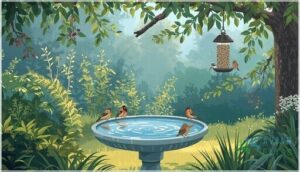
Protecting wild birds isn’t as complicated as it might seem. There are simple steps you can take right in your own backyard.
Let’s look at some easy ways to create safer spaces for them.
Reducing Collision Risks
Imagine your windows like invisible walls—dangerous, unless you step in. By choosing BirdFriendly Glass or adding glazing patterns and decals, you can cut bird collisions dramatically, even in busy urban environments.
Turning off extra lights at night (lighting reduction) helps keep migrating birds on course instead of circling confused. If you’re upgrading any building design, consider features that prioritize birds, too.
Urban policy and public awareness campaigns also play a role, ensuring solutions like powerline modifications reach beyond individual homes and save more feathered lives.
Providing Safe Habitats
After making windows safer for birds, your next step is to nurture the places they call home. Providing safe habitats means looking out for both big flocks and loners, right in your backyard or community. Native planting brings life to the landscape, creating natural habitats that boost food availability year-round. It’s about more than just shelter—think thick shrubs for safe nesting, protected feeders, and chemical-free corners to keep water sources clean. Even simple predator control, like baffles or keeping cats indoors, pays off. When habitat restoration takes root, you’ll notice more species visiting, and those birds will have higher chances of thriving despite habitat degradation elsewhere.
- Plant native shrubs and trees for natural cover
- Install predator guards on feeders and nest boxes
- Keep yards pesticide-free and add fresh water sources
Minimizing Human Interference
After you’ve created inviting habitats, your next move is minimizing human interference—a subtle yet powerful way to help birds live longer. Limit noise and outdoor lighting, especially during migration, to reduce confusion and collisions. Keep cats indoors and skip pesticides to lessen environmental threats and pollution.
If you’re out enjoying wild spaces, Recreation Regulation—like keeping distance and avoiding nests—matters just as much as planting shrubs. Managing light, sound, and activity means even busy urban environments can become safer havens for wildlife.
Frequently Asked Questions (FAQs)
How long do small birds live?
Blink and they’re gone—small wild birds like sparrows and wrens rarely make it past 2-5 years.
High metabolic rate, predation risks, habitat quality, food scarcity, and climate change all keep their lifespans short.
How long do birds live in a zoo?
Birds in zoos can live decades longer than in the wild. With specialized veterinary care, balanced diets, and enriched habitats, captive parrots may top 80 years, while flamingos and condors often surpass 60—showcasing genetics and longevity in action.
How long do wild birds live?
It’s a common theory that wild birds live long, comfortable lives, but the reality is starker.
The average lifespan for wild birds is just 2–5 years, shaped by species variations, environmental threats, predation impact, and habitat quality.
How long does a bird live in a yard?
In your yard, birds like chickadees and sparrows often average just 2 to 5 years, although some can live much longer.
Urban habitat impact, backyard hazard reduction, and adding native plants or water sources really boost their chances.
How old can a wild bird get?
Regarding Maximum Bird Age, wild birds can truly surprise you—species like albatrosses have Longevity records reaching 70 years, while smaller songbirds rarely top
Longevity Verification relies on tracking, revealing striking Species Variation and rare unusual Cases.
What birds have a long life span?
Imagine the vast ocean, home to the albatross—these wild birds can live over 70 years.
Eagles and cranes often surpass 30 years, and parrots set longevity records.
Albatross longevity, parrot lifespan, and eagle longevity truly impress.
How long do birds live in the wild?
Wild birds face big swings in lifespan—tiny songbirds average just 2–5 years, while larger species like eagles or albatrosses can top 20 years.
Environmental influences—predation, habitat, disease effects, and metabolic factors—all play powerful roles.
How long do medium sized birds live?
When you look at medium bird lifespan, like robins or crows, you’ll usually see 5–8 years in the wild.
Species size impact, Dietary Needs, and environmental influences on birds—like Habitat Loss or urban adaptation—shape these numbers.
How long do common wild birds live?
Tucked between wily squirrels and busy garden paths, common wild birds like sparrows survive about three years, while robins stretch up to five.
Blue jays average seven, and crows, clever as ever, can reach eight in urban backyards.
What is the lifespan of a backyard bird?
Backyard birds, like sparrows and wrens, often live just two to five years due to backyard bird threats and changing habitats.
Larger species such as crows or blue jays can enjoy suburban bird longevity up to eight years.
Conclusion
If wild birds clocked birthdays, some would need a cake the size of a mountain. Wild lives are more than numbers—they’re stories of luck, resilience, and choices shaped by storm or sunshine.
Knowing how long wild birds live gives you a window into a world where every year is fought for, not promised.
Your smallest effort—a clean feeder, a patch of native flowers—helps write their next chapter, one fragile life at a time.
- https://www.birdwatchingdaily.com/beginners/birding-faq/what-bird-lives-the-longest/
- https://betterwithbirds.com/blogs/bird-identification/how-long-do-birds-live
- https://www.pwrc.usgs.gov/BBL/longevity/longvrec.php
- https://abcbirds.org/wild-bird-longevity-records/
- https://pmc.ncbi.nlm.nih.gov/articles/PMC4043093/