This site is supported by our readers. We may earn a commission, at no cost to you, if you purchase through links.
That sparkling bird bath you installed last spring? It’s probably hosting a science experiment by now. Green slime creeps up the sides, mosquito larvae wriggle beneath the surface, and the neighborhood robins have started giving it suspicious side-eye before flying off to find cleaner digs.
A dirty bird bath doesn’t just look unpleasant—it becomes a breeding ground for bacteria, parasites, and diseases that spread rapidly among your feathered visitors.
The good news is that learning how to clean a bird bath takes less time than your morning coffee routine, and it’s the single most effective way to keep your backyard birds healthy and coming back for more. With the right supplies and a simple weekly habit, you’ll transform that murky puddle into a sparkling oasis that attracts more species than you ever thought possible.
Table Of Contents
- Key Takeaways
- Why Clean Your Bird Bath Regularly
- Essential Supplies for Cleaning a Bird Bath
- Step-by-Step Guide to Cleaning a Bird Bath
- Preventing Algae and Keeping Water Fresh
- Top 8 Products for Bird Bath Cleaning
- Frequently Asked Questions (FAQs)
- What’s the best thing to clean a bird bath with?
- Do copper pennies keep bird baths clean?
- How to clean a bird bath without scrubbing?
- How often should I clean my birdbath?
- Can you use vinegar to clean a bird bath?
- How often should you clean a bird bath?
- How do you clean a birdbath?
- Can You Wash a bird bath with bleach?
- What is the best solution to clean a bird bath?
- Can I use Dawn to clean a bird bath?
- Conclusion
Key Takeaways
- Dirty bird baths spread diseases like Salmonella and trichomonosis to dozens of birds within days, making regular cleaning your most effective tool for protecting local wildlife health.
- Clean your bird bath every two to three days in mild weather and daily during summer heat, using a simple vinegar solution (one part vinegar to nine parts water) that kills germs without leaving toxic residue.
- Moving water from fountains or agitators prevents mosquito breeding and slows algae growth while attracting more bird species than still water ever will.
- Always wear rubber gloves when scrubbing to protect yourself from over 60 diseases found in bird droppings, and rinse thoroughly until no cleaning solution smell remains before refilling.
Why Clean Your Bird Bath Regularly
That crystal-clear water in your bird bath won’t stay fresh for long, and what looks harmless to you can quickly become a health hazard for your feathered visitors. Birds depend on clean water sources for drinking and bathing, but a neglected bird bath turns into a breeding ground for problems that affect both wildlife and your backyard environment.
Regular cleaning becomes even more important when you’ve followed proper bird bath placement to avoid predators, since safe locations still require vigilant maintenance to prevent disease.
Here’s why keeping your bird bath spotless isn’t just good practice—it’s essential for the birds you’re trying to help.
Health Risks of Dirty Bird Baths
A neglected bath becomes a silent hazard to your feathered visitors. When you skip cleaning, you’re risking bird health through several waterborne illnesses:
- Bacterial infections like Salmonella and E. coli multiply in stagnant water, causing lethargy and diarrhea in birds.
- Avian diseases including trichomonosis spread through contaminated water, creating throat lesions.
- Mosquito risks increase as larvae thrive, potentially transmitting West Nile virus.
- Parasite control becomes critical since Trichomonas parasites survive in warm, dirty water for hours.
Regular bird bath maintenance protects water quality and prevents the spread of disease among local flocks.
Disease prevention is highlighted in clean birdbaths guidance as an essential part of keeping backyard birds safe.
Preventing Algae and Mosquitoes
Those same hazards extend to algae and mosquitoes—two problems that spiral quickly without pond management and regular outdoor maintenance.
Algae control means changing water every two to three days, since warm, still conditions fuel blooms. Mosquito prevention works best with water movement from fountains or wigglers, breaking the surface mosquitoes need for laying eggs.
| Problem | Prevention Method | Frequency |
|---|---|---|
| Green algae film | Empty and scrub basin | Every 2-3 days |
| Mosquito larvae | Add fountain or agitator | Daily circulation |
| Stagnant water risks | Full water replacement | Every 2-3 days |
| Summer breeding spikes | Place in partial shade | Adjust placement once |
Consistent bird bath maintenance protects bird safety while keeping your yard welcoming.
Choosing the right bird bath design features can help further reduce maintenance needs and attract more wildlife.
Attracting More Birds to Your Yard
Beyond preventing pests, a consistently clean bath becomes one of the most effective wildlife water sources for attracting birds that won’t visit feeders. Fresh water at the ideal depth of 1 to 2 inches, paired with moving water features and safe placement near native plants, turns your yard into a bird-friendly destination. That appeal carries through winter when natural sources freeze, making your maintained bath critical for bird health and safety year-round.
- Shallow, clear water invites species that skip seed feeders entirely
- Moving water from drippers catches attention from passing flocks
- Scrubbed surfaces give birds confident footing they trust daily
- Strategic placement near cover balances safety with open sightlines
- Year-round access teaches local birds your yard is reliable
Preventing Disease Spread Among Birds
When birds crowd around contaminated water, disease transmission accelerates quickly through your backyard flock.
Salmonellosis outbreaks linked to dirty baths can spread from one infected finch to dozens of healthy visitors within days, making water sanitation your frontline defense.
Regular scrubbing removes droppings and biofilm where pathogens thrive, protecting avian hygiene and safeguarding bird health through proper pathogen control and cleaning routines.
Essential Supplies for Cleaning a Bird Bath
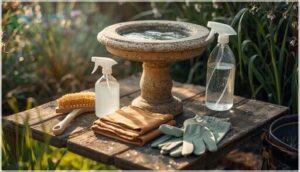
Before you tackle a dirty bird bath, you’ll want to gather a few basic supplies to get the job done safely and effectively. Having the right tools on hand protects both you and the birds who rely on clean water.
Here’s what you need to keep your bird bath in top shape.
Rubber Gloves and Their Importance
Rubber gloves are your first line of defense when cleaning a bird bath. They protect your hands from over 60 diseases found in bird droppings, including Salmonella and E. coli, while shielding skin from diluted bleach solutions.
Rubber gloves protect your hands from over 60 diseases in bird droppings, including Salmonella and E. coli
Choose durable cleaning gloves with chemical resistance and textured grip—nitrile or heavy-duty PVC materials work best for birdsafe cleaning and long-term use.
Choosing The Right Scrub Brush
A scrub brush with soft nylon or sturdy plastic bristles removes algae without scratching ceramic, stone, or concrete surfaces. Choose a compact brush head for tight curves or a wider head for large basins—both guarantee thorough cleaning.
Long shafts let you reach deep pedestal baths comfortably, while ergonomic grips reduce hand fatigue during regular maintenance sessions.
Safe Cleaning Solutions for Birds
White vinegar solutions—one part vinegar solution to nine parts water—work as natural disinfectants that break down mineral deposits and organic slime without leaving harmful residues.
You can also use baking soda as a gentle abrasive for scrubbing or hydrogen peroxide mixed equally with water to kill bacteria. Enzyme cleaners targeting organic buildup offer another safe bird bath cleaning option, preventing algae growth while protecting feathers.
Tools for Rinsing and Drying
After you scrub away grime with your cleaning solution, you need the right gear to rinse and dry the basin thoroughly before you refill it.
- Hose Nozzle Tips — An adjustable nozzle switches from gentle shower to jet spray, blasting stubborn algae without damaging surfaces.
- Watering Wand Uses — Extended reach lets you rinse deep basins without leaning over.
- Bucket Rinsing — Pour clean water when hoses aren’t available.
- Towel Drying and Air Drying Benefits — Microfiber towels absorb moisture quickly, while sunlight naturally disinfects surfaces.
Items to Avoid for Bird Safety
Many household products seem harmless but pose serious Pesticide Risks and toxicity concerns. Never use Harsh Chemicals like chlorine bleach, ammonia-based cleaners, or scented disinfectants—they leave residues birds ingest while drinking.
Skip Toxic Metals such as galvanized containers that leach zinc, and avoid Unsafe Coatings from old paint or sealants.
Fragrant Products and pesticides drift into water, harming bird hygiene and spreading disease faster than algae ever could.
Step-by-Step Guide to Cleaning a Bird Bath
Cleaning your bird bath doesn’t have to be complicated, but doing it right makes all the difference for the birds that depend on it. The process takes just a few minutes and follows a simple pattern you’ll quickly get comfortable with.
Here’s exactly how to clean your bird bath from start to finish, keeping your feathered visitors healthy and happy.
Removing Water and Loose Debris
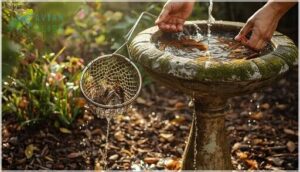
Before you lift a single scrub brush, start by tipping your basin to drain all standing water onto ornamental soil—not near edibles or storm drains.
Then scoop out leaves, twigs, feathers, and droppings by hand or with a small net so they don’t clog the bowl later.
Preparing and Applying Cleaning Solutions
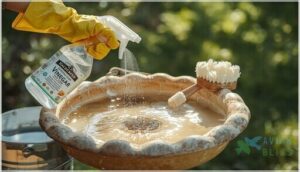
Once the basin is clear, mix your chosen cleaning solution in a separate bucket or marked spray bottle. For routine grime, blend 1 part distilled white vinegar to 9 parts water. If algae cling stubbornly, try a 10 percent bleach solution instead—1 part unscented bleach to 9 parts water.
- Pour or spray the solution evenly across all interior surfaces.
- Let vinegar mixtures sit 10 to 15 minutes to loosen mineral films.
- Keep bleach solution on surfaces no longer than 5 minutes.
- Work outdoors to avoid inhaling fumes during application.
- Never use full-strength products; proper ratios protect birds and materials.
Scrubbing Away Algae and Stains
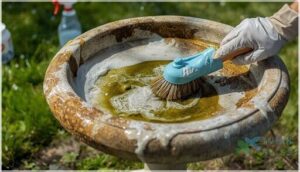
After your solution has loosened biofilm and mineral deposits, grab your scrub brush and begin working in firm circular motions. Start at the center and move toward the rim, pushing algae slime outward instead of spreading it back over clean areas. Don’t forget the outer rim and pedestal—dried droppings there harbor bacteria even when water looks clear.
| Basin Material | Best Brush Type | Scrubbing Approach |
|---|---|---|
| Glazed ceramic or plastic | Soft bristle brush | Light pressure, circular motions |
| Concrete or stone | Stiff plastic bristles | Firm pressure, multiple passes |
| Glass or metal | Soft cloth or sponge | Gentle wipes, minimal abrasion |
| Textured or decorative | Small angled brush | Target grooves and ridges carefully |
For stubborn brown stains, make a paste from baking soda and water, apply it to discolored spots, and let it sit for about 10 minutes before scrubbing. The mild abrasion brightens concrete safely without harsh chemicals. On older algae rings that won’t budge, repeat your scrub-and-soak cycle two or three times—patience wins over elbow grease when protecting delicate surfaces.
Always wear rubber gloves to shield your hands from droppings and cleaning products. If you’re using bleach on non-porous materials, dilute it properly and work in a well-ventilated outdoor area to avoid fume buildup. Check the basin with your bare hand after scrubbing to feel for rough spots that might catch feathers or injure bird feet.
Thorough Rinsing and Drying Techniques
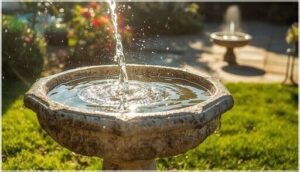
Once you’ve scrubbed away stains, rinse the basin two to three times with a strong hose spray to flush out every trace of vinegar or cleaner—porous stone holds residue in tiny pores. Keep rinsing until water runs clear and no soap smell lingers.
Then let the bath air dry in direct sunlight for 15 to 30 minutes; UV light acts as natural surface disinfection before you refill with fresh water.
Refilling With Fresh, Clean Water
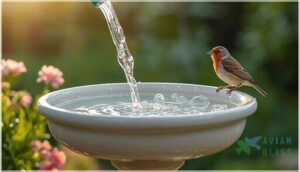
After drying, you’re ready to refill. Fill the basin to 1 to 2 inches—shallow enough for songbirds to wade safely. Use regular tap water; if your supply is heavily chlorinated, let it sit a few hours first or spray it in with a hose nozzle to aerate.
For ideal bird hydration and water quality, follow these fresh refills guidelines:
- Refill every 2 to 3 days in mild weather
- Replace water daily during hot summer months
- Add a few ice cubes on scorching afternoons
- Use lukewarm water in winter if you run a heater
- Keep refill frequency consistent so birds know when clean water is available
Preventing Algae and Keeping Water Fresh
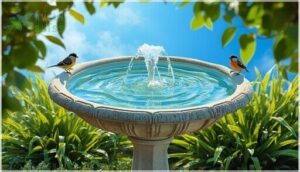
Keeping your bird bath clean is only half the battle—you also need to stop algae from taking over in the first place.
The good news is that a few simple strategies can keep that water sparkling fresh between cleanings.
Here’s how to maintain a healthy bird bath that stays clear and inviting for your feathered visitors.
Importance of Regular Water Changes
You can’t let water sit for more than a day or two if you want to keep your bird bath safe. Fresh water maintenance flushes out droppings and bacteria that threaten bird health, while breaking the mosquito life cycle before eggs hatch.
Regular water changes also control algae by removing cells before they multiply, keeping water quality high and vinegar cleaning sessions easier.
Using Shade to Reduce Algae Growth
You’ll want to move your bird bath into partial shade to slow algae growth dramatically. By filtering strong sunlight, especially during hot afternoon hours, you keep water cooler and algae can’t photosynthesize as fast.
Choose a spot near trees or garden structures that cast dappled shade while still giving birds clear sightlines for safety.
Benefits of Water Agitators and Fountains
A small fountain or agitator transforms your bird bath into a mosquito-proof oasis that birds actually notice. Water circulation disrupts larvae breeding cycles while algae prevention becomes almost automatic—moving water simply won’t let nutrients settle.
Here’s what these outdoor water features deliver:
- Mosquito control without chemicals or daily dumping
- Bird attraction through ripples birds spot from branches
- Cleaner water between scrubbing sessions
- Quieter operation that won’t spook shy species
- Simple setup with battery or solar fountain designs
Safe Use of Cleaning Enzymes and Additives
Enzyme additives work quietly behind the scenes, slowing algae and organic buildup between your regular scrubbing sessions. Look for non-toxic, food-grade formulas that support bird health without introducing harsh chemicals—products labeled safe for all wildlife protect drinking water quality.
You can also add one tablespoon of apple cider vinegar per gallon for gentle, eco-friendly cleaning that birds tolerate well when diluted properly.
Top 8 Products for Bird Bath Cleaning
Having the right tools makes bird bath maintenance easier and safer for both you and your feathered visitors. You don’t need expensive specialty products, just a few reliable items that get the job done without exposing birds to harsh chemicals.
Here are eight products that’ll help you keep your bird bath clean and inviting year-round.
1. Casabella Waterblock Cleaning Gloves
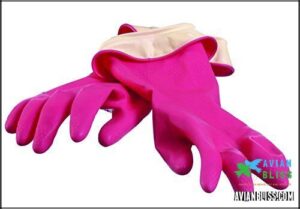
Your hands deserve protection when you’re scrubbing bird droppings and algae from concrete basins. The Casabella Waterblock Cleaning Gloves feature a patented double cuff that catches drips before they run down your arms, keeping sleeves dry during wet work.
Made from natural latex with a soft cotton lining, these gloves offer a textured grip that helps you handle slippery brushes and basins confidently.
They come in multiple sizes and bright colors like hot pink and aqua, making them easy to spot in your cleaning supplies.
| Best For | Anyone who does a lot of wet cleaning work like dishwashing or scrubbing outdoor surfaces and wants to keep their hands and sleeves dry. |
|---|---|
| Material | Plastic |
| Weight | 3.2 ounces |
| Primary Use | Hand protection |
| Dimensions | 13 x 5.5 x 0.5 inches |
| Durability | Reusable |
| Color | Pink |
| Additional Features |
|
- Waterblock cuff actually stops drips from running down your arms
- Textured latex grip makes it easier to hold slippery items
- Cotton lining keeps your hands comfortable during long cleaning sessions
- Runs small, so you might need to size up
- Color can fade if you leave them in the sun
- May not fit well if you have unusually large or small hands
2. Chemical Guys Dilution Spray Bottle
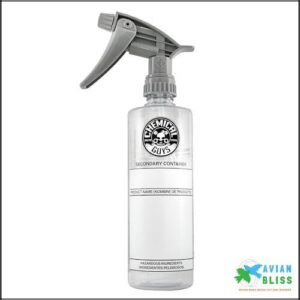
Mixing your own bird-safe cleaning solutions gives you precise control over what touches your feathered visitors’ water source. The Chemical Guys 16-ounce spray bottle features printed dilution ratio charts right on the clear plastic body, so you can quickly prepare a 10:1 water-to-vinegar mix without guesswork.
Its chemical-resistant construction manages repeated use with acidic solutions, while the heavy-duty sprayer switches between mist and stream patterns for targeted application around algae-prone basin edges.
| Best For | Detailing enthusiasts and bird bath owners who want to mix custom-strength cleaning solutions with accurate dilution ratios every time. |
|---|---|
| Material | Plastic |
| Weight | 2.39 ounces |
| Primary Use | Chemical application |
| Dimensions | 3.94 x 6.3 inches |
| Durability | Heavy-duty |
| Color | Clear |
| Additional Features |
|
- Chemical-resistant bottle handles acidic vinegar solutions without degrading over time
- Printed dilution chart eliminates mixing guesswork and saves you from hunting down ratio conversions
- High-output sprayer delivers 1.3 ml per stroke for quick coverage of larger bird bath surfaces
- Bottle neck can crack if you accidentally drop it on hard surfaces
- Sprayer mechanism may fail after months of heavy daily use
- Some users report leaks from the internal straw connection
3. OXO Heavy Duty Scrub Brush
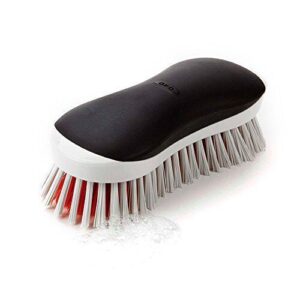
Once you’ve applied your cleaning solution, you need a brush that won’t quit. The OXO Heavy Duty Scrub Brush brings stiff nylon bristles that break through algae films and mineral deposits clinging to concrete or ceramic basins without damaging the surface.
Its 7-inch rectangular head covers large areas quickly, while the soft, non-slip handle fits comfortably in your palm even when wet. The low-profile design keeps your hand close to the work, giving you better control on stubborn grime.
| Best For | People who need to scrub away tough algae, mildew, and soap scum from tubs, tile, and concrete surfaces without wearing out their hands. |
|---|---|
| Material | Plastic |
| Weight | 6.4 ounces |
| Primary Use | Scrubbing surfaces |
| Dimensions | 7 x 2.25 x 7 inches |
| Durability | Tough bristles |
| Color | White |
| Additional Features |
|
- Stiff nylon bristles cut through stubborn grime and mineral deposits without scratching surfaces
- Large 7-inch head covers more area in less time, speeding up big cleaning jobs
- Ergonomic non-slip handle stays comfortable even during long scrubbing sessions, making it easier for people with arthritis or hand pain
- Bristles might be too soft for extremely rough jobs like cleaning heavily soiled rubber mats
- Tough bristles can be too aggressive for delicate surfaces that scratch easily
- Handle size may feel bulky if you have smaller hands
4. Arm And Hammer Baking Soda
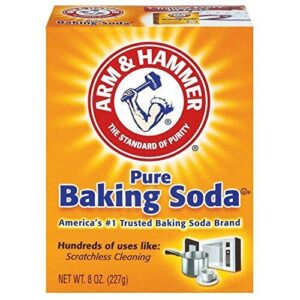
After brushing away the tough grime, you want a gentle abrasive that won’t scratch your basin. Arm and Hammer Baking Soda offers exactly that—a 100 percent sodium bicarbonate powder with no fragrances or dyes that could harm visiting birds.
Sprinkle it over damp surfaces, scrub with your brush, then rinse thoroughly with a hose. Because it dissolves easily and leaves no oily film, you’ll remove stuck-on droppings and algae while keeping the bath safe for your feathered neighbors to drink from immediately.
| Best For | Bird bath owners who need a safe, non-toxic cleaner that removes algae and droppings without leaving harmful residue. |
|---|---|
| Material | Powder |
| Weight | 0.5 pounds |
| Primary Use | Cleaning agent |
| Dimensions | Not specified |
| Durability | Stable compound |
| Color | White powder |
| Additional Features |
|
- Pure sodium bicarbonate with no fragrances or dyes that could harm birds
- Gentle abrasive that scrubs away stuck-on grime without scratching surfaces
- Dissolves completely and rinses clean, leaving no film that could contaminate drinking water
- Small 8-ounce box may require frequent repurchasing for regular cleaning
- Packaging can be difficult to keep sealed between uses
- Price and availability vary significantly across different retailers
5. Mademax Solar Bird Bath Fountain Pump
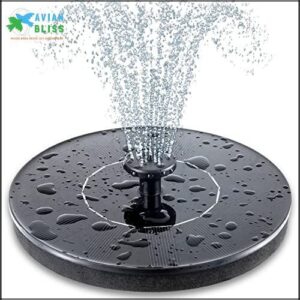
Moving water helps keep your basin from going stagnant water between cleanings.
The Mademax Solar Bird Bath Fountain Pump floats on the surface with a 1.4-watt solar panel that powers a gentle spray in direct sunlight, and you’ll see water movement within seconds. It includes six nozzle heads for different spray patterns, plus foam bumpers that keep the unit centered so water doesn’t splash over the rim.
You’ll need to rinse the intake filter regularly to prevent clogs and maintain steady flow.
| Best For | People who want a simple, maintenance-free way to keep their bird bath water fresh and attract more birds without dealing with electrical cords or batteries. |
|---|---|
| Material | Plastic |
| Weight | 9.6 ounces |
| Primary Use | Water circulation |
| Dimensions | 6.3 x 6.3 x 0.63 inches |
| Durability | Regular cleaning needed |
| Color | Black |
| Additional Features |
|
- Works automatically as soon as sunlight hits the panel—no setup, no wiring, just drop it in and watch it spray
- Comes with six different spray nozzles so you can switch up the fountain pattern based on what looks best in your bird bath
- Keeps water moving and oxygenated, which helps prevent that gross green algae buildup between cleanings
- Only runs when the sun’s shining directly on it, so you won’t get any fountain action on cloudy days or at night
- You’ll need to clean the filter pretty often or the spray gets weak and uneven
- Wind can blow the spray right out of your bird bath, wasting water and leaving you refilling more than you’d like
6. Gorilla Waterproof Sealant Spray
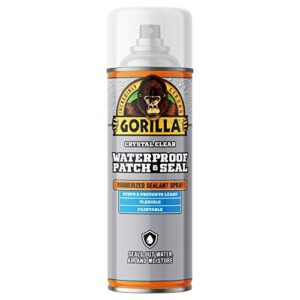
Hairline cracks in concrete or ceramic basins can leak slowly and drain your bird bath overnight. Gorilla Waterproof Patch and Seal Spray creates a flexible rubberized coating that seals small gaps and stops those drips when you spray a thin layer over clean, dry surfaces.
You’ll need to wait 24 hours for the coating to cure fully before refilling the basin, and multiple light coats work better than one heavy pass.
The clear formula resists UV and temperature swings, so your repair holds up through sun and seasonal shifts.
| Best For | People who need to fix small cracks and leaks in bird baths, outdoor fixtures, or DIY projects where water damage is a concern. |
|---|---|
| Material | Rubber |
| Weight | 14 ounces |
| Primary Use | Sealing leaks |
| Dimensions | 2.5 x 2.5 x 9 inches |
| Durability | Temperature resistant |
| Color | Clear |
| Additional Features |
|
- Seals hairline cracks and stops slow leaks with a flexible, waterproof coating that moves with temperature changes
- UV and weather resistant so repairs last through sun exposure and seasonal temperature swings
- Clear formula dries paintable, making it easy to blend with existing surfaces on roofs, gutters, or decorative items
- Requires 24-hour cure time before the sealed item can be used again
- Can be runny on vertical surfaces and may need multiple light coats instead of one application
- Nozzle tends to clog if not cleaned immediately after use, and the spray has a strong odor during application
7. Birdbath Water Cleaner Protector
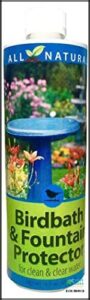
A capful of enzyme-based birdbath water protector breaks down droppings and organic sludge without harsh chemicals, keeping water clear between deep cleanings. You add one measured dose to freshly filled water once a week, and the plant-based formula prevents stains and mineral lines from building up on stone, ceramic, or plastic surfaces.
The biodegradable ingredients are safe for all backyard wildlife when you follow label directions, and a small bottle lasts weeks since you only need a tiny amount per gallon.
| Best For | Bird lovers who want to keep their birdbaths and fountains cleaner for longer without using harsh chemicals that might harm visiting wildlife. |
|---|---|
| Material | Liquid |
| Weight | 16 ounces |
| Primary Use | Water treatment |
| Dimensions | 2.5 x 2.5 x 8 inches |
| Durability | Regular use safe |
| Color | Clear liquid |
| Additional Features |
|
- Uses plant-based enzymes that break down organic matter naturally, so you don’t have to scrub as often
- A single capful per gallon means one bottle stretches for weeks or even months of regular use
- Safe for birds, squirrels, and other animals when you stick to the recommended amount
- Takes a few weeks of consistent use before you see the full effect on algae and buildup
- You still need to do occasional deep cleanings—it’s not a total replacement for maintenance
- Easy to overuse since a little goes so far, so measuring carefully matters
8. YaNovate Bird Bath Deicer Heater
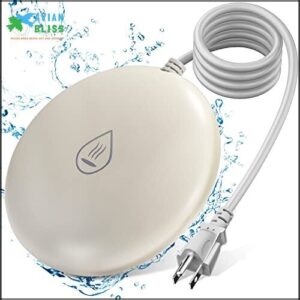
A thermostatically controlled seventy-watt heater sits flat on your bird bath floor and cycles on near freezing to keep a small open water patch for thirsty winter visitors. The aluminum base directs warmth upward through the water without overheating plastic or resin bowls, and the sealed housing protects birds from exposed coils.
You’ll need a grounded outdoor outlet and should check the unit weekly for cord damage, since running it dry will melt the element and warp your bath.
| Best For | Backyard bird lovers who want to keep a small birdbath ice-free during moderate winter weather without babysitting a heating element. |
|---|---|
| Material | Aluminum |
| Weight | 1 pound |
| Primary Use | Heating water |
| Dimensions | 7 x 7 x 1.5 inches |
| Durability | Heavy-duty construction |
| Color | Aluminum finish |
| Additional Features |
|
- Thermostat automatically turns on near freezing and shuts off when water warms, so you’re not wasting electricity all day
- Aluminum base spreads heat evenly without cracking plastic or resin bowls the way exposed coils can
- Flat design sits right on the bath floor and works plug-and-play—no assembly or replacement parts to mess with
- Struggles in extreme cold below 15°F and may shut off randomly when temperatures drop hard
- Paint tends to peel after a season of sitting in water, which looks rough even if it still heats
- Running it dry even once can melt the element and warp your birdbath, so you need to check water levels weekly
Frequently Asked Questions (FAQs)
What’s the best thing to clean a bird bath with?
White vinegar mixed at one part vinegar to nine parts water is your safest, most effective choice.
It kills germs naturally, dissolves algae, and leaves zero toxic residue behind for visiting birds.
Do copper pennies keep bird baths clean?
People debate this one, but here’s the truth: pre-1982 copper pennies can slow algae between cleanings. Still, you’ll need to scrub weekly—copper helps, but doesn’t replace good maintenance.
How to clean a bird bath without scrubbing?
You can skip the brush by using a garden hose with high-pressure spray, soaking the basin in diluted bleach or hydrogen peroxide, or adding enzyme cleaners that break down grime naturally.
How often should I clean my birdbath?
Clean water looks inviting, yet standing still makes it dangerous. In warm weather, scrub your birdbath daily or every other day. During cooler seasons, once a week works fine.
Can you use vinegar to clean a bird bath?
Yes, diluted white vinegar is safe and effective for cleaning bird baths. Mix one part vinegar with nine parts water, scrub thoroughly, then rinse completely until no vinegar smell remains before refilling.
How often should you clean a bird bath?
You’ve probably heard that daily scrubbing is overkill—but it’s actually your summer secret weapon.
Scrub and refill every two to three days, or daily during heat waves when bacteria multiply fast.
How do you clean a birdbath?
You’ll dump out old water, spray the basin with diluted vinegar, scrub away algae and droppings with a stiff brush, rinse thoroughly with fresh water, then refill.
Can You Wash a bird bath with bleach?
It’s not rocket science—dilute household bleach to about 10 percent strength (1 part bleach to 9 parts water), scrub your basin, then rinse thoroughly until you can’t smell chlorine anymore.
What is the best solution to clean a bird bath?
A vinegar solution—one part white vinegar to nine parts water—works best for most cleanings.
For tougher disinfection, you can use diluted bleach or hydrogen peroxide, but always rinse thoroughly afterward.
Can I use Dawn to clean a bird bath?
Yes, you can use Dawn dish soap to clean your bird bath safely. Just add a few drops to hot water, scrub thoroughly, and rinse completely until no residue remains.
Conclusion
Studies show that a single contaminated bird bath can spread avian diseases to over 100 birds in just one week. By learning how to clean a bird bath properly and sticking to a weekly routine, you’re not just maintaining yard aesthetics—you’re running a critical health station for your local bird population.
Those few minutes with a scrub brush and fresh water create a safe haven where birds can drink, bathe, and thrive without risk.
- https://www.instructables.com/How-to-Clean-a-Bird-Bath-Without-Scrubbing/
- https://www.freeportwildbirdsupply.com/product-page/bird-bath-cleaning-brush
- https://ourwildyard.com/how-to-clean-a-bird-bath/
- https://www.birdfy.com/blogs/blogs/how-to-clean-a-concrete-bird-bath
- https://www.summerwindsnursery.com/ca/inspire/blog/bird-bath-and-feeder-hygiene/