This site is supported by our readers. We may earn a commission, at no cost to you, if you purchase through links.
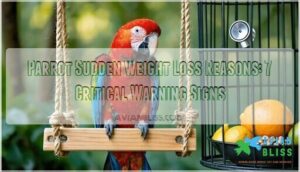 Your parrot’s sudden weight loss could signal serious health issues that need immediate veterinary attention.
Common parrot sudden weight loss reasons include dietary deficiencies from seed-only diets, infections like avian tuberculosis, parasites, liver disease, or chronic conditions such as macaw wasting syndrome.
You might notice a prominent keel bone, behavioral changes, or feeding difficulties.
Don’t wait – parrots hide illness well, so visible weight loss often means the problem’s advanced, and quick action can mean the difference between recovery and losing your feathered friend.
Understanding the specific warning signs can help you catch problems before they become life-threatening emergencies, and it’s crucial to address these issues promptly to ensure your parrot’s health and well-being, as serious health issues can arise from neglecting these signs, and taking immediate action is vital for preventing life-threatening emergencies.
Table Of Contents
- Key Takeaways
- Parrot Weight Loss Causes
- Recognizing Weight Loss Symptoms
- Dietary Factors and Weight Loss
- Health Issues and Weight Loss
- Monitoring and Diagnosing Weight Loss
- Managing and Preventing Weight Loss
- Frequently Asked Questions (FAQs)
- Why do parrots lose weight?
- Why do parrots lose their appetite?
- Can a parrot die suddenly?
- What are the symptoms of a parrot illness?
- Why is my parrot not eating?
- Why did a parrot die?
- Why is my parrot getting skinny?
- What is significant for weight loss in a bird?
- What are the symptoms of parrot deficiency?
- Can parrots recover from sudden weight loss completely?
- Conclusion
Key Takeaways
- Don’t wait for obvious symptoms – Parrots hide illness well, so if you can see weight loss, the problem’s already advanced and needs immediate vet attention
- Check your bird’s diet quality – Seed-only diets lack essential nutrients like vitamin A and calcium, causing malnutrition that leads to rapid weight drops
- Watch for key warning signs – You’ll notice a prominent keel bone, lethargy, behavioral changes, breathing difficulties, and feeding problems before weight loss becomes severe
- Monitor weight daily with a gram scale – Even a 5% weight drop signals serious health issues, so establish a baseline and weigh your parrot at the same time each day
Parrot Weight Loss Causes
When your parrot suddenly loses weight, you’re looking at a serious health emergency that demands immediate attention.
Understanding the root causes can mean the difference between early intervention and a life-threatening crisis for your feathered companion.
Malnourishment and Dietary Issues
Malnourishment frequently triggers sudden parrot weight loss when you’re feeding seed-based diets lacking essential nutrients.
Poor nutrition starves your bird faster than you’d expect, triggering dangerous weight drops within days.
Your bird can’t thrive on imbalanced nutrition, leading to rapid weight decline and serious health complications requiring immediate dietary modifications.
- Food Deficiencies: Seed diets lack vitamin A, calcium, and amino acids, causing malabsorption and starvation
- Nutrient Imbalance: Poor calcium-to-phosphorus ratios create metabolic bone disease and weakness
- Dietary Changes: Abrupt food shifts stress your parrot’s digestive system, triggering weight loss
- Parrot Diet Problems: All-seed nutrition shortens lifespan through liver disease and obesity risks
To mitigate these issues, this is vital to understand the importance of a balanced parrot diet plan for maintaining healthy health.
Excessive Nutrients and Toxicity
While poor nutrition starves your parrot, excessive nutrients create the opposite problem through hypervitaminosis and toxic reactions.
Vitamin toxicity occurs when fat-soluble vitamins accumulate beyond safe levels, triggering parrot weight loss and metabolic disruption.
Iron poisoning represents a particularly dangerous form of nutrient overload.
| Toxic Nutrient | Primary Effects | Weight Loss Mechanism |
|---|---|---|
| Vitamin A Excess | Liver dysfunction | Metabolic suppression |
| Iron Overload | Organ damage | Appetite reduction |
| Calcium Toxicity | Kidney impairment | Digestive interference |
| Vitamin D Excess | Tissue calcification | Nutritional malabsorption |
Iron Storage Disease and Kidney Disorders
Iron Storage Disease and kidney disorders represent serious metabolic threats that can trigger rapid parrot weight loss.
These conditions often develop silently, making early detection challenging for even experienced bird owners.
- Iron Overload symptoms: African greys and lories show particular vulnerability to Iron Storage Disease ISD, with liver damage causing 22% weight drops within one week
- Kidney Failure indicators: Polydipsia, polyuria, and hyperuricemia signal avian nephrology problems requiring immediate veterinary intervention
- Iron Toxicity sources: High-iron diets combined with vitamin C enhancement create dangerous absorption levels leading to hepatic dysfunction
- Diagnostic requirements: Blood chemistry panels and liver biopsies confirm Iron Storage Disease IRD through Prussian blue staining techniques
Monitoring uric acid levels is essential for identifying potential kidney issues in parrots.
Infections and Parasites
Beyond organ dysfunction, bacterial infections and viral diseases can trigger rapid weight loss in your parrot.
Common bacterial infections cause digestive inflammation, while viral outbreaks compromise immune function.
Parasites and worms directly steal nutrients from your bird’s system, and fungal diseases disrupt digestion.
Avian tuberculosis spreads through contaminated droppings, and these parrot weight loss causes require immediate veterinary attention for proper parasite control to address the issue of rapid weight loss.
Recognizing Weight Loss Symptoms
You’ll notice weight loss symptoms in your parrot before they become life-threatening emergencies.
Recognizing these early warning signs can mean the difference between a quick recovery and a serious health crisis.
Visible Signs of Weight Loss
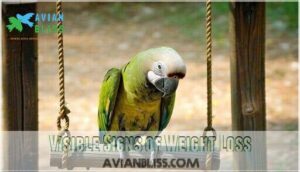
Watching for visible signs of illness helps you catch parrot weight loss symptoms early.
Your bird’s body language tells a story – the keel bone becomes more prominent as muscle wasting occurs, and you’ll notice their overall frame looks thinner.
- Feather Condition deteriorates – dull, brittle plumage with loss of natural sheen signals nutritional deficiencies
- Beak Changes emerge – cracks, discoloration, or unusual texture indicate systemic health problems
- Eye Problems develop – discharge, cloudiness, or listless appearance warns of unexplained weight loss
Behavioral Changes and Lethargy
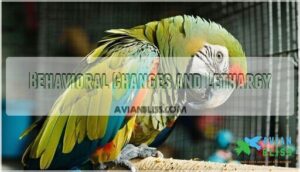
When your parrot’s usual chatter turns to silence, it’s telling you something important.
Behavioral changes and lethargy often serve as early warning signs of underlying health issues that accompany weight loss.
| Behavioral Change | What to Watch For |
|---|---|
| Energy Levels | Decreased activity, sleeping more than usual |
| Social Interaction | Avoiding contact, reduced vocalizations |
| Feeding Behavior | Loss of appetite, difficulty reaching food |
| Stress Responses | Feather plucking, unusual fears |
| Physical Activity | Reluctance to play, reduced movement |
Lethargy signs in parrots include sitting fluffed up on perches and showing little interest in their surroundings.
These behavioral shifts often indicate stress factors affecting your bird’s health, making early recognition essential for proper treatment.
Respiratory Issues and Feeding Difficulties
When lethargy sets in, your parrot’s breathing patterns and eating habits often deteriorate simultaneously.
Respiratory failure and feeding problems frequently occur together, creating a dangerous cycle that accelerates weight loss.
Watch for these critical respiratory and feeding warning signs:
- Labored breathing with tail bobbing or rattling sounds during respiration
- Difficulty eating due to beak issues or crop infections that prevent proper swallowing
- Breathing difficulties including clicking noises or open-mouth breathing while resting
- Feeding problems where your bird struggles to crack seeds or hold food properly
- Respiratory infections causing discharge from nares alongside reduced appetite.
These symptoms indicate serious underlying conditions requiring immediate veterinary attention.
Plumage Changes and Health Indicators
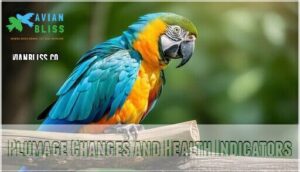
When examining your feathered friend, dull or discolored feathers often signal underlying health issues linked to parrot weight loss.
Healthy plumage should display vibrant color and natural sheen, while brittle feathers or beak cracks indicate nutritional deficiencies.
Monitor molting patterns closely, as irregular feather growth and skin lesions serve as critical bird illness indicators during routine parrot health checks.
Dietary Factors and Weight Loss
Your bird’s diet directly influences its weight and overall health, with nutritional imbalances often triggering rapid weight loss.
Poor food choices, sudden dietary changes, and inadequate hydration can quickly compromise your parrot’s wellbeing and body condition, leading to a situation where rapid weight loss can occur.
Seed-Based Diets and Nutrient Deficiencies
Seed-based diets create malnourished birds through severe nutrient deficits and dietary imbalance.
Over 90% of parrots on seed diets suffer vitamin shortage, particularly vitamin A and calcium deficiencies.
These nutritional gaps cause parrot weight loss through malnutrition, requiring immediate dietary modifications to restore health and prevent further complications.
Proper bird seed nutrition is essential to avoid such deficiencies and guarantee the overall well-being of parrots.
Food Intolerances and Allergies
When food allergies strike your parrot, they can trigger rapid weight loss through digestive inflammation and nutrient malabsorption.
These allergic reactions create a domino effect that compromises your bird’s health.
- Food Allergies cause immediate immune responses, leading to digestive issues and reduced appetite
- Intolerance Signs include feather plucking, skin irritation, and gastrointestinal distress that affects eating
- Allergic Reactions to common foods like nuts or seeds can cause severe malnutrition
- Nutrient Deficiencies develop when your parrot avoids problem foods, creating dietary gaps
- Digestive Issues from food intolerances prevent proper absorption, causing avian weight loss
Sudden Dietary Changes and Stress
When you switch your parrot’s diet suddenly, you’re asking for trouble.
Diet Switch without gradual introduction triggers Food Rejection and Nutrition Shock, causing rapid weight loss.
Stress Factors compound this problem, creating a Behavioral Shift where your bird refuses familiar foods.
Even switching from seeds to pellets requires patience—introduce new foods slowly over two weeks to prevent parrot stress causes and maintain healthy eating patterns.
Hydration and Access to Fresh Water
Dehydration from inadequate access to fresh water exacerbates stress and accelerates weight loss in parrots.
You’ll notice decreased water intake, lethargy, and dry mucous membranes as dehydration signs.
Fresh water quality directly impacts hydration weight outcomes, making daily water changes essential for maintaining proper drinking habits and supporting avian health monitoring efforts.
Health Issues and Weight Loss
When your parrot starts losing weight rapidly, serious underlying health conditions could be threatening their life. Understanding these specific diseases helps you recognize critical warning signs before it’s too late.
Your parrot’s sudden weight loss signals a medical emergency that demands immediate action.
Avian Tuberculosis and Macaw Wasting Syndrome
When avian tuberculosis strikes your parrot, you’ll notice progressive weight loss despite normal appetite, muscle wasting, and lethargy.
Macaw wasting syndrome causes similar dramatic weight reduction, undigested food in droppings, and weakness.
Both bird diseases require immediate veterinary diagnosis since these wasting disorders prove fatal without intervention.
Proventricular Dilatation Disease and Liver Diseases
Proventricular Dilatation Disease strikes your parrot’s digestive system, causing severe weight loss and weakness.
This neurological condition affects nerve function, preventing proper food digestion.
Liver diseases like Avian Hepatitis and Bird Cirrhosis create digestive issues that rapidly drain your bird’s energy reserves, making immediate veterinary intervention necessary for severe conditions like Proventricular Dilatation Disease.
Chronic Diseases and Immune-Suppressive Viruses

Multiple chronic conditions can trigger sudden parrot weight loss through compromised immune function.
Viral Infections like beak and feather disease cause severe Feather Loss and weaken immunity.
Immune Disorders make birds vulnerable to secondary infections, while chronic diseases create ongoing metabolic stress.
These conditions often progress silently, making regular weight monitoring essential for early detection of chronic diseases.
Cancer and Beak and Feather Disease
Within your flock’s health journey, cancer and Psittacine Beak and Feather Disease represent serious threats causing rapid parrot weight loss.
Tumor growth affects internal organs, while immune suppression from PBFD creates vulnerability to secondary infections.
You’ll notice feather loss, beak deformity, and lethargy alongside dramatic weight decline.
Avian oncology requires immediate veterinary intervention for proper parrot disease diagnosis.
Understanding the virus transmission modes is essential for preventing the spread of PBFD in your flock, and this knowledge can help with proper parrot care.
Monitoring and Diagnosing Weight Loss
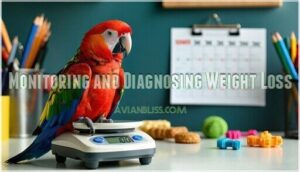
Detecting weight loss early requires precise monitoring tools and systematic measurement protocols.
You’ll need a gram scale, consistent weighing schedules, and baseline weight data to identify the subtle changes that often precede serious health complications.
Weighing and Measuring Parrots
Regular weight tracking provides your best early warning system against parrot health issues.
Use a digital scale with gram increments, checking your bird’s weight daily at consistent times. Perform keel bone checks by gently feeling the breastbone’s prominence.
Proper measurement techniques include using T-perches for stress-free weighing. Scale calibration guarantees accurate readings for reliable body condition monitoring.
Accurate weight measurements rely on using a precise digital scale for consistent results, which is a key part of proper measurement techniques and ensures accurate weight measurements with a digital scale for reliable body condition monitoring.
Bloodwork and Dietary Evaluation
After weighing your parrot, thorough Blood Panels and Vitamin Tests reveal hidden metabolic disorders causing parrot weight loss.
Complete blood counts detect anemia and infection, while Mineral Analysis identifies calcium deficiencies from seed-based diets.
Dietary Assessments through Nutrient Evaluations pinpoint specific nutritional gaps affecting parrot health issues.
Key bloodwork indicators include:
- Hypocalcemia – signals poor calcium absorption from inadequate diets
- Low albumin levels – indicates chronic liver disease or protein deficiency
- Elevated AST enzymes – suggests liver dysfunction requiring immediate intervention
Regular Weight Monitoring and Baseline Establishment
Once bloodwork reveals nutritional deficiencies, establishing your parrot’s baseline weight becomes your next priority.
Weigh your bird daily at the same time using a gram scale to track weight trends accurately.
Weight monitoring frequency should be consistent – even a 5% drop signals serious health issues requiring immediate veterinary attention for proper parrot weight management.
Calibrating Scales and Recording Weight Data
Accurate scale calibration guarantees reliable weight tracking data for your feathered friend’s health monitoring.
You’ll need measurement tips that include daily accuracy checks using known weights, establishing baseline weight through consistent weighing techniques, and maintaining detailed data recording systems.
Proper scale calibration prevents false readings that could mask serious health issues requiring immediate veterinary attention, ensuring reliable weight tracking and accurate health monitoring.
Managing and Preventing Weight Loss
Once you’ve identified weight loss in your parrot, immediate action through proper nutrition and environmental management becomes critical for recovery.
Implementing a thorough prevention strategy that addresses diet quality, stress reduction, and physical activity will help maintain your bird’s ideal weight and overall health.
Providing Balanced Diets and Nutritious Food
Once you’ve established weight monitoring routines, focus on nutrient balance through high-quality parrot food containing 50-90% pellets.
Food variety prevents deficiencies—fresh fruits and vegetables supply essential vitamins while meal planning guarantees complete nutrition.
Avoid seed-only diets that lack necessary nutrients.
Consider dietary supplements under veterinary guidance for prime parrot nutrition tips and balanced diet maintenance. A well-planned diet may include parrot food pellets as a primary source of nutrition to support overall health.
Minimizing Stress and Ensuring Proper Hygiene
Environmental changes can trigger severe stress in parrots, leading to rapid weight loss and behavioral shifts.
You’ll need consistent cage cleaning schedules and gradual adjustments to new environments.
- Maintain daily cage cleaning – Remove waste and replace food/water
- Introduce changes slowly – New perches, toys, or locations over weeks
- Monitor social interaction – Consistent human contact reduces isolation stress
Proper hygiene practices prevent bacterial infections that cause sudden parrot death through digestive complications.
Implementing good bird hygiene practices is essential for maintaining a healthy environment.
Encouraging Exercise and Mental Stimulation
Beyond maintaining proper hygiene, physical activity and cognitive engagement play essential roles in preventing parrot weight loss.
Active birds maintain healthier appetites and stronger immune systems through regular movement and mental challenges.
| Activity Type | Frequency | Benefits |
|---|---|---|
| Playtime Activities | 2-3 hours daily | Maintains muscle tone, burns calories |
| Toy Rotation | Weekly changes | Prevents boredom, encourages exploration |
| Foraging Games | Multiple times daily | Stimulates natural feeding behaviors |
Environmental Enrichment through Social Interaction keeps your parrot engaged while promoting healthy eating patterns.
Daily exercise routines combined with varied activities address parrot behavior changes that often precede weight loss, supporting overall parrot nutrition tips for ideal health.
Providing parrots with exercise toy options can help prevent boredom and stimulate physical activity.
Frequently Asked Questions (FAQs)
Why do parrots lose weight?
Parrots lose weight due to malnutrition, infections, parasites, stress, liver disease, kidney disorders, or sudden dietary changes that disrupt their delicate digestive systems.
Why do parrots lose their appetite?
Your parrot’s appetite drops when illness, stress, dietary changes, infections, parasites, or environmental disruptions affect their digestive system. Pain, toxins, and malnutrition also trigger food avoidance behaviors.
Can a parrot die suddenly?
Yes, sadly sudden death can strike swiftly in parrots.
Severe infections, toxic poisoning, heart failure, or undiagnosed diseases often cause rapid decline.
You’ll want to watch for warning signs and maintain regular vet checkups to prevent or identify potential issues early on, which can help mitigate the risk of rapid decline.
What are the symptoms of a parrot illness?
You’ll notice lethargy, ruffled feathers, difficulty breathing, diarrhea, weight loss, decreased appetite, and behavioral changes like reduced vocalizations. Watch for eye discharge, feather plucking, or inability to perch properly.
Why is my parrot not eating?
Like a canary in a coal mine, your feathered friend’s appetite loss signals trouble.
Stress, illness, dietary changes, parasites, infections, or environmental shifts can trigger food refusal, requiring immediate veterinary attention.
Why did a parrot die?
Several factors can cause parrot death: severe infections, organ failure, malnutrition, toxin ingestion, trauma, or untreated diseases. Weight loss often precedes death, signaling serious illness requiring immediate veterinary attention.
Why is my parrot getting skinny?
Ironically, your feathered friend who’s built for flight might be grounded by malnutrition, infections, parasites, liver disease, or stress. Check diet quality, weigh daily, and consult an avian vet immediately.
What is significant for weight loss in a bird?
Weight loss becomes significant when your bird drops more than 5-10% of baseline weight, indicating serious underlying health issues requiring immediate veterinary attention for proper diagnosis.
What are the symptoms of parrot deficiency?
Malnutrition affects 60-70% of companion parrots.
You’ll notice dull, brittle feathers, lethargy, weakness, compromised immunity, labored breathing, difficulty eating, diarrhea, and behavioral changes like decreased vocalizations or unusual fears in deficient birds.
Can parrots recover from sudden weight loss completely?
Yes, you can help your parrot recover completely from sudden weight loss with prompt veterinary care and proper treatment addressing the underlying cause, whether it’s nutritional deficiencies, infections, or stress.
Conclusion
Surprisingly, parrot sudden weight loss reasons often mirror our own health concerns – hidden illnesses that worsen without intervention.
You’ve learned to recognize critical warning signs like prominent keel bones, behavioral changes, and feeding difficulties.
Remember that parrots instinctively hide illness, making visible weight loss a red flag requiring immediate veterinary attention.
Regular weighing, balanced nutrition, and stress reduction form your defense against serious conditions like macaw wasting syndrome or avian tuberculosis.
- https://birdvetmelbourne.com/going-light-and-the-sick-bird-look/
- https://lbah.com/avian/proventricular-dilatation-disease-in-birds/
- https://www.merckvetmanual.com/bird-owners/disorders-and-diseases-of-birds/nutritional-disorders-of-pet-birds
- https://psittacine.org/wp-content/uploads/Diet-Nutrition.pdf
- https://www.orangepet.in/blogs/posts/5-parrot-diet-nutrition-essentials-that-you-cant-neglect