This site is supported by our readers. We may earn a commission, at no cost to you, if you purchase through links.
 Recognizing signs of avian parasites is key to keeping your bird healthy.
Watch for feather abnormalities like bald spots, fraying, or excessive preening.
Behavioral changes, such as restlessness or constant scratching, can mean trouble.
Don’t ignore skin irritation, redness, or small lesions, as these may point to parasites like mites or lice.
Changes in droppings—diarrhea, discoloration, or an unusual smell—could signal internal parasites like worms.
Weight loss, breathing problems, or low energy may also indicate an issue inside.
Regularly checking your bird’s feathers, skin, and droppings helps catch problems early.
Stay vigilant—your feathered friend’s health relies on it, and it is crucial for maintaining their overall health.
Table Of Contents
- Key Takeaways
- Recognizing Avian Parasites
- External Parasite Signs
- Internal Parasite Symptoms
- Diagnostic Methods
- Common Avian Parasites
- Frequently Asked Questions (FAQs)
- How do I tell if my bird has parasites?
- How do chickens act when they have parasites?
- What are three symptoms of a parasite infection?
- Can parasites spread between birds and humans?
- Are certain bird species more prone to parasites?
- How can I prevent parasite infestations in aviaries?
- Do seasonal changes affect parasite activity in birds?
- Are wild birds a risk for transmitting parasites?
- How can I prevent parasites indoors for birds?
- What are common risk factors for parasite infections?
- Conclusion
Key Takeaways
- Keep a close eye on your bird’s feathers to spot abnormalities like bald spots, fraying, or excessive preening, which could mean parasites.
- Watch for behavioral changes like constant scratching, restlessness, or loss of energy, as these could signal trouble.
- Monitor droppings for signs of internal parasites, such as diarrhea, discoloration, or an unusual smell.
- Check skin regularly for irritation, redness, lesions, or scaliness that might point to internal parasites.
Recognizing Avian Parasites
You can spot early warning signs of avian parasites by paying close attention to your bird’s feathers, behavior, and overall health.
Identifying symptoms like skin irritation or changes in droppings can help you take quick action to protect your bird, and this is crucial for maintaining your bird’s overall health.
Feather Abnormalities
Spotting issues like feather discoloration, patchy loss, or deformities can reveal hidden problems like feather mites or lice.
If molting seems abnormal, or your bird’s preening looks obsessive, don’t ignore it—these can signal parasitic causes.
Feather loss affects structure and overall grooming. A closer inspection guarantees quick action.
Keep your bird healthy by addressing these signs promptly.
Behavioral Changes
Behavioral shifts can help you spot issues in your bird’s health, especially when avian parasites are involved.
Changes in bird behavior might include:
- Activity levels dropping—they stop hopping or playing.
- Social isolation, avoiding their flock or you.
- Appetite changes, eating less or seeming uninterested in food.
- Vocalizations becoming quieter or less frequent.
- Sleep patterns disrupted, with unusual drowsiness or restless perching.
Recognizing symptoms like these early can help you identify bird parasites before they worsen your pet’s overall condition.
Annual checkups can also help with early disease detection.
Skin Irritation
Does your bird seem unusually restless or scratch a lot?
Avian parasites, like feather mites or scaly leg mites, may be to blame. Look for signs like skin discoloration, scabs, or lesion appearance.
Severe itching can increase feather picking, leading to bald spots. A skin scraping test confirms issues.
Treat infestations early to reduce itch intensity and prevent worsening skin conditions.
Changes in Droppings
Changes in droppings can often signal internal issues, including parasites. Sudden shifts in dropping color, consistency, or volume shouldn’t be ignored.
Here’s what to monitor:
- Dropping Color and Consistency: Watch for mucus, unusual hues, or watery stools linked to diarrhea.
- Undigested Food: Parasites may disrupt digestion, leaving food visible in droppings.
- Blood Presence or Urates Change: Blood or altered urates could indicate serious bird diseases.
- Routine Fecal Examinations: These help with parasite identification and early bird symptom detection.
Pay attention—your bird’s droppings can reveal a lot.
External Parasite Signs
External parasites like mites, lice, fleas, and ticks can cause serious discomfort and health issues in birds.
You’ll notice signs such as feather loss, skin lesions, and excessive scratching, which can indicate their presence.
Mites and Lice
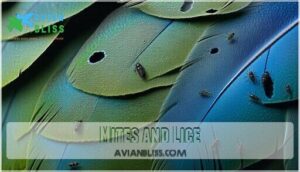
Mites and lice, pesky external parasites, cause skin irritation and feather damage.
These critters may lead to nest infestation or anemia, especially in weak birds.
Regularly inspect feathers for movement and signs like redness or over-preening.
Focus on cage hygiene, weekly cleaning, and providing dust baths.
- Quick tip: Effective parasite identification guarantees timely treatment options, protecting your bird’s health.
Fleas and Ticks
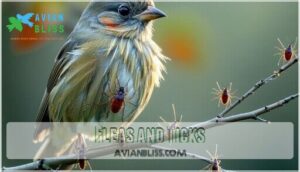
Fleas and ticks are small but bring big problems to birds.
Fleas’ rapid lifecycle can lead to flea anemia, leaving your bird weak.
Ticks, meanwhile, may carry Lyme disease or even cause tick paralysis, affecting your bird’s movement.
Watch for signs like excessive scratching, visible parasites, or irritated skin.
Keep your bird’s health strong with regular inspections, parasite control, and clean habitats.
Good bird hygiene and tick prevention play critical roles in keeping these external parasites at bay.
Feather Damage
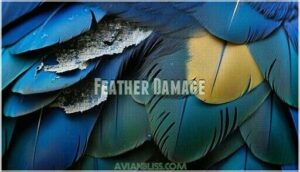
Feather loss isn’t always normal molting—it might stem from bird mites or feather lice.
Watch your bird’s grooming; excessive preening or poor grooming habits could signal trouble. Abnormalities like ragged feathers, discoloration, or damaged feather structure often point to infestation.
A bird’s feathers rely on keratin for structure, so issues may indicate problems.
Check for these signs:
- Persistent scratching paired with feather damage.
- Visible irregularities in molting or feather growth.
- Dull, unhealthy plumage hinting at nutritional deficiencies or mites.
Act quickly—routine inspections and timely care help restore your bird’s comfort.
Skin Lesions
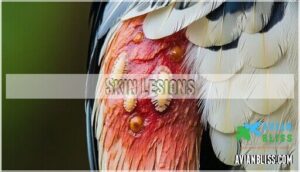
Skin lesions in birds often signal trouble caused by parasites. Watch for avian skin conditions, like red, scaly patches or open sores. These typically result from avian parasite mite infestations and may lead to secondary infections or scarring.
Common signs include:
- Lesion appearance from avian parasite hyperkeratosis.
- Avian parasite red dots indicating irritation.
- Persistent dermal irritation alongside feather loss.
- Oozing sores revealing underlying causes.
Consider treatment options and prioritize preventative measures to protect your bird.
Internal Parasite Symptoms
Internal parasites can seriously harm your bird’s health, causing issues like weight loss, diarrhea, or breathing troubles.
By recognizing these signs early, you can take quick action to protect your feathered friend.
Weight Loss
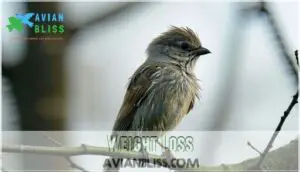
Weight loss in birds isn’t just thinning; it’s often a sign of something deeper, like avian parasites. If your feathered friend feels sharp around the keel bone, muscle wasting may be at play.
Even with appetite changes, parasites can steal nutrients, leading to fatigue and low energy levels. Watch for malnutrition indicators, like poor feather condition or strange behavior.
Parasitic infections can quietly disrupt absorption, leaving your bird weaker over time. To keep bird health in check, observe these bird symptoms early.
A sharp keel or sudden weight loss? That’s your cue to consult an avian vet and adjust care promptly. Implementing regular surveillance and monitoring can aid in early detection.
Diarrhea and Digestive Issues
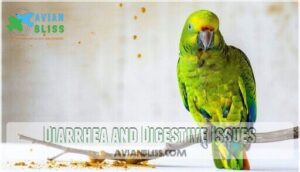
Internal parasites often wreak havoc on a bird’s gut, causing diarrhea and malabsorption syndromes that leave droppings oddly colored or runny.
These gastrointestinal parasites, including worm parasites, can lead to appetite changes, crop stasis, and dehydration risks.
In severe cases, vomiting causes further nutrient loss and weakness.
If symptoms persist, a fecal exam can help pinpoint intestinal parasites and guide treatment, to strengthen your bird’s resilience with a balanced diet, ensuring proper recovery and gut health.
Respiratory Problems
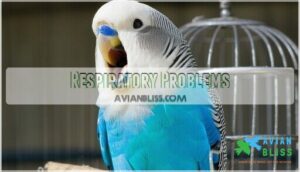
Struggling with sneezing or wheezing in your bird?
Respiratory problems, like avian parasite respiratory compromise, often stem from air sac mites or fungal infections like Aspergillosis.
Watch for dyspnea causes, such as sudden gasping or tail bobbing.
The avian respiratory system is delicate—early vet care prevents worsening Aspergillosis symptoms or bacterial pneumonia.
These parasites can’t wait, and neither should you!
Organ Damage
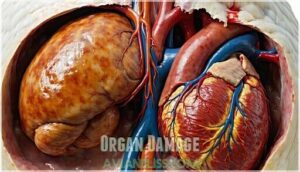
Parasites don’t just mess with digestion—they target essential organs, leading to life-threatening issues.
Watch closely for these avian parasites symptoms:
- Liver Damage: Look out for yellow droppings or extreme fatigue.
- Kidney Failure: Check for excessive thirst or uneven urination.
- Heart Complications: Labored breathing or sudden weakness could be signs.
Catch organ damage early to protect your bird’s life.
Diagnostic Methods

To identify avian parasites, you’ll need to rely on methods like fecal exams, blood tests, and careful physical examinations.
Regular inspections help you catch subtle signs early, preventing serious health issues for your bird, which is a key part of using methods like these for regular inspections.
Fecal Exams
Fecal examinations are your bird’s health checkup.
Using Fecal Smears and Flotation Techniques, vets perform Microscopic Analysis to uncover parasite eggs or larvae.
This guarantees Diagnostic Accuracy in identifying intestinal parasites.
Simply collect fresh droppings for testing.
Regular fecal tests after unusual stool changes help in quick Parasite Identification, keeping your bird healthy through early avian diagnostics.
Many owners purchase avian fecal exam supplies for sample collection, ensuring early diagnostics and maintaining their bird’s health through avian diagnostics.
Blood Tests
Blood tests are like a bird’s report card, revealing internal clues you can’t see.
Through avian diagnostics, blood tests provide insights into blood cell count, parasite detection, and organ health.
- Liver enzymes and kidney function for overall health.
- Nutritional deficiencies affecting energy and feathers.
- Infections or immune system stress through avian blood count and proteins.
- Parasites via a stained blood smear or avian plasma chemistry.
Physical Examinations
An avian physical examination helps pinpoint parasite clinical signs.
A vet uses palpation techniques to assess your bird’s body condition and hydration status. Feather assessment reveals damage often linked to parasites, while auscultation findings highlight breathing issues. They may also spot skin problems or lesions.
- Key checks:
- Feather and skin evaluations.
- Respiratory system monitoring.
- Overall body condition inspection.
Daily Inspections
Daily health checks keep your bird safe and healthy. Observing small changes can prevent big problems. Look for signs of stress or potential avian parasites symptoms during these inspections.
To guarantee thorough care, utilize a bird health checklist.
| What to Check | What to Notice |
|---|---|
| Droppings | Color, consistency, odd contents |
| Feathers | Damage, excessive loss |
| Skin | Sores, redness, scabs |
| Behavior | Unusual preening, lethargy |
Combine hygiene practices, behavioral monitoring, and record keeping for effective bird care and disease prevention.
Common Avian Parasites
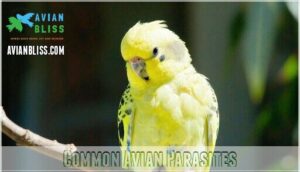
Understanding common avian parasites is key to keeping your birds healthy. From mites to roundworms, these parasites can cause serious problems if not identified and treated promptly.
Red Mites
Red mites are sneaky, nocturnal pests that feed on your bird’s blood at night, leading to anemia, itching, and feather loss.
Red mites strike at night, draining your bird’s vitality—act fast to prevent anemia, feather loss, and relentless itching.
During the day, they hide in cracks around cages, making Red Mite ID tricky. Signs include restless birds or pale combs.
To protect avian health:
- Inspect nests and cages for infestations and hidden parasites.
- Break the mite lifecycle with specialized treatments and consistent cleaning.
- Act fast—leaving mites untreated can worsen anemia risk, spread avian diseases, and damage your bird’s well-being.
Effective red mite control is essential for bird health.
Scaly Face Mites
Scaly face mites, or Knemidokoptes pilae, target budgies and other birds, causing hyperkeratosis and discomfort. These mites burrow into the skin, leading to thick, crusty lesions around the beak, eyes, and feet.
Without treatment, deformities worsen over time.
Look for:
- Thickened, crusty skin indicating avian parasite dermal irritation.
- Reduced preening due to itchiness.
- Beak deformities signaling advanced infections.
Effective care includes ivermectin treatment, mite identification, and consistent cage cleaning. Early diagnosis and preventative measures are key to managing avian parasite Knemidokoptes spp and ensuring your bird’s comfort. Spot it early!
Air Sac Mites
Air sac mites, like Sternostoma tracheacolum, primarily affect species such as Gouldian Finches. They trigger respiratory signs like coughing, sneezing, and labored breathing.
These respiratory parasites mimic other illnesses, adding diagnosis challenges best handled by avian veterinary medicine. Knemidocoptes mites can also cause issues for birds, manifesting as scaly face and leg.
| Symptom | Cause | Solution |
|---|---|---|
| Respiratory distress | Air sac mites’ presence | Ivermectin dosage |
| Weight loss | Parasite infestation | Preventative measures |
| Behavioral changes | Breathing difficulties | Vet intervention |
Clean cages help reduce risks.
Roundworms and Tapeworms
Disrupting nutrient absorption, roundworms and tapeworms are internal parasites causing weight loss, diarrhea, and sometimes intestinal blockages.
Roundworm transmission happens through contaminated food or droppings, while Cestode treatment involves deworming medications like praziquantel.
Regular fecal diagnosis identifies clinical signs early, ensuring quick action.
Prioritize worm prevention with clean cages and fresh food to protect birds from these intestinal parasites and keep them healthy.
Protozoa and Haemosporidian Parasites
Protozoa are silent troublemakers in birds, often leading to severe parasitic infections.
Be alert to these warning signs of avian parasites:
- Pale combs and weakness signal Plasmodium malaria.
- Weight loss and lethargy suggest Haemoproteus prevalence.
- Digestive upset points to Atoxoplasma infections, common in canaries.
A Giardiasis diagnosis or the need for Trichomonas treatment calls for swift avian medicine intervention. Act quickly to protect your bird!
Frequently Asked Questions (FAQs)
How do I tell if my bird has parasites?
Ever notice your bird scratching, losing feathers, or looking restless?
These could be signs of parasites. Check for mites, lice, or unusual poop.
If symptoms persist, consult a vet to guarantee proper care.
How do chickens act when they have parasites?
Chickens with parasites often seem tired, lose weight, and might’ve pale combs or messy feathers.
You’ll notice frequent scratching, feather loss, or poor egg production.
Watch for worms in droppings or lethargic behavior too.
What are three symptoms of a parasite infection?
Spotting a parasite infection can feel like finding a needle in a haystack.
Look for feather loss, unusual fatigue, or visible skin irritation.
These signs suggest trouble and mean it’s time for closer attention.
Can parasites spread between birds and humans?
Yes, certain bird parasites can spread to humans, like bird mites or salmonella.
Always wear gloves when handling birds or cleaning their cages, and wash your hands thoroughly to minimize the risk of transmission.
Are certain bird species more prone to parasites?
Some bird species are more prone to parasites due to habitat, diet, or behavior.
For example, outdoor birds like canaries or finches often attract mites, while cockatiels commonly deal with Giardia from contaminated food or water.
How can I prevent parasite infestations in aviaries?
Think of prevention as your aviary’s armor: clean regularly, sanitize cages and feeders with bleach, make certain proper ventilation, and rotate perches.
Quarantine new birds, control pests like mosquitoes, and monitor for unusual behavior, considering prevention as your key to a healthy aviary, and ensuring proper care for your birds.
Do seasonal changes affect parasite activity in birds?
Seasonal changes can impact parasite activity in birds, with warmer months often boosting reproduction and spread.
Parasites like mites and mosquitoes thrive in higher temperatures, so it’s vital to stay vigilant as seasons shift, especially due to warmer months.
Are wild birds a risk for transmitting parasites?
Wild birds can seem harmless, fluttering through your backyard, yet they may carry parasites like mites or roundworms.
These pests can spread to pets or humans, so keep feeders clean and minimize direct bird contact, as they may carry parasites.
How can I prevent parasites indoors for birds?
Keep cages spotless, change water daily, and sanitize perches and toys often.
Seal food storage to block pests.
Install screens to keep bugs out, and vacuum frequently to deter mites hidden in nooks.
What are common risk factors for parasite infections?
Picture parasites as unwanted roommates—risk factors include overcrowded bird areas, unclean feeders or cages, stagnant water, and exposure to wild birds or contaminated surfaces.
Poor hygiene and improper diet also weaken birds, increasing infection chances.
Conclusion
Caring for your bird is like maintaining a finely tuned instrument—small signs, if ignored, can disrupt the harmony.
Recognizing signs of avian parasites early is essential to keeping your feathered companion healthy.
Watch for feather damage, changes in droppings, or odd behaviors, and act promptly.
Regular inspections and professional check-ups can help catch issues before they escalate.
By staying alert and informed, you’re ensuring your bird thrives, free from the risks parasites bring.
Stay proactive—your bird depends on you.