This site is supported by our readers. We may earn a commission, at no cost to you, if you purchase through links.
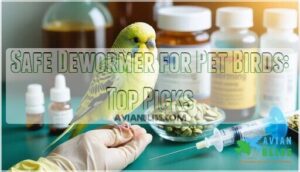 Finding a safe dewormer for pet birds requires careful consideration since our feathered friends can’t handle the same treatments as dogs or cats.
You’ll want to consult an avian veterinarian first, as they can recommend species-specific options like fenbendazole or ivermectin in proper doses.
Natural alternatives include pumpkin seeds, which contain compounds that help expel parasites, and coconut oil, which supports digestive health.
Water-soluble powders mixed into drinking water often work better than oral medications for stressed birds.
Remember, what’s safe for a cockatiel might not suit a finch, and the key lies in understanding your bird’s unique needs and the subtle signs that indicate effective treatment.
Table Of Contents
- Key Takeaways
- Deworming Importance
- Natural Dewormer Options
- Chemical Dewormers
- Deworming Methods
- Preventive Measures
- Safe Dewormer Selection
- Frequently Asked Questions (FAQs)
- What is the best natural dewormer for birds?
- How do I deworm my bird?
- What is the best wormer for birds?
- Can pregnant or brooding birds be dewormed safely?
- How long after deworming can eggs be consumed?
- What are early warning signs of dewormer overdose?
- Should multiple birds be treated simultaneously or separately?
- Can dewormers interact with other bird medications?
- Conclusion
Key Takeaways
- You’ll need to consult an avian veterinarian before choosing any dewormer since what’s safe for one bird species can be toxic to another, and proper dosage is critical to prevent overdose.
- You can use natural dewormers like pumpkin seeds, garlic, or coconut oil as gentler alternatives, but they work best as complementary treatments rather than standalone solutions for heavy infestations.
- You should treat all birds in your flock simultaneously to prevent cross-contamination and reinfection, while maintaining strict quarantine protocols for new birds for at least 30 days.
- You must prioritize prevention through clean living conditions, proper nutrition, and stress reduction to strengthen your bird’s immune system, making deworming treatments more effective when needed.
Deworming Importance
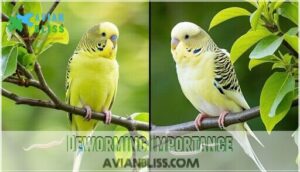
You need to understand the importance of deworming your pet birds to protect them from parasites.
Regular deworming helps prevent health risks, such as weight loss, diarrhea, and poor growth, caused by internal parasites like tapeworms and roundworms.
Bird Health Risks
You face bird health risks, including weight loss and digestive issues.
Common signs are:
- Anemia
- Feather abnormalities
- Weight loss
- Digestive issues
- Poor growth, requiring a reliable bird dewormer for avian health and bird parasite control.
Parasite Impact
You’ll notice worm infestations cause digestive issues, anemia signs, and general unthriftiness in birds.
| Bird Parasite Symptoms | Risks | Dangers |
|---|---|---|
| Weight Loss | Nutrient Competition | Diarrhea |
| Diarrhea | Bird Parasite | Anemia |
| Anemia | General Unthriftiness | Weight Loss |
Regular Deworming
You’ll want to establish a deworming schedule.
Consider:
- Preventative deworming
- Environmental control
- Resistance prevention
- Long-term health
You should focus on bird parasite prevention and bird health maintenance with a safe bird dewormer, following a bird deworming schedule to keep your pet birds healthy.
Natural Dewormer Options
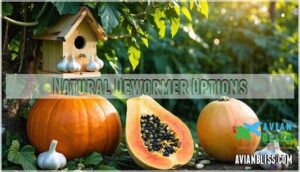
You’re looking for natural ways to keep your pet birds healthy, and using natural dewormers is a great option.
You can try using garlic, pumpkin seeds, or papaya to help eliminate parasites and keep your birds thriving.
Garlic Benefits
Moving beyond traditional methods, garlic emerges as nature’s powerhouse for avian deworming.
This natural bird dewormer contains allicin, a compound that targets bird intestinal worms while boosting immune function.
Garlic’s antibacterial properties support gut health, making it an excellent safe bird dewormer choice for your feathered friends.
Notably, garlic powder can strengthen immune response and help eliminate parasites.
| Garlic Benefits | How It Works |
|---|---|
| Allicin Properties | Paralyzes intestinal worms |
| Immune Boost | Stimulates white blood cells |
| Antibacterial Action | Eliminates harmful bacteria |
| Gut Health | Creates hostile environment for parasites |
Proper garlic dosage guarantees garlic safety while maximizing effectiveness against parasites.
Pumpkin Seeds Effectiveness
Pumpkin seeds contain cucurbitacin, which paralyzes intestinal worms in birds.
Nature’s parasite fighter: cucurbitacin in pumpkin seeds naturally paralyzes worms, giving your birds gentle, effective protection.
You’ll need to crush raw seeds and mix them into your bird’s food for effective worm treatment.
While research shows moderate effectiveness against roundworms and tapeworms in chickens, pumpkin seeds work best as complementary deworming alongside other natural dewormers rather than standalone parrot dewormer solutions.
Many owners also use pumpkin seeds for birds to supplement their diets with a natural and effective method.
Papaya and Pineapple Enzymes
Both papaya and pineapple contain powerful proteolytic enzymes that make deworming birds naturally effective.
Papain from papaya and bromelain from pineapple break down proteins, helping eliminate worms through improved digestion aid.
Here’s how these natural dewormers work for pet birds:
- Enzyme Action – Proteolytic enzymes target parasite proteins directly
- Worm Elimination – Enhanced digestion helps expel dead parasites naturally
- Safe Dosage – Fresh fruit pieces mixed into regular feed work best
- Fruit Rotation – Alternate between papaya and pineapple weekly for ideal results
Coconut Oil Properties
Coconut oil’s medium-chain fatty acids deliver powerful anthelmintic action against parasites in pet birds.
These natural compounds disrupt parasite eggs and larvae while supporting your bird’s gut microbiome.
The oil provides immune support during deworming treatments, making it gentler than harsh chemicals.
| Property | Benefit |
|---|---|
| Medium-Chain Fatty Acids | Disrupts parasite lifecycle naturally |
| Gut Health Support | Maintains beneficial bacteria balance |
| Dosage Safety | Low toxicity risk for bird care |
Coconut oil is a natural and safer alternative for pet bird care, offering dosage safety with low toxicity risk.
Chemical Dewormers
Chemical dewormers like ivermectin and fenbendazole offer fast-acting, powerful treatment when you’re dealing with heavy parasite infestations in your pet birds.
You’ll need veterinary guidance to use these medications safely, as they require precise dosing and can cause side effects if administered incorrectly, which is why veterinary guidance is crucial.
Ivermectin Usage
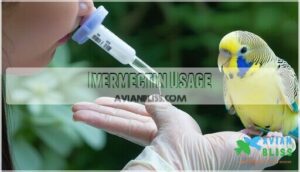
Ivermectin stands as a powerful bird dewormer, tackling internal and external parasites effectively.
Ivermectin delivers fast-acting parasite control, protecting your feathered friends from internal and external threats effectively.
You’ll administer it through drinking water or apply topically on unfeathered skin. Bird species determine ivermectin dosage: small birds need 1-2 drops, while poultry requires 0.2-0.4 mg/kg.
Repeat every 14 days for complete parasite elimination, but monitor for side effects carefully. You can purchase Ivermectin bird products online to ensure you have the necessary treatment for your birds, making it a convenient option.
Fenbendazole Application
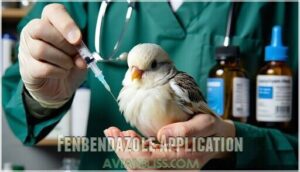
Fenbendazole stands as a reliable bird dewormer choice for tackling stubborn parasites. This broad-spectrum treatment requires careful dosage calculation based on your bird’s weight and species.
You’ll typically administer 20-50 mg per kilogram of body weight for three to five days. To find the right product, you can explore purchasing options.
- Dosage Calculation: Measure precisely at 20-50 mg/kg daily for desired results
- Administration Routes: Mix powder into feed or dissolve in drinking water
- Side Effects: Monitor for occasional vomiting or reduced appetite during treatment
- Safety Precautions: Store securely away from children and follow exact timing
- Resistance Concerns: Rotate with other dewormers to maintain long-term effectiveness
Veterinary Guidance
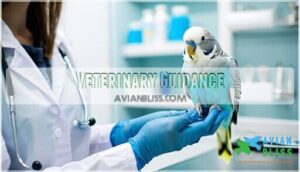
Working with a bird vet gives you peace of mind when tackling pet birds’ worm problems.
Expert consultation guarantees proper product dosage and safe bird deworming methods. Your vet will recommend fecal testing for early diagnosis and create customized strategies for effective bird worm treatment.
Giardia, another common ailment, may require antiprotozoal drugs like metronidazole.
Don’t guess with your feathered friend’s health—professional vet consultation makes all the difference, providing proper product dosage and ensuring safe bird deworming methods are used.
Deworming Methods
You’ll find several effective methods to administer dewormers to your pet birds, with oral medications and water-soluble powders being the most common approaches.
These delivery methods guarantee proper dosage while making treatment manageable for both you and your feathered companion.
Oral Medications
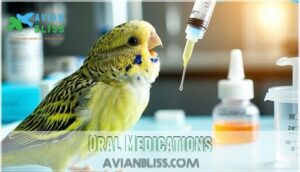
Three main oral medications effectively treat bird parasites: liquid dosage forms, tablet forms, and gel administration methods.
You’ll administer these bird dewormer options directly into your pet’s beak or mix with food. For ideal absorption, dose on an empty crop when possible.
Treatment duration typically spans two consecutive days, with most oral medications requiring precise measurement for effective deworming results.
Some birds may require treatment for underlying parasitic infections.
Water-Soluble Powders
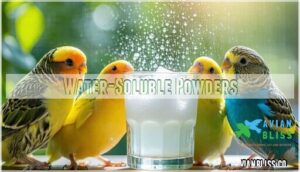
When selecting water-soluble powders as a safe dewormer for pet birds, you’ll find mixing instructions straightforward.
Simply dissolve the powder into your bird’s drinking water following manufacturer guidelines. Change water daily during bird deworming treatment.
Most powder brands recommend dosing on an empty crop for better absorption.
Treatment duration typically spans two consecutive days, making oral medications convenient for consistent parasite control.
Preventive Measures

You can substantially reduce your bird’s risk of parasite infection by maintaining clean living conditions, quarantining new birds for at least 30 days, and providing proper nutrition to strengthen their immune system.
These preventive steps work together to create an environment where parasites can’t easily establish themselves, making deworming treatments more effective when needed, and overall contributing to a stronger immune system.
Clean Living Areas
Beyond simply providing food and water, maintaining spotless living conditions forms your first line of defense against parasites.
Disinfecting perches weekly with safe disinfectants eliminates eggs before they hatch, while daily litter removal prevents contamination buildup.
Thorough cage cleaning disrupts parasite lifecycles, and proper cage hygiene and consistent sanitation create an environment where parasites can’t establish themselves, making parasite control substantially easier, through proper cage hygiene and consistent sanitation.
Quarantine New Birds
Isolating new pet birds for a 30-day quarantine period prevents introducing parasites to your existing flock.
During this isolation period, monitor symptoms like weight loss or diarrhea that indicate worm infestations.
Maintain strict cage sanitation and consider using bird dewormer as preventative measures to reduce stress and support disease prevention before integration.
Promote Immunity
A robust immune system acts as your bird’s first line of defense against parasites.
Quality bird nutrition with balanced proteins, vitamins, and minerals strengthens natural defenses. Stress reduction through consistent routines and calm environments prevents immunity crashes.
Probiotic use supports gut health, while targeted supplement support fills nutritional gaps. Strong bird immunity reduces dewormer dependency substantially, through quality bird nutrition and stress reduction.
Safe Dewormer Selection
When you’re choosing a dewormer for your pet bird, you’ll need to take into account your bird’s species, age, and health status, since some products can be toxic to certain types like finches and canaries.
You should always consult with an avian veterinarian who can recommend the right type of dewormer, whether it’s a natural option like garlic or pumpkin seeds, or a chemical treatment like fenbendazole, and provide proper dosage instructions for safe, effective treatment.
Types of Dewormers
You’ll find two main categories when choosing dewormers: chemical and natural options.
Chemical dewormers like fenbendazole and ivermectin offer broad-spectrum coverage with proven dewormer efficacy against specific parasites.
Natural dewormers including garlic and pumpkin seeds provide gentler alternatives.
Anthelmintics work through different mechanisms, so rotating between types prevents resistance while maintaining dewormer safety for your feathered friends, ensuring the use of broad-spectrum coverage is effective.
Consulting Veterinarians
Choosing the right dewormer becomes easier when you’ve got professional backup.
Your veterinarian brings expertise that protects your feathered friend from guesswork and potential harm.
Here’s what vet consultation delivers:
- Expert parasite ID through proper fecal testing
- Tailored prevention plans for your bird’s lifestyle
- Deworming product safety verification and recommendations
- Dosage accuracy preventing under or overdosing
- Species-specific advice ensuring treatment compatibility
Professional bird health guidance eliminates dangerous trial-and-error approaches.
Species Considerations
Different bird species require specialized deworming approaches.
Parrot deworming may not be necessary unless symptoms appear, while finches face toxicity risks with levamisole-based products.
Chicken specifics differ from pet bird needs, as livestock formulations aren’t suitable, and Pyrantel safety varies across species, making finch dewormer and canary dewormer selection vital.
Always consider your bird’s age and consult vets for species-specific guidance.
Dosage Instructions
When administering bird dewormer, precise bird dosage calculations prevent overdose risks that could harm your feathered friend.
Bird weight determines product strength requirements, while administration method affects dosage frequency.
For example, Pyrantel Pamoate requires 4.5 mg/kg orally, repeated after two weeks, and it is crucial to follow bird deworming dosage guidelines strictly, as even slight miscalculations can prove dangerous for smaller species.
Birds may also experience malnutrition and weight loss due to parasitic infections like Giardia, emphasizing the importance of accurate dosage frequency.
Frequently Asked Questions (FAQs)
What is the best natural dewormer for birds?
Garlic’s like nature’s tiny superhero for your feathered friend’s gut.
You’ll want fresh garlic cloves or apple cider vinegar mixed in water.
Both create hostile environments where worms can’t survive and thrive naturally, with fresh garlic cloves being a key component.
How do I deworm my bird?
Start by consulting an avian vet to identify the specific parasites.
They’ll recommend appropriate dewormers like fenbendazole or natural options.
Follow dosage instructions carefully, monitor your bird closely, and maintain clean living conditions throughout treatment.
What is the best wormer for birds?
You’ll find fenbendazole (Safe-Guard) works best for most birds, targeting roundworms and cecal worms effectively.
Piperazine handles large roundworms well.
Always consult your avian vet first—they’ll recommend the safest option for your specific bird species.
Can pregnant or brooding birds be dewormed safely?
When your feathered friend is expecting or caring for babies, you’ll want to pause deworming treatments.
These delicate times require extra caution – consult your avian vet for guidance on safe timing and gentle alternatives.
How long after deworming can eggs be consumed?
You can safely consume eggs immediately after deworming your birds with natural dewormers like garlic or pumpkin seeds.
However, chemical dewormers require a 7-14 day withdrawal period before eggs are safe to eat.
What are early warning signs of dewormer overdose?
Watch for lethargy, vomiting, diarrhea, loss of appetite, and difficulty breathing in your bird.
You’ll notice coordination problems, tremors, or unusual weakness.
Stop treatment immediately and contact your avian veterinarian if these symptoms appear.
Should multiple birds be treated simultaneously or separately?
Picture your flock huddled together, sharing more than just warmth—they’re sharing parasites too.
You should treat all birds simultaneously to prevent cross-contamination and reinfection cycles that occur when treating them separately.
Can dewormers interact with other bird medications?
Yes, dewormers can interact with other medications your bird’s taking.
Always tell your vet about all current treatments before deworming.
Some combinations can be dangerous or reduce effectiveness, so professional guidance protects your feathered friend.
Conclusion
Choosing the right safe dewormer for pet birds isn’t rocket science, but it’s not guesswork either.
You’ve learned that natural options like pumpkin seeds and coconut oil offer gentle alternatives, while chemical treatments require veterinary supervision.
Each bird species has unique requirements, so what works for your cockatiel won’t necessarily suit your canary.
Monitor your feathered friend closely during treatment, maintain clean living conditions, and don’t hesitate to consult your avian vet when selecting the most appropriate safe dewormer for pet birds.
- https://www.petmd.com/bird/conditions/digestive/c_bd_gastrointestinal_parasites-roundworm/
- https://www.vet.cornell.edu/departments-centers-and-institutes/riney-canine-health-center/canine-health-information/coccidia-dogs/
- https://www.researchgate.net/figure/Life-cycle-of-intestinal-parasites-hookworms-Eggs-of-hookworms-are-passed-in-the_fig1_312880169
- https://featheredangels.wordpress.com/diet/preventative-care/apple-cider-vinegar-for-birds/
- https://helloglow.co/baking-soda-cleaning/