This site is supported by our readers. We may earn a commission, at no cost to you, if you purchase through links.

Your grandmother was onto something when she saved those pumpkin seeds after carving jack-o’-lanterns. These tiny nutritional powerhouses pack more disease-fighting nutrients per ounce than most foods in your pantry.
Seeds contain concentrated amounts of protein, healthy fats, and fiber that can reshape your health from the inside out. The seed diet health benefits extend beyond basic nutrition—they target your heart, gut, and immune system with surgical precision.
Chia seeds lower cholesterol. Flax seeds calm inflammation. Hemp seeds balance blood sugar. Each type brings its own set of protective compounds to your plate. You don’t need a complete dietary overhaul to tap into these benefits—just a handful of the right seeds sprinkled strategically throughout your day.
Table Of Contents
Key Takeaways
- Seeds deliver concentrated protein, fiber, and omega-3 fatty acids that can lower LDL cholesterol by 5-15% and reduce cardiovascular disease risk when you eat just 1-2 tablespoons daily.
- The soluble and insoluble fiber in chia, flax, and hemp seeds supports your gut microbiome, steadies blood sugar levels, and keeps you feeling full longer without piling on calories.
- Anti-inflammatory compounds in seeds—particularly lignans and omega-3s—work at the cellular level to quiet chronic inflammation linked to diabetes, cancer, and metabolic disease.
- You don’t need a diet overhaul to get these benefits: start with one tablespoon of mixed seeds tomorrow, store them in airtight containers in your fridge, and watch for any allergy symptoms as you build the habit.
What is a Seed-Based Diet?
A seed-based diet centers on incorporating various edible seeds as regular sources of nutrition. These tiny powerhouses pack protein, healthy fats, and fiber into meals and snacks. Common seed varieties like chia, flax, and pumpkin seeds offer healthy bird eating habits that translate well to human nutrition, providing omega-3s and essential minerals.
Let’s break down what defines this approach, which seeds you’ll encounter most often, and how seeds differ from nuts.
Definition and Core Principles
A seed-based diet means making seeds your go-to nutrient sources. You’re prioritizing minimally processed seeds for plant protein, healthy fats, fiber, and vitamins. This approach gives you dietary flexibility while lowering your environmental footprint compared to animal-based foods. The plant-based nutrition benefits include sustainable eating that promotes heart health and digestive health. Seeds also support birds during molting, when their bodies need extra nutrients to regrow feathers—safe bird food during molting includes many of these same protein-rich options.
Here’s what defines this approach:
- Seed basics: Use diverse varieties like chia, flax, hemp, pumpkin, and sesame
- Multiple forms: Enjoy whole seeds, milled flours, butters, and spreads
- Nutrient-dense: Get protein, healthy fats, and bioactive compounds
- Plant-forward: Integrate seeds into your overall eating pattern
- Sustainability focus: Choose foods with lower environmental impact
By incorporating seeds into your diet, you can improve your overall health through scientific study methods.
Common Types of Edible Seeds
You’ve got plenty of choices regarding edible seed types. Chia seeds pack omega-3s, while flax seeds deliver serious fiber. Pumpkin seeds bring iron to the table, and sunflower seeds offer vitamin E. Hemp seeds give you complete protein. Each variety has unique seed nutrition strengths, so mixing them up helps you cover all your bases. If you’re exploring options for your pet bird, check out this guide on vitamin-rich foods for birds to see which seeds best support their health.
| Seed Type | Key Nutrient |
|---|---|
| Chia | Omega-3 fatty acids |
| Flax | Fiber and lignans |
| Pumpkin | Iron and zinc |
| Sunflower | Vitamin E |
Store your seeds properly in airtight containers to keep them fresh. Be aware of seed allergies—sesame is a common trigger. Proper seed storage protects the healthy fats from going rancid, so your seed classification knowledge pays off when you’re stocking your pantry.
Seeds Vs. Nuts: Key Differences
People often mix up seeds and nuts, but they’re not the same. Botanical distinctions matter: seeds come from the plant’s ovary, while true nuts develop differently.
Nutrient comparison shows seeds often pack more omega-3s, though nuts deliver more monounsaturated fats. Seed classification affects culinary uses and storage methods—seeds usually need airtight containers to preserve their oils. For balanced exotic bird care advice, pair these nutrient-dense options with fresh fruits and vegetables to create a well-rounded diet.
Both support healthy eating habits and plant-based nutrition benefits. For more guidance on which seeds are truly parrot-safe and nutritious, check out this comprehensive breakdown of safe bird seed options for parrots.
Nutritional Profile of Popular Seeds
Seeds pack a surprising amount of nutrition into their small size. They’re loaded with protein, healthy fats, vitamins, minerals, and plant compounds that support your body in different ways.
Here’s what you’ll find in some of the most popular seeds.
Protein and Healthy Fats
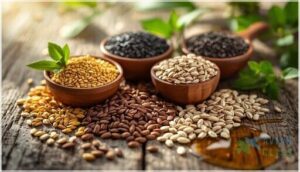
You’re looking at some of the smartest plant-based protein and healthy fat intake around. Seeds deliver 20–35% protein by weight, and chia or flax pack omega-3 fatty acids that support fat metabolism and heart health.
Hemp seeds bring complete protein with a superb omega ratio, while sunflower and sesame offer vitamin E and lignans that may fine-tune your lipid profile.
Essential Vitamins and Minerals
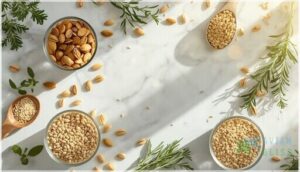
Think of seeds as tiny mineral vaults. Pumpkin and sunflower varieties give you magnesium, phosphorus, and zinc—nutrients that keep your metabolism humming and your immune defenses sharp.
Sesame and sunflower deliver vitamin E benefits that protect your cells from oxidation.
A tablespoon or two daily helps you dodge mineral deficiency and maintains micronutrient balance without relying heavily on dietary supplements.
Antioxidants and Phytochemicals
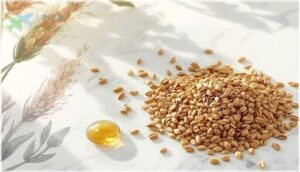
Seeds pack compounds like lignans in flax and polyphenols in sesame—phytochemicals with serious antioxidant activity. These bioactive compounds tackle oxidative stress, the cellular wear-and-tear linked to chronic disease.
You’ll get the best absorption when you pair antioxidant-rich foods with a bit of fat. Regular seed extracts and whole-seed snacks shift your stress markers in a positive direction.
Heart Health Benefits of Seeds

Your heart works hard every single day, and seeds can help keep it strong. Research shows that adding seeds to your meals can lower bad cholesterol, support healthy blood pressure, and cut your risk of serious heart problems.
Here’s what you need to know about protecting your cardiovascular health with seeds.
Lowering LDL Cholesterol
Your LDL cholesterol can drop by 5–15% when you swap saturated fats for seed oils rich in linoleic acid and omega-3 fatty acids. Just 1–2 tablespoons of chia seeds or flaxseeds daily may lower LDL by up to 10% in 8–12 weeks.
The fiber and antioxidants in seeds also improve your LDL-to-HDL ratio, supporting long-term heart health.
Supporting Healthy Blood Pressure
Potassium and magnesium work together like a tag team to keep your blood pressure in check. A daily handful of pumpkin or sunflower seeds delivers both minerals plus omega-3 fatty acids that support vascular health.
The fiber and antioxidants add another layer of heart wellness by protecting artery walls.
Regular seed snacking fits naturally into dietary approaches that favor whole, nutrient-dense foods over salt-heavy processed options.
Reducing Cardiovascular Risk
When you swap refined snacks for a handful of seeds each day, you’re tackling multiple risk factors at once. Studies show seed-rich diets improve cholesterol ratios, lower triglycerides, and help manage weight—key pieces of heart health management.
The omega-3 fatty acids and fiber in chia, flax, and hemp provide cardio health benefits that go beyond any single nutrient, supporting complete vascular care and long-term heart benefits through simple seed nutrition.
Seeds for Digestive Wellness
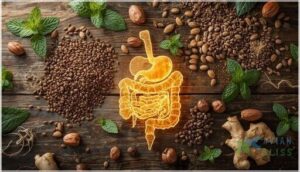
Your gut does more than just process food—it influences your energy, immunity, and even your mood. Seeds pack both types of fiber your digestive system needs to run smoothly.
Here’s how they support everything from daily regularity to balanced blood sugar.
Fiber Content and Gut Health
Your gut microbiome thrives when you feed it right. Seeds deliver both soluble and insoluble fiber that ferments into short-chain fatty acids, nourishing your intestinal lining.
Chia and flax offer seed mucilage that forms a protective gel, while their prebiotic effects boost beneficial bacteria like Bifidobacterium.
This fiber intake promotes gut motility and enhances microbial diversity—key markers of digestive health in plant-based nutrition benefits.
Promoting Regularity
You want predictable bowel movements? Seeds deliver. Their insoluble fiber adds stool bulk and increases frequency, while psyllium-containing varieties improve consistency.
Grinding chia seeds or flax before eating shortens digestive transit time and unlocks nutrients.
Your fiber intake from seeds also feeds gut bacteria that keep things moving smoothly—just drink plenty of water so that fiber can do its job.
Managing Blood Sugar Levels
Seeds do more than keep you regular—they steady your blood sugar too. Their soluble fiber slows carb absorption and smooths out glucose spikes after meals. Ground flax and chia work especially well when you pair them with protein-rich foods.
Start with one to two tablespoons daily, and you’ll tap into seed fiber benefits that support diabetes prevention without spiking your levels.
Seeds and Weight Management

Seeds can be a real asset when you’re trying to manage your weight without feeling deprived. They pack serious nutrition into a small serving, which means you get more satisfaction from fewer calories.
Here’s how seeds support your weight goals in three practical ways.
Satiety and Appetite Control
Your body naturally accesses satiety mechanisms when you add seeds to meals. Fiber and plant-based protein slow digestion, triggering fullness signals that keep hunger hormones in check.
This appetite regulation means seed snacking helps you feel satisfied longer—so you’re less likely to raid the pantry an hour later. Healthy eating becomes easier when digestive health and seed benefits work together to curb cravings naturally.
Supporting Healthy Metabolism
Feeling satisfied is one thing—keeping your metabolism humming is another. When you fuel up with seeds, you’re delivering omega-3 fatty acids and plant-based protein that support energy regulation and nutrient uptake at the cellular level. These seed benefits influence hormone modulation tied to fat burning and glucose control. Here’s how metabolism gets a boost:
- Magnesium activates enzymes for energy production
- Fiber bolsters digestive health and insulin signaling
- Healthy fats boost fat oxidation during activity
Low-Calorie Nutrient Density
You don’t need to pile calories on your plate to get the nutrition your body craves. Seeds deliver nutrient-dense foods packed with omega-3 fatty acids, antioxidant-rich food components, and dietary fiber—all without tipping the scale.
This energy efficiency means seed variety maintains calorie balance while flooding you with fiber-rich foods and plant-based nutrition benefits that keep you satisfied and thriving.
| Seed Type | Calories per Tablespoon | Key Nutrient Richness |
|---|---|---|
| Chia | 60 | Omega-3s, fiber |
| Flax | 55 | Lignans, magnesium |
| Hemp | 50 | Protein, zinc |
How Seeds Support Disease Prevention

Seeds do more than just fill nutritional gaps—they actively help your body fight off chronic disease. The phytochemicals, healthy fats, and minerals in seeds work together to protect your cells and strengthen your defenses.
Seeds actively fight chronic disease through their phytochemicals, healthy fats, and minerals that protect your cells and strengthen your defenses
Here’s how adding seeds to your meals can lower your risk of serious health conditions.
Anti-Inflammatory Properties
Chronic inflammation fuels disease, but seed nutrition offers a natural counterattack. Omega-3 fatty acids and anti-inflammatory compounds in seeds like flax and chia work behind the scenes to quiet your body’s alarm system. Here’s how seed oil benefits deliver inflammation reduction:
- Omega fatty acids lower inflammatory markers in your bloodstream
- Lignans and phenolic seed extract effects modulate inflammatory pathways
- Magnesium and zinc support anti-inflammatory immune responses
- Fiber fermentation produces short-chain fatty acids with systemic benefits
Think of antioxidant-rich foods as your internal fire department—seeds help put out the flames before they spread.
Immune System Support
Your immune cell function relies on a steady supply of micronutrients, and seeds deliver zinc, selenium, and vitamin E in compact servings. Chia seeds and other antioxidant-rich foods flood your system with omega-3 fatty acids that calm inflammation reduction pathways, while seed fiber fuels your gut microbiome to produce compounds supporting mucosal immunity.
Think of plant-based nutrition benefits as daily armor for your defenses.
Reducing Diabetes and Cancer Risk
Seeds pack fiber, omega-3 fatty acids, and lignans that work behind the scenes for cancer prevention and diabetes management. Including chia, flax, and sunflower seeds in your healthy eating plan aids chronic disease prevention through:
- Slowing glucose absorption to improve blood sugar control
- Lowering inflammation linked to cancer risk reduction
- Replacing refined carbs that spike insulin
- Delivering plant-based nutrition benefits for metabolic health
Easy Ways to Add Seeds to Your Diet

You don’t need to overhaul your entire kitchen to eat more seeds. They’re surprisingly easy to work into meals you already make.
Here’s how to get started with simple meal ideas, storage tips, and a few things to watch for if you have allergies.
Meal and Snack Ideas
Think of seeds as your kitchen’s secret weapon for nutrient-dense foods and meal planning. Build satisfying seed bowls with quinoa, mixed seeds, and roasted vegetables for easy lunches.
Pack portable snack mixes with pumpkin and sunflower seeds for healthy recipe ideas when you’re on the go. Stir seed butters into smoothie additions, or scatter quick toppings like chia and sesame across yogurt and salads for easy snacking.
Tips for Cooking and Storage
Store your seeds right and they’ll reward you for months. Choose seed types and uses that match your cooking methods and how quickly you’ll use them. Keep shelf life in mind for seed nutrition and food safety:
- Use airtight containers in cool, dark spaces for seed storage
- Refrigerate flax and hemp to preserve healthy recipe ideas
- Label dates so you know what’s fresh
- Keep humidity out to prevent spoilage
Smart storage protects the nutrients you’re after.
Allergy and Sensitivity Considerations
Even with proper storage, some people face seed allergies or cross reactivity with nuts and pollen. If you experience itching, hives, or stomach upset, try sensitivity testing with your doctor.
Those at risk need allergen avoidance strategies and epinephrine access for anaphylaxis prevention.
Rotate seed types and uses gradually to spot problems early while enjoying plant-based nutrition benefits safely.
Frequently Asked Questions (FAQs)
Can seeds help improve skin and hair health?
Your hair and skin thrive on omega-3 fatty acids, vitamin E, and zinc from nutrient-dense foods like chia seeds.
These antioxidant-rich, mineral-balanced seeds support hydration, protect against damage, and promote healthy growth naturally.
Are sprouted seeds more nutritious than regular seeds?
Sprouted seeds often trump their regular counterparts—think higher vitamin C and better mineral bioavailability in mung bean or lentil sprouts.
Germination benefits include improved nutrient-dense foods absorption, making plant-based protein more accessible to your body.
How much seed intake is recommended daily?
Most nutrition experts recommend about 1–2 tablespoons of seeds per day—roughly 10–20 grams. That’s a healthy seed portion for chia, pumpkin, sunflower, or hemp seeds rich in omega-3 fatty acids and fiber.
Do seeds lose nutrients when ground or blended?
Grinding seeds increases nutrient bioavailability by breaking cell walls, but also speeds lipid oxidation.
Store ground seeds in airtight containers in the fridge to preserve omega-3 fatty acids and prevent nutrient loss.
Can children and pregnant women safely eat seeds?
Like planting tiny treasures in a garden, seeds can nourish growing bodies and babies-to-be when you introduce them mindfully, watching for seed allergy signs and adjusting portions to match age and pregnancy nutrition needs.
Conclusion
A 52-year-old teacher swapped her afternoon chips for two tablespoons of mixed seeds. Six months later, her LDL cholesterol dropped 23 points without medication. That’s the quiet power of seed diet health benefits—they work while you go about your day.
Your heart gets stronger. Your gut finds its rhythm. Your immune system builds its defenses.
Start with one tablespoon tomorrow. Let those tiny warriors do what they were designed to do.