This site is supported by our readers. We may earn a commission, at no cost to you, if you purchase through links.
 Your feathered friend can’t tell you when they’re sick, so you’ll need to watch for telltale signs bird needs vet attention.
Look for changes in droppings, loss of appetite, difficulty breathing, or unusual discharge from eyes and nostrils. Notice if your bird’s sitting fluffed up, plucking feathers, or staying unusually quiet.
Labored breathing, sitting on the cage bottom, or sudden personality changes are red flags. Birds hide illness well—it’s their survival instinct—so even subtle changes matter.
A wobbly stance or droopy wings shouldn’t be ignored either. These warning signs often appear together, creating a pattern that reveals your bird’s silent cry for help, which can be a result of their instinct to hide illness well, and may indicate a need for immediate vet attention.
Table Of Contents
- Key Takeaways
- Bird Health Warning Signs
- Recognizing Bird Distress
- Common Bird Illnesses
- Emergency Bird Care
- Veterinary Visit Preparation
- Frequently Asked Questions (FAQs)
- How do birds act when they are sick?
- How to know if a bird is asking for help?
- When to take your bird to the vet?
- How do you know if a bird needs help?
- How often should healthy birds visit vets?
- Can stress alone cause serious bird illness?
- Are there bird-safe household products for cleaning?
- What foods are toxic to pet birds?
- How do you transport sick birds safely?
- Conclusion
Key Takeaways
- Watch your bird’s droppings closely – Changes in color, consistency, or frequency often signal the first signs of illness, from liver disease to internal bleeding.
- Don’t ignore breathing difficulties – Open-mouth breathing, tail bobbing, or clicking sounds indicate respiratory distress that requires immediate emergency care.
- Trust sudden behavior changes – When your normally active bird becomes quiet, fluffed up, or withdraws socially, it’s likely hiding serious illness due to survival instincts.
- Act fast when symptoms appear – Birds deteriorate quickly once they show signs of illness, so contact an avian veterinarian immediately rather than waiting to see if conditions improve.
Bird Health Warning Signs
Your bird’s health can change quickly, and early warning signs often appear before serious problems develop. Recognizing these critical symptoms helps you get veterinary care when it matters most.
Changes in Droppings
Monitoring dropping changes tells you everything about your bird’s health status.
Healthy droppings have three parts: dark feces, white urates, and clear liquid.
Watch for these urgent signs:
- Dropping Color: Bright green or yellow signals liver disease; red or black indicates internal bleeding
- Dropping Consistency: Watery, frothy, or "pea soup" texture suggests infection or kidney problems
- Dropping Frequency: Sudden changes in volume or timing often mean illness.
Observing bird dropping consistency is essential, as diet greatly affects their form.
Loss of Appetite
Your bird’s appetite tells a story about their health. When they suddenly ignore their favorite seeds or pick at food without eating, it’s often the first sign something’s wrong. Environmental stressors, underlying illness, or crop issues can trigger this concerning change.
| Normal Eating | Warning Signs |
|---|---|
| Enthusiastically approaches food bowl | Ignores favorite treats completely |
| Consumes regular portions daily | Picks at food but doesn’t swallow |
| Shows excitement at meal times | Shows no interest in dietary changes |
| Maintains consistent seed preferences | Sits far from food bowl |
Loss of appetite bird behavior often appears alongside lethargy. These sick bird symptoms require immediate attention since birds hide illness well. When you notice bird illness signs like refusing food for 12-24 hours, contact an avian vet needed right away. Birds can deteriorate rapidly without proper nutrition.
Difficulty Breathing
Open-mouth breathing signals a bird emergency requiring immediate avian vet care.
Watch for tail bobbing, gasping sounds, or clicking noises—these sick bird symptoms indicate serious respiratory distress.
Common causes include infections, toxins, or airway obstructions.
Addressing potential issues like exposure to Aspergillus is essential for prevention.
Quick diagnosis and treatment prevent life-threatening complications.
Prevention involves maintaining clean air quality around your feathered friend.
Feather Plucking
Feather plucking signals serious trouble that demands immediate medical evaluation.
This self-destructive behavior stems from medical conditions, behavioral solutions shortcomings, or dietary factors requiring professional assessment.
- Plucking Causes: Medical issues like infections, allergies, or liver disease trigger 60% of cases
- Environmental Enrichment: Boredom and inadequate stimulation worsen bird behavior changes substantially
- Medical Evaluation: Persistent plucking with bald patches needs urgent bird emergency care intervention
Discharge From Eyes or Nostrils
Any unusual discharge from your bird’s eyes or nostrils signals trouble.
Clear discharge might indicate allergies, while thick, colored discharge suggests bacterial infections requiring immediate bird emergency care.
Watch for discharge appearance changes, swollen areas, and bird breathing problems.
Underlying causes range from respiratory infections to environmental irritants.
Diagnostic tests help identify treatment options.
Your vet will recommend preventative measures to avoid future issues with bird sick signs, including ways to prevent respiratory infections.
Recognizing Bird Distress
When your bird starts acting differently, it’s time to pay close attention. Distress signals often show up in how your bird moves, sounds, and interacts with you and their environment.
Abnormal Posture
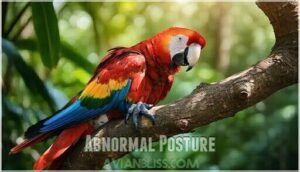
When your bird sits like a deflated balloon, something’s wrong.
Watch for head tilt, wing drooping against the body, or hunched posture with fluffed feathers.
Perch use becomes difficult with leg weakness or spinal curvature.
These bird health issues often signal bird lethargy or underlying problems requiring immediate veterinary attention.
Labored Movement
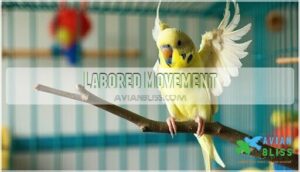
When your bird moves with obvious difficulty, you’re witnessing potential serious health issues.
Limping suggests leg injuries or arthritis.
Loss of balance often indicates inner ear infections or neurological problems.
Watch for weak grip on perches – healthy birds maintain strong holds.
Head tilting can signal ear infections or brain issues.
Muscle tremors reveal neurological distress.
Bird lethargy combined with labored movement creates concerning patterns.
These injured bird signs warrant immediate veterinary attention for potential neurological problems.
Vocalization Changes
When your feathered friend’s voice changes, it’s often their way of saying "help me."
Sudden silence from a normally chatty parrot signals parrot health issues, while increased volume or new sounds can indicate distress.
Loss of vocal clarity and repeated chirping without reason are common budgie sick signs and finch disease symptoms that shouldn’t be ignored.
Owners should also be aware that labored breathing indicates problems and warrants immediate attention.
Social Withdrawal
Birds that suddenly become loners need your attention.
When your chatty parrot stops talking or your social budgie hides in corners, these behavioral changes signal trouble.
Isolation causes stress and worsens parrot health issues.
Watch for reduced interaction with you or other birds, plus budgie sick signs like ruffled feathers bird displays.
Environmental enrichment supports mental wellbeing, but sudden withdrawal often means illness.
Swollen bird conditions or bird weight loss commonly trigger social retreat.
Common Bird Illnesses
Your bird’s health can change quickly, and knowing common illnesses helps you act fast when something’s wrong.
Understanding these conditions means you’ll recognize symptoms early and get your feathered friend the care they need before minor issues become serious problems.
Respiratory Infections
Respiratory infections hit about 30% of pet birds and spread fast.
Watch for discharge from eyes that’s yellow or green – that’s your red flag. Symptoms include ruffled feathers, labored breathing, and abnormal droppings.
Causes range from bacteria to viruses. Diagnosis needs a vet’s exam and tests.
Treatment involves antibiotics or antifungals. Prevention means clean cages and good ventilation.
Bacterial Infections

Bacterial infections often sneak up on birds like unwelcome guests.
Enterobacteria frequently cause these infections, leading to abnormal droppings bird owners notice first.
Symptoms include vomiting bird episodes, discharge from eyes bird, and ruffled feathers bird displays.
Diagnosis requires fecal analysis and blood work.
Treatment involves targeted antibiotics from your vet.
Psittacosis can cause respiratory issues and lethargy.
Prevention focuses on clean cages and proper hygiene practices.
Viral Infections
Viral infections hit your bird’s immune system hard.
Avian Pox causes wartlike growths on skin and beak.
Polyomavirus triggers sudden death in young birds.
Bornavirus leads to neurological problems and seizures.
Pachecos Disease brings liver failure within days.
Newcastle Disease causes ruffled feathers bird appearance, discharge from eyes bird, abnormal droppings bird, and vomiting bird symptoms.
Bird bleeding may occur with severe cases.
Parasitic Infestations
Unfortunately, parasitic infestations affect up to 10% of caged birds.
You’ll notice mite identification becomes essential when your bird shows intense itching and feather damage.
Internal parasites cause different symptoms like weight loss and digestive issues.
Watch for excessive feather plucking causes beyond normal grooming.
Preventative measures include regular cage cleaning and quarantining new birds.
Treatment options vary based on parasite type, so veterinary diagnosis is essential for effective sign communication about your bird’s health and to address parasite issues.
Emergency Bird Care
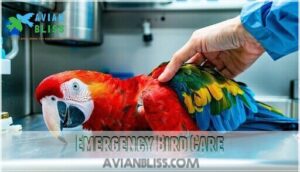
When your bird gets hurt or suddenly becomes very sick, you need to act fast to help them before getting to a vet.
Quick first aid can save your bird’s life, but knowing what to do and what not to do makes all the difference.
First Aid for Injuries
Swift action during bird injuries can mean the difference between recovery and tragedy. When accidents happen, your quick response provides vital stabilization until professional help arrives.
Essential first aid steps include:
- Bleeding Control – Apply gentle pressure with clean gauze; use styptic powder for minor cuts
- Fracture Support – Immobilize broken wings with soft towels; avoid excessive handling of swollen bird areas
- Burn Treatment – Cool affected area immediately with room temperature water; never use ice
For Stabilizing Wounds, clean gently with bird-safe antiseptics. Consider using specialized avian products for superior care. Toxin Exposure requires immediate veterinary sign communication – don’t delay seeking professional sign information and sign messaging about treatment protocols.
Signs of Dehydration
Dehydration creeps up silently, making early detection essential for your bird’s survival.
Early detection saves lives – watch your bird closely for silent health changes.
Watch for these telltale signs that demand immediate veterinary attention.
| Physical Sign | What to Look For | Severity Level |
|---|---|---|
| Sunken Eyes | Eyes appear receded into skull | High |
| Skin Elasticity | Skin stays tented when pinched | Medium |
| Thick Saliva | Sticky, ropey mouth secretions | Medium |
| Reduced Urination | Fewer, darker droppings | High |
| Lethargy Signs | Weakness, drooping posture | Critical |
These symptoms often appear together in dehydrated birds.
Observing the bird’s droppings can reveal paste-like excretions, a key indicator of dehydration.
A swollen bird might also show these signs alongside fluid retention.
Quick recognition helps prevent serious complications requiring emergency sign messaging to your vet with detailed sign information about your bird’s condition.
Hypothermia Treatment
When your bird feels cold to the touch, quick action saves lives.
Start warming methods like placing them near a heating pad on low or using your body heat.
Gradual reheating prevents shock – never use direct heat sources.
Consider using a safe heating option for consistent warmth.
Monitor electrolyte balance by offering small amounts of warm water.
Provide supportive care in a quiet, draft-free space while watching for recovery signs.
Wound Care
When wounds occur, quick action prevents complications. Birds hide pain well, so you’ll need to watch closely for signs of injury or distress.
Here’s your wound care approach:
- Control bleeding – Apply gentle pressure with clean gauze for several minutes
- Clean carefully – Use sterile saline solution, never hydrogen peroxide or alcohol
- Protect the area – Cover with breathable bandaging, avoiding tight wrapping
Monitor for infection signs like swelling, discharge, or odor. Consider specialized avian products to aid healing.
Pain management requires veterinary guidance – never give human medications. Proper sign care means keeping your bird’s environment clean during healing. Check bandages daily and replace as needed.
Most wounds need professional evaluation within hours, not days.
Veterinary Visit Preparation
Once you’ve identified warning signs that require veterinary attention, preparing for the visit becomes your next priority.
Taking the right steps beforehand guarantees your vet gets the information they need to provide the best possible care for your feathered friend.
Choosing a Qualified Vet
Finding the right vet isn’t like picking a restaurant from online reviews. Your bird’s life depends on specialized care that most general vets can’t provide.
Look for board-certified avian veterinarians with ABVP credentials. Check their avian experience through case volumes and patient outcomes. Verify clinic reputation through the Association of Avian Veterinarians directory.
To guarantee your bird’s well-being, create a detailed pet bird vet visit checklist.
| What to Look For | Red Flags |
|---|---|
| ABVP certification & 1,000+ annual avian cases | "We see all animals" with no bird specialization |
| Separate bird waiting areas & micro-surgical equipment | Mixed waiting rooms with dogs and cats present |
| 24/7 emergency care availability & transparent cost considerations | No after-hours support or hidden fees |
Quality avian care costs more upfront but prevents expensive emergency treatments later.
Pre-Visit Checklists
Before heading to the vet, proper preparation guarantees your bird receives the best care possible.
Gathering essential information and organizing your approach helps veterinarians diagnose issues more effectively.
- Cage Preparation: Bring your bird’s regular cage or a secure travel carrier with familiar perches
- Medical History: Document recent behavior changes, appetite loss, and previous health concerns
- Transportation Safety: Ensure proper ventilation and temperature control during the journey
Create a question list covering symptoms you’ve observed.
What to Expect at The Vet
Your vet visit starts with an Initial Examination where the doctor checks your bird’s weight, temperature, and overall condition.
Expect Diagnostic Testing like blood work or X-rays if needed.
The vet will discuss Treatment Options and provide clear Medication Guidance. They’ll schedule Follow-up Care appointments to monitor progress and guarantee your feathered friend recovers completely.
Post-Visit Care Instructions
Your bird’s recovery starts the moment you leave the clinic. Follow medication administration schedules exactly as prescribed – missing doses can set back healing.
Keep the cage spotless through regular cleaning to prevent infection. Create a quiet, stress-free environment by limiting visitors and handling.
Monitor diet changes carefully, noting appetite improvements. Schedule follow-up appointments promptly to track progress and catch complications early.
Frequently Asked Questions (FAQs)
How do birds act when they are sick?
Like a telegram from yesteryear, sick birds send clear distress signals you can’t miss. They’ll fluff feathers, sit quietly, refuse food, breathe heavily, and lose their usual chirpy energy quickly.
How to know if a bird is asking for help?
Distressed birds often show clear signs they need help: sitting on the ground unable to fly, breathing heavily with open beaks, drooping wings, or appearing lethargic and unresponsive to your approach.
When to take your bird to the vet?
Careful consideration calls for veterinary visits when you’ve spotted sudden behavioral changes, breathing troubles, loss of appetite, unusual droppings, or visible injuries that persist beyond a day.
How do you know if a bird needs help?
Watch for changes in your bird’s behavior, appetite, or appearance. Difficulty breathing, drooping wings, sitting at the cage bottom, discharge from eyes or beak, and unusual quietness signal trouble.
How often should healthy birds visit vets?
Healthy birds should visit an avian vet annually for checkups. Young birds or those with health issues may need visits every six months. Regular checkups help catch problems early.
Can stress alone cause serious bird illness?
Like a canary in a coal mine, your bird’s stress can signal danger.
Yes, chronic stress weakens their immune system, making them vulnerable to infections, feather plucking, and organ problems that require immediate veterinary attention.
Are there bird-safe household products for cleaning?
Yes, several bird-safe cleaning products exist. Use white vinegar, baking soda, and plain water for most tasks. Avoid bleach, ammonia, aerosols, and scented products—they’re toxic to birds.
What foods are toxic to pet birds?
Avocado, chocolate, caffeine, salt, garlic, onions, and fruit pits are dangerous for your feathered friend.
These foods can cause serious illness or death, so keep them away from your bird’s reach always.
How do you transport sick birds safely?
Use a secure, well-ventilated carrier with towels for comfort. Keep the bird warm but not overheated. Move gently, avoid sudden movements, and minimize travel time to reduce stress during transport.
Conclusion
Nearly 70% of pet birds hide illness until they’re critically sick, making early detection vital for survival.
Recognizing these signs bird needs vet attention can save your feathered companion’s life.
Don’t wait when you notice changes in droppings, breathing, or behavior.
Birds deteriorate quickly once symptoms appear.
Trust your instincts and contact an avian veterinarian immediately.
Early intervention makes all the difference between recovery and tragedy for your beloved bird.
- https://lakehamiltonanimalhospital.com/7-signs-that-you-have-a-sick-bird/
- https://zupreem.com/when-to-take-your-pet-bird-to-the-vet/
- https://bestfriends.org/pet-care-resources/bird-health-signs-sick-bird-avian-vet-care
- https://www.exoticvetclinic.com/emergency-care-for-birds
- https://pawsnclawsmiami.com/2024/02/05/a-guide-for-pet-owners-understanding-addressing-common-emergencies-in-birds/