This site is supported by our readers. We may earn a commission, at no cost to you, if you purchase through links.
You might think tossing any seed into your backyard feeder will bring birds flocking, but that’s like offering a vegetarian a steak and wondering why they’re not excited. Different bird species have evolved with distinct beak shapes, digestive systems, and dietary needs—which means the seed that attracts cardinals won’t necessarily interest goldfinches.
Black oil sunflower seeds pack 28% fat content and draw over 50 species, while tiny nyjer seeds contain up to 40% oil and send finches into feeding frenzies.
Understanding the types of bird seeds available transforms your yard from a quiet space into a bustling avian hub where you’ll spot species you never knew visited your neighborhood.
Table Of Contents
- Key Takeaways
- What Are The Main Types of Bird Seeds?
- Sunflower Seeds: Varieties and Benefits
- Safflower, Nyjer, and Specialty Seeds
- Millet, Milo, and Grain-Based Seeds
- Suet, Peanuts, and High-Protein Options
- Choosing Bird Seeds for Different Species
- Factors to Consider When Selecting Bird Seeds
- Top 10 Best Bird Seed Products
- 1. Wagner’s Black Oil Sunflower Bird Seed
- 2. High Quality Sunflower Bird Seed
- 3. Wild Bird Sunflower Seed Mix
- 4. Wagner’s Safflower Seed Wild Bird Food
- 5. Nyjer Seed Wild Bird Food
- 6. Natural Peanuts For Wild Birds
- 7. Wild Bird Peanut Food Delight
- 8. High Protein Mealworms For Birds
- 9. Peanut Butter Wild Bird Suet
- 10. Peanut Butter Suet Plugs Pack
- Tips for Offering Bird Seeds Effectively
- Frequently Asked Questions (FAQs)
- Conclusion
Key Takeaways
- Black oil sunflower seeds attract over 50 bird species with their 28% fat content and thin shells that even small birds can crack easily, making them the most versatile choice for backyard feeders.
- Different birds have evolved specific dietary needs—cardinals prefer safflower and sunflower seeds with their strong beaks, while finches flock to nyjer seeds containing up to 40% oil, so matching seed types to target species dramatically increases feeder activity.
- High-protein options like suet cakes (35%+ fat), whole peanuts (25% protein), and dried mealworms (53% protein) are essential during winter, breeding season, and migration when birds need concentrated energy sources beyond standard seeds.
- Proper seed storage in airtight containers, regular feeder cleaning every two weeks, and strategic placement near cover but away from windows prevent spoilage, disease transmission, and bird collisions while maximizing species diversity in your yard.
What Are The Main Types of Bird Seeds?
You’ve got plenty of options regarding filling your bird feeders, and each seed type attracts different species with unique feeding habits. Some seeds work like magnets for finches, while others bring in cardinals, woodpeckers, or ground-feeding birds.
Let’s break down the main seed types you’ll encounter so you can pick what’s right for your backyard visitors.
Black Oil Sunflower Seeds
Black Oil Sunflower Seeds pack a punch with their thin shells and sky-high energy value—they’re the premier crowd-pleaser at your feeder. These little powerhouses contain up to 28% fat and attract more bird species than any other seed type. Why do they work so well?
- Thin hulls let small birds crack them easily
- High seed oil content fuels cold-weather survival
- Compatible with tube, hopper, and platform feeder designs
- Premium nutrient benefits support healthy plumage and breeding
Cardinals, chickadees, and finches can’t resist them. The high energy value of Black Oil Sunflower Seeds is due to their rich content of essential vitamins.
Striped Sunflower Seeds
If you want bigger birds like jays and cardinals at your feeder, Striped Sunflower Seeds are your go-to. Their hard shells filter out smaller species—only strong-beaked visitors can crack them open. You’ll find these seeds work best in hopper or platform feeders, and their tougher structure keeps them fresh longer than Black Oil Sunflower Seeds, cutting down on waste and spoilage.
For best results, consider using high-quality sunflower seed products that meet specific standards.
Hulled Sunflower Seeds
Hulled Sunflower Seeds take the hassle out of bird feeding—no shells means zero mess underneath your feeder. You’ll attract finches, goldfinches, and chickadees without the cleanup headaches.
These seeds pack the same nutritional punch as Black Oil Sunflower Seeds but cost more since the hulling process requires extra work.
They’re perfect for platform and tube feeders, offering nearly 100% consumption and slashing your feeder maintenance time in half.
Safflower Seeds
Safflower Seeds work like a secret handshake—Northern Cardinals and House Finches love them, while squirrels and blackbirds turn away every time.
You’ll get 38% fat and 16% protein in each kernel, supporting your birds’ energy needs without feeding the pests.
Safflower Seed requires patience since birds might take weeks to accept it, but Wagners Safflower Seed and similar brands help speed up that shift before you switch to Nyjer seeds.
Nyjer (Thistle) Seeds
Nyjer seeds attract finch feeding like no other option—you’ll spot American Goldfinches, Pine Siskins, and Common Redpolls crowding your tube feeders once you fill them with these tiny, oil-rich gems.
Nyjer Seed Benefits That Set You Free:
- 30-40% oil content fuels finches through cold winters and migration
- Seed sterilization prevents sprouting in your garden—regulations require heat-treated, weed-free Nyjer
- Specialized feeder designs with small ports exclude larger birds and boost finch attraction
- Higher finch visitation rates compared to mixed-seed feeders (1.96 vs. 1.19 birds per yard)
White Millet Seeds
White millet seeds scatter across platform feeders like tiny golden pearls, pulling in ground-feeding birds you’ve been waiting to see—juncos, towhees, native sparrows, and Mourning Doves. This affordable seed storage staple offers solid millet nutrition (11g protein, 73g carbs per 100g) and attracts up to 14 species when you choose smart feeding methods and bird seed selection for your backyard sanctuary.
| Millet Benefits | Bird Attraction Details |
|---|---|
| High carbohydrate energy (73g/100g) | Attracts 14+ backyard species |
| Affordable at $1.15/lb | Juncos, sparrows, doves prefer it |
| 4-5 year shelf life (whole seed) | Best offered in tray feeders |
| Rich in iron and phosphorus | Ground-feeding birds thrive on it |
| Minimal waste with proper storage | Increases species diversity fast |
Milo Seeds
Red milo seeds appear in many budget bird seed blends as filler, but here’s the truth: most songbirds reject them. You’ll mainly attract western ground-feeders—Gambel’s Quails, Mourning Doves, and Steller’s Jays—while cardinals and finches ignore them.
Before you stock up on milo-heavy mixes, consider offering sunflower seeds, safflower seeds, or nyjer instead for better backyard diversity and less wasted feed.
Cracked Corn
Cracked corn might seem like a budget shortcut, but it delivers real Cracked Corn Benefits for ground-feeding species—sparrows, jays, doves, and even quails. Its crude protein (6–7%) and fat (2–3%) make Cracked Corn Nutrition solid for energy.
Follow these Bird Feeding Tips:
- Use platform or hopper feeders to reduce waste.
- Store in sealed containers for Corn Seed Storage.
- Mix with Sunflower Seeds or Safflower Seeds for Wild Bird Attraction diversity.
Peanuts and Peanut Pieces
Packing 45% fat and 24% protein, peanuts fuel jays, woodpeckers, nuthatches, and chickadees through cold snaps and migration. You’ll optimize Wild Bird Health by offering unsalted kernels—check Kaytee Peanuts for quality—in nut feeders or platform setups. Skip the Peanut Allergy concern; birds thrive on this Peanut Nutrition powerhouse. Maintain Feeder Hygiene by cleaning weekly, and try Pine Tree Farms Peanut Butter Suet or peanut butter blends for extra energy during Bird Feeding peaks.
| Bird Species | Preferred Form | Seasonal Priority |
|---|---|---|
| Blue Jays | Whole or pieces | Year-round |
| Woodpeckers | Kibbled or suet cakes | Winter/breeding |
| Chickadees | Shelled pieces | Cold months |
| Nuthatches | Whole in-shell | Fall/winter |
| Cardinals | Crushed kernels | Year-round |
Mealworms and Suet
When protein demands spike during breeding season, mealworms deliver 51.8% of wild bird diets through concentrated amino acids—studies confirm 10 g daily boosts nestling mass in bluebirds and chickadees.
Pair them with suet cakes or peanut butter suet in suet feeders for bird energy across 46.2% of eastern species.
These insect supplements mirror natural foraging, making mealworm nutrition essential spring through fall.
Sunflower Seeds: Varieties and Benefits
Sunflower seeds are the benchmark of bird feeding—they’re like the all-you-can-eat buffet that nearly every backyard bird can’t resist. But not all sunflower seeds are created equal, and knowing the differences can help you attract more species while keeping your feeder station running smoothly.
Sunflower seeds are the all-you-can-eat buffet nearly every backyard bird can’t resist, but knowing the varieties keeps your feeder station running smoothly
Let’s break down the varieties, see which birds they bring to your yard, and explore why these seeds pack such a nutritional punch.
Black Oil Vs. Striped Sunflower Seeds
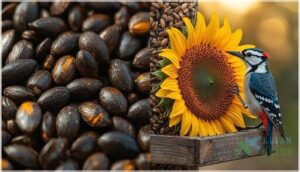
You’ll notice black oil sunflower seeds have thinner shells than striped varieties, making them easier for small birds to crack open. Black oil seeds pack more oil and fat too, giving your feathered visitors the energy they need to thrive.
Striped seeds work better if you want to discourage pest birds—their tougher shells keep smaller, aggressive species away while attracting jays and woodpeckers.
Bird Species Attracted by Sunflower Seeds
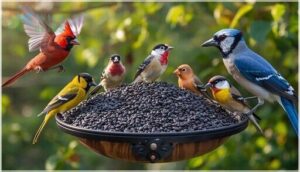
Sunflower seeds draw an impressive crowd to your feeders—cardinals, chickadees, finches, grosbeaks, nuthatches, and Blue Jays all show strong preferences for them. Hulled sunflower seeds attract nearly 89% of common backyard birds in Eastern North America.
You’ll see mourning doves, woodpeckers, and even sparrows visiting regularly, especially when you offer black oil sunflower seeds during migration seasons.
Nutritional Value of Sunflower Seeds
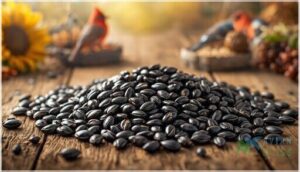
That popularity isn’t random—sunflower seeds deliver serious nutritional punch. Black oil sunflower seeds pack around 38–40% fat content and 16–22% protein benefits, making them energy powerhouses for your backyard visitors. Here’s what fuels those feathered guests:
- Vitamin profile: Rich in vitamin E and B-complex vitamins for immune health and vibrant plumage
- Mineral value: Calcium, iron, magnesium, and zinc support bone strength and metabolic functions
- Energy sources: High metabolizable energy (approximately 6,207 kcal/kg) sustains migration and cold-weather survival
Safflower, Nyjer, and Specialty Seeds

Beyond sunflower seeds, you’ll find specialty options that attract birds with more particular tastes. Safflower and nyjer seeds each bring different species to your feeders, from cardinals to goldfinches.
Let’s look at these specialty seeds and how they match up with specific backyard visitors.
Safflower Seeds for Cardinals and Finches
Cardinals love safflower seeds because their strong beaks easily crack the thick shells, revealing nutrient-rich kernels packed with 38% fat and 16% protein. Finches also enjoy these seeds, though they take longer to open them.
You’ll appreciate the squirrel resistance—these critters hate the bitter taste and avoid your feeders entirely.
Use safflower seed in bird seed blends or alone to attract your favorite songbirds while keeping pests away.
Nyjer (Thistle) Seeds for Finches
Goldfinches descend on Nyjer seed like tiny acrobats—97% of finch species favor it when you stock your feeders. This energy-packed thistle seed offers 45% oil content and attracts American Goldfinches while deterring squirrels by 85%.
Here’s why Nyjer benefits your backyard:
- Minimal mess: 70% less waste than sunflower hulls
- Fresh appeal: Finches show 20% higher repeat visits
- Smart feeder placement: Hang tube feeders 4–6 feet high
Store Nyjer properly to maintain finch nutrition and support healthy finch behavior year-round.
Benefits and Uses of Specialty Seeds
Specialty blends deliver nutrition that transforms your backyard into a conservation hub. Hulled seeds offer 47% fat content, fueling birds through harsh winters while cutting waste by 52%.
You’ll see species diversity jump 32% with targeted mixes—Nyjer seeds for finches, suet for woodpeckers, black oil sunflower seeds for cardinals.
Organic options eliminate pesticide risks entirely, boosting overwinter survival by 11% across monitored sites.
Seed Preferences by Bird Species
You’ll notice striking patterns in seed type comparison across species feeding habits. Cardinals dominate safflower feeders, while American Goldfinches show 88% preference for Nyjer in bird diet analysis. Regional variations matter—California house finches accept mixed seeds, but Maryland populations prove pickier. Ground-feeders like juncos target white millet exclusively.
Understanding these finch preferences and attracting specific bird species means matching seed types to beak strength and natural foraging behavior.
Millet, Milo, and Grain-Based Seeds

Grain-based seeds open up your feeding station to a whole new crowd of ground-loving birds. These budget-friendly options attract species that prefer to forage below your feeders rather than perch on them.
Let’s look at the grain seeds that’ll bring juncos, sparrows, doves, and quail right to your backyard.
White Millet for Ground-Feeding Birds
If you’re looking to attract ground feeders like sparrows, juncos, and towhees, white millet is your go-to seed. This easily digestible option delivers protein, fiber, and B vitamins that support bird health.
- Scatter it on the ground or low platform feeders near shrubs for cover
- Target native sparrows and migratory birds during spring and fall
- Offer only what birds can eat daily to prevent spoilage
Red Milo for Doves and Quail
Mourning doves and quail gravitate toward red milo, especially in western regions where this drought-tolerant grain thrives. While it packs 11% protein and essential minerals, smaller bird species often pass it by.
You’ll get the best results scattering milo on ground feeders near cover—doves flock to it once the seed matures and its natural bitterness fades. Mix it with white millet for broader appeal in wildlife management.
Cracked Corn and Other Grains
Cracked corn packs 1,180 calories per kilogram—a dense energy source that draws jays, sparrows, and doves to your yard without breaking the bank. Here’s why it works as a budget-friendly staple among seed types:
- Attracts nearly half of North American feeder birds, including ground-feeders often ignored by black oil sunflower seeds
- Costs 60% less per pound than premium nyjer seed blends
- Requires dry grain storage below 60% humidity to prevent mold
Attracting Specific Bird Species With Grains
Once you understand grain preferences among species, feeder placement becomes strategic. Scatter white millet and cracked corn on platform feeders near shrubs—sparrows, juncos, and doves will find them. Cardinals and grosbeaks gravitate toward safflower blends on elevated trays.
Choosing bird seed types by habitat needs works: ground-feeders want open spaces, while finches prefer hanging tube feeders filled with seed nutrition like black oil sunflower.
Suet, Peanuts, and High-Protein Options
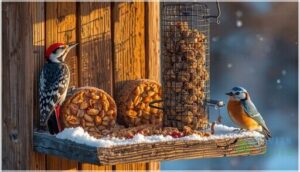
Some birds need more than seeds to thrive, especially during cold months or nesting season. High-protein options like suet, peanuts, and mealworms attract woodpeckers, bluebirds, and other insect-eating species that won’t visit traditional seed feeders.
Here’s what you need to know about offering these energy-rich foods in your backyard.
Suet Cakes and Plugs
Suet cakes and suet plugs deliver concentrated fat—sometimes over 35% crude fat—that fuels woodpeckers, nuthatches, and chickadees through cold snaps. You’ll find these winter feeding staples in cages, logs, or upside-down suet feeders that discourage starlings. Insect suet varieties boost protein, while suet alternatives use vegetable shortening for eco-conscious backyard setups.
- Suet nutrition: High-energy formulas with seeds, nuts, and dried fruit support diverse species year-round.
- Bird attraction: Suet nuggets and cakes draw insectivorous warblers, creepers, and bluebirds to your feeding station.
- Feeder designs: Log-style suet feeders mimic natural cavities, perfect for clinging birds like woodpeckers.
Whole and Shelled Peanuts
Woodpeckers and jays thrive on peanuts, which pack 25.8 grams of protein and 567 kilocalories per 100-gram serving—far exceeding most seed types. You can offer whole shells for caching behavior or splits for finches and chickadees. Blue jays will demolish 25 peanuts in half an hour, so check your feeder daily and skip salted varieties that harm kidneys.
| Peanut Format | Primary Species | Feeding Strategy |
|---|---|---|
| Whole in-shell | Blue Jays, Crows | Hopper or platform feeder |
| Shelled halves | Woodpeckers, Nuthatches | Wire mesh peanut feeder |
| Crushed pieces | Wrens, Finches | Tray or ground scatter |
| Raw unsalted | Cardinals, Titmice | Tube with large ports |
| Roasted plain | Blackbirds, Sparrows | Suet cage or log feeder |
Store your peanuts in airtight containers and toss any that smell musty—aflatoxin mold can be fatal. Fresh splits last several weeks if you limit each refill to two days’ worth, keeping bird nutrition balanced and preventing waste.
Mealworms for Insect-Eating Birds
Bluebirds and robins swoop down for mealworms—53% protein and sustainable feeding that transforms your backyard. Dried mealworms work year-round, though live ones win over picky species. You’ll see 40% more insect-eaters at your feeder when you scatter these larvae in shallow dishes or specialized feeders.
- Eastern Bluebirds favor live mealworms over dried forms during nesting season
- Chickadees and woodpeckers regularly visit feeders stocked with these protein-rich larvae
- Mealworm nutrition fosters egg production and reduces stress indicators in wild bird health
When to Offer High-Protein Foods
You’ll want to offer high-protein foods during breeding nutrition windows, when molting support becomes critical, and throughout migration prep periods. Stress recovery demands suet, mealworms, and nyjer seed from high quality bird seed brands—especially when feather growth peaks in spring and fall.
Bird nutrition and diet shift dramatically during these phases, so timing your protein offerings makes all the difference in backyard survival rates.
Choosing Bird Seeds for Different Species
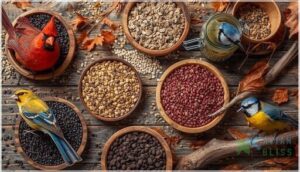
You can’t just toss any seed into a feeder and expect every bird to show up. Different species have specific preferences based on their beak strength, feeding habits, and nutritional needs.
Let’s break down which seeds work best for the birds you’re most likely to see in your backyard.
Matching Seeds to Backyard Birds
You’ll find your feeding station comes alive when you match seed types to the birds you’re seeing. Bird behavior tells you what to offer—if cardinals are around, stock safflower and sunflower seeds. Spotted finches? Nyjer is your answer.
Proper seed selection paired with smart feeder placement transforms your yard into a thriving hub where each species finds exactly what it needs.
Seed Preferences of Common Species
You won’t believe how picky some backyard visitors can be. Bird diet analysis and seed preference testing reveal clear patterns. Cardinals show a strong preference for safflower and black oil sunflower—up to an 85% selection rate. American goldfinches increase Nyjer consumption by 150% during migration. Understanding these finch feeding habits and sparrow migration patterns helps you choose bird seed types that actually work:
- Cardinals: Black oil sunflower and safflower dominate their choices
- Finches: Nyjer seed accounts for 80% of feeder visits during peak seasons
- Sparrows: White millet appeals to over 60% when offered mixed options
- Woodpeckers: Peanuts and suet draw 25–50% more activity within weeks
- Blue Jays: Striped sunflower and peanuts satisfy their strong-beaked feeding style
Match seed types to bird species preferences, and you’ll transform your yard into exactly what they’re searching for.
Creating Species-Specific Feeding Stations
Think of your feeding station as a restaurant menu—each bird orders differently. Matching bird species to seeds through seed preference testing transforms gardens into wildlife-friendly spaces. Feeder station designs that combine multiple seed types boost species richness by 35%. Here’s how bird species analysis guides feeding habitat creation:
| Bird Species | Ideal Setup |
|---|---|
| Cardinals & Grosbeaks | Platform feeders with safflower + black oil sunflower |
| Finches | Tube feeders stocked with Nyjer seed |
| Woodpeckers | Wire-cage suet feeders + peanut pieces |
| Ground Feeders | Low trays with white millet + cracked corn |
| Mixed Visitors | Multi-feeder stations near cover (12 species typical) |
Choosing bird seed by species and attracting specific bird species becomes straightforward when you align types of bird seeds with the natural seed preferences of birds.
Factors to Consider When Selecting Bird Seeds
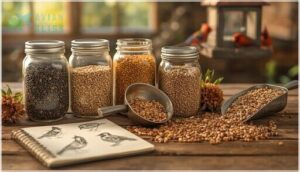
Picking the right bird seed isn’t just about what birds like—it’s about what works for your setup and keeps your feeder running smoothly. You’ll want to think about nutrition, waste, how to outsmart those pesky squirrels, and keeping your seed fresh between refills.
Here’s what matters most when you’re stocking up.
Nutritional Value and Bird Health
Your feeder choices directly shape avian health—think of seed quality as fuel for flight, reproduction, and survival. Here’s what drives bird nutrition:
- High fat content (black oil sunflower at 31.7%) supplies critical winter energy sources
- Protein levels (nyjer’s 16%) support feather growth during molting seasons
- Vitamins B and E in sunflower seeds strengthen immune response
- Calcium-rich nyjer (587 mg/100g) aids bone development
- Antioxidants from quality seeds reduce stress and boost longevity
Nutritional value isn’t negotiable—it’s survival.
Mess and Waste Considerations
Your seed choices leave a trail—literally. In-shell sunflower varieties create 70% more ground debris than hulled options, while cheap mixes containing milo and wheat can waste up to 60% of your purchase as birds toss unwanted fillers. That waste fuels mold, attracts rodents, and disrupts soil chemistry with excess phosphorus runoff.
Implementing no-waste mix strategies and daily removal of seed accumulations cuts bird health risks by 65% while slashing your annual costs by $50+. Regular feeder cleaning tips include weekly sanitation and drainage improvements—critical environmental impact assessments show backyard feeding introduces 2.4 gigagrams of phosphorus yearly into ecosystems. Combat rodent control issues by choosing hulled seeds and squirrel-proof feeders. Seed freshness matters: moldy piles breed disease, so store extras properly and prioritize waste management strategies that protect both birds and your budget.
| Seed Type | Mess Level | Waste Reduction Strategy |
|---|---|---|
| Black oil sunflower | High (hulls inhibit plant growth) | Switch to hulled sunflower |
| Mixed blends with fillers | Very high (60% discarded) | Use single-seed feeders |
| Nyjer (thistle) | Low (minimal debris) | Install seed catchers |
| Safflower | Moderate | Platform feeders reduce scatter |
Squirrel and Pest Resistance
You’ll want safflower seeds for serious pest deterrents—squirrels hate them, though chipmunks don’t share that aversion. Nyjer provides excellent squirrel proofing since rodents rarely touch it. Hot pepper coatings work brilliantly for seed protection, cutting mammalian feeder security breaches without bothering birds.
Pair squirrel-resistant feeders with metal baffles positioned five feet high for effective wildlife management—you’ll reduce theft by 70% while keeping your investment feeding actual birds.
Seed Freshness and Storage Tips
After securing feeders against pests, proper seed storage determines whether birds actually get nutritional value from your investment. Store seed in airtight, rodent-proof containers—metal or heavy plastic—inside cool, dry spaces.
Humidity control prevents mold growth that destroys seed quality. Black oil sunflower maintains freshness for 6-12 months; nyjer deteriorates faster.
Rotate stock every few weeks, never mixing old with new seed.
Top 10 Best Bird Seed Products
You’ve got the knowledge, and now it’s time to put it into action with the right products. Choosing quality bird seed can feel overwhelming with so many options on shelves and online.
Here are ten reliable bird seed products that’ll help you attract the species you want while keeping your feathered friends healthy and well-fed.
1. Wagner’s Black Oil Sunflower Bird Seed
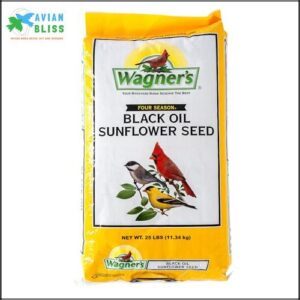
You’ll find freedom in the simplicity of Wagner’s Black Oil Sunflower Seed—a single-ingredient powerhouse that doesn’t mess around. These thin-shelled sunflower seeds pack 24% fat and attract cardinals, chickadees, finches, and woodpeckers like clockwork.
The high oil content fuels wild bird nutrition through cold snaps and breeding seasons, making it a reliable choice year-round. With 70% edible kernel per seed, you’re offering real substance, not filler.
Toss it in tube, tray, or hopper feeders and watch your backyard transform into a songbird sanctuary.
Best For: Backyard birders who want a no-fuss, high-energy seed that attracts the widest variety of songbirds without dealing with messy fillers or complicated mixes.
- High fat content (24%) and thin shells make it irresistible to cardinals, chickadees, finches, and woodpeckers while minimizing waste around your feeder.
- Works in any feeder type—tube, tray, or hopper—and keeps birds fueled year-round, especially during cold weather and breeding season.
- Made in the USA with quality grains and priced competitively, especially in the 5-pound bag at around $0.10 per pound.
- Some bags arrive with wood chips or debris mixed in, which means you might need to sift through before filling your feeder.
- The 25-pound bag lacks a resealable closure, making it tricky to keep seeds fresh if you don’t use them quickly.
- Squirrels love these seeds too, so you may need a baffle or squirrel-proof feeder to keep them from cleaning you out.
2. High Quality Sunflower Bird Seed
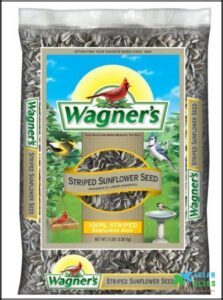
When you’re ready to level up from basic offerings, premium striped sunflower seeds deliver serious results. Wagner’s 5-pound bags bring larger, thicker-shelled kernels that Cardinals, Jays, and Grosbeaks crack open with ease—smaller birds may struggle, but that’s the trade-off.
You’ll notice around 85% germination rates in certified lots, meaning freshness you can trust. Store unopened bags for over a year at room temperature, or refrigerate opened seeds for up to 12 months to lock in that oil content.
Platform and hopper feeders work best for these sturdy kernels.
Best For: Backyard birders who want to attract larger songbirds like Cardinals, Jays, and Grosbeaks with high-quality, long-lasting seed.
- Premium striped seeds with 85% germination rates mean you’re getting fresh, oil-rich kernels that birds actually want to eat.
- Excellent shelf life—unopened bags stay fresh for over a year at room temperature, and opened seeds last up to 12 months refrigerated.
- Specifically designed to attract bigger, more colorful songbirds while naturally filtering out smaller species that can’t crack the thicker shells.
- Smaller birds like finches and chickadees will struggle with the larger, thicker shells and may avoid your feeder entirely.
- Some buyers report the seeds running smaller than expected, which can be frustrating given the premium price point.
- Availability can be spotty—the product goes out of stock periodically, leaving you scrambling for alternatives.
3. Wild Bird Sunflower Seed Mix
Blended sunflower seed mixes pack black oil and striped varieties alongside grains like millet and cracked corn, attracting Cardinals, Chickadees, Sparrows, and Woodpeckers all at once. You’re buying convenience—up to fifteen species visit feeders loaded with quality wild bird seed mixes.
Watch for filler ingredients like red milo, which can create 70% waste under your feeding station. Premium blends deliver around 413 calories per hundred grams, keeping migratory and resident birds fueled.
Store unopened bags in cool, dry spots to prevent mold and maintain seed freshness through winter’s toughest stretches.
Best For: Backyard birders who want to attract a wide variety of songbirds without dealing with messy waste under their feeders.
- Draws over fifteen bird species including Cardinals, Chickadees, and Woodpeckers with its multi-seed blend
- High-energy nutrition at around 413 calories per hundred grams keeps birds fueled during migration and winter
- Premium formulas minimize waste and mess compared to filler-heavy discount mixes
- Lower-quality blends can contain up to 70% filler seeds like red milo that birds won’t eat
- Prices have climbed recently, with some bags jumping from $19.99 to $23.99 in the past year
- Improper storage can lead to mold growth that’s harmful to visiting birds
4. Wagner’s Safflower Seed Wild Bird Food
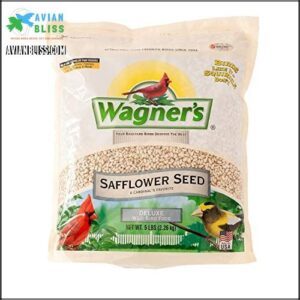
You’ll break free from squirrel raids with Wagner’s Safflower Seed Wild Bird Food—its bitter taste repels gray raiders while Cardinals, Chickadees, and Grosbeaks crack the hard shells with ease.
This five-pound bag delivers 38% fat and 16% protein, matching black oil sunflower nutrition without the mess. Safflower seed benefits include feeder compatibility with hoppers, platforms, and tubes, letting you design bird feeding strategies that work.
Gradually mix it with other seed preferences to help your backyard flock adapt, and watch pest birds vanish.
Best For: Backyard birders who want to attract Cardinals, Chickadees, and other songbirds while naturally keeping squirrels and pest birds like grackles away from their feeders.
- Squirrels and nuisance birds like starlings avoid it due to the bitter taste and hard shell, so you’ll spend less on wasted seed.
- Matches sunflower seed nutrition with 38% fat and 16% protein, giving your favorite songbirds the energy they need year-round.
- Works in most feeder types—hoppers, platforms, and tubes—and creates less spillage since desirable birds eat it thoroughly.
- Costs more than standard sunflower seed, making it a premium choice that might stretch your bird feeding budget.
- Some customers received bags with torn or damaged packaging, which can affect freshness.
- Birds may need a gradual introduction period of mixing safflower with their usual seed before they fully switch over.
5. Nyjer Seed Wild Bird Food
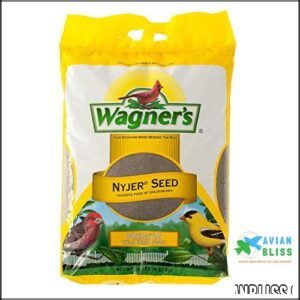
You’ll discover finch attraction magic with Wagner’s 20-pound Nyjer Seed Wild Bird Food—150,000 tiny powerhouses per bag draw Goldfinches, Purple Finches, and Siskins to specialized tube feeders.
Nyjer seed benefits include 30–40% oil content and protein levels that fuel migration and feather growth, making this wild bird food a survival staple.
Store it sealed and dry to prevent mold, and clean your bird feeder maintenance weekly to minimize the 7% waste rate. Mix with black oil sunflower seeds for diverse visitors, and watch your feeding station buzz with life.
Best For: Bird enthusiasts who want to attract finches like Goldfinches, Purple Finches, and Pine Siskins to their backyard with a high-energy, nutrient-rich seed that creates frequent feeder visits.
- Incredibly high seed count (150,000 per bag) means more visits and longer-lasting supply for your feeders.
- Packed with 30–40% oil and 10–25% protein, giving finches the energy they need for migration, winter survival, and feather growth.
- Squirrels generally ignore it, so you get less waste and more seed going to your target birds.
- Price has increased over the years and may feel steep at $43.98 for 20 pounds compared to other seed options.
- Bag closure can be frustrating to seal properly, and shipping damage sometimes leads to leaks and mess.
- Requires weekly cleaning and regular replacement (every 3–4 weeks) to prevent mold and spoilage, especially in wet conditions.
6. Natural Peanuts For Wild Birds
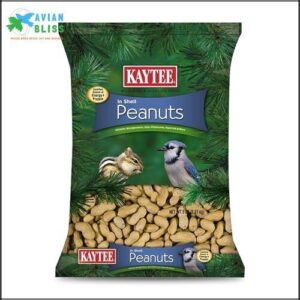
Kaytee’s 5-pound Natural Peanuts For Wild Birds pack high-energy fuel—47–50% fat and 25–28% protein—that woodpeckers, jays, and cardinals crave. This bird seed transforms your feeding station into a foraging playground for wild birds.
You’ll attract diverse species with whole, unsalted peanuts in shell, but watch for aflatoxin risks: 10% of samples exceed safety limits under damp storage.
Store your peanuts cool and dry, rotate feeders weekly, and pair them with nyjer seed to diversify visitors.
Best For: Backyard birders who want to attract jays, woodpeckers, and cardinals with a high-protein food source and don’t mind managing squirrel traffic.
- Packed with 47–50% fat and 25–28% protein to give birds serious energy, especially during cold months or migration.
- Whole peanuts in shell encourage natural foraging behavior and keep larger birds entertained at the feeder.
- Attracts a fun mix of species—from cardinals and woodpeckers to chipmunks and squirrels—turning your yard into a wildlife hub.
- At $37.99 for 5 pounds, it’s pricier than standard seed blends and can add up if you have heavy feeder traffic.
- About 10% of peanut samples can contain aflatoxin mold toxins if stored improperly, so you need to keep them cool, dry, and rotate your stock.
- May invite more squirrels and chipmunks than you bargained for, which can dominate feeders and scare off smaller birds.
7. Wild Bird Peanut Food Delight
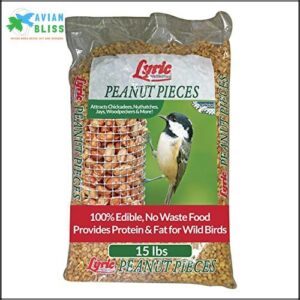
Lyric’s 15-pound Wild Bird Peanut Food Delight delivers 100% shelled peanuts with 25% protein and 40% fat—concentrated peanut nutrition that pulls in blue jays, woodpeckers, and nuthatches fast. You’ll appreciate feeder compatibility across tube, mesh, and platform designs.
Though shelf life depends on smart storage tips, keep bags sealed in cool, dry spots and rotate stock every few weeks. Pair this bird seed with suet or peanut butter blocks for year-round wild bird attraction, and check peanuts weekly in damp weather to prevent mold risks.
Best For: Backyard birders who want to attract blue jays, woodpeckers, and nuthatches with high-energy food that works in multiple feeder types year-round.
- 100% edible shelled peanuts with 25% protein and 40% fat provide concentrated energy for wild birds in all seasons.
- Compatible with tube, mesh, hopper, and platform feeders, giving you flexibility in how you serve it.
- Zero waste formula means birds eat everything, keeping your feeding area cleaner than mixed seed options.
- Requires weekly checks in wet weather since rain can cause mold on peanuts, which is toxic to birds.
- May attract raccoons, opossums, and squirrels if feeders aren’t managed properly or brought in at night.
- Needs cool, dry storage and rotation every few weeks to maintain freshness, so bulk buying requires planning.
8. High Protein Mealworms For Birds
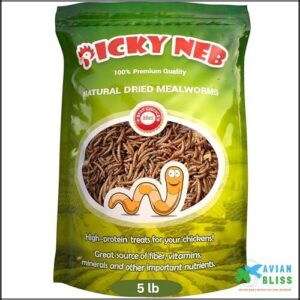
PICKY NEB’s 5-pound dried mealworms pack 53% protein and high oil content—nutritional value that bluebirds, woodpeckers, and robins crave during breeding and migration. You’re offering insect feeding at its best: these whole, non-GMO mealworms deliver mealworm benefits that mirror wild bird diets without preservatives or dust.
Store them in cool, dry spots to prevent spoilage, and watch chickadees and mockingbirds respond to this bird protein boost. Mealworm nutrition bolsters immune health and chick growth, making these bird seed types essential for backyard feeding stations year-round.
Best For: Backyard birders who want to attract protein-loving species like bluebirds, woodpeckers, and robins, especially during nesting and migration seasons.
- Packs 53% protein and essential fats that support immune health, chick growth, and energy demands during breeding and flight.
- Whole, non-GMO mealworms with no preservatives or dust make handling cleaner and feeding safer for all bird species.
- Large 5-pound bulk size reduces how often you need to restock, saving trips and money over smaller packages.
- May attract squirrels and other wildlife you’re not trying to feed, requiring extra feeder management.
- Needs cool, dry storage to prevent spoilage, which can be tricky if you don’t have ideal space.
- Goes fast during peak bird activity, so you’ll need to refill feeders more often than with seed alone.
9. Peanut Butter Wild Bird Suet
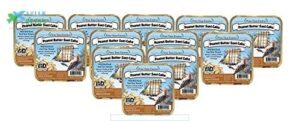
Pine Tree Farms Peanut Butter Suet cakes combine rendered beef fat with chopped peanuts—a peanut butter mix that delivers suet cake benefits woodpeckers, nuthatches, and chickadees need during harsh winters.
You’re tapping into wild bird nutrition at over 4,000 calories per kilogram, making these bird energy sources essential for survival when natural food vanishes. Hang them in a suet feeder from fall through spring, and watch up to fifteen species flock to your yard.
Just remember suet feeder tips: clean regularly to prevent mold, especially with suet nuggets or cakes.
Best For: Backyard birders who want to attract woodpeckers, nuthatches, and chickadees with a high-energy food source that works year-round.
- Delivers over 4,000 calories per kilogram, giving birds critical energy during winter and migration periods when natural food is scarce.
- Attracts up to 15 different species including woodpeckers, jays, bluebirds, and wrens, making your feeder a hub of activity.
- No-melt formula stays solid up to 100°F, so you can feed birds in summer without the mess of melted fat coating feathers.
- Costs more than basic suet brands, which adds up if you’re going through several cakes per week in peak season.
- Recent formula change swapped peanut butter for wheat, which some buyers report makes the cakes less appealing to birds.
- Requires regular feeder cleaning since peanuts and grains grow mold quickly, especially in humid or wet conditions.
10. Peanut Butter Suet Plugs Pack
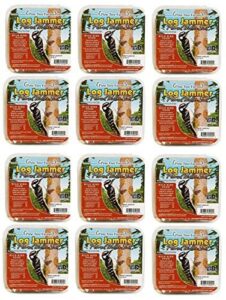
If you want a mess-free alternative to suet cakes, grab Pine Tree Farms Peanut Butter Suet Plugs. These 1.125-inch cylinders slide into log feeders without crumbling, delivering peanut butter nutrition and over 400 calories per hundred grams—essential suet plug benefits when woodpeckers and nuthatches need fat reserves.
You’ll attract twenty-five species with this wild bird attraction strategy, and unlike suet nuggets, plugs won’t scatter across your deck.
Keep bird feeding tips simple: microwave ten seconds for easy insertion, then watch jays cache extras for lean days ahead.
Best For: Backyard birders who want a clean, high-energy feeding option that attracts woodpeckers, nuthatches, and other clinging birds without the mess of traditional suet cakes.
- Delivers over 400 calories per hundred grams with peanut butter and beef suet, giving birds the fat and protein they need during cold weather and migration.
- Fits neatly into log feeders without crumbling or scattering, keeping your feeding area tidy and reducing waste.
- Attracts more than 25 species including woodpeckers, jays, chickadees, and wrens, encouraging natural foraging behavior at your feeder.
- Some users report the plugs have changed in consistency and may crumble or break apart when inserted into log holes.
- Plugs can be slightly too long for certain log feeders, requiring trimming or adjustment before use.
- Price has increased over time, making bulk purchases more expensive compared to previous years.
Tips for Offering Bird Seeds Effectively
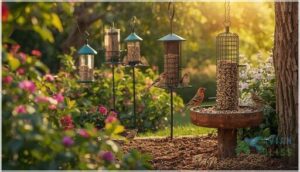
Offering bird seeds isn’t just about tossing handfuls into your yard and hoping for the best. The right feeder, smart placement, and a little maintenance can transform your backyard into a thriving bird haven while keeping seed fresh and waste minimal.
Let’s explore the essential strategies that’ll help you feed birds effectively and create a space they’ll return to season after season.
Choosing The Right Feeder Type
Your feeder type shapes bird diversity at your feeding station—each design caters to distinct species and seed types. Tube feeders excel with sunflower seeds, attracting finches and chickadees through controlled seed dispensing. Hopper feeders accommodate larger birds like cardinals while reducing waste. Platform feeders welcome ground-feeders, and suet feeders draw woodpeckers year-round.
Matching feeder types to your seed choices maximizes bird attraction and simplifies feeder maintenance.
Feeder Placement and Maintenance
You’ll want your feeders positioned within 3 feet of a window or beyond 30 feet to prevent fatal bird collisions—up to 1 billion occur yearly.
Site feeders 10 to 15 feet from dense cover for predator control while offering quick escape routes.
Clean feeders every two weeks using a 10% bleach solution to eliminate pathogens and maintain feeder safety.
Store seed in airtight containers to preserve freshness.
Preventing Seed Spoilage and Sprouting
Spoilage prevention starts with smart seed storage and moisture control—keep humidity below 14% and use airtight containers to block fungi.
- Store seed in cool, dry spaces to extend freshness from 6 to 24 months
- Refill feeders daily to minimize exposure and seed waste
- Clean feeders every two weeks to stop pathogen buildup
- Choose hulled or sterilized options to prevent seed sprouting
- Remove ground spillage promptly for effective fungal management and seed quality
Creating a Bird-Friendly Feeding Habitat
Habitat layering transforms your yard into a bird magnet—you’ll attract 60% more species when you combine native plantings with water features and thoughtful feeder management.
Stack vertical elements from ground cover to tall trees, offer diverse bird seed types across multiple stations, and you’ll watch bird diversity soar.
Creating bird habitats means choosing bird seed that complements natural food sources already present.
Frequently Asked Questions (FAQs)
How do I attract migrating birds seasonally?
Understanding migratory patterns helps you time feeding strategically. Offer energy supplements like high-fat seeds and suet during spring and fall migrations.
Stopover strategies include placing feeders near cover to support birds traveling migration routes.
Can bird seeds expire or go rancid?
Yes, bird seed expires. Unopened seed lasts 6 months to 2 years; opened seed stays fresh 6–12 months with proper storage methods.
Moisture, heat, and oxygen accelerate rancidity, spoilage, and nutrient degradation, reducing seed freshness and nutritional value.
What seeds work best in cold climates?
When winter hits, black oil sunflower seeds reign paramount—their fat-rich cores fuel survival. Pair them with suet cakes and nyjer seeds to keep finches, cardinals, and chickadees thriving through frost and snow.
Are organic bird seeds worth the cost?
Organic bird seed costs 20–40% more but offers higher nutritional value, fewer pesticides, and better bird health outcomes.
If you prioritize eco-friendly practices and avian wellness, the premium fosters sustainable farming and reduces chemical exposure.
How much seed should I put out daily?
You’ll want to fill your feeder with 1–2 cups of seed for smaller flocks or up to 4 pounds for larger groups, adjusting based on daily seed consumption patterns and seasonal bird feeding rates.
Conclusion
You don’t need a complicated strategy to turn your yard into a bird sanctuary—just the right seeds in the right feeders. Experimenting with different types of bird seeds lets you discover which species visit your neighborhood and what they truly crave.
Start with black oil sunflower seeds and nyjer, then expand based on who shows up. Your backyard will become a destination, not just a stopover, for dozens of hungry visitors.
- https://avianreport.com/food-feeders-wild-birds-prefer/
- https://www.kaytee.com/learn-care/wild-bird/value-of-wild-bird-ingredients
- https://www.allaboutbirds.org/news/types-of-bird-seed-a-quick-guide/
- https://www.fao.org/4/y5831e/y5831e05.htm
- https://birdseedandbinoculars.com/wordpress/choosing-seed-for-backyard-birds/