This site is supported by our readers. We may earn a commission, at no cost to you, if you purchase through links.

Geese can consume up to 20 percent of their body weight in a single day, making them some of the most efficient foragers in the avian world. These powerful grazers don’t just nibble—they systematically work through grassy fields, lakesides, and even urban parks with striking precision.
What do geese eat to fuel this constant grazing? Their diet shifts dramatically with the seasons, from tender spring grasses to energy-packed winter grains, each food source carefully selected to meet their changing nutritional demands.
Whether you’re raising domestic geese or simply curious about the wild flocks in your neighborhood, understanding their dietary needs can help you support their health while avoiding foods that could cause serious harm.
Table Of Contents
Key Takeaways
- Geese eat mostly grasses, grains, weeds, and aquatic plants, with their diet shifting seasonally to match energy needs and food availability.
- Domestic geese thrive on a mix of commercial pellets, grains like wheat and oats, fresh greens, and safe vegetables, but require niacin supplements for healthy growth.
- Certain foods—including avocados, onions, nightshades, and processed human snacks—are toxic to geese and should always be avoided.
- Geese need access to clean water, grit for digestion, and carefully managed treat portions to maintain health and prevent nutritional problems.
What Do Geese Eat in The Wild
Wild geese are natural foragers, and their diet depends on what’s available in their environment. From grassy meadows to lakesides, they rely on a variety of plant-based foods to meet their nutritional needs.
Understanding what wild geese eat helps you see how their habitat shapes their daily meals.
Common Natural Foods (Grasses, Weeds, Aquatic Plants)

Picture a wild goose in the morning mist—its diet is a mix of grass nutritional value and weed palatability factors. You’ll find geese grazing in open fields or near water, choosing natural food sources such as:
- Tender ryegrass and clover
- Broadleaf weeds
- Aquatic plants like pondweed
- Shoots and stems from marsh edges
Geese also eat grains like oats and barley, especially domesticated geese. These choices shape herbivory ecological outcomes.
Seasonal Diet Changes

Geese diet patterns shift with the seasons, much like a farmer rotates crops. Spring Foraging means bluegrass and leftover corn; Summer Grazing brings lush lawns and aquatic plants. Fall Staging is all about energy-rich grains and seeds, while Winter Crops—mostly maize and wheat—dominate. To prepare for long journeys, geese enter a period of intense hyperphagia to build fat reserves.
Here’s how diet trends look across the year:
| Season | Main Foods | Energy Source |
|---|---|---|
| Spring | Bluegrass, Corn | Protein, Carbs |
| Summer | Grasses, Aquatics | Protein, Fiber |
| Fall | Grains, Seeds | Carbs, Protein |
| Winter | Maize, Wheat | Carbs |
Foraging Habits and Behavior

When food is scarce or nights are cold, you’ll notice geese stretching their foraging hours—sometimes even grazing by moonlight. Their time budgets show they spend nearly half the day searching for food, often in flocks where group vigilance keeps them safe.
Urban diets shift geese behavior, as they learn to return to spots with reliable geese food sources.
Habitat Influences on Diet
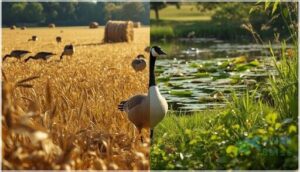
As you watch wild geese move from manicured urban parks to open farmland, it’s clear their diet follows the best forage quality and energy sources available. Agricultural impact means rural geese feast on spilled grain, while urban flocks graze lush lawn grasses.
Seasonal shifts drive them toward hayfields or aquatic plants, adapting their foraging behavior to changing geese habitat and food sources.
What Can Domestic Geese Eat?
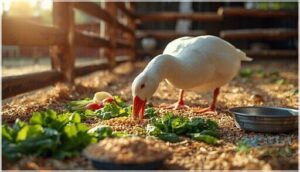
Feeding domestic geese isn’t complicated, but you do need to know which foods keep them healthy. The right choices make all the difference in their energy and well-being. Here’s a look at the best options you can offer in their enclosure.
Ideal Foods for Captive Geese
Ever wonder what sets a healthy captive geese diet apart? The secret lies in balancing Commercial Goose Feeds with natural Forage Options and precise Macronutrient Ratios. Your geese thrive when you:
- Mix formulated pellets with fresh grazing
- Prioritize grains and grasses for geese
- Avoid Toxic Foods, sticking to safe Vegetables for geese
That’s how you meet their nutritional needs and support Foraging Benefits.
Recommended Grains, Greens, and Vegetables
When you’re planning a balanced geese diet, think variety—Grains like wheat and oats bring Grain Nutrient Value, while Leafy Green Variety such as kale and timothy grass aids digestion.
Safe Vegetable Scraps, including carrots and cabbage, add vitamins.
Foraging aquatic plants boosts Nutrition, and Seasonal Supplement Options like pumpkins or peas round out what your geese need to thrive.
Importance of Niacin and Supplements
Niacin is a cornerstone for geese health and nutrition, especially for goslings with high requirements. Without enough, Niacin deficiency can lead to leg weakness and poor growth.
Supplement sources like brewer’s yeast or waterfowl vitamin mixes offer safe limits and practical supplementation strategies, ensuring you meet the nutritional needs of geese and avoid common health pitfalls.
Feeding Geese in Different Seasons
Think of your geese’s diet as a shifting menu, shaped by the seasons. Spring nutrition means boosting energy with grains and fresh greens; Summer forage relies on lush grass and weeds for vitamins. Autumn fattening calls for energy-rich grains like corn, while Winter feeding demands pellets and produce.
Human impacts—especially bread—can disrupt these natural seasonal variations in geese food.
Foods Geese Should Never Eat
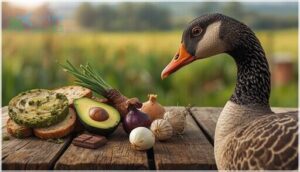
Not everything in your kitchen or garden is safe for geese. Some foods and plants can cause serious health problems, even if they seem harmless.
Here’s what you should watch out for when feeding geese.
Toxic Fruits and Vegetables
Did you know even a small bite of avocado can be deadly for geese? Many everyday foods pose hidden dangers. Here are four toxic food risks you need to avoid feeding geese:
- Avocado Toxicity (all parts)
- Allium Dangers (onions, garlic)
- Nightshade Risks (green potatoes, tomatoes)
- Cyanide Exposure (apple seeds, stone fruit pits)
Citrus Concerns also matter.
Dangerous Plants and Weeds
Ever wondered which weeds could turn your pasture into a minefield for geese? Ragwort toxicity, Hemlock poisoning, Nightshade risks, Buttercup hazards, and Bracken fern all top the list of toxic foods for geese. These poisonous plants and weeds, often untouched by herbicides, can cause sudden illness or death.
| Poisonous Plant | Harmful Effect |
|---|---|
| Ragwort | Liver damage |
| Hemlock | Respiratory failure |
| Nightshade | Convulsions, death |
| Buttercup | Oral blisters |
Processed and Harmful Human Foods
Just as toxic weeds threaten geese outdoors, processed foods pose hidden risks at home. Bread and refined grains, salty snacks, sugary treats, and caffeinated drinks all count as foods to avoid feeding geese.
These items disrupt nutrition, encourage disease, and even trigger deformities like angel wing. Moldy foods and leftovers also belong on the list of toxic foods for geese.
Safe Alternatives to Avoid Risks
Processed snacks and bread aren’t just empty calories—they’re risky. You’ve got better choices for responsible geese feeding. Swap out toxic foods for geese with these safer picks:
- Commercial feeds for balanced nutrition
- Grain alternatives like rolled oats
- Green options—timothy hay, kale
- Treat supplements such as brewer’s yeast
- Feeding management with clean water and grit
Feeding Tips for Healthy Geese
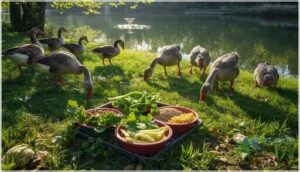
Feeding geese isn’t just about tossing out food—it’s about making sure they get what they need to stay healthy. The way you set up their environment plays a big role in how well they eat and thrive.
Here are some practical options to help you get started.
How Much to Feed Geese
Most geese consume between 5 and 20 percent of their body weight in food daily, with activity levels driving these energy needs. Free-ranging Canada Geese weighing about 2.3 kilograms commonly eat roughly 10 percent of their body weight in fresh herbage.
Follow feeding guidelines that maintain an 80:20 grass-to-grain ration proportion for ideal nutrient density, adjusting seasonal food consumption to prevent overfeeding while meeting your flock’s changing requirements.
| Life Stage | Daily Intake Range |
|---|---|
| Goslings (0-4 weeks) | 15-20% of body weight |
| Growing geese | 10-15% of body weight |
| Adult maintenance | 5-10% of body weight |
| Breeding/laying | 12-18% of body weight |
Best Feeding Practices and Environment
Beyond portion control, proper feeding guidelines require attention to your flock’s safe environment. Maintain water cleanliness by positioning feeding locations away from bathing areas—contaminated water sources spread botulism and cholera.
Indoor housing should provide at least eight square feet per bird, preventing crowding near feeders.
For mixed flocks, use separate feeding stations offering nutritious food for geese formulated specifically for waterfowl rather than medicated chicken feed.
Treats and Occasional Foods
A handful of safe treat portions can strengthen your bond with your flock while adding variety. Limit all treats to 10% of daily intake—geese enjoy snacks, but they shouldn’t replace core nutrition.
- Recommended fruit treats: chopped grapes, cored apples, watermelon pieces, mixed berries, and occasional banana slices
- Vegetable grain treats: thawed corn, peas, broccoli, cucumbers, kale, pumpkin, and rolled oats
- Unsafe treat list: bread, crackers, popcorn, chocolate, moldy items, processed salty or greasy foods
- Serving treat guidance: chop items to prevent choking; remove apple seeds and stone-fruit pits containing cyanogenic compounds
- Foods geese love: dandelion greens, romaine lettuce, and whole-grain scratch—but geese adore moderation over excess
Monitoring Geese Health Through Diet
Tracking body condition weekly reveals diet-related health issues before they escalate. You can palpate the keel bone—sharp edges signal malnutrition, while excessive padding suggests overfeeding.
Watch energy levels and gait for signs of niacin deficiency or poor protein intake. Fecal analysis and muscle quality checks confirm whether your geese diet promotes strong growth and long-term geese health without triggering nutrition imbalances.
Top 7 Products for Feeding Geese
If you’re raising geese at home, choosing the right products can make feeding them easier and healthier. The items below cover everything from staple grains to essential supplements that support strong growth and overall well-being.
Each product meets a specific nutritional need, so you can build a balanced diet your geese will thrive on.
1. Palouse Brand Hard White Wheat Berries
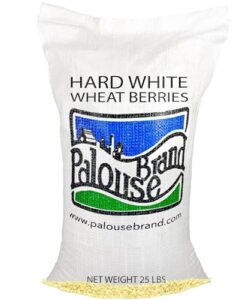
When you’re building a healthy diet for your geese, whole wheat stands out as an excellent grain choice. Palouse Brand Hard White Wheat Berries offer certified glyphosate-free, non-GMO grains that fit perfectly into recommended goose diets.
You’ll want to include wheat at roughly 13% of mixed grain rations, alongside other seeds and grains. These wheat berries provide essential protein and energy, especially during winter when fresh forage is scarce.
With proper storage options—sealed containers in cool, dry conditions—these berries remain nutritious for years, supporting your sustainable farming practices and long-term feeding guidelines.
Best For: Backyard poultry keepers and homesteaders looking for certified glyphosate-free, non-GMO wheat to supplement their geese’s winter diet or mix into year-round grain rations.
- Certified glyphosate residue free and Non-GMO Project Verified, giving you peace of mind about what you’re feeding your flock
- High protein content (11g per 100g) and rich in B vitamins, iron, and manganese to support goose health during colder months when forage is limited
- Exceptional shelf life of up to 3 years (potentially decades with proper storage), making bulk purchasing practical for long-term feeding programs
- Container may be difficult to open for people with limited hand strength or arthritis
- Wheat should only make up about 13% of a mixed grain ration for geese, so you’ll need to source other grains and ensure 80% of their diet comes from pasture or forage
- Requires gradual introduction to your geese’s diet over several days to allow their digestive systems to adapt, and should be paired with additional niacin sources like brewer’s yeast to prevent leg problems
2. Small Pet Select Timothy Hay Blend
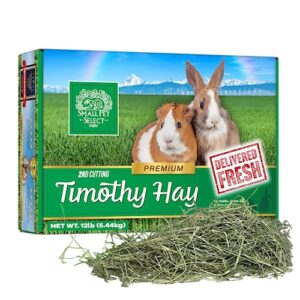
Though geese naturally graze grasses, you can supplement their diet with hay when fresh forage is limited. Small Pet Select Timothy Hay Blend, sourced from the Pacific Northwest, provides fiber-rich roughage that promotes healthy digestion in geese.
This 3rd cutting hay features a soft, leafy texture with 11% protein minimum and 26% fiber maximum, making it easier for geese to consume. While hay shouldn’t replace fresh greens, it offers valuable nutritional backup during winter months when your geese eat less fresh vegetation.
Best For: Goose owners looking for a reliable fiber source to supplement fresh greens during winter or when pasture access is limited.
- Soft 3rd cutting texture with high leaf-to-stem ratio makes it easier for geese to eat compared to coarser first-cut hay
- Sourced from the Pacific Northwest with hand-selected quality standards and fast shipping times
- Provides 11% protein and solid fiber content to support digestive health when fresh forage isn’t available
- Some batches may arrive with excessive dirt, brown pieces, or inconsistent freshness according to customer reports
- Packaging can be messy and difficult to handle, creating cleanup issues when storing or distributing hay
- Quality varies between batches, and the product is designed for small pets rather than waterfowl, so portion sizes and packaging may not be ideal for geese
3. Country Heritage Poultry Grit Chicken Duck
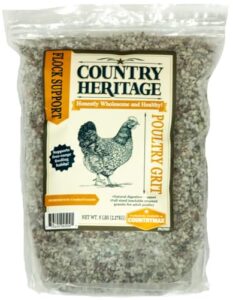
Your geese can’t grind their food without help, which is where Country Heritage Poultry Grit comes in. This full-sized granite grit benefits adult geese by remaining in the gizzard to mechanically break down grasses, whole grains, and fibrous plants.
Grit size matters—choose coarser particles for mature birds rather than fine starter grit. Offer it free-choice in pasture-based systems alongside their regular feed, allowing your geese to regulate their own intake. It works perfectly for mixed flocks, supporting proper digestion when your geese eat coarser foods.
Best For: Owners of adult geese, chickens, and ducks on pasture-based or free-range systems who feed whole grains or forage and need reliable grit to support gizzard function.
- Full-sized insoluble granite stays in the gizzard to mechanically grind fibrous plants and whole grains, improving feed efficiency and digestion
- Works across multiple species in mixed flocks, so you can use one product for geese, chickens, and ducks without buying separate supplements
- Free-choice feeding lets your birds self-regulate intake based on their diet, mimicking natural foraging behavior
- Quality control issues reported by some users, with bags containing excessive dust or undersized particles instead of uniform coarse grit
- Not eligible for return or exchange even if the product arrives defective or significantly different from advertised
- Some buyers found bags weren’t as full as pictured, raising concerns about actual weight and value for the price
4. Fresh Eggs Daily Brewers Yeast Powder
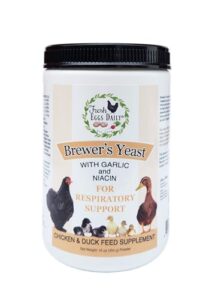
If your geese share space with chickens or ducks, Fresh Eggs Daily Brewers Yeast Powder benefits mixed flocks. It provides niacin benefits that strengthen leg bones and prevent developmental issues in waterfowl.
This supplement for geese includes garlic inclusion for immune support and gut health, addressing your birds’ nutritional needs beyond standard feeds.
You’ll mix it into complete rations following dosage safety guidelines on the package, ensuring waterfowl receive adequate vitamin supplements without protein overload. Brewer’s yeast naturally delivers niacin—critical for goose nutrition during rapid growth phases when deficiencies cause leg weakness.
Best For: Backyard flock keepers raising geese alongside chickens or ducks who want a natural niacin supplement to prevent leg problems in young waterfowl.
- Delivers niacin naturally through brewer’s yeast to support strong bone growth in goslings and ducklings during their critical first weeks
- Includes garlic for immune and digestive support, helping mixed flocks stay healthier without synthetic additives
- Works as a daily feed mix-in for all poultry life stages, making it practical for year-round use in diverse backyard setups
- Price point runs higher than generic brewer’s yeast or straight niacin tablets, which bothers budget-conscious keepers
- Strong garlic smell can be off-putting when you open the jar or mix it into feed
- Niacin content per serving isn’t always specified clearly, so you may need extra math to hit therapeutic levels for severe deficiencies
5. Fresh Eggs Daily Organic Kelp Supplement
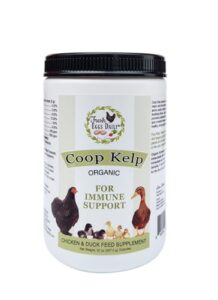
Beyond vitamins, you’ll also want to think about trace minerals that improve egg quality and immune function. Fresh Eggs Daily Organic Kelp Supplement delivers iodine levels between 500 and 1,000 ppm from Ascophyllum nodosum seaweed, promoting bright yolks and stronger shells.
Supplement benefits include calcium, magnesium, and prebiotics that support your geese’s overall nutrition. Mix one cup per 40 pounds of feed—feeding rates matter because excessive iodine harms thyroid health.
Kelp safety depends on batch testing for arsenic, so choose products with verified contaminant limits for your birds’ diet.
Best For: Backyard flock owners looking to boost egg quality with natural trace minerals while supporting immune health in chickens, ducks, and geese.
- Delivers consistent iodine (500-1,000 ppm) from organic Ascophyllum nodosum seaweed, promoting vibrant yolks and thicker shells
- Packed with calcium, magnesium, iron, vitamin K, folate, zinc, and prebiotics that support overall immune function and gut health
- Simple feeding rate of 1 cup per 40 lb of feed makes it easy to mix into your flock’s regular diet
- Requires careful adherence to feeding rates since excessive iodine can harm thyroid function in poultry
- Product effectiveness depends on independent user reviews, with limited manufacturer transparency on batch testing results
- Heavy metal contamination risks (particularly arsenic) require choosing products with verified third-party testing and contaminant limits
6. API Heated Flat Back Bucket
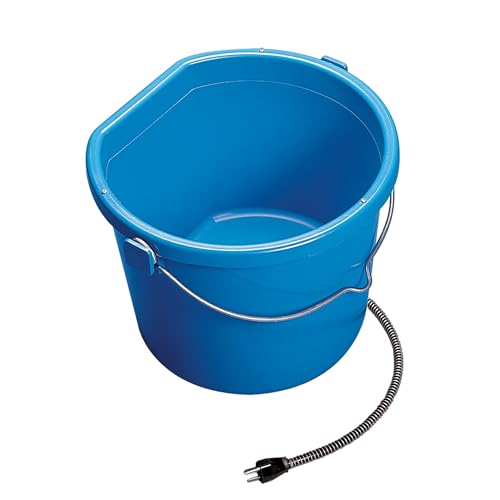
Water access matters just as much as food, especially when winter turns your geese’s drinking source into solid ice.
The API Heated Flat Back Bucket holds 20 quarts and uses thermostatic control to prevent freezing without wasting energy. Its anti-chew cord protection and grounded plug provide safety features you’ll appreciate around curious birds.
The flat-back design hangs flush against walls, reducing spills while giving your geese reliable liquid water when temperatures drop below freezing.
Check the bucket daily to verify proper function and cleanliness throughout cold months.
Best For: Goose owners who need a dependable way to keep water from freezing during winter without constant refilling or ice breaking.
- Thermostatic control activates only when temps drop near freezing, keeping energy costs lower than always-on heaters
- Anti-chew cord protection and grounded plug add safety around curious or bored birds
- 20-quart capacity means fewer trips to refill, even for small flocks in cold weather
- Performance drops in extremely exposed or windy outdoor spots without shelter
- Needs daily checks to confirm it’s working properly and staying clean
- The 115-watt heater may struggle in severe cold without extra insulation
7. Earthborn Elements Gluten Free Rolled Oats
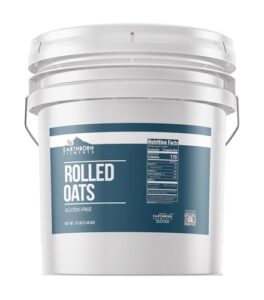
Oats for geese provide solid nutritional value when you add them to a balanced diet. Earthborn Elements Gluten Free Rolled Oats come in a 3.5-gallon resealable bucket weighing nearly 12 pounds, offering pure grains without additives.
These oats supply complex carbohydrates and fiber that support digestion, plus niacin for strong leg development. Feed them dry or soaked two to three times weekly, mixing with other grains and seeds to prevent nutritional gaps.
The gluten-free formulation reduces digestive irritants, while the resealable storage solution keeps your supply fresh throughout feeding season.
Best For: Poultry owners looking for a clean, gluten-free grain to supplement their geese or chickens’ diet with digestive support and sustained energy.
- Pure rolled oats with no additives, fillers, or GMOs—just straightforward nutrition for your flock
- Resealable 3.5-gallon bucket keeps oats fresh and makes storage simple for long-term use
- High fiber content and complex carbs support healthy digestion and provide steady energy for active birds
- Pricey at $60.99 for what some buyers report as less oats than expected (actual weight may vary)
- Needs to be mixed with protein-rich feed since oats alone won’t meet all nutritional requirements
- Large plastic bucket adds to waste, though it is reusable for other storage needs
Frequently Asked Questions (FAQs)
What do geese eat in winter?
When temperatures plummet, wild geese diet shifts dramatically toward crop reliance—especially waste grain like corn and wheat.
Backyard flocks, however, need supplement needs including extra grains, niacin-rich foods, and accessible water despite habitat changes limiting natural winter foraging.
What do baby geese eat?
Baby geese need starter feed with 20-22% protein for their first three weeks.
Goslings also require 65 mg niacin daily to support healthy leg development and prevent growth issues during rapid early development.
What do geese eat in captivity?
Captive geese thrive on pelleted goose feed combined with hay types like timothy, plus soaked grains and grit supplementation. Waterfowl formulas guarantee adequate niacin, while domestic geese benefit from commercial food blended with fresh greens for balanced nutrition.
What do domesticated geese eat?
You’d think domestic geese would be pickier eaters, but they’re delighted by simple fare: grains like oats and wheat, leafy greens, vegetables, and specialized poultry feed with niacin supplementation for strong legs.
What plants do geese eat?
Geese feed on grass species like bluegrass and fescue, legume benefits from clover and alfalfa, and aquatic vegetation including pondweed and sedges.
They also engage in crop consumption of wheat and corn, with seasonal availability shaping their plant choices.
Do geese eat fish?
While geese are primarily herbivores, they occasionally consume small fish opportunistically.
Fish doesn’t form a significant part of their diet—insects and larvae are more common protein sources alongside their staple vegetation-based foods.
What is a goose’s favorite food?
Like children at a buffet, geese prefer what’s easiest and most rewarding. Fresh grass tops the list, though grain treats like cracked corn and wheat deliver concentrated energy they can’t resist when available.
Should you feed wild geese?
You shouldn’t feed wild geese. Human handouts cause nutritional deficiencies, behavioral dependency, and disease spread.
Feeding also drives geese overpopulation, creating ecological impact and public health concerns through concentrated waste near human interaction zones.
Does a goose eat meat?
While you might think of geese as strict vegetarians, they don’t completely avoid animal protein. Wild geese eat insects and larvae opportunistically, supplementing their plant-based diet with small protein sources when available.
Can geese eat fruit?
You can offer fruits to geese, but fruit safety matters—stick to small serving sizes.
Best fruits include berries, elderberries, wild grapes, and crabapples. Avoid toxic fruits like avocados and citrus, and watch sugar content to prevent health issues.
Conclusion
Whether you’re watching wild geese graze or feeding your own flock, knowing what geese eat means you’re shaping their well-being, their habits, and their place in the landscape. Just as fields shift from green to gold, their diet adapts—grasses, grains, and greens each play an essential role.
Healthy geese are no accident; they’re the result of thoughtful choices, safe foods, and attentive care. With the right approach, your geese will thrive in every season, every setting.