
This site is supported by our readers. We may earn a commission, at no cost to you, if you purchase through links.

Watch a flock of geese working a field, and you’ll notice something: they graze like tiny lawnmowers, barely lifting their heads. That’s because grass makes up most of their diet, though it’s far from the whole story.
So what do geese eat, exactly? These birds shift their menu with the seasons, adding clover, berries, and even the occasional insect for protein.
Whether you’re watching wild geese forage by a pond or raising your own flock, knowing what fuels them helps you understand their habits, health, and those graceful, energy-hungry migrations.
Table Of Contents
Key Takeaways
- Geese are mainly grazers, relying on grass, clover, and aquatic plants for most of their diet, with insects and small invertebrates added for protein during the breeding season.
- Their diet shifts with the seasons, from tender spring shoots to fat-building berries and seeds in the fall that fuel long migration flights.
- Foods like bread, avocado, chocolate, onions, garlic, and raw potatoes can harm or even poison geese, so these should always be avoided.
- Whether wild or domestic, geese stay healthiest with natural forage, clean water, and only small, occasional supplements like pellets or grains.
What Do Geese Eat?
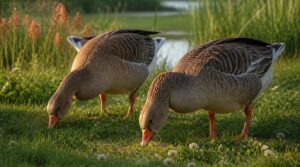
Geese aren’t picky eaters, but their diet follows a pretty clear pattern. From grass to grubs, what they eat depends on where they live and what season it is. Here’s a closer look at the main food groups that keep them healthy and thriving.
Curious how they stack up against their elegant cousins? This swan vs goose diet comparison breaks down the key nutritional differences between the two waterfowl.
Mostly Plant-based Foods
A goose spends most of its day grazing, and grass makes up the bulk of that diet. Clover offers real legume protein benefits, while dandelions count as nutrient-dense weeds.
Incorporating whole grains provides whole grain benefits like improved gut health and stable blood sugar.
- Grasses and grains for fiber
- Clover for protein
- Weeds like plantain
- Aquatic plants for minerals
These deliver plant-based amino acids and essential fiber sources, keeping digestion smooth and steady.
Occasional Animal Protein
Grass fills a goose’s belly, but protein needs a boost sometimes. Insects and larvae offer complete amino acid profiles for muscle tissue repair, especially during breeding season.
| Protein Source | Benefit |
|---|---|
| Snails | Calcium, shell strength |
| Earthworms | Amino acids |
| Invertebrates | Fatty acids |
| Small fish | Rare, minor supplement |
This invertebrate protein supplement improves nutrient absorption efficiency, rounding out variety alongside plant-based staples.
Grazing and Foraging Habits
Watch a flock long enough and you’ll notice a pattern: they don’t wander randomly. Geese return to the same dense forage patches day after day, minimizing travel to save energy.
Sunny days mean longer grazing; wind or rain shortens it.
Dominant birds often set the pace, guiding when the group moves and where it settles next to feed.
Wild Versus Domestic Diets
That pacing shift matters when comparing wild and domestic diets. The natural diet of geese relies on scattered grasses, aquatic plants, and insects, shaped by habitat quality.
Domestic geese get pellets on a fixed schedule, closing nutrient density gaps but risking foraging skill loss. This feeding routine difference highlights why natural protein sources matter more in the wild than in captivity.
Wild Goose Diet

Out in the wild, geese don’t have anyone filling a bowl for them. They rely on sharp instincts and whatever the land and water provide each day. Here’s a look at the natural foods that make up their everyday menu.
Grasses and Young Shoots
Picture a lawn that regrows no matter how often it’s nibbled—that’s the magic of the grass crown, where meristem growth fuels new shoots. Geese target these tender blades for fiber and vitamins.
Higher tiller density means more food, since defoliation triggers fresh regrowth. Rhizome expansion spreads grass into new patches, and nitrogen-rich soil keeps young shoots plentiful and nutritious.
Clover and Legumes
Clover is more than a lucky charm—it’s a protein powerhouse geese actively seek out. This legume fixes nitrogen in the soil, boosting forage biomass without synthetic fertilizer.
Compared to grass alone, clover delivers richer protein for feather growth and healthy grazing.
- Red and white clover
- Alfalfa
- Lupin
- Vetch
Smart grazing management lets clover regrow, keeping fresh greens available season after season.
Dandelions and Weeds
Once spring lawns turn ragged with yellow, geese are already grazing. Dandelions and other weeds like plantain and chickweed pack in vitamins A and C, offering natural digestive aids alongside grass, clover and legumes.
This wild forage diversity keeps geese healthy year-round. Their milky sap and deep taproots mark easy identification—and a tasty, nutrient-rich addition to any grazer’s leafy vegetation diet.
Aquatic Plants
Water is a goose’s grocery store as much as any field. Duckweed and pondweed offer protein and starch, while cattail rhizomes add minerals to the mix.
These wetland plants also:
- Filter nitrates and phosphates, curbing algae blooms
- Provide submerged oxygen production for aquatic life
- Stabilize shorelines, reducing erosion
Managing invasive species keeps these buffets healthy for geese and neighbors alike.
Algae and Pond Vegetation
That green film on a pond’s surface isn’t scum, it’s dinner. Geese scrape algae off rocks for essential fatty acids and amino acids.
| Food | Nutrient | Role |
|---|---|---|
| Algae | Fatty acids | Energy |
| Duckweed | Starch | Growth |
| Pondweed | Minerals | Digestion |
Heavy grazing helps control nutrient runoff, keeping algae blooms in check across wetland ecosystems.
Seasonal Goose Foods
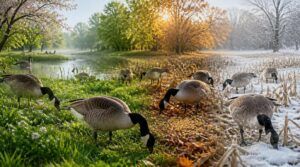
A goose’s menu changes as the calendar turns, and each season brings its own rhythm to the table. Nature offers different foods at different times, from tender spring shoots to hearty winter grains. Here’s a look at what geese eat throughout the year.
Spring Grasses and Insects
Tender shoots and busy insects make spring a goose’s favorite buffet. Young grass is easier to digest and packed with protein, fueling rapid growth.
- Perennial grasses host richer insect life than annuals
- Shoot tips shelter herbivores from cold mornings
- Grazing geese benefit from this hidden food web
Geese forage among clover, feeding a multitrophic system where grasses, insects, and parasitoid wasps all connect.
Summer Greens and Grains
By midsummer, geese lean on clover, legumes, and leftover field grains for steady fuel. This is when nutrient density peaks, with grasses offering complex carbohydrate energy and high water content for hydration through greens on hot days.
| Food Type | Example | Benefit |
|---|---|---|
| Grass | Meadow blades | Fiber, carbs |
| Grains | Leftover corn | Sustained energy |
| Aquatic plants | Pondweed | Minerals, protein |
Vegetables and antioxidant-rich greens help offer heat protection, while grain texture variety keeps foraging interesting.
Fall Berries and Seeds
As days shorten, geese switch gears and start bulking up on sugar. Blueberries, elderberries, and other autumn fruits pack quick energy, while sunflower and pumpkin seeds add fat reserves for the journey ahead.
Chewing seed coatings even helps grinding and digestion. This fruit-and-seed combo builds fat stores for migration, and geese aren’t the only ones benefiting, since scattered seeds help forests regrow come spring.
Winter Grasses and Pellets
Once fat stores build, geese need staying power through the coldest stretch. Winter grasses turn dormant and low-energy, so many keepers switch to grass pellets for steady, mold-free nutrition.
Pellets help with:
- Digestive fiber benefits for gut motility
- Nutrient density maintenance in dry storage
- Portion control, cutting waste in coops
Store pellets dry to prevent moisture damage, and pair with light grain supplementation when forage runs thin.
Migration Energy Foods
Once pellets carry your flock through winter, migration season demands a different kind of flight endurance fuel.
Geese lean on dense grasses and cereal grains for quick glycogen restoration, while oily seeds like sunflower fuel long stretches without stopping.
Water lilies and duckweed add hydration, and roadside insects supply muscle maintenance proteins—together covering real migration energy needs, mile after mile.
Domestic Goose Diet
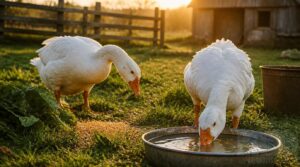
Domestic geese still crave that grassy, foraging lifestyle, even in a backyard setting. You just need to give them the right mix of pasture, feed, and fresh water to stay healthy. Here’s what a well-rounded home diet actually looks like.
Fresh Pasture Access
Give your geese room to roam, and you’ll see them graze like cows on open grassland.
- More foraging time (4–6 hours daily)
- Richer grass and clover intake
- Healthier digestion and gut motility
- Reduced feed costs
- Calmer, more natural behavior
Rotational grazing prevents overgrazing, while 0.5–2.0 hectares per 50 birds keeps grassland grazing impact sustainable across changing seasons.
Waterfowl Pellets
Commercial goose feed fills the gaps that pasture alone can’t cover, especially during breeding season.
| Pellet Type | Protein % | Best Use |
|---|---|---|
| Starter | 20–24% | Goslings |
| Maintenance | 14–18% | Adults |
| Floating | 12–16% | Pond feeding |
Choose floating pellets for water feeders to cut waste. Store bags sealed in cool, dry spots to preserve texture and nutritional balance.
Safe Leafy Greens
Since geese graze naturally on leafy vegetation, garden greens make an easy, healthy addition to their diet.
- Romaine or leaf lettuce (skip iceberg, it’s mostly water)
- Kale, chopped small
- Spinach, offered sparingly
- Swiss chard
Rinse thoroughly under cool water before serving, and check leaves for wilting or sliminess first. Raw greens keep more nutrients than cooked ones, and geese happily eat them straight from your hand.
Whole Grains in Moderation
Grains bring steady fuel to a goose’s day, but portion size matters most. Oats and barley digest gently, while cracked corn and wheat add variety without overload.
Small amounts support stable energy levels and deliver B-vitamins plus minerals like magnesium. Too much, though, can crowd out foraging and upset grain digestion health. Think of grains as a side dish, not the main course.
Clean Water Daily
Water might seem simple, but it’s the backbone of a goose’s whole digestive process. Fresh water needs to stay available all day, since hydration digestion links run deep in waterfowl biology.
Use non-toxic containers, clean them daily, and refresh water more often in heat. Shade helps with temperature control and slows algae growth, keeping your water source safe and inviting.
Foods Goslings Need

Goslings grow fast, and that growth takes real fuel. Their needs look a bit different from adult geese, especially in those first few weeks. Here’s what young goslings need to thrive.
High-protein Starter Feed
Baby geese grow fast, and that takes serious fuel. A high-protein starter feed with soybean meal or fish meal covers those steep early protein requirements for geese.
Good amino acid balance matters as much as raw protein percentage. Look for small feed particle size, like crumbles, plus digestibility enhancing enzymes—these help tiny goslings absorb nutrients without straining young digestive systems.
Niacin-rich Nutrition
Protein isn’t the whole story for growing goslings. Niacin metabolism drives energy metabolism, turning feed into usable fuel for those fast-growing bodies.
Starter feeds with fish meal or brewer’s yeast support tryptophan conversion, helping nutrient absorption stay balanced.
- Sturdy wing feathers forming right on schedule
- Steady, confident waddling across the yard
- Bright eyes and alert little faces
- A gosling that thrives, not just survives
Balanced B-vitamin support keeps young geese resilient.
Tender Greens
Once niacin needs are met, leafy variety keeps goslings growing strong. Think of it like a chef-led salad bar—fresh spinach, cabbage, and lettuce scraps mimic locally sourced, seasonal menus goslings would forage naturally.
| Leafy Green | Benefit | Serving Tip |
|---|---|---|
| Spinach | Iron, vitamins | Chop finely |
| Cabbage | Fiber | Shred small |
| Lettuce | Hydration | Offer fresh |
This fast-casual approach to feeding rewards healthy habits early on.
Small Insects
Salads only go so far. Goslings also need insect protein for real muscle growth, and grasshoppers, beetles, and larvae fit the bill perfectly.
Larvae pack serious nutrient density, while seasonal insect availability makes summer foraging especially rewarding. Better foraging success rates mean less reliance on supplements. Mix small invertebrates into their routine for balanced protein source diversity.
Constant Fresh Water
Water rounds out the diet those bugs started. Goslings need constant access to clean water for hydration and digestion, since it helps break down grasses and greens.
Fresh water also guards against waterborne disease and thermal stress. Clean containers daily, refresh often, and skip stagnant ponds. Natural water sources work too, as long as hygiene stays a top priority.
Safe Treats for Geese
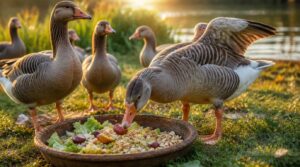
Geese love a good snack now and then, and sharing one can be a nice bonding moment. The trick is knowing which foods actually do them good. Here are five safe treats worth keeping on hand.
Lettuce and Kale
Not all greens are created equal, and that’s true for geese too. Romaine works best since it’s mostly water with some fiber, while iceberg offers little beyond crunch. Kale nutrient density beats lettuce, packing more vitamin A, vitamin K, and iron.
Mix both for hydration and nutrients.
Store fresh, dry, and away from fruit to avoid wilting.
Carrots and Cabbage
Grated raw or cooked, carrots give geese a solid dose of beta carotene, which helps healthy eyes and vision.
Cabbage brings vitamin C and K to the table, plus dietary fiber that aids digestion.
Geese enjoy the crunchy texture contrast between crisp cabbage leaves and firm carrots. Chop both into small, manageable pieces before feeding.
Cored Apples
Cored apples make a sweet, safe treat—but only after you remove the center and seeds entirely.
Apple seeds contain compounds that release trace cyanide when crushed, so proper coring matters.
Quick coring checklist:
- Wash the apple first
- Cut around the star-shaped center
- Remove all seeds
- Chop into small pieces
- Serve fresh, refrigerate leftovers
Fruit sugar adds up fast, so keep portions modest for healthy weight.
Blueberries and Strawberries
Blueberries and strawberries pack a colorful punch of antioxidants your goose will love. Blueberries offer anthocyanins for vascular health, while strawberries deliver vitamin C for immune support. Both provide dietary fiber for digestion.
| Berry | Key Nutrient | Texture |
|---|---|---|
| Blueberry | Anthocyanins | Firm, juicy |
| Strawberry | Vitamin C | Soft, juicy |
Slice strawberries; feed blueberries whole in small portions.
Oats and Cracked Corn
Oats and cracked corn make solid grain treats when fed right. Oats support gut health through beta glucans and B vitamins, while cracked corn delivers quick energy from digestible starches.
Feed them rolled or cracked for easier chewing, and lean on corn more during cold months or migration prep. Keep grain portions balanced with fresh greens, add grit, and always provide water alongside.
Foods Geese Should Avoid
Not every snack you offer is safe for a goose. Some common foods can actually make them sick or worse. Here are the ones you’ll want to keep off the menu.
Bread and Chips
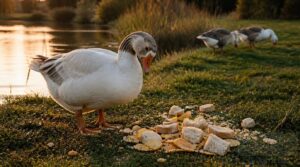
Bread and chips might seem like a friendly snack, but they’re nutrient-void fillers for geese. This high-sugar, high-fat combo offers no real nutrition and encourages handout dependence, weakening natural foraging skills.
Regular feeding also raises malnutrition risks and can lead to obesity in captive geese. Never offer processed human food—stick to safe, natural alternatives instead.
Avocado and Chocolate

Bread isn’t the only kitchen item that spells trouble.
Avocado carries persin, a toxin that’s lethal to geese even in tiny amounts. Chocolate is just as risky, packing caffeine and theobromine toxicity that can trigger seizures or heart failure.
Both count as toxic food hazards, not treats. Never feed captive or wild geese processed human foods like these—they’re nutrient void fillers with real danger attached.
Onions and Garlic
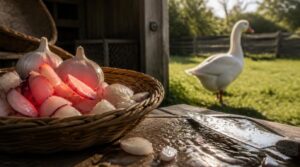
Kitchen scraps can seem harmless, but onions and garlic hide thiosulfate toxicity risks. Cutting or chewing triggers alliinase enzyme reactions, releasing sulfur compounds that damage red blood cells and cause avian anemia.
- Never feed geese onion or garlic scraps
- Watch for pale gums or weakness
- Keep all processed foods away from bird health
Plant toxin identification matters—when in doubt, leave it out.
Raw Potatoes
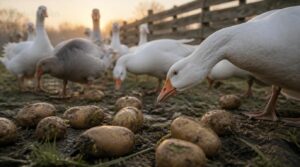
Potatoes seem harmless since geese dig up soilborne roots naturally, but raw ones carry solanine toxicity risks, especially in green or sprouted skins.
| Form | Concern | Safer Choice |
|---|---|---|
| Raw, skin-on | Solanine, poor digestibility | Avoid entirely |
| Cooked, plain | Lower toxins | Small amounts okay |
| Sprouted | High solanine | Discard immediately |
Resistant starch offers benefits for humans, not geese, whose digestion struggles with raw starch content.
Pesticide-treated Plants
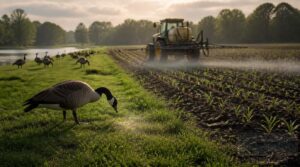
A patch of green grass can hide chemical residue risks long after spraying. Systemic pesticides move inside plant tissue, so washing won’t help.
Neonicotinoid-treated seeds pose real danger too, lingering in soil and seedlings. Geese can’t metabolize these toxins like plants do, risking poisoning, harming non-target wildlife, and contaminating feeding sites near treated fields or lawns.
Nutrients Geese Need
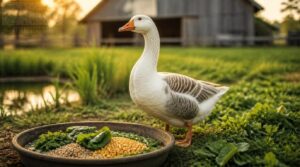
A goose’s diet isn’t just about what it eats, but what those foods actually give its body. Every bite plays a part, from building strong muscles to keeping bones and eggs healthy. Here’s a look at the key nutrients that keep geese thriving year-round.
Fiber for Digestion
Grass and clover aren’t just filler for geese—they’re digestive fuel. All that grazing delivers soluble and insoluble fiber, feeding gut bacteria and keeping food moving smoothly.
- Soluble fiber slows digestion, easing blood sugar swings
- Insoluble fiber speeds transit, preventing constipation
- Fermentation produces short-chain fatty acids
- Fiber nourishes beneficial gut microbiota
- Leafy vegetation helps a balanced, omnivorous diet
Protein for Growth
Watch a gosling triple its size in weeks, and you’ll see protein at work. Insects, small fish, and invertebrate protein for growth build muscle tissue repair fast.
Essential amino acids like lysine and methionine fuel feathers and organs. Growth stage requirements shift protein intake higher early on, balancing energy needs with protein digestibility factors—so high-protein plants and legumes matter too.
Calcium for Eggshells
A laying goose needs steady calcium supplementation to build strong eggshells. Ground eggshells work well here, offering calcium carbonate with bioavailability similar to standard supplements.
Boil, dry, and grind shells finely before feeding. Calcium deficiency in birds shows up as thin, cracking shells, so balanced nutrition matters for domestic waterfowl care and optimizing shell strength across the breeding season.
Fats for Migration
Think of fat as a goose’s jet fuel—it packs 8 to 10 times more energy than carbs per ounce. Before migration, geese build adipose fat storage, fueling long flights efficiently. Their bodies use special lipid transport mechanisms to move fatty acids to flight muscles.
Good pre-migration fuel includes:
- Oily seeds
- Fatty fruits
- Cracked corn
- Sunflower seeds
This energy density beats carbohydrate reserves for endurance flight.
Grit for Grinding Food
Geese don’t have teeth, so their gizzard acts as a natural grinding mill. Swallowed insoluble grit like granite stays put, crushing seeds and fibrous plants for better nutrient extraction. Soluble grit dissolves, adding calcium instead.
Match grit size to age—chicks need finer bits, adults coarser ones. Check grit regularly for sharp edges, and always pair it with fresh water for smooth digestion.
Top 7 Goose Feeding Items
Feeding geese well takes more than tossing out scraps now and then. The right products can fill gaps in their diet and support healthy growth year-round. Here are seven items worth having on hand for your flock.
1. Palouse Brand Hard White Wheat Berries
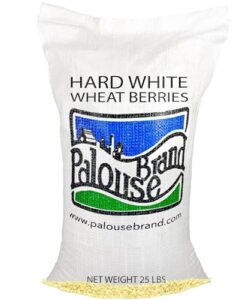
Whole grains make a solid supplemental feed, and Palouse Brand’s hard white wheat berries fit the bill nicely. Grown on a sixth-generation Washington farm, they’re Non-GMO Verified, Kosher Parve, and certified glyphosate residue free.
With roughly 10-12% protein, these berries offer more nutrition than bread ever could. Offer them whole or sprouted for tender greens geese enjoy foraging through. Just scatter them in moderation alongside pasture grass, since grains work best as a supplement, not a main course.
| Best For | Backyard poultry keepers and homesteaders looking to supplement geese or other flocks with a clean, high-protein whole grain. |
|---|---|
| Type | Grain |
| Target Animal | Geese/poultry |
| Package Size | Up to 25 lb |
| Non-GMO | Yes |
| Storage Requirement | Cool, dry |
| Primary Benefit | Protein supplement |
| Additional Features |
|
- Certified glyphosate residue free, Non-GMO Verified, and Kosher Parve for peace of mind
- High protein content (10-12%) offers solid nutritional value as a foraging supplement
- Can be fed whole or sprouted, giving geese tender greens to forage through
- Large bag sizes (up to 25 lb) may be bulky and heavy to store or handle
- Freezing alters the wheat berries’ texture, limiting storage flexibility
- Best used as a supplement only, not a complete or standalone feed source
2. Small Pet Select Timothy Hay Blend
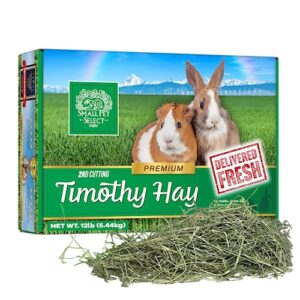
Fiber matters just as much as protein, and that’s where Small Pet Select’s Timothy Hay Mix comes in. This second-cut hay balances stem, leaf, and seed head, giving geese something to pick through like they would tall pasture grass.
It ships fresh from the farm in small batches, with a 12 lb box preserving strand quality. The natural aroma encourages foraging behavior, mimicking the grazing instincts geese rely on daily. It works well as bedding too, doubling its usefulness beyond the feed dish.
| Best For | Owners of rabbits, guinea pigs, chinchillas, and other small herbivorous pets who want a high-fiber, farm-fresh hay to support healthy digestion and natural foraging habits. |
|---|---|
| Type | Hay |
| Target Animal | Small pets |
| Package Size | 12 lb |
| Non-GMO | Not specified |
| Storage Requirement | Dry area |
| Primary Benefit | Fiber support |
| Additional Features |
|
- Hand-selected second-cut Timothy hay offers a great stem-leaf-seed balance for optimal nutrition
- Shipped in uncompressed, high-strength boxes that preserve strand integrity and freshness
- Doubles as natural, scent-free bedding for small rodents and ferrets
- The 12 lb box can be bulky and heavy to handle or store in smaller spaces
- Too coarse for very young or nutritionally sensitive animals
- Priced at a premium compared to generic compressed hay options
3. Country Heritage Poultry Grit Chicken Duck
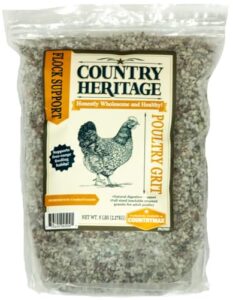
Hay gives geese something to forage through, but their gizzard still needs help breaking down tougher foods. That’s where Country Heritage Poultry Grit comes in, offering crushed granite sized for adult chickens, ducks, and geese alike.
Since it’s insoluble, the grit stays in the gizzard and grinds feed instead of dissolving away. Offer it free-choice in a separate dish, and skip it for goslings, who aren’t ready for pieces this size.
| Best For | Adult chicken, duck, and goose owners who need a natural insoluble grit to support healthy digestion and gizzard function. |
|---|---|
| Type | Grit |
| Target Animal | Adult poultry |
| Package Size | 5 lb |
| Non-GMO | Not specified |
| Storage Requirement | Dry, cool |
| Primary Benefit | Digestion aid |
| Additional Features |
|
- Premium crushed granite helps birds grind feed and reduces impaction risk
- Natural composition with no artificial additives or preservatives
- Resealable 5-lb bag keeps grit dry and fresh between uses
- Not suitable for chicks, goslings, or other young poultry
- Requires dry, cool storage to stay effective
- Large stone pieces can be messy in confined indoor coops
4. Fresh Eggs Daily Brewers Yeast Powder
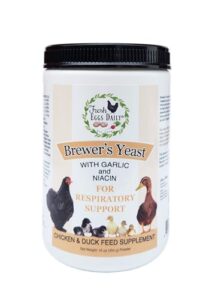
Grinding food is one thing—getting the right vitamins is another. Fresh Eggs Daily Brewers Yeast Powder delivers B vitamins and niacin, both key for bone growth from hatch through laying age.
The garlic-chicken mix promotes immune health and helps cut down on coop odor. Mix about a half teaspoon per cup of feed, daily, for chicks and ducklings especially.
Just watch for yeast sensitivities in some birds, and keep the container sealed and dry to preserve its potency.
| Best For | Backyard chicken, duck, and goose keepers who want to give chicks, ducklings, and laying birds an extra boost of protein, B-vitamins, and immune support through their daily feed. |
|---|---|
| Type | Supplement |
| Target Animal | Poultry |
| Package Size | Not specified |
| Non-GMO | Not specified |
| Storage Requirement | Sealed, dry |
| Primary Benefit | Vitamin boost |
| Additional Features |
|
- Packed with brewers yeast for protein, fiber, and B-vitamins, plus niacin to support healthy bone growth from hatch to laying age
- Garlic blend helps support immune health and noticeably cuts down on coop odor from droppings
- Easy to use—just mix about a half teaspoon per cup of feed daily
- Formulated only for birds, so it’s not an option for mammals or other pets
- Birds with yeast sensitivities may not tolerate it well
- Needs daily scooping plus dry, sealed storage to stay fresh and potent
5. Fresh Eggs Daily Organic Kelp Supplement
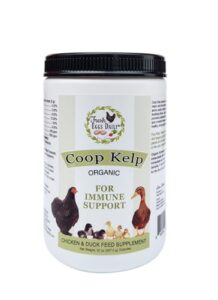
Vitamins cover part of the picture, but minerals fill in the rest. Fresh Eggs Daily Organic Kelp Supplement, made from certified organic sea kelp, delivers calcium, magnesium, iron, and zinc for stronger shells and richer yolks.
Its prebiotic fibers support healthy gut bacteria too. Many keepers notice brighter orange yolks and steadier laying after mixing it into feed. Just store it dry, since exact dosing and shelf life aren’t listed on the label.
| Best For | Backyard chicken and duck keepers who want to boost egg production and get stronger shells with a natural, mineral-rich feed additive. |
|---|---|
| Type | Supplement |
| Target Animal | Poultry |
| Package Size | Not specified |
| Non-GMO | Not specified |
| Storage Requirement | Dry |
| Primary Benefit | Mineral boost |
| Additional Features |
|
- Packed with calcium, magnesium, iron, vitamin K, folate, and zinc for stronger shells and richer yolks
- Made from certified organic sea kelp, a trusted natural source of nutrients
- Prebiotic fibers support healthy gut bacteria and overall immune health
- No dosage instructions included, so you’ll need outside guidance to use it correctly
- Shelf life and storage details aren’t specified on the label
- Only proven effective for poultry, not verified for other animals
6. API Heated Flat Back Bucket
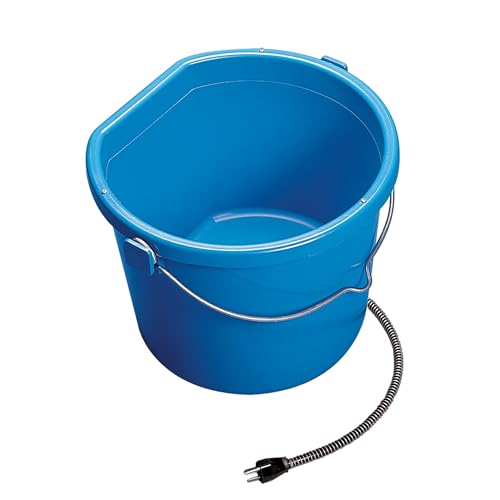
Water freezes fast once winter sets in, and that’s a problem for any goose keeper. The API Heated Flat Back Bucket solves it with thermostatically controlled heating and over-temperature protection, holding 20 quarts in impact-resistant polyethylene rated to –20°F.
Its flat-back design mounts flush against barn walls, saving space while staying sturdy. The 6-foot cord tucks into a bottom compartment with a chew-proof sheath. Your geese get ice-free water all winter, no daily hauling required.
| Best For | Goose and livestock keepers who need a reliable, ice-free water source in a barn or outdoor shelter through freezing winter months. |
|---|---|
| Type | Equipment |
| Target Animal | Poultry/livestock |
| Package Size | 20 quart |
| Non-GMO | Not specified |
| Storage Requirement | Indoor/outdoor |
| Primary Benefit | Ice-free water |
| Additional Features |
|
- Thermostatically controlled heating with over-temperature protection keeps water ice-free without constant monitoring
- Durable, impact-resistant polyethylene construction withstands temperatures down to –20°F
- Flat-back design with sturdy bail allows flush wall mounting to save space
- No built-in temperature display, so you’re relying solely on the thermostat setpoint
- 20-quart capacity may be too small for larger flocks or bigger farm operations
- Requires a standard 120V AC outlet, limiting placement to areas with accessible grounded power
7. Earthborn Elements Gluten Free Rolled Oats
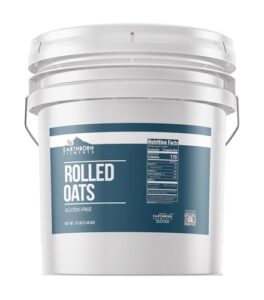
Oats make a solid grain-based treat for geese, especially in colder months when foraging gets thin. Earthborn Elements offers gluten-free rolled oats, certified vegan and non-GMO, with no fillers or additives.
Each package holds nearly 12 pounds, plenty for mixing into homemade feed or scattering as a supplement. Soak or cook them first for easier digestion. They’re a clean, simple carbohydrate source that pairs naturally with your geese’s grain-loving instincts, especially heading into winter.
| Best For | Poultry keepers looking for a clean, additive-free grain supplement to feed their geese, especially during colder months when natural foraging is limited. |
|---|---|
| Type | Grain |
| Target Animal | Human |
| Package Size | 11.99 lb |
| Non-GMO | Yes |
| Storage Requirement | Long-term storage |
| Primary Benefit | Versatile grain |
| Additional Features |
|
- Certified vegan, non-GMO, and gluten-free with no fillers or additives
- Large 12-pound package provides plenty of supply for mixing into feed or scattering as a supplement
- Packaged domestically in the United States for quality assurance
- Higher price point compared to standard rolled oats
- Bulk size may be difficult to store in smaller spaces
- Requires soaking or cooking before feeding for easier digestion
Responsible Goose Feeding Tips

Feeding geese can be a joy, but it comes with a little responsibility. A few simple habits help keep these birds healthy and wild at heart. Here’s what to keep in mind before you toss out that next handful of food.
Feed Small Portions
Less is more when feeding geese. Small portions keep them grazing steadily instead of gorging, which helps with preventing obesity and fatty liver in domestic flocks.
Try multiple modest feedings instead of one big meal—this steadies energy levels and encourages natural foraging. Measured amounts also cut down on spoiled leftovers, so nothing goes to waste.
Prioritize Natural Forage
Nature already stocked the pantry. Grass, aquatic plants, and grains give geese balanced nutrition without any help from us.
Support natural forage by protecting habitat and monitoring sward height for quality:
- Plant native species for complete nutrition
- Preserve shoreline grazing areas
- Limit mowing near water
Healthy, diverse swards mean stronger geese and healthier ecosystems overall.
Avoid Handout Dependence
That loaf of bread you’re tossing at the park pond feels generous, but it’s doing real harm. Handouts cause crowding, disease spread, and weaker foraging skills over time. Geese lose their dietary autonomy when they depend on people instead of grazing.
Feeding bread to geese feels kind, but it breeds crowding, disease, and dependence that erodes their natural foraging instincts
So, can you feed wild geese at a park? Check local regulations first, then favor scattered grain over bread, and always monitor body condition.
Provide Clean Water
Water might be the simplest gift you give, yet geese can’t thrive without it. Fresh water helps digestion, hydration, and healthy feathers.
- Use a shallow, wading-friendly bowl
- Replace water twice daily
- Keep it away from feeding areas
- Wash containers with hot, soapy water
Clean water also lowers disease risk. Skip this step, and even the best diet falls short.
Watch Body Condition
Fresh water sets the stage, but your hands tell the real story. Run your fingers along the breastbone—you’re checking body condition score, that 1-to-5 scale biologists use. Feel for light muscle over the keel, not sharp bone or hidden fat.
Track weight trends monthly. Too thin risks poor immunity; too heavy invites fatty liver and angel wing. Balanced nutrition keeps that score right around 3.
Frequently Asked Questions (FAQs)
What do geese eat in winter?
How do geese fuel up when the ground freezes? They lean on grains and hay for energy reserves, nibble hardy greens, and take waterfowl pellets, all while seeking unfrozen water to support winter thermoregulation and digestion.
What do geese eat in captivity?
In captivity, a balanced mix of pellets, pasture, and greens keeps geese thriving. Rotating grazing paddocks and offering nutrient-dense snacks helps gut health, prevents obesity, and provides foraging enrichment—while clean water remains essential for digestion.
What do geese eat the most?
You’d think something so simple would have a boring answer. It doesn’t—grass remains their staple, covering daily caloric intake almost entirely, with grains, aquatic plants, seeds, and the occasional insect rounding out their primary foraging sources.
Can geese eat insects?
Yes — beetles, larvae, and worms make the cut, especially during breeding season. This insect foraging behavior gives goslings essential amino acids and protein, showing geese are naturally omnivorous, not strict herbivores, when invertebrates are seasonally available near water.
What do baby geese eat?
Young goslings need an 18–20% protein starter feed to fuel early growth spurts. Add nutrient-dense mash, mealworms as a protein source, and tender greens.
Keep fresh water nearby always—it helps hydration and digestion during those fast-paced early weeks.
What do domesticated geese eat?
Picture a fenced yard where grass, grain, and greens sit side by side — that’s basically a goose’s plate. Staple forage like clover mixes with waterfowl pellets, veggies, and fresh water, keeping digestion smooth and nutrition balanced daily.
What plants do geese eat?
Grasses and clover make up most of a goose’s plate, alongside grains and garden vegetables. They also graze aquatic plants like duckweed for hydration and minerals, favoring native forage that helps wetland vegetation and keeps grazing impact manageable.
Do geese eat fish?
Not like a medieval fishmonger, no. Geese rarely eat fish—they’re opportunistic foragers, occasionally snacking on tadpoles, small invertebrates, snails, and insects when vegetation runs low, but true predation stays rare in their mostly plant-based, omnivorous diet.
What is a goose’s favorite food?
If you had to name one favorite, it’s tender young grass. Geese graze on fresh shoots constantly, especially in spring. Clover and legumes rank close behind, offering protein-rich bites they seek out whenever pasture allows.
Should you feed wild geese?
It’s best to skip it. Handouts cause foraging skill decline, unhealthy crowding, and nutritional dependency. Many parks restrict feeding under local wildlife regulations. Let geese forage naturally, it keeps them wild, healthy, and keeps the environment balanced.
Conclusion
Like the geese themselves, a good diet knows how to adapt with the seasons. Now that you know what geese eat, you can see why grass, clover, and grain matter so much to their daily rhythm.
Feeding them right means respecting their natural instincts, not just tossing bread and walking away. Give them clean water, safe greens, and room to forage. That’s how you help these graceful birds thrive, season after season, flight after flight.
- https://www.metzerfarms.com/nutritional-requirements.html
- https://poultrykeeper.com/keeping-geese/feeding-geese
- https://www.fresheggsdaily.blog/2020/10/what-do-backyard-geese-eat.html
- https://www.divebombindustries.com/blogs/news/what-do-geese-eat-in-the-wild-a-complete-guide-to-their-diet
- https://poultry.extension.org/articles/feeds-and-feeding-of-poultry/feeding-geese