This site is supported by our readers. We may earn a commission, at no cost to you, if you purchase through links.
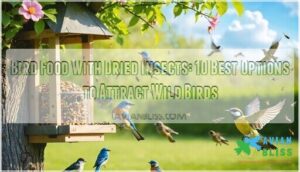 Bird food with dried insects transforms backyard feeding into a protein-rich buffet that attracts over 30 wild bird species.
You’ll find mealworms, crickets, and other dried insects provide essential amino acids and healthy fats that seeds simply can’t match.
These nutrient-dense options support critical life stages like breeding, molting, and migration while appealing to birds’ natural insect-eating instincts.
Popular choices include freeze-dried mealworms with 47-53% protein content and insect trail mixes that combine variety with convenience.
The concentrated nutrition means you’ll use less food while attracting more diverse species to your feeders.
Table Of Contents
- Key Takeaways
- Bird Food Basics
- Top 10 Dried Insect Foods
- 1. Wild Delight Bugs Berries Bird Food
- 2. Kaytee Wild Bird Food Mealworms
- 3. Fluker’s Freeze Dried Mealworms Reptile Food
- 4. WORMSKING Dried Mealworms Bird and Poultry Food
- 5. Fluker’s Chicken Treats Insect Trail Mix
- 6. Dried Grasshoppers Reptile Food Treats
- 7. Kaytee Wild Bird Seed Mealworm Cake
- 8. Classic Flock Freeze Dried Mealworms
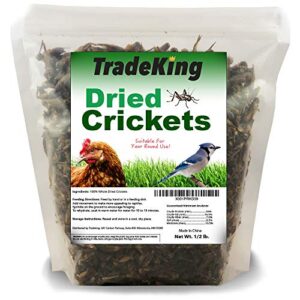
- 9. TradeKing Dried Crickets Reptile Bird Food
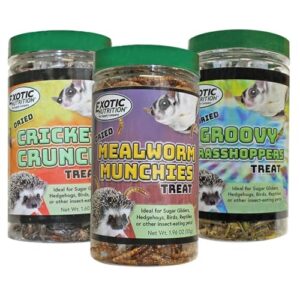
- 10. Dried Insects Variety Pack for Pets
- Bird Feeder Options
- Attracting Birds With Dried Insects
- Creating Bird Friendly Environments
- Frequently Asked Questions (FAQs)
- Can birds eat dried insects?
- What do birds eat?
- What is the best wild bird food?
- What birds eat dry dog food?
- Are there bugs in bird food?
- Can birds eat dried mealworms?
- Should I throw out bird seed with weevils?
- Will birds eat dried insects?
- Do you have to soak dried mealworms for birds?
- What kind of bird feeder do you put dried mealworms in?
- Conclusion
Key Takeaways
- You’ll attract over 30 bird species by switching from seeds to dried insects, which provide essential amino acids and healthy fats that traditional bird food can’t match
- Dried insects pack 47-68% protein content compared to regular seeds, supporting critical life stages like breeding, molting, and migration when birds need maximum energy
- You’ll use less food while feeding more birds since the concentrated nutrition in mealworms, crickets, and insect mixes means better value and less waste than traditional seed blends
- Platform and tube feeders work best for serving dried insects, and you can mix them with seeds or soak them in water to make them more appealing to picky eaters
Bird Food Basics
You’ll discover that dried insects pack powerful nutrition that wild birds crave naturally.
Dried insects deliver the protein punch your backyard birds desperately need for peak health and energy
These protein-rich foods mirror what birds find in the wild, making them essential for attracting diverse species to your yard.
Importance of Dried Insects in Bird Food
Protein powerhouses like dried insects transform ordinary bird food into nutritional gold.
Transform any backyard into a bird magnet with protein-packed dried insects that birds naturally crave.
You’ll find that dried insects provide essential amino acids, healthy fats, and vitamins that seeds alone can’t match.
This high protein bird food supports reproduction, molting, and migration energy needs.
Many bird species naturally follow insect feeding habits, making insect-based bird food irresistible to cardinals, wrens, and chickadees.
Mealworm bird food offers exceptional insect nutritional value with reliable insect food safety when properly sourced.
A balanced diet also requires vitamin supplementation for ideal health.
Benefits of Using Dried Insects for Birds
Now that you understand why dried insects matter in bird food, you’ll discover their specific benefits for backyard birds.
Dried insects offer superior bird nutrition compared to standard seeds:
- Nutritional Value: High protein bird food supports healthy feather growth and reproduction
- Bird Health: Insect-based bird food provides essential amino acids seeds can’t match
- Cost Analysis: Dried insects stretch further than fresh alternatives while maintaining quality
- Storage Methods: These preserved proteins stay fresh longer than perishable options
Top 10 Dried Insect Foods
You’ll discover the best dried insect foods that transform your yard into a bird paradise.
These protein-packed options attract more species than traditional seeds alone, giving birds the nutrition they need while providing you with incredible wildlife viewing opportunities.
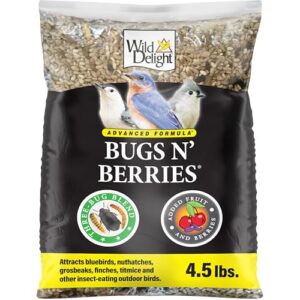
1. Wild Delight Bugs Berries Bird Food
 View On Amazon
Wild Delight’s Bugs Berries blend brings together nature’s best protein sources in one convenient package.
You’ll find three dried insects – black soldier fly larvae, mealworms, and darkling beetles – mixed with sunflower kernels, safflower seeds, and dried fruits.
This premium formula contains no fillers like corn or millet that birds often waste, making it a high-quality choice for bird feeding.
To further support local bird populations, consider winter feeding strategies during harsh conditions.
At $12.58 from Walmart, it attracts bluebirds, nuthatches, and other insect-eating species while deterring squirrels naturally.
Best For: Backyard bird enthusiasts seeking a premium, protein-rich blend that attracts diverse insect-eating species like bluebirds, nuthatches, and finches while naturally deterring squirrels.
- Higher upfront cost compared to basic seed blends, though the no-waste formula provides better value per feeding
- Limited availability at the best price point – only Walmart offers $12.58 pricing while other retailers charge $17-20
- Requires feeders with larger seed ports to accommodate the fruit and nut pieces in the blend
- No-waste formula with high-quality ingredients (sunflower kernels, three-bug blend, dried fruits) and no cheap fillers like corn or millet
- Naturally deters squirrels while attracting desirable species including bluebirds, woodpeckers, and cardinals
- Excellent value at $12.58 from Walmart with consistent quality and minimal mess compared to traditional seed mixes
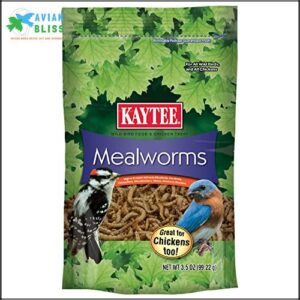
2. Kaytee Wild Bird Food Mealworms
 View On Amazon
Whether you’re new to backyard birding or an experienced enthusiast, Kaytee Wild Bird Food Mealworms delivers pure protein that transforms your yard into a bird magnet.
This single-ingredient food contains 47% crude protein and 25% crude fat, creating an energy-packed treat that bluebirds, wrens, and woodpeckers can’t resist.
You’ll notice increased bird activity within days of adding these oven-dried mealworms to your feeders, making them perfect for attracting species that ignore traditional seed blends.
Best For: Bird enthusiasts who want to attract insect-eating species like bluebirds, wrens, and woodpeckers that traditional seed blends can’t draw to their yard.
- High protein content (47%) and fat (25%) provide essential nutrition for birds during breeding season and harsh weather
- Single-ingredient purity with no fillers or artificial additives ensures quality protein source
- Convenient oven-dried format requires no refrigeration and offers mess-free alternative to live mealworms
- Some birds may initially refuse dried mealworms, requiring experimentation with placement or soaking
- Strong natural odor can be unpleasant for humans handling the product
- Price per quantity may be expensive for frequent feeding or larger bird populations
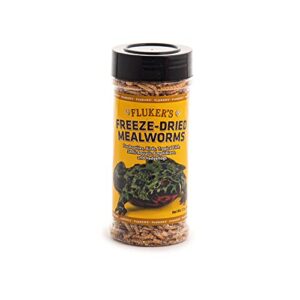
3. Fluker’s Freeze Dried Mealworms Reptile Food
 View On Amazon
Known for versatility, Fluker’s Freeze Dried Mealworms work well for birds despite their reptile food label.
You’ll get 100% natural mealworms with no artificial preservatives. The freeze-drying process locks in protein, fat, and fiber that birds crave.
These shelf-stable treats last 12-24 months without refrigeration. You can serve them straight from the container or rehydrate them for softer texture.
They’ll attract chickadees, bluebirds, and woodpeckers to your yard.
Best For: Bird enthusiasts seeking a convenient, protein-rich treat that attracts diverse species without the hassle of live insects.
- 100% natural mealworms with no artificial preservatives, providing clean nutrition for birds
- Long shelf life of 12-24 months without refrigeration, making storage simple and cost-effective
- Attracts variety of bird species including chickadees, bluebirds, and woodpeckers that don’t typically visit seed feeders
- Labeled as reptile food despite bird compatibility, which may confuse potential bird-feeding customers
- Higher cost per serving compared to traditional bird seed options
- Some birds may need time to recognize and accept freeze-dried insects as food
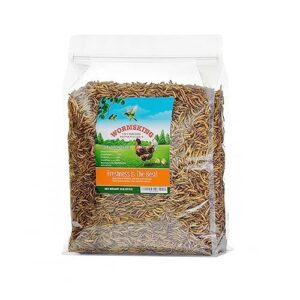
4. WORMSKING Dried Mealworms Bird and Poultry Food
 View On Amazon
WORMSKING delivers premium nutrition that transforms your backyard into a bird magnet.
These microwave-dried mealworms pack 53% protein and essential nutrients without additives or GMOs.
The generous 2-pound resealable bag stays fresh for up to two years, making it perfect for daily feeding.
Birds go crazy for these whole mealworms – not broken pieces like cheaper alternatives.
You’ll see stronger egg production in chickens and healthier feathers during molting season.
Best For: Bird enthusiasts and poultry owners who want to attract wild birds while providing nutritious treats that enhance egg production and support bird health during molting and winter seasons.
- High protein content (53%) with essential nutrients supports strong feather growth, egg production, and immune system health in both poultry and wild birds
- Long shelf life (up to 2 years) with resealable packaging ensures freshness while offering better value than smaller farm store containers
- Whole mealworms (not pieces) are additive-free, non-GMO, and effectively attract diverse bird species like bluebirds, robins, and woodpeckers
- Higher upfront cost for the 2-pound bag compared to smaller quantities, though cost per ounce is better value
- May attract unwanted pests like rodents if not stored properly or if feeding areas aren’t managed carefully
- Should not completely replace natural diet variety, especially for fruit-eating birds who need balanced nutrition beyond high-protein insects
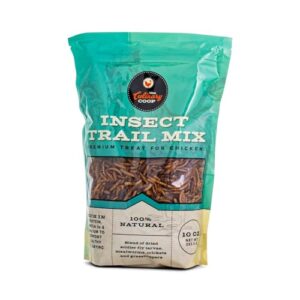
5. Fluker’s Chicken Treats Insect Trail Mix
 View On Amazon
This premium insect mix delivers the variety your backyard birds crave.
You’ll find four different insects in each bag – black soldier fly larvae, mealworms, crickets, and grasshoppers.
The blend packs 50% protein content, making it perfect for supporting healthy egg production and molt recovery.
Your chickens will show increased energy and shinier feathers with regular treats.
The 10-ounce resealable bag stays fresh longer and costs less than raising live insects yourself, providing a convenient and cost-effective solution.
Best For: Backyard poultry owners, exotic bird enthusiasts, and reptile keepers seeking a high-protein, natural treat that supports egg production, molting recovery, and overall pet health.
- Contains 50% protein from four different insects (black soldier fly larvae, mealworms, crickets, grasshoppers) supporting healthy egg laying and feather regrowth
- Cost-effective alternative to raising live insects with convenient 10oz resealable packaging that maintains freshness
- Versatile treat suitable for multiple species including chickens, ducks, wild birds, reptiles, and hedgehogs
- Crickets often arrive broken into crumbs due to shipping damage, reducing variety in the mix
- Manufactured in China, which may concern buyers preferring domestically-produced pet products
- Recommended only as supplemental treats rather than daily feeding due to cost considerations
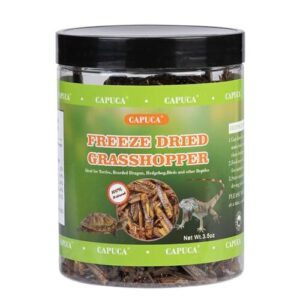
6. Dried Grasshoppers Reptile Food Treats
 View On Amazon
Since grasshoppers pack 68% protein and essential amino acids, they’re nutritional powerhouses for backyard birds.
These freeze-dried treats contain no preservatives or artificial additives, making them safe for wild visitors.
You’ll find they’re particularly attractive to insectivorous species like woodpeckers and wrens.
The crispy texture makes them easy to serve in platform feeders or scatter directly on the ground.
Store them in a cool, dry place for up to two years without refrigeration, which makes them a convenient option.
Best For: Reptile and bird owners seeking a high-protein, convenient alternative to live insects for feeding their pets.
- High nutritional value with 68% protein and essential amino acids supporting pet health and growth
- Long shelf life (up to 2 years) with no refrigeration required, making storage convenient
- Eliminates parasite risks associated with live feeder insects while maintaining natural prey appeal
- Some pets may reject the product due to smell or texture preferences, leading to waste
- Risk of insect infestation during storage as reported by some users
- Higher cost per feeding compared to live insects, especially for pets with high consumption rates
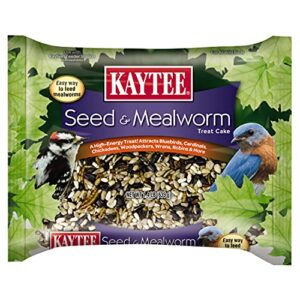
7. Kaytee Wild Bird Seed Mealworm Cake
 View On Amazon
Combining convenience with nutrition, the Kaytee Wild Bird Seed Mealworm Cake delivers a protein-packed feast that attracts bluebirds, chickadees, and woodpeckers.
This solid cake format fits standard feeders and lasts longer than loose seed.
You’ll love watching hard-to-attract songbirds like wrens and robins discover this high-energy treat.
The blend of hulled sunflower seeds, mealworms, and honey creates less mess while providing essential fats and proteins your backyard birds crave, making it a great option for those who want to attract a variety of birds with a convenient feeder.
Best For: Birders seeking a convenient, high-protein option that attracts difficult-to-draw species like bluebirds, wrens, and robins while reducing mess and maintenance.
- Attracts hard-to-attract songbirds that typically ignore standard seed mixes, including bluebirds, wrens, and robins
- Less messy than loose seed with longer-lasting cake format that fits standard wire feeders
- High-protein blend with 35% fat content and real mealworms provides essential nutrition for insect-eating birds
- Higher price point compared to local alternatives and basic seed mixes
- Solid block may require breaking for feeders without protective cages
- Attracts squirrels and other wildlife that may dominate the feeder
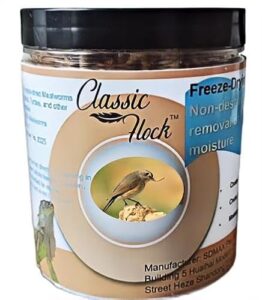
8. Classic Flock Freeze Dried Mealworms
 View On Amazon
Classic Flock delivers protein-packed mealworms that’ll make your feathered friends come running.
These freeze-dried treats contain 46-53% protein, perfect for supporting muscle growth and feather development.
The gentle drying process keeps nutrients intact while creating a crunchy texture birds love.
You’ll appreciate the resealable packaging that stays fresh for months.
Wild birds, chickens, and backyard flocks all go crazy for these wholesome snacks that support overall health with protein-packed mealworms.
Best For: Pet owners with chickens, wild birds, or reptiles looking for a high-protein, natural treat that supports healthy growth and feather development.
- High protein content (46-53%) supports muscle growth and feather health
- Freeze-dried process preserves nutrients while creating long shelf life without refrigeration
- Resealable packaging maintains freshness and prevents waste
- Some birds may prefer fresh worms over freeze-dried versions
- Lower calcium content means it works better as a supplement than primary food source
- Bag quantity may be insufficient for larger flocks or frequent feeding
9. TradeKing Dried Crickets Reptile Bird Food
 View On Amazon
TradeKing Dried Crickets pack serious nutrition for your backyard birds.
They retain the same protein, amino acids, and fats as live ones but without the noise or mess.
You’ll find them perfect for bluebirds, wrens, and woodpeckers who crave high-protein meals.
The 0.5-pound resealable bag offers excellent value and stays fresh longer.
Soak them in water for 10 minutes to make them more appealing to picky eaters.
While some arrive broken, most birds don’t mind the fragments.
Best For: Bird enthusiasts, reptile owners, and pet parents looking for a convenient, high-protein food alternative to live crickets without the mess and maintenance.
- High nutritional value with same protein, amino acids, and fats as live crickets
- Convenient freeze-dried format with longer shelf life and no refrigeration needed
- Excellent value with 0.5-pound resealable bag lasting longer than live alternatives
- Strong natural cricket odor that some pet owners find off-putting
- Large cricket size may not be suitable for smaller pets or growing bearded dragons
- Common quality issues with broken pieces and detached wings upon arrival
10. Dried Insects Variety Pack for Pets
 View On Amazon
Variety packs offer multiple insect types in one convenient package.
You’ll get crickets, mealworms, and grasshoppers together.
This mix gives birds different textures and nutrients.
The protein content ranges from 40-50%, matching traditional bird foods.
These packs work well for attracting various bird species since different birds prefer different insects.
They’re perfect when you want to test which insects your backyard birds like best.
Store them in cool, dry places for year-long freshness and to keep the insects in good condition for the birds, making them a great option for attracting various bird species.
Best For: Pet owners with birds, reptiles, hedgehogs, sugar gliders, or other insect-eating animals who want to provide variety and test different insect preferences.
- Contains multiple insect types (crickets, mealworms, grasshoppers) with 40-50% protein content for nutritional variety
- Long shelf life of one year or more without refrigeration when stored properly
- Supports natural foraging behaviors and provides environmental enrichment for captive animals
- Some pets may selectively eat only certain insects, leaving others untouched
- Premium pricing reflects the specialty nature of freeze-dried insect products
- Occasional digestive issues or odor problems reported with specific insects like grasshoppers
Bird Feeder Options
You’ll need the right feeder to make dried insects accessible to birds in your yard.
The feeder type you choose affects which bird species visit and how easily they can reach their protein-rich meal.
Types of Bird Feeders for Dried Mealworms
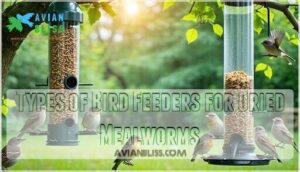
Several feeder types work well for offering mealworms to insectivorous birds in your backyard setup.
- Tube Feeders – Perfect for containing dried mealworms while allowing small songbirds easy access through feeding ports
- Platform Feeders – Open design lets birds see the insect-based bird food clearly, attracting species that prefer visual feeding
- Hopper Feeders – Gravity-fed system keeps mealworms dry and fresh, ideal for mixing with regular bird seed mix
- Window Feeders – Attach directly to glass for close bird watching while providing convenient mealworm access
Ground feeders also work since many birds naturally forage on surfaces. Consider using specialized tube feeders for mealworms.
Each feeder style attracts different species, so consider your local bird feeding preferences when selecting the right option.
How to Choose The Right Bird Feeder
Selecting the right feeder for dried insects requires careful consideration of several key factors. Feeder Material should be durable plastic or metal for easy cleaning and Weather Resistance.
Feeder Size depends on your backyard birds – smaller feeders work well for chickadees while larger ones accommodate woodpeckers. Feeder Placement matters greatly for attracting birds – position feeders 5-10 feet from cover but away from Squirrel Proofing challenges.
For attracting specific species, consider different feeder designs to cater to their preferences. Choose specialized mealworm feeders with drainage holes to prevent spoilage.
These bird feeding tips guarantee your wild bird food investment pays off with consistent avian visitors to your feeding station.
Attracting Birds With Dried Insects
You’ll find that dried insects work like magnets for insect-eating birds such as bluebirds, wrens, and woodpeckers.
The key is placing your insect-rich feeders in quiet spots where birds feel safe to land and eat.
Tips for Attracting Birds to Your Yard
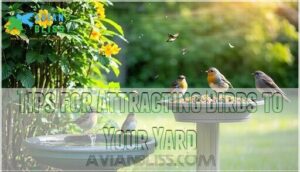
Attracting birds to your yard becomes simpler when you understand their basic needs. Beyond choosing the right insect-based bird food, you’ll want to create an environment that feels safe and welcoming. Think of your yard as a bird hotel – guests need food, water, and comfortable lodging.
Here are five proven strategies for attracting birds with dried insects:
- Mix dried insects with seeds to appeal to both seed-eating and insectivorous species
- Use platform feeders to accommodate ground-feeding birds like robins and blackbirds
- Soak dried insects in water to make them softer and more appealing
- Place feeders near shelter options like shrubs or trees for quick escape routes
- Reduce pesticides in your yard to support the natural insect ecosystem
Bird baths provide essential fresh water for drinking and bathing. Native plants offer natural food sources and nesting materials. Proper predator control, like placing feeders away from hiding spots, keeps your feathered visitors safe. You can even find high protein mealworms to supplement their diet. These backyard birds will reward your efforts with regular visits when you follow these bird feeding tips consistently.
Using Dried Insects to Attract Specific Bird Species
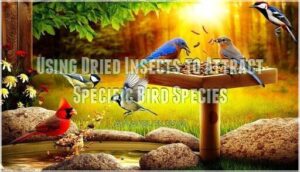
Different bird species have distinct preferences regarding dried insects.
Bluebirds and robins enthusiastically consume dried mealworms, making them perfect starter species for your backyard.
Chickadees and nuthatches prefer variety packs with different insect types.
Woodpeckers love protein-rich cricket mixes during breeding season.
Cardinals surprisingly enjoy insect-based bird food mixed with seeds.
You’ll attract more diverse species by offering multiple dried insect options rather than sticking to one type.
Seasonal feeding strategies work best – provide extra insect protein during spring nesting and fall migration when birds need maximum energy, utilizing dried insect options.
Creating Bird Friendly Environments
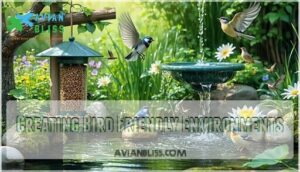
Creating bird-friendly spaces goes far beyond simply filling feeders with dried insects.
You’ll need to think about water sources and overall yard design to make birds truly want to visit and stay.
Importance of Providing Fresh Water for Birds
During winter months especially, fresh water becomes a lifeline for your feathered visitors when natural sources freeze solid.
Water source hygiene matters tremendously – clean containers weekly to prevent harmful bacteria buildup.
Birds need water for both bathing vs. drinking purposes, keeping their feathers flight-ready while staying hydrated.
Moving water attracts birds more effectively than still sources, as the sound draws them from greater distances.
Strategic water source placement near cover but visible from your home maximizes bird health benefits while supporting proper bird nutrition and avian diet needs.
Consider adding a shallow bird bath with pebbles for perching.
Creating a Bird-friendly Yard With Dried Insect Food
Your backyard transforms into a bird paradise when you combine dried insects with smart habitat choices. Insect-based bird food provides essential protein, while native plants create natural feeding grounds. Sustainable insect sourcing guarantees quality nutrition for diverse species visiting your space.
Sourcing options include purchasing quality bird food insects from online retailers. This approach allows for consistent placement and fresh offerings to keep birds returning, making it a great strategy for your pet bird food as well.
- Place DIY insect feeders near dense shrubs for safety and easy access
- Mix dried insects for birds with native seed varieties for balanced bird nutrition
- Follow seasonal feeding tips – increase protein during spring breeding season
- Maintain insect food safety by storing dried products in sealed containers
This approach boosts backyard bird diversity naturally. Your pet bird food strategy works outdoors too, and with these tips, you can create a welcoming space for various bird species.
Frequently Asked Questions (FAQs)
Can birds eat dried insects?
Picture tiny crunchy treats scattered like nature’s confetti – yes, you can safely feed birds dried insects.
They’re packed with protein and nutrients that wild birds naturally crave, making them an excellent supplement to regular birdseed for healthy feathered friends.
The idea is to provide a supplement that aligns with what wild birds naturally crave.
What do birds eat?
Birds eat seeds, fruits, insects, worms, nectar, and small animals.
You’ll find different species prefer specific foods – songbirds love seeds, hummingbirds sip nectar, hawks hunt prey, and woodpeckers grab insects from bark, which includes nectar.
What is the best wild bird food?
The early bird catches the worm," and you’ll catch their attention with high-quality seed mixes.
Choose nyjer for finches, sunflower seeds for cardinals, and suet for woodpeckers.
Mixed blends work well for attracting diverse species to your yard.
What birds eat dry dog food?
Crows, magpies, and jays will eat dry dog food when other sources are scarce.
You’ll notice these intelligent birds adapting to urban environments by scavenging pet food left outdoors, though it’s not their preferred diet choice, which involves scavenging for food.
Are there bugs in bird food?
Yes, you’ll find bugs in many commercial bird foods. Dried insects like mealworms, crickets, and fly larvae are common protein sources that birds need for healthy development and energy.
Can birds eat dried mealworms?
You’ll find dried mealworms make an excellent protein-rich treat that most birds love. They’re nutritious, convenient, and won’t spoil like fresh options.
Should I throw out bird seed with weevils?
Don’t toss weevil-infested bird seed immediately.
Weevils won’t harm birds and actually provide extra protein.
You can freeze the seed for 48 hours to kill remaining weevils, then use it normally without worry.
Will birds eat dried insects?
Birds enthusiastically consume dried insects, which provide essential protein and nutrients.
You’ll find many species love mealworms, crickets, and other dried bugs as natural food sources that mimic their wild diet perfectly.
Do you have to soak dried mealworms for birds?
You don’t need to soak dried mealworms before offering them to birds.
Most birds can easily eat them dry, but soaking makes them softer and more appealing to smaller songbirds or fledglings.
What kind of bird feeder do you put dried mealworms in?
You’ll want to use platform or tray feeders for dried mealworms since they provide an open surface where birds can easily spot and access the treats.
Tube feeders work too if they’ve wide feeding ports or removable trays underneath.
Conclusion
Forget everything you thought you knew about bird feeding – those seed-only enthusiasts have been serving up nutritional poverty for decades.
Bird food with dried insects revolutionizes backyard dining by delivering protein levels that make regular seeds look embarrassingly inadequate.
You’ll watch your feeder transform from a basic snack bar into a gourmet restaurant that attracts woodpeckers, nuthatches, and chickadees.
These protein-packed options support breeding birds and growing chicks better than any seed mix ever could.