This site is supported by our readers. We may earn a commission, at no cost to you, if you purchase through links.

Your parrot’s vibrant feathers, sharp mind, and decades-long lifespan depend on nutrients most bird owners unknowingly withhold every day. A seed-only diet, still the default in many homes, delivers less than 30 micrograms of vitamin A per kilogram while packing up to 74% fat—a combination that silently damages the liver, weakens immunity, and shortens lives by years.
Complete nutrition for pet birds isn’t about adding one or two vegetables to a bowl of sunflower seeds. It requires balancing pellets, fresh produce, healthy proteins, and species-specific supplements in proportions that mirror what wild birds instinctively seek.
Understanding these nutritional building blocks, recognizing what’s toxic versus safe, and switching your bird to a balanced diet transforms health outcomes in ways you’ll see within weeks.
Table Of Contents
Key Takeaways
- Seed-only diets contain less than 30 micrograms of vitamin A per kilogram and up to 74% fat, causing liver damage, weakened immunity, and shortened lifespans, while pellet-based diets (60-80% of intake) provide balanced nutrition with proper fat levels of 3.5-5%.
- Complete avian nutrition requires species-specific combinations of pellets, fresh produce (20-40% of diet), healthy proteins from legumes or cooked egg, and calcium supplementation paired with vitamin D3 from UVB lighting or fortified diets to prevent metabolic bone disease and hypocalcemia.
- Toxic foods including avocado, chocolate, caffeine, onions, garlic, and xylitol can cause rapid organ failure or death in birds, while safe choices like dark leafy greens, orange vegetables, and berries should be washed thoroughly and rotated daily to minimize pesticide exposure.
- Transitioning birds from seeds to pellets requires gradual conversion over 7-10 days with weekly weight monitoring on a gram scale, watching for behavioral changes, feather abnormalities, or digestive issues that signal nutritional deficiencies requiring veterinary intervention.
Key Components of a Balanced Bird Diet
Your bird’s diet shapes everything from feather quality to immune function, so understanding what goes into their bowl matters more than you might think.
A truly balanced diet includes several core components that work together to prevent deficiencies and support long-term health.
Let’s look at the essential elements that should make up your bird’s daily nutrition.
Pellets Vs. Seeds—Benefits and Limitations
When you’re choosing between pellets and seed mix for your avian diet, understand that pellets offer balanced nutrition your pet birds need—delivering 11-15% protein and preventing the fatty liver disease that all-seed diets cause. Seeds lack vitamin A and contain up to 74% fat, creating serious seed deficiencies. A balanced diet is key, so consider risks of seed diets carefully.
Here’s why pellet nutrition wins:
- Pellets maintain ideal 3.5-5% fat versus seeds’ excessive 55-74%
- Extruded formulas prevent selective feeding habits
- Conversion strategies like gradual 10-day transitions work effectively
- Cost analysis shows pellets eliminate 100% seed hull waste
Essential Vitamins and Minerals
Your bird’s health hinges on getting enough Vitamin A—seed diets contain less than 30 micrograms per kilogram, causing respiratory infections and epithelial damage. Calcium balance paired with Vitamin D prevents metabolic bone disease and egg-binding. Trace minerals like iron, iodine, and zinc support immunity, though excess iron causes organ failure in mynahs and toucans.
Vitamin supplements and mineral supplements correct seed-diet deficiencies, but over-supplementation of fat-soluble vitamins risks toxicity. Calcium supplements like cuttlebone prevent vitamin deficiencies and mineral deficiencies in indoor birds.
A pelleted avian diet can provide balanced nutrition and should make up 60-80% of their food intake.
Importance of Fresh Fruits and Vegetables
Beyond pellets, your bird needs fresh fruits and vegetables daily—think of them as living nutrition that seeds and pellets can’t replicate.
Aim for 20–40 percent of the diet from colorful produce like carrots, kale, and peppers, which deliver vitamin A, calcium, and hydration while preventing hypovitaminosis A and obesity.
These fresh foods spark natural foraging behavior, keeping both body and mind sharp.
Healthy Fats and Protein Sources
While fresh produce hydrates and delivers vitamins, your bird can’t thrive without adequate protein and healthy fats—two nutrients seed-heavy diets consistently underdeliver.
Parrots need at least 1 percent polyunsaturated fat, like linoleic acid, plus essential amino acids from plant-based proteins such as beans, lentils, and chickpeas, or animal protein like cooked egg. Protein deficiencies lead to muscle loss and weakened flight, while balanced fats support feather quality and brain function.
Safe seeds and nuts—flaxseed, chia, walnuts—offer omega-3s but must stay limited to prevent obesity.
- Cooked chickpeas mashed with chopped spinach
- A walnut half, cracked and supervised
- Scrambled egg white mixed with diced pepper
- Sprouted lentils alongside fresh greens
- Flaxseed sprinkled lightly over pellets
Calcium and Vitamin D Requirements
Without enough calcium and vitamin D3, your bird’s bones weaken, eggs crack, and seizures can strike—especially in African greys prone to hypocalcemia. Maintenance diets require around 0.5% calcium with a 2:1 calcium-to-phosphorus ratio, while laying hens can tolerate up to 4%. Offer cuttlebone or oyster shell, pair it with 1000 IU/kg vitamin D3 from pellets or UVB lighting, and monitor droppings for bone-health clues.
| Nutrient | Maintenance Level | Laying/Growth |
|---|---|---|
| Calcium | 0.5% (600 ppm) | 3–4% (30–40 g/kg) |
| Vitamin D3 | 1000 IU/kg diet | >1000 IU/kg diet |
| Ca:P Ratio | 2:1 (range 0.5–2.5:1) | >2:1 preferred |
Calcium deficiency manifests as soft shells and fractures, while inadequate vitamin D sources hinder absorption—even if dietary calcium is present. Pair natural sunlight or safe UVB lighting with calcium supplementation from cuttlebone, dark greens, or mineral blocks to support egg production and bone health year-round.
Species-Specific Dietary Needs
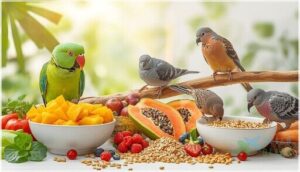
Not all birds eat the same way, and what works for a parrot won’t necessarily suit a finch or dove. Each species has evolved with different nutritional needs based on their natural diet and metabolism.
Understanding these differences helps you provide the right balance of pellets, seeds, fruits, and vegetables for your specific bird.
Dietary Guidelines for Parrots and Conures
You’ll want to build your parrot or conure diet around pelleted avian diets—aim for 50–70% pellets to cover their nutritional needs. Seeds? Keep them under 20% to avoid obesity and vitamin A deficiency.
Fresh foods like steamed veggies should make up much of the rest, while calcium-rich options support bone health. These species-specific avian feeding guidelines address fat sources and unique calcium needs effectively.
Nutrition for Parakeets, Finches, and Canaries
Parakeets, finches, and canaries thrive when pellets form 60–80% of their balanced diet, with the rest coming from fresh vegetables and limited seeds. Breeding diets require 18–22% protein to support egg production, while maintenance formulas prevent obesity.
Vitamin deficiencies—especially vitamin A—are common with seed-only feeding. White canaries need extra vitamin A.
Guarantee constant water intake at roughly 250–300 ml per kg body weight daily.
Adjusting Diets for Doves and Pigeons
Doves and pigeons rely on seed-based diets with carefully managed seed ratios—50–70% small grains like millet and safflower—plus 10–30% whole grains for fiber. Unlike parrots, they need grit to grind seeds in the gizzard.
Protein levels should reach 15–18% for maintenance, with calcium-to-phosphorus ratios balanced through cuttlebone. Weight management matters: limit high-fat seeds to 10–15% to prevent obesity.
Encourage foraging behavior by scattering feed, mimicking their natural ground-feeding instincts.
Special Considerations for Breeding or Aging Birds
Breeding and aging birds need specific nutritional support—reproduction demands elevated calcium supplementation (2.25–2.75% for breeders) and protein needs that climb to 15–20%, while geriatric birds require caloric adjustments as metabolism slows.
Key dietary requirements for birds in these life stages include:
- Breeding calcium with phosphorus balance ratios up to 11:1 during peak egg production
- Vitamin D3 levels reaching 900–1000 IU/kg for reproductive health
- Enhanced protein for egg formation and chick development
- Omega-3 fatty acids to slow age-related degeneration in seniors
- Regular weight monitoring to prevent malnutrition or obesity
Nutritional supplements for birds become essential when standard diets fall short.
Safe and Unsafe Foods for Pet Birds
Knowing which foods are safe and which pose a serious threat to your bird’s health is one of the most important responsibilities you have as a bird owner. Some common household foods can be fatal to birds, even in small amounts, while others provide excellent nutrition when offered correctly.
In this section, you’ll find clear guidance on toxic foods to avoid, safe choices to include, and how to use supplements and treats appropriately.
Common Toxic Foods to Avoid
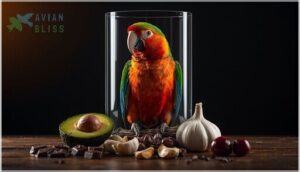
Protecting your bird from toxic foods requires awareness of everyday dangers. Avocado dangers include persin, which causes heart conditions and death within 24–48 hours. Chocolate toxicity stems from theobromine and caffeine, triggering seizures. Fruit pits release cyanide when chewed. Onion effects and garlic damage blood cells and organs. Xylitol risks include hypoglycemia and liver failure—Cape sugarbirds died within 15 minutes of exposure.
| Toxic Foods for Birds | Primary Toxin | Critical Effects |
|---|---|---|
| Avocado | Persin | Heart failure, respiratory distress |
| Chocolate, Caffeine | Methylxanthines | Seizures, cardiac arrhythmias |
| Onions, Garlic | Allium compounds | Hemolytic anemia, organ damage |
Safe Fruit and Vegetable Choices
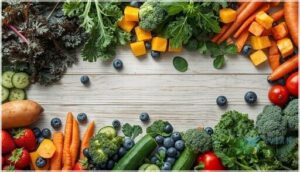
Once you’ve cleared the toxic foods from your bird’s reach, it’s time to stock up on safe, fresh fruits and vegetables that support health. Washing techniques matter—rinse produce under running water and scrub firm items to reduce pesticides, since birds are especially sensitive.
Offer dark leafy greens like kale, collards, and turnip greens alongside bright orange choices—carrots, sweet potato, squash, mango, and bell peppers—to deliver vitamin A precursors your bird needs for strong immunity and epithelial health. Berries, broccoli, zucchini, and cucumber round out safe portions. Aim for 20–40% of the daily diet as fresh produce, choosing organic produce when possible to minimize chemical exposure.
Cut items into appropriately sized pieces to encourage foraging and make certain your bird actually eats them. Fresh beats canned every time, since canned options hide added salt and sugar. Preparation methods are simple: wash immediately before feeding, skip soap, and rotate colorful vegetables and lower-sugar fruits daily to keep nutrition—and interest—high.
Foods to Limit or Exclude
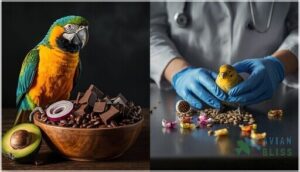
Beyond outright toxins like avocado, chocolate, caffeine, and onion, you’ll need to restrict foods that gradually undermine health. High-fat seeds—sunflower and safflower—pack 40–50% fat and drive abdominal fat accumulation, so reserve them as occasional treats.
Salty snacks, sugary treats, and dairy concerns center on metabolism: birds lack enzymes to handle lactose, excess sodium triggers dehydration, and sugar promotes obesity and liver disease.
Safe Use of Supplements and Treats
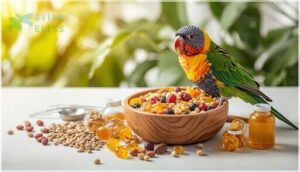
If your bird eats 75–80% pellets, you won’t need routine vitamin or mineral supplements unless your vet consultation reveals deficiencies. Over-supplementation risks kidney damage from excess vitamin D or calcium and mineral supplements.
Healthy treats, including sprouted seeds or nuts, should stay under 10% of daily intake. Follow dosage guidelines carefully: supplement timing matters, and treat moderation prevents the nutritional imbalances that supplementation was meant to solve.
Creating and Transitioning Avian Diet Plans
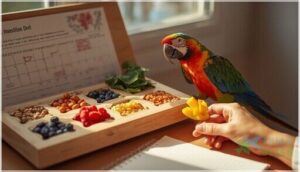
Changing your bird’s diet requires patience and a strategic approach, especially if your bird has been eating seeds exclusively for months or years. The shift process isn’t something you rush—it takes careful planning, consistent monitoring, and understanding your bird’s unique preferences and behaviors.
Let’s walk through practical steps for introducing new foods, making the switch to pellets, creating balanced meal plans, and tracking your bird’s physical condition throughout the process.
Steps to Introduce New Foods
Introducing new foods requires patience and strategy. Start with a gradual introduction—offer one unfamiliar item alongside familiar favorites to reduce rejection. Mixing strategies work well; blend finely chopped vegetables into accepted foods.
Timing factors matter, so present new options during morning hunger peaks. Use positive reinforcement when your bird samples something new. Remove unhealthy seed-heavy options to encourage exploration of nutritious alternatives.
Transitioning From Seed to Pellet Diets
Switching to a healthier diet from seed-based diets to pelleted diets requires choosing between gradual conversion or the Tough Love method. Start with 10% pellets mixed with seeds, increasing slowly over weeks. Alternatively, offer pellets exclusively after limited seed meals. Both strategies combat selective eating.
Monitor your bird’s dropping analysis and weight monitoring weekly—57.5% of birds convert within seven days using these switch strategies from seeds to pellets successfully.
Sample Meal Plans for Different Species
Your bird deserves a diet adapted to their unique needs. Here are Species-Specific Dietary Needs to guide your daily feeding:
- Large Parrots and Conures: 75% pellets plus Conure Daily Chop with cooked grains, legumes, and vegetables; fruits limited to 10% of intake
- Small Parrots and Parakeets: 60-80% pellets with daily greens like kale and spinach; Budgie Treat Options include apple and berries in moderation
- Finches and Canaries: 50% grain products, 45% vegetables and fruits; use these Finch Feeding Tips—offer eggfood twice weekly at one teaspoon per pair
- Doves and Pigeons: High-quality feed (14-18% protein, 4% fat) with daily chopped greens; Dove Diet Variety includes finely chopped fruits and sparingly sprinkled oyster shell
- Parrot Meal Plans: Three tablespoons pellets daily with 15-20% fresh produce rotated for nutritional balance
Monitoring Weight and Body Condition
Monitoring body condition and weight protects your bird from the health risks of obesity and underfeeding. Weigh your bird weekly on a gram scale to track trends—weight loss exceeding 10% warrants a veterinary visit.
Learn keel bone scoring: a score of 3 indicates ideal muscle mass, while scores of 1 or 5 signal condition extremes that demand dietary adjustments and professional guidance.
Supporting Bird Health Through Nutrition

Even with a well-planned diet in place, your bird’s health depends on how you support its ongoing nutritional needs day to day. Water quality, deficiency prevention, and early detection of problems all play a critical role in keeping your bird thriving.
Below, you’ll find practical guidance on monitoring hydration, recognizing warning signs, and knowing when professional care is necessary.
Hydration and Fresh Water Needs
Think of water as the engine oil in your bird’s body—without it, everything grinds to a halt. Your feathered companion needs fresh water daily in stainless steel bowls to prevent dehydration risks that escalate rapidly in smaller species.
Water is as vital to your bird as engine oil to a car—fresh daily supply in stainless steel bowls prevents rapid dehydration
Water intake varies dramatically: budgerigars drink 4 ml daily, while African Greys need 6 oz. Change water at least once daily, more frequently for messy eaters, and always use chlorine-free water to protect delicate respiratory systems.
Preventing Nutritional Deficiencies
Your bird’s health hinges on preventing deficiencies before they start. Seed-based diets lack Vitamin A and create calcium imbalances—67% of seed-fed birds show deficiencies.
Switch to 75% pellets to eliminate Vitamin Deficiencies without mineral supplements. For indoor birds, UV lighting synthesizes Vitamin D3 for proper calcium balance.
This balanced diet approach delivers pellet benefits while avoiding seed risks through proper supplementation strategies.
Recognizing Signs of Malnutrition
Early detection saves lives—malnutrition symptoms often appear gradually before becoming critical. Watch for these warning signs:
- Feather Abnormalities: Dull, frayed plumage or discoloration reveals vitamin deficiencies
- Digestive Distress: Dark green droppings, diarrhea, or appetite changes signal trouble
- Behavioral Changes: Lethargy, weakness, or feather picking indicate nutritional deficiencies
- Physical Deformities: Overgrown beaks, swollen eyes, or respiratory issues demand immediate attention
Weight loss and decreased stamina aren’t normal—they’re red flags requiring intervention.
When to Consult an Avian Veterinarian
Detecting malnutrition is just the beginning—knowing when to consult an avian vet determines outcomes. Schedule routine checkups annually, or semiannually for senior birdcare. Emergency symptoms like respiratory distress, bleeding, or collapse require immediate attention.
Behavioral changes, weight fluctuations, or abnormal droppings warrant prompt evaluation. Your vet will perform a physical exam, collect a fecal sample, and interpret diagnostic results to guide treatment and prevent progression of bird illness.
Frequently Asked Questions (FAQs)
How does foraging behavior affect nutritional intake?
Foraging time directly influences what your bird eats. Wild parrots spend 40–75% of their day searching for food, but captive birds with bowl feeding spend under 15%, reducing energy expenditure while encouraging selective eating of high-fat seeds over balanced nutrition.
Can birds share food with other pets?
You shouldn’t let your pet birds share food with dogs or cats. Toxic food sharing and disease transmission risks are real concerns—nutritional incompatibility and behavioral food aggression make separate feeding safest for bird health.
What feeding schedules work best for birds?
Most pet birds thrive on twice-daily feeding schedules—morning and evening—mimicking natural foraging behavior.
Baby birds require more frequent meals every 2-3 hours, while monitoring intake prevents overfeeding and ensures your bird maintains peak health.
How does seasonal change impact dietary needs?
Your bird’s metabolism shifts like a furnace adjusting to the season—winter energy needs skyrocket for warmth, while summer protein intake increases during molting.
Temperature metabolism and photoperiod effects drive these feeding behavior changes year-round.
Are organic foods necessary for pet birds?
Organic foods aren’t strictly necessary for pet birds when you provide balanced, toxin-tested diets. However, organic options reduce pesticide exposure and mycotoxin risks while offering improved nutrient density, supporting best bird health and wellness through toxin reduction benefits.
Conclusion
Just as wild parrots intuitively forage through rainforest canopies selecting nutrient-dense foods, you now hold the blueprint for replicating that instinct at home.
Complete nutrition for pet birds transforms from abstract theory into daily practice when you balance pellets, fresh produce, and species-appropriate proteins while eliminating toxic foods.
Your commitment to these evidence-based principles doesn’t just extend lifespan—it restores the vitality your bird was meant to display every single day.
- https://lafeber.com/vet/the-nutritional-content-of-pet-bird-diets/
- https://www.thebirdclinic.com/storage/app/media/nuts-and-seeds-2024.pdf
- https://www.msdvetmanual.com/exotic-and-laboratory-animals/pet-birds/nutritional-diseases-of-pet-birds
- https://www.dvm360.com/view/practical-avian-nutrition-proceedings
- https://onlinelibrary.wiley.com/doi/10.1111/ibi.13289