This site is supported by our readers. We may earn a commission, at no cost to you, if you purchase through links.
 Recognizing vitamin deficiency in birds starts with watching for subtle signs in their behavior and appearance.
Is your feathered friend sneezing or dealing with nasal discharge? That could hint at a Vitamin A deficiency, which also causes poor feather quality and swollen eyes.
Birds on seed-heavy diets might lack Vitamin D3, leading to weak bones or trouble standing—think of it as their version of a wobbly stool.
Even iodine deficiencies can result in voice changes or breathing issues.
Balanced nutrition and proper lighting are key to preventing these issues.
Curious about easy prevention steps? Stay tuned for tips to keep them healthy!
Table Of Contents
- Key Takeaways
- Vitamin Deficiency Signs
- Vitamin a Deficiency
- Vitamin D3 Deficiency
- Iodine Deficiency
- Recognizing Nutritional Disorders
- Frequently Asked Questions (FAQs)
- How do I know if my bird has a vitamin deficiency?
- What are the symptoms of vitamin E deficiency in birds?
- What are the symptoms of Vitamin D3 deficiency in birds?
- How do you treat vitamin A deficiency in birds?
- How can I identify early bird vitamin deficiencies?
- Are vitamin requirements different for nocturnal bird species?
- Do stress levels affect birds vitamin absorption?
- What environmental factors influence vitamin deficiencies in birds?
- How do bird age and species impact nutrient needs?
- Conclusion
Key Takeaways
- Check for signs of vitamin deficiencies like dull feathers, nasal discharge, sneezing, or white spots in the mouth and sinuses to catch potential issues early.
- Avoid seed-only diets by including vitamin-rich foods like sweet potatoes, spinach, and pellets to ensure balanced nutrition.
- Provide access to UVB light to help your bird synthesize vitamin D3 for strong bones and overall health.
- Monitor for behavioral and physical changes like swollen eyes, trouble standing, or poor coordination, and act promptly with dietary adjustments or veterinary care.
Vitamin Deficiency Signs
You’ll need to recognize vitamin deficiency signs in your bird quickly as they often manifest through physical symptoms like nasal discharge, swollen eyes, poor feather quality, and white plaques in the mouth.
Immediate identification of these warning signals allows for prompt treatment, preventing serious health complications that could affect your bird’s respiratory, digestive, and reproductive systems, which is crucial for their overall health and well-being, and recognizing these signs is key to prompt treatment.
Nasal Discharge and Sneezing
When your bird shows nasal discharge and sneezing, vitamin A deficiency is often the culprit.
This essential nutrient prevents excessive mucus production in your bird’s respiratory system.
Four common causes of nasal discharge include:
- Vitamin A deficiency causing thickened mucous membranes
- Bacterial or fungal sinus infections
- Environmental airway irritants like dust or smoke
- Foreign objects triggering "dry sneezes" versus "wet" discharge
Periorbital Swelling and Feather Picking
Many birds suffering from vitamin deficiency display periorbital swelling, appearing as puffy tissue around the eyes.
This swelling, especially common in budgerigars and African greys, often accompanies feather picking or destructive behavior.
You’ll notice your bird chewing feather tips, creating jagged edges, or removing entire feathers, which are symptoms that have both nutritional and behavioral components.
These symptoms, with vitamin A deficiency frequently underlying the physical manifestations that prompt secondary infections, require prompt treatment options.
Respiratory Issues and Poor Feather Quality
When respiratory issues emerge in your feathered friend, vitamin deficiencies are often lurking behind the scenes.
Chronic vitamin A deficiency can lead to dyspnea, air sacculitis, and persistent sinus infections.
You’ll notice your bird’s once-vibrant plumage becoming dull, with poor feather quality signaling nutritional distress.
Aspergillosis may develop in vitamin-deficient birds with weakened respiratory systems, and feather plucking behaviors often accompany these respiratory impairments, as your bird responds to the physical discomfort of avian vitamin deficiency.
White Plaques and Abscesses
One of the most alarming vitamin deficiency symptoms in birds appears as white plaques in the mouth, eyes, and sinuses.
These plaques can become infected, developing into serious abscesses that may obstruct breathing.
- Early detection is essential—check your bird’s face weekly for unusual white spots
- Abscess severity increases rapidly without treatment, potentially leading to suffocation
- Infection sources often trace back to vitamin A deficiency from seed-only diets
Feather issues such as dull or brittle feathers can also signal underlying health problems, indicating a potential vitamin A deficiency from poor diet, and may lead to serious abscesses.
Vitamin a Deficiency
You’ll likely notice the first signs of Vitamin A deficiency on your bird’s face, where white plaques can develop around the eyes, sinuses, and mouth.
These plaques may become infected and progress to abscesses that can obstruct breathing passages, making early detection and dietary intervention critical for your feathered companion’s health, which requires critical care.
Causes of Vitamin a Deficiency
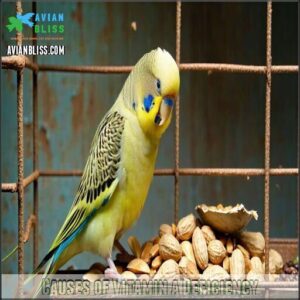
Limited variety and seed-based diets often lack precursors like beta-carotene, leading to vitamin A deficiency, also called hypovitaminosis A.
Selective feeding further worsens nutrient intake, causing issues like squamous metaplasia and hyperkeratosis.
Improper storage of seeds depletes vitamins, while diets high in sunflower seeds and peanuts aggravate the problem.
A balanced, nutrient-rich diet is essential to prevent deficiencies.
Clinical Signs and Symptoms
Recognizing early symptoms of vitamin deficiency in birds can protect their health.
Watch for clinical signs like:
- Facial Spots: White plaques on the mouth, eyes, or sinuses.
- Breathing Issues: Wheezing or nasal discharge.
- Feather Quality: Dull, brittle feathers or feather picking.
- Organ Impact: Poor digestion, sneezing, and appetite loss.
Noticing these sick bird symptoms helps address bird health problems promptly.
Treatment and Prevention Methods
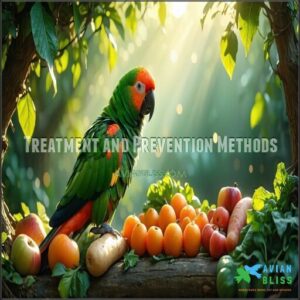
Treating a vitamin A deficiency starts with dietary correction. Introduce bird diet supplements with vitamin A, focusing on fresh vegetables like sweet potatoes and carrots.
Supplement schedules help regulate intake safely. Consider a vitamin A boost if dietary changes are insufficient.
Prevent deficiency by converting to a balanced diet with pellets and fresh produce. Regular exercise regimens and preventative healthcare, such as proper light therapy, support long-term health and energy, which can lead to overall well-being.
Diet Conversion and Supplementation
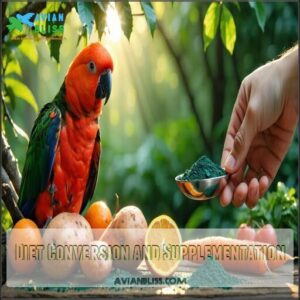
Switching your bird to a healthier diet tackles vitamin deficiency head-on. Start with gradual pellet switch to avoid stress. Use safe supplement types like spirulina with clear dosage guidelines.
Prep foods like sweet potatoes or carrots rich in beta-carotene. Natural supplements enhance nutrient absorption.
Monitor progress weekly; watch feather quality and energy improve. Your effort guarantees your bird thrives, not just survives.
- Gradual pellet change prevents diet shock
- Use vet-recommended supplement types
- Stick to dosage guidelines to avoid harm
- Prep vitamin-rich foods like sweet potatoes
- Monitor progress in weight and feathers
Vitamin D3 Deficiency
Vitamin D3 deficiency can cause severe health problems in birds, including weak bones, soft beaks, and muscle tremors.
Without adequate UVB light or proper dietary intake, your bird’s calcium absorption declines, leading to metabolic bone disease and life-threatening complications.
Symptoms and Health Issues
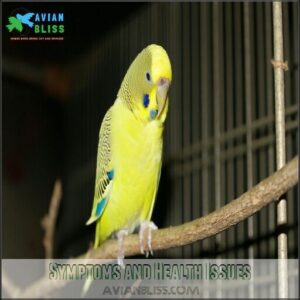
Vitamin D3 deficiency in birds can trigger serious health problems, such as metabolic bone disease, organ damage, and respiratory distress.
Symptoms might include behavioral changes, weak bones, and difficulty breathing—subtly hinting at deeper issues.
Reproductive and digestive problems may also emerge.
Recognizing deficiency early by observing your bird’s symptoms is essential to prevent long-term bird health issues and avian vitamin deficiencies, ensuring a timely intervention can mitigate the risks of respiratory distress.
Calcium and Phosphorus Imbalance

Birds on seed diets often face calcium deficiency and phosphorus imbalance, leading to serious issues like metabolic bone disease and hypocalcemia symptoms.
Without proper vitamin D3 activation, their bodies can’t absorb calcium, causing osteodystrophy and nutritional secondary hyperparathyroidism.
Mineral supplementation and balanced diets help prevent these problems, ensuring stronger bones and overall health, making seed diet risks not worth it due to the potential for serious issues.
UVB Light and Vitamin D3 Activation
UVB light is key for vitamin D3 activation, boosting calcium absorption to prevent deficiencies.
Without it, birds face vitamin D deficiency and nutritional secondary hyperparathyroidism.
Place UVB sources properly, as sunlight through glass won’t suffice.
Different species, like parrots or finches, need varying UVB exposure for ideal health.
Support D3 synthesis by mimicking natural sunlight indoors for better bone health.
Over-supplementation, however, can lead to vitamin D toxicity, causing potential harm due to UVB exposure and leading to issues like nutritional secondary hyperparathyroidism.
Hypocalcemia and Metabolic Bone Disease
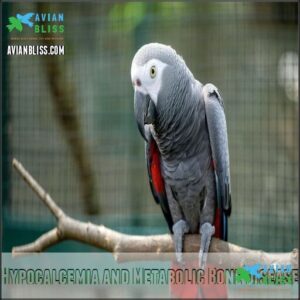
A lack of UVB lighting disrupts calcium absorption, leading to hypocalcemia and metabolic bone disease. African grey parrots are especially prone to osteodystrophy from dietary calcium imbalance.
Inadequate bone density results in fractures or weakened bones. Make certain your parrot species gets proper UVB exposure and balanced calcium intake to thrive.
Many owners find that full spectrum bulbs can help with this.
| Key Factor | Healthy Bones Need | Solutions |
|---|---|---|
| UVB Lighting | Vitamin D Activation | Full-spectrum bulbs |
| Dietary Calcium | Strong Bone Structure | Calcium-rich foods |
| Vitamin D Deficiency | Calcium Metabolism Support | Supplement wisely |
Iodine Deficiency
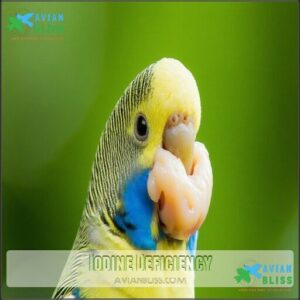
Iodine deficiency in birds, especially budgerigars, can lead to goiter, marked by thyroid swelling that causes respiratory distress.
This disorder often stems from seed diets lacking essential nutrients like iodine. Without enough iodine, thyroid glands enlarge (thyroid hyperplasia), pressing on the trachea and esophagus.
Goiter symptoms to watch for include respiratory stridor, wheezing, or clicking sounds. These signs might seem subtle at first but can worsen quickly, impacting your bird’s ability to breathe or vocalize.
To address iodine deficiency:
- Add iodine sources, such as Lugol’s iodine (1 drop per 250 mL of water).
- Use fortified diets with balanced nutrition.
- Encourage diet variety, including iodine-rich foods.
Acting early prevents complications, ensuring your bird stays healthy and happy.
Recognizing Nutritional Disorders
You play a key role in protecting your bird’s health by recognizing the signs of nutritional disorders early.
Poor dietary choices, such as seed-based diets or improper food storage, can lead to serious illnesses that affect multiple body systems.
Malnutrition and Seed-Based Diets
Many pet birds raised on seed-based diets face risks from selective feeding, ignoring essential nutrients.
Seeds alone can’t meet their needs, leading to malnutrition effects like weak bones or poor feathers.
Diet shift to include pellets, veggies, and fruits solves these dangers.
Here’s a quick glance:
| Seed Diet Dangers | Balanced Diet Benefits |
|---|---|
| Vitamin deficiency | Strong immune system |
| Weak bones | Healthy skeleton |
| Poor feather quality | Vibrant feathers |
| Nutritional imbalance | Steady energy levels |
| Long-term malnutrition | Overall vitality |
Diet modification to include pellets, veggies, and fruits addresses these issues, providing birds with the necessary nutrients for optimal health and a strong immune system, which leads to vibrant feathers and steady energy levels.
Common Illnesses Linked to Malnutrition
When birds lack proper nutrients, their bodies pay the price.
Malnutrition can trigger severe health issues, weakening their immune system and stunting growth.
Watch for these problems:
- Organ Damage – Poor diets can overwork essential organs, leading to failure.
- Digestive Problems – Unbalanced meals disrupt gut health.
- Neurological Issues – Missing nutrients harm brain function, causing coordination troubles.
Meeting bird nutritional needs prevents these common diseases.
A seed-only diet can lead to vitamin A deficiency.
Mold and Improper Diet Storage
Improper diet storage can lead to mold contamination, risking food spoilage and toxin exposure.
Use airtight storage containers to extend shelf life and follow bird feeding guidelines.
Regularly inspect feed for mold prevention and evaluate your bird’s diet to meet their dietary needs.
Ignoring these steps may result in malnutrition or health issues caused by contaminated food.
Importance of Balanced Diet and Nutrition
A well-balanced diet is the cornerstone of maintaining bird health.
Evaluate your bird’s diet to meet its nutritional needs. Follow these bird nutrition tips:
- Prioritize dietary diversity with fruits, veggies, and pellet superiority.
- Avoid seed dangers like all-seed diets.
- Provide foraging enrichment to mimic natural feeding habits.
- Confirm hydration importance by offering fresh water daily.
Consider supplementing their diet with essential bird vitamins for ideal health. Help your feathered friend thrive!
Frequently Asked Questions (FAQs)
How do I know if my bird has a vitamin deficiency?
Look for signs like weight loss, dull feathers, sneezing, nasal discharge, or swollen eyes.
White spots in the mouth or sinuses, difficulty breathing, or lethargy may also indicate a vitamin deficiency.
Consult a vet promptly.
What are the symptoms of vitamin E deficiency in birds?
When a bird’s health goes south, vitamin E deficiency might be the culprit.
Symptoms include muscle weakness, poor coordination, tremors, reproductive issues, and, in severe cases, white muscle disease, causing internal damage and even death.
What are the symptoms of Vitamin D3 deficiency in birds?
Vitamin D3 deficiency can cause weak bones, fractures, and tremors in birds.
You might notice muscle weakness, seizures, or difficulty perching.
Without UVB light exposure, birds can’t synthesize vitamin D3, worsening calcium absorption issues.
How do you treat vitamin A deficiency in birds?
To treat vitamin A deficiency, switch to a pelleted diet.
Supplement with vitamin A-rich fruits and vegetables like sweet potatoes and spinach.
Consult a vet for safe vitamin A doses or injections if needed.
How can I identify early bird vitamin deficiencies?
Spotting early signs of bird vitamin deficiencies is like catching whispers before they’re shouts—watch for dull feathers, lethargy, sneezing, swelling around the eyes, or difficulty breathing.
Guarantee a balanced diet to prevent long-term issues.
Are vitamin requirements different for nocturnal bird species?
Yes, nocturnal birds may have slightly different vitamin needs due to their unique metabolic rhythms and environmental exposures.
Ensuring proper nutrition, including vitamin D from UVB light, is essential for their health.
Do stress levels affect birds vitamin absorption?
High stress levels can hinder a bird’s ability to absorb vitamins properly, disrupting digestion and nutrient uptake.
Stress weakens the immune system, making essential vitamins like A and D less effective in supporting overall health.
What environmental factors influence vitamin deficiencies in birds?
Environmental factors like lack of natural sunlight, poor air quality, and overcrowded enclosures can affect birds’ vitamin levels.
Without UVB light, they can’t produce Vitamin D, making a proper habitat essential for their health.
How do bird age and species impact nutrient needs?
Think of birds like unique machines; age alters performance, and species defines fuel.
Young birds need more protein for growth, while species like African greys demand calcium.
Tailoring nutrition guarantees health and vitality across their lifespan, and maintains their well-being.
Conclusion
While recognizing vitamin deficiency in birds might seem challenging, it’s easier when you understand the signs.
A vibrant, active bird contrasts starkly with one showing sneezing, poor feather quality, or difficulty standing—clear indicators of potential deficiencies.
Balanced nutrition, proper lighting, and occasional supplementation can prevent these issues, ensuring your bird thrives.
Don’t underestimate the impact of diet; even small changes make a big difference.
By staying observant, you can keep your feathered friend healthy and full of life.