This site is supported by our readers. We may earn a commission, at no cost to you, if you purchase through links.
Bluebird populations rebounded by more than 200% in the last four decades—but only in areas where dedicated birders installed proper nest boxes. Unlike wrens or chickadees, bluebirds won’t tolerate just any birdhouse you hang on a fence post.
They need precisely sized entrance holes (1.5 inches for Eastern bluebirds, 1.5625 inches for Western species), predator guards that actually work, and strategic placement that keeps competitors like house sparrows from muscling in. Get the details wrong, and you’ll attract everything except bluebirds—or worse, create a death trap for the very birds you’re trying to help.
The good news? Choosing the right bird houses for bluebirds doesn’t require a degree in ornithology, just attention to a few critical features that separate mediocre boxes from genuine bluebird magnets.
Table Of Contents
- Key Takeaways
- Best Bluebird Houses for Your Yard
- 1. Woodlink Bluebird House Natural Wood
- 2. Stovall Western Bluebird House
- 3. Stovall Bluebird Wood House
- 4. Kettle Moraine Copper Birdhouse Predator Guard
- 5. Kettle Moraine Cedar Copper Bluebird Guard
- 6. Origin Point Light Duty Fence Post
- 7. Birds Choice Bluebird House Pole Set
- 8. Woodlink Squirrel Baffle Protector
- 9. Bird House Predator Guard
- 10. Bluebird Attracting Guide Book
- Essential Features of Bluebird Houses
- Comparing Popular Bluebird House Plans
- How to Install a Bluebird House Correctly
- Maintenance Tips for Bluebird Houses
- Attracting Bluebirds to Your Birdhouse
- Common Bluebird House Mistakes to Avoid
- Frequently Asked Questions (FAQs)
- What kind of bird house do bluebirds like?
- How big should a birdhouse be for a bluebird?
- What time of year do bluebirds start nesting?
- How many broods do bluebirds raise annually?
- Can multiple bluebird houses be placed together?
- Do bluebirds return to the same house?
- What should I do about wasp infestations?
- Conclusion
Key Takeaways
- Bluebird populations have rebounded by over 200% in the last four decades, but only in areas with properly designed nest boxes featuring precise entrance holes (1.5 inches for Eastern, 1.5625 inches for Western species), predator guards, and strategic placement away from competitors like house sparrows.
- Successful bluebird houses require five essential features: species-specific entrance hole sizing, adequate ventilation and drainage systems, durable materials (cedar wood, poly lumber, or PVC), integrated predator guards, and easy-access cleaning designs with removable panels.
- Installation demands careful attention to mounting height (4-5 feet for pole systems, 6-8 feet for full protection), eastward-facing entrance holes to balance morning sun with afternoon shade, spacing of 300-500 feet between boxes to prevent territorial disputes, and layered predator protection using both pole baffles and entrance guards.
- Common fatal mistakes include using incorrect entrance hole dimensions (allowing predators or blocking bluebirds), poor placement that exposes nests to overheating or predators, neglecting predator protection entirely, and failing to monitor weekly for invasive species like house sparrows that destroy eggs and kill nestlings.
Best Bluebird Houses for Your Yard
You’re ready to welcome bluebirds to your yard, but the sheer number of nest boxes, mounting poles, and predator guards out there can feel overwhelming!
The good news is that setting up a bluebird nesting box doesn’t have to be complicated once you understand the essentials.
The good news is that you don’t need to overthink it—choosing the right setup comes down to a handful of reliable products that work together to keep your feathered friends safe and comfortable.
Below, I’ve rounded up ten essential items that’ll get your bluebird habitat off to a strong start, from sturdy houses to protective accessories.
1. Woodlink Bluebird House Natural Wood
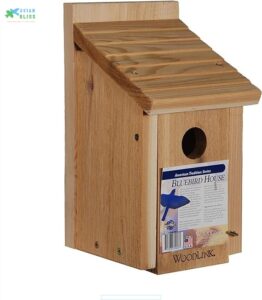
The Woodlink Natural Wood Box brings together everything you need for successful Eastern Bluebird nesting! You’ll love the 1.5-inch entrance hole—perfectly sized to welcome bluebirds while keeping larger cavity nesters at bay.
Built from kiln-dried red cedar, this box features a front panel that slides down for easy cleaning (no disturbing your tenants!), ventilation gaps at the top corners to regulate heat, and drainage slots in the base to prevent soggy nests after storms.
It’s ornithologically sound and beautifully simple.
| Best For | Backyard birders who want to attract Eastern Bluebirds with a well-designed, easy-to-maintain nesting box made from durable natural cedar. |
|---|---|
| Material | Wood |
| Weight | 16 ounces |
| Primary Use | Bluebird nesting |
| Installation | Easy open front |
| Origin | Not specified |
| Color | Natural wood |
| Additional Features |
|
- Properly sized 1.5-inch entrance hole keeps out larger birds while welcoming bluebirds
- Easy-opening front panel makes seasonal cleaning simple without disturbing nesting birds
- Built-in ventilation and drainage features help regulate temperature and prevent water buildup
- Some users report the door mechanism can leave gaps that may need adjustment
- Priced higher than some comparable bluebird houses on the market
- May need to add a perch below the entrance hole for easier bird access
2. Stovall Western Bluebird House
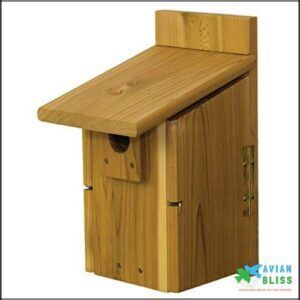
If you’re managing nest boxes in the western ranges where Mountain and Western Bluebirds thrive, the Stovall Western Bluebird House is built specifically for their needs. The 1 9/16-inch entrance hole accommodates these slightly larger species without inviting starlings, and the generous 7.25 x 10.25 x 15-inch cavity gives growing broods plenty of room.
Hand-crafted from all-cedar construction in Michigan, this box features dual side-opening panels for smooth monitoring and end-of-season cleanouts—plus a viewing window that lets you check nestlings without intrusion!
| Best For | Birders in western regions who want a species-specific nest box for Mountain and Western Bluebirds with easy monitoring access. |
|---|---|
| Material | Cedar Wood |
| Weight | 5 Pounds |
| Primary Use | Bluebird nesting |
| Installation | Both sides open |
| Origin | Michigan |
| Color | Green |
| Additional Features |
|
- Designed specifically for larger western bluebird species with the right entrance size to keep out starlings
- Dual side-opening panels and viewing window make monitoring and cleaning super convenient
- Hand-crafted all-cedar construction built to last outdoors
- No hanging hardware included—you’ll need to buy a pole or post separately
- Pricey at around $85 compared to standard bluebird boxes
- Some customers report slow shipping times
3. Stovall Bluebird Wood House
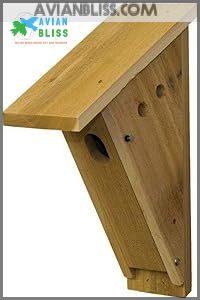
For those managing boxes in eastern territory, the Stovall Bluebird Wood House delivers a Peterson-style design—three entrance holes in 1.5-inch diameter, hand-sanded western red cedar, and stainless steel hardware that won’t corrode!
The slanted overhang sheds rain from the entrance, while a right-side twist-pin door makes seasonal cleanouts a breeze. Its unfinished interior preserves natural scent cues that help birds feel at home, and reinforced corner joints resist chewing by raccoons and squirrels.
Ample interior space accommodates healthy Eastern Bluebird broods without cramping fledglings during launch day.
| Best For | Homeowners in eastern bluebird territory who want a durable, multi-entrance house with easy maintenance and predator-resistant construction. |
|---|---|
| Material | Wood |
| Weight | 5 pounds |
| Primary Use | Bluebird nesting |
| Installation | Hand-sanded assembly |
| Origin | Michigan |
| Color | Wood |
| Additional Features |
|
- Hand-sanded western red cedar with stainless steel hardware resists weather and corrosion for years
- Three entrance holes and spacious interior accommodate larger broods without crowding
- Side twist-pin door makes seasonal cleaning quick and simple
- 1.5-inch entrance holes may need predator guards to prevent sparrow intrusion in some areas
- Some users report quality control issues like misaligned drilling or loose panels
- May require modifications to optimize for eastern bluebirds despite being marketed for them
4. Kettle Moraine Copper Birdhouse Predator Guard
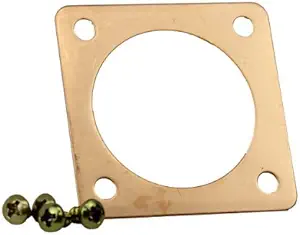
Once your bluebird house is up, you’ll want to protect that 1 1/2-inch entrance from predators chewing it wider! The Kettle Moraine Copper Birdhouse Predator Guard fits snugly over existing holes, preventing woodpeckers and squirrels from expanding access.
This 2-inch copper portal attaches with four included screws, maintaining the precise diameter Eastern Bluebirds need while larger threats can’t breach it. Copper naturally resists corrosion through freeze-thaw cycles, so you won’t be replacing it season after season—just mount it and let your nesting birds enjoy safer quarters!
| Best For | Bluebird enthusiasts who want to protect their birdhouses from woodpeckers and squirrels that might enlarge the entrance hole. |
|---|---|
| Material | Copper |
| Weight | 2.5 ounces |
| Primary Use | Predator protection |
| Installation | 4 mounting screws |
| Origin | Not specified |
| Color | Copper |
| Additional Features |
|
- Copper construction won’t rust or corrode, so it lasts through multiple seasons
- Comes with all mounting hardware included—just grab a drill and you’re set
- Keeps the 1 1/2-inch hole size exactly right for bluebirds while blocking larger predators
- Only works with standard 1 1/2-inch entrance holes, so it won’t fit all birdhouse designs
- Some users feel it’s a bit pricey for what’s essentially a metal ring
- Won’t stop every type of predator—it’s specifically designed for hole-enlarging threats
5. Kettle Moraine Cedar Copper Bluebird Guard
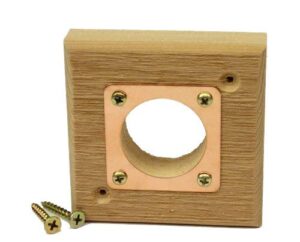
If you’re building or upgrading a bluebird house, the Kettle Moraine Cedar Copper Bluebird Guard delivers dual-layer protection that keeps raccoons and squirrels from reaching precious nestlings.
This 3 3/8-inch square guard combines 7/8-inch-thick cedar (naturally insect-resistant and warp-proof!) with a pre-installed copper portal that won’t corrode through rain or snow.
It fits standard cedar bluebird houses, mounts easily with included screws, and blends beautifully into backyard habitats—so your feathered tenants stay safe while you enjoy watching their breeding season unfold!
| Best For | Bluebird enthusiasts who want a durable, predator-resistant guard that protects nesting birds from raccoons and squirrels while maintaining an attractive, natural look. |
|---|---|
| Material | Copper |
| Weight | 2.5 ounces |
| Primary Use | Predator protection |
| Installation | 2 mounting screws |
| Origin | Not specified |
| Color | Copper |
| Additional Features |
|
- Dual-layer design with thick cedar and copper portal provides strong protection against predators chewing through or enlarging the entry hole
- Weather-resistant materials (naturally insect-resistant cedar and non-corroding copper) ensure long-lasting performance through all seasons
- Easy installation with included mounting screws and fits most standard bluebird houses right out of the box
- Won’t prevent smaller invasive birds like house sparrows from entering through the 1.5-inch hole
- Requires light sanding on the inside edges to ensure a smooth, safe entry for birds
- No predator guard offers 100% protection, so effectiveness varies depending on local wildlife pressure
6. Origin Point Light Duty Fence Post
Mounting your bluebird house requires a sturdy anchor that won’t buckle under spring winds or curious mammals, and this 3-foot formed-steel post delivers exactly that!
For best results, position it at the proper bluebird house mounting height to encourage nesting while deterring predators.
With its green powder-coated finish (rust-resistant, blends into foliage), pre-drilled tabs for attaching nest boxes, and no-dig installation—simply drive it 8–12 inches into soil with a mallet—you’ll secure your birdhouse at the ideal 4- to 5-foot height in minutes.
At just 1.2 pounds, it’s lightweight enough for quick repositioning yet stable enough to support wooden or poly-lumber nest boxes through multiple breeding seasons.
| Best For | Homeowners and birding enthusiasts who need a lightweight, easy-to-install post for mounting bluebird houses or small nesting boxes at the proper height without digging. |
|---|---|
| Material | Steel |
| Weight | 1.2 pounds |
| Primary Use | Mounting support |
| Installation | Twist into ground |
| Origin | Not specified |
| Color | Green |
| Additional Features |
|
- Quick installation—just hammer it 8–12 inches into the ground with no digging or concrete required
- Rust-resistant green powder coating blends naturally into yards while protecting against weather
- Pre-drilled tabs make attaching birdhouses simple and secure
- Limited attachment holes may not align with all nest box designs, potentially requiring extra drilling
- Light-duty construction isn’t suitable for heavy fencing or larger structures
- Some buyers report receiving wrong quantities or packaging mix-ups
7. Birds Choice Bluebird House Pole Set
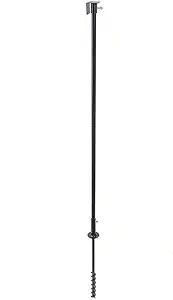
Sturdy pole systems solve the wobble-and-topple problem that plagues many DIY mounts—and this 54-inch steel set (heavy-duty 16-gauge tubing, 1-inch diameter) delivers rock-solid stability for your nest box!
The ground twist anchor burrows 20 inches deep with a set screw and turning holes, while the top flange plate accepts both side-mount and top-mount configurations.
Made in the USA from rust-resistant alloy steel, it elevates your birdhouse to the predator-safe 4- to 5-foot sweet spot without requiring concrete footings or complex assembly.
| Best For | Homeowners who want a stable, predator-resistant mounting system for bluebird houses without the hassle of pouring concrete or digging complex foundations. |
|---|---|
| Material | Alloy Steel |
| Weight | 6 pounds |
| Primary Use | Mounting pole |
| Installation | Ground socket |
| Origin | USA |
| Color | Black |
| Additional Features |
|
- Heavy-duty 16-gauge steel construction with a 20-inch ground anchor provides excellent stability in various soil conditions
- Versatile flange plate accommodates both top-mount and side-mount birdhouses, giving you flexibility in box placement
- Made in the USA with rust-resistant materials that hold up well in outdoor weather
- Some users report the pole may lean or require additional bracing in softer soil or windy conditions
- Birdhouses can swing or twist without extra stabilization, potentially stressing nesting birds
- Higher price point compared to similar pole systems, and assembly instructions aren’t always included
8. Woodlink Squirrel Baffle Protector
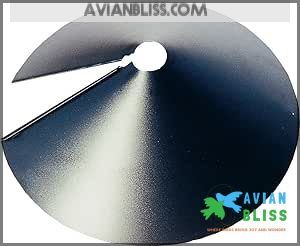
Climbing predators—raccoons, squirrels, even snakes—turn your pole-mounted nest box into an all-you-can-eat buffet unless you install a baffle shield below the entry point.
This 18-inch powder-coated steel dome (Woodlink NABAF18, 2.75 lbs) snaps around 1/2- to 1 3/8-inch poles without removing your house, creating an impassable umbrella that forces climbers to give up mid-ascent.
The black coupler secures with inward pressure, simplifying seasonal adjustments, while the weather-resistant finish endures years of rain and sun without flaking or rusting—essential armor for cavity-nesting success!
| Best For | Bird lovers with pole-mounted feeders or nest boxes who are tired of squirrels and raccoons raiding their setup. |
|---|---|
| Material | Steel |
| Weight | 2.75 pounds |
| Primary Use | Squirrel baffle |
| Installation | Snap-on coupler |
| Origin | Not specified |
| Color | Black |
| Additional Features |
|
- Installs in seconds without removing your feeder—just snap the two halves around the pole and you’re done
- Actually works at stopping squirrels, raccoons, and climbing pests from reaching your bird feeder
- Built tough with powder-coated steel that won’t rust or fall apart after a season outdoors
- Won’t fit skinny poles under 1/2 inch in diameter, so check your pole size first
- Costs more than basic plastic baffles you’ll find at hardware stores
- Squirrels might still jump from nearby trees or roofs if your feeder isn’t positioned carefully
9. Bird House Predator Guard
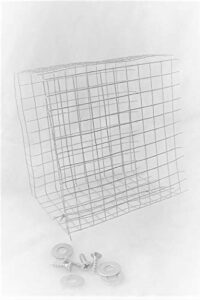
Raccoons stretch their paws through standard entrance holes to grab eggs and nestlings. However, this all-metal predator guard—handmade in America from galvanized hardware cloth—blocks those deadly reaches with a 1- to 2-inch depth and a snug 6″ x 6″ x 4″ perimeter.
Sharp edges deter climbing cats and curious snakes while maintaining the essential 1.5-inch opening bluebirds need.
Installation takes minutes with the enclosed screws and washers, and it pairs beautifully with a pole guard for layered defense—zero hassle, maximum nestling survival!
| Best For | Bluebird enthusiasts who want reliable protection against raccoons, cats, and snakes reaching into wooden nest boxes to harm eggs or babies. |
|---|---|
| Material | Metal |
| Weight | Not specified |
| Primary Use | Predator guard |
| Installation | Enclosed hardware |
| Origin | USA |
| Color | Metal |
| Additional Features |
|
- All-metal construction with sharp edges creates a physical barrier that stops predators from reaching through entrance holes
- Quick installation with included hardware and fits standard 1.5-inch bluebird entrance holes
- Handmade in America from durable galvanized hardware cloth that won’t rust or deteriorate
- Sharp edges require careful handling during installation to avoid cuts
- May not fit all birdhouse brands and models without modification
- Doesn’t prevent snakes from entering unless paired with a separate pole guard
10. Bluebird Attracting Guide Book
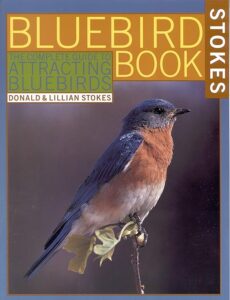
If you’re hungry for the how behind the hardware, the Stokes Bluebird Book (Little, Brown and Company, 1991) delivers 96 pages of full-color photos, nest box blueprints, and expert breeding insights from Donald and Lillian Stokes—perfect for beginners and seasoned landlords alike!
You’ll learn species ID clues, trail-starting tactics, and regional nesting quirks, though some guidance may feel dated or region-specific. At 12.8 ounces and packed with actionable steps, it’s the coffee-table companion every bluebird steward needs.
| Best For | Backyard birders who want a visual, beginner-friendly guide to attracting and monitoring bluebirds with practical nest box plans and species identification tips. |
|---|---|
| Material | Paperback |
| Weight | 12.8 ounces |
| Primary Use | Educational guide |
| Installation | Not applicable |
| Origin | USA |
| Color | Not applicable |
| Additional Features |
|
- Full-color photos and clear instructions make it accessible for newcomers and experienced birders
- Covers the complete bluebird experience—housing, feeding, monitoring, and trail-building
- Written by respected birding experts Donald and Lillian Stokes
- Published in 1991, so some information may be outdated by newer bluebird research
- Regional advice may not apply to all parts of the US
- Advanced enthusiasts might find the content too basic and need additional resources
Essential Features of Bluebird Houses
Not all bluebird houses are created equal—and picking the right one means knowing exactly which features separate a true sanctuary from a simple box. The details matter more than you might think, from entrance holes sized to the millimeter to ventilation systems that prevent deadly overheating on summer afternoons.
Not all bluebird houses are created equal—the right features, from precise entrance holes to ventilation systems, separate a true sanctuary from a simple box
Let’s break down the five essential elements that’ll keep your bluebirds safe, comfortable, and coming back year after year.
Optimal Entrance Hole Size and Placement
Your bluebird birdhouse needs a 1.5-inch hole diameter—that’s the sweet spot for Eastern Bluebird entry while keeping starlings out! For Western species, go slightly larger at 1 1/8 inches.
Place the entry hole 6 to 8 inches below the roof and 1 to 2 inches above the floor for ideal nest accessibility, bird safety, and predator deterrence in your nest box birdhouse design.
Understanding the importance of a properly sized can help guarantee your birdhouse meets bluebird needs.
Importance of Ventilation and Drainage
Once you’ve nailed the Entry Hole dimensions, Ventilation Design and Drainage Systems become your birdhouse’s lifeline! Adequate airflow prevents deadly moisture buildup, mold on nesting surfaces, and ammonia accumulation from droppings. Meanwhile, proper Roof Drainage through basal holes stops water pooling that endangers eggs and chicks.
Here’s what smart Birdhouse Construction includes:
- Vent slots near the roofline for continuous Airflow Management
- Multiple drainage holes (¼-inch minimum!) at the floor corners
- Slightly elevated floors to accelerate Moisture Control
Regular Nestbox Hygiene checks keep these openings debris-free, ensuring your bluebirds thrive in a dry, breathable sanctuary all season long!
Material Choices: Wood, Poly Lumber, and PVC
Beyond ventilation comes your foundation choice—literally! Cedar Wood shines in Bluebird Houses like the Woodlink series, offering natural insulation, insect resistance, and a welcoming 5–10-year lifespan when sealed.
Poly Lumber wins on Wood Durability with UV-stable color and zero rot risk, while PVC Benefits include moisture-proof construction and minimal upkeep.
Material Comparison boils down to Eco Friendliness (recycled poly content!) versus traditional aesthetics—you can’t go wrong either way!
Predator Guard Integration
Choosing durable Guard Materials—copper, aluminum, or stainless steel—sets you up for success! Shield Designs around the entry hole (usually 4–6 inches tall) block raccoon paws while welcoming your bluebirds.
Mounting Guards securely at 5–7 feet ensures Effective Placement against climbing predators, and annual Guard Maintenance keeps sharp edges at bay.
Pair Predator Guards with baffles during Birdhouse Installation for a Nest Box fortress!
Easy Cleaning and Maintenance Designs
Smart Nest Box designs make Birdhouse Maintenance a breeze! Look for these Easy Cleaning features during Birdhouse Installation:
- Removable roofs or side panels for hand-access without tools
- Built-in Drainage Systems with sloped floors directing moisture out
- Side Ventilation Options improving airflow while reducing dampness
- Modular Design components that snap apart for seasonal swaps
- Non-porous interiors (vinyl-coated wood, PVC) you’ll wipe down quickly
Regular Maintenance Schedules keep Bluebird Houses thriving!
Comparing Popular Bluebird House Plans
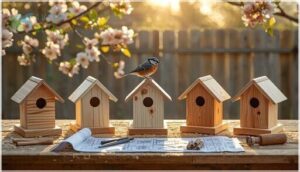
If you’re handy with tools—or just keen to learn—building your own bluebird house can be incredibly rewarding!
There are several tried-and-true plans out there, each with its own quirks, benefits, and difficulty level.
Let’s compare five popular designs so you can pick the one that fits your skill level and your bluebirds’ needs.
Xbox Birdhouse Plan Overview
The Xbox Birdhouse Plan offers a compact, time-tested nesting box design that’s perfect if you’re just starting out with bluebird houses! You’ll build a 6 by 6 inch floor with a precisely measured 1 1/2 inch entrance hole—just right for Eastern bluebirds while keeping larger competitors out.
The removable front panel makes cleaning a breeze, and cedar or plywood construction ensures your nest box withstands seasons of sun and rain.
For those seeking detailed instructions, free instructions and a material list can be found in these.
Peterson Bluebird House Plan Details
The Peterson Bluebird House Plan Details reveal a proven nesting box design with a 1 1/2 inch entrance hole positioned 6 inches above the floor—an intentional placement that cuts nest predation risk.
You’ll appreciate the hinged roof or rear cleaning access, which lets you maintain the nest box without disturbing your feathered tenants.
Cedar wood and stainless screws guarantee this bluebird house withstands years of weather!
Gilbertson PVC Bluebird Nest Box Advantages
The Gilbertson PVC Bluebird Nest Box Advantages showcase why PVC material benefits make this nest box design a standout choice for your nesting site selection! Here’s what you’ll love:
- 100% exterior-grade PVC resists rot and weather damage
- 1 9/16 inch entrance hole suits bluebird species while limiting sparrows
- Side access door delivers easy cleaning tips you’ll actually use
- Built-in predator shield and smooth interior thwart climbing predators
- Polycarbonate windows let you monitor nests without disturbance
F30 Nestbox Plan for Western and Mountain Bluebirds
If you’re welcoming Western Bluebirds or Mountain Bluebirds into higher-elevation bluebird habitat, the F30 Nestbox Design delivers nesting success through intentional spatial planning!
This nest box features a 1 9/16 inch entrance hole suited for western species, plus a spacious floor (larger than standard bluebird house plans) that accommodates their preferred nesting dimensions.
Cedar or pine construction paired with a galvanized metal predator guard ensures mountain installation durability you can count on.
DIY Bluebird House From Birds and Blooms
Want to build a nest box from scratch without breaking the bank? The Birds and Blooms DIY design transforms a single cedar board into a functional bluebird house—perfect for newcomers exploring DIY birdhouses and building bluebird houses on a budget!
This simple birdhouse plan features a 1 9/16 inch entrance, sloped roof for rain protection, and recycled birdhouse materials that support nesting success while prioritizing bird safety.
How to Install a Bluebird House Correctly
Getting your bluebird house up correctly makes all the difference between a thriving nesting site and an empty box. You’ll need to think about height, direction, mounting method, and protection—all factors that directly impact whether bluebirds will choose your house and successfully raise their young.
Let’s walk through the four key installation decisions that’ll set you up for bluebird landlord success!
Ideal Mounting Height and Spacing
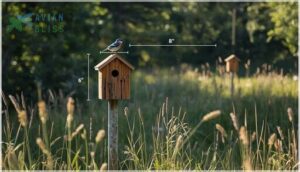
For successful Eastern Bluebird nesting, mount your nest box 6 to 8 feet above ground—high enough to deter raccoons and cats, yet accessible for your seasonal maintenance.
Box spacing matters tremendously: separate installations by 300 to 500 feet to reduce territorial disputes, or if your backyard birding space is limited, stagger multiple boxes 15 to 20 feet apart using sturdy pole selection and thoughtful mounting techniques.
Choosing The Best Direction for Entry Holes
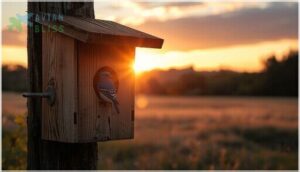
After you’ve positioned your nest box at the right height, entry hole orientation becomes your next strategic decision. Face the entry hole eastward or slightly northeast to capture gentle morning sun exposure while shielding your Eastern Bluebird family from harsh afternoon heat and prevailing wind direction—especially cold northern gusts.
This smart nest box placement improves predator deterrence too:
- Orient away from dense brush where cats lurk unseen
- Avoid direct southern exposure in hot climates
- Angle slightly downward to prevent rain intrusion
- Point toward open sight lines for adult vigilance
- Rotate annually to confuse returning nest predators
Using Poles Vs. Trees for Installation
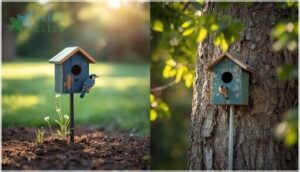
Your mounting choice—pole or tree—shapes every aspect of bluebird houses, from maintenance access to long-term success. Poles deliver greater stability and adjustable heights from 6 to 12 feet, though they require digging that causes site disturbance.
Trees offer natural camouflage and skip foundation work, but branch growth shifts your birdhouse installation over seasons, complicating nest checks when you need them most!
Adding Predator Baffles and Shields
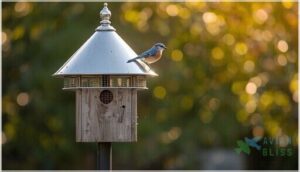
Once you’ve chosen your pole, secure a metal predator guard or wraparound baffle around it—these climbing barriers stop raccoons and snakes before they reach your eastern bluebird nest box!
Position a conical shield 4 to 5 feet up the mounting pole, pairing it with a second baffle near the birdhouse entrance for maximum nest box security against determined predators.
Maintenance Tips for Bluebird Houses
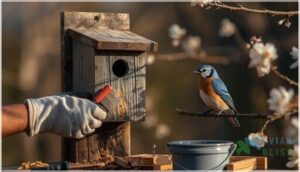
Keeping your bluebird house in top shape isn’t complicated, but it does require a little attention throughout the nesting season—and beyond! Regular maintenance protects your feathered friends from disease, pests, and structural hazards while giving you peace of mind that you’re providing a safe sanctuary.
Let’s walk through the essential care tasks that every bluebird landlord should follow.
Regular Cleaning Schedules
A consistent cleaning rhythm protects your bluebird tenants from parasites and disease! Daily Sanitizing means clearing entrance debris; a Weekly Wipe removes exterior residue.
Perform a Monthly Scrub with mild soap inside the nest box to prevent mold. Each Seasonal Refresh requires scraping and resealing wood surfaces.
Most importantly, complete thorough Post Nesting removal after fledglings depart—your Bluebird House stays ready for the next family!
Inspecting for Wear, Damage, and Pests
Vigilance keeps your nest box safe from invisible threats—and that means regular Damage Assessment using proven Inspection Techniques! Check your Bluebird House monthly for:
- Cracked wood or warped panels around the entry hole that compromise structural integrity
- Insect frass, bore holes, or chewed edges signaling woodborers or rodent activity
- Blocked ventilation or drainage holes that trap moisture and invite mold
Smart Wear Detection plus diligent Pest Control guarantee your Birdhouse—and its Predator Guard—stay functional season after season!
When and How to Monitor Nests Safely
Peek in every 3–4 days during Bluebird Nest season to track egg counts and hatchling growth—Nest Observation safeguards Bird Safety! Always check when adults are away, keep visits under 2 minutes, and use binoculars for distance Monitoring Tips.
Here’s your quick reference for Eastern Bluebird Nest Inspection:
| Task | Timing | Why It Matters |
|---|---|---|
| Check Nest Box | Every 3–4 days | Prevents disturbance |
| Record nest status | Each visit | Tracks progress safely |
| Note weather | During inspection | Context for outcomes |
| Watch for threats | Weekly | Boosts Predator Deterrence |
| Stop if stressed | Immediately | Protects Nesting Sites |
Keep your Birdhouse checks brief—healthy broods depend on minimal intrusion!
End-of-season Care Recommendations
After the last brood fledges, scrub your Bluebird House with mild soap and rinse thoroughly—Seasonal Cleanup prevents parasite buildup! Remove all nesting material, let the Nest Box air-dry for 24–48 hours, then inspect for cracks or loose hardware during your Yearly Inspection.
For Winter Storage and Pest Control, seal entrance holes with breathable material, apply weather-resistant finish, and store boxes in dry, shaded spots to maintain ideal Box Maintenance for next season’s Backyard Birding Tips success!
Attracting Bluebirds to Your Birdhouse
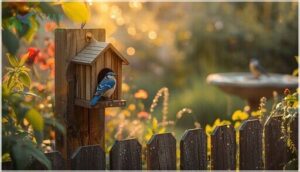
Building the perfect bluebird house is only half the battle—you’ve got to convince these beautiful cavity-nesters to actually move in! Location, habitat, and nearby resources make all the difference between an empty box and a thriving bluebird family.
Let’s walk through four key strategies that’ll turn your yard into bluebird paradise.
Selecting The Right Location in Your Yard
Your yard layout plays a huge role in attracting bluebirds to your birdhouse! Choose a spot with a sunlight balance—6 to 8 hours of morning sun and afternoon shade to prevent overheating.
Position boxes near open grass (50–150 feet from foraging areas), on well-drained soil conditions, with tree proximity for perching but not blocking entry, and wind protection from natural barriers.
These backyard birding tips create an ideal wildlife habitat for successful bird habitat creation!
Creating a Bluebird-friendly Habitat
Think of your yard as a bluebird cafeteria—native plantings, open spaces, and thoughtful planning turn it into prime real estate for attracting bluebirds to your yard! Here’s how to create that bird-friendly wildlife habitat:
- Plant native berries (elderberry, serviceberry) for year-round food while gardening for wildlife
- Maintain open lawn areas with low ground cover for easy foraging
- Reduce pesticides to protect caterpillars and beetles—critical nestling protein
- Leave dead snags where safe to provide natural perches and support bluebird conservation efforts
Providing Water and Food Sources Nearby
Water Quality matters as much as location—place shallow bird baths or drippers within 50 to 100 feet of your box, replenishing daily during hot months.
For nesting nutrition, scatter live mealworms near native fruiting shrubs 20 to 40 feet out, and skip pesticides so caterpillars thrive!
Wildlife friendly gardening keeps food sources abundant, making your water stations and bird feeders irresistible pit stops for attracting bluebirds to your yard.
Avoiding Common Deterrents and Competitors
Beyond water and feeders, smart Predator Control and Competitor Analysis keep your Nest Box thriving! House Sparrows and European Starlings dominate poorly guarded boxes, so Birdhouse Security begins with a 1½-inch Entry Hole plus a metal Predator Guard.
Here’s your defense checklist:
- Mount 10+ feet from fences to deter cats
- Use baffles above the box for climbing predators
- Place boxes 50–100 meters apart to reduce competition
- Clean residues monthly during Nesting Strategies season
Species Management = happy bluebirds!
Common Bluebird House Mistakes to Avoid
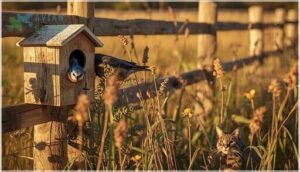
Even the best intentions can go sideways when you’re setting up a bluebird house—trust me, I’ve seen it happen more times than I care to admit! Small oversights like the wrong hole size or skipping predator guards can mean the difference between a thriving bluebird family and an empty box.
Let’s walk through the most common mistakes so you can give your feathered friends the safe, welcoming home they deserve.
Using Incorrect Entrance Hole Sizes
One simple dimension—your entrance hole—can make or break bluebird safety! Hole size errors wreck nest box security, letting predators slip in or blocking your birds out entirely. Standard entrance hole standards call for 1.5 inches, balancing bluebird access with predator deterrence. Too large, and competitors move in; too small, and your tenants abandon ship.
| Hole Diameter | Result | Risk Level |
|---|---|---|
| Under 1.25″ | Bluebirds can’t enter; nest box sits empty | High |
| 1.25–1.5″ | Ideal security, deters predators and rivals | Low |
| 1.5–1.75″ | Suitable but allows some competitors | Moderate |
| Over 1.75″ | Predators enter easily; nestlings escape early | Very High |
| Variable/warped | Unpredictable access; moisture intrusion | High |
Check your bluebird house plans carefully—many DIY birdhouse designs drift from these specs, compromising nest box performance. Wood swells with humidity, effectively narrowing the entry hole, while worn rims widen over time. Inspect annually, measuring with calipers if you’re serious about bluebird safety!
Poor Placement and Orientation
Perfect entrance dimensions won’t save your bluebirds if your nest box angle or yard layout sends them into harm’s way! Sun exposure, wind direction, and proximity to predator paths determine whether your bluebird houses thrive or fail. Even excellent bluebird house plans crumble under poor birdhouse installation tips—mounting location and ventilation matter just as much as hole diameter.
- Low placement (under 4 feet) turns cats and raccoons into regular nest raiders
- South-facing entrances in hot climates overheat nestlings during afternoon broods
- Dense nearby vegetation creates hidden predator approach routes and blocks fledgling escape paths
Neglecting Predator Protection
Overlooking predator guards transforms your birdhouse into an open buffet for raccoons and snakes! Metal baffles on mounting poles, entrance shields with 1½-inch reinforced holes, and slip-resistant bases stop climbing predators cold.
Eastern bluebirds and western bluebird families deserve nest security you’d expect for your own home—install predator deterrents before nesting season starts, and check mounting hardware weekly for nest protection that actually works.
Failing to Monitor for Invasive Species
Skipping regular invasive species checks lets house sparrows and European starlings hijack your boxes before you notice! Wildlife conservation starts with routine monitoring—inspect weekly during nesting season to catch invaders early and protect your bluebirds from habitat disruption.
- House sparrows destroy bluebird eggs and kill nestlings, requiring immediate removal
- European starlings evict cavity nesters, creating dangerous species invasion pressure
- Monitoring gaps allow invasive plants to shade boxes and alter microclimate conditions
- Predator guard inspections reveal ecosystem impact from non-native competitors and pests
- Early detection prevents costly eradication and aids bird conservation across your property
Frequently Asked Questions (FAQs)
What kind of bird house do bluebirds like?
Think of bluebird houses as cozy studio apartments—they need the right specs! Bluebirds prefer nest boxes with 5-inch entrance holes, proper ventilation, drainage holes, durable wood construction, and predator guards for safe nesting.
How big should a birdhouse be for a bluebird?
A proper bluebird house features a 4×4-inch floor and 12-inch interior height.
The entrance hole should measure 1½ inches in diameter—perfectly sized for bluebirds while deterring larger competitors and ensuring adequate ventilation needs!
What time of year do bluebirds start nesting?
Bluebirds start nesting in late February through March in southern states, while northern populations begin in March to April.
This timing follows warming temperatures, insect emergence, and the bluebird migration patterns of local breeding cycles.
How many broods do bluebirds raise annually?
In ideal conditions, Eastern bluebirds commonly raise three or even four broods per breeding season, while Western and Mountain bluebirds usually manage two.
Annual productivity depends heavily on habitat quality, nesting success, and food availability.
Can multiple bluebird houses be placed together?
You can install multiple bluebird houses together, but space them 100–200 yards apart to reduce competition.
Add predator guards to each pole and orient entrances differently to improve nesting density across your habitat.
Do bluebirds return to the same house?
About one in three adult bluebirds return to the same nest site each year—a behavior called nest site fidelity.
Successful breeding, predator protection, and habitat quality all boost return rates dramatically.
What should I do about wasp infestations?
Like medieval siege engines defending a castle, predator guards and sealed gaps around your birdhouse prevent wasp entry!
Apply insect repellents near ventilation holes, remove nests immediately, and schedule regular inspections—these pest prevention strategies protect nest boxes year-round.
Conclusion
If you build it, they’ll come—but only if you build it right. The bird houses for bluebirds you choose today determine whether your yard becomes a thriving nesting site or just another failed experiment.
Proper entrance holes, predator guards, and strategic placement aren’t optional extras—they’re the difference between contributing to bluebird conservation and wasting your time.
Now get those boxes up before nesting season starts!