This site is supported by our readers. We may earn a commission, at no cost to you, if you purchase through links.
A hen entering breeding condition without adequate nutritional support will lay—but what she produces tells the full story: thin-shelled eggs, reduced hatchability, and chicks that struggle past the first 48 hours. Most breeders attribute these failures to genetics or environmental stress, overlooking the biochemical reality that reproduction is metabolically expensive. Follicle development, oviduct function, sperm viability, and embryonic skeletal formation each depend on specific micronutrients arriving in sufficient concentrations at the right time.
Getting avian vitamins for breeding season right isn’t supplementation for its own sake—it’s precision nutrition matched to the physiological demands of each breeding phase.
Table Of Contents
- Key Takeaways
- Essential Breeding Vitamins for Birds
- Minerals for Strong Eggs and Bones
- Amino Acids for Fertility Support
- Fatty Acids for Hatchability
- When to Start Breeding Supplements
- Food Sources Versus Vitamin Supplements
- Preventing Soft-Shelled Eggs Naturally
- Safe Dosing and Toxicity Signs
- Choosing Quality Breeding Supplements
- Top 5 Breeding Season Supplements
- Frequently Asked Questions (FAQs)
- What vitamins are good for birds fertility?
- How to increase pigeon breeding?
- Can stress affect a breeding birds nutrient absorption?
- Do male birds need different supplements than females?
- How does molting season impact breeding nutrition needs?
- Which bird species need the highest calcium intake?
- Can overcrowding reduce the effectiveness of breeding supplements?
- Conclusion
Key Takeaways
- Start your supplement program 3–6 weeks before pairing—not when the first egg drops—because follicle development, calcium banking, and sperm quality all depend on reserves built well before breeding.
- Vitamins A, D3, E, and K each targets a distinct reproductive mechanism, so deficiency in any single one can collapse hatchability, shell integrity, or embryo survival regardless of how well the others are covered.
- Calcium alone won’t build strong shells—vitamin D3, magnesium, zinc, and manganese each plays a structural role in the shell gland, and getting the calcium-to-phosphorus ratio to 10:1 during active laying is non-negotiable.
- Fat-soluble vitamins accumulate in the liver and don’t flush out daily, so overdosing A or D3 can cause irreversible organ damage before any visible symptoms appear—veterinary-guided dosing isn’t optional, it’s your safety margin.
Essential Breeding Vitamins for Birds
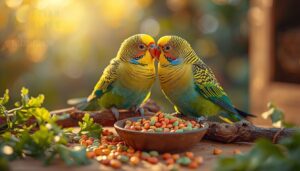
Breeding season puts serious nutritional demands on your birds, and the right vitamins are what make or break a successful clutch. Getting these nutrients dialed in before pairing starts is half the battle.
A deeper look at avian health supplements for breeding birds can help you identify exactly which vitamins and minerals to prioritize in the weeks leading up to pairing.
Here are the five vitamins your breeding birds need most.
Vitamin a for Follicle and Oviduct Health
Vitamin A is the linchpin of follicular integrity. Without adequate retinoic acid signaling, germ cell health deteriorates and follicle maturation stalls—leaving your hen’s ovary populated with atretic, non-viable follicles instead of developing ova.
- Retinoic acid directly regulates hormone receptor modulation in ovarian tissue
- Oviduct epithelium integrity depends on consistent dietary vitamin A
- Deficiency triggers hemorrhagic follicles and suppressed egg output
- Liver stores are depleted without ongoing supplementation during breeding
- Adequate vitamin A status measurably improves hatchability in breeder hens
For best results, follow the recommended breeder hen levels of vitamin A.
Vitamin D3 for Calcium Absorption
Calcium absorption doesn’t happen without calcitriol production—and calcitriol starts with vitamin D3. Without it, intestinal transport efficiency drops from 30–40% down to roughly 10–15%, which simply can’t meet a laying hen’s 2–3 gram daily shell demand.
Indoor breeders lacking UVB light exposure and seasonal sunlight are especially vulnerable.
Maintaining adequate serum D3 levels through supplementation directly determines the role of calcium and vitamin D3 in eggshell formation.
Vitamin E for Sperm and Egg Protection
Once D3 manages calcium uptake, reproductive cell protection becomes the next critical variable. Vitamin E provides oxidative shielding by interrupting lipid peroxidation in sperm membranes—membranes packed with polyunsaturated fatty acids that make PUFA stress management non-negotiable.
This egg lipid defense also preserves yolk integrity under oxidative stress. Selenium synergy amplifies these effects, ensuring measurable outcomes: improved sperm motility, fertilization rates, and hatchability.
Vitamin K for Embryo Development
Vitamin K plays a critical role in avian reproduction by governing gamma carboxylation, the activation step essential for Matrix Gla protein to regulate cartilage calcification in developing embryos. Poor placental transfer leads to rapid depletion of fetal stores, mirroring the skeletal formation disruptions seen with warfarin exposure effects. This vulnerability underscores the need for newborn prophylaxis principles to safeguard embryonic development.
To address these requirements, menadione sodium bisulfite complex should be prioritized as a source during egg development. This ensures adequate vitamin and mineral requirements are met, supporting processes like osteocalcin activation for proper bone mineral handling.
- Prevents premature cartilage mineralization
- Sustains maxillonasal and skeletal integrity
- Follows dosage guidelines for liquid bird vitamins
- Activates osteocalcin for proper bone mineral handling
B-complex Vitamins for Energy and Growth
Think of B-complex vitamins as your bird’s metabolic engine room. Thiamine, Riboflavin, and Niacin converge to convert feed into usable ATP—without them, breeding birds tire faster and produce less.
Pantothenic acid drives CoA synthesis for nutrient breakdown, while B-Vitamin Neurofunction supports coordination and alertness. These roles collectively ensure efficient energy metabolism and overall vitality in breeding birds.
As part of complete breeding season nutrition, B-complex vitamins require daily replenishment through consistent nutrient supplementation. This ensures sustained energy metabolism and optimal performance during critical reproductive periods.
Minerals for Strong Eggs and Bones
Vitamins get the spotlight, but minerals are doing the heavy lifting for shell quality and bone health during breeding. Without the right mineral balance, even a well-supplemented hen can produce weak eggs or strip calcium from her own skeleton.
Here’s what your birds actually need.
Calcium Needs During Egg Production
Each egg shell demands roughly 2 grams of calcium—and a laying hen needs 4 to 5 grams daily to sustain that output. When calcium supplementation falls short, the medullary bone reserve is depleted, quietly weakening skeletal integrity over time.
Evening calcium feeding aligns delivery with peak nocturnal calcification. Particle size also matters: coarser sources release calcium more gradually, matching shell-gland demand.
- Indoor hens can’t forage for supplemental minerals—their diet is everything.
- Calcium demand increases with age as shell quality declines in older hens.
- Calcium source comparison shows oyster shell outperforms fine limestone in sustained release.
- Medullary bone loss accelerates when dietary intake consistently underperforms.
- The role of calcium and vitamin D₃ in eggshell formation is inseparable—neither works fully without the other.
The Ideal Calcium-to-phosphorus Ratio
Balancing calcium-to-phosphorus ratios in bird feed is not a static target—it shifts with breeding phase. During active laying, a 10:1 Ca:P ratio optimizes egg shell formation, while maintenance periods tolerate closer to 2:1.
Seed-heavy diets complicate this through phytate binding reduction in available calcium.
Blood mineral monitoring lets you catch imbalances early, enabling dietary ratio adjustments before skeletal reserves suffer.
Magnesium for Shell Strength
Magnesium is the second most abundant mineral in eggshells, yet it is routinely under-dosed in breeding programs. During eggshell formation in the shell gland, adequate magnesium dosage—typically delivered via magnesium oxide at 0.12–0.14% of the diet—produces measurable age-specific benefits in older hens. Here, calcium-magnesium synergy directly strengthens shell crystallization.
Key documented outcomes include:
- Increased shell breaking resistance without altering egg weight
- Linear shell strength gains as dietary magnesium rises from 0 to 0.14%
- One notable shell color tradeoff: brown-shell pigmentation scores dropped from 11.3 to 10.1
This tradeoff highlights a specific consequence of optimized magnesium levels, where enhanced structural integrity coincides with subtle changes in shell pigmentation.
Manganese for Shell Matrix Formation
Manganese does more than trace mineral duty—it engineers the eggshell from the ground up. In the shell gland, Mn drives glycosaminoglycan synthesis and Mn gene regulation, shaping the organic matrix before calcite ever arrives.
Higher mammillary knob density follows adequate dietary Mn, particularly from an organic Mn source, while deficiency produces fused, irregular knobs that compromise shell ultrastructure and ultimately weaken the finished shell.
Zinc for Proper Shell Deposition
Zinc functions as the enzymatic backbone of shell deposition—without adequate zinc levels, carbonic anhydrase activity in the shell gland stalls, and calcium carbonate binding falters. Zinc enzyme interaction is where shell quality is won or lost. Organic zinc efficacy consistently outperforms inorganic sulfate forms, particularly in aged hens.
Zinc dosage optimization targets 80 mg/kg for laying hens and ducks. Zinc-methionine at this dosage increases egg shell breaking strength by up to 15.8%. The effects of zinc and carbonic anhydrase on shell quality are dose-dependent and source-sensitive, with organic sources improving calcium distribution across the transversal shell surface.
- Zinc dosage optimization targets 80 mg/kg for laying hens and ducks
- Zinc-methionine at 80 mg/kg increases egg shell breaking strength by up to 15.8%
- Effects of zinc and carbonic anhydrase on shell quality are dose-dependent and source-sensitive
- Organic sources improve calcium distribution across the transversal shell surface
- Zinc toxicity balance requires caution—160 mg/kg disrupts calcium metabolism unfavorably
Amino Acids for Fertility Support

Vitamins and minerals receive most of the attention during breeding season, but amino acids are doing just as much heavy lifting behind the scenes.
Without the right protein building blocks, birds cannot produce quality eggs or maintain their own condition through the laying period. Here’s what you need to know about the amino acids critical for fertility support.
Methionine, Lysine, and Threonine Roles
Three amino acids—methionine, lysine, and threonine—form the backbone of your bird’s amino acid profile during breeding season. Together, they improve egg weight and directly influence reproductive output when supply is adequate.
Methionine drives feather keratin synthesis and glutathione antioxidant support, while lysine sustains immune protein turnover and lean tissue integrity. Threonine maintains the mucin barrier lining the gut, ensuring digestive health.
When supplied adequately, these amino acids collectively enhance reproductive performance and egg quality.
Amino Acids and Yolk Protein Formation
Beyond their structural roles, amino acids drive vitellogenin synthesis—the liver-mediated process that assembles yolk precursors before ovarian uptake.
Methionine and lysine supply the raw material for this protein synthesis, while balanced amino acid ratios determine yolk granule assembly efficiency.
Phosvitin mineral binding within these granules depends on adequate phosphorylated protein deposition, making proper dosing of dietary amino acids directly consequential to successful egg development.
Preventing Muscle Loss During Laying
When egg production peaks, your hens’ amino acid profile faces real pressure—if feed intake monitoring slips, their bodies start breaking down muscle to sustain output. Protein adequacy prevents this catabolism, keeping methionine and lysine available for production rather than structural repair.
Pair that with exercise enrichment and stress reduction, alongside L-carnitine, to support energy metabolism and maintain hormonal balance through metabolic stress.
Protein Support for Chick Development
What the chick inherits at hatching isn’t just genetics—it’s a biochemical head start. Yolk sac utilization drives early organ and muscle development, while albumen proteins supply amino acids before gut digestion can take over.
- Amino Acid Needs: Lysine and sulfur amino acids govern first-week growth rates directly.
- Protein Digestion: Trypsin activity remains minimal through day four, limiting dietary protein uptake.
- Gut Health Matters: Adequate protein intake accelerates intestinal development, improving nutrient absorption capacity long-term.
Fatty Acids for Hatchability
Fatty acids don’t get nearly enough credit during breeding season, but they’re quietly doing some of the heaviest lifting for hatchability. The right balance — especially linoleic acid and omega-3s — affects everything from cell membrane strength to hormone signaling and embryo survival.
Here’s what each one actually does and why it belongs in your breeding nutrition plan.
Linoleic Acid and Membrane Integrity
Linoleic acid serves as the structural backbone of every cell membrane in eggs produced by hens. Without sufficient dietary linoleic acid, hatchability drops to zero—a critical failure, not merely a reduction.
Without linoleic acid in the diet, hatchability doesn’t decline — it drops to zero
At just 1% of dietary intake, this essential fatty acid ensures membrane fluidity is maintained throughout incubation. This enables embryonic cells to flex, communicate, and divide correctly, supporting viable egg development.
During breeding season, fatty acid metabolism directly determines egg hatchability rates. Adequate linoleic acid intake is non-negotiable for successful embryonic growth and survival.
Omega-3s for Hormone Support
Omega-3 fatty acids—specifically EPA and DHA—do more than support membrane structure; they’re directly tied to hormone regulation and reproductive performance during breeding season. These fatty acids influence gonadotropin signaling, including FSH and LH activity, and help reduce endoplasmic reticulum stress in reproductive tissues, a pathway that can suppress hormone secretion.
For avian fertility, this stress-signaling connection isn’t trivial—it’s mechanistically significant.
Reducing Embryonic Loss Through Nutrition
Nutritional gaps during early development are where most preventable embryo losses originate. Precise supplementation across these five areas directly reduces that risk:
- Folate Embryo Support — 400–730 mcg daily cuts spontaneous loss by up to 20%
- Protein Energy Balance — raising protein 20–40% above baseline improves conceptus survival
- Trace Mineral Supply — zinc, manganese, and selenium maintain uterine and egg integrity
- Embryo Protection — Pre-Breeding Nutrition started 3–6 weeks before pairing closes critical nutrient gaps
- Vitamin A depletion prevention — sustained vitamin and mineral requirements during avian reproduction directly support reproductive success
Supporting Chick Vigor After Hatch
What a chick absorbs in its first hours sets the trajectory for everything that follows. Precise supplementation with omega-3 fatty acids and vitamin E protects gametes and transfers key lipid reserves directly into the yolk, fueling neurological and muscular development post-hatch. Your Chick Nutrition Plans and Brooder Temperature Control work together—but neither compensates for deficient maternal nutrition.
| Early Feeding Strategies | Post-Hatch Care Priority | Hatchling Health Management Outcome |
|---|---|---|
| Immediate feed and water access | Brooder held at 95°F, week one | Faster jejunum and ileum maturation |
| Nutrient-dense starter (18–20% protein) | Reduce temp 5°F weekly | Restored hepatic glycogen within 48 hours |
| Omega-3-enriched diet pre-lay | Clean, shallow waterers daily | Reduced embryonic loss carryover |
| Vitamin E and selenium inclusion | Twice-weekly weight monitoring | Stronger muscle gene expression |
| Balanced amino acid profile | Dry, clean bedding maintained | Improved early vigor and survival rates |
Vitamin and mineral requirements during avian reproduction don’t end at pip—nutrient supplementation for breeding birds must carry through the entire laying cycle to sustain chick quality.
When to Start Breeding Supplements

Timing your supplement program isn’t something you want to leave to chance—start too late, and your birds simply won’t have the nutrient reserves they need when it matters most. The weeks leading up to pairing are where the real groundwork happens, and what you do during that window shapes everything from egg quality to hatchling vigor.
Here’s exactly when and how to structure your supplementation across each phase of the breeding season.
Beginning 3–6 Weeks Before Pairing
Start your Pre-Pairing Nutrition protocol 3–6 weeks before introducing pairs — that window is when Breeding Season Prep actually happens. Strategic supplementation during this phase corrects nutrient gaps before they cost you a clutch.
- Introduce Vitamin D3 Supplements to prime vitamin D3 synthesis and calcium to phosphorus ratios
- Add Fertility Boosters containing vitamin E, selenium, and omega-3s
- Begin Avian Probiotics to improve gut absorption of vet-guided individualized supplement protocols
Building Nutrient Reserves Before Laying
Think of the prelay phase as your bird’s nutritional runway — Vitamin Reserves and Mineral Storage built now determine what’s available when the first egg drops.
| Reserve Type | Key Nutrients | Primary Function |
|---|---|---|
| Vitamin Reserves | D3, A, E, K | Follicle health, calcium-to-phosphorus ratios |
| Mineral Storage | Calcium, Phosphorus | Medullary bone banking |
| Protein Building & Fat Reserves | Methionine, Linoleic acid | Yolk formation, membrane integrity |
Strategic supplementation with bioavailable vitamin D3 synthesis support and Prelay Nutrition protocols ensures nutrient supplementation for breeding birds delivers measurable results before demand peaks.
Adjusting Support by Breeding Phase
Each phase of the breeding cycle pulls different demands from your bird’s body, so Breeding Phase Nutrition can’t stay static.
Pre-Laying Support centers on bioavailable vitamin D3 and calcium banking, ensuring foundational health for egg development.
Incubation Care prioritizes fat-soluble vitamin maintenance, sustaining metabolic balance during this energy-intensive period.
Seasonal Dietary Shifts emphasize omega-3 delivery, adapting to environmental and physiological changes.
Post-Hatch Vigor demands protein density to fuel rapid chick growth and maternal recovery.
Vet-guided individualized supplement protocols close nutrient gaps before they become losses, optimizing outcomes at every stage.
Keeping Supplementation Consistent Through Laying
Consistent Vitamin Supply remains crucial once eggs start appearing — if anything, that’s when gaps hurt most.
A Daily Supplement Routine anchored in Laying Cycle Nutrition ensures steady calcium supplementation, reliable vitamin D3 absorption, and Ideal Mineral Levels.
Disruptions from feed changes or heat stress quietly erode eggshell quality and laying rates before a decline becomes noticeable.
Food Sources Versus Vitamin Supplements
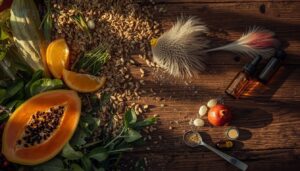
Good nutrition starts at the food bowl, but it doesn’t always end there. What your bird eats every day lays the foundation for breeding success, and knowing where natural foods fall short helps you fill in the gaps with confidence.
Natural foods offer essential nutrients, but they may lack completeness or consistency. Identifying these deficiencies ensures targeted supplementation without overdoing it.
Supplements earn their place by addressing specific shortcomings in whole foods. When used strategically, they bridge nutritional gaps while maintaining balance—key to supporting your bird’s health and vitality.
Natural Foods Rich in Breeding Nutrients
Leafy greens like kale and spinach deliver carotenoid-based vitamin A precursors, vitamin E, and calcium—covering several nutrient gaps in one daily serving. Seed nutrition from sunflower and safflower adds methionine, lysine, and omega-3 fatty acids, while egg food sources contribute vitamin D, zinc, and choline.
Calcium-rich foods like crushed oyster shell reinforce calcium-to-phosphorus ratios essential for shell integrity. These natural foods rich in breeding nutrients form a strong dietary baseline.
When Diet Alone May Not Suffice
Even a well-designed whole-food diet can fall short when breeding season intensifies amino acid demand, indoor breeding stress, and antioxidant protection requirements simultaneously.
Birds on all-seed or narrow-variety diets often develop vitamin gaps in A and D3 before symptoms appear—sometimes 2–5 months in. That’s when strategic supplementation becomes the clinical bridge between apparent adequacy and actual avian fertility during peak breeding season.
Using Fortified Egg Food Effectively
Fortified egg food is one of the most effective delivery vehicles for avian vitamins during breeding season. Whole egg protein supplies all nine essential amino acids, while the yolk’s lipid matrix carries vitamin D3, A, E, and K simultaneously.
This Fortified Egg Nutrition approach leverages natural bioavailability, making Avian Egg Enrichment far more efficient than isolated supplementation for supporting egg production.
Balancing Whole Foods With Supplements
Think of whole foods as your foundation and supplements as your finishing tool. The Whole Food Matrix delivers fiber, cofactors, and Nutrient Balance that no pill can fully replicate—but targeted supplements close Dietary Gaps when demands outpace what diet alone provides.
For Supplement Safety, this dosing guide recommends pairing both strategically: prioritize whole foods first, then use Targeted Supplements to address specific nutrient synergy needs during peak laying.
Preventing Soft-Shelled Eggs Naturally
Soft-shelled eggs are not just fragile — they’re a sign your hen’s nutritional foundation needs attention.
The fix usually comes down to a few targeted dietary and supplementation strategies working together. Here is what actually moves the needle.
Calcium and Vitamin D3 Together
Calcium absorption doesn’t happen in a vacuum — vitamin D3 is the gatekeeper that makes it possible. Without adequate vitamin D3 support, dietary calcium passes through largely unused, leaving your hen’s shell gland without the raw material it needs. For reliable eggshell quality, prioritize these three fundamentals:
- Pair calcium supplements with vitamin D3 daily during laying.
- Maintain calcium-to-phosphorus ratios at the recommended 10:1 throughout the season.
- Account for indoor birds’ reduced UVB access when evaluating avian nutrition needs.
The role of calcium and vitamin D3 in eggshell formation is inseparable — balancing calcium-to-phosphorus ratios in bird feed while ensuring D3 sufficiency is non-negotiable for consistent shell integrity and mineral interactions that actually deliver results.
Maintaining Shell Quality Through Minerals
Mineral shell formation depends on more than calcium alone. Magnesium, manganese, zinc, and copper each reinforce eggshell ultrastructure at the crystalline level — manganese builds the organic matrix first, zinc activates carbonic anhydrase for calcium deposition, and magnesium improves breaking resistance.
Balancing calcium-to-phosphorus ratios in bird feed at 10:1 while addressing trace mineral roles prevents soft-shelled eggs through diet rather than reactive intervention.
Supporting Hens Kept Indoors
Indoor hens can’t synthesize adequate vitamin D₃ without sunlight, so Indoor Lighting Design — specifically 14–16 hours of warm-white light daily — becomes a prerequisite for calcium metabolism.
Pair that with Ventilation Strategies keeping ammonia below 10 ppm, sound Nesting Box Management, appropriate Perch Space Requirements, and stable Social Group Dynamics to reduce laying stress.
Strategic supplementation then closes nutritional gaps, preventing soft-shelled eggs through diet and environment together.
Diet Strategies for Stronger Eggshells
Strong eggshell formation begins with formulating balanced avian diets for egg production. Coarse calcium sources like oyster shell or limestone, paired with adequate vitamin D synthesis support, ensure a steady release of dietary calcium during overnight shell-building phases.
Maintaining calcium-to-phosphorus ratios near 10:1, alongside targeted mineral supplements containing zinc and manganese, provides critical shell quality control and significantly reduces risks of preventing soft-shelled eggs through diet alone.
Safe Dosing and Toxicity Signs
Getting the dose right is the difference between thriving birds and a quiet health crisis unfolding in the cage. Fat-soluble vitamins like A and D3 don’t flush out daily—they accumulate, and your bird’s liver will pay the price before you notice anything’s wrong.
Here’s what you need to know to dose safely and catch toxicity early.
Daily Dosage Range Considerations
Proper dosing of avian vitamins during breeding season isn’t one-size-fits-all. Bird Size Matters, Vitamin Form Counts, and Diet Intake Changes all shift what your bird actually needs daily.
Water and feed delivery methods affect how much reaches the bird, while Safety And Label limits define your ceiling. Staying within 100–300 mg/kg body weight keeps vitamin supplementation safe and the daily dosage targeted.
Risks of Excess Fat-soluble Vitamins
Fat-soluble vitamins don’t flush out the way water-soluble ones do—they accumulate in the liver and fatty tissues, turning a small daily surplus into a systemic problem over weeks.
Vitamin A toxicity and vitamin D overdose are the most documented fat-soluble risks in avian practice, with liver damage and elevated blood calcium heading the list of consequences.
Avian vitamin safety depends entirely on respecting those dosing guidelines.
Signs of Vitamin a or D3 Excess

Once accumulation tips into Vitamin A Toxicity or D3 Overdose Symptoms, the clinical picture becomes hard to miss. Avian Hypervitaminosis from vitamin A commonly presents as feather loss, rough or cracked skin, and facial crusting—sometimes progressing to neurologic signs.
Vitamin D3 excess drives hypercalcemia, producing symptoms like increased thirst, frequent urination, weakness, and unsteady gait. These Toxicity Warning Signs demand immediate dosage reassessment.
Replacing Water-soluble Vitamins Daily
Unlike water-soluble vitamins don’t accumulate—your bird’s body clears them daily, which means a missed dose actually matters. Vitamin C and B-complex vitamins must be replenished consistently throughout breeding season.
Fresh food benefits this process naturally; Vitamin C sources like fruits and vegetables deliver what grains can’t.
For avian nutrition, daily vitamin needs are best met through fresh rations paired with reliable supplementation.
Why Veterinary Guidance Matters
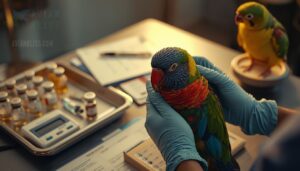
Veterinary guidance isn’t optional—it’s the biochemical control system your breeding program actually needs. Nutrient balance varies by species, and a one-size-fits-all approach routinely fails because dietary needs differ substantially across avian species. Avian veterinarians design vet-guided tailored supplement protocols that account for species-specific physiology, existing diets, and breeding stages.
This directly mitigates the risk of vitamin toxicity in captive birds through:
- Health monitoring — biweekly weight checks and blood panels catch early toxicity signals before organ damage occurs.
- Supplement safety — dosage thresholds are calibrated to body weight, preventing fat-soluble vitamin accumulation.
- Targeted correction — diet gaps are identified precisely, eliminating guesswork around vitamin toxicity.
Choosing Quality Breeding Supplements
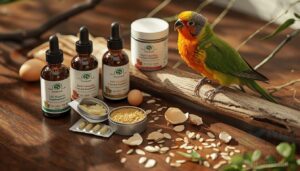
Not every supplement on the market is worth your bird’s trust—or your money. The label tells part of the story, but knowing what to look for puts you in control of that decision.
Here’s what actually matters when you’re evaluating a breeding supplement.
Key Nutrients to Look For
Not every supplement on the market actually delivers what breeding birds’ needs require. Prioritize formulations that address the full spectrum of essential nutrients: vitamin A supports follicle health, vitamin D3 ensures calcium absorption, and vitamin E protects gametes from oxidative damage.
Mineral requirements—particularly calcium-to-phosphorus ratios—must be met to maintain skeletal and reproductive health.
Amino acids play critical roles in protein synthesis, while omega-3 fatty acids contribute to overall vitality.
Veterinary-grade or Human-grade Ingredients
Ingredient quality isn’t a marketing detail — it’s a clinical variable. For avian vitamins during breeding season, your dosing guide means nothing if the raw materials don’t meet rigorous standards. Human Grade Standards require every ingredient to be fit for human consumption, processed under 21 CFR Part 117 conditions, with full Supply Chain Transparency and batch-level traceability. Veterinary Grade formulations follow animal-food regulations, which permit broader processing options but still demand Ingredient Sourcing integrity and Quality Control documentation.
When evaluating any product, confirm it meets these five criteria:
- Every ingredient carries a verified human-grade or veterinary-grade designation.
- The manufacturer maintains batch records linking raw materials to finished product.
- Facilities are licensed for the declared grade of production.
- Supply chain documentation is available upon request.
- No ingredient is labeled "human-grade" unless the entire formulation qualifies under that standard.
Clear Dosing Instructions and Upper Limits
A supplement label without clear Daily Dosage Guidelines isn’t guidance — it’s guesswork. Safe Dosing Limits must appear explicitly: vitamin A carries a tolerable upper intake of 3,000 mcg/day for adults, and Upper Limit Warnings become critical when individuals receive multiple fortified products simultaneously. Oversupplementation risks escalate fast with fat-soluble nutrients.
| Nutrient | Daily Dosage Guidelines | Upper Limit Warnings |
|---|---|---|
| Vitamin A | 700–900 mcg/day | 3,000 mcg/day — toxicity risk |
| Vitamin D3 | 15–20 mcg/day | 100 mcg/day (4,000 IU) |
| Zinc | 8–11 mg/day | 40 mg/day — easily exceeded |
Supplement Labeling Regulations exist precisely because nutrient toxicity doesn’t announce itself — until organ damage is already underway.
Batch Testing and Traceability
Batch Testing and Traceability Systems aren’t optional extras — they’re your proof that Quality Control actually happened. When selecting avian vitamins for breeding season, verify that manufacturers assign unique batch IDs linking raw material sourcing, production records, and finished product release.
Key requirements include:
- Unique lot numbers per production run
- Documented raw material supplier origins
- Timestamped electronic production records
- Audit trail logs for any record changes
- Regulatory Compliance with recall-readiness testing
Supply Chain transparency means you can trace exactly what’s in every dose.
Palatable Forms Birds Will Accept
Delivery format makes or breaks vitamin supplementation compliance. Avian vitamins for breeding season work only if your birds actually consume them.
Offer water additives in slightly acidic solutions, blend powders into seed mixtures, and incorporate soft food forms like moist fruit or mealworm-based carriers.
Match your dosing strategy to each bird’s natural feeding behavior — forced acceptance guarantees nothing, but smart feed delivery ensures consistent intake throughout the breeding season.
Top 5 Breeding Season Supplements
With so many supplements on the market, narrowing down the best options for breeding season can feel overwhelming.
These five products stand out for their targeted nutrient profiles, ingredient quality, and practical delivery forms. Here’s what’s worth your attention this breeding season.
1. VITOFARMA Male Bird Fertility Supplement
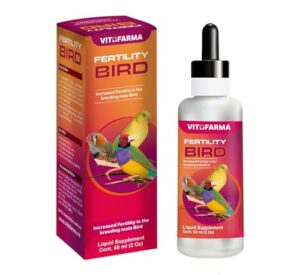
VITOFARMA’s Fertility Bird is a 60 ml liquid formula designed specifically for male birds, delivering L-carnitine alongside essential vitamins and amino acids through a built-in dropper for precise dosing.
Administer 15 drops per 8 oz of water daily during breeding season, but only in birds that are already vitaminized and dewormed.
At $16.50, it’s an accessible option, though some users report inconsistent results. Do not rely on it as a substitute for sound nutrition and husbandry.
| Best For | Bird breeders working with finches, canaries, parakeets, or budgies who want a simple, affordable supplement to support male fertility during breeding season. |
|---|---|
| Target Species | Finches, canaries, parakeets, budgies, exotic species |
| Form | Liquid |
| Primary Use | Breeding support |
| Key Nutrients | L-Carnitine, vitamins, amino acids |
| Dosing Method | Integrated dropper |
| Price Range | $16.50 |
| Additional Features |
|
- Easy to use — the built-in dropper makes dosing straightforward, even for first-time breeders
- Packed with L-Carnitine, vitamins, and amino acids that may support sperm quality and energy during breeding season
- At $16.50 for 60 ml, it’s a low-cost addition to your breeding routine
- Some users report little to no noticeable effect, so results aren’t guaranteed
- Only targets male birds — won’t do anything for female reproductive health
- Dosage instructions aren’t clearly spelled out, which leaves some guesswork for the user
2. Vitakraft Egg Food for Birds
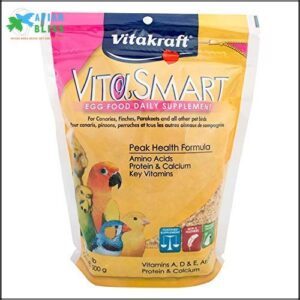
Vitakraft Egg Food takes a broader approach to supporting male fertility—delivering real dried egg, white millet, and honey in a soft, crumbly format. This blend is enriched with vitamins A, D3, E, riboflavin, biotin, lysine, and methionine, offering comprehensive nutritional support.
To use, sprinkle 2 tablespoons over the daily diet or moisten it and serve in a separate feed cup. The formula boasts 17.5% crude protein and 49,940 IU/kg vitamin A, ensuring hens receive critical nutrients during breeding, nesting, and molting phases.
By integrating seamlessly into existing routines, it eliminates the need for overhauling feeding practices while addressing essential dietary needs.
| Best For | Bird owners looking to give their parakeets, canaries, finches, cockatiels, or parrots extra nutritional support during breeding, nesting, or molting seasons. |
|---|---|
| Target Species | Parakeets, canaries, finches, cockatiels, parrots |
| Form | Soft food |
| Primary Use | Breeding and molting nutrition |
| Key Nutrients | Vitamins A, D, E, calcium, biotin, riboflavin |
| Dosing Method | Mix into food or serve alone |
| Price Range | Mid-range |
| Additional Features |
|
- Real eggs, honey, and white millet make it a wholesome, natural-feeling supplement birds actually want to eat
- Packed with vitamins A, D3, E, riboflavin, and biotin—covers a lot of nutritional ground in one product
- Easy to work into any routine—just sprinkle it over existing food or serve it separately
- Contains common allergens like wheat, peanuts, fish, and shellfish, so it’s not safe for every bird
- The soft texture can be a turn-off for birds used to dry pellets
- Packaging has been known to arrive damaged, which can mean a messy unboxing
3. UnRuffledRx Bird Molting Feather Supplement
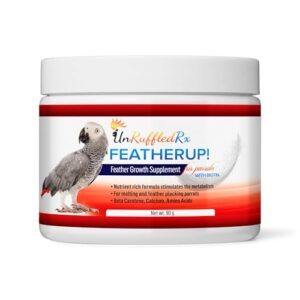
UnRuffledRx FeatheredUp targets the micronutrient layer that drives keratin synthesis and feather regeneration, unlike Vitakraft’s focus on whole-food protein delivery. This fine, mixable powder packs 14 vitamins, 9 minerals, and 13 amino acids—including L-cysteine and biotin—into roughly 240 servings per 90 g container.
Manufactured in an FDA-registered, cGMP-compliant facility, each batch undergoes laboratory purity testing. The formula is designed to support birds with compromised plumage during molt, delivering noticeable results within weeks of consistent use.
Simply stir the powder into warm vegetable chop or moist pellets. Birds experiencing feather issues respond noticeably within weeks when used regularly.
| Best For | Bird owners dealing with molting, feather damage, or stress-related plucking who want a research-backed micronutrient boost to complement a healthy diet. |
|---|---|
| Target Species | Parrots, cockatiels, budgies, companion birds |
| Form | Powder |
| Primary Use | Feather and molt support |
| Key Nutrients | 14 vitamins, 9 minerals, amino acids, Omega-3 |
| Dosing Method | Calibrated micro-scoop |
| Price Range | Mid-range |
| Additional Features |
|
- Packs 14 vitamins, 9 minerals, and key amino acids like L-cysteine into a fine powder that’s easy to mix into chop or pellets
- Made in an FDA-registered, cGMP-compliant facility with batch-level purity testing — solid peace of mind
- Supports feather regrowth, pigment quality, and bone health all at once, making it a well-rounded molt supplement
- Some birds — especially Sun Conures and African Greys — simply refuse to eat it, no matter how it’s mixed in
- Won’t do much for severe or long-term plucking cases, which really need a vet’s attention
- Dosing needs to be careful if your bird is already eating fortified pellets, since doubling up on nutrients can cause imbalances
4. VHD MyBird Breeding Vitamin Supplement
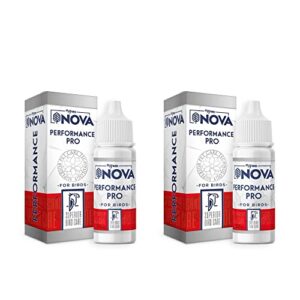
UnRuffledRx handles plumage recovery, while VHD MyBird Performance E and D3 targets the reproductive window directly. This liquid drop formula centers on vitamins E, A, D3, biotin, niacin, and B1—nutrients your breeding birds need before the first egg is laid.
Dose 10 drops per 100 mL for small birds like budgerigars and canaries; double that for parrots and pigeons. Two 2 fl oz bottles with dropper caps simplify daily water supplementation throughout the laying period.
| Best For | Bird breeders who want a simple, water-based vitamin boost to support egg production and reproductive health in small and large cage birds. |
|---|---|
| Target Species | Budgerigars, canaries, goldfinches, parrots, pigeons |
| Form | Liquid |
| Primary Use | Breeding and egg production |
| Key Nutrients | Vitamins E, A, D3, B1, biotin, niacin |
| Dosing Method | Dropper into drinking water |
| Price Range | Mid-range |
| Additional Features |
|
- Covers the key breeding nutrients—E, A, D3, biotin, B1, and niacin—all in one daily drop
- Easy to dose right in the drinking water, no mixing or measuring fuss
- Works for a wide range of birds, from little canaries to parrots and pigeons
- Dropper caps can clog or pop off, which gets annoying fast
- Can’t use it alongside anything with Vitamin D2—overdose risk is real
- Not much use outside breeding season, so the bottles may go to waste if your birds aren’t actively breeding
5. Equa Holistics Avian Probiotic for Parrots
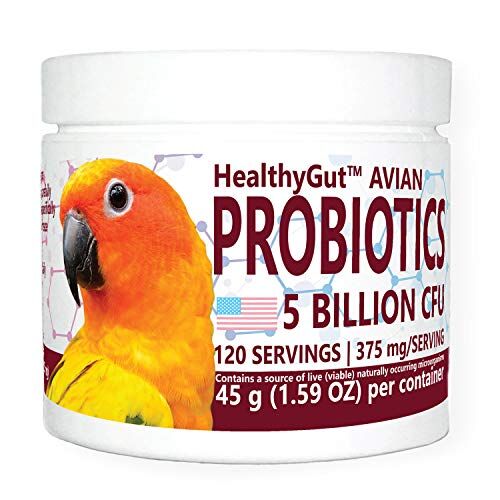
Gut health doesn’t get enough credit during breeding season—but Equa Holistics’ Avian Probiotic fills that gap. This powdered blend delivers 5 billion CFU per scoop across 8 freeze-dried bacterial strains, including Lactobacillus acidophilus and Bifidobacterium animalis, supporting microbiome stability when nutritional demand peaks.
Dosing scales by body weight: 1/8 scoop for birds under 100 g, up to 2 scoops for birds exceeding 1,500 g. Sprinkle directly onto food daily.
The product is non-GMO, allergen-free, and manufactured to human-grade standards.
| Best For | Bird owners who want a simple, no-fuss way to support their parrot’s gut health year-round, especially after antibiotics or during stressful periods. |
|---|---|
| Target Species | All avian ages and breeds |
| Form | Powder |
| Primary Use | Gut health and vitality |
| Key Nutrients | 8 probiotic strains, prebiotic components |
| Dosing Method | Measuring scoop onto food |
| Price Range | Mid-range |
| Additional Features |
|
- Covers all bird sizes with flexible dosing—just sprinkle it right onto their food, no mixing or syringes needed
- Eight freeze-dried bacterial strains plus prebiotics give the gut microbiome solid, well-rounded support
- Made in the USA to human-grade standards and certified non-GMO, so you know what you’re actually giving your bird
- The cost per ounce runs pretty high, which adds up fast if you’re keeping multiple birds
- The included scoop is sized for larger birds, so budgie and small parrot owners may need a more precise measuring tool
- Some birds will just push the powder aside if it sits on top of food—you may need to mix it in well to get them to actually eat it
Frequently Asked Questions (FAQs)
What vitamins are good for birds fertility?
Vitamins A, D3, E, K, and B-complex are your core fertility allies. Each targets a specific reproductive function—from follicle integrity to eggshell formation—making them non-negotiable during breeding season.
How to increase pigeon breeding?
Start with pairing healthy, compatible birds in a quiet loft.
Then, about four weeks before breeding, focus on nutrition—adequate calcium, zinc, and protein—to build reserves that support consistent laying and chick survival.
Can stress affect a breeding birds nutrient absorption?
Stress dismantles nutrient absorption fast. Corticosterone floods block vitamin A, calcium, and B-vitamin processing. Gut villus height drops by 20%, reducing uptake surfaces.
Heat stress alone cuts feed intake by up to 50%, compounding absorption challenges.
Do male birds need different supplements than females?
Male birds don’t need the same supplement balance as females. Hens require considerably more calcium for eggshell formation, while males benefit more from nutrients that support sperm quality, like vitamin E and zinc.
How does molting season impact breeding nutrition needs?
Molting quietly resets your bird’s nutritional priorities. Protein and amino acids take center stage for keratin production, while calcium demand drops.
Calcium demand then surges again once breeding resumes. Time your supplements accordingly.
Which bird species need the highest calcium intake?
Laying hens top the list, requiring roughly 3–5% dietary calcium during production. African greys, quail, and ducks follow closely.
Budgerigars and cockatiels need comparatively less—though any chronic egg layer faces significant calcium depletion.
Can overcrowding reduce the effectiveness of breeding supplements?
Overcrowding absolutely can. Dominant birds monopolize feeders, leaving subordinates with little to none of the supplemental food.
Dense housing also raises cortisol, suppressing appetite and reducing daily nutrient intake across the flock.
Conclusion
Even alchemists knew you can’t transmute lead into gold without the right raw materials—and breeding season demands the same logic. Every clutch your birds attempt draws from nutrient reserves built weeks before the first egg drop. Getting avian vitamins right means closing the gap between birds that merely lay and those that reproduce successfully.
Feed the biology precisely, and the results will speak louder than any guesswork ever could. Nutrient reserves built weeks in advance are critical for successful reproduction, ensuring clutches draw from a foundation of optimal health.
- https://www.seennutrition.com/blogs/news/how-vitamin-d3-d2-boost-calcium-absorption
- https://pmc.ncbi.nlm.nih.gov/articles/PMC2669834/
- https://linkinghub.elsevier.com/retrieve/pii/S003257912400631X
- https://plusvet.eu/2019/11/08/role-of-calcium-and-vitamin-d3-in-eggshell-quality/
- https://www.mdpi.com/2076-2615/14/6/878