This site is supported by our readers. We may earn a commission, at no cost to you, if you purchase through links.
Breeding season quietly drains your birds before you notice anything’s wrong. A hen pushing through clutch after clutch, a male defending territory around the clock—both burn through vitamin reserves faster than a seed-heavy diet can replace them.
Deficiencies don’t always announce themselves with obvious symptoms. Sometimes the only signal is a poor hatch rate, a soft-shelled egg, or chicks that don’t thrive past the first week.
Getting avian vitamins for breeding season right isn’t complicated, but it does require knowing what your birds actually need—and when they need it most.
Table Of Contents
- Key Takeaways
- Essential Vitamins for Breeding Birds
- Vitamin a for Eggs and Embryos
- Vitamin D3 for Shell Strength
- Vitamin E and K Benefits
- B Vitamins for Breeding Energy
- Natural Foods Rich in Vitamins
- When to Use Supplements
- Top 5 Breeding Season Supplements
- Deficiency Signs and Health Risks
- Safe Dosing During Breeding Season
- Frequently Asked Questions (FAQs)
- How to increase pigeon breeding?
- Which medicine is best for bird breeding?
- Can vitamins improve clutch size in small birds?
- Do male birds need different vitamins than females?
- How soon before breeding should supplementation start?
- Are organic vitamin sources better than synthetic supplements?
- Can vitamin deficiencies affect breeding behavior and bonding?
- Conclusion
Key Takeaways
- Vitamins A and E together can push breeder fertility from 46% to nearly 77%, making them the most impactful nutrients you can add during breeding season.
- Vitamin D3 is the gatekeeper for calcium — without it, even a calcium-rich diet won’t build strong shells or healthy bones, especially in indoor birds cut off from natural UVB light.
- Deficiencies rarely announce themselves loudly; soft shells, poor hatch rates, and weak chicks are often the first signs that your birds have been running on empty for a while.
- Start supplementing three to six weeks before breeding, match the formula to your birds’ species and life stage, and adjust the nutrient mix as the breeding cycle progresses to avoid both gaps and toxic buildup.
Essential Vitamins for Breeding Birds
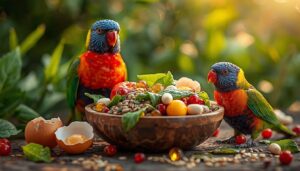
Breeding season puts real demands on your bird’s body, and vitamins are what keep everything running. The right nutrients affect everything from egg quality to how well chicks develop after hatching.
Getting the details right really matters — bird diet supplements for breeding season can make a measurable difference in fertility, egg quality, and chick health.
Here’s what your breeding birds actually need to stay healthy through the season.
Why Breeding Season Raises Vitamin Needs
Breeding season demands more from your bird than any other time of year. Egg production, rapid embryo growth, and maternal egg supply all compete for the same nutrient pool.
Key vitamins get pulled in multiple directions at once. Without enough in reserve, avian nutritional needs are unmet — and vitamin deficiencies can quietly derail your whole breeding season.
Reproductive status plays a critical role in B vitamin dependency.
How Vitamins Support Fertility and Hatchability
Vitamins don’t just fill nutritional gaps — they directly drive fertility rates and hatchability. Combined Vitamin A and Vitamin E supplementation has raised fertility from 46% to nearly 77% in breeders. These are real Fertility Boosters worth knowing.
Combined Vitamin A and E supplementation can boost breeder fertility from 46% to nearly 77%
Key vitamins that support egg production and embryo development include:
- Vitamin A regulates hormones and aids healthy Egg Production Tips
- Vitamin E Antioxidants protect sperm cells from oxidative damage
- Vitamin D3 strengthens eggshells and aids calcium absorption
- Vitamin K prevents embryonic deformities during early development
- B vitamins fuel cell growth and neurological function in chicks
Breeding season supplements built around Vitamin A and Vitamin E benefits work best together.
Balancing Vitamins With Minerals and Protein
Getting vitamins right is only half the picture. Mineral Vitamin Balance and Protein Level Management work together in avian nutrition planning — interactions matter more than most owners realize.
| Nutrient | Paired With | Why It Matters |
|---|---|---|
| Vitamin A | Zinc + Protein | Zinc transports Vitamin A to reproductive tissues |
| Vitamin D3 | Calcium + Phosphorus | D3 activates absorption at a 2:1 Ca:P ratio |
| Vitamin E | Selenium + Protein | Together they protect sperm from oxidative damage |
Balanced breeding diets support egg production and chick viability — vitamin-mineral interactions aren’t optional in bird nutrition for breeding.
Why Bird-specific Formulas Matter
Not all bird-specific formulas are created equal — and that gap matters for avian reproductive health. Species-Specific Diets account for real biological differences. Bird Type Formulas adjust Nutrient Ratios based on dietary adaptations your bird already has:
- Parrot blends provide 20–23% protein for breeding energy.
- Finch formulas limit iron to prevent seed-diet toxicity.
- Lory mixes add papain to break down nectar carbohydrates.
Generic avian vitamins simply can’t cover that ground.
Vitamin a for Eggs and Embryos
Vitamin A does more heavy lifting during breeding season than most bird owners realize.
It touches everything from hormone balance to how well an embryo develops inside the egg.
Here’s how it works across the key areas that matter most.
Hormone Regulation During Breeding
Vitamin A sits at the heart of avian reproductive health by maintaining the hormone cascade on schedule. It facilitates GnRH release timing in the hypothalamus, triggering the estrogen feedback loop and progesterone signals that prepare a bird’s body for breeding.
Adequate Vitamin A is also critical for kisspeptin control and stress hormone balance. Without it, the entire reproductive system can stall entirely.
Egg Production Support
Low vitamin A is one of the most common reasons egg production drops during breeding season. Without enough of it, the reproductive tract lining breaks down, making normal egg formation harder.
For reliable egg-laying support, ensure your bird’s diet includes dark leafy greens and orange vegetables. These practical egg production tips form the foundation of solid breeding season nutrition and avian reproductive health.
Embryo Growth and Tissue Development
Once fertilization happens, Vitamin A becomes the quiet architect of everything that follows. It drives germ layer formation, guiding each embryonic layer toward the right tissue type.
Neural tube development depends on it too — shaping the nervous system from the earliest hours.
Paired with Vitamin D3, Vitamin E, and Vitamin K, it facilitates skeletal mineralization, antioxidant protection role, and full embryonic tissue growth across every developing system.
Food Sources Rich in Vitamin A
Your bird’s diet is the foundation of reproductive health. These Vitamin A sources cover all the bases:
- Orange Root Vegetables — Sweet potatoes and carrots deliver thousands of mcg of beta-carotene daily, directly supporting egg production.
- Leafy Greens Benefits — Spinach and kale offer reliable Vitamin A for breeding pairs.
- Colorful Bell Peppers — Red peppers provide 40% of daily Vitamin A needs.
- Tropical Fruit Options and Animal Vitamin Sources — Mango, papaya, and hard-boiled egg yolk round out bird breeding nutrition beautifully.
Vitamin D3 for Shell Strength
Vitamin D3 is the quiet force behind strong eggshells and healthy bones during breeding season. Without enough of it, even a calcium-rich diet won’t do much good — your bird simply can’t absorb what it needs.
Here’s what to know about how D3 works and how to use it safely.
Calcium Absorption and Bone Health
Calcium metabolism in breeding hens is far more demanding than most owners realize. Your hen’s body converts Vitamin D3 into calcitriol, which can boost intestinal calcium uptake by up to 40 percent. Without adequate Vitamin D3, calcium deficiency risks compound quickly — medullary bone health deteriorates, and skeletal reserves deplete fast.
Phosphorus balance issues matter too; excess phosphorus reduces absorption. A quality calcium supplement like Dicalcium Phosphate or Precipitated Calcium Carbonate, paired with D3 at 3,500 IU/kg, promotes reliable bone mineralization and offers practical tips in practice.
Strong Eggshell Formation
Shell quality begins long before an egg is laid. The shell formation process spans 18 to 20 hours, with Vitamin D3 driving calcium absorption throughout. Without sufficient Vitamin D3, a hen cannot adequately pull calcium into circulation, compromising shell development.
Mineral supplementation—including Vitamin K and Vitamin A—plays a critical role in fortifying eggshell thickness and crystal structure. This strengthens shells, reducing their susceptibility to cracking and enhancing overall durability.
Indoor Birds and Low D3 Risk
Glass blocks UVB rays entirely, preventing indoor birds from synthesizing Vitamin D3 from window light. Without natural UVB access, serum D3 levels drop dangerously low, creating Low D3 Risks during breeding season. This deficiency triggers three critical issues:
- Soft, misshapen eggs
- Avian rickets prevention becomes urgent as chick bone disease rises
- Metabolic bone disease in hatchlings
UVB Lighting Solutions enable indoor birds to produce avian vitamins naturally, addressing these deficiencies effectively.
Pairing D3 With Calcium Safely
Think of D3 and calcium as partners — helpful together, harmful in excess. During Bird Breeding Season, Pairing D3 With Calcium boosts shell quality, but Calcium Overdose Risks and Vitamin D Toxicity become real concerns when either nutrient spikes too high.
Avian kidney health suffers the most from these imbalances.
Use bird-specific Calcium Supplement formulas, follow label doses, and let your bird’s diet guide how much extra supplementation it actually needs.
Vitamin E and K Benefits

Vitamins E and K don’t always get the spotlight, but they do some heavy lifting during breeding season.
Each one targets something specific — from protecting fertility to giving newly hatched chicks a stronger start. Here’s a closer look at what these two vitamins actually do for your birds.
Vitamin E for Fertility and Immunity
Vitamin E is one of the most powerful fertility boosters you can offer breeding birds. Its antioxidant properties protect reproductive tissues from oxidative damage, directly enhancing fertility rates and immune system function. Research shows it can raise egg fertility and hatchability in breeding pairs.
Key avian health benefits include:
- Shields immune cell membranes
- Strengthens antibody response
- Improves egg hatchability
- Enhances reproductive health naturally
Vitamin E for Sperm Protection
Beyond immunity, Vitamin E plays a direct role in avian sperm health. Bird sperm membranes are rich in polyunsaturated fats — making them vulnerable to lipid peroxidation.
Oxidative stress prevention is where Vitamin E’s antioxidant properties shine. It embeds into sperm membranes, blocking free radical damage and preserving motility.
Studies show diets with 200 mg per kg noticeably reduce dead sperm in stressed breeding males.
Vitamin K for Embryo Development
Few nutrients shape embryo development stages as quietly — yet as decisively — as Vitamin K. It activates clotting factors in developing embryos, keeping internal bleeding in check when tissues are still forming. Without it, prothrombin levels can drop to just 2% of normal.
Vitamin K benefits your breeding birds by supporting:
- Blood clotting regulation in fragile embryos
- Calcium transfer through the chorioallantoic membrane
- Mitochondrial energy production for early cell division
- Healthy tissue patterning during critical avian reproduction health windows
- Reduced risk from Vitamin K deficiency during incubation
Vitamin K for Chick Viability
Survival starts before a chick ever breaks its shell. Newborn chicks hatch with prothrombin levels at just 40% of adult birds — making hemorrhage prevention a real concern from day one. Vitamin K deficiency can stretch clotting time to five minutes or more, turning minor bruises fatal.
Fortifying your breeder hens with 2–5 mg/kg promotes chick viability and stronger avian reproduction outcomes.
B Vitamins for Breeding Energy
B vitamins are the quiet workhorses behind everything your breeding birds do, from digesting food to growing healthy chicks. During breeding season, their demand spikes quickly, and a shortfall shows up quicker than you’d expect.
Here’s how each piece of the B-complex puzzle aids your birds when it matters most.
Metabolism Support in Breeding Pairs
Breeding season puts real pressure on your bird’s metabolism. B vitamins sit at the center of that engine — they keep energy balance steady, drive protein metabolism, and support breeding recovery between clutches. Without them, even good mineral pairing and calcium metabolism work less efficiently.
- B vitamins convert food into usable fuel daily.
- They support antioxidant defense alongside Vitamin E and Vitamin K.
- They are essential during heavy laying and mineral supplementation periods.
- Low B levels slow recovery between breeding cycles.
Cell Growth and Neurological Function
Every chick begins as a single cell, and B vitamins are essential for ensuring correct cell division during early development. Vitamin B12 and Biotin drive cell growth and neural development from the earliest stages.
Pyridoxine Hydrochloride promotes cell signaling, while Choline Bitartrate strengthens brain function and neuroplasticity in developing chicks. These nutrients collectively support the foundational processes of growth.
Stem cells rely on these nutrients to construct healthy nervous systems that function properly.
Stress Support During Nesting and Laying
Nesting and laying put real pressure on birds, as stress raises corticosterone levels, disrupts follicle development, and can even pass hormones directly into eggs—affecting chick development before hatching. B vitamins help buffer that load, mitigating these physiological impacts.
Supporting egg laying and bird reproductive vitality starts with practical measures: Reducing Nest Disturbance, ensuring Nest Box Access, and incorporating Avian Vitamin Supplementation. These steps directly address environmental and nutritional stressors.
Alongside these interventions, Behavioral Enrichment Methods play a critical role in fostering resilience. Together, these strategies form an Integrated Bird Fertility Care approach, optimizing both welfare and reproductive success.
Best Natural B-complex Food Sources
Your best natural sources of B vitamins are hiding in plain sight. Brewer’s yeast benefits include dense concentrations of B1 through B7 — just sprinkle it into soft food. Sprouted grain nutrition delivers activated B vitamins that birds absorb readily.
Leafy greens value lies in their folate content, while cooked legume uses extend to B6 and thiamin. These plant-based options provide essential nutrients for avian health.
Add egg food supplements for B12 coverage and real dietary diversity, ensuring a well-rounded approach to bird nutrition.
Natural Foods Rich in Vitamins
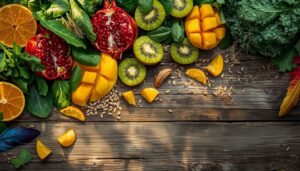
Supplements are helpful, but real food is where good nutrition starts. Your bird’s daily diet can cover most vitamin needs when you choose the right ingredients.
Here’s a look at the best natural sources to include during breeding season.
Vegetables for Vitamin a and K
Carrots, sweet potatoes, and butternut squash are excellent Vitamin A sources, directly supporting egg production and embryo development.
For Vitamin K benefits, leafy greens like kale, spinach, and broccoli strengthen blood clotting and bone health during nesting.
Proper vegetable prep — washing thoroughly and chopping small — makes these vegetable sources of vitamins safe and accessible for your birds.
Seeds and Wheat Germ for Vitamin E
Seeds are some of the best natural vitamin E sources you can offer. Sunflower kernels deliver around 35 mg of vitamin E per 100 grams, while safflower seeds follow closely behind. Both support antioxidants in bird fertility by protecting cells from oxidative damage.
Wheat germ further benefits your breeding pair — mix a small pinch into soft food to provide a steady supply of vitamin E for avian health without excessive fat intake.
Egg Yolk and Fish-based D3 Sources
Vitamin E from seeds plays a crucial role, but vitamin D3 sources deserve equal attention. Egg yolk nutrition offers a gentle, natural way to meet birds’ D3 requirements — each yolk contains roughly 41 IU.
For breeding season, pair this with fish-based D3 sources like cod liver oil or tuna. These vitamins help your birds absorb calcium and build strong shells.
Whole Grains, Yeast, and Fruit Options
Beyond egg yolks and fish oils, whole grain benefits shine through foods like brown rice, oats, and quinoa — each delivering natural vitamin sources your breeding pairs can actually use.
Key nutritional contributions include:
- Cooked brown rice adds B vitamins and vitamin E
- Rolled oats provide thiamin, folate, and B6
- Brewers yeast nutrition packs riboflavin, niacin, and biotin
- Mango and cantaloupe address vitamin A nutritional gaps
- Sprouted seeds boost avian dietary variety and digestibility
These fresh fruit options and whole foods quietly fill nutritional gaps that fertility supplements for birds can’t always cover alone.
Tips for Improving Diet Variety
Variety doesn’t happen by accident — it takes a plan. Rotate 3 to 5 staple foods through the week using Food Rotation Plans, and introduce one new item at a time.
Colorful Produce Options like red bell pepper, kale, and carrot widen your bird’s nutrient range naturally. Add Sprouted Seed Benefits, Protein Food Variety, and Foraging Feeding Methods to support true bird dietary diversity and comprehensive bird fertility care.
When to Use Supplements
Even the best diet has gaps, and breeding season is when those gaps start to matter most.
Some birds need a little extra help depending on their lifestyles, diet habits, age, or health history. Here are the situations where adding a supplement makes the most sense.
Poor or Seed-heavy Diets
A bowl full of seed might look like plenty, but seed diet limitations run deep. Most dry mixes leave serious nutrient gaps — especially vitamins A, D3, E, and calcium.
This calcium imbalance, paired with high phosphorus content, puts laying hens at real risk.
Fatty liver disease is another concern linked to fat-heavy mixes.
Vitamin supplementation in birds on poor diets isn’t optional — it’s essential.
Selective Eaters and Indoor Birds
Some birds make feeding them an exercise in patience. Selective eaters routinely reject the foods richest in what they actually need, while indoor birds miss the sunlight that drives natural Vitamin D3 synthesis. Both situations create serious avian dietary gaps fast.
Avian nutritional science points to these consistent problem areas:
- Vitamin D3 Deficiency weakens bones and produces soft-shelled eggs
- Vitamin E shortfalls reduce hatch rates and immunity
- Indoor Bird Nutrition depends entirely on what you provide
- Selective eater challenges leave vitamins A, K, and B-complex chronically low
- Natural food sources like wheat germ and leafy greens help fill gaps
Vitamin supplementation in birds with these patterns isn’t a bonus — it’s your safety net.
Heavy Egg-laying and Frequent Breeding
Every laying clutch depletes calcium, protein, and fat-soluble vitamins directly from a hen’s body. Frequent breeding leaves insufficient time to replenish these stores, allowing Vitamin Deficiency Risks to escalate unchecked.
Egg Production Stress and Avian Reproductive Strain from relentless clutch cycles amplify the need for vitamin supplementation in birds. Without intervention, deficiencies silently compound.
Breeding Season Nutrition must scale up to meet soaring egg laying support demands before shortages take root.
Recovery From Illness or Stress
Illness hits hard on small birds — their reserves burn out fast. During recovery, appetite recovery feeding with soft foods like egg food or soaked pellets delivers Water Soluble Vitamins more reliably than vitamin water alone.
Vitamin B Recovery aids energy metabolism, while Vitamin E and other antioxidants drive Antioxidant Stress Defense.
Smart Stress Support is simply good avian nutritional science.
Older Birds With Higher Nutritional Needs
Older breeding birds eat less but need more — that’s the quiet challenge of Senior Bird Care. Reduced appetite shrinks avian dietary needs coverage, creating vitamin gaps right when Breeding Season Nutrition matters most.
Vitamin E promotes reproductive health and acts as one of the most reliable fertility boosters for aves in aging pairs.
Smart nutritional supplements fill those gaps without oversupplementing, keeping bird health optimization practical and safe.
Top 5 Breeding Season Supplements
Not all supplements are created equal, and during breeding season, the right pick can make a real difference. Some are better suited for fertility support, egg quality, energy, or gut health.
Here are five options worth knowing about.
1. VITOFARMA Bird Fertility and Reproductive Health Supplement
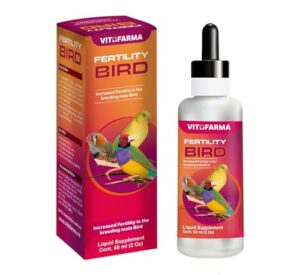
The VITOFARMA Bird Fertility and Reproductive Health Supplement is a 60ml liquid formula designed for male breeder birds. It combines L-Carnitine with essential vitamins and amino acids to support testosterone development, energy, and sperm quality. The product includes a dropper for precise dosing, eliminating guesswork during administration.
For optimal results, use this supplement when your bird is already healthy, dewormed, and vitaminized. Begin administration at seven months of age to maximize effectiveness.
This formula is suitable for finches, canaries, budgies, and most exotic breeding birds, ensuring broad applicability across avian species.
| Best For | Bird breeders who want to boost fertility and reproductive health in male finches, canaries, budgies, and exotic birds. |
|---|---|
| Form | Liquid |
| Target Species | Finches, canaries, parakeets, budgies |
| Key Vitamins | L-Carnitine, essential vitamins |
| Primary Benefit | Reproductive vitality |
| Dosing Method | Dropper |
| Variable Results | Yes |
| Additional Features |
|
- Dropper makes dosing easy and precise — no guessing involved
- L-Carnitine and vitamins work together to support energy, testosterone, and sperm quality
- Works across a wide range of breeding bird species
- Results can vary — some birds may show little to no improvement
- Packaging has been known to arrive damaged during shipping
- Focused on male reproductive health, so benefits for female birds aren’t well established
2. Vitakraft Egg Food for Birds Daily Supplement
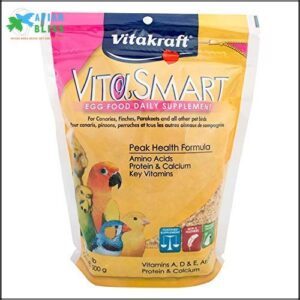
While VITOFARMA targets male fertility specifically, breeding hens and mixed pairs require broader daily nutrition support. Vitakraft VitaSmart Egg Food addresses this need with its soft, crumbly supplement.
This formula blends real eggs, honey, white millet, and soybean meal with essential vitamins A, D3, E, and calcium. It can be served alone or mixed into a bird’s regular seed diet for flexibility.
The supplement is ideal for parakeets, canaries, cockatiels, and parrots, particularly during breeding, nesting, and molting when nutritional demands increase rapidly.
| Best For | Bird owners looking to support daily nutrition for parakeets, canaries, cockatiels, and parrots — especially during breeding, nesting, and molting. |
|---|---|
| Form | Solid/Crumble |
| Target Species | Parakeets, canaries, finches, cockatiels, parrots |
| Key Vitamins | Vitamins A, D, E |
| Primary Benefit | Daily nutrition & breeding support |
| Dosing Method | Mix or serve standalone |
| Variable Results | Yes |
| Additional Features |
|
- Made with real eggs, honey, and millet, plus key vitamins A, D, and E for solid all-around nutrition
- Soft, crumbly texture makes it easy to serve on its own or mix right into a seed diet
- Works for all life stages and a wide range of bird species, so one bag covers a lot
- Pricier than a lot of comparable egg food supplements on the market
- Contains allergens like fish, peanuts, sesame, and shellfish — worth noting if you handle it yourself
- Some buyers have run into packaging issues with spills or defects arriving from shipping
3. UnRuffledRx Bird Molting and Feather Growth Supplement
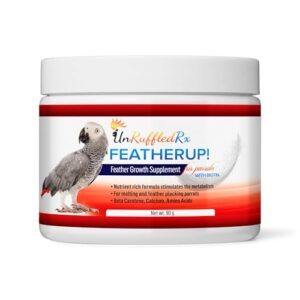
Breeding season doesn’t just tax reproduction — it taxes feathers too. That’s where UnRuffledRx FeatherUp steps in. This powder supplement is designed to support feather health during demanding periods.
It contains 25 essential nutrients, including Biotin, Omega-3, Vitamin K, and amino acids like L-Cysteine, all working synergistically to support keratin production and feather regrowth.
The formula is dye-free and sugar-free, with a natural nutty flavor that most birds accept well. Application is simple: just sprinkle it onto moist food using the included micro-scoop.
One 90-gram container provides 240 servings, offering solid value for an active breeding season.
| Best For | Bird owners whose pets are going through heavy molts or breeding season and need a reliable nutritional boost to support feather regrowth. |
|---|---|
| Form | Powder |
| Target Species | All bird species |
| Key Vitamins | Biotin, Vitamin K, B-Complex |
| Primary Benefit | Feather health & regrowth |
| Dosing Method | Micro-scoop with food |
| Variable Results | Yes |
| Additional Features |
|
- Packs 25 nutrients — including Biotin, Omega-3, and L-Cysteine — that directly target feather strength and keratin production.
- Dye-free, sugar-free, and easy to use; just sprinkle it on food with the included micro-scoop.
- 240 servings per container means one tub goes a long way, especially during a full breeding season.
- Some picky birds may reject the nutty flavor, so you might need to introduce it slowly.
- Results aren’t guaranteed — effectiveness can vary depending on the bird’s health and how severe the plucking or molting issue is.
- Consistent daily mixing is required, which can be tricky if your bird is a fussy eater.
4. VHD MyBird Breeding Vitamin Supplement for Cage Birds
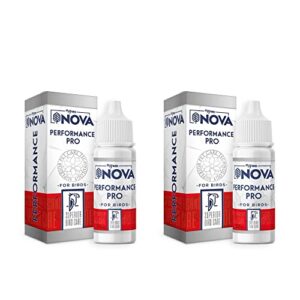
FeatherUp provides structural support, while VHD MyBird Performance E and D3 directly targets reproductive performance. This liquid supplement combines vitamins E, A, D3, B1, biotin, niacin, and Calcium D-Pantothenate — a lineup built specifically for breeding season demands.
Dosing is straightforward: 10 drops per 100 ml of water for small birds like budgerigars and canaries, and 20 drops for larger birds like parrots and pigeons. Add daily to drinking water throughout the breeding period.
| Best For | Bird owners who want to give their breeding birds — budgerigars, canaries, parrots, pigeons, and more — a targeted vitamin boost during breeding season. |
|---|---|
| Form | Liquid |
| Target Species | Budgerigars, canaries, parrots, pigeons |
| Key Vitamins | Vitamins E, A, D3, B1, Biotin |
| Primary Benefit | Reproductive hormone support |
| Dosing Method | Drops in water |
| Variable Results | Yes |
| Additional Features |
|
- Covers the key vitamins breeding birds actually need — E, A, D3, biotin, B1, and more — all in one liquid formula
- Easy to dose by species size, just drop it into their drinking water daily
- Works for a wide range of cage birds, so it’s useful if you keep a mixed flock
- The dropper can clog, which gets annoying fast and may need a manual fix
- Can’t be used alongside any Vitamin D2 products, so you’ll need to check what else you’re giving them
- Long-term results are mostly anecdotal — there’s not a lot of hard data backing up the breeding benefits yet
5. Equa Holistics Avian Probiotics for Parrots Supplement
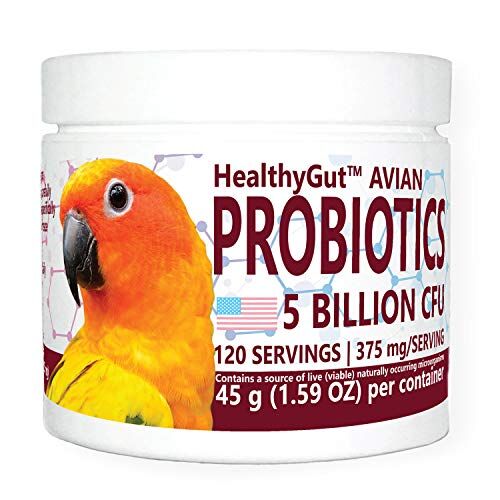
Gut health doesn’t always get the spotlight during breeding season, but it should. Equa Holistics HealthyGut Avian Probiotics delivers eight strains of freeze-dried beneficial bacteria in a simple powder format, supporting digestion, nutrient absorption, and overall vitality — all critical when birds face breeding stress.
The product is vet-recommended, non-GMO, and compatible with all pet bird species. Its daily use involves sprinkling the included scoop onto moist food, ensuring consistent gut support.
At $26.79 for 600 servings, it offers solid value for maintaining digestive health during demanding periods.
| Best For | Bird owners who want to support their parrot’s gut health year-round, especially during breeding season, illness recovery, or antibiotic treatment. |
|---|---|
| Form | Powder |
| Target Species | All bird species |
| Key Vitamins | Prebiotics, probiotic organisms |
| Primary Benefit | Digestive health |
| Dosing Method | Scoop on food |
| Variable Results | Yes |
| Additional Features |
|
- Eight probiotic strains plus prebiotics cover a lot of ground for digestive and overall health support
- 600 servings at $26.79 is genuinely good value — that little jar lasts a long time
- Human-grade, non-GMO ingredients made in the USA, so you know what you’re giving your bird
- The smell and taste can put birds off at first, so don’t be surprised if your bird gives it the side-eye initially
- The included scoop is too big for small birds like budgies, so you’ll need to measure carefully
- Results aren’t overnight — you’ll need to stick with it consistently for a few weeks to see a real difference
Deficiency Signs and Health Risks
When something’s missing from your bird’s diet, the body sends signals — you just need to know what to look for.
Deficiency signs can show up in eggs, chicks, feathers, and even behavior before things get serious.
Here are the key warning signs every breeding bird owner should recognize.
Poor Fertility and Low Hatch Rates
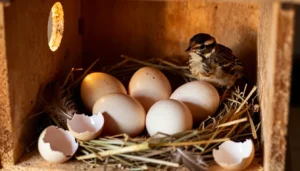
Vitamin deficiencies are one of the most overlooked reproductive health risks during breeding season. Low vitamin A disrupts the reproductive tract lining, while vitamin E deficiency directly damages sperm cells.
These deficiencies create significant avian fertility issues rapidly. Watch for:
- More infertile eggs than usual
- Low hatchability rates despite normal incubation
- Early embryo deaths before day 14
Weak Eggshells and Egg-binding Risk
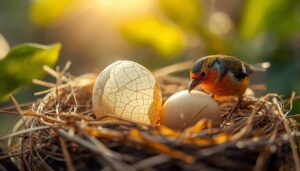
Thin, fragile shells are a red flag for calcium deficiency risks in laying birds. When calcium metabolism falters — often because vitamin D3 importance is ignored — shell formation issues follow quickly.
Poor egg shell formation makes egg binding far more likely.
Preventing egg binding starts with solid breeding nutrition tips: pair calcium with D3, watch for straining, and act fast if an egg gets stuck.
Embryo Deformities and Chick Weakness
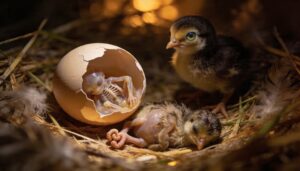
What hatches is only as healthy as what went into that egg. Poor breeder diet quality directly shapes embryo development issues before a single chick takes its first breath.
Maternal yolk reserves carry everything — including cholecalciferol, folic acid, and vitamin B12 supplement stores. When those run low, watch for:
- Eye and tissue defects from Vitamin A Deficiency
- Skeletal malformations linked to biotin and folate gaps
- Curled toes and nerve weakness from riboflavin shortfalls
- Low chick survival tied to depleted maternal yolk reserves
Embryo viability optimization starts with preventative avian care — not rescue.
Reduced Sperm Quality and Motility
Male bird infertility often manifests as infertile eggs before noticeable male issues. Vitamin E and selenium deficiencies in birds trigger oxidative stress, damaging sperm membranes and reducing motility below the 70% threshold required for reliable fertilization.
Sperm motility issues and structural defects frequently occur together, compounding breeding challenges. Oxidative stress directly impacts sperm membrane integrity, undermining fertility.
Avian dietary supplements targeting sperm quality enhancement offer an effective solution for breeding season challenges, addressing these nutritional gaps.
Feather, Appetite, and Behavior Changes
Nutritional deficiencies don’t just affect eggs — they show up on your birds’ body and behavior too. Watch for these warning signs during breeding season:
- Feather Color Changes — dull, faded plumage from low vitamin A
- Signs of Appetite Loss — skipping favorite foods or eating less
- Changes in Activity and Posture — fluffed feathers, longer perch time
- Breeding Behavior Changes — less singing, reduced courtship
- Weaker grip and lower stamina
Safe Dosing During Breeding Season
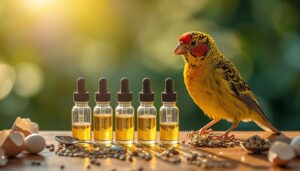
Getting the dose right matters just as much as choosing the right supplement. Too little won’t help, and too much can actually harm your birds.
Here’s what to keep in mind when supplementing safely during breeding season.
Following Label Directions and Vet Guidance
Every label tells a story — read it carefully. For breeding health, match the formula to your species, follow manufacturers’ dosage guidelines, and check whether it applies to breeding or maintenance use. An avian vet becomes essential when your bird has health history or is already on medication.
| Situation | Action |
|---|---|
| Multiple supplements | Check for overlapping doses |
| Active medications | Seek veterinary guidance first |
Supplement safety starts before the first dose.
Avoiding Vitamin Toxicity and Overuse
More isn’t always better — and with fat-soluble vitamins, it can quietly become dangerous. Vitamins A, D, E, and K store in the liver and body fat, so oversupplementing builds up over time.
Fat Soluble Dangers are real, especially when pellets, egg food, and a separate fertility product overlap daily.
Preventing Hypervitaminosis means counting every source, not just the supplement bottle.
Liquid, Powder, and Egg Food Methods
Once you’ve sorted out how much to give, the next question is how to actually deliver it. Vitamin delivery methods fall into three main categories: fresh water mixing with a liquid formula, powdered feed mixing into soft food, and egg food supplementation.
Liquid supplement dosage goes directly into the drinking water, while powder supplements and egg food work better when your breeding pair eats less during the season.
Monitoring Breeding Pairs for Response
Once your delivery method is set, watch for results. Track Daily Intake Records, Body Weight Checks, Egg and Nest Markers, Pair Behavior Signals, and Droppings and Health Flags. These five checkpoints form your bird health monitoring baseline.
A hen gaining weight before laying, a cock still singing, and firm-shelled eggs all confirm your bird breeding diet and avian nutritional diagnostics are working.
Adjusting Supplements as Breeding Progresses
Breeding cycle supplements don’t stay the same from start to finish — and they shouldn’t. Vitamin dose adjustments follow the bird’s phase: ramp up calcium and D3 before laying, reduce once incubation begins, then shift toward B-complex during chick rearing.
These nutrient timing strategies and smart supplement phase shifts prevent toxicity while ensuring the birds’ dietary transitions align with each stage’s actual demands.
Frequently Asked Questions (FAQs)
How to increase pigeon breeding?
Want to skyrocket your pigeon breeding results? Focus on ideal Loft Conditions, smart Pair Selection Factors, Breeding Diet Essentials, proper Lighting for Breeding, and the right Vitamin Supplement —
These Pigeon Breeding Tips drive real Breeding Success.
Which medicine is best for bird breeding?
The best medicine for bird breeding isn’t a drug — it’s a balanced fertility bird supplement combining avian vitamins, calcium, and amino acids.
These bird breeding supplements directly support avian reproductive health far better than any antibiotic.
Can vitamins improve clutch size in small birds?
Vitamins support egg development and fertility enhancement in Aves, but clutch size limitations depend on species biology, food supply, and environment.
Small bird nutrition matters, yet breeding season supplements alone won’t guarantee larger clutches.
Do male birds need different vitamins than females?
Outside breeding season, avian sex differences in vitamin needs are minimal.
Once breeding begins, hens require more nutrients to support egg production, while males need increased vitamin E and B-complex for sperm production.
How soon before breeding should supplementation start?
Start supplementation three to six weeks before breeding. Proper pre-breeding timing gives avian nutrition planning a solid foundation, letting fertility boosters for aves build up before the first egg arrives.
Are organic vitamin sources better than synthetic supplements?
Neither wins every time. Natural vitamin E absorbs roughly twice as well as synthetic, but for B vitamins, both sources perform comparably.
Match the source to what your bird actually needs.
Can vitamin deficiencies affect breeding behavior and bonding?
Yes, they can. Good nutrition serves as the foundation a pair bond is built on.
Vitamin deficiencies in birds quietly erode reproductive performance, alter behavior, and disrupt avian bonding before illness ever appears.
Conclusion
The quietest seasons demand the most from your birds—and that’s exactly when nutrition is easiest to overlook.
Breeding success rarely fails dramatically; it slips away in thin shells, weak chicks, and clutches that never quite deliver. Getting avian vitamins for breeding season right won’t guarantee success every time, but ignoring it guarantees problems.
Watch your birds closely, fill the nutritional gaps before they appear, and give each breeding cycle the solid foundation it deserves.
- https://veteriankey.com/avian-nutrition/
- https://vetafarm.com.au/avian-breeding-success-a-6-stage-guide/
- https://www.nekton.de/en/warum-ist-eine-ergaenzung-mit-vitamin-e-fuer-voegel-so-wichtig/
- https://pmc.ncbi.nlm.nih.gov/articles/PMC4463624/
- https://plusvet.eu/2019/11/08/role-of-calcium-and-vitamin-d3-in-eggshell-quality/