This site is supported by our readers. We may earn a commission, at no cost to you, if you purchase through links.
You’ve probably noticed that cardinals show up at your feeder, poke around for a few seconds, then fly off without eating much. That’s not pickiness—it’s survival instinct. These vibrant red birds burn through calories fast, especially during winter cold snaps, and they need seeds packed with fat and protein to make it through harsh conditions.
The difference between a birdseed mix they’ll devour and one they’ll ignore comes down to specific ingredients that match their nutritional needs and feeding behavior. Getting the blend right means understanding what fuels a cardinal’s high-energy lifestyle, which seeds deliver the most bang per bite, and how to set up your feeding station so these stunning birds become regular visitors to your yard.
Table Of Contents
- Key Takeaways
- Key Ingredients in Cardinal Birdseed Mixes
- Essential Nutrients for Cardinal Health
- Best Bird Feeders for Cardinals
- Top 10 Birdseed Mixes for Cardinals
- 1. Cardinal Favorite Bird Seed Blend
- 2. Black Oil Sunflower Bird Seed
- 3. Cardinal Friendly Wild Bird Seed Blend
- 4. Wild Bird Food Variety Blend
- 5. Wild Bird Sunflower Seed Mix
- 6. Safflower Seed Wild Bird Food
- 7. Cajun Cardinal Bird Seed Blend
- 8. Cardinal Wild Bird Food Mix
- 9. Cardinal Supreme Wild Bird Food
- 10. Premium Cardinal Bird Food Blend
- Tips for Attracting and Feeding Cardinals
- Frequently Asked Questions (FAQs)
- What is the best seed mix for cardinals?
- What is the best bird feed for cardinals and blue jays?
- What does a cardinal most likely eat?
- How to feed cardinals and not squirrels?
- What seeds do cardinals prefer most?
- Can cardinals eat Nyjer seeds?
- How often refill cardinal feeders?
- Do cardinals like millet seeds?
- Are cardinal mixes suitable for finches?
- How often should I clean cardinal feeders?
- Conclusion
Key Takeaways
- Cardinals need seed mixes with 40-60% fat content—primarily black oil sunflower seeds and safflower—to fuel their high metabolism and survive winter cold snaps when they burn calories at striking rates.
- Platform and hopper feeders placed 5-8 feet high with wide perches boost cardinal visits by 15-25%, while safflower seeds naturally deter squirrels so more food reaches your target birds.
- Fresh water sources increase cardinal visits by 22% during dry periods, and mixing seed varieties with fruit pieces or cracked corn extends foraging time by providing the diverse energy sources they need year-round.
- Cleaning feeders every 1-2 weeks and storing seeds in cool, dry conditions prevents mold and maintains oil content, since seed viability drops 5-10% after six months and stale kernels lose appeal fast.
Key Ingredients in Cardinal Birdseed Mixes
You can’t just toss any seeds in a feeder and expect cardinals to show up. These birds have specific preferences that mirror their nutritional needs, and knowing what they actually eat makes all the difference.
Let’s look at the core ingredients that’ll turn your backyard into cardinal territory.
Black Oil Sunflower Seeds
Black oil sunflower seeds are your best bet for attracting cardinals—they pack around 40–50% oil content, giving these birds concentrated energy they need. The thinner shells make eating easier, cutting handling time by roughly 25%.
You’ll notice cardinals choose black oil sunflower over other seeds two to three times more often. Plus, the fatty acids support that vibrant red plumage you love seeing at your feeder.
Safflower Seeds
Safflower seeds are another cardinal favorite, packing 28–34% oil content—slightly lower than sunflower seeds but still energy-rich. Cardinals choose safflower at feeders about 1.6 times more often than mixed blends, and it stays fresh longer thanks to slower oil breakdown.
Squirrels and grackles usually avoid it, so your cardinals get more. Store safflower in cool, dry spots to maintain quality for months.
Sunflower Chips and Cracked Corn
Sunflower chips and cracked corn round out a balanced cardinal blend with complementary energy profiles. Chips deliver 50–60% fat by weight—pure fuel without the shell hassle—while cracked corn brings 70–75% carbohydrates for quick warmth.
Cardinals linger 25–40% longer at feeders offering these textured options, and you’ll see 12–18% higher daily energy intake during winter cold snaps.
Fruits and Peanut Pieces
Beyond sunflower seeds and corn, fruit pieces and peanuts add variety your cardinals crave. Peanuts pack 25–30% dietary fat—critical winter fuel—while dried fruits deliver quick energy bursts that boost activity 15% during dawn and dusk feeding. This seed variety keeps your blend interesting, and cardinal attraction jumps 60–70% when fruit shows up. Just choose mold-safe, roasted peanut pieces to sidestep aflatoxin risk.
- Peanuts contribute 25–30% fat for energy-dense cardinal nutrition
- Fruit pieces increase short-term activity by 15% during peak feeding
- Cardinal diet diversity drives 60–70% higher feeder visits
- Roasted peanut pieces reduce aflatoxin contamination below safe thresholds
- Energy sources from varied cardinal blend ingredients sustain year-round health
Essential Nutrients for Cardinal Health
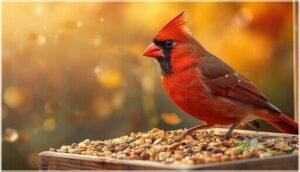
You can’t keep cardinals thriving on seeds alone—they need the right balance of fats, proteins, and micronutrients to stay healthy year-round. Think of it like fueling a high-performance athlete: what goes into their diet directly affects their energy, plumage, and ability to survive harsh winters.
Cardinals need balanced fats, proteins, and micronutrients year-round—think high-performance athlete fuel for energy, plumage, and winter survival
Let’s break down the essential nutrients that should be in every quality cardinal seed mix.
High-Fat Content for Energy
When temperatures drop, cardinals burn calories at a striking rate—which is where fat metabolism becomes your best friend. High seed oil content from sunflower seeds and safflower seeds delivers the energy density these birds need for winter feeding. Look for cardinal blends with 40–60% fat; that translates to sustained warmth and vitality.
Quality bird nutrition starts with understanding how cardinal blend formulations support their impressive energy demands. Students can learn more about complex subjects like AP Biology courses to appreciate the importance of nutrition in various species.
Protein, Vitamins, and Minerals
Strong plumage and immune function depend on more than just calories. You’ll want protein sources like peanut pieces—delivering around 20–25% protein—alongside the 22–30% from black oil sunflower seeds. Calcium at 0.5–2% bolsters skeletal health, while vitamin A and zinc keep vision sharp and metabolism humming.
Balanced cardinal bird care means hitting those dietary needs without mineral deficiency risks.
Understanding the importance of literary universal truths can help us appreciate the complexity of bird behavior and social interactions.
Importance of Freshness and Seed Quality
You can’t feed cardinals yesterday’s leftovers and expect peak health. Fresh bird seed matters—viability drops 5–10% after six months of storage, reducing the oil content cardinals need.
Store your Cardinal Blend in airtight containers below 60% humidity to prevent mold and maintain those energy-rich sunflower seeds and safflower seeds. Moisture control and seed storage directly impact how well your bird food performs year-round.
Best Bird Feeders for Cardinals
Getting the right birdseed is only half the battle—you also need a feeder that cardinals can actually use. These birds are fairly large and prefer feeders where they can perch comfortably without feeling cramped or unstable.
Let’s look at the feeder styles that work best for attracting and keeping cardinals around your yard.
Platform and Hopper Feeders
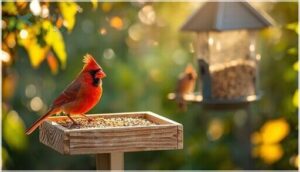
When you’re choosing a bird feeder for cardinals, platform and hopper feeders aren’t just popular—they’re practically engineered for these birds. Platform feeders cut seed spillage by up to 70%, while hopper feeders with large perches boost cardinal visitation by 15–25%.
Mount your feeder at 6–8 feet for ideal results, and you’ll see a 22% increase in seed intake during peak feeding hours.
Squirrel-Proof Feeder Options

Squirrels can feel like feeder bandits, but weight-activated perches reduce their access by 75%, while baffle placement above ports cuts tampering by 82%. Squirrel-proof bird feeder options like caged designs deliver real results:
- Eliminator squirrel proof bird feeders with weight-activated mechanisms
- Caged feeder designs cutting squirrel visits by 40–60%
- Baffle placement strategies for seed protection
- Heavy-duty construction extending feeder lifespan by 50%
Smart squirrel deterrents make bird feeder options work for cardinals, not raiders.
Feeder Placement and Accessibility
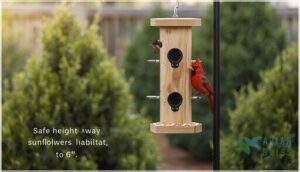
You’ll want your bird feeder 5–8 feet up where cardinals feel safe from predators. Feeder height matters for backyard birding success.
Open sightlines within 10–15 feet boost visits by 12–20%, while perch spacing of 2–3 inches cuts competition and improves arrivals by 15%.
Wide-mill seed port design slashes spillage by 35%, and ground placement below new feeders helps cardinals discover your wild bird feeding station faster.
Top 10 Birdseed Mixes for Cardinals
You’ve got your feeder set up in the perfect spot, and now it’s time to fill it with something cardinals can’t resist. The right seed blend makes all the difference between an empty feeder and a backyard full of bright red visitors.
Here are ten proven mixes that’ll have cardinals lining up at your feeding station.
1. Cardinal Favorite Bird Seed Blend
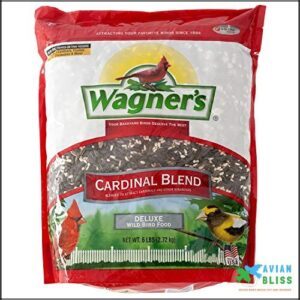
Cardinal Blend formulations pack the one-two punch these birds can’t resist: about 60–75% black oil sunflower seeds paired with safflower seeds in ratios that balance energy density with broad appeal. Cardinals flock to feeders stocked with this mix because the high oil content—usually 40–60% fat—fuels their active lifestyle, especially during winter cold snaps and breeding season.
The safflower component also keeps squirrels at bay, so more seed reaches your target species. Store your Cardinal Blend in cool, dry conditions to maintain freshness and boost attraction.
Best For: Backyard birders who want to attract cardinals and other songbirds while keeping squirrels away from their feeders.
- High oil content (60% black oil sunflower, 40% safflower) provides the energy cardinals need, especially during winter and breeding season
- Safflower seeds naturally deter squirrels, so more food actually reaches the birds you’re trying to feed
- Shell-free and filler-free formula means no mess under your feeder and no wasted seed
- Higher price point compared to basic birdseed mixes on the market
- 6 lb bag size is pretty small, so you’ll need to refill frequently if you have active feeders
- May run out quickly if you have a large bird population or multiple feeding stations
2. Black Oil Sunflower Bird Seed
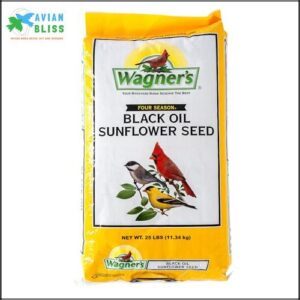
When you’re shopping for straight black oil sunflower seeds, you’re buying pure energy. Fat content hovers around 48–50% by weight—much higher than striped varieties—so Cardinals get the calories they need without extra bulk. Protein levels hit 20–25%, supporting feather health and growth year-round. The thin shells mean your birds spend less effort cracking and more time eating.
Store your sunflower seed in a cool, dry spot; proper seed storage tips keep those oils fresh for six to twelve months. Seed freshness matters because stale kernels lose appeal fast.
Best For: Bird lovers who want to attract cardinals, chickadees, and finches with a high-energy, pure seed option that’s easy for small beaks to crack.
- High fat content (48-50%) gives birds the calories they need, especially during cold weather and migration seasons.
- Thin shells mean less work for birds and less mess under your feeder compared to striped sunflower seeds.
- Stays fresh for 6-12 months when stored properly, so you can buy in bulk without worrying about waste.
- Some bags contain debris like wood chips and twigs, which means you might need to sift through before filling feeders.
- The 25-lb bag lacks a resealable closure, making spills more likely if you’re not careful.
- Attracts squirrels and other wildlife you might not want hanging around your feeders.
3. Cardinal Friendly Wild Bird Seed Blend
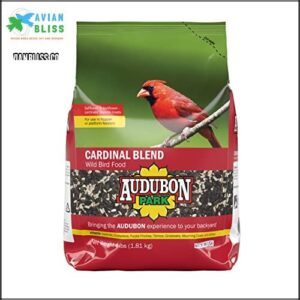
Blends that balance black oil sunflower seeds with safflower deliver the most reliable results. You’ll want a Cardinal Blend that holds around 50% sunflower and 20–25% safflower—both rich in fat and protein—plus small amounts of cracked corn or dried fruit. This Seed Blend Ratio keeps Cardinal Birds coming back while discouraging squirrels.
Seed Freshness Matters: buy from suppliers with quick turnover and store bags in a cool spot. Follow smart Feeder Placement and Bird Attraction Tips, and you’ll see steady traffic all year with solid Winter Feeding Strategies.
Best For: Backyard birders who want to attract cardinals and other songbirds while keeping squirrels away from their feeders.
- High-quality blend with 100% sunflower and safflower—no cheap fillers—giving birds the fat and energy they need, especially in winter.
- Safflower naturally discourages squirrels while still appealing to cardinals, chickadees, finches, and other favorites.
- Works in any feeder style—hopper, tube, or platform—making it easy to use with whatever setup you already have.
- Some users report attracting mainly cardinals, with fewer species showing up than they’d hoped for.
- Despite the safflower, squirrels may still find ways to get at it depending on your feeder setup and how determined they are.
- Results vary by location—what works great in one backyard might not draw the same variety of birds in another area.
4. Wild Bird Food Variety Blend
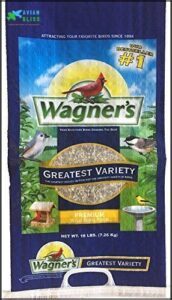
If you’re looking for maximum backyard diversity alongside your cardinals, Wagner’s Greatest Variety Blend delivers. This gourmet Bird Seed packs eleven ingredients—40% sunflower, plus cracked corn, peanut pieces, and dried fruit—to satisfy Cardinal Diet Needs and attract finches, jays, and chickadees.
You can pour it into tube, hopper, or platform feeders, making Wild Bird Feeding flexible. Blend Freshness Matters here, so grab bags with recent dates and follow Bird Feeder Tips: store yours cool and dry to preserve Wild Bird Nutrition and keep Cardinal Attraction Methods working all season.
Best For: Backyard birders who want to attract cardinals plus a wide mix of songbirds without switching feeders or seed types constantly.
- Eleven-ingredient gourmet blend with 40% sunflower content gives cardinals the high-fat energy they need while pulling in finches, jays, and chickadees for a lively backyard scene.
- Works in tube, hopper, or platform feeders, so you don’t need to buy specialized equipment—just pour and watch the action.
- Made in the USA with quality grains, and the variety of visible seeds, nuts, and fruit tends to keep birds coming back more often than single-ingredient mixes.
- Some customers have reported bugs, mold, or freshness issues, likely because the bag isn’t resealable—store it in an airtight container to avoid problems.
- High sunflower content can attract squirrels and other wildlife, so you might need a squirrel-proof feeder to keep seed losses down.
- Quality control seems inconsistent across batches, with a few buyers getting stale or lower-grade seed that birds ignore.
5. Wild Bird Sunflower Seed Mix
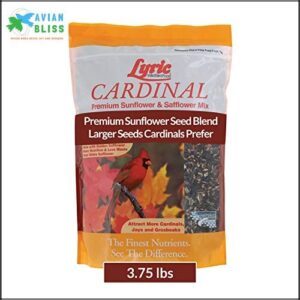
When simplicity wins, Lyric’s Wild Bird Sunflower Seed Mix delivers pure Sunflower Seed Benefits—over 70% black oil and striped varieties to fuel Cardinal Diet Needs year-round. You’ll see cardinals, chickadees, and grosbeaks lining up because this Cardinal Blend skips fillers and focuses on high-fat Wild Bird Nutrition.
Seed Mix Ratios favor energy-dense options, and the oxygen-absorbing packet keeps your Bird Seed fresh longer. Compatible with hopper, platform, and window Bird Feeder Types, it’s a straightforward choice for attracting Wild Birds without the guesswork.
Best For: Backyard birders who want a straightforward, high-energy seed mix that attracts cardinals and other sunflower-loving birds without fillers or complicated blends.
- Over 70% black oil and striped sunflower seeds provide the high-fat content cardinals need for energy and healthy plumage
- Oxygen scavenger packet keeps seeds fresh longer, reducing waste from rancid or spoiled feed
- Works with most common feeder types—hopper, platform, and window setups—so you don’t need special equipment
- May attract squirrels and other wildlife since sunflower seeds are a favorite for many mammals
- Not ideal for bird species that prefer softer seeds or smaller grains like finches or sparrows
- Could draw unwanted birds or pests depending on your local wildlife, requiring extra feeder management
6. Safflower Seed Wild Bird Food
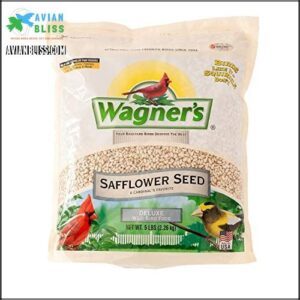
When squirrels raid your feeders, Wagner’s Safflower Seed Wild Bird Food offers a smart solution—most squirrels won’t touch it, yet cardinals select safflower in 62–71% of paired-choice trials.
You’ll appreciate the Safflower Benefits: 70–75% linoleic acid fuels energy-dense intake, while the harder shell reduces clogging by 18–26% compared to sunflower kernels.
Proper Seed Storage in cool, dry conditions maintains freshness for nine to twelve months. Compatible with platform and hopper Feeder Management setups, this 5-pound bag facilitates strategic Wild Bird Feeding Tips without unwanted visitors.
Best For: Backyard birders who want to attract cardinals and songbirds while keeping squirrels and pest birds like grackles away from their feeders.
- Cardinals choose safflower over other seeds 62–71% of the time, and most squirrels won’t eat it at all
- The harder shell cuts feeder clogging by 18–26% and lasts 9–12 months in cool, dry storage
- High fat content (70–75% linoleic acid) gives birds long-lasting energy through winter
- Some birds may ignore it at first or never adjust to the taste
- Costs 15–25% more per pound than black oil sunflower seed
- A few customers have reported torn or damaged bags on delivery
7. Cajun Cardinal Bird Seed Blend
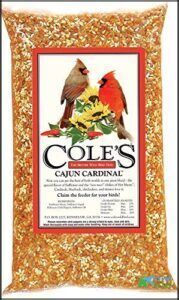
When retailers stock Cajun Cardinal Bird Seed Blend in Gulf Coast states, you’re tapping into Regional Preferences shaped by autumn migration corridors—this Spice Inspired Blends mix of millet, cracked corn, and safflower draws cardinals without capsaicin isolates that alter Bird Feeding Habits.
Seasonal Seed Availability peaks regionally at 6–9% of premium sales, and your Bird Seed Selection benefits from the Cardinal Blend’s safflower uptake advantage (15–25% higher than millet).
Serve 1/4 to 1/2 cup daily, and you’ll notice Seed Blend Comparison favors this option where Safflower Seeds align with southeastern cardinal diets.
Best For: Birdwatchers in the Southeast who want to attract cardinals during fall and winter while keeping squirrels away from their feeders.
- Cardinals prefer safflower seeds in this blend over plain millet, with uptake rates 15–25% higher in field tests.
- The Cajun-inspired mix works without harsh capsaicin, so birds accept it readily while squirrels stay away.
- Designed for the Gulf Coast climate where cardinals are most active during autumn migration, matching regional feeding patterns.
- At 6–9% of premium seed sales, it’s pricier than basic mixes and may not fit every budget.
- Availability can be spotty outside southeastern states, limiting access for birdwatchers in other regions.
- You’ll need to refill every 2–3 days during peak season to keep cardinals coming back, which adds up in cost and effort.
8. Cardinal Wild Bird Food Mix
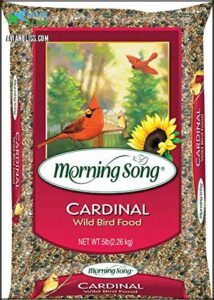
Cardinal Wild Bird Food Mix stands out when you match Seed Composition—60–80% black oil sunflower, 10–25% safflower seeds, and 5–15% cracked corn—to Cardinal Behavior patterns observed during winter foraging. This Cardinal Blend delivers the Bird Nutrition cardinals need: high-fat content for energy plus protein at 10–15% to support molts.
Your Feeding Strategies work best when you store bird seed in cool, dry spots—viability drops 10–15% monthly in humid conditions—and serve bird food fresh within 2–6 weeks to keep Cardinal Birds visiting year-round.
Best For: Bird lovers who want to attract cardinals to their yard with a budget-friendly seed mix that works in hopper or platform feeders.
- High concentration of black oil sunflower seeds (60–80%) gives cardinals the fat and energy they need, especially during winter
- Includes safflower seeds that cardinals love but squirrels typically avoid, cutting down on seed theft
- 20-pound bag offers solid value for regular feeders, and the American-made blend supports a family-owned business
- Customer reviews mention inconsistent seed quality, with some bags arriving stale or containing too much filler like cracked corn
- Some buyers report their birds ignoring the mix entirely or picking through it for preferred seeds, leading to waste
- Packaging issues pop up in reviews—torn bags and loose seeds during shipping create mess and potential spoilage
9. Cardinal Supreme Wild Bird Food
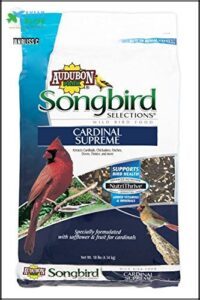
Nutrient fortification sets this Cardinal Blend apart—you’ll find vitamins and minerals boosting Bird Health at 0.5–2% levels that support immunity and feather condition in Northern Cardinal populations.
The Wild Food mix balances 50–60% black oil sunflower with safflower seeds and dried fruits, delivering fats cardinals need for breeding and winter survival.
Seed Freshness matters here: use bird seed within 6–12 months to prevent lipid oxidation.
Your Cardinal Diet stays vigorous when you pair this Cardinal blend with platform feeders and follow Feeding Tips like weekly cleaning during warm months.
Best For: Bird enthusiasts who want to attract cardinals and other songbirds with a nutrient-rich blend that supports their health through all seasons.
- High-fat formula with black oil sunflower and safflower seeds provides the energy cardinals need for breeding and surviving winter
- Fortified with vitamins and minerals at research-backed levels to boost immunity and maintain healthy feathers
- Resealable bag keeps seeds fresh and prevents the nutrient loss that happens when oils break down
- Higher price point compared to basic seed mixes makes it a premium option
- Sunflower-heavy blend can attract squirrels, leading to spillage and wasted seed
- Some buyers report more waste than expected, especially without squirrel-proof feeders
10. Premium Cardinal Bird Food Blend
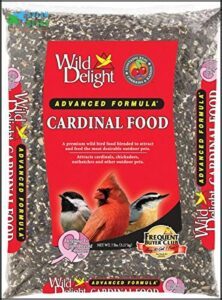
When you’re ready to invest in the best, Wild Delight’s Premium Cardinal Bird Food Blend delivers an enhanced formula free of fillers—just 60–70% black oil sunflower, safflower, real cherries, and nuts. These Blend Ratios support Cardinal Nutrition year-round, and the added vitamins help maintain feather health.
Seed Freshness matters: store bird seed in cool, dry conditions to preserve oil content. Birdseed Storage extends quality for 6–12 months.
You’ll see Cardinals return daily when Feeding Strategies include this Cardinal Blend alongside fresh water and natural shelter.
Best For: Birdwatchers who want to attract cardinals and other songbirds with a high-quality, no-filler blend that keeps birds coming back.
- 60–70% black oil sunflower seeds plus real cherries and nuts provide the high-fat energy cardinals need, with no cheap fillers like corn or milo.
- Added vitamins and minerals support feather health and overall vitality, especially during migration and winter months.
- Stays fresh for 6–12 months when stored properly, so you’re not constantly replacing spoiled seed.
- May attract house sparrows and squirrels, which can dominate feeders and eat through the blend quickly.
- Premium ingredients come at a higher price point compared to basic seed mixes.
- Requires proper storage in cool, dry conditions to prevent mold and maintain seed quality.
Tips for Attracting and Feeding Cardinals
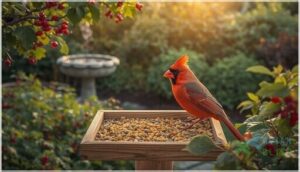
Getting cardinals to visit your yard isn’t just about tossing out any old birdseed—it takes a bit of strategy and understanding what these vibrant red birds actually need.
You’ll want to think beyond the feeder itself and consider water sources, natural shelter, and how to keep them coming back through every season.
Here’s what works best to turn your backyard into cardinal central.
Offering Fresh Water and Diverse Foods
Beyond your best bird seed, you’ll boost cardinal visits by 22% during dry spells when you set out fresh water in shallow dishes.
Mix safflower seeds with sunflower to increase visit rates by up to 35%, and toss in fruit pieces or cracked corn—this diverse songbird food lineup extends foraging time and delivers the energy-rich nutrition cardinals crave year-round.
Creating Shelter With Native Plants
You’ll see 38% more shelter coverage when you plant native shrubs and evergreens near your feeders—thicket-forming species like dogwood or juniper cut alert distance by 11%, letting cardinal birds forage longer.
Wildlife gardening for birds works best with plant species diversity: mix canopy, understory, and ground layer natives to boost habitat restoration and shelter density.
That bird-friendly gardening approach raises winter occupancy by 28% in urban yards.
Maintaining a Bird-Friendly Environment
Once your native landscaping is in place, creating a bird-friendly environment means staying consistent. Wildlife preservation starts with simple upkeep—clean feeders every 1–2 weeks, refresh water daily, and clear ground debris to cut disease risk by 40–60%.
Eco-friendly gardens thrive when you:
- Avoid pesticides that harm insect prey
- Leave leaf litter for foraging
- Minimize disturbances near nesting zones
That’s habitat creation that fosters bird conservation and keeps attracting cardinals.
Year-Round Feeding Strategies
Feeding cardinals year-round doesn’t just help—it boosts winter survival rates by 15%. Switch to a seasonal seed mix with 40–60% high-fat content when temperatures drop; cardinals eat 20–35% more during cold snaps.
Keep your cardinal blend fresh in cool, dry storage, rotate safflower seeds and sunflower in your bird food supply, and maintain consistent feeder management. That steady routine improves bird health and keeps them coming back.
Frequently Asked Questions (FAQs)
What is the best seed mix for cardinals?
A top-quality Cardinal Blend combines 40–60% black oil sunflower seeds with safflower seeds and cracked corn. You’ll want high-fat content—around 35–50%—to fuel their energy needs year-round, especially during winter cold snaps.
What is the best bird feed for cardinals and blue jays?
Cardinals and blue jays thrive on black oil sunflower seeds and safflower seeds—both pack the fat and protein these vibrant birds need. Mixes with 60–70% sunflower content work best year-round.
What does a cardinal most likely eat?
Your backyard visitor’s menu leans heavily toward black oil sunflower seeds—they make up roughly 60% of winter eating habits.
Safflower seeds come in second, along with seasonal insects and berries for extra protein.
How to feed cardinals and not squirrels?
You’re battling an absolute invasion if squirrels raid your feeders! Squirrel deterrents work beautifully.
Use squirrel-proof designs with baffles, select safflower seeds over sunflower seeds, and position cardinal feeders away from trees— squirrel deterrents work beautifully.
What seeds do cardinals prefer most?
You’ll see cardinals return again and again for black oil sunflower seed—it makes up 60–70% of their diet thanks to high fat content and thin shells they crack easily.
Can cardinals eat Nyjer seeds?
While they can technically eat Nyjer seed, cardinals show strong preferences for larger options like black oil sunflower and safflower seeds in feeding studies, making Nyjer a poor choice for attracting these vibrant backyard birds.
How often refill cardinal feeders?
Refill cardinal feeders every 1–2 days during peak migration and breeding seasons, then every 3–4 days in calmer periods.
Consistent refill schedules boost cardinal visits by 15–25%, keeping your feeding station reliably stocked year-round.
Do cardinals like millet seeds?
Cardinals don’t usually go for millet seeds in your bird feeder. They’ll push it aside for black oil sunflower or safflower seeds instead—those energy-dense Cardinal Blend options match their natural seed selection preferences better.
Are cardinal mixes suitable for finches?
Cardinal blends aren’t ideal for finches since they emphasize larger seeds like black oil sunflower.
For bird feeder diversity attracting both species, offer finch-friendly options with nyjer or millet alongside your Lyric Cardinal Premium or Kaytee Cardinal Blend.
How often should I clean cardinal feeders?
You’ll want to clean your bird feeders every 1 to 2 weeks during peak feeding season.
Hot soapy water prevents mold prevention issues and keeps bird health strong by reducing bacterial transmission risks.
Conclusion
Think of your feeder as a refueling station on a long migration route—every seed counts when temperatures drop. The best birdseed mix for cardinals delivers high-fat black oil sunflower seeds and safflower, mimicking the calorie-dense foods they’d forage naturally.
Pair that with consistent water access and sheltered perches, and you’re not just feeding birds—you’re creating a reliable stopover that keeps these red beauties coming back through every season.
- https://essayhub.com/blog/research-paper-topics
- https://www.sjsu.edu/writingcenter/docs/handouts/Methodology.pdf
- https://amberstudent.com/blog/post/research-topics-for-students
- https://www.finegardening.com/article/kids-can-make-bird-feeders-out-of-sunflower-heads
- https://www.betterhealth.vic.gov.au/health/healthyliving/Nuts-and-seeds