This site is supported by our readers. We may earn a commission, at no cost to you, if you purchase through links.

Cardinals don’t show up at every feeder. They’re picky, and most generic wild bird mixes give them little reason to stay. Milo, millet, oats—cardinals largely ignore these fillers and move on.
What actually pulls them in is a mix built around black oil sunflower seeds and safflower, two seeds that match their strong, cone-shaped bills and high-fat nutritional needs.
Get the seed right, and a male cardinal becomes a regular. Get it wrong, and you’re feeding squirrels. The mixes reviewed here cut through the noise so you know exactly what’s worth your money.
Table Of Contents
- Key Takeaways
- Top 10 Birdseed Mixes for Cardinals
- 1. Wagners Cardinal Bird Seed Blend
- 2. Wagner Black Oil Sunflower Bird Seed
- 3. Audubon Park Cardinal Wild Bird Seed
- 4. Wagners Greatest Variety Bird Seed
- 5. Lyric Wild Bird Sunflower Seed Mix
- 6. Wagners Safflower Bird Seed
- 7. Cajun Cardinal Bird Seed Blend
- 8. Morning Song Cardinal Bird Seed
- 9. Audubon Park Cardinal Supreme Wild Birdseed
- 10. Wild Delight Cardinal Bird Food
- Best Seeds for Cardinal Nutrition
- Choosing a Cardinal Seed Mix
- Homemade Cardinal Seed Mix Recipe
- Best Feeders for Cardinal Seed
- Attracting Cardinals Year-Round
- Frequently Asked Questions (FAQs)
- What is the best seed mix for cardinals?
- What is the best bird feed for cardinals and blue jays?
- What does a cardinal most likely eat?
- How to feed cardinals and not squirrels?
- What seeds do cardinals prefer most?
- Can cardinals eat Nyjer seeds?
- How often refill cardinal feeders?
- Do cardinals like millet seeds?
- Are cardinal mixes suitable for finches?
- How often should I clean cardinal feeders?
- Conclusion
Key Takeaways
- Cardinals zero in on black oil sunflower seeds and safflower — skip any mix loaded with Milo, millet, or cracked corn, because those fillers just feed squirrels and waste your money.
- A 60/40 sunflower-to-safflower ratio is the sweet spot for most cardinal blends, delivering the high-fat energy cardinals need without rolling out the welcome mat for pest birds.
- Your feeder setup matters just as much as your seed — platform and hopper feeders with wide, flat perches match how cardinals naturally eat, so they’ll stick around longer.
- Cardinals are creatures of habit, and small seasonal tweaks like adding shelled peanuts in Spring or doubling down on calorie-dense seeds in Winter keep them coming back all year long.
Top 10 Birdseed Mixes for Cardinals
Not all birdseed mixes are created equal, especially when you’re trying to attract cardinals specifically. The right blend makes a real difference in how often those vibrant red birds show up at your feeder.
If you want to go deeper, how to attract cardinals to feeders covers everything from seed selection to feeder placement that keeps them coming back.
Here are ten mixes worth knowing about.
1. Wagners Cardinal Bird Seed Blend
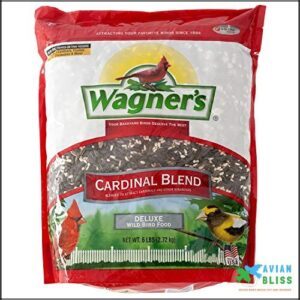
Wagner’s Cardinal Blend is a simple, reliable option for bird enthusiasts. This 60/40 mix combines black oil sunflower seeds and safflower seeds, creating an ideal formula for cardinals.
The black oil sunflower seeds provide essential high-fat energy, while the safflower component naturally discourages squirrels and starlings. This blend addresses both nutritional needs and pest concerns effectively.
Priced at $13.48 for a 6-lb bag, it offers affordability without compromising quality. The resealable Velcro closure ensures freshness between refills—a detail often overlooked but crucial for maintaining seed quality.
| Best For | Bird watchers who want to attract cardinals and other songbirds without constantly fighting off squirrels. |
|---|---|
| Primary Seed | Black Oil Sunflower & Safflower |
| Weight | 6 lb |
| Price | $13.48 |
| Cardinal Attraction | Yes |
| Squirrel Deterrence | Partial (safflower) |
| Made in USA | Yes |
| Additional Features |
|
- The 60/40 sunflower-safflower mix is high in energy and draws in a nice variety of backyard birds
- Safflower naturally keeps most squirrels and starlings away, so more seed goes to the birds you actually want
- No filler seeds or shells means less mess on the ground and feeders stay cleaner longer
- At $13.48 for 6 lbs, it runs pricier than a lot of generic mixes on the shelf
- Popular feeders can burn through it fast — sometimes multiple refills a day
- The Velcro closure is handy but tends to wear out over time with regular use
2. Wagner Black Oil Sunflower Bird Seed
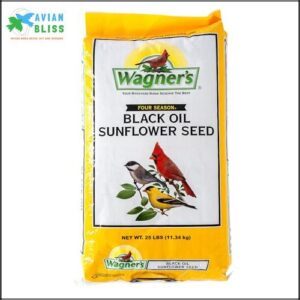
If you want to keep things simple, this 25 lb bag of pure black oil sunflower seed is hard to beat. It’s a single-ingredient option — no fillers, no guesswork. The thin shells make it easy for smaller beaks to crack open.
Cardinals love it, but so do chickadees, finches, nuthatches, and woodpeckers.
At $41.98, you’re paying a fair price for a bag that can last about six weeks with daily refills.
Just transfer it to an airtight container after opening — the bag doesn’t reseal.
| Best For | Backyard bird lovers who want to attract a wide variety of birds — especially smaller species like chickadees, finches, and nuthatches — without dealing with mixed-seed waste. |
|---|---|
| Primary Seed | Black Oil Sunflower |
| Weight | 25 lb |
| Price | $41.98 |
| Cardinal Attraction | Yes |
| Squirrel Deterrence | None |
| Made in USA | Yes |
| Additional Features |
|
- Pure black oil sunflower seed means no fillers, so you’re not paying for stuff birds toss aside
- Thin shells make it easy for small-beaked birds to crack open, so more birds can actually enjoy it
- One bag can last about six weeks with daily fills — solid value for consistent feeders
- The bag doesn’t reseal, so you’ll want an airtight container on hand to keep moisture out
- Some batches have included wood chips and debris that can clog feeders
- Squirrels will go after any seeds that hit the ground, so placement matters
3. Audubon Park Cardinal Wild Bird Seed
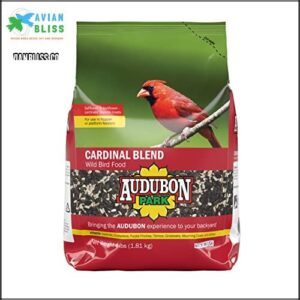
Audubon Park Cardinal Wild Bird Seed keeps it simple with just black oil sunflower and safflower seeds, nothing extra. This straightforward approach works effectively.
Cardinals start showing up fast, with some reviewers noticing visits within a single day.
The 4 lb bag runs about $7.99, which is reasonable for a filler-free blend. It fits hopper, tube, and platform feeders without issue.
A solid, no-fuss option that does exactly what it promises.
| Best For | Backyard birders who want to attract cardinals and other songbirds without dealing with squirrels or filler seeds. |
|---|---|
| Primary Seed | Black Oil Sunflower & Safflower |
| Weight | 4 lb |
| Price | $7.99 |
| Cardinal Attraction | Yes |
| Squirrel Deterrence | Partial (safflower) |
| Made in USA | Yes |
| Additional Features |
|
- Just two quality ingredients — no cheap filler seeds taking up space
- Safflower naturally deters squirrels, so the feed actually lasts
- Birds (especially cardinals) find it fast — sometimes within a day
- Pricier per pound than most generic seed mixes
- May need to supplement for birds with higher protein needs
- Results can vary depending on what birds are common in your area
4. Wagners Greatest Variety Bird Seed
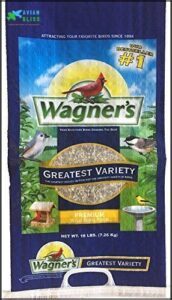
Wagner’s Greatest Variety Bird Seed is worth a look if you’re the type who loves watching a whole crowd show up at your feeder. This 16 lb blend packs 11 ingredients—black oil sunflower, striped sunflower, sunflower chips, safflower, peanut pieces, millet, cracked corn, and more.
It ensures cardinals get what they need, while chickadees, finches, and woodpeckers tag along too.
One heads-up: the bag isn’t resealable, so transfer it to an airtight container right away.
| Best For | Backyard bird enthusiasts who want to attract a wide variety of songbirds and ground feeders all at once. |
|---|---|
| Primary Seed | Black Oil Sunflower & Mixed |
| Weight | 16 lb |
| Price | Not listed |
| Cardinal Attraction | Yes |
| Squirrel Deterrence | Low (nuts attract) |
| Made in USA | Yes |
| Additional Features |
|
- 11-ingredient blend draws in a huge range of birds—cardinals, finches, chickadees, woodpeckers, and more
- Works with tube, hopper, and platform feeders, so no special setup required
- Made in the USA with quality grains and a solid mix of seeds, nuts, and raisins
- Bag isn’t resealable, so you’ll need to move it to an airtight container right after opening
- Peanuts in the mix can attract squirrels and may be a concern for anyone with nut allergies
- Pricier than basic bulk seed, and some buyers have reported occasional clumping or mold issues
5. Lyric Wild Bird Sunflower Seed Mix
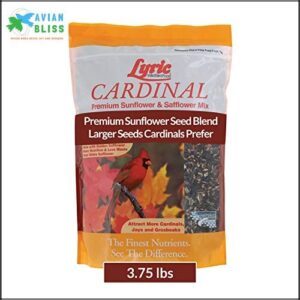
Lyric’s Wild Bird Sunflower Seed Mix punches above its weight for a 3.75 lb bag priced at $13.99. Over 70% of the blend is sunflower-based — black oil and striped varieties — ensuring cardinals get plenty of the high-fat seeds they actually want.
Safflower and buckwheat round things out nicely, while the oxygen-scavenger packet inside is a smart touch that keeps seeds fresh longer.
Just store leftovers in an airtight container, and your cardinals will keep coming back.
| Best For | Backyard birders and birdwatching enthusiasts who want to attract a wide variety of colorful songbirds year-round without the hassle of mixing seeds themselves. |
|---|---|
| Primary Seed | Black Oil Sunflower & Safflower |
| Weight | 3.75 lb |
| Price | $13.99 |
| Cardinal Attraction | Yes |
| Squirrel Deterrence | Partial (safflower) |
| Made in USA | Not specified |
| Additional Features |
|
- Over 70% sunflower-based blend means cardinals, chickadees, and grosbeaks actually show up — not just house sparrows.
- Works with pretty much any feeder you already own — hopper, tray, mesh, or window-mounted.
- The oxygen-scavenger packet is a nice touch that keeps seeds fresh right out of the bag.
- Squirrels love it just as much as the birds do, so you may need to invest in a squirrel-proof feeder.
- At 3.75 lb, it’s a smaller bag — casual or occasional feeders might go through it faster than expected.
- Contains peanuts, which is worth knowing if you’re handling the seed and have allergies.
6. Wagners Safflower Bird Seed
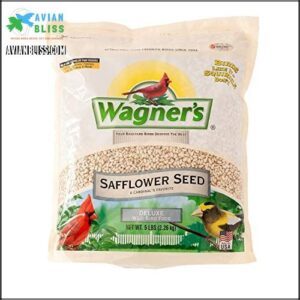
Wagner’s Safflower Bird Seed (model 5775) is a smart single-ingredient option worth keeping in your rotation. At $11.98 for a large resealable bag, it’s straightforward — pure safflower, nothing else.
Pair it with a de-icer to keep your bird bath ice-free all winter, and you’ve got a simple setup that keeps birds coming back even on the coldest days.
Cardinals love the mild, nutty flavor, and most squirrels don’t. The bitter hull naturally discourages grackles and starlings, ensuring your redbirds enjoy a quieter feeder.
Store the bag sealed and away from moisture, as safflower’s high oil content can go rancid if not properly maintained.
| Best For | Backyard bird enthusiasts who want to attract cardinals and songbirds while naturally keeping squirrels and feeder hogs at bay. |
|---|---|
| Primary Seed | Safflower |
| Weight | Large bag |
| Price | $11.98 |
| Cardinal Attraction | Yes |
| Squirrel Deterrence | Partial (safflower) |
| Made in USA | Yes |
| Additional Features |
|
- Cardinals, chickadees, and titmice love the mild, nutty flavor — you’ll see more of the birds you actually want
- The resealable bag keeps seed fresh for months, so you’re not throwing money away on stale seed
- No mechanical squirrel deterrents needed — safflower’s bitter hull does the work for you
- Pricier than sunflower seed, so some folks mix it with cheaper options to stretch the bag
- Not a guaranteed squirrel stopper — some persistent ones will eat it anyway
- High oil content can go rancid within a year or two if stored poorly, so keep it sealed and cool
7. Cajun Cardinal Bird Seed Blend
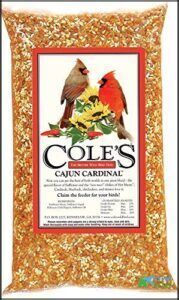
Cole’s Cajun Cardinal Blend is a standout pick if squirrels are driving you crazy. It combines sunflower meats and safflower with food-grade liquid habanero peppers — birds can’t taste the heat, but squirrels sure can.
The safflower oil coating keeps seeds fresh longer in the feeder. At $22.98 for just under 5 lbs, it’s pricier than basic blends, but cardinals, chickadees, and nuthatches all show up consistently.
The blend works well in tube, mesh, and bowl feeders, offering versatility for different setups.
| Best For | Bird lovers who are fed up with squirrels raiding the feeder and want a natural, chemical-free way to take back their yard. |
|---|---|
| Primary Seed | Sunflower Meats & Safflower |
| Weight | 4.98 lb |
| Price | $22.98 |
| Cardinal Attraction | Yes |
| Squirrel Deterrence | High (habanero chili) |
| Made in USA | Not specified |
| Additional Features |
|
- The habanero coating actually deters squirrels without harming birds — they simply can’t feel the heat
- Hulled seeds mean less mess on the ground and no random weeds sprouting underneath your feeder
- Works with tube, mesh, and bowl feeders, so you don’t need to swap out your setup
- Squirrel deterrence isn’t guaranteed — some stubborn ones just power through the spice
- At $22.98 for under 5 lbs, it’s a noticeable step up in price from standard blends
- Recent batches may have a weaker formula, and you’ll want to wash your hands after filling the feeder
8. Morning Song Cardinal Bird Seed
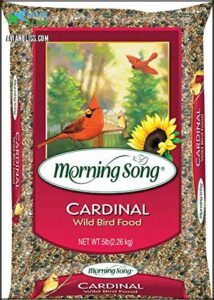
Morning Song Cardinal Bird Seed keeps things straightforward — and that’s honestly its biggest selling point. The 20-lb bag combines black oil sunflower, white millet, safflower, and cracked corn, covering the core nutritional bases cardinals need year-round.
It works with both hopper and platform feeders, ensuring setup isn’t complicated. You’ll also attract chickadees, finches, and doves as a bonus.
One heads-up: the mix includes some filler seeds, so expect a little extra ground mess and occasional squirrel interest.
| Best For | Backyard bird lovers who want to attract cardinals and a variety of songbirds without fussing over complicated feeder setups. |
|---|---|
| Primary Seed | Black Oil Sunflower & Mixed |
| Weight | 20 lb |
| Price | Variable |
| Cardinal Attraction | Yes |
| Squirrel Deterrence | Low (mixed seeds) |
| Made in USA | Yes |
| Additional Features |
|
- Pulls in cardinals reliably, plus bonus visits from chickadees, finches, and doves
- Works with both hopper and platform feeders — no special equipment needed
- Made in the USA by a family-owned brand, and the 20-lb bag keeps refills manageable
- Filler seeds in the mix can attract squirrels and create more ground mess than you’d want
- Pricing has been known to spike unexpectedly, which stings when you’re buying regularly
- Bags sometimes arrive damaged or loose, leading to wasted seed right out of the gate
9. Audubon Park Cardinal Supreme Wild Birdseed
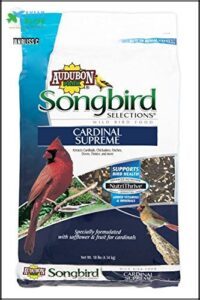
Audubon Park’s Cardinal Premium is a solid step up from budget blends. It leads with black oil sunflower and safflower seeds — the two ingredients cardinals genuinely prefer.
Plus a NutriThrive vitamin-mineral boost that promotes immunity and breeding health. The 10-lb resealable bag keeps things fresh between fills.
Fair warning: birds move through it fast, sometimes in just two days. That’s actually a good sign. It means your cardinals are coming back, and coming back often.
| Best For | Backyard bird enthusiasts who want to attract cardinals and other songbirds with a premium, nutrient-rich seed blend and don’t mind restocking often. |
|---|---|
| Primary Seed | Sunflower & Safflower |
| Weight | 10 lb |
| Price | Not listed |
| Cardinal Attraction | Yes |
| Squirrel Deterrence | Partial (safflower) |
| Made in USA | Yes |
| Additional Features |
|
- Sunflower and safflower seeds are exactly what cardinals love, so you’ll see real activity at your feeder
- NutriThrive enrichment supports birds’ immune system and breeding health — not just empty calories
- Resealable 10-lb bag keeps the seed fresh and makes storage easy between refills
- Birds burn through it fast — sometimes in two days — so your costs add up quickly
- Higher price tag than standard mixes may not suit budget-conscious buyers
- Sunflower-heavy blends tend to attract squirrels, which can be a hassle
10. Wild Delight Cardinal Bird Food
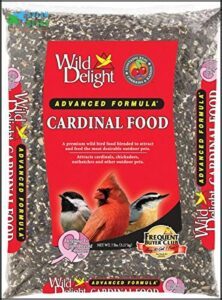
Wild Delight’s Cardinal Bird Food is the one I’d recommend if you want to skip straight to the good stuff. It is built around sunflower and safflower seeds, then layered with real cherries, raisins, and peanuts — no corn, no milo, no fillers. That matters.
You’re getting roughly 30% crude fat and added vitamins, minerals, and amino acids in every scoop. The formula prioritizes quality nutrition without unnecessary bulk.
It comes in a BPA-free barrier bag that effectively keeps moisture out. Cardinals notice the difference. So will you.
| Best For | Backyard bird enthusiasts who want to attract cardinals, finches, and chickadees with a clean, filler-free blend that actually supports bird health. |
|---|---|
| Primary Seed | Sunflower & Safflower |
| Weight | 7–8 lb |
| Price | Not listed |
| Cardinal Attraction | Yes |
| Squirrel Deterrence | Partial (safflower) |
| Made in USA | Not specified |
| Additional Features |
|
- Real cherries, raisins, and peanuts make it genuinely attractive to a wide variety of birds — no cheap fillers padding the bag
- Added vitamins, minerals, electrolytes, and amino acids mean birds are getting solid nutrition, not just calories
- The BPA-free barrier bag actually protects freshness, so the blend stays good from first scoop to last
- Squirrels and house sparrows love it too, so without a squirrel-proof feeder setup you may be feeding the whole neighborhood
- Only comes in 7–8 lb bulk sizes — no smaller option if you just want to try it out
- Nuts and seeds could be a poor fit for birds with specific dietary sensitivities, though that’s a pretty rare concern
Best Seeds for Cardinal Nutrition
Not all seeds are created equal — and cardinals are picky eaters in the best way. Knowing what actually fuels them makes a real difference in how often they show up at your feeder.
The seeds that belong in every cardinal-friendly mix are essential for attracting these birds effectively.
Black Oil Sunflower Seeds
Black oil sunflower seeds are the backbone of any good cardinal diet. They pack 40–50% oil by weight, making them a true high-energy source and reliable cold weather fuel. These seeds are essential for providing sustained energy, especially during colder months.
Their thin hull advantage allows cardinals to crack them open quickly, minimizing wasted effort. This efficiency ensures birds spend less time feeding and more time thriving. Additionally, the seeds offer a natural vitamin E boost, which directly supports feather health and overall vitality.
Beyond energy and convenience, black oil sunflower seeds deliver 15% protein content to promote healthy muscle development. This combination of nutrients makes them indispensable in any nutritious bird food mix, ensuring cardinals receive balanced, high-quality sustenance.
Safflower Seed Benefits
Sunflower seeds get all the glory, but safflower seed deserves a spot in your cardinal diet too. Its nutritional value is genuinely impressive.
The nutritional value of safflower is genuinely impressive:
- Unsaturated Fat Profile — about 40% fat, mostly heart-friendly fats
- Linoleic Acid Boost — enhances feather shine and skin health
- Mineral Richness — iron, magnesium, and phosphorus included
- Digestive Compatibility — easy on cardinal metabolism
- Squirrel deterrent — bitter taste keeps pests away
Wagner’s Safflower Seed Wild Bird Food leans into this perfectly. It’s a reliable high-energy seed and a smart feeder addition.
Shelled Peanuts for Protein
Safflower covers the fat side of things — but Northern Cardinals also need solid protein, especially during breeding season. Peanut pieces shine in this role.
Shelled peanuts pack about 7 grams of protein per ounce, with a healthy fat balance and a strong amino acid profile. They fit naturally into any high-protein diet for birds and support cardinal feeding behavior without overwhelming the mix.
Sunflower Chips Reduce Mess
Peanuts handle protein well — but if mess bothers you, sunflower chips deserve a spot in your cardinal blend. Hull-free feeding means no shell debris piling up below your station. The compact chip form also resists wind scatter, and their rainproof texture holds up after a drizzle.
Here’s why they keep feeders clean:
- Uniform chip size prevents spills in hopper trays
- Reduced ground litter means less feeder maintenance overall
- No hulls means less risk of mold in your seed mix
- Cardinals eat chips faster, wasting less
Avoid Low-value Fillers
Watch out for fillers — they’re the junk food of any seed mix. Red millet, plain oats, and excess corn dilute the nutrient density your cardinals actually need.
A quality cardinal blend lists exact seeds by percentage, so label transparency matters. Always check the harvest date, as high-energy seed loses nutritive value quickly.
Fillers reduce nutrient density while inflating costs, offering no real benefit to your birds. Avoid them to ensure your cardinals get the nourishment they require.
Choosing a Cardinal Seed Mix
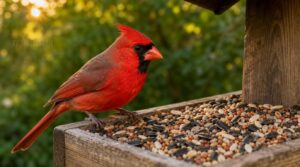
Not all cardinal mixes are created equal, and a few key factors separate the good ones from the ones that just look nice on a shelf.
Before you buy, it helps to know what to truly look for — from seed ratios and ingredient quality to packaging and squirrel resistance.
Here’s what to keep in mind as you explore your options.
Ideal Seed Percentages
Think of your cardinal blend as a recipe — proportions matter. For a solid seed mix composition, aim for 50–60% black oil sunflower seeds as your Winter Sunflower Ratio base.
Your Spring Safflower Share should sit around 15–25%.
Breeding Protein Percentage calls for 5–15% shelled peanuts.
Keep your Corn Inclusion Level at 5–10%, and follow Millet Limit Guidance: under 10%.
Filler-free Ingredient Lists
Most bags tell you everything — if you know what to look for. With cardinal blend options like Wagner’s Cardinal Blend, transparent labeling and ingredient order clarity reveal the real seed mix composition fast.
Skip anything listing vague fillers or artificial binders. Look for all-natural binders, third-party certification, and a short ingredient list. That honest seed blend formulation bolsters a high-protein diet your cardinals actually need.
Freshness and Packaging
Fresh seed is non-negotiable. Always check seal integrity before buying—a compromised package means stale, nutrient-depleted seeds.
Wagner’s Cardinal Blend uses a resealable bag with a zipper to preserve freshness for up to six weeks after opening.
Good packaging incorporates moisture barrier layers and oxygen scavengers to slow rancidity. Always verify the shelf-life indicator printed on the bottom panel.
Squirrel-resistant Blends
Squirrels can empty a feeder faster than cardinals ever get a turn. That’s why choosing a squirrel-resistant cardinal blend matters so much.
- Capsaicin coating treats high-energy seeds so birds feed normally while squirrels back off fast
- Bittering agents work the same way — safe for cardinals, miserable for mammals
- Weight-activated ports and metal cage barriers physically block access without slowing your cardinals down
- Scatter-free formulations cut ground spill, removing the easy pickings squirrels count on
Wagner’s Cardinal Blend pairs safflower’s naturally bitter shell with squirrel-proof feeders beautifully.
Seasonal Nutrition Needs
Cardinals don’t eat the same way in January as they do in May. Their needs shift with the seasons — and your seed mix should too.
| Season | Seed Priority |
|---|---|
| Winter Energy Needs & Cold-Weather Metabolism | High-fat black oil sunflower, suet |
| Autumn Fat Storage | Peanuts, safflower, cracked corn |
| Spring Vitamin Boost & Summer Hydration Focus | Dried fruit, sunflower chips |
Matching seasonal feeding to the energy needs of cardinals makes a real difference in how often they visit.
Homemade Cardinal Seed Mix Recipe
Making your own cardinal seed mix is easier than you think. You just need the right ingredients in the right amounts, and your feeders will stay busy all season.
Here’s exactly what to put together.
Sunflower and Safflower Base

Start your homemade cardinal birdseed mix with a solid base: 60% black oil sunflower seeds and 20% safflower seeds.
The oil content comparison between the two matters — sunflower hits 45–50% fat with a thin shell that speeds up feeding, while safflower’s shell thickness slows squirrels down.
Both are high-energy seeds your cardinals will love, with storage longevity factors that keep your blend fresh longer.
Peanut and Fruit Add-ins
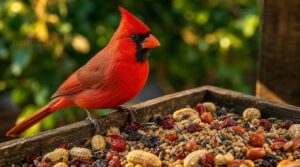
Once your sunflower-safflower base is set, add 10% unsalted peanuts for crunch texture and protein. Peanut roasting enhances flavor, but always omit salt.
For balanced sweetness, incorporate dried cranberries or wild fruits instead of raisins, as raisins pose higher sugar and mold risks.
Rotate seasonal flavors year-round to maintain interest. Handle fruit additions with clean, dry hands for safety.
Cracked Corn or Millet
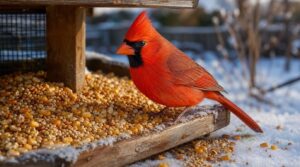
After your fruit add-ins, round out the mix with 10% cracked corn or millet for energy balance. Northern Cardinals aren’t picky here, but their texture preference leans toward coarser blends. Carb load from cracked corn fuels cold days well.
Just watch moisture management — corn spoils fast when damp.
- Use cracked corn for seasonal inclusion in winter mixes
- Keep millet dry to preserve its lightweight texture in your seed mix
- Swap between both based on the seed preference of cardinals in your yard
Winter Suet Additions
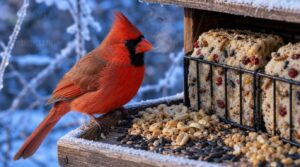
Winter’s cold is where suet dough earns its place. A butter fat base raises fat content, while crushed peanut protein adds staying power. Insect mealworms and dried berry sweeteners enhance appeal, and cornmeal binding ensures firmness.
This combination aligns with cardinals’ seed preferences, delivering high-energy seeds and bird seeds to attract them even on the coldest mornings.
Safe Storage Tips
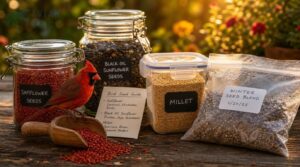
Once your homemade mix is ready, proper seed storage ensures it remains effective. Use airtight containers—BPA-free plastic or glass—to manage humidity and prevent pests. Label each batch with the purchase date for easy inventory tracking.
For larger batches, freeze storage in food-grade bags significantly extends freshness. Maintaining good seed preservation habits and spoilage prevention practices ensures Bird Seeds to Attract Cardinals stay effective all season.
Best Feeders for Cardinal Seed
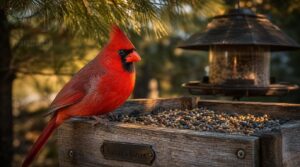
The right seed mix only does half the job — your feeder does the rest. Cardinals have specific needs regarding perch size, feeder height, and access, so not every style works well for them.
Here are the best feeder types to pair with your cardinal seed.
Platform Feeder Advantages
Platform feeders are honestly one of the best investments you can make for cardinals. That flat feeding surface mirrors how they naturally forage on the ground — no awkward angles, no cramped ports.
- Flat feeding surface welcomes multiple cardinals at once, boosting group feeding capacity
- Clear sightlines let cardinals watch for predators while eating
- Weather-proof design keeps your seed mix fresh longer
- Easy cleaning means less mess, healthier birds
- Adaptable surface holds any Bird Seeds to Attract Cardinals, from safflower to sunflower chips
Load yours with Wagner’s Cardinal Blend or other high-energy seeds, and you’ll see why cardinals keep coming back.
Hopper Feeder Benefits
Hopper feeders are a smart upgrade if you want less refilling and more cardinals. Their High Seed Capacity — usually 2 to 8 quarts — means you’re not out there every day. Weatherproof Construction and Dry Operation keep your birdseed fresh through rain and wind.
| Feature | Benefit | Best For |
|---|---|---|
| High Seed Capacity | Fewer refills needed | Busy bird lovers |
| Easy Refilling | Lift roof, pour, done | Minimal Maintenance |
| Weatherproof Construction | Seed stays dry | Year-round feeding |
Fill your feeder with Wagner’s Cardinal Blend, and these cardinal-friendly feeders practically run themselves.
Ground-tray Feeding Options
Cardinals are natural ground foragers, so a ground tray feeder just makes sense. Position yours 6 to 12 inches up for solid mold prevention and smart drainage design. That tray height keeps seed dry and predators guessing.
Use weatherproof covers during heavy rain, practice seasonal seed rotation, and fill with a safflower-heavy seed mix — these cardinal-friendly feeders really deliver.
Squirrel-proof Feeder Features
Squirrels are persistent, but the right feeder design keeps them out. A weight-activated perch collapses under anything heavier than about two ounces — enough to block squirrels while letting cardinals feed freely.
Protected seed ports and chew-resistant materials handle the gnawers, while baffle shielding stops roof-droppers cold. Access-limiting cage designs add another layer of defense.
Fill yours with Wagner’s Cardinal Blend, and squirrel-proof feeders genuinely earn their name.
Cardinal-friendly Perch Design
A well-designed perch makes all the difference for your red visitors. Cardinal-friendly feeders work best with a wide flat perch — at least 6 inches — so those big feet land steadily every time.
- Angled perch posts guide birds forward naturally, reducing tail scraping
- Non-slip surface ridges prevent slipping on wet mornings
- Adjustable height lets you fine-tune bird feeder placement near shrubs for quick cover
Fill it with Wagner’s Cardinal Blend and watch them settle right in.
Attracting Cardinals Year-Round

Getting cardinals to visit once is satisfying — keeping them coming back all year is even better. Simple habits make a real difference in how often you’ll spot that flash of red at your feeder.
Here’s what to focus on across every season.
Feeder Placement Tips
Smart bird feeder placement makes all the difference. Keep your feeder within a clear Visibility Line from your window so you actually enjoy the show.
Follow basic feeder placement guidelines: maintain a Predator Buffer of at least 10 feet from dense cover, practice Window Safety by staying 3 feet from glass, and adjust your Seasonal Positioning as weather shifts.
Wagner’s Cardinal Blend works best when your setup is right.
Fresh Water Nearby
Placement tips for seed are only half the story — water matters just as much. Cardinals love a clean birdbath within a few feet of your feeder.
- Summer: Use a mister or dripper to keep water cool and inviting.
- Winter: Heated Water Options prevent freezing.
- Year-round: Hygiene Protocols mean replacing water daily.
Position it with Predator Protection in mind — open sight lines help. Wagner’s Cardinal Blend paired with cardinal-friendly feeders works best when fresh water is close by.
Shelter From Shrubs
Fresh water draws them in — but shrubs keep them coming back. Cardinals love the safety of dense cover close to feeders. Evergreen shrub cover provides year-round shelter, while thorny barrier plants deter ground predators. A shrub windbreak cuts cold air on rough days.
| Shrub Feature | Cardinal Benefit |
|---|---|
| Evergreen cover | Year-round shelter |
| Thorny barrier | Predator deterrence |
| Shelter corridors | Safe flight paths |
| Predator visual obstruction | Longer feeder visits |
| Native shrubs with dogwood berries | Food plus bird habitat |
Pair your Wagner’s Cardinal Blend with nearby native shrubs, and you’ll see those striking reds settle in with confidence.
Spring Breeding Support
Spring brings a different kind of hunger to your yard. Cardinals need more protein during breeding season — females especially, since egg production takes real energy. Switch to Wagner’s Cardinal Blend with extra shelled peanuts or mealworms for a high-protein diet boost.
Keep a quiet yard environment near nesting box placements, and ensure water sources are within 10 feet.
Safflower seeds and energy-dense seeds round it out perfectly.
Winter Feeding Strategy
Winter is when your feeders matter most. Cardinals burn up to 30 percent more calories in subfreezing temperatures, so switch to a calorie-dense mix heavy on black oil sunflower and shelled peanuts — your rapid energy snacks for cold mornings.
In winter, cardinals burn 30 percent more calories, so fuel them with calorie-dense sunflower and peanut mixes
Heightened placement at 5–6 feet helps reduce moisture and predator risk. Don’t forget to provide ice-free water; dehydration hits even in freezing weather.
Frequently Asked Questions (FAQs)
What is the best seed mix for cardinals?
The best mix for Northern Cardinals centers around a 60/40 split of black oil sunflower and safflower seeds.
Wagner’s Cardinal Blend achieves this oil-protein balance perfectly, providing cardinals with the essential nutrients they need year-round.
What is the best bird feed for cardinals and blue jays?
Black oil sunflower seeds work perfectly for both Northern Cardinals and blue jays. Add safflower and shelled peanuts for cross-species preferences.
That simple seed mix ratios approach keeps both birds happy and well-fed.
What does a cardinal most likely eat?
Northern Cardinals eat seeds, insects, and berries depending on the season.
They forage on the ground for black oil sunflower seeds and safflower seeds, while insect foraging and berry consumption cover their seasonal protein needs.
How to feed cardinals and not squirrels?
Squirrels will find your feeder. Use metal baffles on an elevated pole, weight-activated ports, and safflower seeds — they hate the bitter taste. Clean up spills daily.
What seeds do cardinals prefer most?
Northern Cardinals go straight for black oil sunflower seeds and safflower seeds first. Their seed size preference leans toward large, oil-rich seeds.
The oil-rich seed value matters—both fuel the high-protein diet they need year-round.
Can cardinals eat Nyjer seeds?
Yes, cardinals can eat Nyjer seeds, but it’s not their first choice. Their beaks are built for larger seeds. Nyjer works best as a supplement, not a staple.
How often refill cardinal feeders?
Refill your cardinal feeders every 2 to 4 days in winter. Seasonal demand, feeder capacity, and weather effects all shift that schedule. Watch your monitoring indicators — empty perches mean it’s time.
Do cardinals like millet seeds?
Cardinals don’t love millet the way they love sunflower seeds, but they’ll eat white millet — especially off the ground.
Think of it as a backup, not a headliner, in your seed mix.
Are cardinal mixes suitable for finches?
Cardinal mixes aren’t ideal for finches. Finch seed preferences lean toward nyjer and millet — seeds their slender bills handle best.
Beak size compatibility matters, so consider separate feeder zones for better results.
How often should I clean cardinal feeders?
Clean your feeders every one to two weeks during peak season. In rainy weather, go weekly. Winter? Every three to four weeks is fine.
Conclusion
The best birdseed mix for cardinals can turn a quiet, empty yard into a flash of crimson every single morning. Cardinals are creatures of habit—feed them well once, and they’ll return for years.
Skip the filler-heavy generics. Build your mix around black oil sunflower and safflower, pair it with a platform feeder and fresh water nearby, and you’ve done everything right.
The birds will handle the rest.
- https://puregrubs.com/blogs/pure-grubs/best-bird-seed-for-cardinals?srsltid=AfmBOorPHH21196Dbc0CaGsvJXNMvksP4RHsKo74bRqa9BeA_JrxTjxp
- https://www.kingsyard.com/cardinal-feeders?srsltid=AfmBOoqInxjWyG4nSID1FkAg3Q7mFPliUkU_kXP17Y8ym3_qEg6xMap5
- https://dansbirdbites.com/the-best-bird-seed-for-cardinals/
- https://georgiawildlife.com/out-my-backdoor-best-seeds-backyard-bird-feeders
- https://www.wbu.com/birds/cardinals/