This site is supported by our readers. We may earn a commission, at no cost to you, if you purchase through links.

A bird that roams freely outside its cage needs more than open space—it needs safe places to land.
Most owners focus on toys and diet, but the perches your bird uses every day quietly shape its foot health, nail condition, and confidence.
The wrong surface causes pressure sores.
The wrong size strains tendons.
And a perch that wobbles? Your bird won’t trust it.
Choosing bird perches for free roaming birds means thinking beyond the cage, matching materials and diameters to your specific species, and knowing which products actually hold up to daily use.
Table Of Contents
Key Takeaways
- Perch diameter must match your bird’s size — small birds need 3/8 to 1/2 inch, medium parrots 5/8 to 1 inch, and large macaws 1 to 2 inches — or you risk real tendon strain over time.
- Mixing different perch diameters, textures, and angles isn’t just enrichment — it actively prevents foot fatigue, bumblefoot, and muscle imbalance in free-roaming birds.
- Safe perch materials include untreated hardwoods like maple, birch, and manzanita, while pressure-treated wood, oil-based finishes, and heavy-metal paints can seriously harm your bird.
- Rope perches need replacing every 4 to 8 weeks and wood perches every 2 to 3 months for heavy chewers — clean weekly and inspect for cracks wider than 0.5 mm before every use.
7 Best Bird Perches Reviewed
Finding the right perch for a free-roaming bird takes more than a quick guess. You need something safe, the right size, and built to last.
This guide to natural wood bird cage accessories breaks down exactly what to look for so you’re not guessing when it matters.
Here are seven perches worth your attention.
1. RYPET Quartz Sand Bird Perch
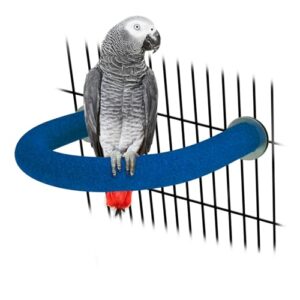
The RYPET Quartz Sand Bird Perch is a solid pick for medium to large parrots like African Greys, cockatoos, and conures. Its PVC core is wrapped in natural quartz sand, which gently files your bird’s nails and beak during normal perching.
No extra grinding tools needed.
It mounts tool-free using a built-in bolt and wing nut, so setup takes seconds.
Just note that very large macaws may find the U-shaped design a bit snug.
| Best For | Medium to large parrot owners — think African Greys, cockatoos, conures, and Amazons — who want a low-maintenance perch that handles nail and beak upkeep on its own. |
|---|---|
| Material | PVC with quartz sand coating |
| Bird Size | Medium to large parrots |
| Installation | Tool-free wing nut and bolt |
| Non-Toxic | Yes, food-grade coating |
| Foot Health | Abrasive nail and beak filing |
| Enrichment | Texture encourages foot exercise |
| Additional Features |
|
- The quartz sand coating naturally files nails and beaks just through everyday perching — no extra tools needed.
- Tool-free install with a built-in bolt and wing nut means you can have it up in seconds.
- The PVC core is food-grade and non-toxic, so it’s safe even if your bird decides to chew on it.
- The abrasive coating has been known to flake or chip after a few weeks, especially with more active birds.
- Very large species like big macaws or Eclectus parrots may find the U-shape too small to sit in comfortably.
- The wing nut hardware can be too small for cages with wider bars, so you might need to grab extra washers.
2. Mygeromon Multicolor Bird Rope Perch
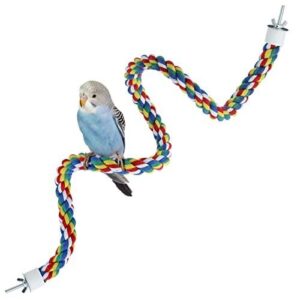
If your bird prefers something a little softer underfoot, the Mygeromon Multicolor Rope Perch is worth a look. It stretches 31.5 inches long with a comfortable 0.8-inch diameter — a good fit for budgies, canaries, and cockatiels.
The steel wire core lets you bend it into different shapes, so you can keep things fresh and mentally stimulating for your bird.
Cotton covering stays gentle on feet.
At $7.99, it’s an affordable way to add variety to any cage setup.
| Best For | Small bird owners — especially those with budgies, canaries, or cockatiels — who want an affordable, flexible perch that doubles as enrichment. |
|---|---|
| Material | Steel wire with cotton rope |
| Bird Size | Small to medium birds |
| Installation | Screw-nut ends, tool-free |
| Non-Toxic | Yes, cotton and steel |
| Foot Health | Cushioned, reduces foot fatigue |
| Enrichment | Reshapeable for mental stimulation |
| Additional Features |
|
- Bendable steel core lets you reshape it anytime, which helps keep curious birds engaged
- Soft cotton wrapping is easy on little feet and reduces fatigue during long perching sessions
- Tool-free install with screw-on end nuts makes setup and removal genuinely painless
- Can sag or lose firmness over time, particularly if your bird is on the heavier or more active side
- Cotton ends tend to fray with heavy chewing or frequent reshaping, so it may need replacing sooner than expected
- The fit can feel a bit loose without extra washers, which aren’t included
3. Halinfer Bird Rope Perch
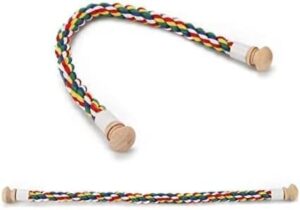
Want something built for travel? The Halinfer Bird Rope Perch is made for birds on the move.
It mounts easily on backpack carriers and standard cages without any tools.
The braided cotton rope sits over a flexible core, so it holds its shape but stays gentle on your bird’s feet.
Recessed end screws reduce chewing risks, which is a smart detail.
At $14.99, it’s a solid pick for owners who switch between home and on-the-go setups regularly.
| Best For | Bird owners who travel often and want a simple, affordable perch that works in both backpack carriers and home cages. |
|---|---|
| Material | Rope fabric |
| Bird Size | Small to medium birds |
| Installation | Tool-free screw mount |
| Non-Toxic | Yes, fabric rope |
| Foot Health | Stable grip for feet |
| Enrichment | Stable resting and play perch |
| Additional Features |
|
- Easy to install with no tools needed — attaches and detaches in seconds
- Recessed end screws are a thoughtful touch that help cut down on chewing
- At $14.99, it’s a budget-friendly option for travel setups
- Some buyers report it breaking sooner than expected, so durability can be hit or miss
- The compact size might not leave room for both a perch and a swing in the same carrier
- Mounting hardware doesn’t fit every cage or carrier model without a little fiddling
4. Wooden Suction Cup Bird Perch
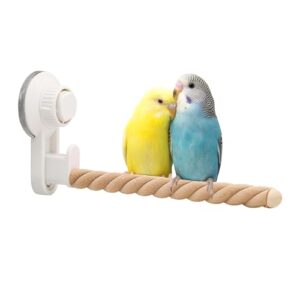
Sometimes, your bird just wants a window seat. That’s where the Wooden Suction Cup Bird Perch earns its place.
The 7.87-inch natural wood rod attaches to any smooth glass surface using a twist-grip suction cup. Wet it, press it, and it holds firm. It works on windows, shower walls, and car glass — giving your bird a fresh perch wherever you go.
If you want to go deeper on foot health and grip, this guide to safe bird cage perch options breaks down what textures and materials actually make a difference.
The untreated wood is safe for feet and beaks. Just keep the surface clean for a steady grip.
| Best For | Bird owners who want a simple, portable perch for shower time, window watching, or travel. |
|---|---|
| Material | Natural wood with ABS plastic |
| Bird Size | Small to medium birds |
| Installation | Suction cup twist-grip |
| Non-Toxic | Yes, natural wood and ABS |
| Foot Health | Natural wood texture |
| Enrichment | Window viewing, mental stimulation |
| Additional Features |
|
- Natural wood is safe and comfortable for feet and beaks
- Works across multiple surfaces — windows, shower walls, even car glass
- Easy to remove and clean without pulling the whole suction cup off
- Suction cup can be finicky — textured or dirty surfaces won’t hold it well
- Setup instructions are pretty bare-bones, so expect some trial and error
- Some units arrive with scratches or cracks right out of the box
5. Kingvelly Small Bird Travel Carrier
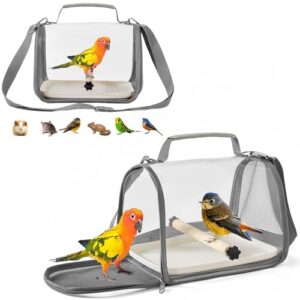
Heading out with your small bird doesn’t have to be stressful. The Kingvelly Small Bird Travel Carrier makes trips easy and safe.
It weighs just 2.6 pounds and collapses flat for storage. A clear acrylic window lets your bird watch the world go by.
The built-in 12 mm perch gives small birds a stable resting spot. Non-toxic ABS plastic, rounded edges, and double-stitched locking zippers keep things secure.
It’s a smart pick for vet runs or outdoor adventures.
| Best For | Small bird, guinea pig, or lizard owners who need a lightweight, hands-free carrier for vet visits, errands, or outdoor adventures. |
|---|---|
| Material | Oxford fabric with wooden perch |
| Bird Size | Small birds and small pets |
| Installation | Integrated inside carrier |
| Non-Toxic | Yes, Oxford fabric and wood |
| Foot Health | Wooden perch inside carrier |
| Enrichment | Scenic viewing reduces stress |
| Additional Features |
|
- 360° mesh and clear windows give your pet a full view, which helps keep them calm on the go.
- Three carry options (top handle, shoulder strap, sling) make it easy to use no matter where you’re headed.
- The removable tray and side zip make cleanup quick and simple after trips.
- The interior is small, so it won’t work for medium or large birds.
- Some users find the side zip tight and a little awkward to open.
- It comes in one size only, with no way to adjust ventilation or interior space for longer trips.
6. Deloky Natural Wood Bird Perch Stand
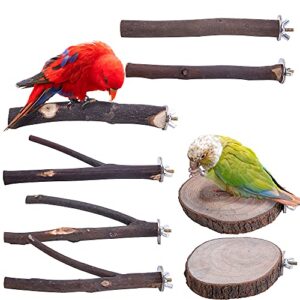
The Deloky Natural Wood Bird Perch Stand is a solid choice for small to medium birds like budgies, lovebirds, and cockatiels. It’s crafted from untreated hardwood, so there are no harmful chemicals your bird might chew into.
The varied diameters help exercise your bird’s foot muscles and lower arthritis risk over time.
Assembly takes just minutes, and the anti-slip base keeps it steady.
Natural wood grain adds texture that your bird will actually enjoy gripping.
| Best For | Small birds like budgies, lovebirds, and cockatiels whose owners want a natural, enriching cage setup that supports foot health and beak conditioning. |
|---|---|
| Material | Natural hardwood |
| Bird Size | Small birds |
| Installation | Tool-free wing nuts and bolts |
| Non-Toxic | Yes, untreated hardwood |
| Foot Health | Varied diameters reduce arthritis risk |
| Enrichment | Chewing and climbing enrichment |
| Additional Features |
|
- 8-piece variety gives your bird plenty of perching options at different heights and diameters, which is great for foot exercise
- Made from untreated hardwood — no chemicals to worry about, and safe for birds that love to chew
- Tool-free installation with built-in bolts and wing nuts makes it easy to set up in any cage
- Too small for larger parrots or macaws — this one’s strictly for the little guys
- Some users have found the washers don’t fit snugly, so you might need to swap them out
- The softer wood can wear down quickly if your bird is an aggressive chewer
7. Wooden Bird Perch Platform
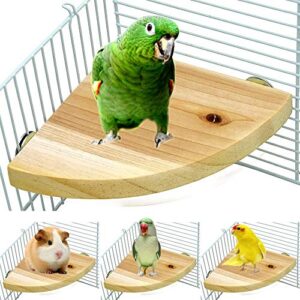
The Borangs Wooden Bird Perch Platform keeps things simple — and that’s exactly the point. This compact fir wood corner mount (about 7.28 × 7.28 inches) gives your bird a clean, chemical-free resting spot without crowding the cage.
It’s untreated and sanded smooth, so splinters aren’t a concern. The flat surface doubles as a snack station for treats or veggies.
Just note that heavy chewers may wear it down within five to six months, so check it regularly.
| Best For | Bird and small pet owners who want a simple, natural wood perch that tucks into a cage corner without taking up too much room. |
|---|---|
| Material | Natural fir wood |
| Bird Size | Small birds and small pets |
| Installation | Four screws required |
| Non-Toxic | Yes, untreated fir wood |
| Foot Health | Smooth surface reduces foot fatigue |
| Enrichment | Climbing, chewing, foraging encouraged |
| Additional Features |
|
- 100% natural fir wood — no chemicals, no coatings, safe for chewing and perching
- Corner-mount design saves space and keeps the center of the cage open for flying and playing
- Doubles as a feeding spot — great for placing treats, veggies, or food bowls
- Heavy chewers can wear it down in as little as five to six months
- Porous wood holds onto droppings, so it needs regular cleaning and occasional sanding
- Screws can loosen over time, especially if you’re washing it frequently
Safe Materials for Free-Roaming Birds
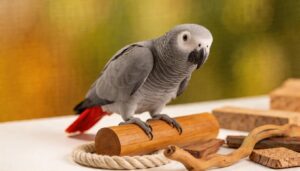
Not every perch material is created equal, and for free-roaming birds, the wrong choice can cause real harm. What your bird lands on every day matters more than most owners realize.
Here’s what to look for before you buy.
Non-toxic Hardwoods for Daily Perching
Your bird’s feet deserve a solid foundation.
Natural hardwood perches made from maple, birch, ash, manzanita, or applewood are genuinely safe choices for daily use.
Each offers non-toxic wood with excellent perch material durability and safety.
Their grain texture provides natural grip, while applewood adds a pleasant natural aroma.
These eco-friendly wood options resist humidity well and come from ethical sourcing when seasonally available.
Choosing safe wood for toys helps support foot muscle development.
Woods and Finishes to Avoid
Not every natural wood is a safe wood — and finishes can be just as dangerous as the wrong species.
Avoid these common hazards:
- Toxic wood preservatives in pressure-treated lumber, leach chemicals birds can ingest while chewing
- Oil-based finishes release harmful solvents that damage sensitive avian airways
- Heavy metal paints containing lead or cadmium are serious ingestion risks on any perch
- Waxed surface slippage, and dense hardwood splinters make gripping unsafe and painful
Stick to natural wood without paint and choose only nontoxic materials confirmed safe for birds.
Rope, PVC, and ABS Safety Checks
Rope, PVC, and ABS plastic perches need regular checks to stay safe.
Run a Fiber Integrity Inspection on rope perches — look for frays or exposed cores. PVC and ABS require UV Degradation Monitoring since cracks signal aging.
Always confirm nontoxic materials and run a Load Capacity Verification before use.
| Check Type | What to Look For | Action Required |
|---|---|---|
| Fiber Integrity Inspection | Frays, nicks, exposed core | Replace immediately |
| UV Degradation Monitoring | Cracks, discoloration, brittleness | Retire perch |
| Hardware Corrosion Check | Rust, deformation on clips | Replace hardware |
Stainless-steel Hardware for Secure Mounting
Hardware matters more than most people think. Once you’ve confirmed your rope or plastic perch is safe, the mounting hardware seals the deal.
Here’s what to look for:
- Use corrosion-resistant fasteners — grade 316 stainless steel holds up in humid or outdoor spaces
- Choose load-rated bolts sized M6–M12 for a sturdy stainless steel connection
- Add self-locking nuts so vibration from active birds won’t loosen anything
- Attach stainless eyelets and metal washers to spread weight evenly
- Use vibration-dampening clamps with metal wing nuts for secure installation and perch stability
Textured Surfaces for Grip and Comfort
Once the hardware is locked in, texture is your next line of defense. Microknurling patterns and pyramidal protrusions break surface tension, so your bird’s feet stay planted — even with wet or oily feet.
Crosshatch grip distributes pressure evenly, and silicone coating texture resists claw wear over time.
Embedded mineral dust in natural wood perches quietly, promotes foot health and nail trimming while adding variety of perch textures for enrichment.
Choosing The Right Perch Size
Getting the size right makes a bigger difference than most people expect. A perch that’s too thick or too thin puts real strain on your bird’s feet over time.
Here’s what to look for before you buy.
Best Perch Diameters by Bird Size
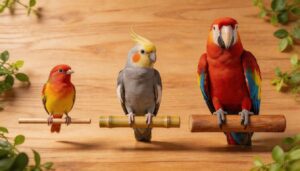
Getting perch diameter selection right depends on your bird’s size.
For Small Bird Grip, finches and canaries need 3/8 to 1/2‑inch diameters.
Medium Parrot Fit works best between 5/8 and 1‑inch for cockatiels or conures.
Large Macaw Span requires 1 to 2 inches to protect bird foot anatomy and support pressure sore prevention through proper Growth Stage Sizing and Weight-Based Sizing.
Why Mixed Diameters Support Foot Health
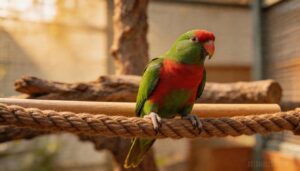
Once you’ve nailed perch diameter selection by size, mix it up a little. Using varied diameters facilitates Pressure Distribution Variation and Skin Stress Relief by shifting contact points across the foot. It also drives Toe Flexion Dynamics and Joint Mobility Enhancement through natural grip changes.
- Fatigue Reduction — alternating widths prevent one muscle group from overworking
- Foot muscle exercise — tighter and wider grips engage different toe placements
- Bumblefoot prevention — mixed diameters reduce localized pressure buildup
Perch Length for Free Movement
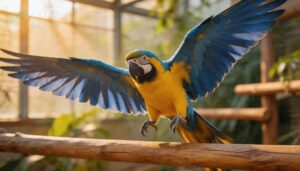
Length matters just as much as perch diameter’s importance for foot health. A good rule of thumb: perch length should exceed your bird’s wingspan by at least 1 inch.
This creates clear flight corridor length for safe takeoffs and landings.
Adjustable perch systems make seasonal length adjustments simple, and smart multi-level length planning gives your bird room to truly roam.
Avoiding Uniform Perches and Foot Fatigue
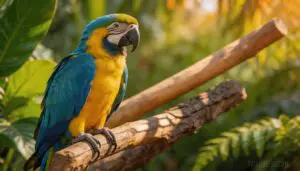
Think of your bird’s feet like athletes’ muscles — they need variety to stay strong. Uniform perches cause pressure concentration and foot fatigue fast.
Like an athlete’s muscles, your bird’s feet need variety — uniform perches breed fatigue fast
Use Adjustable Diameter Rotation and Alternating Texture Patterns to support Foot Muscle Cycling:
- Rotate diameters from 1.0 cm to 2.6 cm daily
- Alternate smooth and ribbed surfaces
- Apply Variable Perch Angles for toe flexion
- Schedule Perch Rest breaks between sessions
Matching Perch Style to Species Needs

Every bird species has its own behavioral preference regarding perch style.
Budgies need 3–5 mm diameters with grip texture from natural bark. Cockatiels thrive on 6–9 mm perches with slight species curvature for secure footing. Large parrots want 10–25 mm natural wood perches for foot health.
Seasonal adjustments, like adding softer rope in winter, keep feet comfortable year-round.
Stability, Placement, and Enrichment
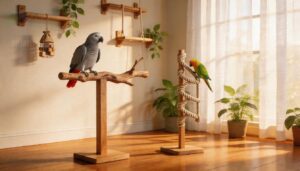
A good perch does more than give your bird somewhere to stand. Where you put it, how secure it is, and what surrounds it all shape how much your bird actually uses it.
Here’s what to know before you set anything up.
Stable Mounts for Stands, Cages, and Windows
A wobbly perch is an accident waiting to happen.
Freestanding stands stay grounded with rubber foot pads and locking caster wheels that lock tight when your bird lands.
Low center gravity bases and anti-tip bars keep things steady during flapping.
Quick-attach clamps and metal wing nuts with rust resistant hardware make installation and stability of aviary perches genuinely simple and secure.
Suction Cup and Clamp Placement Tips
Surface cleanliness is your first step — wipe the glass dry before pressing any suction cup bird perch into place. Cup spacing guidelines suggest keeping cups at least one inch apart for even load distribution patterns.
Check your clamp jaw adjustment to fit curved perch shapes snugly. Make seal inspection routine weekly.
Perch placement strategy and solid perch installation hardware and mounting methods keep the installation and stability of aviary perches reliable.
Multi-height Layouts for Climbing and Flight
Birds thrive when they can move up, across, and down — just like in the wild.
A Vertical Tier Design places perches at low, mid, and high levels, encouraging natural climbing and flight practice. Active Shift Zones connect each level with varied textures and angles. Use Modular Height Expansion to add tiers as your bird grows more confident and active.
Angled Perches for Muscle Exercise
Angled perches take foot health a step further. A tilt between 15 and 45 degrees — the sweet angle range benefits — activates different flexor muscles with every grip shift. That’s foot muscle activation working quietly in the background.
Tendon tension variation keeps toes strong and balanced. Try progressive angle training by rotating U-shaped perch and corner perch styles.
Adjustable perch systems for flexible cage layouts make perch ergonomics and foot grip easy to customize. Joint stability enhancement follows naturally.
Adding Swings and Toys for Enrichment
Once your perch angles are sorted, it’s time to make things fun. A swing toy turns a simple perch into a bird playground.
- Aerial Swings encourage mini hops and build balance.
- Puzzle Toys and Sensory Toys boost mental stimulation through foraging.
- Mirror Interaction with Fluid Rotation of toys reduces stress.
Environmental enrichment keeps your bird curious and thriving.
Cleaning and Replacing Perches
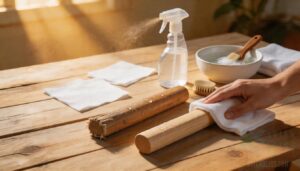
Keeping perches clean is one of the easiest ways to protect your bird’s health. A little routine care also goes a long way toward making them last.
Here’s what you need to know about cleaning, inspecting, and replacing perches the right way.
Weekly Cleaning for Better Hygiene
Every week, give your bird’s perches a proper scrub with mild soap and warm water. Use separate cloths for perches and other cage surfaces to stop bacteria from spreading. Consistent cleaning frequency for bird perches helps odor control, bird foot health, and long-term health monitoring.
A dedicated cleaning kit keeps things organized and safe.
Good ventilation boosts air quality during and after cleaning.
Safe Disinfecting Methods for Bird Perches
After washing, disinfecting is your next move.
A simple vinegar dilution ratio—equal parts water and white vinegar—works well for routine use. For deeper cleaning, apply 3% hydrogen peroxide and follow the hydrogen peroxide contact time of five minutes before rinsing. The bleach rinse protocol calls for a 1:32 dilution, a 10-minute dwell, then a thorough rinse.
Always complete the preclean soap step first. For drying porous perches like wood, air dry fully to prevent mold.
Inspecting for Cracks, Splinters, and Chew Damage
Once your perch is clean and dry, give it a close look before putting it back.
Here’s what to check every time:
- Crack Measurement – Flag any crack wider than 0.5 mm; that’s a safety risk.
- Splinter Detection – Run your finger along edges and sand anything that snags.
- Chew Damage Assessment – Hollowed or pitted spots weaken perch durability and wear resistance fast.
- Moisture Rot Indicators – Soft dark patches or a musty smell mean internal rot.
- Inspection Schedule – Check before each use; quarterly deep checks catch hidden damage early.
When to Replace Wood and Rope Perches
Even clean perches wear out — and knowing when to swap them protects your bird’s foot health.
Watch for crack detection red flags like deep splits, rope fraying signs near grip zones, or moisture decay that cleaning can’t fix.
Heavy chewers may need wood perches replaced every 2–3 months.
Rope perches often go faster, around 4–8 weeks, depending on chewing rate impact and seasonal wear patterns.
Extending Perch Lifespan With Proper Care
A little routine goes a long way toward keeping perches safe longer.
- Wear Rotation Schedule — Swap perches every few weeks to spread chew damage evenly.
- Moisture Control + UV Protection — Dry perches fully after cleaning and keep them from direct sunlight.
- Hardware Inspection + Seasonal Storage — Check bolts monthly and store spare perches in a dry spot.
Frequently Asked Questions (FAQs)
What sounds do parrots hate?
Parrots are like living alarm systems — sudden loud noises, high-pitched screeching, discordant harsh tones, prolonged repetition, and unexpected environmental noises all trigger real stress.
Knowing these triggers helps avian welfare and natural behavior encouragement daily.
How do heated perches benefit older birds?
Heated perches offer older birds foot warmth, joint relief, and better sleep quality. They act as a therapeutic perch, supporting draft mitigation, energy conservation, and foot health — easing foot fatigue and helping prevent pressure sores.
Which perches work best for travel outings?
Lightweight design, quick setup, and weather-resistant finishes make the best portable perch options for travel.
The Kingvelly travel cage integrates a stabilized perch, while suction cup bird perch models offer compact storage solutions anywhere.
Can birds share perches without territorial conflict?
Yes, birds can share perches peacefully.
Equal-height placement, smart perch spacing strategies, and rotating perch locations reduce conflict. Visual barrier use and resource distribution balance help even territorial species coexist calmly.
How does perch placement affect bird stress levels?
Where you place a perch matters more than you’d think. Visual exposure, escape routes, and perch crowding all shape stress indicators.
Smart cage design considerations improve pressure distribution, supporting bird welfare and boosting avian enrichment and bird activity levels.
What perch features support birds with foot injuries?
Soft Cushioned Rope and an Ergonomic Shape reduce pressure sores.
Adjustable Diameter options follow an Anti‑Bumblefoot Design, supporting foot health and easing foot fatigue through perch diameter importance, Perch material durability and safety, and optional Heat Therapy Perch warmth.
Conclusion
A bird’s life is like a tree – it needs strong roots to thrive. When choosing bird perches for free-roaming birds, think beyond just a place to land.
Consider your bird’s health, happiness, and trust. A well-chosen perch is a foundation for confident flight and joyful exploration.
By selecting safe, sturdy perches that match your bird’s needs, you’re giving them the freedom to soar—and a life that’s truly taken flight.